
Causes And solutions ForThe knee pain
Knee pain is a common ailment that can stem from a variety of factors, from overuse and injury to underlying medical conditions. This comprehensive FAQ addresses some of the most common questions surrounding knee pain and provides insights into exercises and treatments that might provide relief. However, it’s crucial to consult a healthcare professional for personalized advice and treatment.
Table of Contents
- Common Causes of Knee Pain
- Exercises to Alleviate Knee Pain
- Importance of Hip and Ankle Strength
- Osteoarthritis and Knee Pain
- Runner’s Knee: Causes and Prevention
- Meniscus Tears: Symptoms and Treatment
- Knee Brace Selection Guide
- Physical Therapy for Knee Pain
<a name=”common-causes”></a>
What are some common causes of knee pain?
Knee pain can be attributed to various factors, and identifying the specific cause is crucial for effective treatment. Some common causes include:
- Anterior Knee Pain: This type of pain, often referred to as chondromalacia, is frequently observed and can be linked to issues with how the kneecap aligns and moves.
- Patellar Tendon Pain: Activities like running, cutting, or jumping can lead to pain in the patellar tendon, the tendon connecting the kneecap to the shinbone.
- Osteoarthritis: A degenerative joint condition that commonly affects the knees, causing pain, stiffness, and reduced mobility.
- Ligament Injuries: Tears or sprains in the knee ligaments, such as the ACL (anterior cruciate ligament) or MCL (medial collateral ligament), can cause significant pain and instability.
- Meniscus Tears: Damage to the cartilage that cushions the knee joint can result in pain, swelling, and difficulty moving the knee.
<img src=”/api/placeholder/400/300″ alt=”Diagram of knee anatomy showing common pain points” />
<a name=”exercises”></a>
What exercises can help alleviate knee pain?
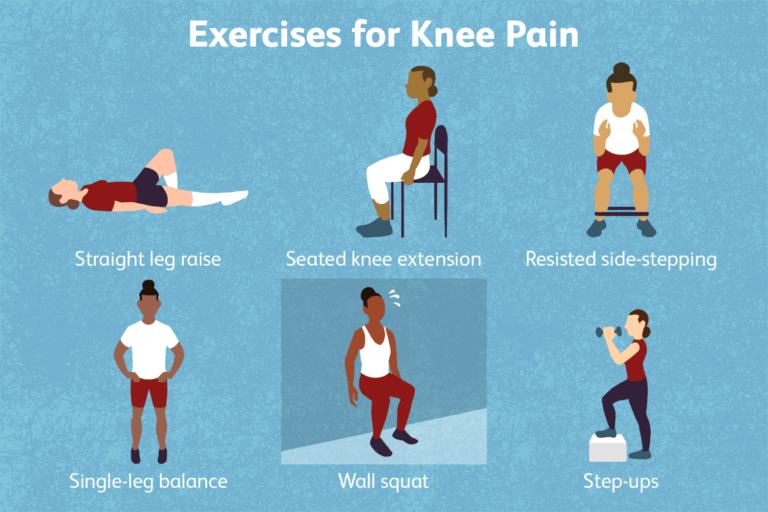
While it’s essential to consult a medical professional for diagnosis and a tailored exercise plan, certain exercises may help strengthen the muscles surrounding the knee and improve its stability. Remember to start slowly and listen to your body. Stop if you feel any sharp pain.
Exercises Targeting the Quadriceps:
- Quad Sets:
- Sit with your legs extended in front of you.
- Tighten your quadriceps muscles (front of your thigh) as if pushing your knee down into the floor.
- Hold the contraction for 10 seconds, repeat 10 times.
- Aim to do these throughout the day.
- Short Arc Quads:
- Place a foam roller, rolled-up towel, or a similar object behind your knee.
- Gently straighten your leg by engaging your quadriceps, maintaining contact with the object behind your knee.
- Slowly lower your leg back down.
- Aim for 10-20 repetitions.
- Straight Leg Raises:
- Lie on your back or prop yourself up on your elbows.
- Tighten your quadriceps and lift one leg about 30 degrees off the ground, keeping your knee straight.
- Slowly lower your leg back down.
- Aim for 10-20 repetitions.
<img src=”/api/placeholder/400/300″ alt=”Person demonstrating straight leg raise exercise” />
Exercises Targeting Other Supporting Muscles:
- Bridges:
- Lie on your back with knees bent.
- Contract your glutes and hamstrings to lift your hips off the floor.
- Hold for 3 seconds and lower down.
- Start with 10 repetitions and gradually increase.
- Clamshells:
- Lie on your side with hips and knees bent.
- Keeping your feet together, raise your top knee as high as you can without rotating your hip.
- Lower your knee back down.
- Aim for 10-20 repetitions on each side.
- Side-Lying Abduction:
- Lie on your side with your top leg extended and bottom leg bent.
- Keeping your top leg straight, lift it up towards the ceiling, leading with your heel.
- Lower your leg back down.
- Aim for 10 repetitions and gradually increase.
<a name=”hip-and-ankle”></a>
What is the importance of hip and ankle strength for knee pain?
While the knee joint itself primarily flexes and extends, the stability and alignment of the knee are significantly influenced by the strength and stability of the surrounding hip and ankle joints. Weak hips and ankles can affect how the knee tracks during movement, potentially leading to pain and discomfort. Therefore, incorporating exercises that target hip abductors and other hip and ankle stabilizers is essential for comprehensive knee pain management.
Some exercises to strengthen hips and ankles include:
- Hip Abductor Strengthening:
- Stand on one leg, holding onto a chair for balance if needed.
- Lift your other leg out to the side, keeping it straight.
- Lower it back down slowly.
- Repeat 10-15 times on each side.
- Ankle Circles:
- Sit in a chair with your feet off the ground.
- Rotate your ankles in circles, 10 times clockwise and 10 times counterclockwise.
- Repeat with the other ankle.
<img src=”/api/placeholder/400/300″ alt=”Illustration of hip and ankle exercises” />
<a name=”osteoarthritis”></a>
Osteoarthritis and Knee Pain
Osteoarthritis (OA) is one of the most common causes of chronic knee pain, especially in older adults. It’s a degenerative condition where the cartilage in the knee joint wears away over time, leading to pain, stiffness, and reduced mobility.
Symptoms of Knee Osteoarthritis:
- Pain that worsens with activity
- Stiffness, especially in the morning or after periods of inactivity
- Swelling in the knee joint
- A grating or crackling sound when moving the knee
- Decreased range of motion
Management Strategies for Osteoarthritis:
- Weight Management: Maintaining a healthy weight reduces stress on the knee joints.
- Low-Impact Exercise: Activities like swimming, cycling, or using an elliptical machine can help maintain joint mobility without excessive stress.
- Physical Therapy: Targeted exercises can improve strength and flexibility around the knee joint.
- Medications: Over-the-counter pain relievers or prescribed medications can help manage pain and inflammation.
- Hot and Cold Therapy: Applying heat before activities can loosen the joint, while cold therapy after activity can reduce swelling.
- Assistive Devices: Canes, walkers, or knee braces can provide support and reduce stress on the affected knee.
<img src=”/api/placeholder/400/300″ alt=”X-ray image showing knee osteoarthritis” />
<a name=”runners-knee”></a>
Runner’s Knee: Causes and Prevention
Runner’s knee, also known as patellofemoral pain syndrome, is a common condition among runners and other athletes. It’s characterized by pain around or behind the kneecap, especially during activities that involve bending the knee.
Common Causes of Runner’s Knee:
- Overuse or sudden increase in training intensity
- Weak or imbalanced thigh muscles
- Poor running form
- Foot problems (like overpronation)
- Tight hamstrings or iliotibial band
Prevention Strategies:
- Proper Warm-up: Always warm up before running to prepare your muscles and joints.
- Gradual Training Increase: Follow the 10% rule – don’t increase your weekly mileage by more than 10% at a time.
- Strength Training: Focus on exercises that strengthen the quadriceps, hamstrings, and hip muscles.
- Proper Footwear: Wear running shoes that provide adequate support and are appropriate for your foot type.
- Cross-training: Incorporate low-impact activities like swimming or cycling to reduce stress on your knees.
- Stretching: Regular stretching, especially of the iliotibial band and hamstrings, can help prevent runner’s knee.
<a name=”meniscus-tears”></a>
Meniscus Tears: Symptoms and Treatment
The meniscus is a C-shaped piece of cartilage in your knee that acts as a shock absorber between your shinbone and thighbone. Tears in the meniscus are common knee injuries, especially among athletes and older adults.
Symptoms of a Meniscus Tear:
- Pain, especially when twisting or rotating your knee
- Swelling and stiffness
- Difficulty fully straightening your knee
- Feeling as though your knee is locked in place when you try to move it
- Popping or clicking sensation
Treatment Options:
- RICE Method: Rest, Ice, Compression, and Elevation can help manage pain and swelling.
- Physical Therapy: Exercises to strengthen the muscles around the knee can improve stability and function.
- Medications: NSAIDs can help reduce pain and inflammation.
- Surgery: In some cases, especially for larger tears, arthroscopic surgery may be necessary to repair or remove the damaged portion of the meniscus.
<a name=”knee-brace”></a>
Knee Brace Selection Guide
Knee braces can provide support, stability, and pain relief for various knee conditions. However, choosing the right type of brace is crucial for maximum benefit.
Types of Knee Braces:
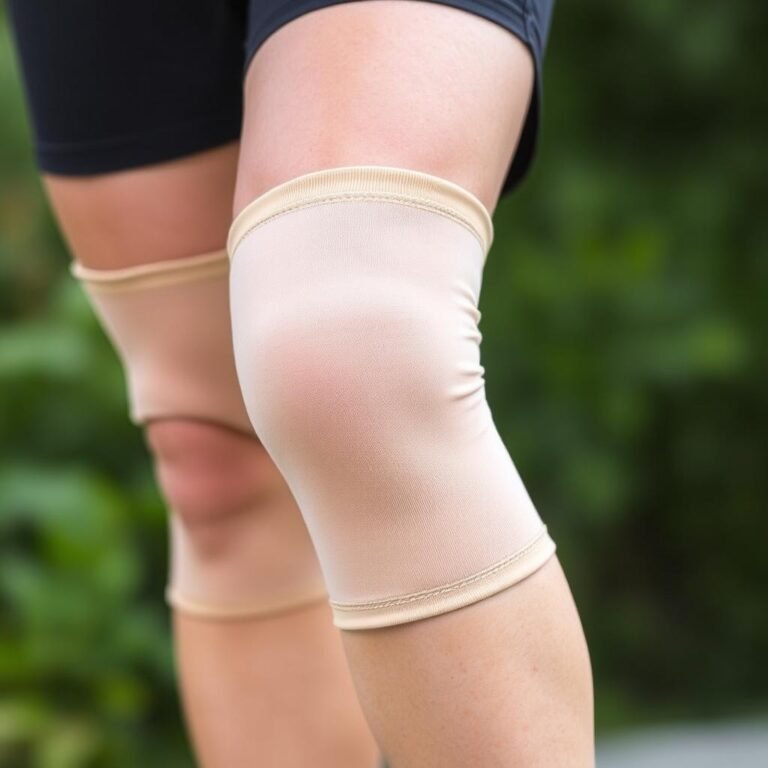
- Compression Sleeves: Provide mild support and warmth, suitable for minor knee pain or arthritis.
- Patellofemoral Braces: Help align the kneecap and are useful for conditions like runner’s knee.
- Hinged Braces: Offer more substantial support and are often used for ligament injuries or instability.
- Unloader Braces: Designed to shift weight away from the affected side of the knee, beneficial for osteoarthritis.
When selecting a knee brace, consider:
- The specific condition or injury you’re addressing
- The level of support needed
- Your activity level
- Comfort and fit
It’s always best to consult with a healthcare professional or physical therapist to determine the most appropriate type of brace for your condition.<img src=”/api/placeholder/400/300″ alt=”Different types of knee braces” />
<a name=”physical-therapy”></a>
Physical Therapy for Knee Pain
Physical therapy plays a crucial role in managing and treating various knee conditions. A physical therapist can develop a personalized treatment plan to address your specific needs and goals.
Benefits of Physical Therapy for Knee Pain:
- Improves strength and flexibility
- Enhances joint stability
- Reduces pain and inflammation
- Improves range of motion
- Teaches proper movement patterns to prevent future injuries
Common Physical Therapy Techniques for Knee Pain:
- Therapeutic Exercises: Tailored exercises to strengthen muscles supporting the knee.
- Manual Therapy: Hands-on techniques to improve joint mobility and reduce pain.
- Ultrasound Therapy: Uses sound waves to reduce pain and inflammation.
- Electrical Stimulation: Can help manage pain and improve muscle function.
- Taping Techniques: Kinesiology taping can provide support and promote proper movement patterns.
Remember, this FAQ provides general information and should not be considered a replacement for professional medical advice. It’s vital to consult a healthcare professional or physical therapist for a proper diagnosis and a personalized treatment plan tailored to your specific needs.
For more in-depth information on knee anatomy and common injuries, we recommend watching this informative video:
[Insert a relevant video about knee anatomy and common injuries here]
By understanding the causes of knee pain and implementing appropriate exercises and treatments, many individuals can find relief and improve their knee health. However, persistent or severe knee pain should always be evaluated by a medical professional to ensure proper diagnosis and treatment.



2 Comments