

Exploring the Causes and Treatment for Knee Pain Clicking
Knee pain clicking can be a bothersome and uncomfortable condition that affects many individuals. It is important to understand the causes and treatment options available to effectively manage this condition. This article explores the causes of knee pain clicking, its symptoms, and the various treatment options, including conservative treatments, physical therapy, medications, and surgical interventions. Read on to learn more about knee pain clicking and how to alleviate its discomfort.
Key Takeaways
- Knee pain clicking is a common condition that can be caused by various factors such as cartilage damage, ligament injuries, or muscle imbalances.
- Symptoms of knee pain clicking may include clicking or popping sounds, pain, swelling, and limited range of motion.
- Diagnosing knee pain clicking involves a thorough physical examination, medical history review, and diagnostic imaging tests.
- Conservative treatments for knee pain clicking include rest, ice, compression, and elevation (RICE), as well as the use of braces or orthotics.
- Physical therapy can help strengthen the muscles around the knee, improve flexibility, and reduce pain and clicking.
Understanding Knee Pain Clicking
What is Knee Pain Clicking?
Knee pain clicking is a common symptom experienced by individuals with knee problems. It refers to a clicking or popping sound that occurs when the knee joint moves. The clicking sound is often accompanied by a sensation of the joint catching or locking. While knee pain clicking may not always be a cause for concern, it can be indicative of an underlying issue that requires attention.
To better understand knee pain clicking, it is important to consider the anatomy of the knee joint. The knee joint is made up of the femur (thigh bone), tibia (shin bone), and patella (kneecap). These bones are held together by ligaments, tendons, and cartilage. When the knee joint moves, the bones glide against each other, and the clicking sound may occur due to various reasons.
There are several factors that can contribute to knee pain clicking. These include cartilage damage, meniscus tears, loose bodies in the joint, ligament injuries, and patellar tracking disorder. In some cases, the clicking sound may be a result of wear and tear or degenerative conditions such as osteoarthritis.
It is important to note that knee pain clicking alone is not enough to determine the exact cause. A thorough evaluation by a healthcare professional is necessary to diagnose the underlying issue. This may involve a physical examination, medical history review, and possibly imaging tests such as X-rays or MRI scans.
Causes of Knee Pain Clicking
Knee pain clicking can be caused by a variety of factors. Joint misalignment is one common cause, where the bones in the knee joint do not align properly, leading to friction and clicking sounds. Another possible cause is cartilage damage, which can occur due to injury or wear and tear over time. When the cartilage becomes rough or uneven, it can cause clicking sensations. Meniscus tears are also a potential cause of knee pain clicking. The meniscus is a rubbery cartilage that acts as a shock absorber in the knee joint. When it tears, it can cause clicking and popping sounds. Loose bodies in the knee joint, such as bone or cartilage fragments, can also lead to clicking. These loose bodies can interfere with the smooth movement of the joint, causing clicking sensations.
In some cases, knee pain clicking may be a result of overuse or repetitive stress on the knee joint. Activities that involve repetitive bending or twisting motions, such as running or jumping, can put strain on the knee joint and lead to clicking sounds. Arthritis is another potential cause of knee pain clicking. Inflammatory conditions like rheumatoid arthritis or osteoarthritis can cause joint inflammation and damage, resulting in clicking sensations. It’s important to note that the exact cause of knee pain clicking may vary from person to person, and a thorough evaluation by a healthcare professional is necessary for an accurate diagnosis.
Symptoms of Knee Pain Clicking
Knee pain clicking can be accompanied by various symptoms that may indicate an underlying issue. Pain is one of the most common symptoms experienced by individuals with knee pain clicking. The pain can range from mild to severe and may be felt during movement or at rest. Swelling is another symptom that may occur, causing the knee to appear larger than usual and feel tender to the touch.
In addition to pain and swelling, individuals with knee pain clicking may also experience stiffness in the joint. This can make it difficult to fully bend or straighten the knee. Instability is another symptom that may be present, where the knee feels like it may give way or buckle.
It is important to note that these symptoms may vary depending on the underlying cause of the knee pain clicking. If you are experiencing any of these symptoms, it is recommended to consult with a healthcare professional for a proper diagnosis and treatment plan.
Diagnosing Knee Pain Clicking
When diagnosing knee pain clicking, healthcare professionals will typically start with a thorough physical examination. This may involve assessing the range of motion, stability, and strength of the knee joint. They may also ask about the specific characteristics of the clicking sound, such as when it occurs and whether it is accompanied by pain.
In some cases, imaging tests like X-rays or MRI scans may be ordered to get a closer look at the structures within the knee. These tests can help identify any abnormalities or damage that may be contributing to the clicking sensation.
Additionally, healthcare professionals may perform special tests, such as the McMurray test or the Thessaly test, to further evaluate the knee joint and assess for specific conditions like meniscal tears or ligament injuries.
It is important to consult with a healthcare professional for an accurate diagnosis and appropriate treatment plan for knee pain clicking.
Treatment Options for Knee Pain Clicking
Conservative Treatments
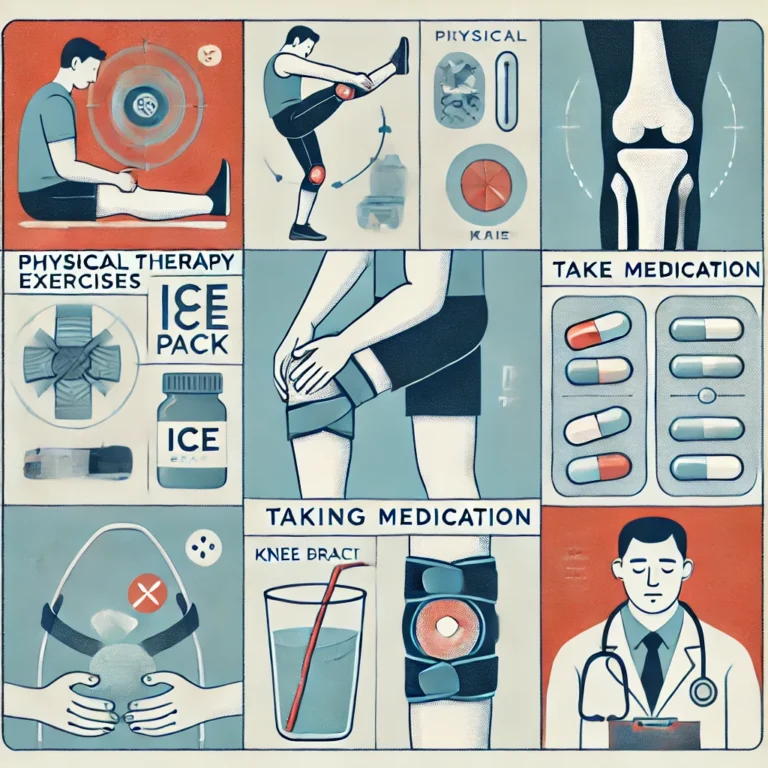
Conservative treatments are often the first line of defense for managing knee pain clicking. These treatments focus on non-invasive methods to alleviate symptoms and improve joint function. Rest is an important aspect of conservative treatment, as it allows the knee joint to heal and reduces stress on the affected area. Ice and compression can help reduce inflammation and swelling. Physical therapy plays a crucial role in conservative treatment, as it helps strengthen the muscles around the knee and improves stability. Additionally, bracing or taping the knee can provide support and reduce clicking sensations.
In some cases, weight management may be recommended to reduce stress on the knee joint. Over-the-counter pain medications, such as nonsteroidal anti-inflammatory drugs (NSAIDs), can help alleviate pain and inflammation. However, it is important to consult with a healthcare professional before starting any medication regimen.
It is important to note that conservative treatments may not completely eliminate knee pain clicking for everyone. If symptoms persist or worsen, further medical intervention may be necessary.
Physical Therapy
Physical therapy is a common treatment option for knee pain clicking. It focuses on strengthening the muscles around the knee joint and improving flexibility. Exercises such as quadriceps sets, hamstring curls, and calf raises are often prescribed to target specific muscle groups. Additionally, range of motion exercises and stretching can help improve joint mobility.
In some cases, manual therapy techniques may be used by a physical therapist to help reduce pain and improve function. These techniques can include joint mobilization and soft tissue mobilization. Physical therapy sessions may also include modalities such as heat therapy or electrical stimulation to help manage pain and promote healing.
It is important to note that the specific physical therapy program will vary depending on the individual’s condition and needs. A physical therapist will assess the patient’s symptoms and develop a personalized treatment plan.
Tips for success:
- Follow the physical therapist’s instructions and complete the prescribed exercises regularly.
- Communicate any changes in symptoms or concerns with the physical therapist.
- Be patient and consistent with the treatment program, as it may take time to see improvements.
Medications
Medications can be an effective treatment option for managing knee pain clicking. Nonsteroidal anti-inflammatory drugs (NSAIDs), such as ibuprofen and naproxen, can help reduce inflammation and relieve pain. These medications are available over-the-counter or by prescription. It is important to follow the recommended dosage and consult with a healthcare professional before taking any medication.
In some cases, corticosteroid injections may be recommended to reduce inflammation and provide temporary relief. These injections are administered directly into the knee joint by a healthcare professional. It is important to note that corticosteroid injections are not a long-term solution and should be used sparingly.
Additionally, hyaluronic acid injections may be used to provide lubrication and cushioning to the knee joint. These injections can help reduce pain and improve joint function. Multiple injections may be required over a period of time for optimal results.
It is important to consult with a healthcare professional to determine the most appropriate medication option for your specific condition.
Surgical Interventions
Surgical interventions are typically considered as a last resort for treating knee pain clicking. These procedures are usually recommended when conservative treatments and physical therapy have failed to provide relief. Arthroscopy is a common surgical procedure used to diagnose and treat knee problems. During arthroscopy, a small camera is inserted into the knee joint, allowing the surgeon to visualize and repair any damage. Arthroscopic debridement is another surgical option that involves removing damaged tissue or debris from the knee joint. In more severe cases, knee replacement surgery may be necessary. This procedure involves replacing the damaged knee joint with an artificial joint. It is important to note that surgical interventions carry risks and should be carefully considered in consultation with a healthcare professional.
- Arthroscopy: A minimally invasive procedure that allows visualization and repair of knee problems.
- Arthroscopic debridement: Removal of damaged tissue or debris from the knee joint.
- Knee replacement surgery: Replacement of the damaged knee joint with an artificial joint.
Tip: Surgical interventions should only be considered after exhausting conservative treatments and physical therapy.
Conclusion
In conclusion, knee pain clicking can be caused by various factors such as joint misalignment, cartilage damage, and muscle imbalances. It is important to seek medical attention if you experience persistent knee pain clicking, as early diagnosis and treatment can prevent further damage. Treatment options may include physical therapy, medication, and in severe cases, surgery. Remember to listen to your body and take necessary precautions to avoid activities that may worsen the condition. With proper care and treatment, it is possible to manage and alleviate knee pain clicking.
Frequently Asked Questions
What causes knee pain clicking?
Knee pain clicking can be caused by various factors such as cartilage damage, ligament injuries, or misalignment of the knee joint.
Is knee pain clicking a serious condition?
In most cases, knee pain clicking is not a serious condition and can be treated with conservative methods. However, it is important to consult a healthcare professional for proper diagnosis and treatment.
Can knee pain clicking be prevented?
While it may not be possible to prevent all cases of knee pain clicking, maintaining a healthy weight, wearing proper footwear, and avoiding activities that put excessive stress on the knees can help reduce the risk.
How is knee pain clicking diagnosed?
Diagnosing knee pain clicking involves a physical examination, medical history review, and possibly imaging tests such as X-rays or MRI scans.
What are the conservative treatment options for knee pain clicking?
Conservative treatment options for knee pain clicking include rest, ice or heat therapy, physical therapy exercises, and the use of knee braces or supports.
When is surgery recommended for knee pain clicking?
Surgical intervention for knee pain clicking is usually considered when conservative treatments have failed to provide relief or in cases where there is significant structural damage to the knee joint.




One Comment