Blog

  • Fewer sports injuries with digital information

    Fewer sports injuries with digital information

    Injuries in youth athletics are significantly reduced when coaches and parents have access to digital information about adolescent growth. It also takes twice as long for the first injury to occur. This is evident from a study by Linköping University, published in the British Journal of Sports Medicine.

    Many promising athletes have had their careers ruined by injuries. One thing that almost all athletic events have in common is high loads for a short period of time, such as jumping, throwing and running. This leads to overuse injuries such as groin pain and sore shoulders, but also to sudden injuries such as ankle sprains and hamstring tears.

    Jenny Jacobsson is a physiotherapist and visiting researcher at the Athletics Research Center of Linköping University. She has worked for many years as a medical coordinator for the Swedish national athletics team and has seen the impact of injuries on athletes.

    “Before the 2008 Beijing Olympics, we saw a lot of injuries in our national team and tried to find out why. At the time, no research had been done into the incidence of injuries in track and field athletes. But we wanted to know what was happening among our elite. athletes aged 16 and over, including adult elite athletes,” says Jenny Jacobsson.

    The research into injuries in Swedish athletics showed that one of the main causes of injuries was previous injuries. This means that the earlier an athlete is injured in their career, the more likely they are to be injured later and more often. But the causes of injuries in youth sports are a complex issue, involving everything from training amount and load to equipment and even sleep.

    Together with her colleagues at the Athletics Research Center, Jenny Jacobsson has developed a digital health platform with information for parents and youth coaches about adolescent growth and how it is influenced by training, with a focus on track and field athletes aged 12-15.

    To investigate whether this type of platform can prevent injuries, the researchers conducted a study in which 21 athletics clubs with athletes aged 12 to 15 were randomized into two groups: an intervention group and a control group. During the preseason, the parents and coaches of the intervention group were given access to the digital information platform for four months, which was not accessible to outsiders at the time (but is now accessible to everyone). They were also regularly encouraged to log in and explore its content.

    The researchers noted that the clubs that accessed the information showed significantly lower injury incidence and took twice as long for the first injury to occur. Moreover, the effect was greater at large clubs. The results, published in the British Journal of Sports Medicine, could point the way to more injury-free athletics.

    “We have not investigated the mechanism that leads to change, but we see that digital information works when it comes to injury prevention. If coaches and parents learn to recognize the problems, it is possible to reduce the training burden in time. Medically speaking, we do know.” what happens in growing bodies, but spreading the information to those who could benefit from it has been a challenge. This platform can bridge that gap,” says Jenny Jacobsson.

    The research was funded by the Swedish Research Council for Sports Sciences (Centrum för idrottsforskning).

    Source link

  • Your meniscus is probably not affected by your ACL reconstruction

    Your meniscus is probably not affected by your ACL reconstruction

    Meniscus procedures do not increase with delayed ACL reconstruction and rehabilitation: results from a randomized controlled trial.

    van der Graaff SJA, Reijman M, van Es EM, Bierma-Zeinstra SMA, Verhaar JAN, Meuffels DE. The British Journal of Sports Medicine, 2023; 57:78-82.

    Full text freely available

    Take home message

    People who initially receive rehabilitation with optional delayed anterior cruciate ligament (ACL) reconstruction are at a similar risk for meniscal surgery than those treated with early ACL reconstruction.

    Background

    Nonoperative treatment for ACL rupture is a viable option for many patients. However, some physicians have expressed concern that nonoperative treatment of ACL rupture or delayed ACL reconstruction may increase the risk of meniscal injury.

    Study aim

    van der Graaff and colleagues completed a secondary analysis of data from the COMPARE trial to evaluate whether treating ACL rupture with a delayed reconstruction option leads to more meniscal procedures than early ACL reconstruction.

    Methods

    The authors used data collected from the COMPARE study. The study included people who had suffered an acute ACL rupture in the previous two months. Eight-five participants randomly received early ACL reconstruction (within six weeks of study enrollment). Eighty-two participants were randomly assigned to receive nonoperative treatment with optional delayed ACL reconstruction. All participants in the non-operative group received at least three months of supervised physiotherapy. After 3 months of structured physiotherapy, participants could opt for ACL reconstruction. The authors recorded whether someone had undergone a meniscal procedure during ACL reconstruction or other surgery. In addition, all participants underwent a baseline MRI, which the research team assessed for signs of a meniscus tear.

    Results

    Half of the participants who started in the nonoperative group elected to undergo ACL reconstruction during the two-year follow-up period. At baseline, approximately 41% of participants had a meniscus tear, regardless of group. Approximately 30% of knees underwent a meniscal procedure during ACL reconstruction, regardless of whether it was early or delayed reconstruction. After reconstruction, 5% of knees required a new meniscal procedure, regardless of group. These subsequent surgeries were due to new trauma or knee complaints, but there was always a meniscus that the authors noted was damaged in the original ACL reconstruction. Approximately 10% of participants who never underwent ACL reconstruction underwent separate meniscal surgery.

    Viewpoints

    This study makes it clear that someone who attempts non-operative treatment is not at greater risk for a new meniscal injury than someone who receives early ACL reconstruction. These results are consistent with the results of the KANON study, which found similar rates of meniscal surgery over a five-year period after people were randomly assigned to early or optionally delayed ACL reconstruction.

    Clinical implications

    Clinicians should be aware that initially attempting non-operative treatment in someone with an ACL injury will not increase the risk of a meniscus tear requiring surgery. Educating patients about the pros and cons of delaying ACL reconstruction can help a patient better evaluate their options after an ACL rupture and allow them to choose the option that best suits their lifestyle.

    Questions for discussion

    How soon after an ACL injury do you discuss surgery as a possible outcome with your patients? Do you also discuss the options for patients to be treated non-operatively?

    Written by Kyle Harris
    Reviewed by Jeffrey Driban

    related posts

    Why patients treated nonoperatively after an ACL injury decide to undergo surgery
    Who gets a blood clot after ACL reconstruction?
    Does sex influence the psychological willingness to return to sports after ACL reconstruction?
    What happens in the family, stays in the family: inheriting the risk of ACL tears
    People with ACL reconstruction are five times more likely to need a knee replacement later

    ACL EBP CEUs

    Source link

  • Attending live sports improves well-being: study

    Attending live sports improves well-being: study

    New scientific research has found that attending live sporting events improves levels of wellbeing and reduces feelings of loneliness.

    Published in the magazine Frontiers in public healthThe study is the first large-scale study to examine the benefits of attending any type of live sporting event.

    The research, conducted by academics from Anglia Ruskin University’s School of Psychology and Sport Science, used data from 7,209 adults aged 16 to 85, living in England, who took part in the Taking Part Survey, which was carried out commissioned by the UK government’s Department for Digital. , Culture, Media and Sports.

    It found that attending live sporting events results in higher scores on two key measures of subjective well-being – life satisfaction and a sense of ‘life worth living’ – and lower levels of loneliness.

    These results are significant because previous studies have shown that higher life satisfaction scores are associated with fewer life-limiting conditions and better physical health, successful aging and lower mortality rates.

    The new research also shows that attending live sporting events leads to an increase in people’s sense that ‘life is worth living’, and that the magnitude of this increase is comparable to that of finding work.

    Many initiatives are currently promoting the benefits of physical participation in sport, but the researchers believe that watching live sporting events could also provide an accessible and effective public health tool to improve wellbeing and reduce loneliness.

    Lead author Dr. Helen Keyes, head of the School of Psychology and Sport Science at Anglia Ruskin University (ARU), said: “Previous research has focused on specific sports or small populations, such as students in the United States. first research into the benefits of attending a sporting event for an adult population, and therefore our findings could be useful for shaping future public health strategies, such as offering lower ticket prices for certain groups.

    “The live events covered by the research ranged from free amateur events, such as watching village sports teams, through to Premier League football matches. Therefore, further research should be carried out to see whether these benefits are more apparent for elite sport. , or are more closely linked to the support of a specific team.

    “However, we do know that watching live sport of all kinds provides many opportunities for social interaction and this helps forge group identity and belonging, which in turn alleviates loneliness and increases levels of well-being.”

    Source link

  • Athletic trainers can assist with communication between coach and athlete

    Athletic trainers can assist with communication between coach and athlete

    Provision of concussion information by coaches and attendance of athletic trainers: Findings from the 2021 YouthStyles Survey

    Daugherty J, Waltzman D, Sarmiento KJ Athl Trein. January 16, 2023. doi: 10.4085/1062-6050-0454.22. E-publishing prior to printing. PMID: 36645830.

    Full text freely available

    Take home message

    More than 40% of adolescents participating in sports reported that their coach had not provided them with concussion information in the past year. This lack of communication may be linked to a lack of access to athletic trainers during games and practices.

    Background

    Coaches can provide concussion education and make a positive impact by translating concussion knowledge into healthy behaviors, such as reporting suspected concussions. Coaches who complete concussion training and relay that information to their athletes positively impact an athlete’s perspective on concussions. However, it is unknown how often coaches discuss concussion education with the athletes and whether the presence of an athletic trainer helps with better communication between coach and athlete.

    Study aim

    The authors used survey data to examine how often coaches provided concussion safety information to their athletes and whether this varied based on the presence of athletic trainers at games and practices.

    Methods

    In June 2021, adolescents living with Ipsos Knowledge Panel member parents were invited to complete the annual YouthStyle Web-based survey. Approximately 48% of invited adolescents completed survey questions about history of concussions, information about concussion safety, how concerned they think their coach is about concussion safety, and the frequency of athletic trainers at games and practices in the past year . The authors took statistical steps to ensure that the data represented adolescents across the United States.

    Results

    Of the 829 adolescents, 39% reported having participated in sports in the past twelve months: 1) only in school sports (19%), 2) only in sports competitions (13%), or both (7%). The most commonly reported sports were basketball and football. Nearly half (47%) of youth athletes reported that their coach discussed concussions. Additionally, 32% reported receiving a handout, and 23% said their coach had sent them an email or had them watch a video in the past 12 months. Overall, 58% of adolescent athletes reported that their coach discussed or provided information about concussions. More youth athletes who participated in school sports (65%) reported receiving this information, compared to athletes who only participated in non-school sports competitions (39%). About half of youth athletes indicate that they have an athletic trainer during training (55%) or competitions (55%). Youth athletes who participated in school sports were more likely to report having access to athletic trainers (72%) than those who participated on non-school sports teams (49%). Of youth athletes who always/sometimes had an athletic trainer, 63% reported that the coach talked to them about concussions, compared to 24% of youth athletes who rarely or never had access to athletic trainers.

    Viewpoints

    Four in 10 athletes report that their coaches do not discuss concussions or provide concussion information. The authors found that access to an athletic trainer can improve communication between coaches and youth athletes. It would be interesting to know if the athletic trainer increases the amount of communication as they provide resources for the coaches to share with athletes. It would be helpful to understand how athletic trainers can improve a coach’s concussion communication with athletes. Furthermore, this study focused on whether the coach provided information, and not on the quality of that information. It would be interesting to know how well the education worked. Coaches without access to athletic trainers may provide concussion information to the athletes, but the athlete does not remember it because it was not helpful.

    Clinical implications

    We must encourage coaches to consistently educate athletes about concussions to improve reporting behavior among youth athletes. In addition, sports trainers have a positive influence on communication between coach and youth. So when we encourage administrators to hire full-time athletic trainers, we can remind them that athletic trainers can help coaches better communicate about concussions and other injuries with their athletes.

    Questions for discussion

    Are you trying to get coaches to talk to the athletes about concussions? If so, have you seen better results in communication, knowledge and reporting behavior?

    related posts

    1. Improving Concussion Education: Consensus from the NCAA Department of Defense Mind Matters Research and Education Grand Challenge
    2. CDC Heads Up program increases concussion knowledge and injury communication
    3. Peer-led concussion education can improve concussion knowledge and reporting behavior
    4. Concussion education videos. Viewing once does not help with Info Stick
    5. Coaches are provided with information about concussions with a five-minute fact sheet
    6. Concussion knowledge is getting better, but concussion reporting is getting worse
    7. Better attitudes can improve reporting habits
    8. Center for Concussion Education and Research – Peer Concussion Education

    Written by Jane McDevitt
    Reviewed by Jeffrey Driban

    Evidence-based assessment of concussion course - 5 EBP CEUs

    Source link

  • Ready, set, go: New research shows how marathon running affects different foot muscles

    Ready, set, go: New research shows how marathon running affects different foot muscles

    With the current trend of fitness consciousness, many people have included long-distance running as part of their exercise regimen. They also participate in several local, national and global marathons. But marathon running can lead to muscle fatigue and damage to the foot muscles, which in turn can lead to chronic pain or injuries. Currently, there is little information about the impact of marathon running on the different foot muscles.

    Foot muscles are generally categorized as intrinsic or extrinsic muscles. While intrinsic muscles originate and insert into the foot, extrinsic muscles originate in the lower leg and insert into the foot through the ankle. Both muscle groups help stabilize the medial (inner) longitudinal arch of the foot. Although some studies have linked muscle swelling caused by long-distance running to lowering of the longitudinal arch, associating this with intrinsic and extrinsic muscle damage has thus far been challenging.

    Now, a new study examines the damaging effects of running a full marathon on the intrinsic and extrinsic foot muscles, and its association with changes in the longitudinal arch of the foot. The research team was led by Professor Mako Fukano from Shibaura Institute of Technology (SIT) and also included Kento Nakagawa from Waseda University, Ayako Higashihara and Takayuki Inami from Keio University, and Takaya Narita from Toin University of Yokohama. Their findings were published online on April 27, 2023 in Scandinavian journal for medicine and science in sports.

    The study recruited 22 college runners from athletic clubs who ran at least 2-3 times a week and had registered for a full marathon race at the Mount Fuji International Marathon in either 2019 or 2021. The researchers first assessed magnetic resonance imaging (MRI) based transverse relaxation time (T2), as an indicator of muscle damage, for the participants’ intrinsic and extrinsic foot muscles at four intervals: before the marathon, and 1, 3 and 8 days after running the full marathon. T2 is defined as the time required for the transverse magnetization vector in an MRI to decay to approximately 37% of its initial value, and is influenced by tissue-specific characteristics.

    The intrinsic muscles studied included the abductor hallucis (ABH), flexor digitorum brevis (FDB) and quadratus plantae (QP) and the extrinsic muscles included the flexor digitorum longus (FDL), tibialis posterior (TP) and flexor hallucis longus (FHL). ). ). The researchers also determined longitudinal arch height via three-dimensional analysis of foot posture for 10 of these participants at the same time intervals as the T2 MRI to determine changes in the height of the longitudinal arch of the foot.

    When comparing with the values ​​of T2 before the marathon, the researchers noted that the T2 the values ​​of QP, FDL, TP and FHL increased significantly one day after the marathon and varied during the observation period. Furthermore, they also found that the increase in T2 of TP persisted three days after the marathon. However, they did not observe a major difference in T2 for ABH and FDB. The team found no significant changes in toe flexor strength in any of the participants. Interestingly, they also noted that the arc height ratio statistically decreased from before the marathon to 1 and 3 days after the race, and this change could be correlated with T2 changes in FDL and FHL.

    “These results indicate that the damage and recovery response after a full marathon differs between different foot muscles. For our research participants, all three extrinsic muscles and only one intrinsic muscle showed damage after marathon running, suggesting that extrinsic muscles could be more susceptible to marathon-induced damage than the intrinsic damage,” explains Prof. Fukano. This striking damage to the extrinsic foot muscles reflects the high pressure exerted by the ankle joint during long-distance running, compared to the rest of the foot – something other studies have also shown. Because QP is attached to FDL and/or FHL, it may also have a secondary function in running in addition to the extrinsic foot muscles, making it the only intrinsic foot muscle damaged by marathon running. Furthermore, the correlation between FDL and FHL and longitudinal arch height indicates that marathon-induced damage to these extrinsic muscles could be a factor in reducing arch height.

    “As more people now run for fitness, our findings can provide runners and sports professionals with insights into planning better recovery strategies that target muscle fatigue and damage to prevent running-related injuries and also improve runners’ fitness,” concludes Prof. Fukano.

    Source link

  • Tested positive for COVID?  Be careful out there

    Tested positive for COVID? Be careful out there

    Higher concussion rates following COVID-19 infection in high school athletes.

    Bullock GS, Emery CA, Nelson VR, etc. al, Br J Sports Med2023; [epub ahead of print]. two: 10.1136/brjsports-2022-106436.

    Full text freely available

    Take home message

    Athletes who tested positive for a COVID-19 infection were more likely to suffer a concussion within 60 days of recovering from the infection than athletes who did not contract COVID-19.

    Background

    COVID-19 affects the respiratory, cardiovascular and nervous systems. In some cases, COVID-19 can lead to long-term consequences (e.g. impaired cognition). It is currently unknown whether COVID-19 infection affects the risk of sports-related concussions.

    Study aim

    Bullock and colleagues completed a prospective cohort study to compare concussion rates between high school athletes who recently tested positive for COVID-19 and those who did not.

    Methods

    The authors recruited athletes from high schools in six states. A certified athletic trainer recorded all cases of COVID-19 infection or concussion. If an athlete reported COVID-like symptoms or had an elevated temperature during a daily screening, the athletic trainer administered a COVID test. The research team also recorded when an athlete participated in a training or competition. The authors focused on the number of concussions within 60 days after an athlete returned to play following a COVID-19 infection. All data was recorded in the Players Health Rehab system, including demographic information, sports and illness data for all athletes.

    Results

    A total of 72,522 athletes participated in high school sports at the affected school during the 2020-2021 school year. Of these athletes, 430 had COVID-19 infections. Of the athletes with a COVID-19 infection, 32 had a concussion, and 1,241 athletes without COVID-19 had a concussion. An athlete with a history of COVID-19 was approximately 3 times more likely to suffer a concussion within 60 days of returning to play than an athlete without COVID-19.

    Viewpoints

    Overall, the authors found that prior COVID-19 infection increased the risk of concussion during the first 60 days after recovery from COVID-19. Therefore, the effects of a COVID-19 infection may linger after returning to play. Knowing whether this applies to other sports-related injuries would be interesting. Additionally, learning why these athletes are at greater risk for concussion (e.g., deconditioning, persistent symptoms) can help us develop prevention strategies and make informed decisions about when and how to release an athlete to play following a COVID-19 infection.

    Clinical implications

    Doctors should explain to patients with COVID-19 that they may experience lingering effects that predispose them to concussion. We need to help the patient make an informed decision about when to return to play after COVID-19 infection. Once an athlete returns, doctors should monitor these patients for concussions.

    Questions for discussion

    What other measures have you implemented in your clinical practice to monitor athletes after COVID-19 infection? Is a COVID-19 infection something you are currently documenting?

    Written by Kyle Harris
    Reviewed by Jeffrey Driban

    related posts

    COVID recovery may require injury prevention training!
    Use of cardiovascular magnetic resonance (CMR) imaging for return to athletic activities after COVID-19 infection: an expert consensus document on behalf of the American Heart Association Council on Cardiovascular Radiology and Intervention (CVRI) Leadership and endorsed by the Society for Cardiovascular Magnetic Resonance (SCMR)
    Adapted physical activity in subjects and athletes recovering from Covid-19: a position statement of the Società Italiana Scienze Motorie e Sportive
    Cardiopulmonary Considerations for High School Athletes During the COVID-19 Pandemic: Update to the NFHS-AMSSM Guidelines

    Evidence-based assessment of concussion course - 5 EBP CEUs

    Source link

  • Researchers extensively assess the safety of using your head in youth football

    Researchers extensively assess the safety of using your head in youth football

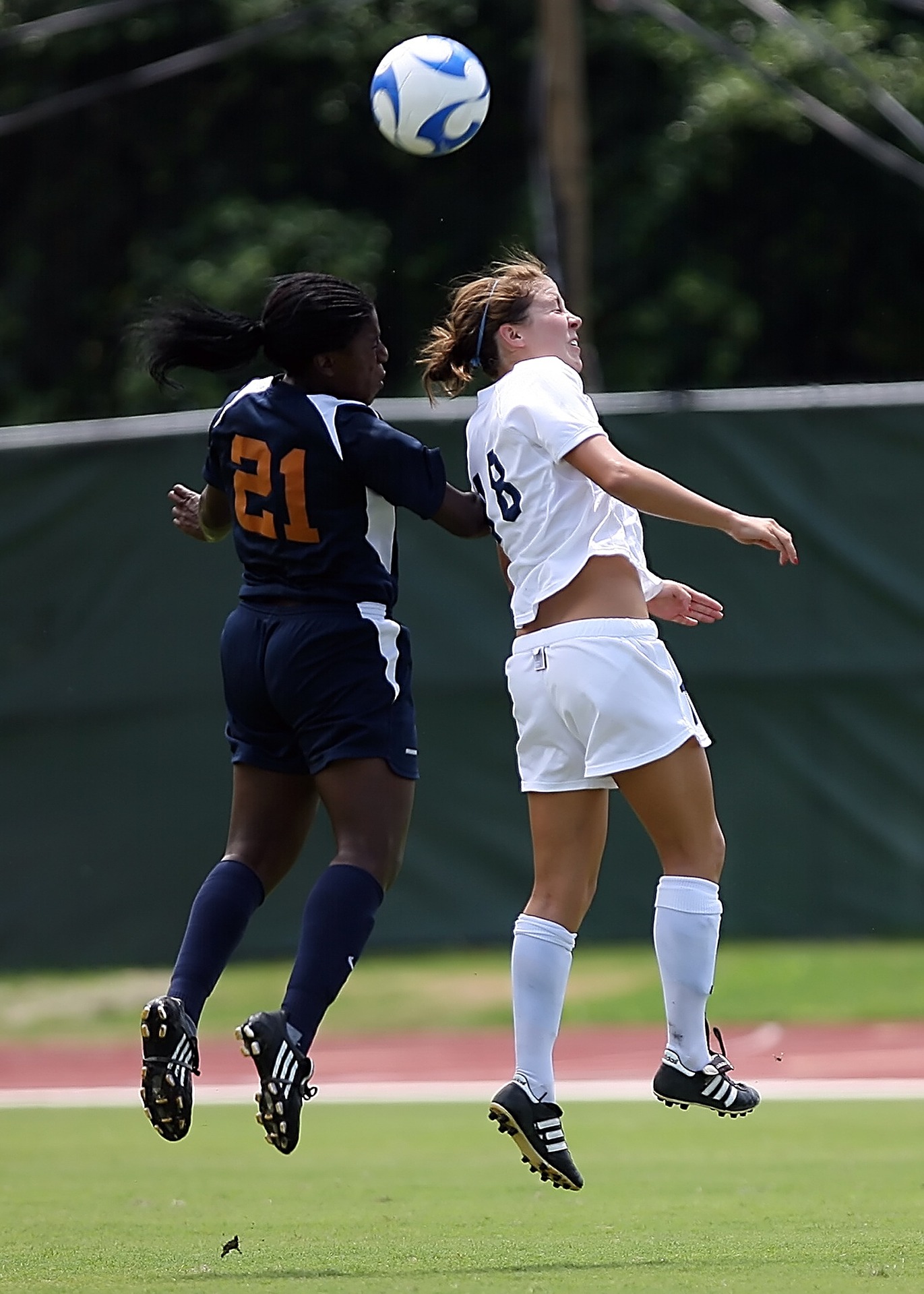
    Repeatedly heading a football has previously been linked to negative long-term brain health in professional players. However, a new study from researchers at the Minds Matter Concussion Program at the Children’s Hospital of Philadelphia (CHOP) shows that a small number of repeated football headers, equivalent to a throw-in, did not cause immediate neurophysiological problems in teenagers, suggesting that limited football heading Exposure in youth sports may not lead to irreversible damage if players are properly trained.

    The findings, which represent the most comprehensive real-time study of soccer headers in adolescent athletes, were published in Journal of Biomechanical Engineering.

    For some professional athletes, repetitive head strain during exercise – using your head as part of the game – is associated with negative long-term brain health, even in the absence of initial clinical symptoms. Despite awareness of the long-term consequences, short-term neurophysiological problems following repetitive head impacts, such as heading in football, are poorly understood in youth athletes. Some studies have identified potential problems throughout an entire sports season. This study examined the effects of repeated head impacts shortly after track exposure using a battery of six different tests to investigate a broader range of potential clinical implications.

    In 2015, the U.S. Soccer Federation introduced limits on teenagers’ heading during practices: no more than 30 minutes of heading practice time and no more than 15 to 20 headers per week. The English Premier League has also adopted guidelines limiting the number of high-force headers to 10 in one training session per week. This laboratory study simulated these limits by performing 10 repeated football headers within one session with experienced teenage players. Based on their findings, researchers determined that this practice did not result in acute neurophysiological problems, as assessed by a comprehensive study. The study did not assess the safety of regular football heads over the course of a season or college career.

    “Football is a sport where deliberately using your head to hit the ball is an integral part of the game, and parents, caregivers and coaches are understandably concerned about its long-term consequences,” said first study author Colin Huber , PhD, a postdoctoral researcher at Emory University who conducted this research at the Center for Injury Research and Prevention (CIRP) at CHOP. “We wanted to simulate these effects in a controlled laboratory environment and build on the work of previous studies to quantitatively assess the neurophysiological effects of repetitive football playing.”

    In this study, 19 participants (17 men, 2 women) between 13 and 18 years old were assigned to a frontal head group (directing the ball back to where it came from), an oblique head group (pointing the ball to the right). ) or a kicking control group. These participants completed neurophysiological assessments immediately before, immediately after, and approximately 24 hours after completing 10 head or kick movements. These assessments include multiple eye movement tracking, pupil response, and balance testing.

    The study ultimately found no neurophysiological problems in either group compared to the kicking control group, even when the six different assessments were taken into account. However, angled headers resulted in higher levels of angular head movements. Angular movements have been linked to concussions and other brain injuries, suggesting that players need to be properly trained to head the ball head-on to reduce the risk of injury.

    “This study represents the most comprehensive investigation to date on the acute neurophysiological effects of football heading on youth and provides us with meaningful information about the safety of on-field heading,” said senior study author Kristy Arbogast, PhD, co-scientific director at CIRP and research director of the Minds Matter Concussion Program at CHOP. “We need to be clear that there may still be long-term consequences for repeated football playing over the course of an athletics career, but it appears that a small number of headers in a given session does not pose an immediate risk to well-trained young people. athletes.”

    This study was supported by the National Institute of Neurologic Disorders and Stroke of the National Institutes of Health grant R01NS097549 and internal funds from CHOP.

    Source link

  • Research into the impact of substitutes in professional football on physical and technical performance |  BMC Sports sciences, medicine and rehabilitation

    Research into the impact of substitutes in professional football on physical and technical performance | BMC Sports sciences, medicine and rehabilitation

    The current study aimed to (1) quantify the physical and technical profile of substitutes, substitutes and players who completed the entire match, taking into account situational variables; (2) analyze the physical and technical performance difference between substitutes and players who substituted or completed the entire match at each playing position. Previous studies have mainly examined the physical performance of substitutes in football [5, 18,19,20,21]but only a few have examined the technical performance of replacements [5, 19]. In the current study, more comprehensive and detailed technical indicators were analyzed to investigate the impact of substitutes on technical performance. The results of the current study showed that substitutes performed better in terms of physical performance (Table 3), especially at high-intensity running and sprint distances, than players who were substituted or completed the entire match. The findings have shown the similarity with previous studies as the better physical performance of substitute players [5, 19]. Substitutions are generally used to reduce the impact of fatigue and maintain a high level of running performance for the entire team [34]. High-intensity running distances seem to be a particularly essential and useful indicator of physical performance in football [35], and the findings of the current study showed the significant difference in high-intensity running distance between substitutes and players who are substituted or complete the entire match. However, replacement players perform worse on the total distance than replaced players. Accordingly, playing time on the field is the most important factor that influences match intensity [36]. Replaced players mainly play on the field in the first half and would be replaced in the second half [5]. During the playing time of substituted players, the match intensity may therefore be higher than that of substitutes playing on the field, resulting in substitutes showing a lower total distance. Depending on playing positions, substitutes from all positions exhibit higher high-intensity distance and sprint distance than substitute players or players who complete the entire match. The finding is similar to the results regardless of positions. However, substitutes in the wide midfield show lower total distance than replaced players and players have completed the entire match. Coaches would introduce more defensive players to strengthen the defense if the team wins [4]. Modric, verse [37] It was found that wide midfielders’ total running distance decreased and sprint distance increased in the defensive phases, which is in line with the findings of this study.

    By focusing on technical performance, technical indicators in a broader range were analyzed and performance related to scoring, passing and defending was quantified (Table 1). Despite the importance of technical performance, little literature focuses on the technical activities of substitute players [1, 5, 19]. Bradley, Peñas [5] first analyzed the technical activities of substitutes, but found no significant difference in passing activities between substituted players and players who completed the entire match. The results of the current study show that substitutes mainly perform better in shooting activities and defensive activities, while they exhibit poorer passing activities, including passing, passing accuracy and long passes, than players who substituted or completed the entire match (Fig. 1). Existing literature mentions passing activities such as short passes; successful passes decrease from the first to second half of football matches, which can be affected by fatigue [38]. According to the theory, it is a good strategy for the coach to make substitutions on the field to counteract the decline in the team’s technical performance. Additionally, match status also impacts player performance as replacement players may attempt riskier passes and crosses due to the match status when they were introduced onto the pitch. [39]. Furthermore, research into substitution introduction patterns shows that coaches would introduce more players into attacking positions in the second half of the match [5]. Thus, substitutes would engage in riskier and more attacking activities when coaches aim to change the score line, causing the substitutes to employ lower passing accuracy but perform more attacking activities, including shots, shots on goal, key passes and breakthroughs.

    One of the most compelling findings in time-motion analysis research is the significant differences between all playing positions in physical performance [6,7,8, 40,41,42] and technical performance [5, 24, 43, 44] of top footballers. Therefore, it is crucial to discuss the performance differences between players who are substituted, replaced and completed the entire match for each playing position. According to this research, substitute centre-backs have shown lower passing and organizational activities, while performing more defensive actions. To win the game, coaches usually send the defenders onto the field when their team is ahead [16, 17]. Thus, the tactical objective of substitute central defenders and full-backs is to defend the opponent’s attackers and protect the attacking third zone. Under the tactical objective, substitute defenders (center defenders and full-backs) would perform lower passing actions and higher defensive actions compared to players who substituted or completed the entire match. Furthermore, to strengthen the defensive level, attacking players may also have been introduced on the pitch in a defensive role, to hold the scoreline or waste time during the final stages of the match. [1]. These may be the reasons why attacking substitutes, such as forwards and wide midfielders, have shown more tackles, clearances and pass blocks than players who have been substituted or played out for the entire match.

    On the other hand, the current research has shown that substitute strikers and wide midfielders demonstrate better passing and organization actions, such as passing, ball controls, crosses, short passes and long passes, than players who were substituted or completed the entire match. Players with attacking playing positions are usually introduced onto the field when their team is losing [1, 16, 17]. In general, replaced players are more likely to be considered underperforming if the team loses [17]and coaches introduce attacking substitutes to create more scoring opportunities and improve the performance of the entire team [5, 39]. The higher passing and organizational performance of attacking substitutes than those who have been substituted or completed the match are considered crucial factors for the success of the match. [5, 24, 39, 45]. Furthermore, substitute central midfielders in this study showed more scoring actions. Research into elite French football has shown that the increased number of goals scored by substitutes was a factor in distinguishing successful teams [46]. Therefore, substitute central midfielders can be introduced onto the pitch as another attacker to score a goal when their team is losing. These may be reasons why replacement central midfielders have a lower passing performance than replaced players and complete the entire match. Furthermore, a very interesting result from the current research is that substitute full-backs perform more shots, which is more likely the attacking playing style. Although coaches introduce some players with defensive positions, such as fullbacks, the introduced players may play in the attacking playing position in an attempt to create scoring opportunities. [19].

    Overall, substitutes can indeed improve the physical and technical performance of the team. The current study has confirmed previous findings as substitutes are introduced to change the scoring line or reduce the influence of fatigue [1, 4, 5, 16, 17, 19, 39, 47]. By taking into account the situational variables, the current study analyzed a wider range of technical variables and quantified the technical performance of substitutes in different playing positions. Furthermore, the match location influences most technical performance indicators, which show higher scoring and passing performance, while defensive performance is lower. The findings verified home field advantage and confirmed previous research [26, 31].

    However, some limitations need to be further studied in subsequent research. Sports psychology literature shows that substitutes may perform worse when introduced into the match as starters due to the psychological strain [48]. It is important to investigate the performance difference of substitutes between the substitution situations and the starter situation. Furthermore, the timing of substitutes introduced onto the field also influences performance, as the match status determines the tactical purpose of substitutions. [5, 16, 17]. In the current study, the match data was analyzed for only one year and the substitution option was changed in 2020. To better investigate the influence of substitutes on match performance, it is important for future research to analyze match data over a larger number of seasons.

    Source link

  • Colorful fresh food improves athletes’ vision

    Colorful fresh food improves athletes’ vision

    Nutrition is an important part of the training program of every top athlete. And now, a new study from researchers at the University of Georgia suggests that supplementing athletes’ diets with colorful fruits and vegetables could improve their visual range.

    The article, which was published in Exercise and Sports Science Reviewsinvestigates how a group of plant compounds that accumulate in the retina, known as macular pigments, work to improve eye health and functional vision.

    Previous studies conducted by UGA researchers Billy R. Hammond and Lisa Renzi-Hammond have shown that eating foods such as dark leafy greens or yellow and orange vegetables, which contain high levels of the plant compounds lutein and zeaxanthin, improve eye and brain health. improves.

    “Much research on macular lutein and zeaxanthin has focused on health benefits, but from a functional perspective, higher concentrations of these plant pigments improve many aspects of visual and cognitive ability. In this article we discuss their ability to improve vision in far distance or visual range,” said lead author Jack Harth, a doctoral candidate at UGA’s College of Public Health.

    Visual range, or how well someone can see a target clearly over a distance, is critical for elite athletes in virtually every sport.

    The reason why objects become harder to see and appear fainter the further away they are from our eyes is partly due to the effects of blue light.

    “From a midfielder’s perspective, as the ball goes into the air, it will be seen against a backdrop of a clear blue sky, or against a gray background if it is a cloudy day. Either way, the goal is obscured by atmospheric interference.” in that path of light,” Harth said.

    Many athletes already take steps to reduce the impact of blue light by wearing black or blue blocker sunglasses, but eating more foods rich in lutein and zeaxanthin can enhance the eye’s natural ability to deal with blue light exposure. to improve, said Harth.

    When a person absorbs lutein and zeaxanthin, the compounds collect as yellow pigments in the retina and act as a filter to block blue light from entering the eye.

    Previous research into pilot vision was conducted in the 1980s, and Hammond and Renzi-Hammond have more recently investigated how macular pigment density, or the amount of yellow pigment built up in the retina, is related with a number of factors. of eye health measures and functional vision tests.

    “In a long series of studies, we have shown that increasing amounts of lutein and zeaxanthin in the retina and brain reduce glare and discomfort and improve chromatic contrast and visual-motor reaction time, and replenishing these compounds facilitates executive functions like solving problems.” and memory. All of these tasks are particularly important for athletes,” said corresponding author Billy R. Hammond, professor of psychology in the Behavior and Brain Sciences Program at UGA’s Franklin College of Arts and Sciences.

    This article, Harth said, brings the research into these links between macular pigment and functional vision up to date and questions what the evidence suggests about optimizing athletic performance.

    “We are at a point where we can say that we have seen visual range differences in pilots that match the differences found in the modeling, and now we have also seen it in laboratory testing, and a future goal would be to to actually take people outside and to measure their ability to see contrast over distance through true blue haze and in outdoor environments,” Harth said.

    But before you start eating kale in hopes of improving your game, he warns that everyone is different. That could mean that the way our bodies absorb and use lutein and zeaxanthin varies, and it may take a while before you notice any improvement, if at all.

    Still, the evidence of the overall health benefits of consuming more lutein and zeaxanthin is reason enough to add more color to your diet, the authors say.

    “We have data from modeling and empirical studies showing that higher macular pigment in your retina will improve your ability to see over distance. The application for athletes is clear,” Harth said.

    Source link

  • Activity affected urinary incontinence;  Let’s talk about it!

    Activity affected urinary incontinence; Let’s talk about it!

    Prevalence and normalization of stress urinary incontinence in female strength athletes.

    Mahoney K, Heidel RE, and Olewinski LJ Good luck Cond2023 [epub ahead of print].

    Full text freely available

    Take home message

    Seven in ten female strength training athletes report stress urinary incontinence (SUI) in some aspect of their lives. However, fewer than 2 in 10 athletes talk to their doctor or seek treatment for SUI.

    Background

    Very intensive physical activity can increase the risk of SUI, an involuntary loss of urine due to increased intra-abdominal pressure. Up to 2 in 5 women may experience SUI throughout their lives, which can negatively impact an individual’s quality of life. Pelvic floor training can treat SUI. Although female strength training athletes may be at greater risk for SUI, it remains unclear how many of these athletes experience SUI and seek treatment, as well as how they would prefer to learn about SUI.

    Study aim

    The researchers conducted a cross-sectional study to assess female strength training athletes’ understanding and normalization of SUI, including how often female strength training athletes sought treatment for SUI.

    Methods

    The researchers developed a new study, which was expertly reviewed, to share on various social media platforms. The survey asked respondents about demographic information, risk factors for SUI, experience with SUI, favorite sources of information about SUI, and whether the respondent had sought treatment for SUI. Respondents to the survey were women over the age of 18 who considered powerlifting, weightlifting or strongman as their main activity.

    Results

    Of the 425 respondents, 69% reported experiencing SUI in some aspects of their lives. Of the athletes who experienced SUI, 61% reported that they first experienced SUI after starting their sport. About two-thirds of athletes thought SUI was a normal part of their sport. Only 17% of respondents reported talking to their doctor about SUI, and 9% sought treatment. Nearly 30% of respondents reported seeking advice about SUI from videos and articles on the internet, 23% spoke to friends and 13% spoke to their coach about SUI.

    Viewpoints

    Overall, the results of this study indicated that SUI is common among female strength training athletes, and most consider it a normal part of their sport. However, very few athletes turn to healthcare to address their SUI. It would be interesting to see this study replicated by asking athletes to complete the survey during competitions, as it is unclear whether women with SUI are more likely to complete the online survey. So the online survey may overestimate how many women have SUI, but the answers about engaging the health care system and where they seek advice are still likely to be informative.

    Clinical implications

    Clinicians who work with athletes who are at high risk for developing SUI should educate athletes about effective treatments. It can also be helpful to educate strength and conditioning coaches about SUI and available treatments.

    Questions for discussion

    How do you talk to your athletes about SUI? Have you noticed that other athletes have high SUI rates?

    Written by Kyle Harris
    Reviewed by Jeffrey Driban

    related posts

    Check the lights before you check that urine!
    Throw away your strips for better urine density results
    Altered hydration status may impact concussion assessment
    Cheers! The more you exercise, the more you should drink

    9 EBP CEU courses

    Source link