Blog

  • More proof that fresh air can improve performance

    More proof that fresh air can improve performance

    Air pollution, a worthy opponent? How pollution levels affect athletes’ physical, technical and cognitive performance.

    Beavan A, Härtel S, Spielmann J, Koehle M. Sci Total Environ. Jul 27, 2023;900:165707. doi: 10.1016/j.scitotenv.2023.165707. E-publishing prior to printing.

    https://www.sciencedirect.com/science/article/abs/pii/S0048969723043309

    Take home message

    High levels of nitrogen dioxide and coarse particulate matter in the air were associated with poorer athletic performance, technical skills and cognitive functioning.

    Background

    Air pollution harms athletic performance. Given that 99% of the world’s population is exposed to air that exceeds recommended pollution limits, we need to better understand how air pollution affects overall performance, including technical skills, physiological functioning and cognitive skills.

    Study aim

    The researchers investigated whether air pollution concentrations on the day of the performance tests were related to the physical, technical and cognitive performance of top football players.

    Methods

    The researchers collected data from 799 male and female elite football teams in Germany (U12 to professional). Players completed a series of tests to assess their physical (sprint test, change of direction, jumping and aerobic capacity), technical (the Footbonaut assessment tool) and cognitive performance (cognitive flexibility, assessment of response inhibition and working memory). The researchers then compared this data to the average daily concentrations of air pollutants from the area where the assessments took place. The air pollutants included natural particulate matter (PM10), ozone and nitrogen dioxide.

    Results

    Higher particulate matter concentrations were associated with lower sprint speed and change of direction tests. Particulate matter also negatively impacted technical performance as measured by the Footbonaut assessment, particularly impacting accuracy. Higher nitrogen dioxide concentrations are associated with poorer cognitive function and aerobic capacity.

    Viewpoints

    Overall, this study provided further evidence that air pollutants reduced performance while adding a new dimension to the literature: cognitive impact. These results also build on a previous study by these researchers which found that greater exposure to these air pollutants during training sessions or games was associated with reduced performance (for example, less total distance and higher perceived exertion) and led to poorer well-being the next morning . Although generalizability remains a challenge in conducting this research, it is clear that high levels of pollutants, particularly nitrogen dioxide, ozone, and coarse particulate matter, negatively impact an athlete’s physiological functioning, technical sports performance, and cognitive functions . It would be interesting to know if air pollution increases a person’s risk of injury. Furthermore, it would be interesting to know whether exposure to air pollution before testing affects these results or whether the reduced performance is mainly due to exposure while conducting the assessments, training sessions or games. This knowledge would help clarify whether moving training sessions indoors would solve some of the issues.

    Clinical implications

    Physicians should monitor local concentrations of air pollutants. They may rely on government-run monitoring/reporting websites/mobile apps or other weather-related sources. The Canadian Academy of Sport and Exercise Medicine and the Canadian Society for Exercise Physiology offer recommendations for personal strategies to reduce the impact of air pollution during exercise and exercise. This study also supports potential work to advocate for policies and the use of technology, such as air filtration systems, to protect athletes from additional exposure, which could be prevented.

    Questions for discussion

    Do you have experience with varying environmental conditions that affect performance? If so, how have you used that information in your clinical practice?

    Written by Kyle Harris
    Reviewed by Jeffrey Driban

    related posts

    Fresh air can help improve performance
    Personal strategies to reduce the effects of air pollution exposure during sport and exercise: a narrative review and position statement by the Canadian Academy of Sport and Exercise Medicine and the Canadian Society for Exercise Physiology


    9 EBP CEU courses

    Source link

  • ALL IN THE FAMILY….  My Husband and I Are on a Journey Together to Osteoporosis – Bone Talk

    ALL IN THE FAMILY…. My Husband and I Are on a Journey Together to Osteoporosis – Bone Talk

    Rika 5

    When I was younger, I couldn’t have predicted that I would develop osteoporosis, and I certainly couldn’t have predicted that my husband and I would both be diagnosed within two years of each other.

    At the age of 64, I was at an art fair in a park when I tripped over a cord lying across the grass. It was a short, gentle fall into the grass, but when I got back up, my wrist hurt in a way I’d never experienced before. Since it was a simple fall, I wanted to shake it off and ignore it. But after about twenty minutes I told my husband I thought I should get it checked out. In the emergency room they put my broken wrist in a cast and the ER doctor sent me on my way. A hand/wrist specialist I consulted with the following week performed surgery and applied a titanium plate to stabilize the wrist. And later that month my doctor ordered one DXA scan which showed that I had osteopenia.

    Unfortunately, none of the three physicians involved in my care for the wrist fracture discussed osteoporosis with me. I was only vaguely familiar with the idea of ​​osteopenia. Today I know that someone with osteopenia and a fragility fracture needs follow-up for osteoporosis.

    My doctor waited over six years to order another DXA, and I’m ashamed to say I didn’t know enough to question that. The new DXA scan documented osteoporosis and I was eventually referred to an endocrinologist for further care.

    The endocrinologist looked at my history, DXA results, and bone turnover markers, and suggested one of the anabolic medications. The idea of ​​daily injections was a little scary for me, but I decided I could handle it and started my medication journey with minimal side effects.

    Once I was diagnosed, I started learning much, much more about osteoporosis and now I feel like I have the knowledge I need to stay on top of it. I feel optimistic and empowered by knowing so much more. My diet used to be good, but it has improved and focuses on bone-healthy eating with enough calcium and vitamin D. I started a bi-weekly online class “Better Bones and Balance” in addition to other exercises I was doing, and I have integrated osteoporosis into my way of thinking about how I live my life. I found the Bone Health and Osteoporosis Foundation (BHOF) to be a great source of information and I participate in one of BHOF’s online support groups which has enriched my knowledge of osteoporosis and put me in touch with some wonderful women and men who also have osteoporosis.

    After taking the anabolic medication for 18 months, I had a DXA that showed no improvement in my bone mineral density. That was obviously very disappointing, but I also felt positive because I had not lost bone density. After two years of anabolic treatment, I switched to an annual bisphosphonate infusion. A year after that previous DXA, I had another scan; my bone mineral density has improved and I feel like I’m on the right track!

    Now, about my husband…

    Source link

  • Five-year study results of the NuVasive Simplify Cervical Disc were presented at the 38th Annual Meeting of the North American Spine Society

    Five-year study results of the NuVasive Simplify Cervical Disc were presented at the 38th Annual Meeting of the North American Spine Society

    AUDUBON, PA, October 24, 2023 (GLOBE NEWSWIRE) — Globus Medical, Inc. (NYSE: GMED), a leading musculoskeletal solutions company, presented the five-year results of the NuVasive Simplify Cervical Disc study at the North American Spine Society (NASS) 38e Annual meeting. The study demonstrates positive long-term clinical outcomes, high overall composite success at 60 months, and statistical superiority over the procedural results of anterior cervical discectomy fusion (ACDF).

    “Having clinically sound, long-term data for the Simplify Cervical Disc validates the promising clinical data we saw Simplify have after two years,” said Kyle Malone, senior vice president, Scientific Affairs, Globus Medical. “We will continue to innovate within the cervical spine segment and provide industry-leading procedural solutions that are clinically designed to deliver better patient outcomes.”

    The five-year Simplify Cervical Disc study* found:

    • Simplify Cervical Disc was statistically superior to the ACDF Control in terms of overall composite success at five years,
    • Statistically significant postoperative improvements in the Neck Disability Index (NDI) and visual analogue scale (VAS) (combined neck and arm pain) found at two years were maintained over five years, with the Simplify Cervical Disc group experiencing significantly lower NDI and had VAS scores at five years. years compared to the ACDF control,
    • Mean disc height and flexion/extension range of motion increased postoperatively in the Simplify Disc group and remained above preoperative levels throughout follow-up, and
    • No device errors were reported in the Simplify Disc group.

    Dr. Pierce Nunley of the Spine Institute of Louisiana expressed enthusiasm about the durability of the positive results seen after 24 months. He stated: “I am eager to see the continued success of these results after 60 months. This study further reinforces that Simplify is an excellent motion-saving solution with lasting clinical benefits over ACDF.”

    *Data on file.

    Simplify Cervical Disc is not yet available in all countries. Please refer to the Simplify Disc directions for use and patient labeling for important product information, including but not limited to indications, contraindications, warnings, precautions, risks and possible side effects. The instructions for use and patient labeling can be found here.

    About Globus Medical, Inc.
    Globus Medical is committed to delivering innovative technologies and leading clinical support to help surgeons and healthcare providers deliver better care around the world. The company offers one of the most comprehensive offerings of musculoskeletal solutions and assistive technologies to impact the continuum of care, now including NuVasive’s procedurally integrated portfolio. The company’s employees are relentlessly focused on advancing patient care. For more information, visit www.globusmedical.com/uniting.

    Safe Harbor Statements
    All statements in this press release, other than statements of historical fact, are forward-looking statements and can be identified by the use of words such as “believe,” “may,” “could,” “could,” “will.” aim”, “estimate”, “continue”, “anticipate”, “intend”, “expect”, “plan” and other similar terms. These forward-looking statements are based on our current assumptions, expectations and estimates of future events and trends. Forward-looking statements are only predictions and are subject to many risks, uncertainties and other factors that could affect our business and operations and could cause actual results to differ materially from those projected. These risks and uncertainties include, but are not limited to, the risks and costs associated with the integration of, and the ability of Globus Medical and NuVasive to successfully integrate their businesses and realize expected synergies, health epidemics, pandemics and similar outbreaks . including the COVID-19 pandemic, factors affecting our quarterly results, our ability to manage our growth, our ability to maintain our profitability, demand for our products, our ability to compete successfully (including but not limited to our ability to convince surgeons to use our products and our ability to attract and retain sales and other personnel), our ability to rapidly develop and introduce new products, our ability to develop and implement successful business strategies our ability to comply with laws and regulations that are or may become applicable to our businesses, our ability to protect our intellectual property, our success in defending legal proceedings against us, trends in the medical device industry , general economic conditions and other risks. For a discussion of these and other risks, uncertainties and other factors that could affect our results, please refer to the disclosure in our most recent Annual Report on Form 10-K filed with the Securities and Exchange Commission, including the sections labeled “Risk Factors” and “Cautionary Statement Regarding Forward-Looking Statements” and in our Forms 10-Q, Forms 8-K and other filings with the Securities and Exchange Commission. These documents are available at www.sec.gov. Moreover, we operate in a changing environment. New risk factors and uncertainties emerge from time to time and it is not possible for us to predict all risk factors and uncertainties, nor can we assess the impact of all factors on our business, or the extent to which any factor, or combination of factors , could cause actual results to differ materially from those contained in any forward-looking statements. Given these risks and uncertainties, readers are cautioned not to place undue reliance on forward-looking statements. Forward-looking statements in this press release speak only as of the date of this press release. We undertake no obligation to update any forward-looking statements as a result of new information, events or circumstances or other factors that arise or come to our attention after the date hereof.

    Contact person for investors:
    Brian Kears
    610-930-1800
    investors@globusmedical.com

    Media contact:
    Melanie Ordoñez
    858-722-3899
    media@globusmedical.com

    Source link

  • Is there a connection between the onset of psoriasis and the risk of autoimmune diseases?

    Is there a connection between the onset of psoriasis and the risk of autoimmune diseases?


    In a recent study published in the Scientific Reports Journal, researchers evaluated the risk of new autoimmune diseases in individuals with early psoriatic disease.

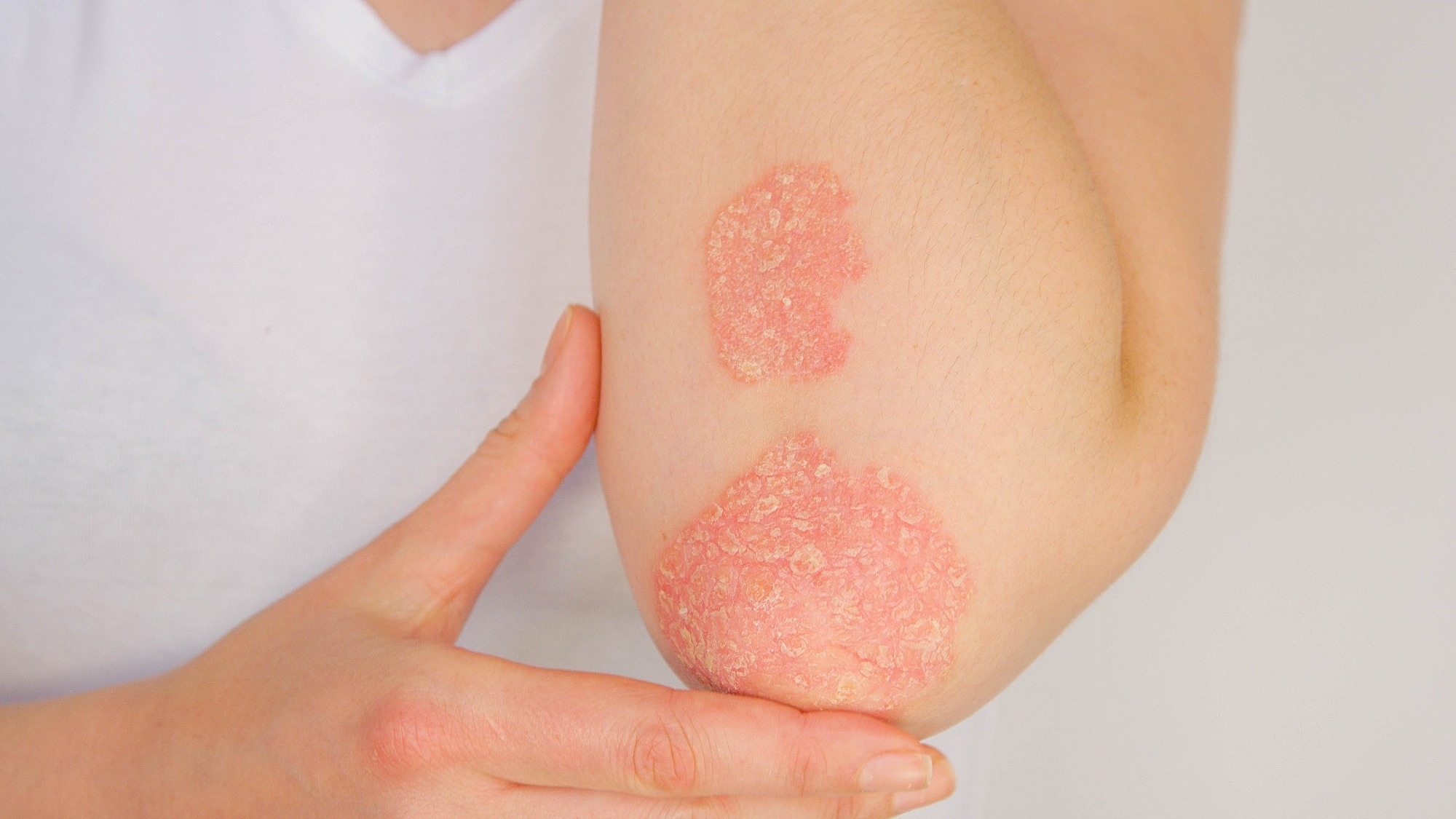
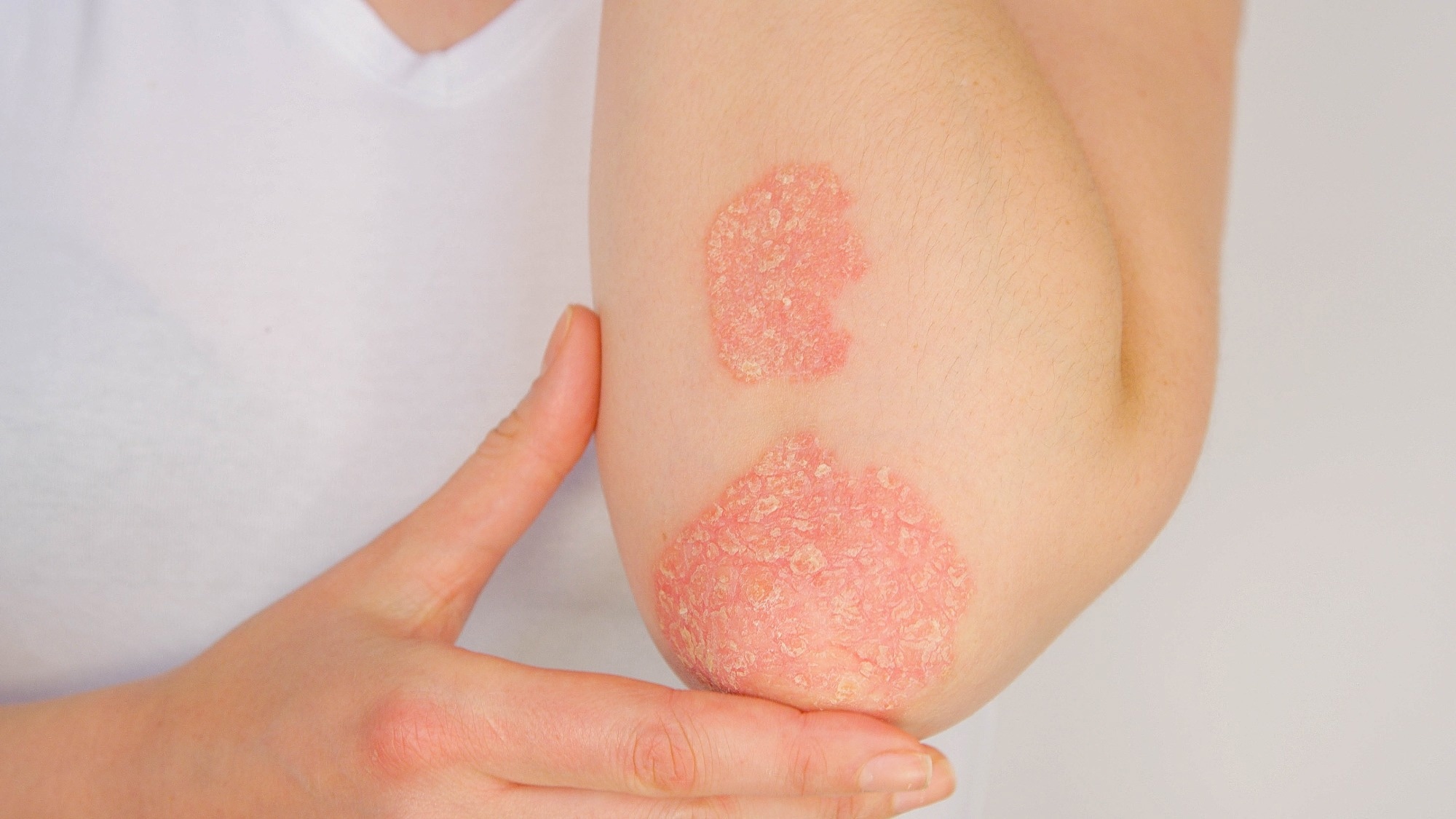
    Research: Risk of incident autoimmune diseases in patients with newly diagnosed psoriatic diseases: a national population-based study. Image credits: Flystock/Shutterstock.comStudy: Risk of incident autoimmune diseases in patients with newly diagnosed psoriatic disease: a national population-based study. Image credits: Flystock/Shutterstock.com

    Background

    Psoriatic disease, which often includes psoriasis and psoriatic arthritis, is a systemic inflammation-related disease with serious clinical consequences.

    Autoreactive T lymphocytes, which express proinflammatory cytokines such as interleukins (ILs)-17 and 22, and interferon-gamma (INF-γ) characterize psoriatic diseases.

    Studies have linked the autoimmune component of psoriasis to several autoimmune diseases, including autoimmune thyroid diseases, inflammatory bowel disease, alopecia areata, and autoimmune rheumatic diseases.

    About the study

    In the national population study, researchers evaluated the link between autoimmune diseases and psoriatic diseases.

    Patients with newly diagnosed psoriatic disease between January 2007 and December 2019 were included in the study, using the Korean National Health Insurance Service (NHIS) database.

    The team used previously established diagnostic algorithms for psoriatic disease in Korea to identify people with the condition. Patients with psoriatic disease had one or more recorded visits with psoriatic diseases such as psoriasis and psoriatic arthritis as their primary diagnostic code and vitamin D prescriptions.

    Autoimmune diseases such as CD, UC, Graves’ disease, Hashimoto’s disease, SLE, RA, Sjögren’s syndrome, systemic sclerosis, AS, type 1 diabetes and alopecia areata were studied.

    Comparators who had no diagnostic code for psoriatic diseases between January 2005 and December 2019 and no diagnostic code for autoimmune diseases during the washout were randomly selected and matched on sex and age at a 1:1 ratio.

    In addition to the diagnostic codes, the researchers also added relevant prescription information for medications and RID codes for all diseases to the diagnostic algorithms for outcomes.

    The team added follow-up information on newly identified autoimmune diseases from 2007 to 2020. Multivariate Cox regression modeling was performed to determine adjusted risk ratios (aHRs).

    The Charlson Comorbidity Index (CCI) values ​​for comorbidities such as hypertension, diabetes, dyslipidemia, chronic obstructive pulmonary disease (COPD), liver cirrhosis, chronic kidney disease, alcoholic liver disease, and heart failure were determined. The team conducted subgroup analyzes based on gender, age and severity of psoriatic disease.

    Patients who received diagnostic codes for psoriatic disease between January 2005 and December 2006 were excluded from the study.

    Additionally, the team excluded individuals diagnosed with autoimmune diseases [Crohn’s disease (CD), ulcerative colitis (UC), Graves’ disease, Hashimoto’s disease, systemic lupus erythematosus (SLE), rheumatoid arthritis (RA), Sjögren’s syndrome, ankylosing spondylitis (AS), systemic sclerosis, alopecia areata, and diabetes type 1] before diagnosis of psoriatic disease and those followed for less than one year.

    Results

    The study included 321,354 individuals in the psoriatic and control groups with a mean age of 43 years, and 59% were men.

    Patients with psoriasis showed a significantly increased risk of ankylosing spondylitis, systemic lupus erythematosus, ulcerative colitis, Crohn’s disease, alopecia areata, type 1 diabetes and rheumatoid arthritis, with aHR values ​​of 2.3, 1.9, 1.7 , 2.0, 1.4, 1.2 and 1.6. respectively.

    On the other hand, the risks for Hashimoto’s disease, Graves’ disease, systemic sclerosis and Sjögren’s syndrome did not differ significantly between the groups. Type 1 diabetes, alopecia areata, AS, RA, SLE, UC, and CS had NNH values ​​of 9,567, 1,295, 9,946, 3,256, 47,987, 17,899, and 39,988 individual years, respectively.

    With the exception of type 1 diabetes, all autoimmune diseases showed a significantly increased risk in psoriatic subjects compared to controls after controlling for CCI and insurance type. After controlling for CCI and insurance type, the risk of type 1 diabetes (aHR, 1.1) was not significant in men with psoriatic disease compared with male controls.

    After adjusting for type of insurance and CCI, all autoimmune diseases showed significantly greater risks in younger psoriatic individuals under 40 years of age and in individuals 40 years of age and older compared with controls.

    After controlling for insurance type and CCI, CD risk (aHR, 1.4) was not significantly greater in older psoriatic subjects than in controls.

    Mild and moderate psoriatic disease occurred in 79% (n=255,285) and 21% (n=66,069) of patients with psoriatic disease, respectively, including the incidence of UC, CD, RA, SLE, alopecia areata, and type diabetes. 1, and AS were greater compared to controls.

    After controlling for age, gender, CCI, and insurance type, patients with moderate to severe psoriatic disease showed a significantly increased risk of rheumatoid arthritis, AS, and type 1 diabetes, with aHR values ​​of 1.5, 1.5, and 1.2, respectively.

    Conclusion

    Based on the study results, patients with psoriatic conditions have a greater chance of developing autoimmune diseases.

    This study also found the occurrence of autoimmune diseases unrelated to psoriasis, such as Graves’ disease, Hashimoto’s disease, Sjögren’s syndrome, and systemic sclerosis. Due to the low absolute risk, routine screening for these conditions may not be recommended.

    However, appropriate investigations may be necessary in individuals with psoriatic disease to determine the existence of concomitant alopecia areata and provide tailored therapy.

    Source link

  • The conversation about weighted vests continues: why we can’t stop raving about weighted vests

    The conversation about weighted vests continues: why we can’t stop raving about weighted vests

    By Cameron Vazquez, MPH

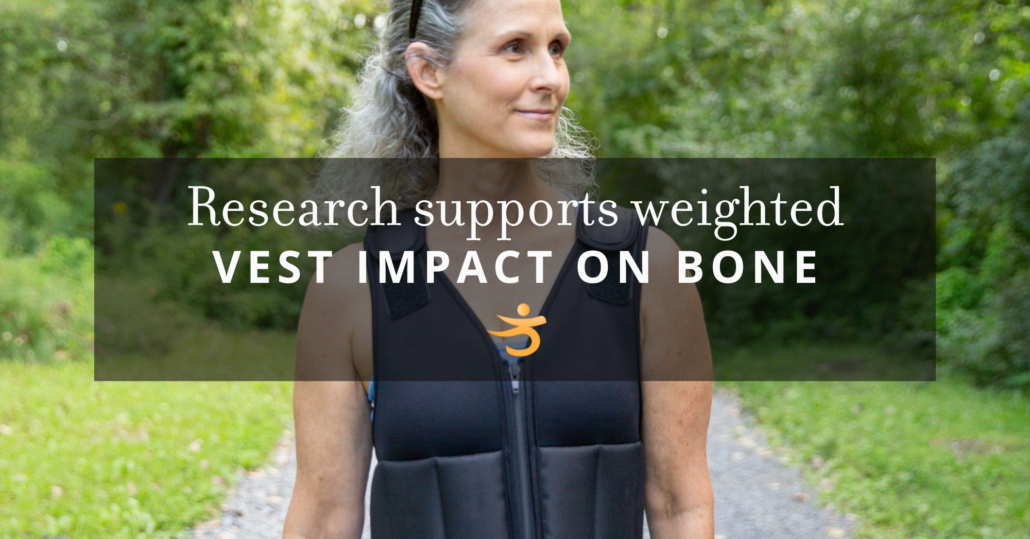
    We have been here at the Center for Better Bones for many years – and so have our customers! – have sung the praises of weighted training vests and belts. And how can we not do that? Not only does weighted exercise equipment allow us to do less and accomplish more, but numerous studies have shown that weighted vests and belts can improve strength, balance and muscle mass, reduce bone loss and even build bone! You can see all of this research in our blog, Weighing Weight Carrying: How Weighted Vests and Weighted Belts Can Help You. So why are we talking about weighted training equipment again? Because the research in support of weighted vests and belts continues to come to our attention!

    The use of weighted vests in a Norwegian clinical trial

    Another fascinating study into the impact of weighted training vests on fracture risk factors comes from Norway. (1) This study followed 42 postmenopausal women over 50 years of age with osteopenia and a healed wrist fracture. These participants completed a six-month exercise program called OsteoACTIVE, which consisted of 60-minute sessions held three times a week. The exercises performed were intended for strength, balance, coordination and trunk stabilization. For more details on the exercises performed and to see images, please refer to the original research article.

    Weighted vests were used during exercise. Each participant started with two 1.1 kg (about 2.43 pounds) weights, and all but three participants had built up to nine weights (about 21.9 pounds) by the end of the program.

    At the end of the six-month program, significant improvement in both hip bone density and quad strength was observed. At the 1-year follow-up, it was discovered that there was a significant improvement in dynamic balance compared to baseline measurements. Here’s another study (2) that confirms these groundbreaking findings on weight-bearing exercise from 1998!

    Why we love weighted vests that go beyond their bone benefits

    With all the research supporting their positive impact on bone, it’s no wonder we support weighted vests. But the benefits don’t stop there! While it’s incredibly important for your health, we understand that voluntary exercise is no easy feat. With limited time and resources, it’s important to get the most out of your workouts — something that can easily be done with a weighted vest! A few more reasons why we love weighted vests are:

    • They are useful: Weighted vests can be worn to add extra weight while doing just about anything, such as household chores, dancing, walking, etc.
    • Weight vests involve a progressive program: you can (and should) start slowly and add weight as you go.
    • Weighted vests are relatively safe; there is less risk of injury because of the gradual weight gain.
    • Weighted vests allow you to do less and achieve more!

    We would also like to note that while there isn’t as much research on weighted belts, they are still a good option for many. You can read more about weighted belts in our blog, The Weighted Belt: A New Exercise Tool to Build Bone.

    Preventing bone loss during weight loss

    Weight loss in overweight adults improves the prognosis of health outcomes; However, such weight loss comes at the expense of the bones. When older adults lose weight, they also lose bone. Currently, American scientists are conducting a study that combines weight loss programs with resistance exercises using the weighted vest. They propose that using weighted vests in combination with resistance exercises will be more effective for preventing weight loss-induced bone loss than resistance exercises alone. (3)

    These researchers say that weighted vests are likely to be very useful for several reasons:

    • They’re achievable: Older adults are more likely to use a weighted vest than a gym membership, learn about resistance training, or seek good guidance on resistance training.
    • Resistance training alone may not be enough to prevent weight loss-related weight loss.
    • Weighted vests during exercise can increase BMD and bone turnover and affect muscle strength.

    Therefore, the weighted vest could be a solution to prevent unnecessary bone loss during weight loss!

    Better sources for bone exercises

    Weighted vest and belt

    Interested in weighted fitness equipment? You can check out our weighted training vest and belt here!

    Webinar with Dr. Belinda Beck from the Australian Bone Clinic

    Have you ever been told that as an older person, it’s great to exercise, but exercise won’t build substantial bone strength? Dr. Brown talks to Dr. Belinda Beck, the Australian scientist whose groundbreaking clinical trials clearly demonstrate that older people can rebuild bone mass with high intensity, high resistance and strength training. We like to call her the bone-building mythbuster. Click here to see how Dr. Brown and Dr. Beck discussing exercise and bone health!

    Practice evolution with Gina Galli, RYT

    Exercise Evolution is our exciting new, affordable subscription program that we offer on Patreon.com. This program includes monthly videos, Dr.’s teaching library. Brown, a community sharing page, monthly exercise plans to build bones, access to the Better Bones Diet, an exercise tracking portal, and more! This program is not only accessible, but also safe. Our goal is to create a community full of like-minded individuals who support each other and are ready to get out there and get healthy!

    References:

    1. Hakestad, KA, et al. 2015. Exercises including weighted vests and a patient education program for women with osteopenia: a feasibility study of the OsteoACTIVE rehabilitation program. Journal of Orthopedic and Sports Physiotherapy 45(2): 57-147.
    2. Shaw, J.M. and C.M. Snow. 1998. Exercise with a weighted vest improves indices of fall risk in older women. The journals of gerontology. Series A, Biological Sciences and Medical Sciences 53(1):M53-M58.
    3. Miller, RM, et al. 2021. Integrating nutrition, vesting, education, and strength training (INVEST) into bone health: trial design and methods. Contemporary Clinical Research 104:106326.

    Dr.  Susan BrownI am Dr. Susan E. Brown. I am a clinical nutritionist, medical anthropologist, writer and motivational coach speaker. Learn my proven 6-step natural approach to bone health in my online courses.
    Source link

  • Shin Splints Causes, Symptoms and Physical Therapy Treatment

    Shin Splints Causes, Symptoms and Physical Therapy Treatment

    Medial tibial stress syndrome is one of the most common athletic injuries, especially among those who participate in high-impact activities. However, there are other risk factors for shin splints, and not all patients who complain of the characteristic pain along the shin are athletes.

    MTSS is a condition that often resolves on its own. Physical therapy can help relieve the pain and prevent it from returning.

    What causes shin splints?

    There are several muscles in the leg that attach to the shin bone, including the anterior and posterior tibialis muscles, the flexor digitorum longus muscle, and the soleus muscle. These muscles and their connective tissue can pull on the periosteum, a layer of tissue that covers the bone and allows the muscles to attach.

    Repeated stress can cause the periosteum to become inflamed, resulting in the pain of shin splints. There are several risk factors that can contribute to MTSS.

    FH Shin Splits Blog 1

    1. Physical activity

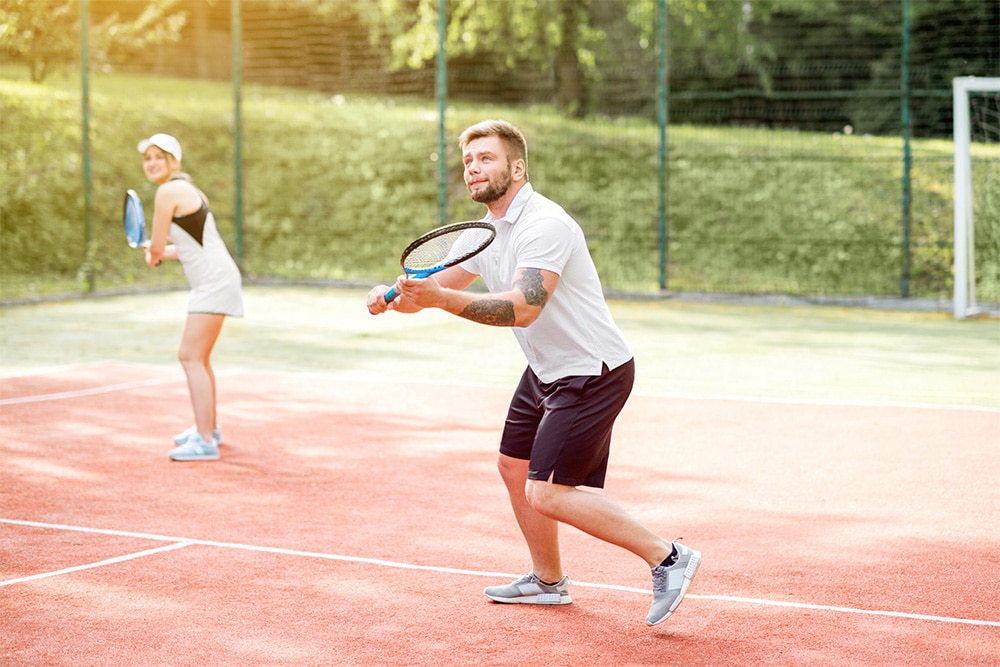
    Athletes who do a lot of running and jumping, such as gymnasts, basketball players, dancers, tennis players and sprinters, are at particular risk for shin splints. An estimated 35% of these athletes eventually develop MTSS.

    Due to frequent marching and other physically demanding tasks, soldiers are at risk of developing shin splints, with a incidence rate that can be as high as 35%.

    2. Weak bones

    MTSS may be more likely in people with underlying medical conditions that weaken the bones, such as osteoporosis or osteopenia. Other underlying medical conditions that can affect bone health and increase the risk of shin splints include eating disorders, vitamin D deficiencies, or hormonal changes in women that can also result in a loss of normal menstruation.

    FH Shin Splits Blog 2

    3. Flat feet

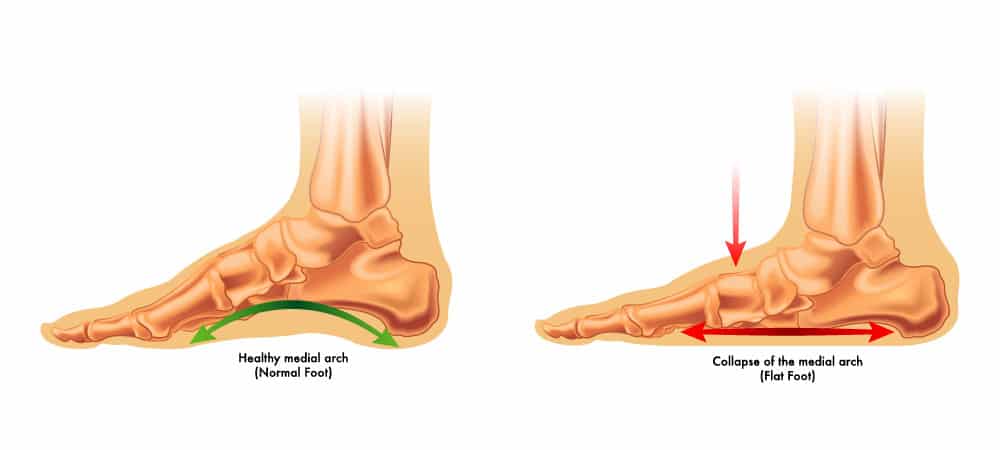
    Overpronation occurs when the arch of the foot collapses due to the impact of a step. This is colloquially known as having flat feet. If you often walk or run with flat feet, this can strain the tibial periosteum and lead to shin splints. You can also develop MTSS if your arches are stiff or high. Exercising or playing sports in shoes that do not provide adequate arch support can contribute to overpronation and increase the risk of shin splints.

    4. Overweight

    Carrying extra weight puts more strain on the lower extremities and increases the risk of shin splints. Maintaining a healthy weight is important for shin splint prevention and overall health, but you should begin an exercise program gradually. Demanding too much of the body at once can also contribute to shin splints.

    How can shin splints be prevented?

    Chances are you will develop MTSS at the start of your athletic season or a new training regimen. In your eagerness to get started, you may try to do too much too quickly, putting too much pressure on your lower legs.

    Starting with a gentle exercise program and progressing slowly is therefore important to prevent shin splints. Limiting activity increases to 10% per week helps prevent sudden changes that can trigger MTSS.

    If your muscles are not properly warmed up before physical activity, they can put pressure on your shin. Be sure to stretch your entire body, especially your legs, before beginning any exercise or athletic event.

    Supportive footwear helps prevent overpronation, so be sure to replace the shoes you use for exercise before they wear out. If you are a runner, replace your running shoes every 300 miles. If your shoes do not provide enough support, you can use arch supports that are specially designed to prevent overpronation.

    Try cross-training with low-impact exercises, such as cycling or swimming, to give your lower legs a chance to rest and recover. When participating in high-impact activities, try to avoid uneven, hilly terrain and hard surfaces.

    iStock 1225517111

    How can physical therapy help treat shin splints?

    The prognosis for shin splints is usually very good and most people recover completely. The key is to relieve pressure on the inflamed tissues so they have a chance to heal. There are several physiotherapy techniques that can help relieve stress in the superficial tissues:

    • Foam rolling
    • Massage
    • Tool-assisted therapy

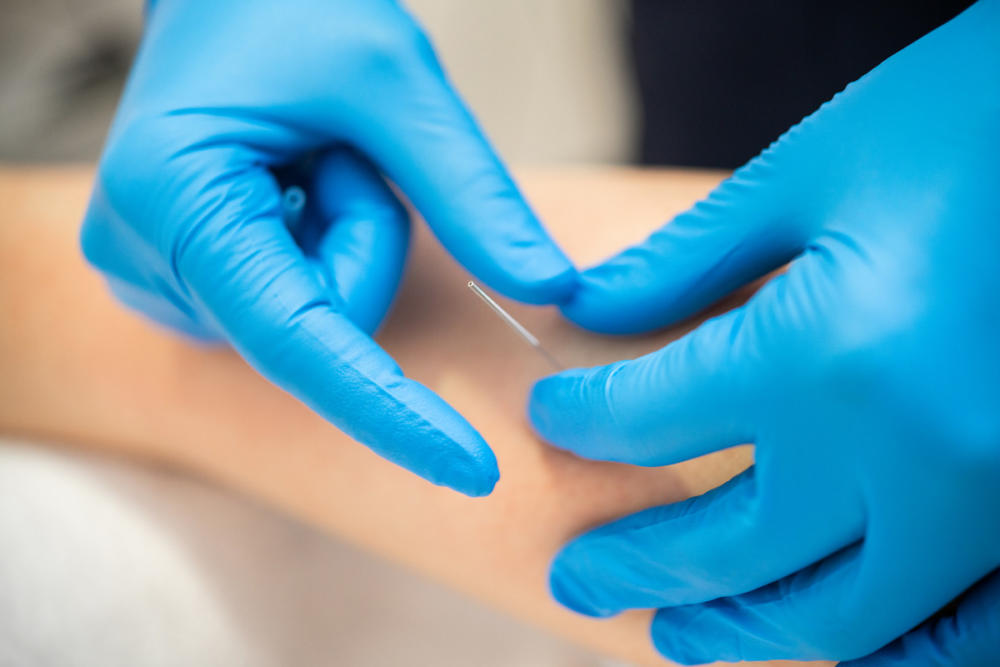
    If the tension is in the deeper tissues of the muscle, these techniques may not be enough to relieve it. However, trigger point dry needling is another technique that can reach beyond the superficial tissues to relieve tension in the fibers in the muscle belly. The goal is for the muscle fibers that are better equipped for the task to absorb the stress instead of the periosteum.

    In addition to helping relieve the pain of MTSS, physical therapy can also help prevent symptoms from coming back. You can learn exercises to prevent overpronation by strengthening the arch of your foot. Although it may seem counterintuitive at first, strengthening the muscles that control hip movement can help reduce tension in the lower leg.

    Your physical therapist may also suggest shoes that provide better support and adjustments to your activities to reduce stress on your lower leg and prevent shin splints from coming back.

    As you progress through therapy and eventually return to your previous activities, use pain as a guide and stop when it starts to hurt. Trying to push through the pain of shin splints only makes the problem worse. make an appointment today with a Foothills physical therapist.

    Source link

  • Celebrating Patient Recognition Week: the importance of keeping your bones and joints healthy

    Celebrating Patient Recognition Week: the importance of keeping your bones and joints healthy

    smiling woman sitting next to fitness ball and holding bottle of water February 1 marks the start of Patient Recognition Week, an annual event celebrating the important role of patients in the healthcare system. As the name suggests, this week is all about recognizing and honoring the hardworking patients who place their trust in the hands of medical professionals. But it’s not just about celebrating patients; it is also about promoting good health and well-being.

    Caring for our bones and joints is one of the most important aspects of maintaining good health. Our bones and joints play a crucial role in our daily lives, allowing us to move, work and play. Without healthy bones and joints, we wouldn’t be able to perform even the most basic tasks. That’s why it’s so important to take care of these vital parts of our body.

    What can we do to keep our bones and joints healthy? Here are a few tips:

    Exercise regularly to keep your bones and joints strong

    Exercise is one of the best things you can do to keep your bones and joints healthy. Regular exercise helps strengthen bones and improve joint flexibility.

    It’s important to find an exercise routine that you enjoy, whether it’s running, swimming or yoga. The key is to make sure you get at least 30 minutes of moderate-intensity exercise every day.

    Eat a healthy, balanced diet to support your bones and joints

    A healthy diet is essential for maintaining strong bones and joints. Calcium and vitamin D are crucial for bone health, so include plenty of dairy products, green leafy vegetables and oily fish in your diet. Getting enough protein is also vital as it helps repair and build body tissues.

    Don’t ignore pain or discomfort in your bones and joints

    If you experience pain or discomfort in your bones or joints, it is essential to seek medical attention. Ignoring these symptoms can lead to further problems down the road.

    At Bone & Joint Specialists Orthopedic Center of Indiana, our team of experienced orthopedic specialists are ready to help you with all your orthopedic needs.

    Contact us at 219-795-3360 to schedule an appointment or ask questions about your orthopedic concerns.

    Source link

  • Curovate is a physical therapy app for knee replacement, ACL and more

    Curovate is a physical therapy app for knee replacement, ACL and more


    Document

    I started my company, Curovate, with a very simple vision, to make physiotherapy accessible to everyone worldwide. That was in 2015. Our physiotherapy app Curovate was originally released on the Google Play Store on August 1, 2016. When we first released the app, it provided rehabilitation for people after anterior cruciate ligament (ACL) surgery. Seven years later, Curovate provides rehabilitation for all of the following physiotherapy-related issues on both iOS and Android devices:

    The video below gives a short preview of everything Curovate can help you with in your daily rehabilitation. The main purpose of our physiotherapy app is to help you stay consistent with your daily rehabilitation exercises at home after an injury or surgery.

    Curovate is a physiotherapy app for recovery before or after knee replacement, ACL surgery, knee osteoarthritis, knee strengthening exercises, hip strengthening exercises or hip replacement. Curovate has been developed and supported by physiotherapists.

    To learn more about our app and how it can help you with your recovery, visit our website here. Or download Curovate from the links below and get started on your recovery!

    If you need more tailored help during your surgery or recovery from your injury, check out our Virtual Physiotherapy page to book your 1-on-1 video session with a physiotherapist.

    acl knee physical therapy 1080x1080 2
    Download it on Google Play

    Source link

  • Fostering intimacy while living with an illness or disability

    Fostering intimacy while living with an illness or disability


    IMG 8229

    Although chronic diseases are quite common (the Centers for Disease Control and Prevention says that 6 in 10 adults in the US have one chronic disease, and 4 in 10 have two or more chronic diseases), I’ve always had trouble finding tools that address the impact that chronic illness can have on relationships and intimacy.

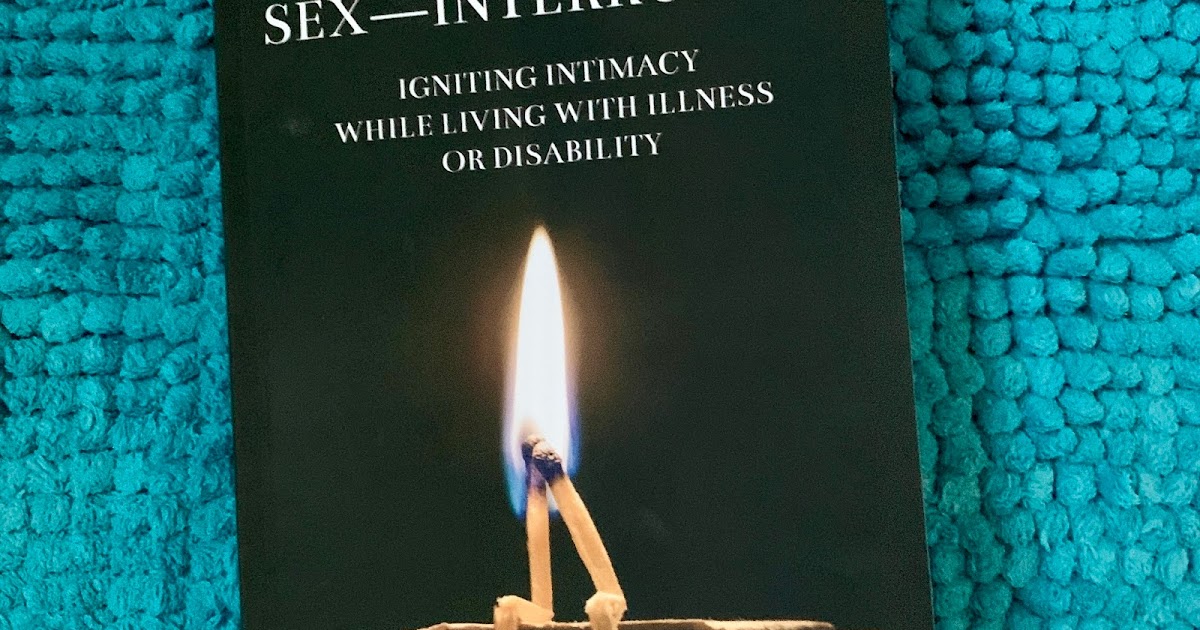
    Now there’s a book that addresses exactly that problem: Sex – Interrupted: Fostering Intimacy While Living with Illness or Disability. Iris Zink, rheumatology nurse, and Jenny Thorn Palter, former editor of Lupus now magazine, have written a book that recognizes the intimacy issues that patients with chronic diseases often face and offers helpful suggestions for both healthcare providers and patients.

    Click below to read my review of the book!

    Book review: Sex – Interrupted: Fostering Intimacy While Living with Illness or Disability

    Moms facing forward

    You can also visit www.intimacyandillness.com For more information. The first 50 people to purchase the book through their website will receive a free sample copy of Pure Romance.

    Source link

  • Plums for your bones – Food for healthy bones

    Plums for your bones – Food for healthy bones

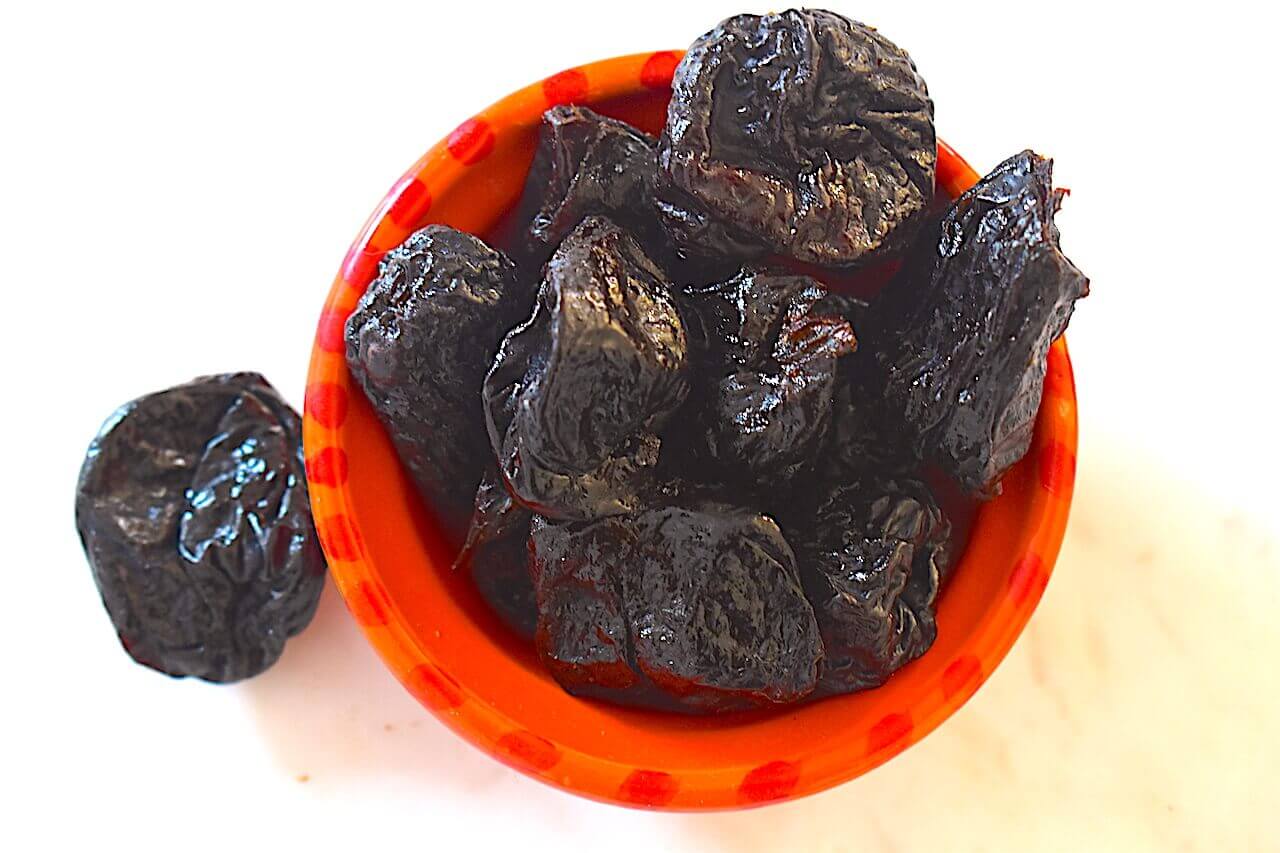
    Eating plums for your bones can help prevent or slow bone loss by reducing inflammation and oxidative stress. There are two delicious recipes on my plum blog.

    Skelly and I spend a lot of time promoting strong bones and how to nourish them. But many women we meet don’t think about it – until it’s too late.

    Some women are so concerned about preventing cancer and heart disease that they don’t bother to worry about their bones. But the thing is: as a woman, you have a 50/50 chance of breaking a bone as you get older. Those are pretty bad odds.

    Broken bones are even more common in women than heart attack, stroke and breast cancer combined. [1]

    And supporting your bones is easier than you think. You can do something good for your bones with every meal.

    Let me give you just one example of powerful bone food...

    I’m talking about plums

    Or as some people like to say, ‘dried plums’.

    As we age, lower estrogen levels can lead to inflammation and oxidative stress. These can increase bone loss and fractures.

    prunes for your bones bone health

    Plums rich in minerals

    Vitamin K, phenolic compounds and dietary fiber. These can all combat oxidative stress and inflammation.

    The evidence was recently published in the journal Advances in nutrition. [2]

    Researchers looked at 28 studies in both humans and animals. They found that women who ate about ten plums a day for a year improved bone mineral density in the forearm and lower back. They also found that eating just 5 to 10 plums per day for six months prevented loss of bone mineral density and reduced bone resorption.

    Plums help reduce bone loss because they are high in polyphenols. These are powerful antioxidants. Other fruits are also rich in polyphenols, including apples, blackberries, cherries, grapes, pears, pomegranates, raspberries and strawberries. [3]

    More antioxidants than any other fruit

    Plums also give you a boost of a little-known bone mineral called drill. It ensures that bones do not lose calcium and magnesium. It also helps your body produce and use vitamin D, which is crucial for bone formation.

    And of course, prunes have additional benefits for your colon and help you stay regular. Studies show they improve your gut microbiota (bacteria) and may help reduce your risk of colon cancer.[4]

    Low glycemic index

    If you’re worried about getting too much sugar from dried fruit, plums are still a good choice. One serving of about 60 grams or 6 plums is only 29 on the glycemic index. [5]

    Everything below 55 is considered low. That means they won’t give you a sugar rush thanks to their high fiber content. Just make sure that the plums you buy do not contain added sugars.

    Skelly and I are always looking for easy ways to sneak a little spice into our day. We like to chop up a few plums and throw them on our morning oatmeal. You can also add them to a healthy green smoothie (make sure these are pitted plums) or to your yogurt. Or just grab a few for an on-the-go snack.

    Osteoblasts – Bone building cell

    Last: “Animal and cell studies suggest that prunes and/or their extracts improve bone formation and inhibit bone resorption through their action on cell signaling pathways that influence the differentiation of osteoblasts and osteoclasts.” [6]

    From my bones to yours,

    Irma Jennings INHC,

    Your holistic bot coach


    [1] JA Cauley et al. “Incidence of Fractures Compared with Cardiovascular Disease and Breast Cancer: The Women’s Health Initiative Observational Study” Osteoporosis Int. 2008; 19(12): 1717–1723.

    [2] Janhavi et al., “The Role of Plums in Modulating Inflammatory Pathways to Improve Bone Health in Postmenopausal Women,” Advances in nutrition, 2022; nmab162, https://doi.org/10.1093/advances/nmab162

    [3] Jonny Bowden, “The 150 Healthiest Foods in the World, Revised Edition: The Surprising, Unbiased Truth About What You Should Be Eating and Why.”

    [4] Texas A&M AgriLife. “Plum good health benefits.” ScienceDaily. www.sciencedaily.com/releases/2015/09/150927120304.htm (accessed February 23, 2022).

    [5] What is the glycemic index of plums? https://www.livestrong.com/article/415499-glycemic-index-of-prunes/ (accessed February 25, 2021).

    [6] https://pubmed.ncbi.nlm.nih.gov/28422064/

    Want more bone-loving recipes?

    Below is the link to purchase mine downloadable guide:

    7 Day Meal Plan – Simple Cooking for Bone Health

    With 27 bone-loving recipes, shopping lists, nutrition plan, storage tips, weekly tips and much more.

    A fully clickable download guide to help you navigate through the recipes and all the information in this manual.

    The best $47 dollars you can spend on your bot.

    Below, my team created two plum recipes:

    1 for vegetarians/vegans and the other for animal protein eaters.

    I would appreciate giving these recipes a vote just below the description.

    Depositphotos 302288320 XL

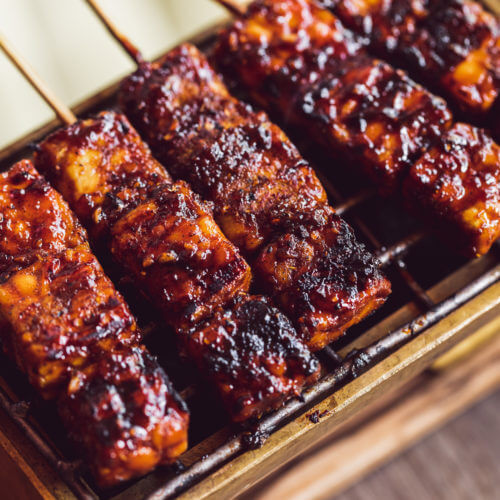
    Tempting Tempeh with Plums

    Plums can help you prevent or delay bone loss. As we age, lower estrogen levels can lead to inflammation and oxidative stress. These can increase bone loss and fractures. Plums are rich in minerals, vitamin K, phenolic compounds and dietary fiber. These can all combat oxidative stress and inflammation.

    Find more bone-loving recipes on my Comprehension Bone Health Program (CBHP) waiting list here!

    View all recipes here.

    Preparation time 2 o’clock 30 minutes

    Cooking time 20 minutes

    Total time 50 minutes

    Class Main dish

    kitchen American

    Portions 4

    Calories 119 kcal

    • 2 – 8 Oz Tempeh organic packages

    Marinade

    • 1 cup water
    • 8 plums
    • 1/4 cup syrup Black belt
    • 2 Tablespoon apple cider vinegar
    • 1 Tablespoon Dijon mustard
    • 3 clove garlic minced meat
    • 1 teaspoon thyme dry
    • 1/2 teaspoon ginger ground
    • 1/2 teaspoon turmeric
    • 1 teaspoon sea ​​salt
    • Make the marinade by combining the water, molasses, prunes, vinegar, mustard, garlic and spices in a high-speed blender.

    • Marinate the tempeh in the refrigerator for at least 2 hours or overnight.

    • Preheat the oven to 400 degrees F.

    • Place the marinated tempeh in a glass baking dish.

    • Bake at 400 degrees F for 15-20 minutes

    Cook once – eat twice


    The nutritional information is calculated automatically and may vary based on the ingredients and products used.

    Calories: 119kcalCarbohydrates: 30GEgg white: 23GFat: 1GSaturated fat: 1GPolyunsaturated fat: 1GMonounsaturated fat: 1GSodium: 636mgPotassium: 487mgFiber: 2GSugar: 23GVitamin A: 183IUVitamin C: 2mgVitamin K: 12µgCalcium: 64mgIron: 1mgMagnesium: 64mgPhosphorus: 31mgSelenium: 5µgZinc: 1mg

    Keyword Gluten-free, osteopenia, osteoporosis, vegan, vegetarian

    Depositphotos 21278359 XL

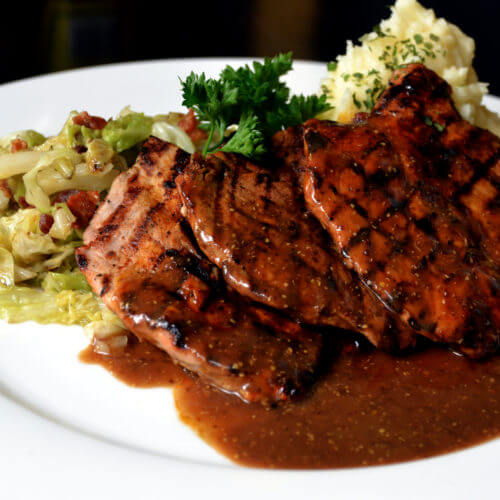
    Powerful pork chops with plums

    Plums can help you prevent or delay bone loss. As we age, lower estrogen levels can lead to inflammation and oxidative stress. These can increase bone loss and fractures. Plums are rich in minerals, vitamin K, phenolic compounds and dietary fiber. These can all combat oxidative stress and inflammation.

    Find more bone-loving recipes on my Comprehension Bone Health Program (CBHP) waiting list here!

    View all recipes here.

    Preparation time 2 o’clock 30 minutes

    Cooking time 15 minutes

    Total time 45 minutes

    Class Dinner, main course

    kitchen American

    Portions 4

    Calories 326 kcal

    • 1 Frying pan

    • 1 Meat thermometer

    • 1 covered bowl

    • 4 pork chops Bone-in pork tenderloins, about 6 oz each

    Marinade

    • 1 cup water
    • 8 plums coarsely chopped
    • 1/4 cup syrup
    • 2 Tablespoon apple cider vinegar
    • 1 Tablespoon Dijon mustard
    • 3 clove garlic minced meat
    • 1 teaspoon sea ​​salt
    • 1/2 teaspoon black pepper ground
    • 1 teaspoon thyme dry
    • 1/2 teaspoon ginger ground
    • 1/2 teaspoon turmeric

    Marinade

    • Using a high-speed blender, combine the water, molasses, prunes, vinegar, mustard, garlic and spices.

    Pork chops

    • Marinate the chops in a covered container in the refrigerator for at least 2 hours or overnight.

    • Preheat the oven to 400 degrees F.

    • Remove the pork from the marinade.

    • Heat a frying pan until hot.

    • Place the pork chops in the pan and sear on one side for 3-4 minutes.

    • Place the skillet in the oven and bake.

    • Chops are ready when a meat thermometer registers 140-145 degrees F.

    • Start checking the meat after 6 minutes – check again every minute (best to use the thermometer on the side of the chop).

    • Extra marinade: bring to a low boil, reduce and use as a dressing over the pork.

    Cook once – eat twice

    The nutritional information is calculated automatically and may vary based on the ingredients and products used.

    Calories: 326kcalCarbohydrates: 30GEgg white: 30GFat: 10GSaturated fat: 3GPolyunsaturated fat: 1GMonounsaturated fat: 4GTrans fat: 1GCholesterol: 90mgSodium: 700mgPotassium: 988mgFiber: 2GSugar: 23GVitamin A: 190IUVitamin C: 2mgVitamin D: 1µgVitamin K: 12µgCalcium: 74mgIron: 2mgMagnesium: 99mgPhosphorus: 333mgSelenium: 50µgZinc: 2mg

    Keyword Gluten free, osteopenia, osteoporosis, pork chops, prunes

    30 Essential Foods for Bone Health

    Source link