Blog

  • Expert Advice on Preventing and Managing Knee Pain

    Expert Advice on Preventing and Managing Knee Pain

    d1d3938e c060 561f b224 1e83e6d54654

    Key Takeaways

    • Regular exercise and maintaining a healthy weight are crucial for knee health
    • Proper warm-up and technique can help prevent knee injuries
    • Seek prompt medical attention for knee pain or injuries
    • Physical therapy plays a vital role in knee injury recovery and prevention
    • Lifestyle modifications can significantly reduce knee pain and improve joint health
    • Understanding knee anatomy is essential for effective prevention and management
    • A balanced, anti-inflammatory diet can support knee health
    • Proper footwear and assistive devices can alleviate knee stress

    As a Master Physical Therapist with 25 years of experience in injury management and pain relief, I’ve seen countless patients struggling with knee pain. Today, I’ll share some expert advice on preventing knee injuries and managing knee pain effectively. This comprehensive guide will provide you with in-depth knowledge and practical strategies to keep your knees healthy and pain-free.

    Understanding Knee Anatomy

    Show Image
    065f640c 0be5 5667 a023 830b0b825a29 1

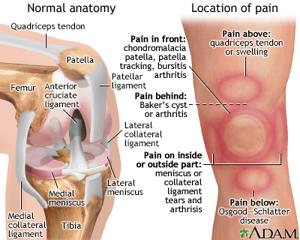
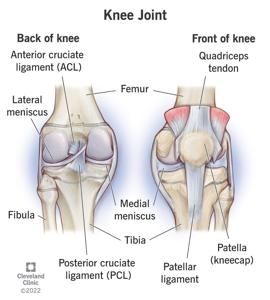
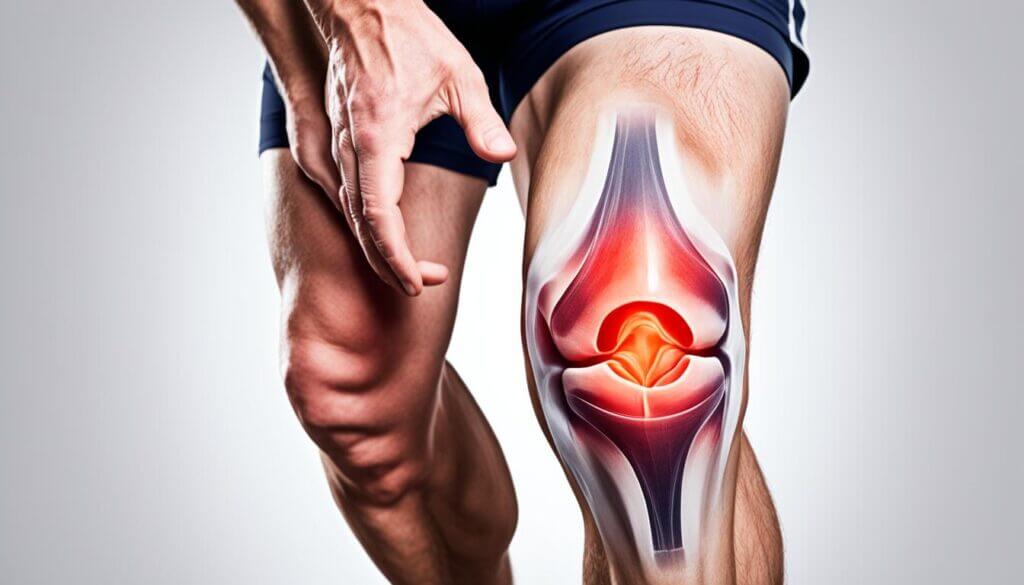
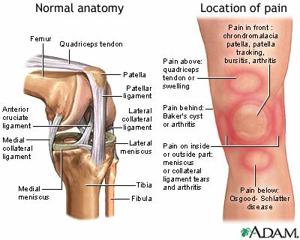
    The knee is a complex joint comprising bones, cartilage, ligaments, and tendons. Understanding its structure is crucial for preventing injuries and managing pain effectively. Let’s delve into the main components:

    Bones

    1. Femur (thighbone): The longest bone in the body, extending from the hip to the knee.
    2. Tibia (shinbone): The larger of the two lower leg bones, bearing most of the body’s weight.
    3. Patella (kneecap): A triangular bone that protects the front of the knee joint.

    Cartilage

    1. Meniscus: C-shaped pieces of cartilage that act as shock absorbers between the femur and tibia.
    2. Articular cartilage: Smooth tissue covering the ends of the bones, allowing for frictionless movement.

    Ligaments

    1. Anterior Cruciate Ligament (ACL): Prevents the tibia from sliding forward relative to the femur.
    2. Posterior Cruciate Ligament (PCL): Prevents the tibia from sliding backward relative to the femur.
    3. Medial Collateral Ligament (MCL): Stabilizes the inner part of the knee.
    4. Lateral Collateral Ligament (LCL): Stabilizes the outer part of the knee.

    Tendons

    1. Quadriceps tendon: Connects the quadriceps muscles to the patella.
    2. Patellar tendon: Connects the patella to the tibia.

    Understanding these components helps in recognizing potential areas of injury and the importance of maintaining overall knee health.

    Common Causes of Knee Pain

    Knee pain can result from various factors, and identifying the cause is crucial for effective treatment. Here are some common causes:

    1. Overuse injuries: Repetitive stress on the knee joint can lead to conditions like patellar tendinitis or iliotibial band syndrome.
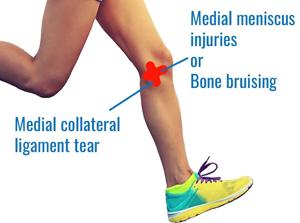
    2. Traumatic injuries: Sudden impacts or twisting motions can cause acute injuries such as ligament tears (ACL, MCL) or meniscus tears.
    3. Arthritis: Both osteoarthritis (wear-and-tear) and rheumatoid arthritis (autoimmune) can cause chronic knee pain and inflammation.
    4. Obesity: Excess weight puts additional stress on the knee joints, accelerating wear and tear.
    5. Poor biomechanics: Improper movement patterns or muscle imbalances can lead to uneven stress distribution in the knee.
    6. Age-related degeneration: As we age, the cartilage in our knees naturally wears down, potentially leading to pain and stiffness.
    7. Bursitis: Inflammation of the small fluid-filled sacs (bursae) that cushion the knee joint can cause pain and swelling.
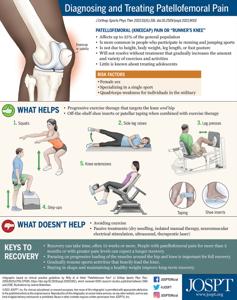
    8. Patellofemoral pain syndrome: Often called “runner’s knee,” this condition causes pain around the kneecap.
    9. Referred pain: Sometimes, knee pain can originate from issues in the hip or lower back.
    10. Infections: Although rare, infections in the knee joint can cause severe pain and require immediate medical attention.

    Understanding these causes can help in prevention and early intervention, potentially saving you from chronic knee problems in the future.

    Preventing Knee Injuries

    Prevention is always better than cure, especially when it comes to knee health. Here are some expert tips to keep your knees in top condition:

    1. Maintain a healthy weight: Every extra pound puts additional stress on your knees. Losing weight if you’re overweight can significantly reduce the load on your knee joints.
    2. Engage in regular, low-impact exercises: Activities like swimming, cycling, or using an elliptical machine can help strengthen the muscles around your knees without putting excessive stress on the joints.
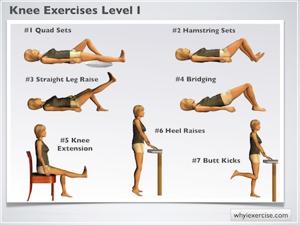
    3. Strengthen supporting muscles: Focus on exercises that target the quadriceps, hamstrings, and calf muscles. Strong leg muscles help stabilize the knee joint and absorb shock.
    4. Improve flexibility: Regular stretching can help maintain good range of motion in your knees and reduce the risk of injuries.
    5. Always warm up: Before any physical activity, spend 5-10 minutes doing light cardio and dynamic stretches to prepare your muscles and joints.
    6. Use proper technique: Whether you’re exercising, playing sports, or even performing daily activities, using correct form and technique can prevent undue stress on your knees.
    7. Wear appropriate footwear: Choose shoes that provide good support and fit well. Consider using orthotics if you have flat feet or high arches.
    8. Cross-train: Varying your activities can prevent overuse injuries and ensure balanced muscle development.
    9. Listen to your body: If you experience pain during an activity, stop and rest. Pushing through pain can lead to more severe injuries.
    10. Stay hydrated: Proper hydration helps maintain the elasticity of cartilage and reduces friction within the joint.
    11. Consider supplements: Glucosamine and chondroitin supplements may help maintain cartilage health, although scientific evidence is mixed.
    12. Practice good posture: Poor posture can misalign your entire lower body, putting extra stress on your knees.
    Injury TypeDescriptionCommon CausesSeverity
    ACL TearTear in the Anterior Cruciate LigamentSudden stops, changes in direction, landing incorrectly from a jumpHigh
    MCL TearTear in the Medial Collateral LigamentDirect blow to the outer part of the knee, sudden twistingModerate
    PCL TearTear in the Posterior Cruciate LigamentDirect impact to the front of the knee while bentHigh
    Meniscus TearTear in the cartilage that cushions the knee jointTwisting or rotating the knee, especially while bearing weightModerate
    Patellar TendinitisInflammation of the tendon connecting the kneecap to the shinboneRepetitive jumping or running, overuseLow
    OsteoarthritisWear and tear of the knee joint cartilageAging, previous injuries, obesityModerate
    BursitisInflammation of the small fluid-filled sacs (bursae) in the kneeRepetitive motions, kneeling for extended periodsLow
    Patellofemoral Pain SyndromePain around or behind the kneecapOveruse, muscle imbalances, poor alignmentLow
    IT Band SyndromeInflammation of the iliotibial bandRepetitive knee flexion and extension, common in runnersLow
    Patellar DislocationKneecap moves out of its normal positionDirect impact, sudden change in directionModerate
    Osgood-Schlatter DiseaseInflammation of the area below the knee where the tendon attaches to the shinboneGrowth spurts, overuse in young athletesLow
    Knee FractureBreak in one or more of the bones in the kneeHigh-impact injuries, fallsHigh
    Plica SyndromeIrritation of the synovial tissue in the kneeOveruse, direct traumaLow
    Baker’s CystFluid-filled cyst behind the kneeArthritis, cartilage tearLow
    Knee SprainStretching or tearing of ligamentsSudden twisting, direct impactModerate
    Chondromalacia PatellaSoftening of the cartilage under the kneecapOveruse, misalignment of the kneecapModerate
    Osteochondritis DissecansJoint damage due to lack of blood flow to the bone under the cartilageRepetitive stress, genetic factorsModerate
    Quadriceps Tendon TearTear in the tendon that connects the quadriceps muscle to the kneecapSudden force against a bent knee, fallsHigh
    Synovial ChondromatosisFormation of cartilage nodules within the joint liningUnknown, possibly due to joint trauma or infectionModerate
    Pes Anserine BursitisInflammation of the bursa on the inner side of the kneeObesity, osteoarthritis, repetitive activitiesLow

    By incorporating these preventive measures into your daily routine, you can significantly reduce your risk of knee injuries and maintain healthy, pain-free knees for years to come.

    Physical Therapy for Knee Pain

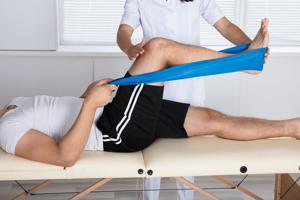
    Physical therapy plays a crucial role in both preventing and treating knee injuries. As a physical therapist, I’ve seen firsthand how a tailored program can transform patients’ lives. Here’s how physical therapy can help:

    1. Improve knee flexibility and strength: Targeted exercises can enhance the range of motion in your knee and strengthen the supporting muscles.
    2. Correct biomechanical issues: A physical therapist can identify and correct movement patterns that may be contributing to your knee pain.
    3. Reduce pain and inflammation: Various techniques like manual therapy, ice/heat treatment, and electrical stimulation can help manage pain and swelling.
    4. Enhance overall knee function: A comprehensive program aims to improve not just the knee, but also the function of surrounding joints and muscles.
    5. Prevent future injuries: By addressing underlying issues and teaching proper movement techniques, physical therapy can help prevent future knee problems.
    6. Personalized approach: What works for one patient may not work for another. A good physical therapist will tailor the treatment plan to your specific needs and goals.
    7. Gait analysis and retraining: For some patients, analyzing and correcting walking patterns can significantly reduce knee stress.
    8. Proprioception training: Improving your body’s ability to sense the position of your knee can enhance stability and reduce injury risk.
    9. Sport-specific rehabilitation: If you’re an athlete, your physical therapist can design a program to help you return to your sport safely.
    10. Education: A crucial part of physical therapy is teaching you about your condition and how to manage it long-term.

    Remember, the success of physical therapy largely depends on your commitment to the program, including any prescribed home exercises. Consistency is key to achieving optimal results.

    When to Seek Medical Attention

    While some knee pain can be managed at home, certain symptoms warrant immediate medical attention. Don’t hesitate to consult a healthcare professional if you experience:

    1. Severe pain or swelling: Especially if it occurs suddenly or is accompanied by redness and warmth.
    2. Inability to bear weight: If you can’t put weight on your affected leg or feel like your knee might give way.
    3. Visible deformity: Any noticeable changes in the shape or alignment of your knee.
    4. Fever accompanying knee pain: This could indicate an infection and requires prompt medical evaluation.
    5. Inability to fully extend or flex the knee: Significant loss of range of motion can indicate a serious injury.
    6. Persistent pain: If your knee pain doesn’t improve with rest and home remedies after a few days.
    7. Popping or crunching sounds: Especially if accompanied by pain or swelling.
    8. Instability: If your knee feels like it’s going to give out when you put weight on it.
    9. Pain that disturbs sleep: Severe pain that wakes you up at night could indicate a more serious condition.
    10. Numbness or tingling: These symptoms could indicate nerve involvement and should be evaluated.

    Early intervention can prevent long-term complications and lead to more effective treatment. It’s always better to err on the side of caution when it comes to joint health.

    Effectiveness of Treatment Options

    To help you understand the potential benefits of various treatment approaches, we’ve compiled two tables comparing their effectiveness:

    1: Conservative Treatment Options

    TreatmentPain ReliefInflammation ReductionImproved FunctionLong-term Benefits
    RICE⭐⭐⭐⭐⭐⭐⭐⭐⭐
    Physical Therapy⭐⭐⭐⭐⭐⭐⭐⭐⭐⭐⭐⭐⭐⭐⭐
    OTC Medications⭐⭐⭐⭐⭐⭐⭐⭐
    Prescription Medications⭐⭐⭐⭐⭐⭐⭐⭐⭐⭐⭐⭐⭐⭐

    2: Surgical Treatment Options

    Surgery TypePain ReliefFunctional ImprovementRecovery TimeLong-term Outcome
    Arthroscopy⭐⭐⭐⭐⭐⭐⭐⭐⭐⭐⭐⭐⭐
    Partial Knee Replacement⭐⭐⭐⭐⭐⭐⭐⭐⭐⭐⭐⭐⭐⭐⭐
    Total Knee Replacement⭐⭐⭐⭐⭐⭐⭐⭐⭐⭐⭐⭐⭐⭐⭐⭐⭐
    Ligament Reconstruction⭐⭐⭐⭐⭐⭐⭐⭐⭐⭐⭐⭐⭐⭐⭐

    Lifestyle Modifications for Knee Health

    Making certain lifestyle changes can significantly improve knee health and reduce pain. Here are some modifications to consider:

    1. Adopt a balanced, anti-inflammatory diet: Include foods rich in omega-3 fatty acids, antioxidants, and vitamins. Some beneficial foods include:
      • Fatty fish (salmon, mackerel)
      • Berries (strawberries, blueberries)
      • Leafy greens (spinach, kale)
      • Nuts and seeds
      • Olive oil
      • Whole grains
    2. Stay hydrated: Proper hydration helps maintain the elasticity of cartilage and reduces friction within the joint. Aim for at least 8 glasses of water a day.
    3. Practice good posture: Poor posture can misalign your entire body, putting extra stress on your knees. Be mindful of your posture when sitting, standing, and walking.
    4. Avoid prolonged periods of sitting or standing: Change positions frequently and take regular breaks to move around.
    5. Use assistive devices when necessary: Don’t hesitate to use a cane, knee brace, or other supportive devices if recommended by your healthcare provider.
    6. Modify your home environment: Consider making your living space more knee-friendly with modifications like:
      • Installing handrails in the bathroom
      • Using a raised toilet seat
      • Removing trip hazards like loose rugs
    7. Choose knee-friendly activities: Opt for low-impact exercises like swimming, cycling, or using an elliptical machine instead of high-impact activities like running on hard surfaces.
    8. Manage stress: Chronic stress can exacerbate inflammation in the body, potentially worsening knee pain. Practice stress-reduction techniques like meditation or deep breathing exercises.
    9. Get adequate sleep: Good sleep is crucial for overall health and can help manage pain. Aim for 7-9 hours of quality sleep each night.
    10. Quit smoking: Smoking can increase inflammation in the body and slow down healing processes. If you smoke, consider quitting or seeking help to do so.
    11. Limit alcohol consumption: Excessive alcohol intake can contribute to inflammation and may interact with medications you’re taking for knee pain.
    12. Maintain a consistent exercise routine: Regular, moderate exercise can help keep your knees healthy. Consistency is key – it’s better to do a little bit every day than to overdo it occasionally.

    Remember, these lifestyle modifications work best when implemented consistently over time. Be patient with yourself as you make these changes, and don’t hesitate to seek support from friends, family, or healthcare professionals.

    Conclusion

    Knee pain can be debilitating, but with the right knowledge and care, it’s often preventable and manageable. This comprehensive guide has covered the essential aspects of knee health, from understanding anatomy to implementing lifestyle changes. Remember, every individual is unique, so what works best for you may differ from others. Always consult with a healthcare professional for personalized advice.

    By taking proactive steps to maintain your knee health – through regular exercise, proper nutrition, mindful movement, and prompt attention to any issues – you can enjoy an active, pain-free lifestyle for years to come. Your knees carry you through life; take care of them, and they’ll continue to support you in all your endeavors.

    For more in-depth information about knee health, injury prevention, and treatment options, visit kneehurt.com.

    Frequently Asked Questions

    Q: How often should I exercise to maintain healthy knees? A: Aim for at least 30 minutes of moderate exercise 5 days a week. Include a mix of cardiovascular activities and strength training. Remember to start slowly and gradually increase intensity if you’re new to exercise.

    Q: Can knee pain be a sign of a serious condition? A: While many cases of knee pain are minor, persistent or severe pain can indicate serious conditions like arthritis or ligament tears. Always consult a doctor if you’re concerned, especially if the pain is accompanied by swelling, redness, or inability to bear weight.

    Q: Is it normal to experience knee pain as I age? A: Some joint discomfort can occur with aging, but severe or persistent pain isn’t normal and should be evaluated by a healthcare professional. Many age-related knee issues can be managed effectively with proper care and treatment.

    Q: How long does it typically take to recover from a knee injury? A: Recovery time varies greatly depending on the type and severity of the injury. Minor sprains may heal in a few weeks, while severe injuries might require months of rehabilitation. Following your healthcare provider’s instructions and being consistent with your rehab program can help optimize recovery time.

    Q: Can being overweight really affect my knees that much? A: Yes, excess weight significantly increases stress on your knees. Each pound of body weight can put up to four pounds of pressure on your knee joints when you walk. Even a small weight loss can noticeably reduce knee pain and improve function.

    Q: Are there any specific exercises I should avoid if I have knee pain? A: High-impact activities like running on hard surfaces or deep squats might exacerbate knee pain for some people. However, the best approach is to consult with a physical therapist or doctor who can assess your specific condition and provide personalized recommendations.

    Q: How can I tell if I need knee surgery? A: The need for surgery depends on various factors, including the type and severity of your knee problem, your overall health, and how well you respond to conservative treatments. Your doctor will typically recommend surgery only after other treatments have failed to provide relief. Always discuss the pros and cons of surgery thoroughly with your healthcare provider.

    For more expert advice on knee health and injury prevention, check out these trusted resources:

    Remember, taking care of your knees now can prevent pain and problems in the future. Stay active, maintain a healthy weight, and don’t ignore pain or discomfort. Your knees will thank you!

    Expert Advice on Preventing and Managing Knee Pain: A Comprehensive Guide
    6b426706 ba42 5453 b0d3 564419cff633 1

    Key Takeaways

    • Regular exercise and maintaining a healthy weight are crucial for knee health
    • Proper warm-up and technique can help prevent knee injuries
    • Seek prompt medical attention for knee pain or injuries
    • Physical therapy plays a vital role in knee injury recovery and prevention
    • Lifestyle modifications can significantly reduce knee pain and improve joint health
    • Understanding knee anatomy is essential for effective prevention and management
    • A balanced, anti-inflammatory diet can support knee health
    • Proper footwear and assistive devices can alleviate knee stress

    As a Master Physical Therapist with 25 years of experience in injury management and pain relief, I’ve seen countless patients struggling with knee pain. Today, I’ll share some expert advice on preventing knee injuries and managing knee pain effectively. This comprehensive guide will provide you with in-depth knowledge and practical strategies to keep your knees healthy and pain-free.

    Understanding Knee Anatomy

    The knee is a complex joint comprising bones, cartilage, ligaments, and tendons. Understanding its structure is crucial for preventing injuries and managing pain effectively. Let’s delve into the main components:

    Bones

    1. Femur (thighbone): The longest bone in the body, extending from the hip to the knee.
    2. Tibia (shinbone): The larger of the two lower leg bones, bearing most of the body’s weight.
    3. Patella (kneecap): A triangular bone that protects the front of the knee joint.

    Cartilage

    1. Meniscus: C-shaped pieces of cartilage that act as shock absorbers between the femur and tibia.
    2. Articular cartilage: Smooth tissue covering the ends of the bones, allowing for frictionless movement.

    Ligaments

    1. Anterior Cruciate Ligament (ACL): Prevents the tibia from sliding forward relative to the femur.
    2. Posterior Cruciate Ligament (PCL): Prevents the tibia from sliding backward relative to the femur.
    3. Medial Collateral Ligament (MCL): Stabilizes the inner part of the knee.
    4. Lateral Collateral Ligament (LCL): Stabilizes the outer part of the knee.

    Tendons

    1. Quadriceps tendon: Connects the quadriceps muscles to the patella.
    2. Patellar tendon: Connects the patella to the tibia.

    Understanding these components helps in recognizing potential areas of injury and the importance of maintaining overall knee health.

    Common Causes of Knee Pain

    Knee pain can result from various factors, and identifying the cause is crucial for effective treatment. Here are some common causes:

    1. Overuse injuries: Repetitive stress on the knee joint can lead to conditions like patellar tendinitis or iliotibial band syndrome.
    2. Traumatic injuries: Sudden impacts or twisting motions can cause acute injuries such as ligament tears (ACL, MCL) or meniscus tears.
    3. Arthritis: Both osteoarthritis (wear-and-tear) and rheumatoid arthritis (autoimmune) can cause chronic knee pain and inflammation.
    4. Obesity: Excess weight puts additional stress on the knee joints, accelerating wear and tear.
    5. Poor biomechanics: Improper movement patterns or muscle imbalances can lead to uneven stress distribution in the knee.
    6. Age-related degeneration: As we age, the cartilage in our knees naturally wears down, potentially leading to pain and stiffness.
    7. Bursitis: Inflammation of the small fluid-filled sacs (bursae) that cushion the knee joint can cause pain and swelling.
    8. Patellofemoral pain syndrome: Often called “runner’s knee,” this condition causes pain around the kneecap.
    9. Referred pain: Sometimes, knee pain can originate from issues in the hip or lower back.
    10. Infections: Although rare, infections in the knee joint can cause severe pain and require immediate medical attention.

    Understanding these causes can help in prevention and early intervention, potentially saving you from chronic knee problems in the future.

    Preventing Knee Injuries

    Prevention is always better than cure, especially when it comes to knee health. Here are some expert tips to keep your knees in top condition:

    1. Maintain a healthy weight: Every extra pound puts additional stress on your knees. Losing weight if you’re overweight can significantly reduce the load on your knee joints.
    2. Engage in regular, low-impact exercises: Activities like swimming, cycling, or using an elliptical machine can help strengthen the muscles around your knees without putting excessive stress on the joints.
    3. Strengthen supporting muscles: Focus on exercises that target the quadriceps, hamstrings, and calf muscles. Strong leg muscles help stabilize the knee joint and absorb shock.
    4. Improve flexibility: Regular stretching can help maintain good range of motion in your knees and reduce the risk of injuries.
    5. Always warm up: Before any physical activity, spend 5-10 minutes doing light cardio and dynamic stretches to prepare your muscles and joints.
    6. Use proper technique: Whether you’re exercising, playing sports, or even performing daily activities, using correct form and technique can prevent undue stress on your knees.
    7. Wear appropriate footwear: Choose shoes that provide good support and fit well. Consider using orthotics if you have flat feet or high arches.
    8. Cross-train: Varying your activities can prevent overuse injuries and ensure balanced muscle development.
    9. Listen to your body: If you experience pain during an activity, stop and rest. Pushing through pain can lead to more severe injuries.
    10. Stay hydrated: Proper hydration helps maintain the elasticity of cartilage and reduces friction within the joint.
    11. Consider supplements: Glucosamine and chondroitin supplements may help maintain cartilage health, although scientific evidence is mixed.
    12. Practice good posture: Poor posture can misalign your entire lower body, putting extra stress on your knees.

    By incorporating these preventive measures into your daily routine, you can significantly reduce your risk of knee injuries and maintain healthy, pain-free knees for years to come.

    Physical Therapy for Knee Pain

    Physical therapy plays a crucial role in both preventing and treating knee injuries. As a physical therapist, I’ve seen firsthand how a tailored program can transform patients’ lives. Here’s how physical therapy can help:

    1. Improve knee flexibility and strength: Targeted exercises can enhance the range of motion in your knee and strengthen the supporting muscles.
    2. Correct biomechanical issues: A physical therapist can identify and correct movement patterns that may be contributing to your knee pain.
    3. Reduce pain and inflammation: Various techniques like manual therapy, ice/heat treatment, and electrical stimulation can help manage pain and swelling.
    4. Enhance overall knee function: A comprehensive program aims to improve not just the knee, but also the function of surrounding joints and muscles.
    5. Prevent future injuries: By addressing underlying issues and teaching proper movement techniques, physical therapy can help prevent future knee problems.
    6. Personalized approach: What works for one patient may not work for another. A good physical therapist will tailor the treatment plan to your specific needs and goals.
    7. Gait analysis and retraining: For some patients, analyzing and correcting walking patterns can significantly reduce knee stress.
    8. Proprioception training: Improving your body’s ability to sense the position of your knee can enhance stability and reduce injury risk.
    9. Sport-specific rehabilitation: If you’re an athlete, your physical therapist can design a program to help you return to your sport safely.
    10. Education: A crucial part of physical therapy is teaching you about your condition and how to manage it long-term.

    Remember, the success of physical therapy largely depends on your commitment to the program, including any prescribed home exercises. Consistency is key to achieving optimal results.

    When to Seek Medical Attention

    While some knee pain can be managed at home, certain symptoms warrant immediate medical attention. Don’t hesitate to consult a healthcare professional if you experience:

    1. Severe pain or swelling: Especially if it occurs suddenly or is accompanied by redness and warmth.
    2. Inability to bear weight: If you can’t put weight on your affected leg or feel like your knee might give way.
    3. Visible deformity: Any noticeable changes in the shape or alignment of your knee.
    4. Fever accompanying knee pain: This could indicate an infection and requires prompt medical evaluation.
    5. Inability to fully extend or flex the knee: Significant loss of range of motion can indicate a serious injury.
    6. Persistent pain: If your knee pain doesn’t improve with rest and home remedies after a few days.
    7. Popping or crunching sounds: Especially if accompanied by pain or swelling.
    8. Instability: If your knee feels like it’s going to give out when you put weight on it.
    9. Pain that disturbs sleep: Severe pain that wakes you up at night could indicate a more serious condition.
    10. Numbness or tingling: These symptoms could indicate nerve involvement and should be evaluated.

    Early intervention can prevent long-term complications and lead to more effective treatment. It’s always better to err on the side of caution when it comes to joint health.

    Lifestyle Modifications for Knee Health

    Making certain lifestyle changes can significantly improve knee health and reduce pain. Here are some modifications to consider:

    1. Adopt a balanced, anti-inflammatory diet: Include foods rich in omega-3 fatty acids, antioxidants, and vitamins. Some beneficial foods include:
      • Fatty fish (salmon, mackerel)
      • Berries (strawberries, blueberries)
      • Leafy greens (spinach, kale)
      • Nuts and seeds
      • Olive oil
      • Whole grains
    2. Stay hydrated: Proper hydration helps maintain the elasticity of cartilage and reduces friction within the joint. Aim for at least 8 glasses of water a day.
    3. Practice good posture: Poor posture can misalign your entire body, putting extra stress on your knees. Be mindful of your posture when sitting, standing, and walking.
    4. Avoid prolonged periods of sitting or standing: Change positions frequently and take regular breaks to move around.
    5. Use assistive devices when necessary: Don’t hesitate to use a cane, knee brace, or other supportive devices if recommended by your healthcare provider.
    6. Modify your home environment: Consider making your living space more knee-friendly with modifications like:
      • Installing handrails in the bathroom
      • Using a raised toilet seat
      • Removing trip hazards like loose rugs
    7. Choose knee-friendly activities: Opt for low-impact exercises like swimming, cycling, or using an elliptical machine instead of high-impact activities like running on hard surfaces.
    8. Manage stress: Chronic stress can exacerbate inflammation in the body, potentially worsening knee pain. Practice stress-reduction techniques like meditation or deep breathing exercises.
    9. Get adequate sleep: Good sleep is crucial for overall health and can help manage pain. Aim for 7-9 hours of quality sleep each night.
    10. Quit smoking: Smoking can increase inflammation in the body and slow down healing processes. If you smoke, consider quitting or seeking help to do so.
    11. Limit alcohol consumption: Excessive alcohol intake can contribute to inflammation and may interact with medications you’re taking for knee pain.
    12. Maintain a consistent exercise routine: Regular, moderate exercise can help keep your knees healthy. Consistency is key – it’s better to do a little bit every day than to overdo it occasionally.

    Remember, these lifestyle modifications work best when implemented consistently over time. Be patient with yourself as you make these changes, and don’t hesitate to seek support from friends, family, or healthcare professionals.

    Conclusion

    Knee pain can be debilitating, but with the right knowledge and care, it’s often preventable and manageable. This comprehensive guide has covered the essential aspects of knee health, from understanding anatomy to implementing lifestyle changes. Remember, every individual is unique, so what works best for you may differ from others. Always consult with a healthcare professional for personalized advice.

    By taking proactive steps to maintain your knee health – through regular exercise, proper nutrition, mindful movement, and prompt attention to any issues – you can enjoy an active, pain-free lifestyle for years to come. Your knees carry you through life; take care of them, and they’ll continue to support you in all your endeavors.

    For more in-depth information about knee health, injury prevention, and treatment options, visit kneehurt.com.

    Frequently Asked Questions

    Q: How often should I exercise to maintain healthy knees? A: Aim for at least 30 minutes of moderate exercise 5 days a week. Include a mix of cardiovascular activities and strength training. Remember to start slowly and gradually increase intensity if you’re new to exercise.

    Q: Can knee pain be a sign of a serious condition? A: While many cases of knee pain are minor, persistent or severe pain can indicate serious conditions like arthritis or ligament tears. Always consult a doctor if you’re concerned, especially if the pain is accompanied by swelling, redness, or inability to bear weight.

    Q: Is it normal to experience knee pain as I age? A: Some joint discomfort can occur with aging, but severe or persistent pain isn’t normal and should be evaluated by a healthcare professional. Many age-related knee issues can be managed effectively with proper care and treatment.

    Q: How long does it typically take to recover from a knee injury? A: Recovery time varies greatly depending on the type and severity of the injury. Minor sprains may heal in a few weeks, while severe injuries might require months of rehabilitation. Following your healthcare provider’s instructions and being consistent with your rehab program can help optimize recovery time.

    Q: Can being overweight really affect my knees that much? A: Yes, excess weight significantly increases stress on your knees. Each pound of body weight can put up to four pounds of pressure on your knee joints when you walk. Even a small weight loss can noticeably reduce knee pain and improve function.

    Q: Are there any specific exercises I should avoid if I have knee pain? A: High-impact activities like running on hard surfaces or deep squats might exacerbate knee pain for some people. However, the best approach is to consult with a physical therapist or doctor who can assess your specific condition and provide personalized recommendations.

    Q: How can I tell if I need knee surgery? A: The need for surgery depends on various factors, including the type and severity of your knee problem, your overall health, and how well you respond to conservative treatments. Your doctor will typically recommend surgery only after other treatments have failed to provide relief. Always discuss the pros and cons of surgery thoroughly with your healthcare provider.

    For more expert advice on knee health and injury prevention, check out these trusted resources:

    Remember, taking care of your knees now can prevent pain and problems in the future. Stay active, maintain a healthy weight, and don’t ignore pain or discomfort. Your knees will thank you!
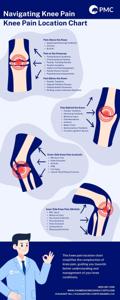
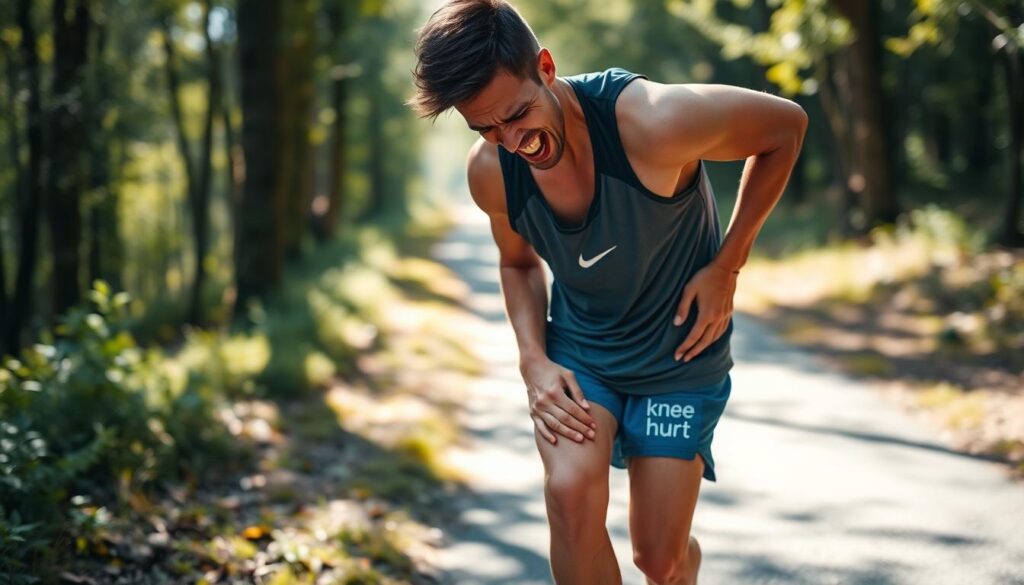
  • Acute Knee Pain After Running

    Acute Knee Pain After Running

    Ever finished a run and felt your knee throbbing? You’re not alone. Many athletes face acute knee pain after running. But what causes it, and how can you recover?

    In this guide, we’ll look at acute knee pain after running. We’ll cover runner’s knee and patellofemoral pain syndrome. We’ll find out the causes, discuss treatments, and share ways to keep your knees healthy.

    image

    Dealing with knee pain? Understanding what’s happening is key to getting better. Let’s explore runner’s knee health together. This way, you can stay in the race for a long time.

    Key Takeaways

    • Acute knee pain after running can affect runners of all levels
    • Common conditions include runner’s knee and patellofemoral pain syndrome
    • Proper diagnosis is crucial for effective treatment
    • Prevention strategies can help maintain long-term knee health
    • Timely intervention can prevent acute pain from becoming chronic

    Understanding Acute Knee Pain in Runners

    Runners often face acute knee pain after running. This can be a sign of an overuse injury or early stages of knee osteoarthritis. Let’s explore the key aspects of this common issue that affects many athletes.

    Common Symptoms of Acute Knee Pain

    Acute knee pain after running is sharp and intense. Runners may see swelling, stiffness, and trouble bearing weight on the affected leg. Some feel a burning sensation or instability in the knee joint.

    8e64a1d3 7780 5c98 a856 c3826e111068

    Differentiating Acute vs. Chronic Knee Pain

    Acute knee pain comes on suddenly and lasts a short time, usually days to weeks. Chronic pain lasts months or years. Acute pain often comes from a specific incident or overuse injury. Chronic pain may show underlying conditions like knee osteoarthritis.

    Impact on Running Performance and Daily Activities

    Acute knee pain can really slow down running. It might make runners cut back on miles, change their gait, or stop training. In bad cases, it can even affect simple tasks like climbing stairs or walking long distances. It’s key to know these effects to get treatment early and avoid long-term damage.

    • Reduced running speed and distance
    • Altered running form
    • Difficulty with everyday movements
    • Potential for chronic conditions if left untreated

    Understanding acute knee pain after running is key for managing and preventing future injuries. By spotting symptoms early and acting fast, runners can keep their knees healthy and enjoy their sport.

    Common Causes of Acute Knee Pain After Running

    Runners often face knee pain for many reasons. Knowing these can help prevent and treat it. Let’s look at some common causes of knee pain after running.

    a5ba25bd a056 5349 8481 97adf23c61e4

    Iliotibial band syndrome is a big problem for runners. It happens when the iliotibial band, a thick tissue from hip to knee, gets inflamed. This leads to sharp pain on the outer knee, especially during long runs or downhill.

    Patellar tendinitis, or “jumper’s knee,” is another common issue. It’s when the tendon connecting the kneecap to the shinbone gets inflamed. Runners with this feel pain just below the kneecap, which gets worse with activity.

    Meniscus tears can also cause sudden knee pain in runners. The meniscus is cartilage that cushions the knee. Tears can happen from sudden twists or too much use, leading to pain, swelling, and trouble moving the knee.

    ConditionLocation of PainCommon Triggers
    Iliotibial Band SyndromeOuter kneeLong runs, downhill running
    Patellar TendinitisBelow kneecapRepetitive jumping, sudden increase in training
    Meniscus TearInside or outside of kneeSudden twists, overuse

    Spotting these issues early can help runners get the right treatment and avoid more harm. It’s key to listen to your body and deal with knee pain quickly to keep running healthy.

    Diagnosing Acute Knee Pain: When to See a Doctor

    Runners often face knee pain, including runner’s knee, patellofemoral pain syndrome, and knee osteoarthritis. Knowing when to seek medical help is crucial for proper diagnosis and treatment.

    Self-assessment techniques

    Start by evaluating your pain level and its impact on daily activities. Check for swelling, redness, or warmth around the knee. Try gentle range-of-motion exercises to assess flexibility and discomfort.

    Red flags that require immediate medical attention

    Seek immediate care if you experience severe pain, significant swelling, inability to bear weight, or hear a popping sound during injury. These symptoms could indicate serious conditions like ligament tears or fractures.

    What to expect during a medical examination

    A doctor will review your medical history, assess your symptoms, and perform a physical exam. They may order imaging tests like X-rays or MRI scans to diagnose conditions such as runner’s knee, patellofemoral pain syndrome, or knee osteoarthritis.

    Examination StepPurpose
    Medical history reviewIdentify risk factors and injury patterns
    Physical examinationAssess range of motion, stability, and pain points
    Imaging testsDiagnose specific conditions (e.g., osteoarthritis)
    Strength testingEvaluate muscle imbalances or weakness

    Remember, early diagnosis can prevent minor issues from becoming chronic problems. Don’t hesitate to consult a healthcare professional if your knee pain persists or worsens.

    Effective Treatment Options for Acute Knee Pain After Running

    Runners with acute knee pain after running have many treatment options. We’ll look at some effective ways to tackle this common problem.

    Rest is key when you have acute knee pain. Taking a break lets the area heal. Ice therapy can also help by reducing inflammation and easing pain. Use ice for 15-20 minutes every 2-3 hours in the first 48 hours after injury.

    For patellar tendinitis, rest and specific exercises are helpful. Strengthening the muscles around the knee supports the joint and lessens stress on the patellar tendon.

    • Quadriceps strengthening exercises
    • Hamstring stretches
    • Calf raises

    Meniscus tears need different treatments based on their severity. Minor tears often get better with conservative treatments. But, more serious cases might need surgery.

    ConditionConservative TreatmentAdvanced Treatment
    Acute knee painRest, ice, compression, elevationPhysical therapy
    Patellar tendinitisEccentric exercises, stretchingPlatelet-rich plasma injections
    Meniscus tearAnti-inflammatory medication, restArthroscopic surgery

    Over-the-counter pain relievers can help with knee pain after running. Always talk to a healthcare professional before starting any new treatment. This is especially true if symptoms don’t get better or get worse.

    Prevention Strategies and Long-Term Management

    Keeping your knees safe is key for runners. We’ve got tips to help you avoid runner’s knee and iliotibial band syndrome. This way, you can keep running well and stay injury-free.

    Good training habits are vital. Start with small increases in your runs, mix in other exercises, and take rest days. Also, doing leg and core strength training can help keep your knees stable.

    Choosing the right gear is also important. Get running shoes that support and cushion your feet well. Change them every 400-500 miles to keep them effective.

    • Warm up well before each run
    • Cool down and stretch after running
    • Run on softer surfaces when possible
    • Maintain proper running form

    Managing your knee health long-term means listening to your body. See a sports medicine doctor regularly. This way, you can catch problems early and avoid bigger issues.

    “Consistency in prevention strategies is key to maintaining healthy knees and enjoying a long-lasting running career.”

    By following these tips, you can lower your risk of knee pain and other injuries. Stay dedicated to your knee health. This way, you can keep running for many years.

    Rehabilitation and Return to Running

    Getting better from acute knee pain after running needs a careful plan. We’ll show you how to rehab, focusing on safe exercises and gradual steps to get you running again.

    Begin with low-impact exercises to strengthen your knee muscles. These might include:

    • Straight leg raises
    • Wall squats
    • Hamstring curls
    • Calf raises

    As you get better, add exercises that tackle common running problems like patellofemoral pain syndrome and patellar tendinitis. Slowly up the intensity and time of your workouts.

    When you start running again, have a plan. Begin with short, slow jogs. Then, slowly increase your distance and speed. Always listen to your body and stop if you feel pain.

    WeekRunning DurationFrequency
    15-10 minutes2-3 times/week
    210-15 minutes3-4 times/week
    315-20 minutes3-4 times/week

    Keep an eye on how you’re doing and change your plan if needed. If you still have knee pain, talk to a healthcare expert for advice tailored to you.

    Conclusion: Maintaining Healthy Knees for Runners

    Acute knee pain after running can really hold athletes back. We’ve looked into the symptoms, causes, diagnosis, and treatment of this common issue. It’s important to know the difference between sudden pain and chronic conditions like knee osteoarthritis.

    Acting fast is crucial for acute knee pain. Runners should pay attention to their bodies and get help when needed. Getting the right diagnosis helps figure out if it’s an overuse injury or something more serious.

    Preventing knee problems is better than treating them. We’ve talked about ways to keep knees healthy, like doing warm-ups, strength training, and slowly increasing running intensity. These steps can lower the chance of knee pain and prevent long-term problems.

    By focusing on knee health, runners can keep enjoying their sport without getting hurt. Remember, healthy knees are essential for a long and successful running career.

    FAQ

    What are the most common symptoms of acute knee pain in runners?

    Runners often feel swelling, stiffness, and tenderness in their knees. They might also have trouble bending or straightening their knee. Sharp or throbbing pain during or after running is common too.

    What is the difference between acute and chronic knee pain?

    Acute knee pain comes on suddenly, often from injury or overuse. Chronic pain, on the other hand, lasts longer and might be due to conditions like osteoarthritis or overuse injuries.

    How does acute knee pain impact running performance and daily activities?

    Acute knee pain can really slow you down while running. It limits your movement and makes running uncomfortable. It also affects daily tasks like walking, climbing stairs, or sitting for long periods.

    What are some common causes of acute knee pain after running?

    Runner’s knee, iliotibial band syndrome, patellar tendinitis, and meniscus tears are common causes. These issues can lead to knee pain after running.

    When should we seek medical attention for acute knee pain?

    If you have severe pain, swelling, or can’t put weight on your knee, see a doctor. Also, if the pain lasts more than a few days or you feel your knee locking or unstable, get medical help.

    What are some effective treatment options for acute knee pain after running?

    Rest, ice, compression, and elevation (RICE) are good first steps. Anti-inflammatory meds, physical therapy, and sometimes surgery can also help. This depends on the injury’s severity.

    How can we prevent acute knee pain while running?

    Preventing knee pain involves proper warm-ups and cool-downs. Gradually increase your training and wear the right shoes. Strengthening your knee muscles and fixing any biomechanical issues also helps.

    What is the rehabilitation process for returning to running after acute knee pain?

    Rehabilitation starts with low-impact exercises to build strength and flexibility. Gradually increase your running intensity, distance, and duration. Always listen to your knee and adjust your training as needed.

  • Protecting Your Knees: A Weight Lifter’s Comprehensive Guide to Pain-Free Performance

    Protecting Your Knees: A Weight Lifter’s Comprehensive Guide to Pain-Free Performance

    Introduction

    As a weight lifter, you’re no stranger to pushing your body to its limits. The rush of adrenaline as you conquer a new personal record is unparalleled. However, one common issue that can derail your progress faster than a missed lift is knee pain. Whether you’re a seasoned powerlifter, an Olympic weightlifter, or a recreational gym-goer, knee health is crucial for your long-term success and enjoyment in the iron game.

    In this comprehensive guide, we’ll dive deep into the world of knee health for weight lifters. We’ll explore the causes of knee pain, strategies to prevent injuries, and how to manage existing knee issues to keep you lifting strong and pain-free. By the end of this article, you’ll have a toolkit of knowledge and practical tips to protect your knees and enhance your lifting performance.

    c9c9dda3 66d4 5e91 9cea 13330943ef96

    Understanding Knee Anatomy and Common Injuries

    Before we delve into prevention and management strategies, it’s essential to understand the basic anatomy of the knee and the most common injuries weight lifters face.

    Knee Anatomy 101

    The knee is a complex joint that connects the thigh bone (femur) to the shin bone (tibia). It’s composed of several key structures:

    1. Bones: Femur, tibia, and patella (kneecap)
    2. Ligaments: Anterior cruciate ligament (ACL), posterior cruciate ligament (PCL), medial collateral ligament (MCL), and lateral collateral ligament (LCL)
    3. Tendons: Patellar tendon and quadriceps tendon
    4. Cartilage: Meniscus (medial and lateral) and articular cartilage
    5. Muscles: Quadriceps, hamstrings, and calf muscles

    Common Knee Injuries in Weight Lifting

    Weight lifting places significant stress on your knees, particularly during exercises like squats and deadlifts. Some of the most common knee injuries among lifters include:

    1. Patellar Tendonitis (Jumper’s Knee): Inflammation of the patellar tendon
    2. Meniscus Tears: Damage to the cartilage that cushions the knee joint
    3. Ligament Sprains: Overstretching or tearing of the knee ligaments (ACL, PCL, MCL, LCL)
    4. Patellofemoral Pain Syndrome: Pain around or behind the kneecap
    5. Iliotibial (IT) Band Syndrome: Inflammation of the IT band, causing pain on the outer knee

    Understanding these common injuries will help you recognize potential issues early and take appropriate action to prevent further damage.

    Causes of Knee Pain in Weight Lifting

    ddce9530 39aa 5471 aaee 5d30788ad4fa

    Knee pain in weight lifting can result from various factors. Identifying these causes is crucial for developing effective prevention and management strategies. Some common causes include:

    1. Poor Technique: Improper form during exercises like squats, deadlifts, and leg presses can place excessive stress on the knees.
    2. Overtraining: Not allowing adequate recovery time between workouts can lead to chronic inflammation and overuse injuries.
    3. Muscular Imbalances: Weakness or tightness in certain muscle groups can cause misalignment and uneven stress distribution on the knees.
    4. Inadequate Warm-up: Failing to properly prepare your body for intense lifting can increase the risk of acute injuries.
    5. Genetic Factors: Some individuals may be more prone to knee issues due to their anatomical structure or genetic predisposition.
    6. Previous Injuries: A history of knee injuries can make you more susceptible to future problems if not properly rehabilitated.
    7. Age-Related Changes: As we age, the cartilage in our joints naturally degenerates, making us more prone to knee pain and injuries.
    8. Equipment Issues: Using improper footwear or lifting on unstable surfaces can contribute to knee problems.

    Understanding these potential causes can help you identify areas of improvement in your training regimen and lifestyle to better protect your knees.

    Preventing Knee Injuries: A Proactive Approach

    d176c395 2648 5d37 b0e9 22022d330f2e

    Prevention is always better than cure, especially when it comes to knee injuries in weight lifting. Here are some key strategies to incorporate into your training routine:

    1. Warm Up Thoroughly

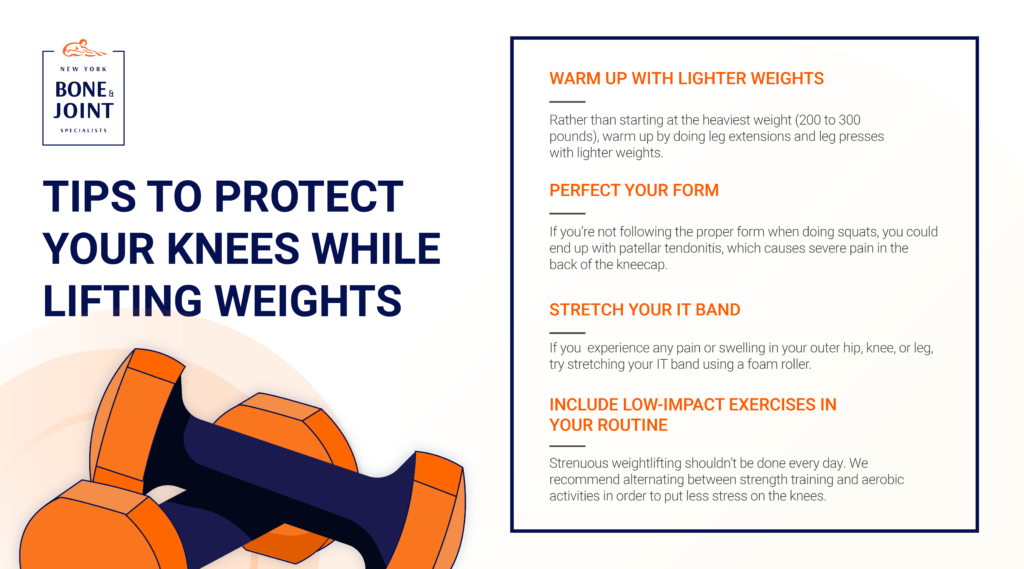
    A proper warm-up is crucial for preparing your body for the demands of heavy lifting. Include the following in your pre-workout routine:

    • Dynamic stretching: Focus on exercises that mimic the movements you’ll be performing in your workout.
    • Light cardio: 5-10 minutes of jogging, jump rope, or cycling to increase blood flow to your muscles and joints.
    • Joint mobilization: Perform knee circles, ankle rotations, and hip swings to improve joint mobility.
    • Activation exercises: Include bodyweight squats, lunges, and glute bridges to activate the muscles around your knees.

    10 different sports, specifying warm-up duration, preventive measures to take before games or practice, and preparation time needed:

    SportWarm-up DurationPreventive MeasuresPreparation Time
    Weightlifting15-20 minutesDynamic stretching, joint mobilization, light cardio30-45 minutes
    Soccer20-30 minutesDynamic stretching, ball drills, light sprints45-60 minutes
    Swimming10-15 minutesArm swings, leg swings, light swimming30 minutes
    Basketball15-20 minutesDynamic stretching, shooting drills, light scrimmage45 minutes
    Tennis10-15 minutesDynamic stretching, light rallies, serve practice30-45 minutes
    Running10-15 minutesDynamic stretching, light jogging, strides20-30 minutes
    Gymnastics20-30 minutesDynamic stretching, flexibility work, skill-specific warm-up45-60 minutes
    Cycling10-15 minutesLight spinning, gradual increase in intensity30 minutes
    Volleyball15-20 minutesDynamic stretching, passing drills, light spiking45 minutes
    Boxing15-20 minutesJump rope, shadow boxing, light bag work45-60 minutes

    2. Perfect Your Technique

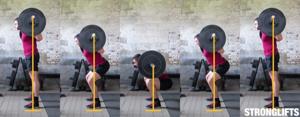
    Proper form is paramount in preventing knee injuries. Here are some key points to remember:

    • Maintain proper alignment: Keep your knees in line with your toes during squats and lunges.
    • Engage your core: A strong, stable core helps maintain proper posture throughout your lifts.
    • Control the eccentric phase: Lower weights slowly and with control to reduce stress on your knees.
    • Use appropriate depth: In squats, aim to reach parallel or slightly below, unless you have the mobility and strength to go deeper safely.

    Consider working with a qualified coach or trainer to assess and improve your lifting technique.

    3. Gradual Progression

    Avoid the temptation to increase weight or volume too quickly. Follow these guidelines for safe progression:

    • Implement the 10% rule: Increase your total training volume or intensity by no more than 10% per week.
    • Master bodyweight exercises before adding external loads.
    • Use periodization in your training to allow for proper recovery and adaptation.

    4. Strengthen Supporting Muscles

    A balanced strength training program is crucial for knee health. Focus on exercises that target:

    • Quadriceps: Squats, leg extensions, and step-ups
    • Hamstrings: Romanian deadlifts, leg curls, and Nordic hamstring curls
    • Glutes: Hip thrusts, glute bridges, and Bulgarian split squats
    • Calves: Calf raises (seated and standing)
    • Core: Planks, dead bugs, and Pallof presses

    5. Mobility and Flexibility Work

    Incorporate regular mobility and flexibility training to maintain healthy range of motion in your knees and surrounding joints:

    • Static stretching: Hold stretches for 30-60 seconds after your workouts.
    • Foam rolling: Use a foam roller to release tension in your quads, IT band, and calves.
    • Yoga or Pilates: Consider adding these practices to your routine for improved overall flexibility and body awareness.

    Managing Knee Pain: When Your Knee Hurts

    Despite our best prevention efforts, knee pain can still occur. When it does, it’s crucial to address it promptly and effectively. Here are some strategies to manage knee pain and prevent further injury:

    cf70b3cc 5d14 5b5a 9761 24ed16743f7c

    1. Rest and Recovery

    • Implement the RICE protocol: Rest, Ice, Compression, and Elevation
    • Consider taking a break from high-impact exercises and focus on low-impact alternatives like swimming or cycling
    • Use active recovery techniques like light stretching and gentle mobility work

    2. Seek Professional Help

    Don’t hesitate to consult with healthcare professionals:

    • Physical therapist: Can provide targeted exercises and manual therapy
    • Sports medicine doctor: May offer advanced diagnostic tools and treatment options
    • Chiropractor or osteopath: Can address any alignment issues contributing to knee pain

    3. Implement Rehab Exercises

    Work with a professional to develop a rehabilitation program that may include:

    • Isometric exercises: Helps strengthen muscles without putting stress on the joint
    • Balance and proprioception training: Improves joint stability and control
    • Progressive loading: Gradually reintroduce weight-bearing exercises as pain subsides

    4. Modify Your Training

    Adapt your workouts to accommodate your knee issues:

    • Use alternative exercises that don’t aggravate your knee pain
    • Adjust your range of motion to stay within a pain-free zone
    • Reduce weight or volume temporarily to allow for healing

    5. Address Underlying Issues

    Look beyond the knee to identify and correct potential contributing factors:

    • Assess and improve your posture
    • Check for any leg length discrepancies
    • Address any muscular imbalances or weaknesses

    Case Studies: Real-Life Experiences and Solutions

    Case Study 1: The Long Femur Dilemma

    A Reddit user transitioning from powerlifting to weightlifting reported persistent knee pain during squats. In powerlifting, they used low-bar squats with nearly vertical shins, which didn’t cause issues. However, the more knee-dominant squats in weightlifting led to discomfort.

    Solution:

    • Gradually transition to high-bar squats, focusing on proper technique
    • Incorporate mobility work to improve ankle dorsiflexion
    • Use heel-elevated shoes or small plates under the heels to assist with knee tracking
    • Implement accessory exercises like split squats and step-ups to strengthen the quads in different movement patterns

    Case Study 2: The Triathlete Turned Weightlifter

    A lifter with a background in triathlon and combat sports successfully managed chronic knee pain through a combination of strategies:

    • Incorporated “knees over toes” exercises and followed Squat University recommendations
    • Paid attention to diet and hydration, recognizing the impact of inflammatory foods on joint health
    • Warmed up with glute activation exercises and hamstring curls before touching a barbell
    • Implemented a variety of leg exercises, including goblet squats, single-leg RDLs, and Nordic hamstring curls
    • Focused on quality over quantity in training, often ramping up to one heavy set followed by lighter back-off sets

    These case studies highlight the importance of individualized approaches to knee health and the benefits of combining various strategies for optimal results.

    The Role of Equipment in Knee Protection

    While proper technique and training strategies are paramount, equipment can also play a role in protecting your knees:

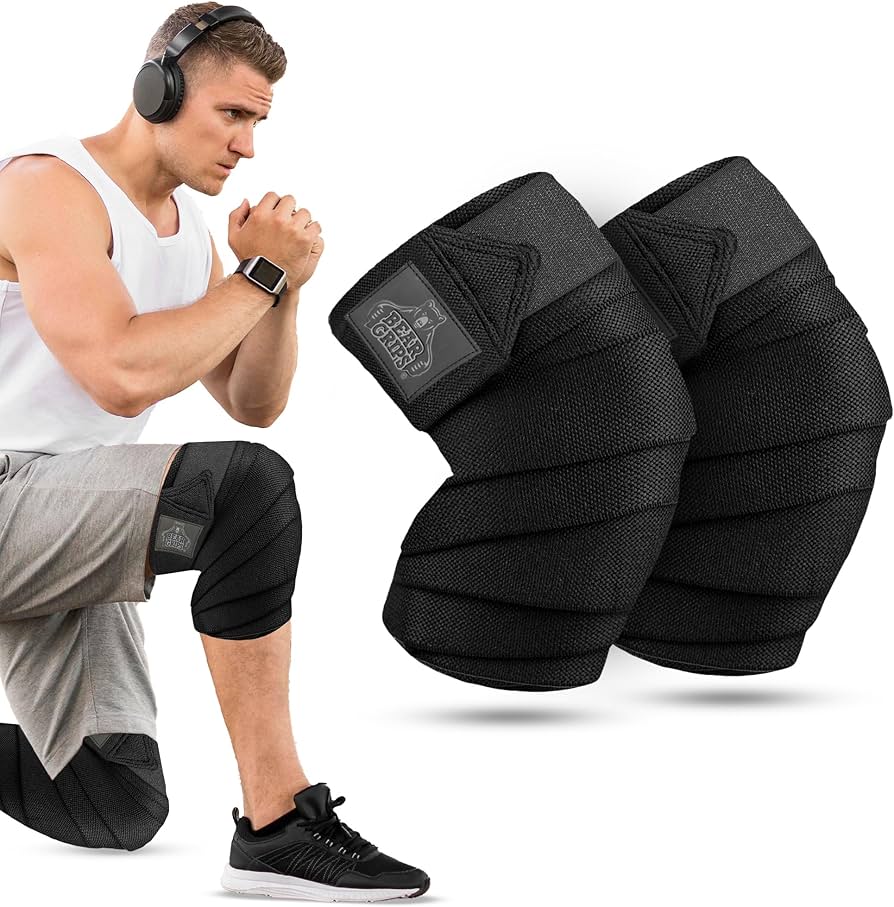
    81Wk2mVInfL. AC UF8941000 QL80

    1. Supportive Gear

    • Knee sleeves: Provide compression and warmth, enhancing proprioception
    • Knee wraps: Offer additional support during heavy lifts (use judiciously to avoid overreliance)
    • Compression gear: May help with blood flow and recovery

    2. Appropriate Footwear

    • Weightlifting shoes: Provide a stable base and elevated heel for improved squat mechanics
    • Cross-training shoes: Offer stability for various movements in general strength training

    3. Proper Lifting Surface

    • Use stable platforms for exercises like squats and deadlifts
    • Ensure proper shock absorption in your training area, especially for plyometric exercises

    Remember, while equipment can be helpful, it should not be a substitute for proper technique and training practices.

    Nutrition and Supplementation for Knee Health

    A often overlooked aspect of knee health is nutrition. What you eat can significantly impact joint health and recovery. Consider the following nutritional strategies:

    Anti-inflammatory Diet

    • Incorporate omega-3 fatty acids from sources like fatty fish, flaxseeds, and walnuts
    • Consume plenty of colorful fruits and vegetables rich in antioxidants
    • Limit processed foods, sugars, and excessive omega-6 fatty acids

    Hydration

    • Maintain proper hydration to support joint lubrication and overall tissue health
    • Aim for at least 8-10 glasses of water per day, more if you’re very active

    Supplements for Joint Health

    While whole foods should be your primary source of nutrients, some supplements may be beneficial:

    • Glucosamine and Chondroitin: May help support cartilage health
    • Collagen: Can support joint tissue repair and maintenance
    • Turmeric/Curcumin: Natural anti-inflammatory properties
    • Vitamin D and Calcium: Essential for bone health, which indirectly supports joint health

    Always consult with a healthcare professional before starting any new supplement regimen.

    When to Seek Medical Attention

    While many knee issues can be managed with self-care and preventive measures, some situations warrant immediate medical attention. Seek professional help if you experience:

    • Severe pain or swelling that doesn’t subside with rest and ice
    • Instability or the feeling that your knee might “give out”
    • Inability to bear weight on the affected leg
    • Visible deformity or misalignment of the knee
    • Fever accompanying knee pain (which could indicate infection)
    • Persistent pain that interferes with daily activities or sleep

    Don’t ignore these warning signs – early intervention can prevent more serious long-term damage.

    Long-Term Strategies for Knee Health

    Maintaining healthy knees is a lifelong endeavor. Here are some strategies to incorporate into your lifestyle for long-term knee health:

    1. Maintain a healthy body weight: Excess weight puts additional stress on your knees.
    2. Cross-train: Incorporate low-impact activities like swimming or cycling to give your knees a break from high-impact exercises.
    3. Stay consistent with prehab exercises: Regularly perform exercises that strengthen the muscles supporting your knees, even when you’re not experiencing pain.
    4. Practice good posture: Proper alignment in daily activities can reduce unnecessary stress on your knees.
    5. Listen to your body: Learn to distinguish between normal muscle soreness and potential injury signals.
    6. Regular check-ups: Consider annual or bi-annual visits to a physical therapist or sports medicine doctor for preventive assessments.
    7. Adapt your training as you age: Be willing to modify your routine to accommodate changes in your body over time.

    Conclusion: Lifting for the Long Haul

    Knee pain doesn’t have to be an inevitable part of your weight lifting journey. By implementing proper prevention strategies, addressing issues promptly, and listening to your body, you can protect your knees and continue making gains in the gym. Remember, consistency and longevity in training are key to achieving your strength goals.

    To maintain healthy knees for the long haul:

    • Always warm up thoroughly before lifting, including dynamic stretches and light cardio.
    • Focus on proper form during exercises, especially squats and leg presses.
    • Gradually increase weight and intensity to allow your joints to adapt.
    • Strengthen the muscles supporting your knees, including quads, hamstrings, and glutes.
    • Incorporate low-impact exercises into your routine to give your knees a break.
    • Maintain a healthy weight to reduce stress on your knee joints.
    • Address any knee pain or discomfort promptly, seeking professional help when needed.
    • Pay attention to your nutrition and stay well-hydrated.
    • Use appropriate equipment and gear to support your knees during lifting.
    • Be willing to adapt your training as your body changes over time.

    By following these guidelines and remaining mindful of your body’s signals, you can enjoy a long and successful lifting career without letting knee pain derail your progress. Remember, protecting your knees is not just about preserving your ability to lift weights – it’s about maintaining your overall quality of life and mobility as you age. With the right approach, you can continue to reap the benefits of weightlifting while keeping your knees healthy and strong for years to come.

    Your knees carry you through life’s journey – in and out of the gym. Treat them with the care and respect they deserve, and they’ll support you in achieving your fitness goals for years to come. Happy lifting!

  • The Best Knee Braces for Hiking and Outdoor Activities

    The Best Knee Braces for Hiking and Outdoor Activities

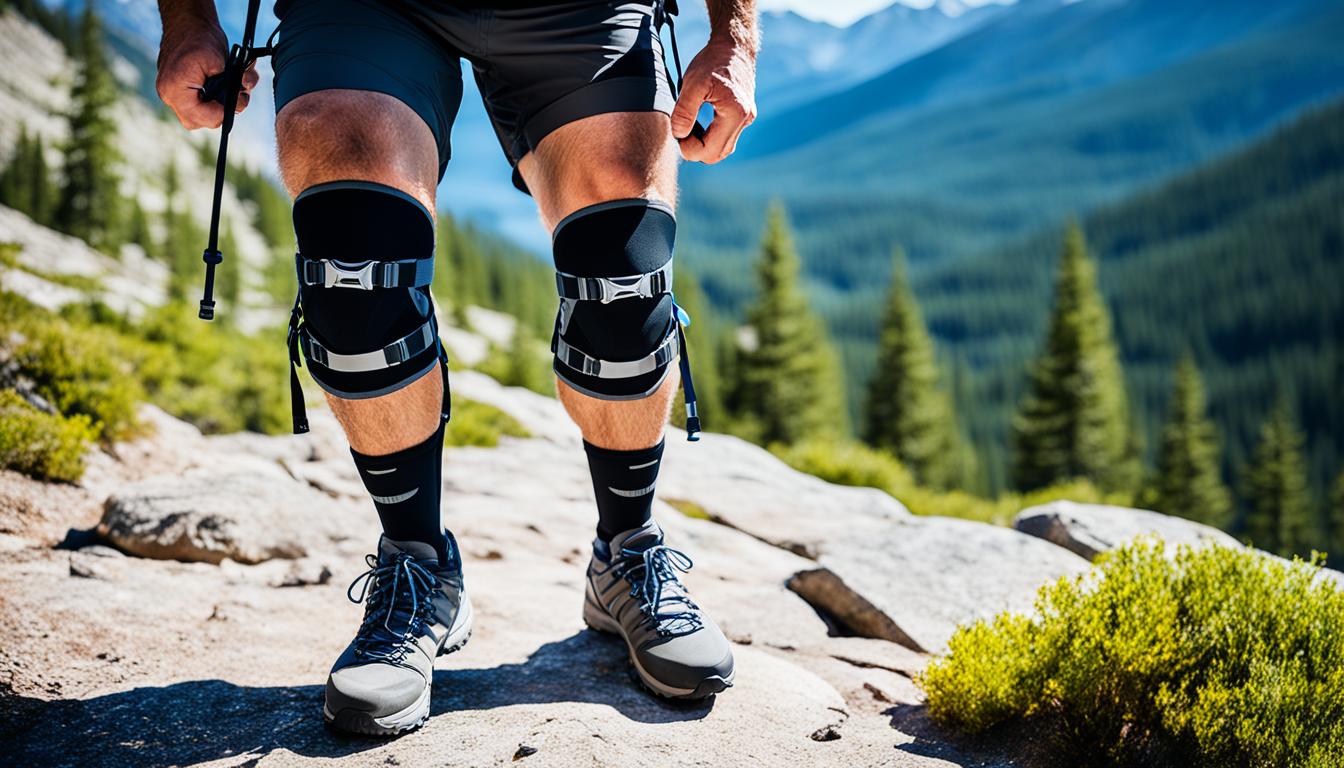
    Ever wondered why some hikers seem to move easily on tough trails while others find it hard? The answer might be in their knees. Hiking is great but can be tough on our knees. That’s where knee braces come in, offering vital support for those who love the outdoors1.

    Knee braces are more than just hiking gear; they’re key for avoiding injuries. They help keep the knee stable, lowering the chance of sprains and tears on tough hikes1. By stopping harmful movements and spreading out the weight, knee braces let hikers hike longer without pain.

    When you’re facing rough terrain or steep hills, the right knee support is crucial. There are many options, from light compression sleeves to strong hinged braces, for every hiker and knee issue1. Let’s see how these important tools can make your outdoor adventures better and keep you going longer.

    Key Takeaways

    • Knee braces provide essential joint protection for hikers
    • Various types of braces cater to different hiking needs
    • Proper knee support can prevent common hiking injuries
    • Choosing the right brace depends on individual needs and hiking intensity
    • Knee braces can significantly improve hiking comfort and endurance

    Understanding the Importance of Knee Support for Hikers

    Knee pain is common among hikers due to uneven terrains and long walks2. Hiking strains the knees with uneven ground and repetitive movements3. Without the right support, hikers risk knee injuries3.

    Why Knee Protection Matters on the Trail

    Knee pain in hiking comes from bending, bearing weight, rocky paths, and heavy backpacks2. Good knee support is key for hikers to stay comfortable and stable3. It helps keep the knee joint stable, eases pain, and lowers the chance of more harm3.

    Knee protection for hikers

    Benefits of Wearing Knee Braces While Hiking

    Knee braces help hikers by easing knee and leg strain by 20%-30% with hiking poles3. Compression sleeves are great for osteoarthritic knees or recent injuries3. Wraparound braces offer adjustable support for different knee problems3.

    Common Knee Issues Faced by Outdoor Enthusiasts

    Hiking can lead to Patellar Tendonitis, ITBS, meniscus tears, and strains or sprains of knee ligaments like ACL and MCL2. Going downhill can cause knee pain, especially when coming back from the summit4. Weak muscles, knee hyperextension, tight hips, uneven walking, and bad shoes are to blame4. Knee support like sleeves or straps helps with arthritis and stabilizing ligaments for hikers4.

    When picking knee braces for hiking, look for support level, breathability, adjustability, padding, and ease of use2. Choosing the right brace and slowly adding it to your hiking gear can make your adventures less painful and more stable.

    The Best Knee Braces for Hiking and Outdoor Activities

    Knee braces are key for hikers, offering crucial support and preventing injuries on tough trails. Hiking can cause knee pain due to rough grounds and long walks. So, having the right support is essential5.

    Unloader Knee Braces: Maximum Support for Serious Hikers

    Unloader knee braces give top support for hikers with knee injuries. They can take up to 40 pounds off the knee and are super light, perfect for long hikes1.

    Compression Knee Sleeves: Lightweight Options for Mild Support

    For light knee pain, compression knee sleeves are a great pick. They’re easy on the wallet and don’t limit your move too much1.

    Hinged Knee Braces: Stability for Moderate to Severe Knee Pain

    Hinged knee braces give strong support for knees with more pain. They might make moving a bit harder, but they keep you stable if you have serious knee problems1.

    Patellar Stabilizing Braces: Targeted Support for Kneecap Issues

    Patellar stabilizing braces focus on the kneecap. They’re great for issues like kneecap slipping or tendonitis, giving special protection to the kneecap area1.

    Top Recommendations for Different Hiking Needs

    When picking knee braces for hiking, think about your pain level, fit, material, and budget. Custom unloader braces, knee sleeves with kneecap pads, and hinged braces are top picks for hikers1.

    Knee Brace Type Best For Key Features
    Unloader Knee Brace Serious hikers with knee injuries High support, lightweight
    Compression Knee Sleeve Mild knee pain Affordable, light compression
    Hinged Knee Brace Moderate to severe knee pain Rigid support, stability
    Patellar Stabilizing Brace Kneecap issues Targeted patellar support

    For certain issues, like runner’s knee or patellar tendonitis, the Cho-Pat Dual Action Knee Strap is a good choice. The Pro-Tec Illiotibial Band Wrap is great for IT band syndrome6. Pick a brace that fits well and lets you adjust to the support slowly as you hike.

    Conclusion

    We’ve looked at the top knee braces for hiking and outdoor fun. They’re key for knee support and protecting joints. These braces help hikers by easing pain and preventing injuries. When hiking downhill, knees can face a lot of pressure, up to several times the hiker’s weight7.

    When picking a knee brace, think about what you need. Unloader braces are great for serious hikers, while compression sleeves are lighter for mild support. Hinged braces help with moderate to severe pain, and patellar stabilizing braces focus on kneecap issues. Knee pain after hiking often comes from overusing it, inflammation, or sudden moves8.

    New materials like germanium carbon fiber in knee braces are showing great promise. These braces lessen knee pain when exercising, improve blood flow, and fight bacteria. They’re also super light and strong, perfect for hiking9. By choosing the right knee brace and hiking safely, outdoor lovers can hike with more comfort and confidence. This lowers the chance of getting hurt and makes hiking better overall.

    FAQ

    Why is knee protection important for hikers?

    Hiking can be tough on the knees because of rough paths and heavy packs. Knee braces help by giving support and stability. This reduces the chance of getting hurt and lets hikers hike longer without pain.

    What are the benefits of wearing knee braces while hiking?

    Wearing knee braces while hiking helps with stability and eases pain. It also boosts endurance, prevents injuries, aids in recovery, improves performance, and gives peace of mind.

    What are some common knee issues faced by outdoor enthusiasts?

    Outdoor lovers often face knee problems like sprains, strains, tears, and runner’s knee. Jumper’s knee, patellar tendonitis, and iliotibial band syndrome are also common issues.

    What types of knee braces are available for hikers?

    For hikers, there are various knee braces. These include unloader knee braces, compression knee sleeves, hinged knee braces, and patellar stabilizing braces.

    What are unloader knee braces and why are they recommended for hikers?

    Unloader knee braces are great for hikers, especially if you’ve had knee injuries before or want to prevent them. They’re adjustable, lightweight, and can be custom-made for the best support.

    What are compression knee sleeves and when are they useful?

    Compression knee sleeves offer gentle support and fit under hiking pants. They’re good for minor knee issues or to help prevent them.

    What are hinged knee braces and who should consider them?

    Hinged knee braces have metal or plastic hinges for more support. They’re best for those with serious knee pain or instability.

    What are patellar stabilizing braces and when are they recommended?

    Patellar stabilizing braces help with kneecap and muscle support. They’re great for patellar tendonitis or kneecap tracking problems.

    What factors should be considered when choosing a knee brace for hiking?

    When picking a knee brace for hiking, think about the support you need, how it fits and feels, the material, size and weight, and the cost.

    Source Links

    1. https://icarusmedical.com/blog/what-is-the-best-knee-brace-for-hiking/ – What is the Best Knee Brace for Hiking? – Icarus Medical
    2. https://copperfitusa.com/blogs/education/knee-brace-for-hikers?srsltid=AfmBOoouOnPN8Wmp8fJCazBBv9N8FdWYI9KJ_N5Ubf0lE0BIgJGoGkOY – What To Look For in Knee Braces for Hiking
    3. https://adventureite.com/hiking/knee-support-for-hikers/ – Essential Knee Support for Hikers: An Ultimate Guide
    4. https://bearfoottheory.com/how-to-protect-your-knees-while-hiking/ – Knee Pain Hiking Downhill? 10 Tips To Lessen Discomfort on the Trail
    5. https://copperfitusa.com/blogs/education/knee-brace-for-hikers – What To Look For in Knee Braces for Hiking
    6. https://sectionhiker.com/sectionhiker-gear-guide/10-best-hiking-knee-braces-ankle-supports-compression-sleeves-and-straps/ – 10 Best Hiking Knee Braces, Ankle Supports, Compression Sleeves, and Straps – SectionHiker.com
    7. https://www.norahealth.ai/post/hiking-with-knee-pain-tips-for-a-pain-free-adventure – Hiking with Knee Pain: Tips for a Pain-Free Adventure
    8. https://backcountry.physio/best-prevention-and-treatment-for-knee-hurt-after-hiking/ – Knees Hurt After Hiking: Discover Effective Treatment
    9. https://jlebowsports.com/blogs/knee-brace-guide/germanium-carbon-fiber-knee-brace-the-best-choice-for-knee-protection-during-sports – Expert Guide: Why Choose A Germanium Carbon Fiber Knee Brace
  • Knee Cartilage Repair Options for Active Individuals

    Knee Cartilage Repair Options for Active Individuals

    Are you an active person dealing with knee pain that stops you from doing what you love? Knee cartilage damage can really change the game, but it doesn’t mean you have to stop living life. We’re here to look into new ways to fix cartilage that could help you get back to your active life.

    At Rothman Orthopaedic Institute, we have advanced ways to fix knee cartilage for people in the Paramus area. Our team of top knee experts is always working hard at our Cartilage Restoration Center of Excellence. They offer the latest treatments1.

    If you’re young and love doing sports, running, hiking, biking, or skiing, fixing your cartilage could change everything. These treatments help you get back to what you love without needing a joint replacement2.

    We treat each patient differently because everyone’s needs are unique. We’ve been making custom treatment plans since 1970. Whether you need a simple check-up or a complex cartilage transplant, we can give you the best care for your situation1.

    Key Takeaways

    • Knee cartilage repair options cater to active individuals aged 18-45
    • Rothman Orthopaedic Institute offers advanced treatments in Paramus
    • Personalized treatment plans are crucial for optimal results
    • Cartilage restoration aims to avoid joint replacement
    • Various procedures available, from arthroscopy to cartilage transplants

    Understanding Cartilage Damage and Its Impact on Active Lifestyles

    Knee cartilage is vital for our daily activities. For those who love to stay active, keeping this cartilage healthy is crucial. Let’s look at why cartilage matters and how damage can change our knees.

    What is Cartilage and Why It’s Important

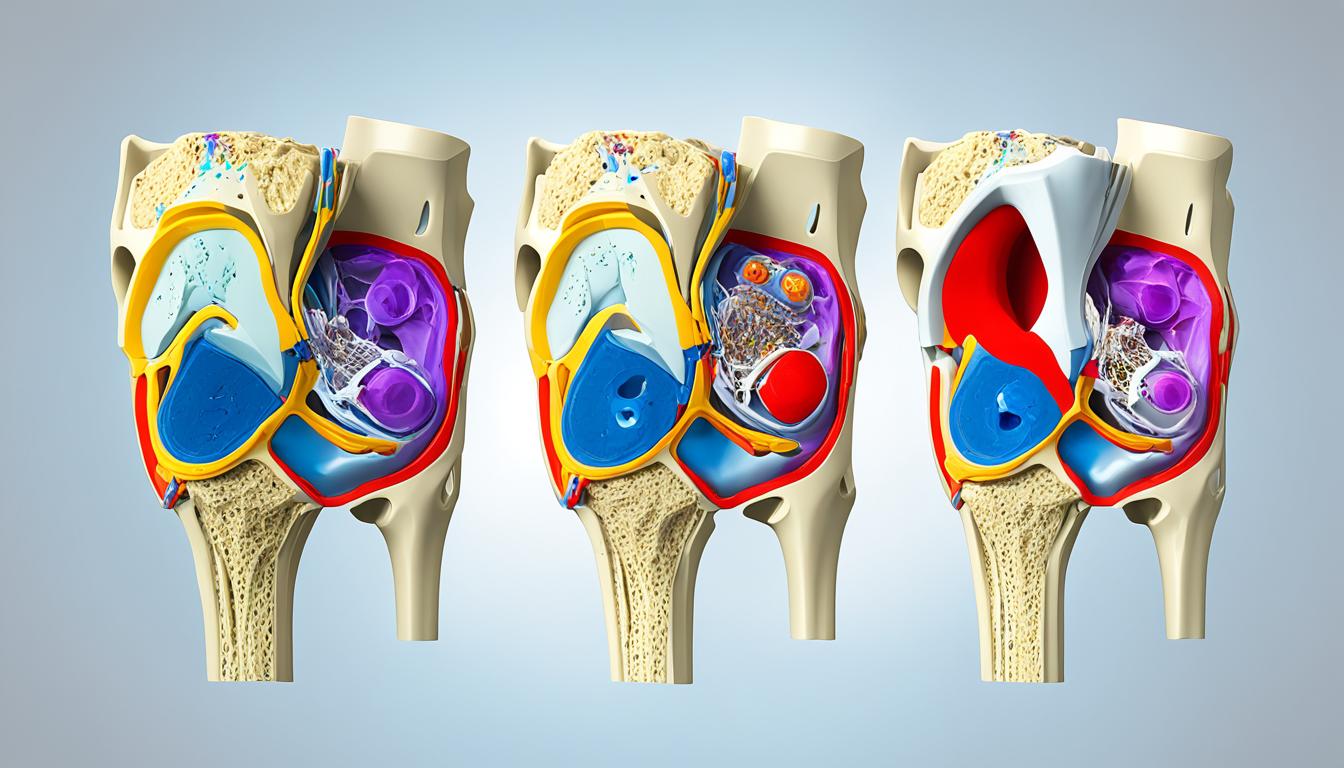
    Articular cartilage, or hyaline cartilage, is a smooth tissue that covers the ends of bones in our joints. It helps absorb shock and lets us move smoothly. Since it doesn’t have blood supply, healing it can be tough.

    Knee articular cartilage

    Common Causes of Cartilage Damage in Active Individuals

    Being active can put a lot of stress on our knee cartilage. Activities that involve a lot of jumping or running can increase the chance of damage. Yet, doing moderate exercises can actually help prevent cartilage loss in people with knee osteoarthritis3.

    Signs and Symptoms of Knee Cartilage Injuries

    It’s important to spot cartilage damage early. Look out for:

    • Pain when you move
    • Swelling and stiffness
    • Less movement range
    • Feeling of clicking or grinding

    Damage to knee cartilage can really lower your quality of life, even more than severe osteoarthritis4. Catching it early and getting treatment is key to stopping it from getting worse and keeping up your active life.

    Activity Level Impact on Cartilage Recommendation
    High-impact sports Increased risk of cartilage damage Regular check-ups, proper warm-up
    Moderate exercise May help prevent cartilage loss Maintain consistent routine
    Sedentary lifestyle Risk of cartilage degeneration Gradually increase activity levels

    It’s important to find a balance between staying active and protecting our knee cartilage. While intense workouts can affect cartilage, moderate exercise can keep our joints healthy. We should pay attention to our bodies and get advice from experts if we have ongoing knee pain.

    Knee Cartilage Repair Options for Active Individuals

    For active people with cartilage damage, there are several ways to fix it. These methods help restore knee function and ease pain. This lets patients get back to their active lives.

    Microfracture Surgery

    Microfracture surgery is a less invasive option for small cartilage issues. It makes tiny holes in the bone to help new cartilage grow. It’s usually for younger people with just one damaged area.

    Autologous Chondrocyte Implantation (ACI) and MACI

    ACI and MACI use the patient’s own cells to fix cartilage. MACI takes cells from the body through a biopsy5. These cells are grown and put back into the damaged area to help it heal naturally.

    Osteochondral Autograft Transfer (OATS)

    OATS, also known as mosaicplasty, is great for small cartilage problems. It moves healthy cartilage from other parts to the damaged area5. Since it uses the patient’s own tissue, there’s no risk of rejection5.

    Osteochondral Allograft Transplantation

    For bigger damage, osteochondral allograft transplantation uses tissue from a donor. It replaces both the cartilage and the bone underneath, offering a full fix for large damage5.

    Cartilage Regeneration Therapies

    New ways to fix cartilage include stem cell therapy and platelet-rich plasma injections. These methods help start the healing process. They’re good for active people under 555.

    About 40% of people over 40 and 25% of athletes will have cartilage damage at some point6. Most people getting these repairs are between 16 and 45 years old, but some are up to 607.

    Procedure Best For Recovery Time
    Microfracture Small defects 4-6 weeks for stationary biking
    MACI Larger defects 8-12 weeks for swimming
    OATS Small to medium defects 1 year for light jogging
    Allograft Transplantation Large defects 18 months for unrestricted activities

    Recovery times vary, but you can start biking at 4-6 weeks after surgery. Swimming is possible at 8-12 weeks, light jogging at 1 year, and full activities after 18 months7. The best procedure depends on the damage size, location, and your age and activity level.

    Conclusion

    Cartilage restoration gives hope to those who want to keep up their active life and delay joint replacement. Direct trauma and sports injuries are common causes of ligament injuries8. We’ve looked at different treatments, like microfracture surgery and stem cell therapies, which help with joint preservation and cartilage recovery.

    Recovery times differ based on the procedure and how severe the injury is. Minor knee cartilage injuries usually heal in 6-8 weeks with physical therapy8. But, more serious cases can take up to 18 months. Long-term studies show that microfracture techniques have good results, with some patients happy even after 11 years9. This shows the potential for staying active after treatment.

    It’s important to remember that cartilage injuries are common in athletes. A study found many athletes have chondral defects in their knees, showing the need for early treatment10. Patients need to follow rehabilitation plans for the best results. These treatments may not stop knee replacement forever, but they can delay it, reducing the need for more surgeries.

    In conclusion, the field of cartilage restoration is growing, offering new hope for active people. With many treatment options, it’s important to talk to experienced orthopedic specialists to find the best treatment. By focusing on joint preservation and personalized recovery plans, we can help people stay active and improve their quality of life.

    FAQ

    What is cartilage and why is it important?

    Cartilage is a smooth tissue at the ends of bones. It helps joints move smoothly and absorbs shock. It’s key for keeping joints working right and reducing friction during activities.

    What causes cartilage damage in active individuals?

    Cartilage can get damaged from injuries like ACL tears or from wear and tear. Sports injuries, overusing joints, and degenerative conditions are common causes for active people.

    What are the signs and symptoms of knee cartilage injuries?

    Signs include pain, swelling, and trouble moving the joint. These symptoms mean it’s important to get treatment early to keep moving freely.

    What is microfracture surgery?

    Microfracture surgery helps fix small cartilage problems. It makes tiny bone fractures to release stem cells. These cells then help grow new cartilage.

    What is Autologous Chondrocyte Implantation (ACI) and MACI?

    ACI and MACI use the patient’s own cartilage cells to fix damaged areas. First, the cells are taken out, grown in a lab, and then put back into the damaged area to help it heal.

    What is Osteochondral Autograft Transfer (OATS) or mosaicplasty?

    OATS, or mosaicplasty, moves healthy cartilage from the patient’s knee to fix damaged parts. It’s for areas that bear weight.

    What is Osteochondral Allograft Transplantation?

    This method uses donor cartilage and bone to fix big cartilage problems in the knee. It’s for people with a lot of cartilage damage.

    What are cartilage regeneration therapies?

    These therapies, like stem cell and platelet-rich plasma injections, help heal and grow new cartilage. They use the patient’s own cells and substances.

    Source Links

    1. https://rothmanortho.com/stories/blog/knee-cartilage-repair-near-paramus – The Most Advanced Specialists for Knee Cartilage Repair Near Paramus | Rothman Orthopaedic Institute
    2. https://www.csog.net/cartilage-restoration-treatment-for-knee-pain-in-active-individuals/ – Cartilage Restoration: Treatment for Knee Pain in Active Individuals
    3. https://www.ncbi.nlm.nih.gov/pmc/articles/PMC9602429/ – How Physical Activity Affects Knee Cartilage and a Standard Intervention Procedure for an Exercise Program: A Systematic Review
    4. https://www.ncbi.nlm.nih.gov/pmc/articles/PMC8811518/ – Rehabilitation, Restrictions, and Return to Sport After Cartilage Procedures
    5. https://www.hopkinsmedicine.org/orthopaedic-surgery/specialty-areas/cartilage-regeneration – Cartilage Regeneration Clinic
    6. https://health.ucdavis.edu/news/headlines/new-implant-helps-repair-knee-cartilage-in-uc-davis-health-patients/2024/03 – New implant helps repair knee cartilage in UC Davis Health patients
    7. https://www.brighamandwomens.org/orthopaedic-surgery/cartilage-repair/faqs-about-cartilage-repair – Cartilage Repair FAQs for Patients
    8. https://phoenixrehabgroup.com/articles/knee-pain-treatment/knee-cartilage-injury/ – Knee Cartilage Injury: Treatment and Recovery Options
    9. https://www.ncbi.nlm.nih.gov/pmc/articles/PMC8800252/ – Past, present, and future of cartilage restoration: from localized defect to arthritis
    10. https://www.ncbi.nlm.nih.gov/pmc/articles/PMC4297168/ – Scientific Evidence Base for Cartilage Injury and Repair in the Athlete
  • How to Prevent Knee Injuries in Cycling

    How to Prevent Knee Injuries in Cycling

    Ever wondered why your knees ache after a long ride? Cycling is great for your heart health but can sometimes cause knee pain. But don’t worry, we’re here to help you ride without pain!

    Cycling is a favorite way to exercise and get around, with about 872,000 people in the U.S. biking to work1. Knee pain is the top injury for cyclists, hitting both fun riders and pros1. A 2017 study found 27.6% of hobby cyclists and 15.9% of pro cyclists had knee pain1.

    The good news is, most knee pain from cycling can be avoided with the right techniques, gear, and training. In this article, we’ll look at why knee pain happens in cycling and give you tips to keep your knees safe on and off the bike.

    Key Takeaways

    • Knee pain is common among cyclists but often preventable
    • Proper bike fit is crucial for preventing knee injuries
    • Strengthening exercises can help stabilize the knee joint
    • Gradual training progression is key to avoiding overuse injuries
    • Cross-training and recovery strategies play a vital role in knee health
    • Seek medical attention if knee pain persists or worsens

    Understanding Cycling-Related Knee Pain

    Cycling is a popular sport, but it can lead to knee pain if not done correctly. Studies show that knee pain affects 15 to 33 percent of cyclists, making it a significant concern2. In fact, a UK study found that 48% of cyclists had experienced knee pain at some point, with 26.1% reporting it in the past month3.

    Common Types of Knee Pain in Cyclists

    Cyclists may experience various types of knee pain. Anterior knee pain, often called “runner’s knee,” is the most prevalent3. Pain behind the knee is less common but can occur from overextending or excessive use of fixed-gear bikes2. Lateral and medial knee pain are often linked to improper cleat positioning or stance width32.

    Cycling knee injury risk factors

    Factors Contributing to Cycling Knee Injuries

    Several cycling knee injury risk factors exist. Muscle imbalances, weakness, and tightness are primary contributors to cycling-related knee pain3. Improper bike fit, sudden increases in training intensity, and equipment changes can also lead to injuries. Using knee-friendly cycling gear and proper cycling technique to avoid knee strain is crucial.

    Pain Location Possible Causes
    Front of Knee Incorrect saddle height, fore/aft position, or crank length
    Back of Knee Over-extending knee, excessive fixed-gear bike use
    Inside of Knee Improper cleat placement, narrow Q-factor
    Outside of Knee IT band syndrome, misaligned cleats

    Recognizing Warning Signs and Symptoms

    Be alert for persistent pain, swelling, or instability in your knees. Difficulty walking or cycling are clear warning signs. Poor VMO activation or tightness in the outside quad muscle can alter patella tracking, increasing load on specific parts of the knee joint3. If you experience any of these symptoms, it’s essential to address them promptly to prevent further injury.

    How to Prevent Knee Injuries in Cycling

    Knee pain is the most common injury in cycling, leading many riders to seek physiotherapy services4. To keep our knees healthy and pain-free, we need to focus on several key areas. Let’s explore effective strategies for preventing knee injuries and enhancing our cycling experience.

    Proper Bike Fit and Setup

    A proper bike fit is crucial for knee health. Incorrect seat position, cleat positioning, and gear usage can contribute to knee injuries4. Investing in a professional bike fitting session can help address these issues and promote optimal riding posture.

    Strengthening Exercises for Cyclists

    Muscle imbalances often lead to knee problems. Physiotherapists play a vital role in identifying and correcting these imbalances throughout the body4. Focus on exercises that target your quads, hamstrings, glutes, and core muscles to improve knee stability and overall cycling performance.

    Importance of Warm-Up and Cool-Down Routines

    Implementing cycling knee warm-up routines is essential for injury prevention. Start with gentle pedaling and gradually increase intensity. After your ride, cool down with light spinning and stretching exercises to promote recovery and reduce muscle tightness.

    Gradual Training Progression

    Increasing training load too quickly can lead to knee injuries. For lower training ranges, aim for a maximum increase of 30% per week. For higher volume or intensity, limit increases to 10%4. This gradual progression allows your body to adapt and reduces the risk of overuse injuries.

    Cross-Training and Recovery Strategies

    Incorporating cross-training activities can help prevent knee injuries and enhance overall fitness. Consider activities like swimming or yoga to complement your cycling routine. Don’t forget to use cycling knee braces and supports when needed, especially during recovery periods or intense training sessions.

    Prevention Strategy Benefits Implementation Tips
    Proper Bike Fit Reduces strain on knees Seek professional bike fitting
    Strengthening Exercises Improves knee stability Focus on leg and core muscles
    Warm-Up Routines Prepares muscles for activity Start with gentle pedaling
    Gradual Progression Prevents overuse injuries Increase training load slowly
    Cross-Training Enhances overall fitness Include low-impact activities

    Conclusion

    Cycling knee injury prevention is key for everyone, from beginners to pros. Recent studies show that 25.8% of cyclists suffer from knee pain5. Surprisingly, amateurs face a higher risk (27.6%) than pros (15.9%)5.

    Cycling affects knees differently. About 17.2% of knee pain comes from cycling, but other things like running (25%) also play a part5. Most pain is mild to moderate, with the front of the knee hurting the most5. This shows why doing exercises to strengthen the knees and having the right bike fit is crucial.

    Many things can make knee pain more likely while cycling. Being overweight, the type of bike, why you cycle, and other sports you do all matter5. Research shows that those with knee pain often have certain issues with their knees and ankles6. By focusing on exercises and bike setup, we can prevent knee injuries.

    In conclusion, knowing why knee pain happens in cycling is the first step to stop it. By training right, keeping your bike set up correctly, and listening to your body, you can keep cycling safely. If you have ongoing knee pain, see a doctor to keep your joints healthy.

    FAQ

    What are the common types of knee pain in cyclists?

    Cyclists often face knee pain in the front, back, sides, or outside. This can be from “runner’s knee,” overextending, wrong cleat setup, or iliotibial band syndrome.

    What factors contribute to cycling knee injuries?

    Knee injuries in cycling can come from a bike that doesn’t fit right, sudden training increases, new gear, your body type, not enough arch support, or overdoing it.

    What are the warning signs of a potential knee injury?

    Look out for ongoing pain, swelling, feeling unstable, or trouble walking or biking.

    How can proper bike fit help prevent knee injuries?

    The right bike fit is key. It means the saddle is at the right height and cleats are in the correct spot. This keeps your knees aligned and reduces strain.

    What strengthening exercises are recommended for cyclists?

    Strengthening muscles like the quadriceps, hamstrings, glutes, and core helps keep the knee stable and prevents injuries.

    Why are warm-up and cool-down routines important?

    Warm-ups and cool-downs get muscles ready for exercise and help them recover. This lowers the chance of getting hurt, including knee injuries.

    How can gradual training progression help prevent knee injuries?

    Slowly upping your training intensity and amount helps avoid overloading your knees. Jumping into more training too fast can strain your knees and lead to injuries.

    What role does cross-training play in knee injury prevention?

    Cross-training with exercises like weight lifting, yoga, or swimming boosts fitness and lowers injury risk. It strengthens muscles and offers low-impact ways to stay active.

    Source Links

    1. https://www.medicalnewstoday.com/articles/cycling-knee-pain – Cycling knee pain: Where pain occurs, causes, and more
    2. https://www.bicycling.com/training/a20020906/why-do-my-knees-hurt/ – Knees Hurt While Riding? Here Are Common Causes—and Solutions
    3. https://www.cyclingweekly.com/fitness/cycling-knee-pain-everything-you-need-to-know-329957 – I’m a physiotherapist, bike fitter and racer, and this is your definitive guide to knee pain and cycling
    4. https://vitalisphysiotherapy.com.au/blog/how-to-prevent-knee-pain-when-cycling/ – How to prevent knee pain when cycling | Vitalis Physiotherapy | Blog
    5. https://www.ncbi.nlm.nih.gov/pmc/articles/PMC5248430/ – Knee problems and its associated factors among active cyclists in Eastern Province, Saudi Arabia
    6. https://www.ncbi.nlm.nih.gov/pmc/articles/PMC5973630/ – Potential factors associated with knee pain in cyclists: a systematic review
  • Knee Tendonitis Treatment Options for Athletes

    Knee Tendonitis Treatment Options for Athletes

    Are you an athlete struggling with knee pain that’s slowing you down? You might be facing knee tendonitis, a common issue that can be tough. We’re here to look at the different ways athletes can get help with this problem.

    Knee tendonitis, also known as jumper’s knee, is common in athletes who jump a lot. A study looked at 268 knees of young basketball players and found many had this condition1. The pain can be mild or severe, affecting how much an athlete can do in their sport.

    Treatments for knee tendonitis include both simple and complex methods. The main goal is to ease pain, reduce swelling, and make the area stronger to avoid future injuries. How long it takes to get better can vary, from a few weeks for mild cases to several months for worse ones2.

    It’s important to treat knee tendonitis early to avoid bigger problems. If not treated, it could lead to a tendon tear, a serious injury that would separate the tendon from the kneecap2. This shows why starting treatment early and doing it right is key.

    Many top athletes from various sports suffer from jumper’s knee, with up to 33% affected3. This fact highlights the need for good treatment and ways to prevent it in sports medicine. We’ll look at different ways athletes can recover from knee injuries, deal with tendon inflammation, and get back into sports.

    Key Takeaways

    • Knee tendonitis is a common issue among athletes, especially in jumping sports
    • Early intervention is crucial to prevent severe complications
    • Treatment options range from conservative to advanced medical interventions
    • Recovery time varies depending on the severity of the condition
    • Physical therapy plays a vital role in rehabilitation and prevention
    • A high percentage of elite athletes are affected by jumper’s knee
    • Proper diagnosis and tailored treatment plans are essential for effective recovery

    Understanding Patellar Tendonitis in Athletes

    Patellar tendonitis, also known as jumper’s knee, is a common issue for athletes in sports like basketball, volleyball, and running4. It affects many elite athletes, with 33% of them across different sports experiencing it5.

    Patellar Tendonitis Therapy

    Symptoms and Causes of Jumper’s Knee

    Athletes with patellar tendonitis feel pain on the front of their knee during jumping, running, and squatting. This pain can also happen when standing, sitting, or climbing stairs4. It comes from the repeated force on the knee, causing tendon strain and inflammation.

    Risk Factors for Developing Knee Tendonitis

    Several things can lead to patellar tendonitis in athletes. These include sudden increases in training, weak quadriceps and hamstring muscles, and muscle imbalances in the legs and hips4. High arches or flat feet also play a role. Studies show that limited ankle movement can raise the risk of tendon injury in volleyball players5.

    Diagnosis Methods for Patellar Tendonitis

    To diagnose patellar tendonitis, doctors use physical exams and imaging tests. Functional loading tests are very accurate in spotting jumper’s knee in teens, with 85% sensitivity and 81% specificity5. Doctors might also use ultrasound, X-rays, or MRI scans to check for tendon damage and rule out other conditions.

    Knowing about patellar tendonitis helps in creating good therapy plans, exercises, and strengthening techniques. These can help athletes recover and prevent future problems.

    Knee Tendonitis Treatment Options for Athletes

    Athletes often get knee tendonitis from sports like basketball and volleyball. This can really hurt their performance and life quality if not treated6.

    Conservative Treatment Approaches

    We suggest starting with gentle treatments for knee tendonitis. These include resting, using ice or heat, and taking over-the-counter pain meds. Also, avoiding high-impact sports and using knee braces can help6.

    For pain relief, medicines like ibuprofen and naproxen sodium can help. It’s also key to change your activities to avoid pain7.

    Physical Therapy and Rehabilitation Techniques

    Physical therapy is crucial for getting better. Doing exercises that slowly lower your leg after bending it helps lessen tendon strain7.

    Stretching and strengthening exercises every day are vital for getting back to full movement and function. These are key to preventing knee injuries6.

    Advanced Medical Interventions

    For cases that don’t get better, more advanced treatments might be needed:

    • Corticosteroid injections into the tendon sheath
    • Platelet-rich plasma injections to help heal tissue
    • Oscillating needle procedure to remove damaged tendon parts

    These treatments aim to help heal and ease pain when other methods don’t work7.

    Surgical Options for Severe Cases

    Surgery is usually a last choice but might be suggested if nothing else works. A common surgery for severe cases is patellar tendon debridement. Recovery takes a few months and includes a lot of physical therapy76.

    Treatment Type Duration Effectiveness
    Conservative Approaches 6 weeks High for mild cases
    Physical Therapy 2-3 months Effective for most cases
    Advanced Interventions Varies Promising for chronic cases
    Surgery Several months Last resort for severe cases

    Conclusion

    Knee tendonitis treatment for athletes has grown a lot, helping with the common issue in sports. Elite athletes are at a big risk, with up to 14.2% getting patellar tendinopathy8. This problem is especially big in sports like volleyball and basketball, where rates hit 45% and 32%9.

    Now, we know more about who’s at risk. Men athletes are more likely to get it, with a rate of 25.3% compared to 13.1% for women9. Sports medicine now uses specific plans, taking into account things like the playing surface and level of competition. For example, athletes playing on concrete are more likely to get it, at 38%, than those on other surfaces at 20%9.

    Diagnosing and treating knee tendonitis has also gotten better. MRI and ultrasound are now key tools, showing how well they work with 78% and 86% accuracy9. Treatment now focuses on managing how much you use your tendons and doing special exercises. These methods have been proven to help with pain and keep tendons healthy8. This helps sports medicine experts create better rehab plans, lowering the chance of tendon rupture and helping athletes get back to their sports safely.

    As we keep improving how we treat knee tendonitis in athletes, we focus on catching it early, giving personalized care, and using proven methods. By doing this, we can help athletes deal with patellar tendonitis and keep their edge in sports.

    FAQ

    What is patellar tendonitis, also known as jumper’s knee?

    Patellar tendonitis, or jumper’s knee, is a common injury in sports. It happens when the patellar tendon gets weak and inflamed. This tendon connects the kneecap to the shinbone. It’s caused by repeated movements like jumping.

    What are the symptoms of patellar tendonitis?

    Symptoms include pain below the kneecap, tenderness, swelling, and trouble with jumping, running, or walking. The pain can be mild or sharp, depending on the activity.

    What causes patellar tendonitis in athletes?

    It’s caused by the repeated strain on the patellar tendon from jumping. This strain leads to inflammation and damage. Risk factors include tight muscles, strength imbalances, chronic illnesses, and being overweight.

    How is patellar tendonitis diagnosed?

    Doctors use a physical exam, ultrasound, X-rays, and sometimes MRI scans. These tests help check the tendon damage and rule out other conditions.

    What are some conservative treatment options for patellar tendonitis?

    Treatment includes physical therapy, changing activities, using knee braces, ice or heat therapy, and over-the-counter pain relievers.

    What are some advanced treatment options for patellar tendonitis?

    For severe cases, treatments like corticosteroid injections, platelet-rich plasma therapy, or the oscillating needle procedure may be used. These help heal the tendon and reduce inflammation.

    Is surgery an option for treating patellar tendonitis?

    Surgery, such as debridement (removing damaged tissue), is usually for cases that don’t get better with other treatments.

    How long does it take to recover from patellar tendonitis?

    Recovery time varies from six weeks to several months. It depends on how severe the injury is and the treatment used.

    Source Links

    1. https://www.ncbi.nlm.nih.gov/pmc/articles/PMC5095939/ – CURRENT CONCEPTS IN THE TREATMENT OF PATELLAR TENDINOPATHY
    2. https://www.medicalnewstoday.com/articles/321294 – Patellar tendonitis: Treatment, exercises, symptoms, and recovery time
    3. https://www.ncbi.nlm.nih.gov/pmc/articles/PMC7716685/ – Rehabilitation of patellar tendinopathy
    4. https://www.cincinnatichildrens.org/health/p/patellar-tendonitis – Patellar Tendonitis | Symptoms, Diagnosis & Treatment
    5. https://www.ncbi.nlm.nih.gov/pmc/articles/PMC2971642/ – EVIDENCE–SUPPORTED REHABILITATION OF PATELLAR TENDINOPATHY
    6. https://www.massgeneralbrigham.org/en/patient-care/services-and-specialties/sports-medicine/conditions/knee/patellar-tendonitis – Patellar Tendonitis: Symptoms & Treatment
    7. https://www.mayoclinic.org/diseases-conditions/patellar-tendinitis/diagnosis-treatment/drc-20376118 – Patellar tendinitis, also known as jumper’s knee-Patellar tendinitis – Diagnosis & treatment – Mayo Clinic
    8. https://www.mdpi.com/2673-8430/2/4/28 – Conservative Treatments for Patellar Tendinopathy: A Review of Recent High-Quality Evidence
    9. https://link.springer.com/article/10.1007/s00402-023-04998-5 – Patellar tendinopathy: an overview of prevalence, risk factors, screening, diagnosis, treatment and prevention – Archives of Orthopaedic and Trauma Surgery
  • Knee Pain Relief Exercises for Runners: Your Path to Pain-Free Running

    Knee Pain Relief Exercises for Runners: Your Path to Pain-Free Running

    dynamic stretches for runners

    As a runner, there’s nothing quite like the exhilaration of hitting the pavement, feeling the wind in your hair, and pushing your body to its limits. But for many enthusiasts, this joy can be marred by a common nemesis: knee pain. Whether you’re a seasoned marathoner or a weekend jogger, knee discomfort can sideline your passion and hinder your progress. The good news? With the right approach and a set of targeted exercises, you can bid farewell to knee pain and rediscover the pleasure of running.

    In this comprehensive guide, we’ll explore the causes of knee pain in runners, introduce you to ten game-changing exercises, and provide expert tips to keep you running strong and pain-free. So lace up your shoes and get ready to take the first step towards a more comfortable, enjoyable running experience.

    Understanding the Knee Pain Predicament

    kneeanatomy

    Before we dive into the solutions, it’s crucial to understand why knee pain plagues so many runners. The knee joint is a complex structure that bears the brunt of our body weight and absorbs significant impact with each stride. For runners, this stress is multiplied, making the knees particularly vulnerable to injury and wear.

    Common causes of knee pain in runners include:

    1. Patellofemoral Pain Syndrome (Runner’s Knee): A condition where the kneecap doesn’t track properly over the femur, causing pain around or behind the kneecap.
    2. Iliotibial Band Syndrome: Inflammation of the ligament that runs down the outside of the thigh from the hip to the shin, often causing pain on the outer side of the knee.
    3. Patellar Tendinitis: Inflammation of the tendon connecting the kneecap to the shinbone, typically resulting in pain below the kneecap.
    4. Osteoarthritis: Wear and tear of the cartilage in the knee joint, which can be exacerbated by running.
    5. Meniscus Tears: Damage to the cartilage that acts as a shock absorber between the shinbone and thighbone.

    While these conditions may sound daunting, many can be prevented or alleviated with proper training, technique, and targeted exercises. That’s where our knee pain relief routine comes into play.

    The Power of Proactive Exercise

    Engaging in a well-rounded exercise routine that focuses on strengthening the muscles supporting your knees, improving flexibility, and enhancing overall stability can work wonders for preventing and relieving knee pain. Our carefully curated set of ten exercises targets all these aspects, providing a comprehensive approach to knee health.

    Let’s break down these exercises into four key categories: Warm-up, Strengthening, Stretching, and Stability & Balance.

    Warm-up Exercises: Preparing Your Body for Action

    Before diving into any intense activity, it’s crucial to properly warm up your muscles and joints. These exercises will help increase blood flow, improve flexibility, and prepare your body for the work ahead.

    1. Dynamic Leg Swings

    pre run stretches
    • Stand sideways next to a wall for support.
    • Swing your outside leg forward and backward, gradually increasing the range of motion.
    • Perform 15-20 swings per leg.
    • Switch sides and repeat.

    Dynamic leg swings are excellent for improving hip mobility and loosening up the leg muscles. This exercise helps prepare your legs for the range of motion required in running, reducing the risk of strains and pulls.

    2. Walking Lunges

    • Take a large step forward with your right leg.
    • Lower your body until both knees are bent at 90-degree angles.
    • Push off with your right foot to bring your left leg forward into the next lunge.
    • Alternate legs for 10-15 steps per side.

    Walking lunges engage multiple muscle groups simultaneously, improving balance and coordination. They’re particularly effective in warming up the quadriceps, hamstrings, and glutes – all crucial muscles for supporting your knees during runs.

    Strengthening Exercises: Building Your Support System

    Strong muscles around the knee joint act as shock absorbers and stabilizers, reducing the stress on the joint itself. These exercises focus on strengthening the key muscle groups that support your knees.

    3. Wall Sits for Quadriceps Strength

    • Lean against a wall with your feet shoulder-width apart, about 2 feet from the wall.
    • Slide down the wall until your thighs are parallel to the ground, as if sitting in an invisible chair.
    • Hold this position for 30-60 seconds.
    • Repeat 3-5 times.

    Wall sits are fantastic for building endurance in your quadriceps muscles. Strong quads help stabilize the knee joint and improve overall leg strength, which is essential for maintaining proper form during long runs.

    4. Single-Leg Deadlifts for Hamstring Strength

    • Stand on your right leg, holding a light dumbbell in your left hand.
    • Hinge at the hips, lowering the weight toward the ground while lifting your left leg behind you.
    • Keep your back straight and core engaged.
    • Return to the starting position.
    • Perform 10-12 repetitions per leg.
    wall sit 600 demo

    Single-leg deadlifts not only strengthen your hamstrings but also improve your balance and proprioception. Strong, flexible hamstrings can help prevent knee pain by ensuring proper muscle balance around the joint.

    5. Clamshells for Glute Strength

    • Lie on your side with your knees bent at a 45-degree angle.
    • Keep your feet together and lift your top knee, opening it like a clamshell.
    • Hold for 2 seconds, then lower.
    • Perform 15-20 repetitions per side.

    Clamshells target the often-neglected gluteus medius muscle. Strengthening this muscle helps stabilize your pelvis during running, which in turn reduces stress on your knees.

    Stretching Exercises: Flexibility for Fluid Movement

    Flexibility is key to maintaining healthy knees and preventing pain. These stretches focus on the major muscle groups that, when tight, can contribute to knee discomfort.

    6. IT Band Stretch

    • Stand upright and cross your right leg behind your left.
    • Lean to your left side, pushing your right hip out.
    • Hold for 30 seconds, feeling the stretch along the outer right thigh.
    • Switch sides and repeat.

    A tight IT band can pull on the knee joint, causing pain on the outer side of the knee. Regular stretching can help alleviate this tension and reduce the risk of IT band syndrome.

    7. Standing Quadriceps Stretch

    • Stand on your left leg, holding onto a wall or chair for balance.
    • Bend your right knee, bringing your heel towards your buttocks.
    • Grasp your right ankle with your right hand.
    • Gently pull your heel closer to your body until you feel a stretch in the front of your thigh.
    • Hold for 30 seconds, then switch legs.

    Tight quadriceps can pull on the kneecap, potentially leading to misalignment and pain. This stretch helps maintain quadriceps flexibility, reducing tension on the knee joint.

    8. Seated Hamstring Stretch

    • Sit on the ground with your right leg extended and your left foot against your right inner thigh.
    • Reach for your right toes, keeping your back straight.
    • Hold for 30 seconds, then switch legs.

    Flexible hamstrings are crucial for maintaining proper knee function. This stretch helps prevent the hamstrings from pulling on the knee joint, which can lead to pain and misalignment.

    Stability and Balance Exercises: Fine-Tuning Your Control

    Improving overall stability and balance can significantly reduce knee pain and prevent future injuries by enhancing your body’s ability to handle the dynamic movements involved in running.

    9. Single-Leg Balance

    SLbalance
    • Stand on your right leg with your left foot slightly off the ground.
    • Maintain balance for 30 seconds.
    • Switch legs and repeat.
    • For an added challenge, try closing your eyes or standing on an unstable surface like a foam pad.

    This exercise improves proprioception (your body’s sense of position and movement) and strengthens the small stabilizing muscles around the knee. Enhanced balance and stability can help prevent awkward movements that might lead to knee pain or injury.

    10. Step-Ups

    • Stand in front of a sturdy step or platform.
    • Step up onto the platform with your right foot, driving your left knee up towards your chest.
    • Step back down and repeat.
    • Perform 10-15 repetitions per leg.

    Step-ups enhance knee stability and strengthen the muscles used in climbing and descending during runs. This exercise is particularly beneficial for trail runners or those who frequently encounter uneven terrain.

    Beyond Exercise: Tips and Tricks for Knee Pain Prevention

    While these exercises form the cornerstone of knee pain prevention and relief, there are several other strategies you can employ to keep your knees healthy and pain-free:

    1. Perfect Your Running Form: Maintain good posture, land mid-foot, and keep your stride length moderate to reduce impact on your knees. Consider working with a running coach to analyze and improve your form.
    2. Choose the Right Footwear: Invest in running shoes that provide adequate support and cushioning for your foot type and running style. Replace your shoes regularly, typically every 400-500 miles.
    3. Gradually Increase Training Load: Follow the 10% rule – don’t increase your weekly mileage by more than 10% at a time. This allows your body to adapt to the increased demand without overloading your joints.
    4. Embrace Cross-Training: Incorporate low-impact activities like swimming or cycling into your routine. These activities help maintain cardiovascular fitness while giving your knees a break from the impact of running.
    5. Prioritize Rest and Recovery: Allow adequate time for rest between runs. Consider using compression garments or elevating your legs after long runs to promote recovery.
    6. Use Ice Therapy: Apply ice to your knees for 15-20 minutes after running to reduce inflammation, especially if you’re prone to knee pain or are just starting to increase your mileage.
    7. Fuel Your Body Right: Maintain a balanced diet rich in anti-inflammatory foods to support joint health. Foods high in omega-3 fatty acids, like salmon and walnuts, can be particularly beneficial.
    8. Stay Hydrated: Proper hydration is crucial for joint health. Aim to drink water consistently throughout the day, not just during your runs.
    9. Consider Your Running Surface: Mix up your running surfaces. While softer surfaces like trails can reduce impact, running exclusively on very soft surfaces can lead to instability. Aim for a mix of surfaces in your training.
    10. Listen to Your Body: If you experience persistent pain, don’t try to “run through it.” Take a break, decrease your mileage, or consult a healthcare professional if the pain persists.

    Putting It All Together: Your Knee Pain Prevention Routine

    Now that you’re armed with these exercises and tips, it’s time to put them into practice. Here’s a suggested routine to incorporate these exercises into your running regimen:

    • Before Your Run: Perform the warm-up exercises (dynamic leg swings and walking lunges) to prepare your body for the activity ahead.
    • After Your Run: Do the stretching exercises (IT band stretch, standing quadriceps stretch, and seated hamstring stretch) to cool down and maintain flexibility.
    • On Non-Running Days: Focus on the strengthening and stability exercises. Aim to do these exercises 2-3 times per week.

    Remember, consistency is key. Start with lighter weights or fewer repetitions and gradually increase as you build strength and confidence. If you experience pain during any exercise, stop immediately and consult a healthcare professional.

    Conclusion: Your Journey to Pain-Free Running Starts Now

    Happy runner crossing a finish line

    Knee pain doesn’t have to be the end of your running journey. By incorporating these exercises into your routine and following the additional tips provided, you’re taking proactive steps to strengthen and care for your knees. Remember, every runner is unique, and what works best for you may require some trial and error.

    Be patient with yourself as you implement these changes. It may take some time to see significant improvements, but with consistency and dedication, you’ll be well on your way to enjoying pain-free runs and achieving your running goals.

    So lace up those shoes, start your new exercise routine, and get ready to hit the pavement with confidence. Your knees will thank you, and you’ll rediscover the joy of running without the burden of pain holding you back. Here’s to many miles of comfortable, enjoyable running ahead!

    Remember, while these exercises and tips can be highly effective, it’s always advisable to consult with a healthcare professional or a physical therapist if you experience persistent knee pain. They can provide personalized advice and ensure that your exercise routine is tailored to your specific needs and conditions.

    Happy running, and may your knees carry you swiftly and painlessly towards your next finish line!

  • knee pain in athletes

    knee pain in athletes

    Knee pain is a common issue for athletes at all levels. It can affect their performance and even stop them from playing sports1. Young athletes, especially girls, often face anterior knee pain, also known as patellofemoral pain syndrome1. This pain is not usually from a physical problem. Instead, it’s often due to overusing muscles or not stretching and strengthening enough1.

    Key Takeaways

    • Knee pain is a common problem for athletes, impacting their sports performance and ability to play.
    • Young athletes, especially girls, often experience anterior knee pain from overusing muscles or not training properly.
    • Symptoms include dull pain during activity, sounds when moving the knee, and pain at night or during certain activities.
    • Treatments include low-impact exercises, strengthening, ice therapy, and sometimes medication or physical therapy.
    • Preventing knee pain means warming up properly, staying at a healthy weight, wearing the right shoes, and slowly increasing exercise intensity.

    Understanding Patellofemoral Pain Syndrome

    Patellofemoral pain syndrome (PFPS), also known as “runner’s knee,” is a common injury. It affects the knee joint2. This condition causes pain in the front of the knee, near the kneecap. It’s especially common in athletes who do a lot of knee bending and straightening, like running, cycling, and skiing.

    What is Patellofemoral Pain Syndrome?

    Patellofemoral pain syndrome is a disorder that affects the muscles around the knee2. It happens when these muscles are weak or out of balance. This can make the kneecap move wrongly, causing friction and irritation in the joint.

    Causes of Patellofemoral Pain Syndrome

    The main reasons for patellofemoral pain syndrome are:

    • Muscle weakness, especially in the quadriceps and hip muscles2
    • Misalignment or instability of the kneecap2
    • Overuse, from doing too much training or suddenly increasing activity2
    • Trauma, like a fall or injury2
    • Tight muscles, in the quadriceps and hamstrings2

    These issues can lead to patellofemoral pain syndrome. This causes discomfort, less mobility, and could lead to more serious problems if not treated2.

    Key Findings Study
    Patellofemoral pain syndrome often doesn’t fully heal with just conservative treatment. Rathleff MS et al., 20122
    Adolescent basketball players show different signs of anterior knee pain based on gender. Foss KD et al., 20142
    Studies show structural issues on MRI in people with patellofemoral pain. van der Heijden RA et al., 20162

    Understanding patellofemoral pain syndrome helps athletes and healthcare workers find ways to prevent, manage, and treat it23.

    Knee Pain in Athletes: Symptoms and Diagnosis

    Knee pain is a big issue for athletes who push their bodies hard. The main signs include pain, swelling, and trouble moving the knee4. Athletes might hear a popping sound, feel unstable, or weak4.

    Doctors check for tenderness, alignment problems, and muscle imbalances during a physical exam4. They might use X-rays or MRI scans to see what’s going on inside4.

    About 30% of teens get knee pain that doctors often check out4. Girls are 2–10 times more likely to get it than boys4.

    1. Things like an odd Q angle, flat feet, tight Achilles, and muscle imbalances can cause knee pain4.
    2. Many knee injuries in young athletes come from too much stress on the muscles and bones4.
    3. Intrinsic causes of knee pain include various conditions like anterior knee pain syndrome and Osgood-Schlatter disease4.

    Patellofemoral pain syndrome makes going up or down stairs, sitting a long time, and squatting hard4. It might take two years to fully get better4.

    “Patellofemoral pain syndrome is a big reason for knee pain in young athletes5. It’s common in sports that involve running, jumping, or squatting5.”

    Doing activities like squatting can put over 1,000 pounds of pressure on the kneecap5. Flat feet and other issues can make the kneecap track wrongly, causing pain5.

    Risk Factors for Patellofemoral Pain Syndrome Other Knee Conditions
    • Flatfeet
    • Intoeing
    • Knock-knees
    • Tight hamstring
    • Weak thigh and hip muscles
    • Osgood-Schlatter disease
    • Patellar tendonitis
    • Iliotibial band friction syndrome

    Athletes with patellofemoral pain syndrome often play sports like basketball and volleyball5. The pain gets worse with running, jumping, and squatting5.

    knee pain symptoms

    To fix patellofemoral pain syndrome, find and fix the root cause with help from a doctor or physical therapist5. Treatment includes resting, icing, taking anti-inflammatory drugs, and doing other exercises5.

    Patellofemoral pain syndrome, also known as runner’s knee, causes pain in front of the knee6. It can come from kneecap misalignment, too much training, injury, or muscle weakness6.

    Runner’s knee symptoms include pain when moving, after sitting a long time, and sounds from the kneecap6. Doctors use a health history, physical exam, and might do X-rays to diagnose it6.

    Treatment for runner’s knee depends on how bad it is and what symptoms you have6. It might include resting, exercises, cold therapy, using a knee brace, and taking medication6. To prevent it, stay at a healthy weight, warm up, and wear good shoes6.

    Important things to know about PFPS: it causes pain and noises around the knee, can come from overuse or structural problems, and treatment includes rest, exercises, cold therapy, and medication6.

    When visiting a healthcare provider, prepare by asking questions, bring someone with you, take notes, and understand what they tell you about your condition and treatment6.

    Conclusion

    Knee pain is a big issue for athletes, caused by things like patellofemoral pain syndrome, overuse, and injuries7. Knowing why kids and teens often get chronic knee pain7 and what makes young athletes more likely to get knee injuries7 helps us find better ways to prevent and treat it.

    Using the right exercises7 and injury management can help athletes get over knee pain and lower the chance of it happening again7. Also, things like strength training, proper warm-ups, and the right gear can help prevent knee pain from starting7.

    Patellofemoral pain syndrome, or anterior knee pain, is really common in teen athletes, affecting up to 39% of those in sports like basketball and tennis8. Over half of these teens still had pain after 2 years8. By understanding this, we can help young athletes stay healthy and perform well in sports.

    FAQ

    What is knee pain in athletes?

    Knee pain is a common issue for athletes. It affects their performance and ability to play sports. It can come from patellofemoral pain syndrome, overuse, or traumatic injuries.

    What is patellofemoral pain syndrome (PFP syndrome)?

    Patellofemoral pain syndrome, or “runner’s knee,” is pain in the front of the knee near the kneecap. It’s a common injury for athletes who do a lot of knee bending and straightening.

    What causes patellofemoral pain syndrome?

    Causes include muscle weakness, especially in the quadriceps and hip muscles. Misalignment of the kneecap is another factor. Overuse from too much training or suddenly doing more can also cause it. Trauma, like a fall, can lead to it too.

    What are the symptoms of knee pain in athletes?

    Symptoms include pain, swelling, and less movement. Athletes might hear a popping or cracking sound in their knee. They may also feel unstable or weak.

    How is knee pain in athletes diagnosed?

    Healthcare providers do a detailed physical check to find tenderness, alignment problems, and muscle imbalances. They might use X-rays or MRI scans to see what’s really going on.

    Source Links

    1. Adolescent Anterior Knee Pain – OrthoInfo – AAOS – https://orthoinfo.aaos.org/en/diseases–conditions/adolescent-anterior-knee-pain/
    2. Patellofemoral pain in athletes – https://www.ncbi.nlm.nih.gov/pmc/articles/PMC5476763/
    3. Patellofemoral pain in athletes: clinical perspectives – https://www.ncbi.nlm.nih.gov/pmc/articles/PMC5640415/
    4. Evaluation and management of knee pain in young athletes: overuse injuries of the knee – https://www.ncbi.nlm.nih.gov/pmc/articles/PMC5532199/
    5. Knee Pain and Patellofemoral Pain Syndrome – https://www.healthychildren.org/English/health-issues/injuries-emergencies/sports-injuries/Pages/Knee-Pain-and-Patellofemoral-Pain-Syndrome.aspx
    6. Patellofemoral Pain Syndrome (Runner’s Knee) – https://www.hopkinsmedicine.org/health/conditions-and-diseases/patellofemoral-pain-syndrome-runners-knee
    7. Knee pain in young sports players aged 6–15 years: a cross-sectional study in Japan – https://www.ncbi.nlm.nih.gov/pmc/articles/PMC9906902/
    8. Nearly 40% of adolescent athletes report anterior knee pain regardless of maturation status, age, sex or sport played – https://www.sciencedirect.com/science/article/abs/pii/S1466853X21001097
  • knee pain from running

    knee pain from running

    As avid runners, we’ve all felt the pain in our knees at some point. But what’s behind that pain, and how can we fix it? Is runner’s knee a normal part of running, or can we prevent and manage it?

    Running is a favorite exercise that can affect our knees a lot1. Knee pain from running is common and can come from many things, like overusing our knees, having structural issues, or running the wrong way. Common knee injuries in runners include runner’s knee, IT band syndrome, and jumper’s knee (patellar tendinitis)2. These injuries can cause pain, swelling, stiffness, and make the knee feel unstable. Getting the right treatment, which might mean resting, icing, physical therapy, and sometimes medication or surgery, is key to getting better and avoiding more injuries.

    Key Takeaways

    • Knee pain is a common issue for runners, with conditions like runner’s knee, IT band syndrome, and jumper’s knee being the most prevalent.
    • 1 Runner’s knee, or patellofemoral pain syndrome, can affect up to 30% of female runners and 25% of male runners.
    • 3 Runner’s knee is more common in women, particularly those of middle age, and in individuals who are overweight.
    • 2 Running-related knee injuries can range from overuse conditions to more serious issues like stress fractures and ligament tears.
    • Proper diagnosis, treatment, and prevention strategies are crucial for addressing knee pain and avoiding long-term complications.

    What is Patellofemoral Pain Syndrome (Runner’s Knee)?

    Patellofemoral pain syndrome, also known as runner’s knee, is a common injury. It causes pain in the front of the knee or around the kneecap4. This pain is often due to a structural issue, bad running habits, or too much training4. People who do sports that make their knees bend a lot, like running, biking, or skiing, are more likely to get this pain5. Women are twice as likely as men to have this knee pain6.

    Causes of Patellofemoral Pain Syndrome

    There are many reasons for patellofemoral pain syndrome. These include kneecap misalignment, too much training, injury, weak thigh muscles, tight hamstrings, and poor foot support4. Muscle imbalances and injuries also play a big part in this condition6.

    Symptoms of Patellofemoral Pain Syndrome

    People with runner’s knee may feel pain when they’re active. They might also feel pain after sitting for a long time with bent knees. Some may hear a rubbing, grinding, or clicking in the kneecap, and feel tenderness around it4.

    Diagnosing Patellofemoral Pain Syndrome

    To diagnose patellofemoral pain syndrome, doctors do a physical exam. They might also use X-rays or MRI scans to check for other possible causes of knee pain4. The doctor will look at how well the knee moves, its strength, and stability to figure out the cause of the pain.

    To treat patellofemoral pain syndrome, you might need to rest, use ice, do strengthening exercises, and fix any biomechanical issues4. Losing weight, warming up before exercising, and running correctly can also help prevent and manage this condition6.

    Key Points Details
    Definition Patellofemoral pain syndrome, also known as runner’s knee, is a common overuse injury that causes pain in the front of the knee or around the kneecap4.
    Causes Malalignment of the kneecap, excessive training or overuse, injury or trauma, weak thigh muscles, tight hamstrings, poor foot support, and specific walking or running patterns4.
    Symptoms Pain during activity, pain after prolonged sitting, rubbing, grinding, or clicking in the kneecap, and tenderness around the kneecap4.
    Diagnosis Physical examination, and possibly X-rays or MRI scans to rule out other conditions4.
    Treatment Rest, ice, strengthening exercises, and addressing underlying biomechanical issues4.
    Prevention Maintaining a healthy weight, warming up before exercise, and using proper running techniques6.

    “Patellofemoral pain syndrome is a complex condition that requires a comprehensive approach to effectively manage and prevent it. Seeking guidance from a healthcare professional is crucial for a proper diagnosis and personalized treatment plan.”

    By understanding the causes, symptoms, and treatment options for patellofemoral pain syndrome, runners and active people can prevent and manage this common knee injury. This lets them keep doing their activities with less pain and better knee health.

    Other Common Running-Related Knee Injuries

    Runners often face knee injuries like iliotibial band syndrome and jumper’s knee, also known as patellar tendinitis. These issues come from overusing muscles, changing training, or running incorrectly. They can make running very uncomfortable and disrupt your routine.

    Iliotibial Band Syndrome

    Iliotibial band syndrome happens when a tendon from the hip to the outer knee gets tight and hurts. It affects about 12% of runners, making it a common injury7.

    Jumper’s Knee (Patellar Tendinitis)

    Jumper’s knee, or patellar tendinitis, causes pain and swelling in the tendon connecting the kneecap to the shinbone. It’s more common in young people and starts in their teens or early twenties7.

    Like patellofemoral pain syndrome, these injuries come from overusing muscles, changing training, or running wrong. Treatment includes rest, ice, anti-inflammatory drugs, and exercises to help heal.

    Knee injury

    Other knee injuries in runners can affect the ACL, PCL, collateral ligament, meniscus, cartilage, and tendons. But these are less common than the main injuries7.

    To avoid and manage these knee injuries, increase your running slowly, keep good running form, and mix in cross-training and low-impact exercises. Getting medical help quickly and following a full treatment plan helps runners get back to their activities safely.

    Knee Pain from Running: Prevention and Treatment Strategies

    Dealing with knee pain from running means tackling the root causes and stopping more injuries8. Known as runner’s knee, this pain can stem from overuse, injury, bone misalignment, foot issues, or weak thigh muscles8. About 25-40% of those with runner’s knee feel pain in the kneecap or around it, especially when going downstairs or downhill8. Some may also notice swelling, hear popping sounds, or feel a grinding in their knee.

    Fortunately, many cases of runner’s knee can be managed with the right steps8. Treatment includes resting, icing, wrapping the knee, elevating the leg, taking meds, stretching, and doing strengthening exercises8. Most cases get better with proper care, but severe ones might need surgery8. Those with runner’s knee should avoid activities that make it worse until they’re fully recovered.

    To stop knee pain from running, focus on the main causes8. Prevention tips include exercising to strengthen thigh muscles, wearing the right shoes, avoiding sudden changes in workouts, and keeping a healthy weight8. To prevent runner’s knee, try using shoe inserts, running on softer ground, warming up, getting physical therapy, wearing knee braces, choosing good running shoes, and replacing old shoes9. Also, doing light weight training and mixing in other cardio can help prevent knee injuries9. Drinking plenty of water is also key for muscle health.

    By focusing on knee health, runners can lower their injury risk and keep enjoying this exercise8. Getting advice from a healthcare pro, like a physical therapist or sports medicine expert, can help make a treatment plan that fits your needs.

    knee pain prevention

    Prevention Strategies Treatment Strategies
    • Strengthen thigh muscles
    • Use proper footwear
    • Avoid sudden workout changes
    • Maintain a healthy weight
    • Use shoe inserts
    • Run on softer surfaces
    • Warm up before workouts
    • Consider physical therapy
    • Use knee braces during exercise
    • Replace worn-out running shoes
    1. Rest
    2. Ice therapy
    3. Knee wrapping
    4. Leg elevation
    5. Medication usage
    6. Stretching exercises
    7. Strengthening exercises

    “Preventing and managing knee pain from running requires a holistic approach that addresses the underlying causes and promotes proper healing.”

    Conclusion

    Knee pain from running is a common issue. It can come from overuse, structural problems, or running wrong10. Common injuries include runner’s knee, iliotibial band syndrome, and jumper’s knee10. A good plan with rest, treatment, and prevention can help runners overcome these issues10.

    Working with health experts and using proven methods helps runners enjoy running more while lowering knee pain and injury risks10. Steps like strength training, foam rolling, and choosing the right shoes can lessen knee problems10. Also, treatments like lubricant injections and PRP can be customized for each runner10.

    By knowing what causes knee pain and taking steps to prevent it, runners can keep doing what they love. This approach helps reduce injury risks and keeps runners healthy and happy1011.

    FAQ

    What is Patellofemoral Pain Syndrome (Runner’s Knee)?

    Patellofemoral pain syndrome, known as runner’s knee, is a common injury. It causes pain in the front of the knee or around the kneecap. This happens due to a structural issue, bad running habits, or doing too much of the same activity.

    What are the Causes of Patellofemoral Pain Syndrome?

    This condition is often caused by a structural flaw, bad running habits, or doing too much. Weak thigh muscles, tight hamstrings, and poor foot support can also lead to it.

    What are the Symptoms of Patellofemoral Pain Syndrome?

    Symptoms include pain when running, squatting, or sitting for a long time. You might also feel a grinding or clicking in your knee.

    How is Patellofemoral Pain Syndrome Diagnosed?

    Doctors diagnose it with a physical exam. They might also use X-rays or MRI scans to check for other possible causes of knee pain.

    What is Iliotibial Band Syndrome?

    Iliotibial band syndrome happens when a tendon from the hip to the outer knee gets tight and irritated. This causes pain on the outside of the knee.

    What is Jumper’s Knee (Patellar Tendinitis)?

    Jumper’s knee, or patellar tendinitis, is an injury from overuse. It leads to pain and swelling in the patellar tendon, which connects the kneecap to the shinbone.

    How Can Knee Pain from Running Be Prevented and Treated?

    To prevent and treat knee pain from running, focus on the root causes. This means doing strengthening and stretching exercises, using supportive shoes, and slowly changing your running habits. Getting advice from a healthcare expert, like a physical therapist or sports medicine doctor, is also key. They can help with a plan that includes rest, ice, anti-inflammatory drugs, and specific exercises to help you recover.

    Source Links

    1. How to Prevent and Treat Runner’s Knee – https://www.runnersworld.com/health-injuries/a20854077/whats-the-best-solution-for-runners-knee/
    2. Knee Pain After Running: Causes and Treatments – https://www.hss.edu/article_knee-pain-after-running.asp
    3. Runner’s Knee: Symptoms, Causes, and Treatment – https://www.healthline.com/health/runners-knee
    4. Patellofemoral Pain Syndrome (Runner’s Knee) – https://www.hopkinsmedicine.org/health/conditions-and-diseases/patellofemoral-pain-syndrome-runners-knee
    5. Patellofemoral Pain Syndrome (Runner’s Knee) (for Parents) – https://kidshealth.org/en/parents/runners-knee.html
    6. Patellofemoral pain syndrome – Symptoms and causes – https://www.mayoclinic.org/diseases-conditions/patellofemoral-pain-syndrome/symptoms-causes/syc-20350792
    7. What Are Common Knee Injuries from Running? – https://www.templehealth.org/about/blog/common-knee-injuries-running
    8. Runner’s Knee – https://www.webmd.com/pain-management/knee-pain/runners-knee
    9. Five Tips for Preventing Runner’s Knee – https://www.hss.edu/article_how-to-prevent-runners-knee.asp
    10. Getting knee pain after your runs? Here’s might be causing it – and how to fix it – https://www.runnersworld.com/uk/health/injury/a773762/4-causes-of-knee-pain-and-how-to-fix-them/
    11. Anterior knee pain in runners after a half-marathon race – https://www.ncbi.nlm.nih.gov/pmc/articles/PMC8545678/