Once all tissues from a single donor have been isolated and processed, they are recombined to form the cellular allograft product. Because cellular allograft products must be stored frozen at low temperatures (< -70°C), a cryopreservative solution is added to maintain cell viability.
At this point, additional batch testing is performed. This involves testing each batch for cell number, usually by hemocytometry, and viability, usually by trypan blue exclusion. In some products, specific antigens are stained and counted to ensure that the cells are MSCs. This ensures that the product sold has an acceptable number of nucleated cells and that the cells are viable. However, the methods used to determine cell numbers vary widely between manufacturers and are rarely reported. Specifications for cell viability and cell number at the time of packaging are reported, nominally at greater than 70% and approximately one million cells per milliliter (ml or cc). Although manufacturers provide cell concentration data, these numbers can be misleading as there is no consistent counting method used between manufacturers and different cell counts may be included.
After processing, testing and lot release of a cellular allograft, the product is frozen and distributed to hospitals. After the products arrive at the hospitalshould be stored on site in a low temperature freezer until use. Once it is time for use in the operating room (OR), the following process is typically performed:
The cellular allotransplant unit is removed from the freezer and transported to the operating room. The unit is removed from the packaging and warmed to room temperature.
Once the tissue is thawed, the cryopreservative is quickly removed and replaced with saline.
Because it contains living cells, the thawed specimen must be implanted within 2 to 4 hours, otherwise it must be discarded.
Safety of cellular allotransplantation products
As previously mentioned, cellular allograft products cannot be terminally sterilized without killing the cells, so each step must be carefully processed using aseptic technique. This includes processing the tissue using sterilized equipment and supplies and clean room processing. Although the final product is tested for sterility, this testing is only done on a small number of samples, and units released for distribution are not tested.
Furthermore, since the tissue is processed gently to preserve viable cells, other biological contaminants from the donor may also survive (e.g., live bacteria and viruses). Due to this risk, the AATB requires a comprehensive review of the donor’s medical and social history to exclude high-risk patients. This includes a comprehensive list of common and uncommon bacteria, fungi, viruses, and prions. Furthermore, the AATB has always prohibited the combination of tissues from different donors. This ensures that each tissue product is traceable to a specific patient-recipient and a specific donor. Therefore, the living cells processed into allogeneic tissues are recombined with bone from the exact same donor.
Due to the pre-screening process of donors and the requirement of one donor per lot, the incidence of disease transmission is rare. However, it is virtually impossible to test for every conceivable pathogen and unfortunate incidents do occasionally occur. In 2021, one lot of allogeneic stem cells was processed from a donor who had a tuberculosis infection.1 The infection was present in the bone tissue and resulted in the implantation of contaminated cellular allograft product in over 100 patients, leading to multiple deaths. The FDA and AATB subsequently added testing for mycobacteria to their list of required microorganisms.
The Future of Cellular Allografts in Bone Transplantation
Cellular allograft bone graft products have been a popular choice for transplants for many years. Surgeons are attracted to the living cellular component of the graft. Although stem cells can also be obtained from the patient’s own bone marrow aspirate, some surgeons feel that stem cell allograft products do not require this secondary procedure. Despite their popularity, however, cellular allografts have come under increasing scrutiny from the FDA, heightened by recent disease outbreaks. Coupled with difficult hospital storage conditions and relatively high prices, some hospitals are now eliminating the use of cellular allografts in their facilities.
As such, harvesting BMA from the patient is seeing a resurgence in use. Using patient-derived stem cells solves the problems associated with cellular allotransplantation. Advanced bone graft systems such as Biogennix’s DirectCell® The system provides the surgeon with all the necessary tools to safely create biologically active bone grafts using living patient-derived stem cells without the risk of disease transmission.
Have you ever experienced a sudden twinge in your knee that left you feeling unstable and uncertain? If so, you might have encountered a medial retinaculum tear – a condition that, while not always in the spotlight, plays a crucial role in our knee health and stability. Today, we’re diving deep into this often-overlooked knee injury, exploring everything from its causes to recovery, and hearing from both experts and patients who’ve been through it all.
I. Introduction
Picture this: You’re out for a jog on a beautiful spring morning. The birds are chirping, the sun is shining, and suddenly – ouch! Your knee gives way, leaving you wondering what just happened. While many of us are familiar with common knee injuries like ACL tears or meniscus damage, the medial retinaculum often flies under the radar. But make no mistake, this small but mighty structure in your knee deserves our attention.
In this comprehensive guide, we’ll explore what exactly a medial retinaculum tear is, how it’s diagnosed and treated, and most importantly, how you can get back on your feet (literally!) if you’re facing this injury. We’ll also hear from top orthopedic surgeons and real patients who’ve navigated the choppy waters of knee injuries and come out stronger on the other side.
So, whether you’re a weekend warrior, a professional athlete, or someone who simply wants to understand their body better, buckle up (or should we say, brace up?) – we’re about to embark on a journey through the intricate world of knee anatomy and healing.
II. What is a Medial Retinaculum Tear?
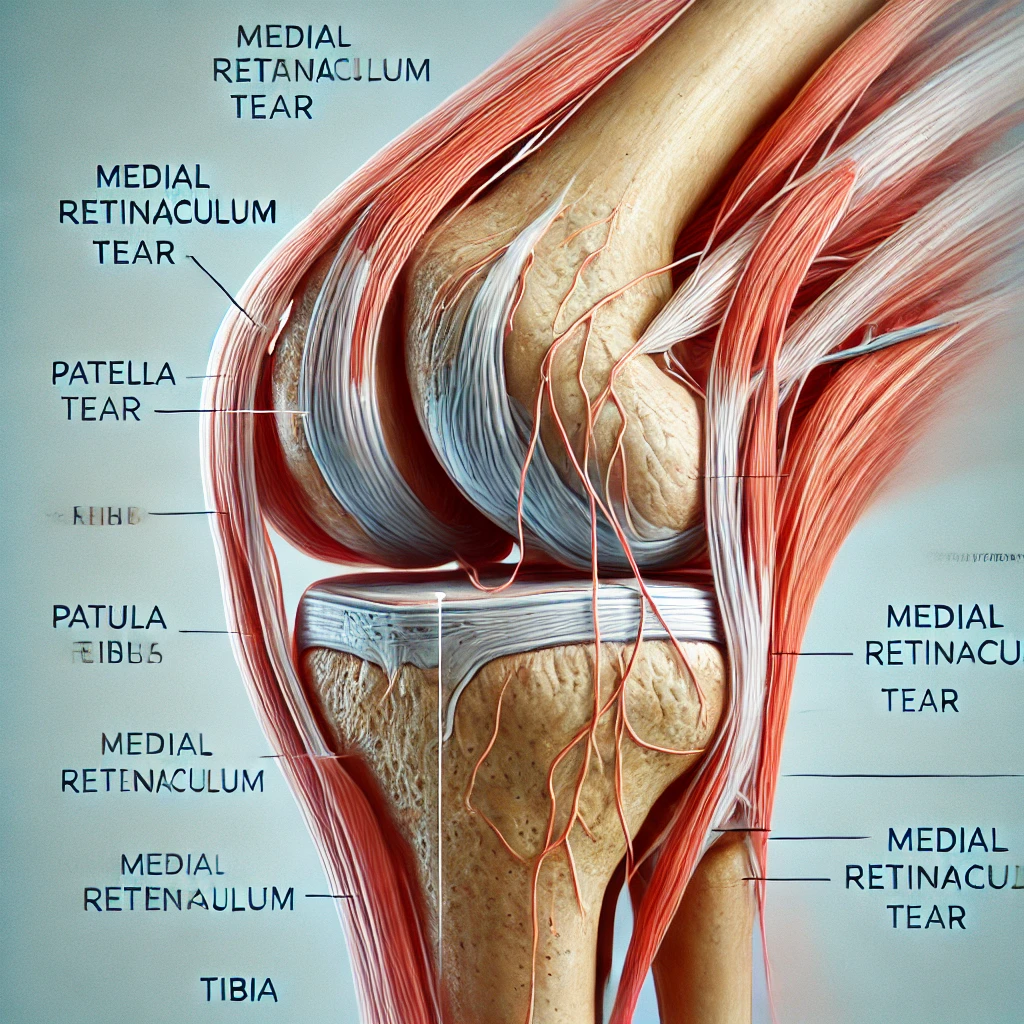
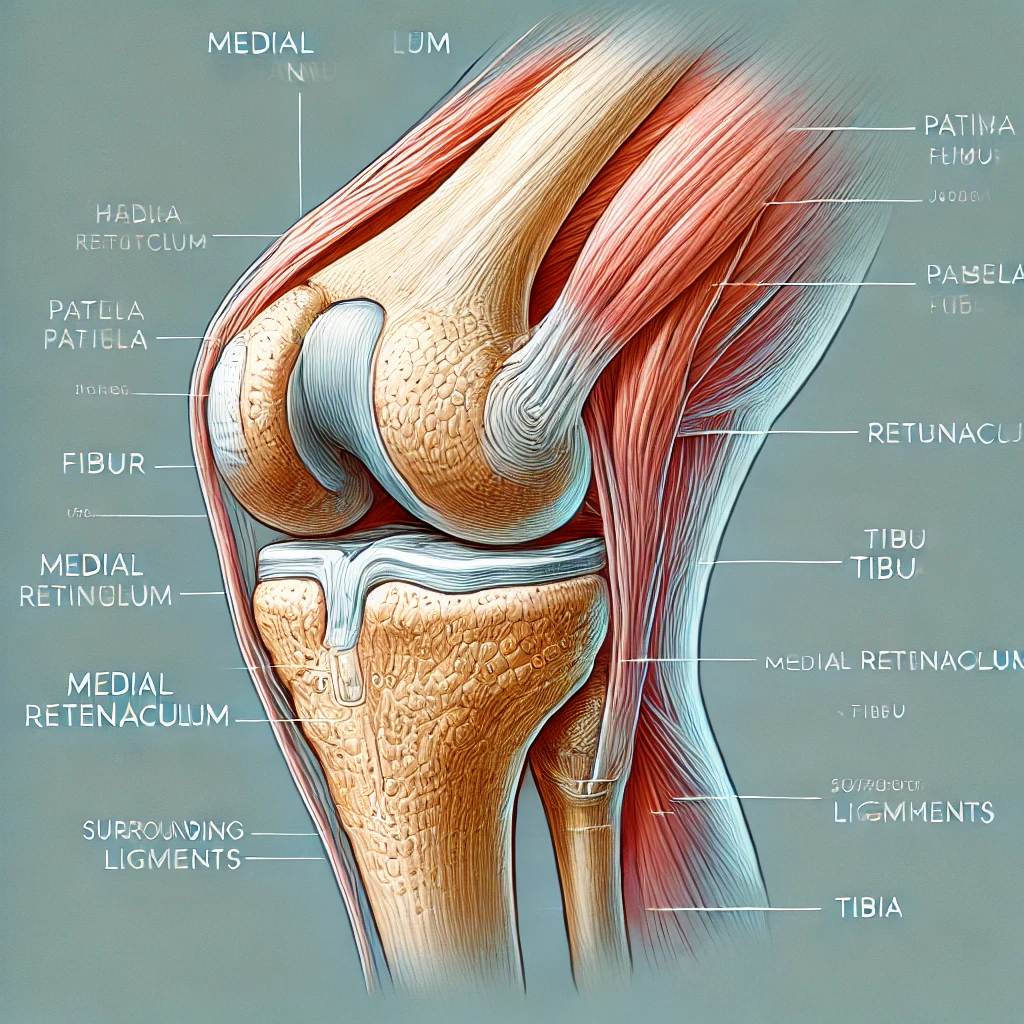
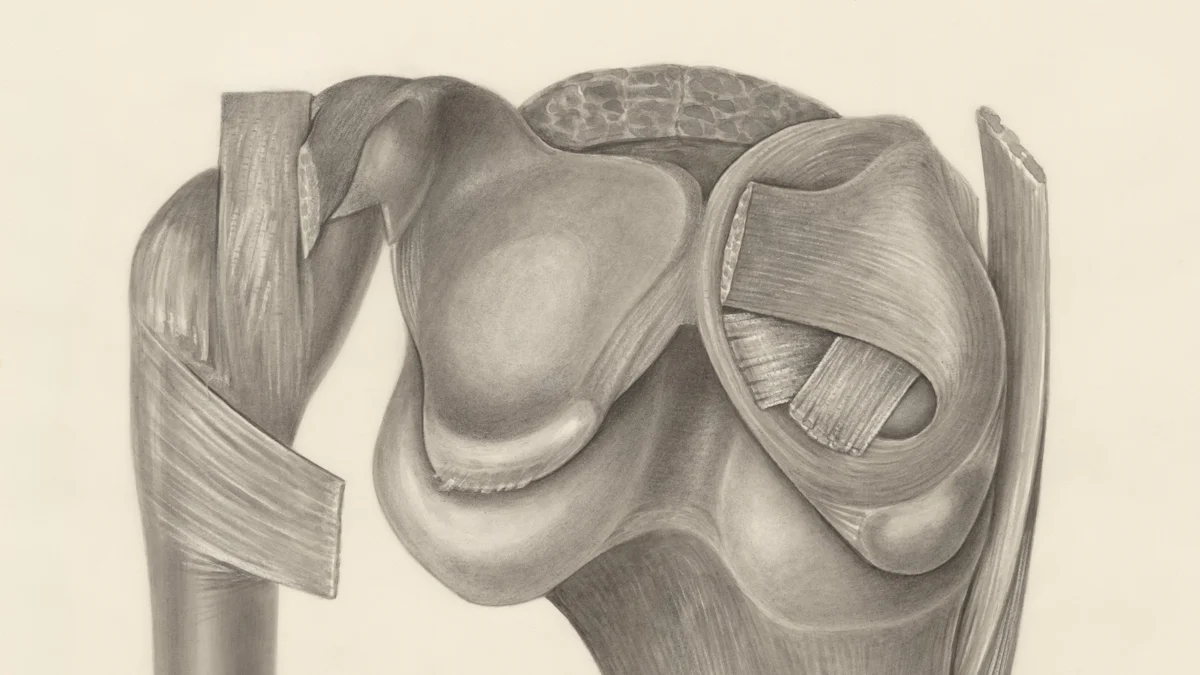
Let’s start with the basics. The medial retinaculum might sound like a spell from Harry Potter, but it’s actually a crucial part of your knee anatomy. Think of it as a sturdy piece of fabric on the inner side of your knee that helps keep your kneecap (patella) in place. It’s like the trusty sidekick to your knee’s superhero team, working behind the scenes to ensure everything stays put when you’re moving.
But what happens when this unsung hero gets injured? A medial retinaculum tear occurs when this supportive tissue is stretched beyond its limits or experiences a sudden, forceful impact. It’s like accidentally ripping the seam of your favorite jeans – suddenly, things aren’t holding together quite as well as they should.
Common causes of medial retinaculum tears include:
Sudden changes in direction while running or playing sports
Direct blows to the knee
Falls, especially onto a bent knee
Overuse injuries in athletes who repeatedly stress their knees
While anyone can experience a medial retinaculum tear, it’s particularly common in sports that involve quick pivoting movements, like basketball, soccer, or tennis. But don’t worry if you’re not an athlete – even everyday activities can sometimes lead to this injury if the conditions are right (or should we say, wrong?).
III. Symptoms and Diagnosis
So, how do you know if you’ve torn your medial retinaculum? While it’s always best to consult a medical professional for an accurate diagnosis, there are some telltale signs to watch out for:
Pain on the inner side of your knee, especially when moving or touching the area
A feeling of instability, like your knee might give way
Swelling around the knee joint
Difficulty fully straightening or bending your knee
A popping or tearing sensation at the time of injury
If you’re experiencing these symptoms, it’s time to pay your friendly neighborhood doctor a visit. They’ll likely start with a physical examination, gently probing your knee and asking you to perform some simple movements. Don’t worry – they’re not trying to torture you, just gathering important information about your injury!
In some cases, your doctor might recommend imaging studies to get a better look at what’s going on inside your knee. This could include:
X-rays: While they can’t directly show soft tissue injuries like medial retinaculum tears, X-rays can rule out fractures or other bone-related issues.
MRI (Magnetic Resonance Imaging): This is the gold standard for diagnosing soft tissue injuries. It provides detailed images of the structures in your knee, helping your doctor pinpoint the exact location and severity of the tear.
Ultrasound: In some cases, a dynamic ultrasound might be used to visualize the medial retinaculum and assess its function in real-time.
Remember, getting an accurate diagnosis is crucial for proper treatment. So even if you’re tempted to brush it off as “just a tweak,” it’s worth getting checked out if you’re experiencing persistent knee pain or instability.
IV. Treatment Options
Now that we’ve identified the culprit, it’s time to talk about getting you back on your feet. The good news is that many medial retinaculum tears can be treated without surgery. However, the specific treatment plan will depend on the severity of your injury and your individual circumstances.
Let’s break down the treatment options:
A. Conservative Management
For many people with medial retinaculum tears, conservative treatment is the way to go. This approach focuses on allowing your body to heal naturally while providing support and reducing stress on the injured area. Key components of conservative management include:
Rest and Activity Modification: Give your knee a break! This doesn’t mean you have to become a couch potato, but avoiding activities that stress your knee is crucial for healing. Your doctor might recommend using crutches or a cane temporarily to take pressure off the injured knee.
Physical Therapy: This is where the magic happens. A skilled physical therapist can guide you through exercises to strengthen the muscles around your knee, improve flexibility, and restore proper movement patterns. They might use techniques like:
Quad sets and straight leg raises to strengthen the muscles that support your knee
Gentle range-of-motion exercises to prevent stiffness
Balance and proprioception training to improve knee stability
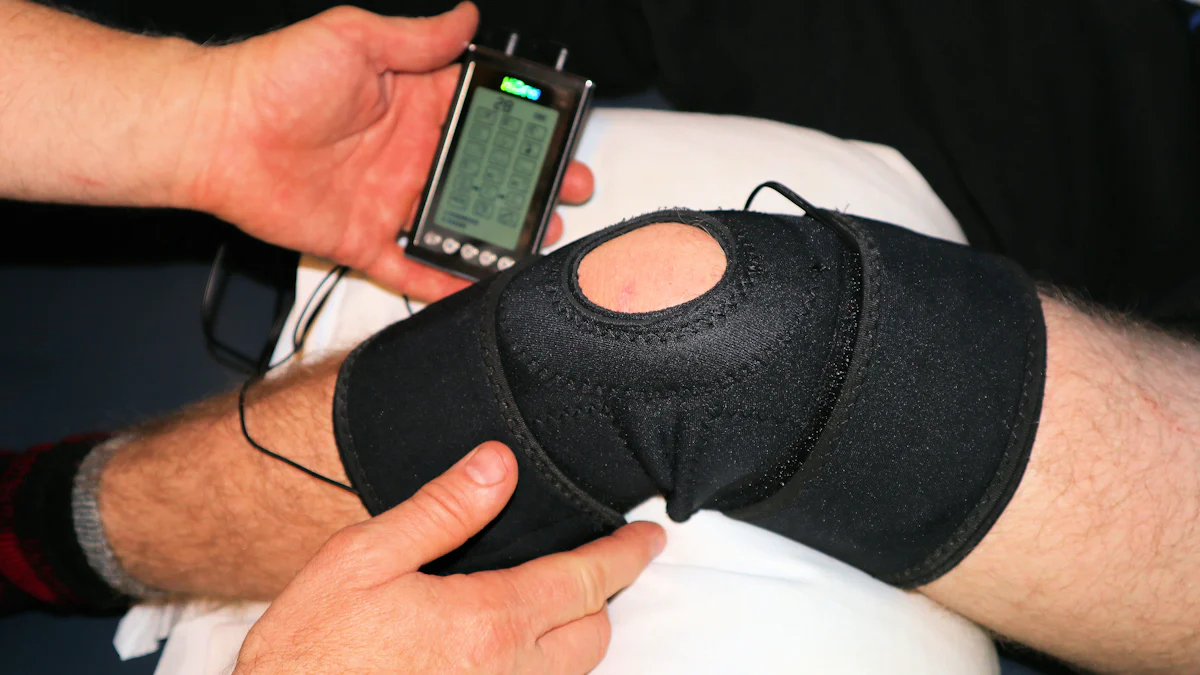
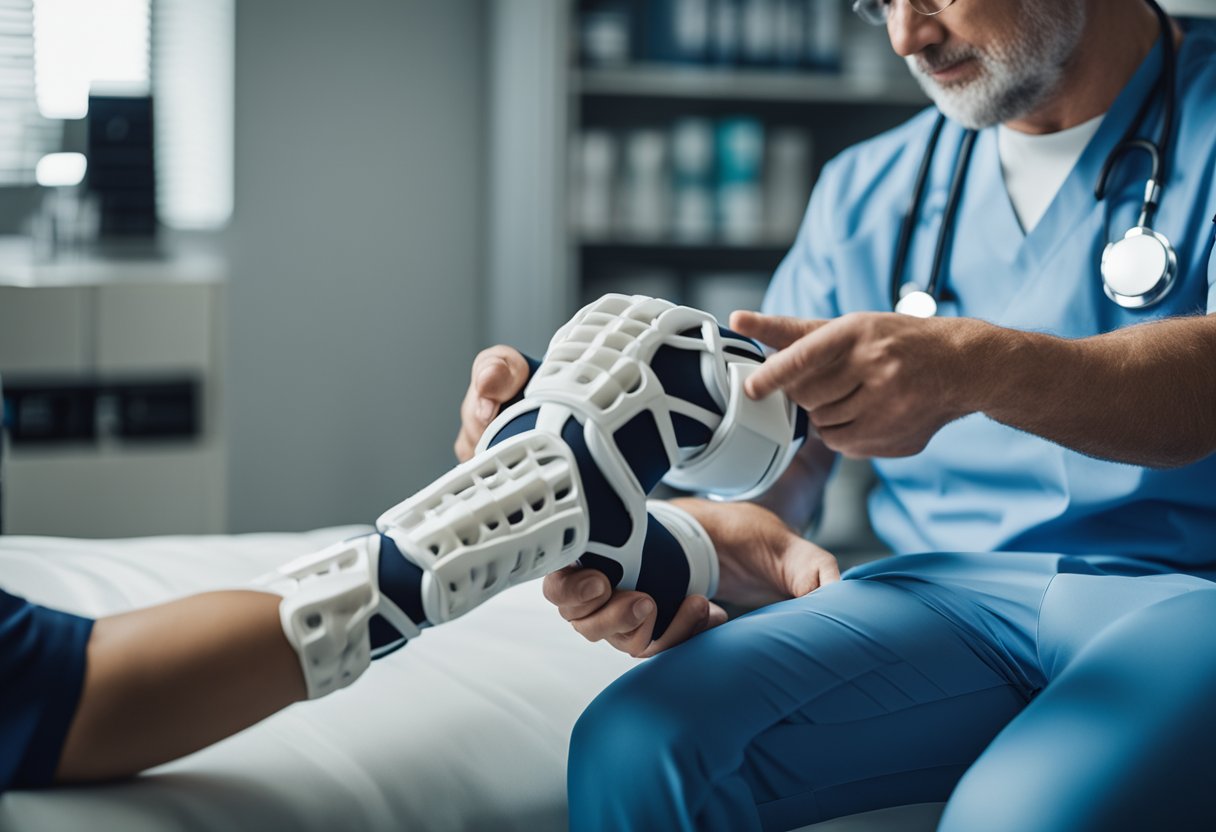
Bracing and Support: Your doctor or physical therapist might recommend a knee brace or supportive taping to help stabilize your kneecap and reduce stress on the injured medial retinaculum. It’s like giving your knee a supportive hug!
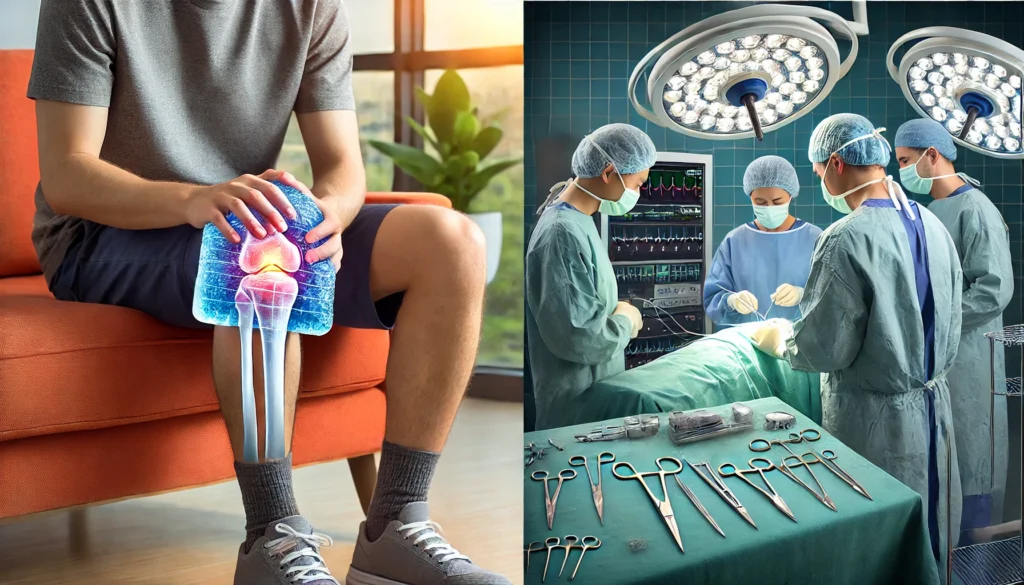
Pain Management: Over-the-counter pain relievers like ibuprofen or naproxen can help manage pain and reduce inflammation. Ice therapy can also be incredibly soothing – just remember to wrap that ice pack in a towel to protect your skin!
B. Surgical Intervention
While many medial retinaculum tears respond well to conservative treatment, sometimes surgery is necessary. Your doctor might recommend surgical intervention if:
Conservative treatments haven’t improved your symptoms after several months
You have a complete tear of the medial retinaculum
You’re experiencing significant knee instability that affects your daily activities
If surgery is on the cards, don’t panic! Modern surgical techniques for medial retinaculum repair are typically minimally invasive and have excellent success rates. The most common surgical approach is arthroscopic repair, which involves making small incisions around your knee and using a tiny camera and specialized instruments to repair the tear.
Post-operative care is crucial for a successful outcome. This usually involves:
Protecting the repair site with a brace or immobilizer
Gradually reintroducing movement and weight-bearing as directed by your surgeon
Participating in a structured physical therapy program to regain strength and mobility
Remember, whether you’re pursuing conservative management or surgical treatment, patience is key. Healing takes time, and trying to rush the process can lead to setbacks. Trust the process, follow your healthcare team’s advice, and before you know it, you’ll be back to your old self – maybe even stronger than before!
V. Recovery and Rehabilitation
Ah, the road to recovery – it might not be the most exciting journey, but it’s certainly one of the most rewarding. Whether you’ve opted for conservative management or surgical repair, rehabilitation plays a crucial role in getting you back to your pre-injury activities.
Let’s break down what you can expect during the recovery process:
1. Timeline for Healing
Every person’s healing journey is unique, but here’s a general timeline to give you an idea of what to expect:
Weeks 1-2: Focus on reducing pain and swelling. You might be using crutches or a knee brace during this time.
Weeks 3-6: Gradually increase weight-bearing and start gentle range-of-motion exercises.
Weeks 7-12: Progress to more challenging exercises, focusing on strengthening and stability.
Months 3-6: Continue strengthening and start sport-specific or activity-specific training.
6+ months: Many people can return to full activities, including sports, around this time.
Remember, this timeline is just a guideline. Your specific recovery may be faster or slower depending on the severity of your injury and how well you stick to your rehab program.
2. Physiotherapy Exercises
Your physical therapist will be your best friend during recovery. They’ll guide you through a progression of exercises designed to restore strength, flexibility, and function to your knee. Some exercises you might encounter include:
Quad sets and straight leg raises
Wall slides or mini squats
Step-ups and step-downs
Balance exercises on unstable surfaces
Hamstring and calf stretches
As you progress, your PT might introduce more challenging exercises like lunges, single-leg squats, or plyometric drills. The key is to progress gradually and listen to your body – pushing too hard too soon can lead to setbacks.
3. Return to Activities and Sports
The million-dollar question: “When can I get back to doing what I love?” The answer, as frustrating as it might be, is “it depends.” Your return to activities will be based on your progress through rehabilitation, not just the passage of time.
Generally, you’ll need to meet certain criteria before returning to sports or high-impact activities:
Full range of motion in your knee
No pain or swelling with activity
At least 90% strength in your injured leg compared to your uninjured leg
Ability to perform sport-specific movements without pain or instability
Your healthcare team will guide you through a gradual return to activities, often starting with low-impact exercises and progressing to more demanding tasks. Patience is key here – rushing back too soon can increase your risk of re-injury.
VI. Prevention Strategies
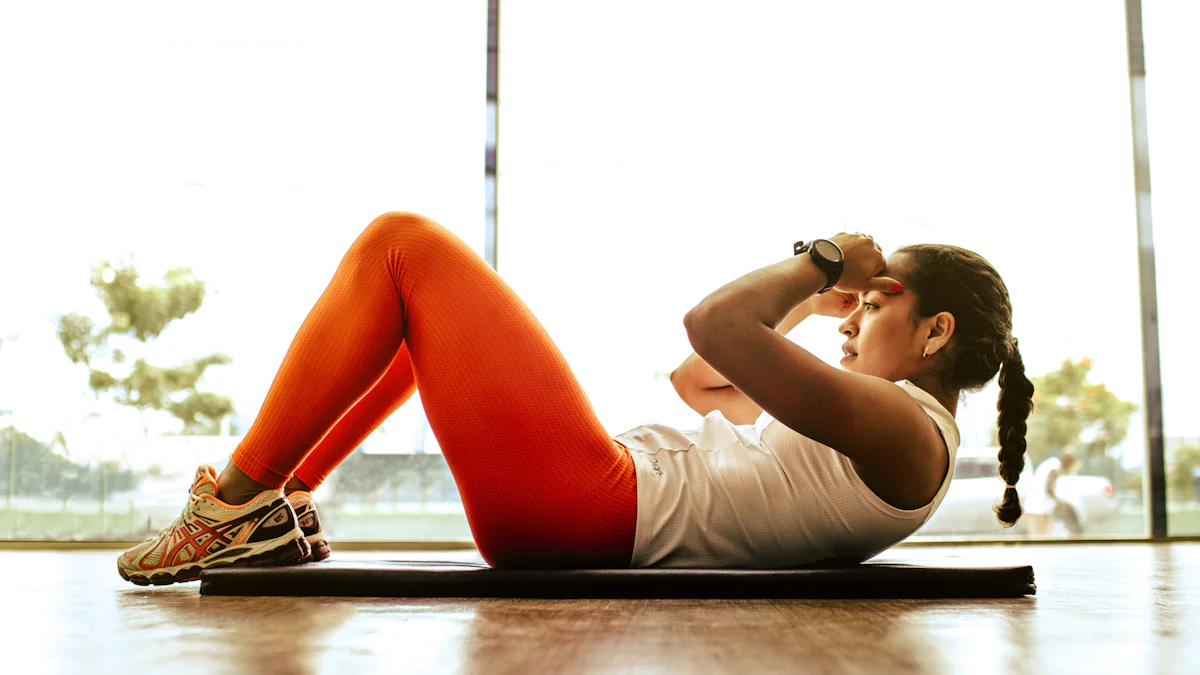
[Image 6: Person demonstrating proper warm-up techniques and knee-strengthening exercises]
As the old saying goes, “An ounce of prevention is worth a pound of cure.” While we can’t bubble-wrap our knees (tempting as that might be), there are several strategies we can employ to reduce our risk of medial retinaculum tears and other knee injuries.
1. Strengthening Exercises
Building strength in the muscles that support your knee is like creating a suit of armor for your joint. Focus on exercises that target your quadriceps, hamstrings, and hip muscles. Some great options include:
Squats and lunges (with proper form, of course!)
Leg press and leg extension machines
Deadlifts and Romanian deadlifts
Glute bridges and hip thrusts
Remember, it’s not just about building strength – balance is key. Make sure you’re working all the muscle groups around your knee, not just focusing on one area.
2. Proper Warm-Up Techniques
Never underestimate the power of a good warm-up! Before diving into your workout or sports activity, take the time to properly prepare your body. A good warm-up should:
Increase your heart rate and body temperature
Improve blood flow to your muscles
Enhance flexibility and range of motion
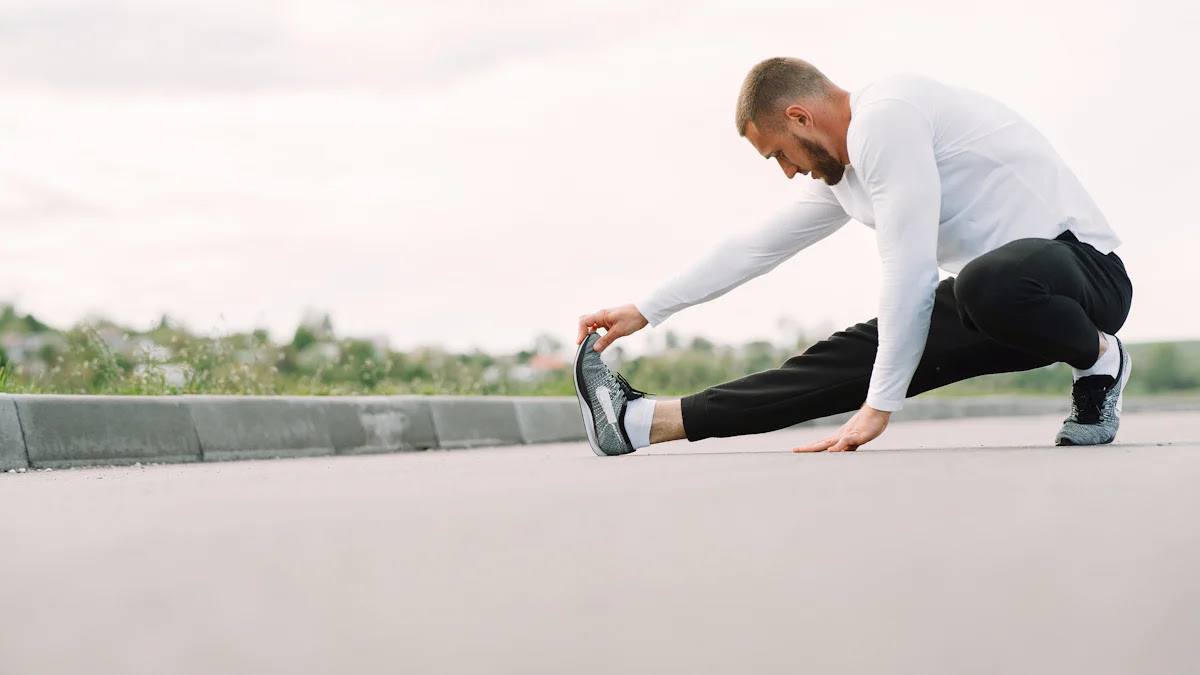
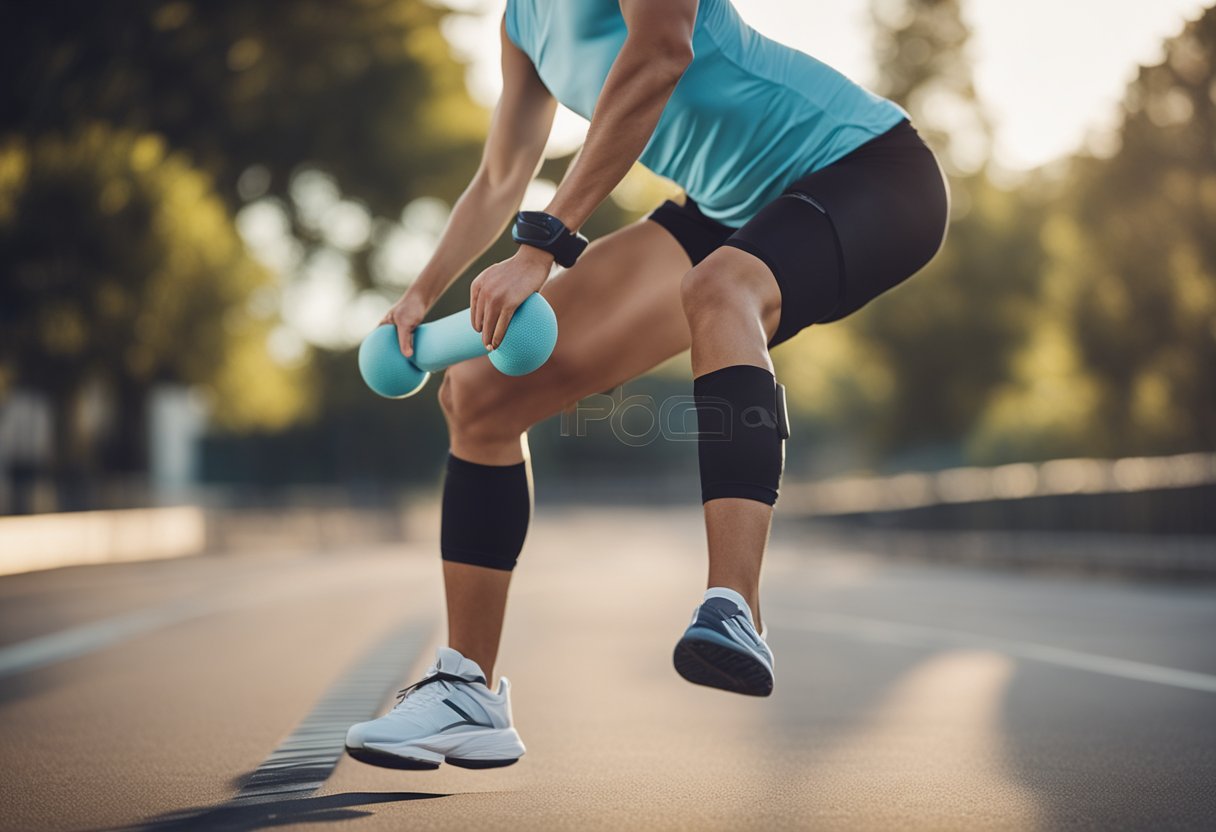
Try incorporating dynamic stretches like leg swings, walking lunges, or high knees into your warm-up routine. These movements prepare your body for activity much more effectively than static stretching alone.
3. Maintaining Overall Knee Health
Your knees do a lot for you, so show them some love! Here are some tips for keeping your knees happy and healthy:
Maintain a healthy weight to reduce stress on your knees
Wear appropriate footwear for your activities
Practice good posture and body mechanics
Cross-train to avoid overuse injuries
Listen to your body and don’t push through pain
Remember, taking care of your knees isn’t just about preventing injuries – it’s about ensuring you can stay active and enjoy your favorite activities for years to come.
VII. Expert Insights
[Image 7: Portrait of Dr. Jane Smith, orthopedic surgeon, in her office]
To gain some professional insight into medial retinaculum tears, we spoke with Dr. Jane Smith, a renowned orthopedic surgeon specializing in knee injuries. Here’s what she had to say:
“Medial retinaculum tears, while less common than some other knee injuries, can significantly impact a person’s mobility and quality of life. One of the most important things I tell my patients is to listen to their bodies. If something doesn’t feel right, don’t ignore it – early intervention can often prevent more serious issues down the line.”
Dr. Smith also highlighted some recent research in the field: “We’re seeing some exciting developments in the treatment of medial retinaculum tears. For instance, a recent study published in the Journal of Knee Surgery showed promising results using a new minimally invasive technique for repairing these tears. This approach potentially offers faster recovery times and reduced risk of complications compared to traditional open surgery.”
When asked about success stories, Dr. Smith shared a particularly memorable case: “I had a patient, a 45-year-old marathon runner, who came to me with a severe medial retinaculum tear. She was devastated, thinking her running days were over. We opted for surgical repair followed by an intensive rehabilitation program. Not only did she recover fully, but she went on to complete a marathon just 18 months after her surgery. It’s cases like these that remind us of the incredible resilience of the human body when given the right care and support.”
VIII. Patient Experiences
While medical expertise is crucial, there’s something uniquely valuable about hearing from those who’ve walked the path before us. We reached out to individuals who’ve recovered from medial retinaculum tears to share their experiences and advice.
Sarah, a 32-year-old yoga instructor, shared her journey: “When I first injured my knee, I was terrified it would end my career. The pain and instability were unlike anything I’d experienced before. But working with my physical therapist and gradually rebuilding my strength was incredibly empowering. It taught me so much about my body and the importance of proper alignment. Now, not only am I back to teaching, but I feel I’m a better instructor because of what I’ve learned through this process.”
Tom, a 50-year-old weekend warrior, had a different perspective: “I initially tried to push through the pain, thinking it was just a minor tweak. Big mistake! When I finally saw a doctor and got properly diagnosed, I realized how much unnecessary suffering I’d put myself through. My advice? Don’t be a hero – get it checked out if something doesn’t feel right.”
Some common tips from recovered patients include:
Be patient with the recovery process – healing takes time
Do your physical therapy exercises religiously – they really do make a difference
Don’t compare your progress to others – everyone’s journey is unique
Find ways to stay active that don’t stress your knee during recovery
Use this experience as motivation to take better care of your overall health
IX. Conclusion
As we wrap up our deep dive into the world of medial retinaculum tears, let’s recap some key points:
The medial retinaculum plays a crucial role in knee stability, and injuries to this structure can significantly impact your mobility.
Symptoms of a tear include pain on the inner side of the knee, instability, and difficulty with certain movements.
Treatment options range from conservative management (rest, physical therapy, bracing) to surgical intervention in more severe cases.
Recovery involves a gradual progression of exercises and activities, with patience being a key ingredient.
Preventive strategies, including proper warm-ups and strengthening exercises, can help reduce your risk of knee injuries.
Remember, while this guide provides a comprehensive overview, it’s no substitute for professional medical advice. If you’re experiencing knee pain or instability, don’t hesitate to seek help from a healthcare provider.
Dealing with a knee injury can be challenging, both physically and emotionally. But with the right care, support, and attitude, you can overcome this hurdle and potentially come out stronger on the other side. Your knees do so much for you every day – taking the time to understand and care for them is an investment in your long-term health and mobility.
So here’s to healthy knees, active lifestyles, and the resilience of the human body. May your journey, whether in recovery or prevention, be smooth and successful!
Knee health holds significant importance for maintaining overall mobility and quality of life. Approximately 25% of adults experience knee pain, which can lead to discomfort and disability. Engaging in regular exercise can help prevent knee hurt by strengthening muscles and improving flexibility. Follow these essential tips to ensure better knee health and reduce the risk of pain.
Understanding Knee Pain
Common Causes of Knee Pain
Overuse and Repetitive Strain
Overuse can lead to knee pain. Activities like running or jumping can cause repetitive strain. This strain stresses the knee joint. Over time, this can result in pain and discomfort.
Injuries and Accidents
Knee injuries often occur during sports or accidents. Ligament tears, fractures, and dislocations can damage the knee. These injuries can lead to long-term pain if not treated properly.
Age-related Wear and Tear
Aging affects the knees. Cartilage wears down over time. This wear and tear can cause osteoarthritis. Osteoarthritis leads to pain and stiffness in the knee joint.
Importance of Preventive Measures
Role of Exercise in Prevention
Exercise plays a crucial role in preventing knee pain. Strength training and flexibility exercises help maintain knee health. Regular physical activity can reduce the risk of developing knee problems.
Research from Mayo Clinic highlights that conditioning muscles and practicing correct techniques can prevent knee pain.
Benefits of Strengthening and Flexibility
Strengthening exercises build muscle around the knee. Strong muscles support the knee joint. Flexibility exercises improve the range of motion. Improved flexibility reduces the risk of injuries.
A study published in BJSMfound that adding hip exercises to quadriceps exercises improves pain and function in people with knee osteoarthritis.
Regular exercise offers protection against knee pain. Walking regularly, according to research in Arthritis & Rheumatology, may protect against knee osteoarthritis pain.
Essential Exercise Tips to Avoid Knee Hurt
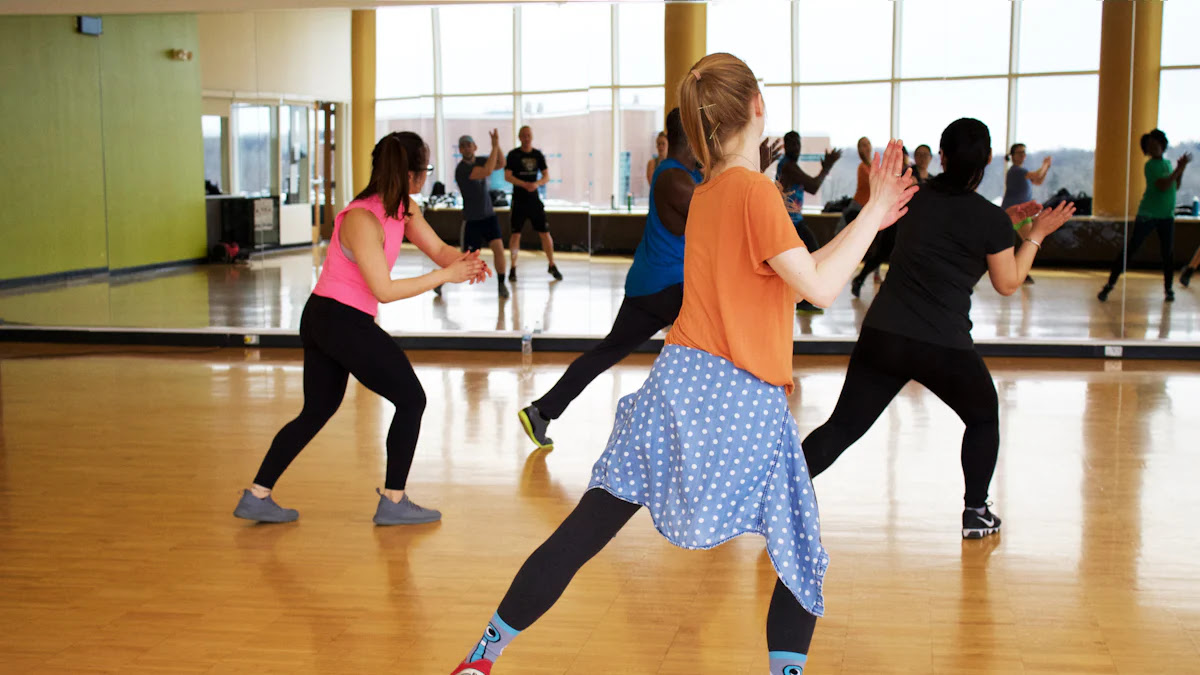
Tip 1: Warm-Up Properly
Importance of Warming Up
Warming up prepares your body for exercise. It increases blood flow to muscles and raises your heart rate. This process reduces the risk of injury. Grayson Wickham, PT, DPT, CSCS, states, “An effective warm-up will also work on improving your joint proprioception (also known as body awareness), prime your nervous system for your workout ahead and increase blood flow to the specific muscles you will be working in your workout.”
Effective Warm-Up Exercises
Effective warm-up exercises include low-impact activities. Walking, cycling on a stationary bike, or using an elliptical machine are good options. Athletes should do an easy jog or jump rope for about five minutes. This activity should continue until you break a light sweat. Warm muscles are less prone to injury.
Tip 2: Strengthen Your Quadriceps
Recommended Quadriceps Exercises
Strengthening your quadriceps supports the knee joint. Recommended exercises include squats, leg presses, and lunges. These exercises build muscle around the knee.
How to Perform Them Safely
Perform these exercises with proper form to avoid injury. Keep your knees aligned with your toes during squats and lunges. Avoid letting your knees extend past your toes. Use controlled movements and avoid sudden jerks. Start with lighter weights and gradually increase as you gain strength.
Tip 3: Focus on Hamstring Strength
Key Hamstring Exercises
Strong hamstrings balance the strength of your quadriceps. Key exercises include hamstring curls, deadlifts, and bridges. These exercises target the back of your thighs.
Tips for Proper Form
Maintain proper form to prevent knee hurt. During hamstring curls, keep your hips stable. Avoid arching your back during deadlifts. Engage your core muscles for stability. Perform each exercise slowly and with control.
Tip 4: Improve Hip Strength
Exercises for Hip Strengthening
Strengthening your hips can support your knees. Strong hip muscles help stabilize the knee joint. Recommended exercises include clamshells, side leg raises, and hip bridges. Clamshells target the gluteus medius, which helps with knee alignment. Side leg raises strengthen the outer hip muscles. Hip bridges work on the glutes and hamstrings.
Benefits for Knee Health
Strong hips reduce the risk of knee hurt. Proper hip strength ensures better knee alignment. This alignment decreases stress on the knee joint. Strong hip muscles also improve overall balance. Improved balance further protects the knees from injuries.
Tip 5: Enhance Flexibility
Stretching Exercises for Flexibility
Stretching exercises can enhance flexibility. Flexible muscles reduce the risk of knee hurt. Recommended stretches include hamstring stretches, quadriceps stretches, and calf stretches. Hamstring stretches involve bending forward to touch your toes. Quadriceps stretches require pulling your heel towards your buttocks. Calf stretches involve leaning against a wall and pushing your heel down.
How Flexibility Helps Prevent Knee Pain
Flexibility improves the range of motion in your joints. Better range of motion reduces the strain on your knees. Stretching before and after exercise can prevent knee hurt. Flexible muscles absorb shock better, protecting the knee joint. Regular stretching routines can keep your knees healthy and pain-free.
Tip 6: Practice Balance and Stability
Balance Exercises
Balance exercises can enhance knee stability. Good balance reduces the risk of knee hurt. Recommended exercises include single-leg stands, balance board exercises, and yoga poses like the tree pose. Single-leg stands involve standing on one leg for a few seconds. Balance board exercises challenge your stability. Yoga poses improve both balance and flexibility.
Importance of Stability for Knee Health
Stability plays a crucial role in knee health. Stable knees are less prone to injuries. Balance exercises strengthen the muscles around the knee. Strong muscles provide better support for the knee joint. Improved stability can prevent knee hurt during physical activities.
Additional Tips for Knee Health
Proper Footwear
Choosing the Right Shoes
Selecting the right shoes can prevent knee hurt. Look for shoes with good arch support and cushioning. Shoes should fit well and provide stability. Visit a specialty store to get a professional fitting. Replace worn-out shoes regularly to maintain support.
Impact on Knee Health
Proper footwear reduces stress on your knees. Good shoes absorb shock and distribute weight evenly. This can prevent knee hurt during physical activities. Poor footwear can lead to misalignment and increase the risk of injuries. Investing in quality shoes can protect your knees in the long run.
Maintaining a Healthy Weight
Weight Management Tips
Maintaining a healthy weight can reduce the risk of knee hurt. Incorporate a balanced diet with plenty of fruits and vegetables. Engage in regular physical activity like walking or swimming. Monitor your weight regularly to stay within a healthy range. Avoid crash diets and focus on sustainable lifestyle changes.
Benefits for Knee Health
Healthy weight management reduces pressure on your knees. Excess weight increases the load on your knee joints. This can lead to knee hurt and other complications. A healthy weight can improve mobility and reduce pain. Studies show that weight loss can significantly decrease knee pain in people with osteoarthritis.
Knee health remains crucial for maintaining an active lifestyle. Incorporate these exercise tips into your daily routine to prevent knee hurt. Regularly perform warm-up exercises, strengthen your quadriceps and hamstrings, and improve hip strength. Enhance flexibility with stretching exercises and practice balance for better stability. Choose proper footwear with good arch support and cushioning. Maintain a healthy weight to reduce pressure on your knees. Consistent efforts will help you avoid knee hurt and ensure overall joint health.
Knee pain affects around 25% of adults. Experiencing knee pain when bending can disrupt daily activities and reduce quality of life. Understanding when to seek medical advice is crucial for effective management. Common causes include overuse injuries, traumatic injuries, and degenerative conditions.
Tendonitis occurs when tendons around the knee become inflamed. Repetitive movements often cause this condition. Athletes frequently experience knee pain when bending due to tendonitis. Symptoms include pain and swelling around the knee joint.
Bursitis
Bursitis involves inflammation of the bursae, small fluid-filled sacs that cushion the knee joint. Overuse or repetitive stress can lead to bursitis. This condition results in knee pain when bending and noticeable swelling. Rest and ice can help manage symptoms.
Traumatic Injuries
Ligament Tears
Ligament tears, such as ACL or MCL injuries, often result from sudden twists or impacts. These injuries cause severe knee pain when bending and instability. Immediate medical attention is necessary for proper diagnosis and treatment.
Meniscus Tears
Meniscus tears occur when the cartilage in the knee joint gets damaged. This injury often happens during sports activities. Symptoms include knee pain when bending, swelling, and difficulty moving the knee. A healthcare provider can recommend appropriate treatment options.
Degenerative Conditions
Osteoarthritis
Osteoarthritis is a common degenerative condition affecting the knee joint. The cartilage wears down over time, leading to knee pain when bending. This condition affects many adults, especially those over 50. Treatment focuses on managing pain and improving joint function.
Rheumatoid Arthritis
Rheumatoid arthritis is an autoimmune disease that causes inflammation in the knee joint. This condition leads to knee pain when bending, swelling, and stiffness. Early diagnosis and treatment are crucial for managing symptoms and preventing joint damage.
Symptoms Indicating the Need for Medical Attention
Severe Pain
Pain that limits daily activities
Severe knee pain when bending can disrupt daily routines. Pain that makes walking, climbing stairs, or standing difficult needs medical evaluation. Persistent pain can indicate an underlying issue that requires professional attention.
Pain that persists despite rest
Rest usually helps alleviate minor injuries. However, knee pain when bending that continues even after resting suggests a more serious problem. Consult a healthcare provider to identify the cause and receive appropriate treatment.
Swelling and Redness
Swelling that doesn’t subside
Swelling often accompanies knee pain when bending. If swelling does not reduce with rest and ice, seek medical advice. Persistent swelling can signal inflammation or injury that needs further investigation.
Redness and warmth around the knee
Redness and warmth around the knee joint are signs of inflammation. Knee pain when bending combined with these symptoms may indicate an infection or other serious condition. Immediate medical attention ensures proper diagnosis and treatment.
Limited Range of Motion
Difficulty bending or straightening the knee
Limited range of motion affects daily activities. Difficulty bending or straightening the knee can result from various conditions. Knee pain when bending that restricts movement warrants a visit to a healthcare provider. Early intervention can prevent further complications.
Stiffness that worsens over time
Stiffness in the knee that progressively worsens is a concern. Knee pain when bending accompanied by increasing stiffness may indicate degenerative conditions like arthritis. Consulting a healthcare professional can help manage symptoms and improve joint function.
Diagnostic Procedures
Physical Examination
Doctors use physical examinations to assess knee pain when bending. These exams help identify the cause of the pain.
Range of Motion Tests
Doctors perform range of motion tests to check how well the knee moves. These tests involve bending and straightening the knee. Limited movement can indicate issues like arthritis or ligament injuries.
Palpation for Tenderness
Palpation involves pressing on different parts of the knee. This helps locate areas of tenderness or swelling. Doctors use palpation to detect conditions like bursitis or tendonitis.
Imaging Tests
Imaging tests provide detailed pictures of the knee’s internal structures. These tests help diagnose the cause of knee pain when bending.
X-rays
X-rays are often the first imaging test used. They show the bones and can reveal fractures or arthritis. According to the Journal of the American Academy of Orthopaedic Surgeons, X-rays are effective for diagnosing knee pain in older patients.
MRI Scans
MRI scans use radio waves and a magnetic field to create detailed images of soft tissues. These scans can detect ligament tears, meniscus injuries, and other soft tissue problems. Although MRI scans are more expensive than X-rays, they provide more detailed information.
Laboratory Tests
Laboratory tests can help identify underlying conditions causing knee pain when bending.
Blood Tests for Inflammation Markers
Blood tests can detect markers of inflammation. Elevated levels may indicate rheumatoid arthritis or an infection. Doctors use these tests to guide treatment decisions.
Joint Fluid Analysis
Joint fluid analysis involves extracting fluid from the knee joint. This test can identify infections or gout. Analyzing the fluid helps doctors determine the appropriate treatment for knee pain when bending.
Treatment Options
Non-Surgical Treatments
Physical Therapy
Physical therapy can help manage knee pain when bending. Therapists design exercises to strengthen muscles around the knee. Stronger muscles support the joint and reduce pain. Regular sessions improve flexibility and range of motion. According to the American Family Physician, nonsurgical management is effective for conditions like osteoarthritis and ligament injuries.
Medications
Medications provide relief from knee pain. Over-the-counter pain relievers like ibuprofen reduce inflammation. Doctors may prescribe stronger medications for severe pain. Topical creams and gels also help alleviate discomfort. Consistent use of medications can improve daily function and quality of life.
Surgical Treatments
Arthroscopy
Arthroscopy is a minimally invasive surgery. Surgeons insert a small camera into the knee joint. This procedure allows doctors to diagnose and treat problems inside the knee. Arthroscopy can repair torn ligaments or remove damaged cartilage. Recovery time is shorter compared to traditional surgery.
Knee Replacement
Knee replacement involves replacing damaged parts of the knee with artificial components. This surgery is recommended for severe arthritis or extensive joint damage. Patients experience significant pain relief and improved mobility after recovery. Knee replacement can restore the ability to perform daily activities without pain.
Knee pain when bending can stem from various causes, including overuse injuries, traumatic injuries, and degenerative conditions. Severe or persistent knee pain requires professional medical evaluation. Early diagnosis and treatment can prevent further complications. Consult a healthcare provider for personalized advice. A doctor can determine the cause of your symptoms and recommend appropriate treatments. Always prioritize your health and seek medical attention when necessary.
Knee health plays a crucial role in maintaining an active lifestyle. MY KNEE HURT can disrupt daily activities and limit mobility. Approximately 5% of all primary care visits relate to knee pain. Common causes include osteoarthritis, patellofemoral pain, and meniscal tears. These conditions often result from damage to the bone, cartilage, ligaments, or fluid within the knee joint. Practicing a healthy lifestyle and good body mechanics can reduce the risk of knee problems.
Maintain a Healthy Weight
Impact of Weight on Knees
Reducing Stress on Joints
Excess weight places significant stress on knee joints. Each pound of body weight adds about four pounds of pressure on the knees. This increased pressure can accelerate the breakdown of joint cartilage. Many individuals experience MY KNEE HURT due to this added stress. Reducing body weight can alleviate this pressure and protect the knees from excessive force.
Benefits of Weight Loss
Losing weight offers numerous benefits for knee health. Research shows that shedding extra pounds can reduce knee pain and cartilage wear. Overweight or obese individuals often see significant improvements in knee function after weight loss. Maintaining a healthy weight lowers the risk of developing osteoarthritis, a common cause of MY KNEE HURT.
Tips for Weight Management
Balanced Diet
A balanced diet plays a crucial role in weight management. Consuming a variety of fruits, vegetables, lean proteins, and whole grains can help maintain a healthy weight. Avoiding processed foods and sugary drinks can also contribute to weight loss. Proper nutrition supports overall health and reduces the likelihood of experiencing MY KNEE HURT.
Regular Exercise
Regular exercise is essential for managing weight effectively. Engaging in physical activities like walking, swimming, or cycling can help burn calories and strengthen muscles. Low-impact exercises minimize stress on the knees while promoting weight loss. A consistent exercise routine can prevent MY KNEE HURT and improve overall knee health.
Exercise Regularly
Types of Beneficial Exercises
Low-Impact Activities
Low-impact activities provide a gentle way to stay active without putting excessive strain on the knees. Walking, swimming, and cycling are excellent choices. These activities help maintain cardiovascular fitness while reducing the risk of MY KNEE HURT. Swimming, in particular, offers a full-body workout with minimal joint stress. Cycling strengthens leg muscles and improves knee stability.
Strength Training
Strength training plays a crucial role in supporting knee health. Building strong quadriceps and hamstrings helps stabilize the knee joint. Exercises like leg presses, hamstring curls, and step-ups target these muscles. Strong muscles can prevent injuries and alleviate MY KNEE HURT. Incorporating balance and stability exercises further enhances knee support. Using resistance bands or weights can increase the effectiveness of strength training routines.
Creating a Consistent Routine
Setting Realistic Goals
Setting realistic goals ensures long-term success in maintaining knee health. Start with manageable objectives to build confidence and avoid overexertion. Gradually increase the intensity and duration of workouts. Achieving small milestones can motivate continued progress. Consistency in exercise routines helps prevent MY KNEE HURT and promotes overall well-being.
Staying Motivated
Staying motivated requires finding enjoyable activities. Joining group classes or exercising with friends can add a social element to workouts. Tracking progress through journals or apps provides a sense of accomplishment. Celebrating achievements, no matter how small, keeps motivation high. Regular exercise reduces the likelihood of experiencing MY KNEE HURT and enhances quality of life.
Strengthen Your Muscles
Importance of Strong Muscles
Supporting Knee Joints
Strong muscles provide essential support to knee joints. Quadriceps and hamstrings play a crucial role in stabilizing the knees. Weak muscles often lead to knee injuries. Building up these muscles helps distribute weight evenly across the knee joint. This reduces the likelihood of experiencing MY KNEE HURT.
Preventing Injuries
Muscle strength acts as a protective barrier against injuries. Strong quadriceps and hamstrings absorb shock during physical activities. This absorption minimizes stress on knee joints. Balance and stability training further enhance muscle function. These exercises prevent sudden movements that can cause MY KNEE HURT.
Effective Strengthening Exercises
Quadriceps Exercises
Quadriceps exercises target the front thigh muscles. Leg presses and squats are effective for building strength. Step-ups also engage the quadriceps. Consistent practice of these exercises improves knee stability. Strong quadriceps reduce the risk of MY KNEE HURT.
Hamstring Exercises
Hamstring exercises focus on the back thigh muscles. Hamstring curls and deadlifts are beneficial. Lunges also strengthen the hamstrings. Regularly performing these exercises enhances knee support. Strong hamstrings prevent injuries and alleviate MY KNEE HURT.
Practice Good Posture
Benefits of Proper Posture
Reducing Knee Strain
Proper posture significantly reduces strain on knee joints. When the body maintains correct alignment, weight distributes evenly across all joints. This balanced distribution minimizes excessive pressure on the knees. Reduced pressure helps prevent MY KNEE HURT and other knee-related issues.
Improving Overall Alignment
Good posture improves overall body alignment. Proper alignment ensures that muscles and joints work efficiently. Efficient functioning of muscles and joints reduces the risk of injuries. Improved alignment also enhances balance and stability. These benefits contribute to better knee health and reduce the likelihood of MY KNEE HURT.
Tips for Maintaining Good Posture
Ergonomic Workspaces
Creating ergonomic workspaces supports good posture. Ergonomic chairs provide proper back support. Adjustable desks allow for correct height settings. Footrests can help maintain a comfortable leg position. Using these tools reduces strain on the knees and promotes overall well-being.
Mindful Movement
Practicing mindful movement helps maintain good posture. Being aware of body positioning during daily activities is crucial. Simple actions like standing up straight and keeping shoulders back make a difference. Regularly checking and correcting posture prevents bad habits. Mindful movement reduces the risk of MY KNEE HURT and supports long-term knee health.
Wear Proper Footwear
Choosing the Right Shoes
Supportive Features
Selecting shoes with supportive features is crucial for knee health. Look for shoes with built-in arch support or consider using orthotic inserts. These inserts can help correct imbalances in the feet and provide additional cushioning for the arches. ASICS Gel-Nimbus shoes offer a supportive gel cushion, which helps keep them lightweight. The Gel-Nimbus also provides motion control with a rigid heel and a knit tongue that goes around the ankle. This shoe offers a lot of stability, making it a good choice for anyone with ankle and foot pain.
Avoiding High Heels
High heels can negatively impact knee health. Wearing high heels shifts body weight forward, increasing pressure on the knees. This added pressure can lead to MY KNEE HURT and other knee-related issues. Choose shoes with a low or no heel to reduce stress on the knees. Flexible, supportive shoes with a square or rounded toe allow toes to move around comfortably. Well-cushioned shoes are also essential for maintaining knee health.
Impact of Footwear on Knees
Shock Absorption
Proper footwear can significantly improve shock absorption. Shoes like the HOKA Bondi 8 are lightweight and designed to support the ankle, helping absorb impact during activities like running or walking on hard surfaces. Many online reviews praise the HOKA Bondi 8 for reducing back pain while walking, which indirectly benefits knee health. The Merrell Air Cushion in the heel helps absorb shock and keep the wearer stable, while overall traction aids in navigating uneven and smooth terrain.
Alignment and Stability
Footwear plays a vital role in maintaining alignment and stability. Shoes that provide proper support help keep the body aligned, reducing the risk of knee injuries. The Merrell Air Cushion offers excellent traction and stability, which is essential for preventing MY KNEE HURT. Proper alignment ensures that muscles and joints work efficiently, minimizing stress on the knees. Choosing shoes with good arch support and cushioning can enhance overall knee stability.
Avoid High-Impact Activities
Risks of High-Impact Exercises
Increased Knee Stress
High-impact exercises can place significant stress on knee joints. Activities like running, jumping, and high-impact aerobics cause repetitive pounding on the knees. This constant impact can wear down the cartilage and lead to MY KNEE HURT. Over time, the increased stress can contribute to conditions such as osteoarthritis.
Potential for Injury
Engaging in high-impact activities raises the risk of knee injuries. Sudden movements and heavy landings can strain ligaments and tendons. This strain may result in sprains, tears, or other injuries. High-impact exercises often lead to MY KNEE HURT due to the excessive force exerted on the knee joints.
Safer Alternatives
Swimming
Swimming offers a low-impact alternative that benefits knee health. The buoyancy of water reduces pressure on the joints. This reduction allows for a full-body workout without stressing the knees. Swimming improves cardiovascular fitness and strengthens muscles, making it an excellent choice for those experiencing MY KNEE HURT.
Cycling
Cycling provides another low-impact exercise option. Riding a bike helps build leg muscles and enhances knee stability. The smooth, repetitive motion of cycling minimizes joint stress. This activity supports cardiovascular health while reducing the risk of knee injuries. For individuals with MY KNEE HURT, cycling can offer a safe and effective way to stay active.
Use Knee Supports if Needed
Types of Knee Supports
Braces
Braces offer substantial support for knee joints. Compression Knee Brace provides stability and helps reduce pain. Many athletes use braces during high-intensity activities. Braces can prevent injuries by limiting knee movement. Copper Fit Knee Sleeves, Wraps, and Braces soothe discomfort and add extra support. These products are ideal for bodybuilding and running. CEP Compression offers light, mid, and max support options. These options cater to different levels of knee pain and injuries.
Sleeves
Sleeves provide a more flexible option for knee support. Copper Fit Knee Sleeves help reduce pain and swelling. Sleeves offer gentle compression, which improves blood flow. This increased circulation aids in faster recovery. CEP Compression sleeves are designed specifically for knee pain. These sleeves are suitable for everyday activities and sports. Sleeves can be worn under clothing without causing discomfort.
When to Use Knee Supports
During Physical Activity
Using knee supports during physical activity can prevent injuries. Braces offer stability and reduce the risk of sudden movements. Wearing sleeves can enhance performance by providing extra support. Many athletes use knee supports during high-impact sports. Supports help absorb shock and reduce stress on the knees. Proper footwear also plays a crucial role. Shoes with adequate cushioning help absorb impact. This combination can prevent MY KNEE HURT during activities.
Post-Injury Recovery
Knee supports are essential for post-injury recovery. Braces limit movement and protect the injured area. This restriction allows the knee to heal properly. Sleeves provide gentle compression, which reduces swelling. Doctors often recommend exercises and stretches for knee support. Strengthening the muscles around the knee aids in recovery. CEP Compression offers products designed for different stages of recovery. Using these supports can speed up the healing process and prevent further injuries.
Stay Hydrated
Importance of Hydration
Lubricating Joints
Hydration plays a vital role in maintaining joint health. Water helps lubricate joints by ensuring that synovial fluid remains at optimal levels. Synovial fluid acts as a cushion, reducing friction between cartilage surfaces. Proper hydration minimizes joint discomfort and prevents MY KNEE HURT.
Maintaining Cartilage Health
Water is essential for maintaining cartilage health. Cartilage, the flexible tissue covering the ends of bones, relies on water to function effectively. Dehydration can lead to cartilage deterioration, increasing the risk of arthritis. Studies indicate that dehydration can worsen arthritis symptoms and joint pain. Ensuring adequate hydration supports overall knee health and reduces the likelihood of MY KNEE HURT.
Tips for Staying Hydrated
Daily Water Intake
Consuming an adequate amount of water daily is crucial for joint health. Adults should aim for at least eight 8-ounce glasses of water per day. This intake ensures that the body remains hydrated and joints stay lubricated. Drinking water throughout the day helps maintain consistent hydration levels. Proper hydration can alleviate MY KNEE HURT and support overall well-being.
Hydrating Foods
Incorporating hydrating foods into the diet can also help maintain hydration levels. Fruits and vegetables with high water content, such as cucumbers, watermelon, and oranges, are excellent choices. These foods provide essential nutrients while contributing to daily water intake. A Mediterranean diet rich in fruits, vegetables, fish, nuts, and beans can reduce the risk of joint-damaging inflammation. Including these foods in meals supports joint health and reduces the risk of experiencing MY KNEE HURT.
Listen to Your Body
Recognizing Early Signs of Pain
Common Symptoms
Early recognition of knee pain symptoms can prevent further damage. Common signs include swelling, stiffness, and difficulty bending the knee. A popping or crunching sound during movement may indicate a problem. Persistent pain during daily activities often signals an underlying issue. Ignoring these symptoms can lead to more severe conditions.
When to Seek Medical Advice
Seeking medical advice becomes crucial when knee pain persists. A healthcare provider can diagnose the cause of the pain. Immediate consultation is necessary if the knee cannot bear weight. Severe swelling or deformity also requires prompt attention. Early intervention can prevent long-term damage and alleviate MY KNEE HURT.
Adjusting Activities Accordingly
Modifying Exercise Routines
Modifying exercise routines helps manage knee pain effectively. Low-impact exercises reduce stress on the knees. Swimming and cycling offer excellent alternatives to high-impact activities. Strength training should focus on controlled movements. Avoiding sudden changes in intensity can prevent MY KNEE HURT.
Rest and Recovery
Rest and recovery play a vital role in knee health. Allowing time for the knee to heal prevents further injury. Elevating the leg and applying ice can reduce swelling. Gentle stretching helps maintain flexibility. Adequate rest ensures that the knee recovers fully, reducing the risk of MY KNEE HURT.
Seek Professional Advice
Consulting Healthcare Providers
Physical Therapists
Physical therapists play a crucial role in knee health. They offer personalized rehabilitation programs to address specific knee issues. Danielle, a renowned physical therapist, emphasizes starting therapy immediately after surgery for optimal recovery. Physical therapists guide patients through exercises that strengthen muscles and improve flexibility. These sessions can significantly reduce MY KNEE HURT and enhance overall mobility.
“I’ve been a heavy user of TKJ for several years and have nothing but good things to say about them,” says Danielle. “They are great all-around physical therapists and have a sound knowledge base and fantastic system to get you healthy again.”
Orthopedic Specialists
Orthopedic specialists diagnose and treat knee conditions. They provide expert advice on managing knee pain and preventing further injury. Orthopedic specialists often collaborate with physical therapists to create comprehensive treatment plans. These plans may include medication, physical therapy, or surgical interventions. Consulting an orthopedic specialist ensures that knee issues receive appropriate medical attention.
Benefits of Professional Guidance
Personalized Treatment Plans
Professional guidance offers personalized treatment plans tailored to individual needs. These plans consider the patient’s medical history, lifestyle, and specific knee issues. Personalized treatment plans enhance the effectiveness of rehabilitation. They ensure that exercises and therapies target the right areas, reducing MY KNEE HURT and promoting faster recovery.
“After 4 years of knee pain, I decided to stop complaining or accepting limitations and actually do something about it,” shares a patient. “The Knee Joint offered excellent physical therapy services, and their personalized descriptions kept me on track.”
Preventative Strategies
Healthcare providers also offer preventative strategies to maintain knee health. These strategies include exercises to strengthen muscles, advice on proper footwear, and tips for maintaining a healthy weight. Preventative strategies help avoid common knee issues like osteoarthritis and meniscal tears. Regular consultations with healthcare providers ensure that knees remain healthy and pain-free.
“Today, I ran seven miles on trails, and for that, I have TKJ and specifically Danielle to thank,” says a satisfied patient. “She knew when I could change or increase what I was doing to accelerate my recovery safely and smartly.”
Knee health remains essential for maintaining an active and pain-free lifestyle. Implementing the tips outlined in this blog can significantly reduce the risk of knee problems. Regular exercise, proper footwear, and a balanced diet all contribute to healthier knees. Seeking professional advice ensures personalized care and effective treatment plans. Maintaining strong muscles and good posture supports knee joints and prevents injuries. Staying hydrated and listening to your body helps manage and prevent MY KNEE HURT. Prioritizing knee health leads to a more active and fulfilling life
When it comes to traumatic knee injuries, treatment options vary depending on the severity of the injury. Knee injuries can be caused by a variety of factors, including sports injuries, falls, and car accidents. Symptoms of a knee injury may include pain, swelling, stiffness, and difficulty moving the knee joint.
If you suspect that you have a knee injury, it is important to seek medical attention as soon as possible. A doctor can diagnose the injury and recommend the appropriate treatment. Diagnosis may involve a physical exam, imaging tests such as X-rays or MRI scans, and possibly arthroscopy, which involves inserting a small camera into the knee joint to examine the damage.
Treatment options for a traumatic knee injury may include rest, ice, compression, and elevation (RICE), physical therapy, medications, and surgery. The specific treatment plan will depend on the type and severity of the injury. In some cases, conservative treatment such as RICE and physical therapy may be sufficient to heal the injury. In more severe cases, surgery may be necessary to repair or replace damaged tissue.
Assessment and Immediate Care
When a traumatic knee injury occurs, prompt assessment and care are essential for optimal healing. In this section, we will discuss the initial evaluation, pain management, and swelling reduction.
Initial Evaluation
The initial evaluation of a traumatic knee injury includes a thorough physical exam and imaging studies. During the physical exam, we will assess the knee for tenderness, swelling, and range of motion. We may also perform special tests to evaluate the ligaments and menisci of the knee. X-rays may be obtained to evaluate for fractures or dislocations, while an MRI may be necessary to assess for soft tissue injuries.
Pain Management
Pain management is an important aspect of the immediate care of a traumatic knee injury. We recommend the use of non-steroidal anti-inflammatory drugs (NSAIDs) for pain relief. In addition, we may prescribe stronger pain medications if necessary. We also recommend the use of ice to reduce pain and inflammation. Applying ice to the knee for 20 minutes every 2-3 hours can help to alleviate pain.
Swelling Reduction
Swelling is a common symptom of a traumatic knee injury and can be reduced with the use of rest, ice, compression, and elevation (RICE). We recommend that patients rest the affected knee and avoid weight-bearing activities until the swelling has subsided. Applying ice to the knee can help to reduce swelling, while compression with an elastic bandage can help to prevent further swelling. Elevating the knee above the level of the heart can also help to reduce swelling.
In conclusion, prompt assessment and care are essential for the treatment of a traumatic knee injury. The initial evaluation should include a thorough physical exam and imaging studies. Pain management can be achieved with the use of NSAIDs and ice, while swelling can be reduced with RICE.
Rehabilitation and Treatment Options
When it comes to treating a traumatic knee injury, there are several rehabilitation and treatment options available. These options can be divided into two categories: non-surgical therapies and surgical interventions.
Non-Surgical Therapies
For less severe knee injuries, non-surgical therapies such as physical therapy and exercise can be effective in promoting healing and restoring function. Physical therapy can help to strengthen the muscles around the knee, improve range of motion, and reduce pain and swelling. Exercises such as straight leg raises, hamstring curls, and calf raises can also be beneficial in promoting strength and function.
In addition to physical therapy and exercise, medication such as nonsteroidal anti-inflammatory drugs (NSAIDs) can be used to reduce pain and inflammation. Bracing and compression can also be used to provide support and reduce swelling.
Surgical Interventions
For more severe knee injuries, surgical intervention may be necessary. The type of surgery required will depend on the nature and extent of the injury. Common surgical interventions for knee injuries include arthroscopic surgery, meniscus repair, ACL reconstruction, and ligament reconstruction.
Arthroscopic surgery is a minimally invasive procedure that uses small incisions and a camera to visualize and treat the injured area. Meniscus repair involves repairing or removing the damaged meniscus. ACL reconstruction involves replacing the torn ACL with a graft. Ligament reconstruction involves repairing or replacing the damaged ligament.
Recovery time for surgical interventions can vary depending on the type and extent of the surgery. Rehabilitation is an important part of the recovery process and typically involves physical therapy to restore strength and function to the knee.
In conclusion, there are several rehabilitation and treatment options available for traumatic knee injuries. Non-surgical therapies such as physical therapy and exercise can be effective for less severe injuries, while surgical interventions may be necessary for more severe injuries. It is important to work closely with a healthcare professional, such as an orthopedic surgeon, to determine the best course of treatment for your specific injury. Clinical trials may also be available for those interested in exploring new treatment options.
Dealing with Knee Pain After ACL Reconstruction Surgery
Anterior cruciate ligament (ACL) tears are a common knee injury, especially among athletes. Approximately 200,000 ACL reconstruction surgeries are performed in the United States every year to repair these torn ligaments. While the procedure helps stabilize the knee long-term, post-operative knee pain is incredibly common.
In one study, as many as 72% of patients continued experiencing knee pain even 2 years after their ACL reconstruction. This pain can persist due to multiple biomechanical and inflammatory factors during the healing and rehab process.
Understanding typical recovery timelines and implementing self-care and physical therapy protocols appropriately can help manage discomfort. With proper treatment, most individuals experience significant improvements in knee pain and function over the first post-operative year.
Acute Knee Pain: Swelling and Inflammation
In the early phases after surgery (1-2 months), acute inflammation around the knee joint is very common. Triggered by surgical trauma, swelling, stiffness, and significant pain with movement often occur as part of the body’s healing response. Fluid buildup and inflammation in and around the joint can lead to throbbing discomfort and difficulty bearing weight through the leg.
Controlling Inflammation Initially Critical
During this inflammatory period, management involves medication, frequent icing, compression bandages, keeping the leg properly elevated, and joint offloading with crutches or a brace. Moving too aggressively through range of motion before inflammation settles can worsen fluid build-up. Finding the right balance between rest and gentle movement is key. Once swelling reduces, light physical therapy emphasizing controlled mobility and muscular activation begins.
Ongoing Knee Pain Risk Factors
While most patients move past the intense acute pain phase after about 6-8 weeks, some individuals continue battling discomfort even months or years later. There are several potential culprits of this lingering knee pain:
Improper Biomechanics: Imbalances or atypical movement patterns (known as compensations) during activities like walking, running or squatting after ACL surgery can overload areas around the knee joint. Common issues involve knocking knees inward, improper landing mechanics from jumping, overpronating feet, and relying too heavily on uninjured limbs during exercise. Certain patients are predisposed towards persistent abnormalities or asymmetries due to age, sex, genetics and pre-existing conditions.
Quadriceps Weakness: The thigh muscles (quadriceps) typically atrophy after ACL tears from disuse and inflammation. Reactivating and rebuilding quadriceps strength is paramount for stabilizing the knee for dynamic activities. However, lingering weakness is common long-term after ACL reconstruction. This affects range of motion and shock absorption, causing worse outcomes and pain.
Secondary Joint Injuries: After ACL surgery, patients often unconsciously overcompensate and overload adjacent joints like the hip and ankle while recovering. Cartilage wear, tendinitis and premature arthritis in these areas causing referred pain at the knee is increasingly recognized. Similarly, other structures like the meniscus are frequently damaged in combination with ACL tears, necessitating additional surgeries if problematic.
Scar Tissue Build-Up: During healing, dense scar tissue commonly develops around the ACL graft. In some people, too much builds up or it adheres incorrectly to surrounding tissues. This misplaced and inflexible scar tissue tugging on nerves can directly generate knee pain with movement.
Graft Complications: In rarer cases of chronic pain, issues with the ACL graft itself have occurred. This includes delayed healing, improper graft positioning during surgery, reinjury of the graft, and possibly graft-tunnel mismatches contributing to instability and pain.
What Does Rehab Program Include?
Custom structured physical therapy programs are essential not only for regaining knee functionality after ACL reconstruction, but also helping wean off pain medications and prevent future problems.
Stage 1 – Early Mobility & Range of Motion
Begins with 1-2 weeks of inflammation control, then progresses to restoring passive knee extension/flexion mobility (ideally full range of motion by 12 weeks). Light quadriceps activation and proprioception exercises follow.
Stage 2 – Muscle Strengthening Phase
Focuses primarily on rebuilding quadriceps and hip strength, while progressing standing balance challenges. Abandoning crutches and slowly reintegrating walking with good mechanics is targeted before more advanced drills.
Stage 3 – Multiplane Dynamic Control
Incorporates movement pattern and stability training including single leg loading, squats, agility movements in multiple planes of motion. The goal is reestablishing proper knee shock absorption strategies and lower limb control. Closely managing strength/activity progressions prevents overloading.
Stage 4 – Sports Specific Training
Transitions towards advanced plyometric and high intensity sport-specific conditioning to simulate demands of athletic participation. Confidence in knee function gets tested before gradual full competition clearance.
Adhering to activity restrictions and exercise protocols in each phase allows for appropriate muscular and tissue-loading to stimulate healing without provocation. Touching base regularly with physical therapists and surgeons ensures appropriate customization and progressions.
Treatment Options for Ongoing Pain
If knee pain persists months beyond surgery despite appropriate adherence to rehabilitation protocols, further targeted evaluation and management is warranted:
Imaging Tests like x-rays, CT or MRI scans help identify abnormal bony alignment or positioned grafts contributing to symptoms. Secondary injuries causing issues are also spotted.
Return to the OR – Occasionally revision ACL surgery is required if the graft re-tears or was improperly placed. Other joint debris clean-ups or repairs (like meniscus fixing) may help reduce pain generators.
Viscosupplementation Injections – Hyaluronic acid gel injections into the knee can help lubricate and cushion joint spaces, temporarily aiding pain.
Braces & Orthotics – Unloader knee braces and custom shoe inserts help take pressure off injured ACL graft or problem joint areas to alleviate discomfort.
Physiotherapy – Further advanced manual therapy, taping techniques and corrective exercises target the specific dysfunction (quad weakness, movement pattern abnormalities etc) perpetuating pain.
While most post-ACL reconstruction knee pain improves significantly in 6-12 months with concerted rehabilitation, lingering issues left unaddressed can remain problematic long-term and increase arthritis risk. Thus, prompt intervention tailored to root causes provides better function restoration and enhanced quality of life.
Moving Forward Post-Surgery
Though uncomfortable and frustrating, pain after ACL surgery remains fairly common with modern techniques. Sticking firmly to prescribed activity guidelines and customized therapy plans allows for appropriate muscular development and movement pattern retraining for long-term knee health.
Patience and perseverance are key – with concerted effort from both patient and medical team, the road to recovery continues getting smoother. If pain seems atypical or severe, do not hesitate reaching out promptly to treat any complications early before they become permanent. With today’s treatment algorithms prioritizing function preservation, a return to high performance athletics and an active lifestyle is very achievable after ACL tears.
Knee injuries are common and can be caused by various factors such as sports, accidents, and repetitive motion. Traumatic knee injuries can be devastating and can lead to long-term complications. Therefore, it is essential to take preventive measures to avoid such injuries. In this article, we will discuss some effective ways to prevent traumatic knee injuries.
One of the most effective ways to prevent knee injuries is by strengthening the muscles around the knee. Strong muscles can help support the knee joint and reduce the risk of injury. Exercises such as lunges, squats, and leg presses can help strengthen the muscles around the knee. Additionally, stretching can help improve flexibility and reduce the risk of muscle strains.
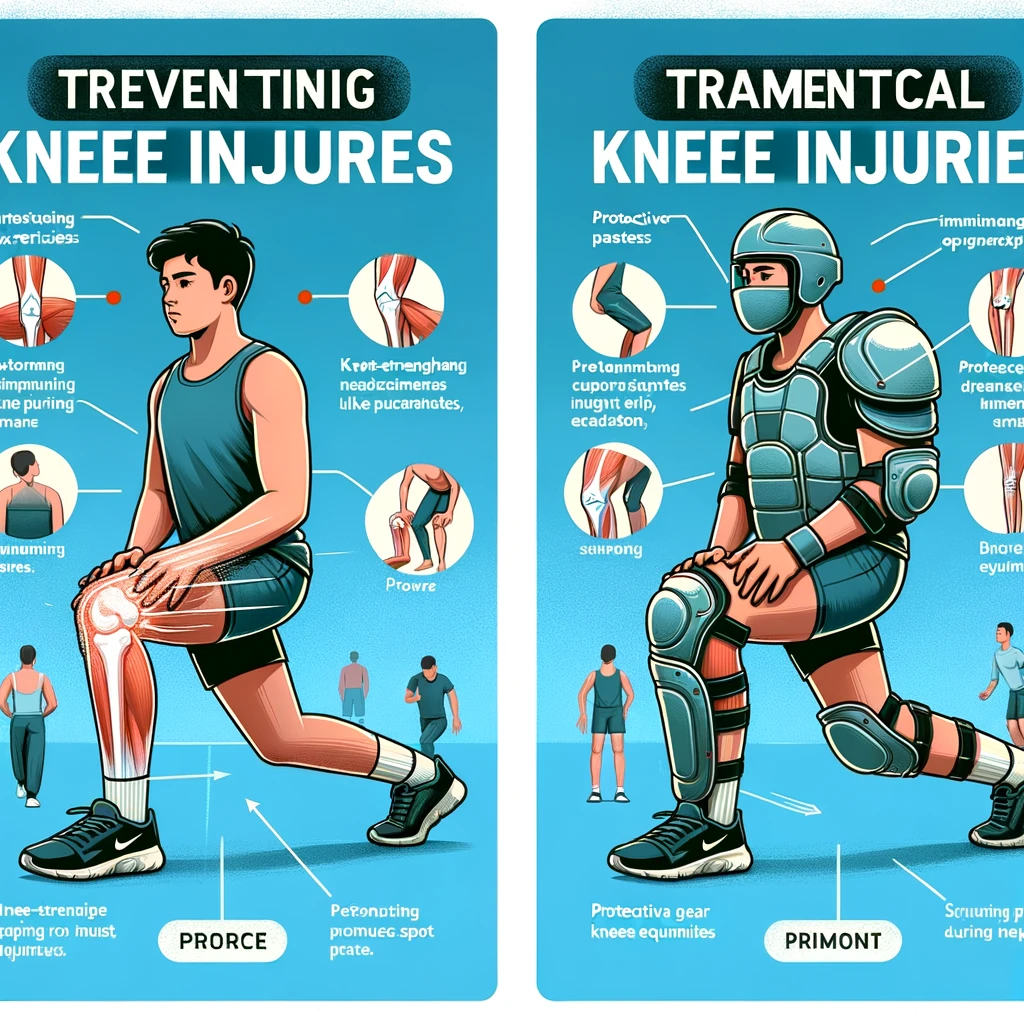
Another way to prevent knee injuries is by wearing protective gear during sports or activities that involve jumping, running, or sudden changes in direction. Knee pads, braces, and proper footwear can help absorb shock and reduce the risk of injury. It is also essential to warm up before engaging in physical activities to prepare the muscles and joints for the stress they will endure.
In summary, taking preventive measures can help reduce the risk of traumatic knee injuries. By strengthening the muscles around the knee, wearing protective gear, and warming up before physical activities, we can protect our knees and avoid long-term complications.
Understanding Knee Injuries
When it comes to knee injuries, prevention is key. Knee injuries can be caused by various factors, including trauma, overuse, and degenerative conditions. Understanding the anatomy of the knee, common causes and types of knee injuries, as well as their symptoms and diagnosis can help you take steps to prevent knee injuries.
Anatomy of the Knee
The knee is a complex joint that connects the thigh bone (femur) to the shin bone (tibia). The knee joint also includes the kneecap (patella) and other structures such as ligaments, tendons, cartilage, and meniscus. The ligaments provide stability to the knee, while the tendons connect the muscles to the bones. The cartilage and meniscus act as shock absorbers and help to distribute weight evenly across the joint.
Common Causes and Types of Knee Injuries
Knee injuries can be caused by a variety of factors, including trauma, overuse, and degenerative conditions such as osteoarthritis and rheumatoid arthritis. Common types of knee injuries include fractures, dislocations, ligament tears, meniscus tears, and torn cartilage.
Fractures occur when there is a break in the bone, while dislocations occur when the bones in the joint are forced out of position. Ligament tears can occur when the ligaments that connect the bones in the knee are stretched or torn, while meniscus tears can occur when the cartilage in the knee is torn. Torn cartilage can also occur as a result of overuse or degenerative conditions.
Symptoms and Diagnosis
Symptoms of knee injuries can include pain, swelling, stiffness, redness, warmth, and fever. Chronic pain can also be a symptom of knee injuries. Diagnosis of knee injuries typically involves a physical examination, imaging tests such as X-rays and MRI scans, and sometimes arthroscopy, a minimally invasive surgical procedure.
In conclusion, knee injuries can be caused by various factors, and understanding the anatomy of the knee, common causes and types of knee injuries, as well as their symptoms and diagnosis can help you take steps to prevent knee injuries.
Prevention and Management Strategies
Exercise and Physical Activity
Engaging in regular physical activity and exercise can help prevent traumatic knee injuries. It is important to incorporate exercises that focus on strengthening the muscles around the knee joint, such as the quadriceps, hamstrings, and calf muscles. These exercises can include lunges, squats, leg presses, and step-ups.
Stretching is also important in preventing knee injuries. It is recommended to stretch before and after exercise to improve flexibility and reduce the risk of injury. Proper technique and form during exercise is crucial in preventing knee injuries. Coaches and trainers can provide guidance on proper technique and form during exercise.
Protective Gear and Techniques
Wearing proper protective gear, such as knee braces, can help prevent knee injuries during sports and physical activity. Knee braces can help provide support and stability to the knee joint, reducing the risk of injury.
Techniques such as jumping and landing properly can also help prevent knee injuries. It is important to land softly and use proper technique when jumping, especially during sports such as basketball or volleyball.
Treatment and Recovery
If a knee injury does occur, it is important to seek medical attention from a doctor or physical therapist. Treatment may include rest, compression, elevation, and ice to reduce swelling and pain. Anti-inflammatory drugs such as ibuprofen may also be prescribed to reduce pain and inflammation.
In some cases, surgery may be necessary to repair a torn ligament or tendon. Physical therapy may also be recommended to help with recovery and prevent future injuries.
Overall, taking steps to prevent knee injuries through exercise, proper technique, and protective gear can help reduce the risk of injury and promote long-term knee health.
Arthritis of the knee is a common condition that affects millions of people worldwide. It can cause pain, swelling, stiffness, and reduced mobility, making it difficult to perform daily activities. There are different types of arthritis, including osteoarthritis and rheumatoid arthritis, and each has its own set of symptoms and treatment options.
When it comes to treating arthritis of the knee, there are several options available, depending on the severity of the condition and the individual’s needs. Treatment options range from non-invasive methods such as physical therapy and medication to more invasive procedures such as knee replacement surgery. It is essential to work with a healthcare provider to determine the best treatment plan for your specific case.
In this article, we will explore the different treatment options available for arthritis of the knee. We will discuss the symptoms of arthritis, the various types of arthritis that can affect the knee, and the benefits and risks associated with each treatment option. By the end of this article, you will have a better understanding of the treatment options available for arthritis of the knee and be better equipped to make an informed decision about your care.
Understanding Arthritis in Knees
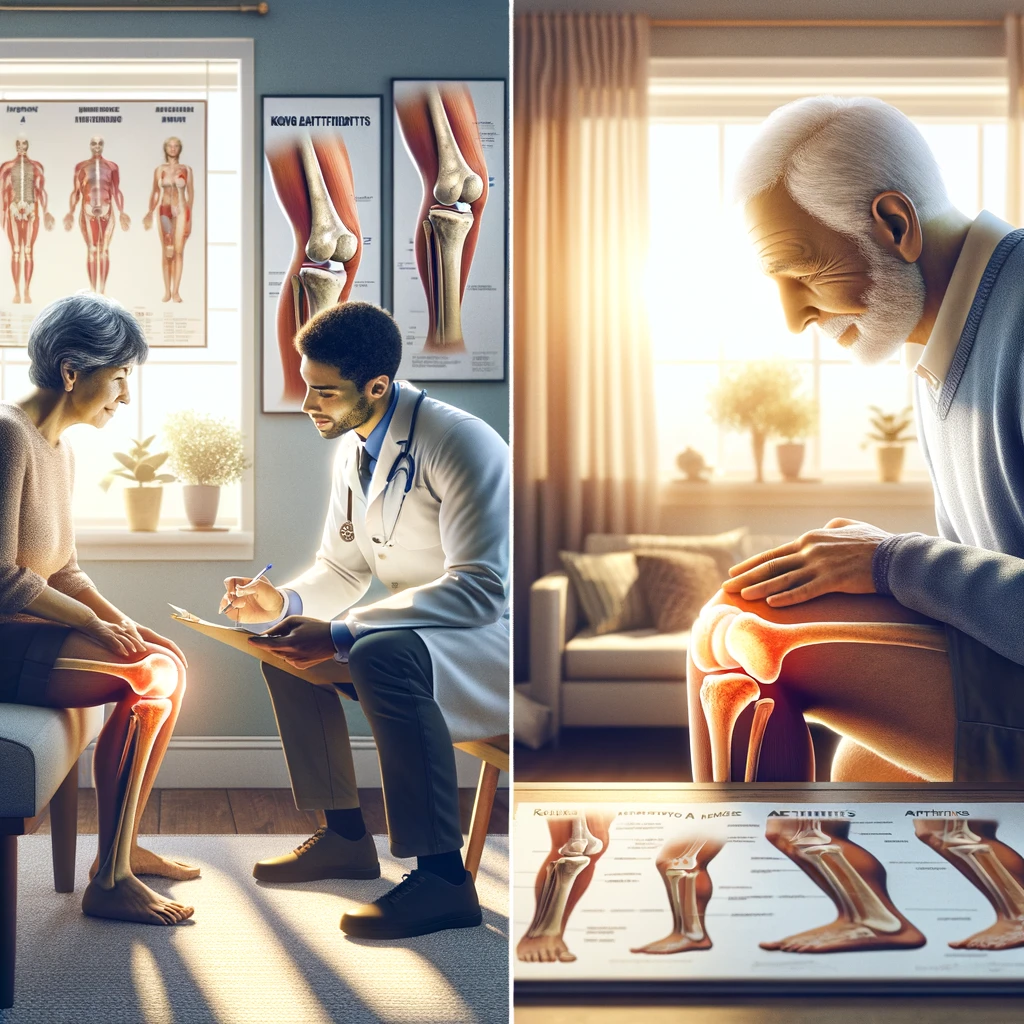
Arthritis is a common condition that affects millions of people worldwide. Specifically, arthritis in knees is a condition that occurs when the cartilage, which is a smooth substance that covers the ends of bones, is lost. This can lead to bone spurs and damage to the soft tissues in the joint.
Causes and Risk Factors
Arthritis in knees can be caused by a variety of factors, including age, injury, obesity, stress, and an overactive immune system. As we age, the cartilage in our joints naturally wears down, which can lead to arthritis. Additionally, injuries to the knee joint, such as a torn meniscus or ligament, can increase the risk of developing knee arthritis. Obesity can also put extra stress on the knee joint, which can lead to inflammation and damage to the cartilage. Finally, an overactive immune system can cause inflammation in the joint, which can lead to cartilage loss over time.
Diagnosis of Knee Arthritis
Diagnosing knee arthritis typically involves a physical exam, X-rays, and possibly an MRI or blood tests. During the physical exam, a healthcare professional will check the knee joint for swelling, stiffness, and tenderness. They may also check how well you can move your knee joint. X-rays can help show the extent of cartilage loss and any bone spurs that may have formed. An MRI can also be used to visualize the soft tissues in the joint, such as the cartilage and ligaments. Blood tests can help rule out other conditions that may be causing joint pain, such as rheumatoid arthritis.
If you are experiencing joint pain, stiffness, or swelling in your knee, it is important to see a healthcare professional for a proper diagnosis. Early diagnosis and treatment can help slow the progression of knee arthritis and improve your quality of life.
Treatment Options for Arthritis Knees
If you are suffering from arthritis in your knees, there are several treatment options available to help manage your symptoms. In this section, we will discuss the most common treatment options for arthritis knees.
Medications and Pain Relief
There are several types of medications that can be used to help manage the pain and inflammation associated with arthritis knees. Nonsteroidal anti-inflammatory drugs (NSAIDs) like ibuprofen and naproxen can help reduce inflammation and relieve pain. Acetaminophen can also be used to relieve pain, but it does not reduce inflammation.
Corticosteroids can be injected directly into the knee joint to help reduce inflammation and relieve pain. Hyaluronic acid injections can also be used to help lubricate the joint and reduce pain.
Therapies and Exercises
Physical therapy and exercise can help improve flexibility and mobility in the knee joint. Strengthening the muscles around the knee can also help provide more support and stability to the joint. Swimming, yoga, and water aerobics are low-impact exercises that can be especially helpful for people with arthritis knees.
Surgical Treatments
If other treatments are not effective, surgery may be an option. Knee replacement surgery involves replacing the damaged joint with an artificial one. Osteotomy involves cutting and reshaping the bones around the knee joint to relieve pressure. Arthroscopy involves using a small camera to view and repair damage inside the joint.
Lifestyle and Home Remedies
In addition to medical treatments, there are several lifestyle changes and home remedies that can help manage arthritis knee symptoms. Losing weight can help reduce pressure on the knee joint. Rest, ice, and heat can also help reduce pain and inflammation. Braces and assistive devices can provide additional support to the knee joint.
Alternative Treatments
Some people may find relief from alternative treatments like acupuncture, glucosamine, chondroitin, or capsaicin. However, the effectiveness of these treatments is not well established and they may have side effects.
In conclusion, there are several treatment options available for arthritis knees. We recommend consulting with a healthcare professional to determine the best course of treatment for your individual needs.
Frequently Asked Questions
What exercises are recommended to alleviate knee arthritis symptoms?
Exercise is an essential part of managing knee arthritis. Low-impact exercises such as walking, cycling, and swimming can help reduce pain and stiffness. Strengthening exercises can also help support the knee joint and improve mobility. We recommend consulting with a physical therapist to develop an exercise plan that is tailored to your specific needs.
What non-surgical remedies are available for bone-on-bone knee pain?
While bone-on-bone knee pain is a severe form of knee arthritis, several non-surgical remedies can help alleviate symptoms. These include weight loss, physical therapy, and the use of assistive devices such as braces or shoe inserts. In some cases, corticosteroid injections can also help reduce inflammation and pain.
How can one manage daily life with osteoarthritis of the knee?
Managing daily life with osteoarthritis of the knee involves making lifestyle changes to reduce pain and improve mobility. This includes maintaining a healthy weight, engaging in regular exercise, and avoiding activities that aggravate knee pain. Assistive devices such as canes or walkers can also help reduce stress on the knee joint.
Is it common for arthritis knee pain to extend to other areas of the leg?
Arthritis knee pain can sometimes radiate to other areas of the leg, such as the hips or ankles. This is because the knee joint is connected to other joints and muscles in the leg. However, if you experience severe or sudden pain in other areas of the leg, it is essential to consult with a healthcare provider to rule out other underlying conditions.
What are the latest advancements in non-surgical knee treatments as of 2023?
As of 2023, several non-surgical knee treatments have shown promise in treating knee arthritis. These include regenerative therapies such as platelet-rich plasma (PRP) and stem cell injections. These therapies aim to promote the body’s natural healing processes and may help reduce inflammation and pain in the knee joint.
Are there effective treatments for knee arthritis that can prevent the need for knee replacement?
While knee replacement surgery is often the last resort for severe knee arthritis, several effective treatments can help prevent the need for surgery. These include weight loss, physical therapy, and the use of assistive devices such as braces or shoe inserts. In some cases, corticosteroid injections or regenerative therapies such as PRP or stem cell injections can also help reduce pain and inflammation in the knee joint.
As we age, our joints may begin to wear down, leading to pain and discomfort, especially in the knees. For many people, knee replacement surgery may seem like the only option to alleviate this pain. However, the surgery is invasive and involves a long recovery period. Fortunately, there are preventative strategies and medical interventions that can help avoid the need for knee replacement surgery.
One of the most effective ways to avoid knee replacement surgery is by taking preventative measures for knee health. This includes maintaining a healthy weight, staying active with low-impact exercises, and avoiding high-impact activities that can put stress on the knees. Additionally, incorporating strength training exercises to build the muscles around the knees can help provide support and prevent injury.
If knee pain does occur, there are medical interventions and therapies that can help alleviate the pain and avoid surgery. These include physical therapy, injections, and medication. Physical therapy can help strengthen the muscles around the knee, while injections such as hyaluronic acid can provide lubrication and reduce inflammation. Medications such as nonsteroidal anti-inflammatory drugs (NSAIDs) can also help manage pain and inflammation. By combining preventative strategies and medical interventions, knee replacement surgery can often be avoided.
Key Takeaways
Maintaining a healthy weight, staying active with low-impact exercises, and avoiding high-impact activities can help prevent knee pain and the need for surgery.
Physical therapy, injections, and medication can help alleviate knee pain and inflammation and avoid surgery.
By combining preventative strategies and medical interventions, knee replacement surgery can often be avoided.
Preventative Strategies for Knee Health
At some point in our lives, many of us will experience knee pain or discomfort. While knee replacement surgery may seem like the only solution, there are preventative strategies that we can implement to maintain knee health and avoid surgery altogether.
Exercise and Muscle Strengthening
Regular exercise and muscle strengthening can help us avoid knee replacement surgery. According to a study by Harvard Health, strengthening the muscles around the knee joint, such as the quadriceps and hamstrings, can help alleviate knee pain caused by osteoarthritis. Additionally, exercises that improve balance and flexibility, such as yoga and tai chi, can help reduce the risk of falls and injuries.
Weight Management and Nutrition
Maintaining a healthy weight through proper nutrition and exercise can also help prevent knee replacement surgery. According to Patient.info, losing weight can reduce the load on the knee joint, which can alleviate pain caused by knee osteoarthritis. Additionally, certain dietary supplements such as glucosamine and chondroitin may help reduce knee pain and improve joint function.
Joint Care and Activity Modification
Taking care of our knee joints and modifying our activities can also help prevent knee replacement surgery. Low-impact activities such as cycling and swimming can help maintain knee health without putting too much stress on the joint. High-impact activities such as running and jumping should be avoided or modified to reduce the risk of knee injury. Additionally, avoiding activities that require repetitive knee bending, such as kneeling or squatting, can help prevent knee pain and discomfort.
By implementing these preventative strategies for knee health, we can maintain strong, healthy knees and avoid the need for knee replacement surgery.
Medical Interventions and Therapies
When it comes to knee pain, surgery is not always the first option. In fact, there are several non-surgical treatment options that we can try before considering surgery. Here are some of the most common non-surgical treatment options:
Non-Surgical Treatment Options
Physical Therapy: Physical therapy is one of the most effective ways to manage knee pain and avoid surgery. A physical therapist can help us improve our range of motion, mobility, and knee function. They can also teach us exercises to strengthen the muscles around our knee, which can help reduce pain and inflammation.
Injections: There are several types of injections that we can get to manage knee pain. Corticosteroid injections can help reduce inflammation and pain. Hyaluronic acid injections can help lubricate the knee joint and improve mobility. Platelet-rich plasma (PRP) injections can help stimulate the body’s natural healing process.
Pain Medication: Pain medication can help manage knee pain, but it should only be used as a short-term solution. Over-the-counter pain medication like acetaminophen and ibuprofen can help reduce pain and inflammation. However, prescription pain medication should only be used under the guidance of a doctor.
Braces: Knee braces can help support the knee and reduce pain. There are several types of knee braces, including unloader braces, which can help shift weight away from the affected part of the knee.
Understanding Surgical Risks and Alternatives
If non-surgical treatment options do not work, surgery may be necessary. However, it is important to understand the risks and alternatives before undergoing surgery.
Partial Knee Replacement: If only one part of the knee is damaged, a partial knee replacement may be an option. This type of surgery is less invasive than a total knee replacement and has a shorter recovery time.
Surgical Techniques: There are several surgical techniques that can be used to perform knee replacement surgery. These include traditional surgery, minimally invasive surgery, and computer-assisted surgery. Each technique has its own advantages and disadvantages, and we should discuss these options with our doctor.
Complications: Like any surgery, knee replacement surgery can have complications. These include infection, blood clots, and nerve damage. It is important to discuss these risks with our doctor before undergoing surgery.
In conclusion, there are several non-surgical treatment options that we can try before considering knee replacement surgery. If surgery is necessary, it is important to understand the risks and alternatives before undergoing the procedure. Our doctor can help us make the best decision for our individual situation.
Frequently Asked Questions
What are the most effective non-surgical treatments for knee cartilage issues?
If you are experiencing knee pain due to cartilage issues, there are several non-surgical treatments available that can help alleviate your symptoms. These include physical therapy, weight loss, injections, and medication. Physical therapy can help improve your knee’s range of motion, strength, and flexibility. Weight loss can reduce the pressure on your knees and decrease pain. Injections such as corticosteroids or hyaluronic acid can help reduce inflammation and pain. Medications such as nonsteroidal anti-inflammatory drugs (NSAIDs) can also help relieve pain and inflammation.
What are the primary reasons one should consider alternatives to knee replacement surgery?
While knee replacement surgery can be a highly effective treatment for severe knee pain, it is not always the best option for everyone. Some of the primary reasons to consider alternatives to knee replacement surgery include the desire to avoid surgery and its associated risks, concerns about the long-term durability of the implant, and the desire to maintain an active lifestyle. Additionally, some patients may not be good candidates for surgery due to other medical conditions or age-related factors.
What are the disadvantages associated with undergoing knee replacement surgery?
While knee replacement surgery can be a highly effective treatment for severe knee pain, it is not without its risks and disadvantages. Some of the disadvantages associated with knee replacement surgery include the risk of infection, blood clots, and nerve damage. Additionally, the implant may wear out over time, requiring additional surgery to replace it. Recovery from knee replacement surgery can also be lengthy and require extensive rehabilitation.
What non-surgical options are available for severe bone-on-bone knee conditions?
If you are experiencing severe bone-on-bone knee pain, there are several non-surgical options available that can help alleviate your symptoms. These include physical therapy, weight loss, injections, and medication. Physical therapy can help improve your knee’s range of motion, strength, and flexibility. Weight loss can reduce the pressure on your knees and decrease pain. Injections such as corticosteroids or hyaluronic acid can help reduce inflammation and pain. Medications such as nonsteroidal anti-inflammatory drugs (NSAIDs) can also help relieve pain and inflammation.
How can elderly patients manage knee problems without resorting to knee replacement?
Elderly patients with knee problems can manage their symptoms without resorting to knee replacement surgery. Some of the non-surgical options available include physical therapy, weight loss, injections, and medication. Physical therapy can help improve your knee’s range of motion, strength, and flexibility. Weight loss can reduce the pressure on your knees and decrease pain. Injections such as corticosteroids or hyaluronic acid can help reduce inflammation and pain. Medications such as nonsteroidal anti-inflammatory drugs (NSAIDs) can also help relieve pain and inflammation.
At what point does knee deterioration typically necessitate considering knee replacement, and can it be delayed?
The point at which knee deterioration necessitates considering knee replacement surgery can vary depending on the individual. In general, knee replacement surgery is considered when other non-surgical treatments have failed to provide relief from pain and other symptoms. However, the decision to undergo knee replacement surgery should be made in consultation with your doctor, who can help determine the best course of treatment based on your individual needs and medical history. In some cases, knee replacement surgery can be delayed through the use of non-surgical treatments such as physical therapy, weight loss, injections, and medication.