Blog

  • Baker’s Cyst Rupture Home Care: A Comprehensive Guide

    Baker’s Cyst Rupture Home Care: A Comprehensive Guide

    Are you experiencing sudden pain and swelling behind your knee? Could it be due to a ruptured Baker’s cyst? A Baker’s cyst can cause significant discomfort and limit mobility. Understanding how to manage its rupture at home is crucial for relief and recovery.

    A Baker’s cyst is a fluid-filled swelling that causes a bulge and a feeling of tightness behind your knee. It might be related to an underlying condition such as arthritis, as noted on WebMD. Effective home care can help alleviate the symptoms.

    Key Takeaways

    • Rest and elevate your leg to reduce swelling.
    • Apply a cold pack to ease pain and inflammation.
    • Use compression wraps to help reduce swelling.
    • Over-the-counter medication can help manage pain.
    • Avoid activities that may have caused the cyst.

    Understanding Baker’s Cyst and Its Rupture

    Behind the knee, a Baker’s cyst can develop, leading to pain and swelling due to the accumulation of synovial fluid. This condition is characterized by a fluid-filled lump and can significantly impact one’s quality of life if not properly managed.

    What Is a Baker’s Cyst?

    A Baker’s cyst is essentially a fluid-filled lump that forms behind the knee due to the overproduction of synovial fluid, which is the fluid that lubricates the knee joint. This overproduction can be a result of various factors, including knee injuries or conditions like arthritis.

    Common Symptoms of Baker’s Cyst

    The symptoms of a Baker’s cyst can vary but commonly include pain and swelling behind the knee, stiffness, and limited mobility of the knee joint. In some cases, the cyst may not cause any symptoms at all.

    Causes of Baker’s Cyst Rupture

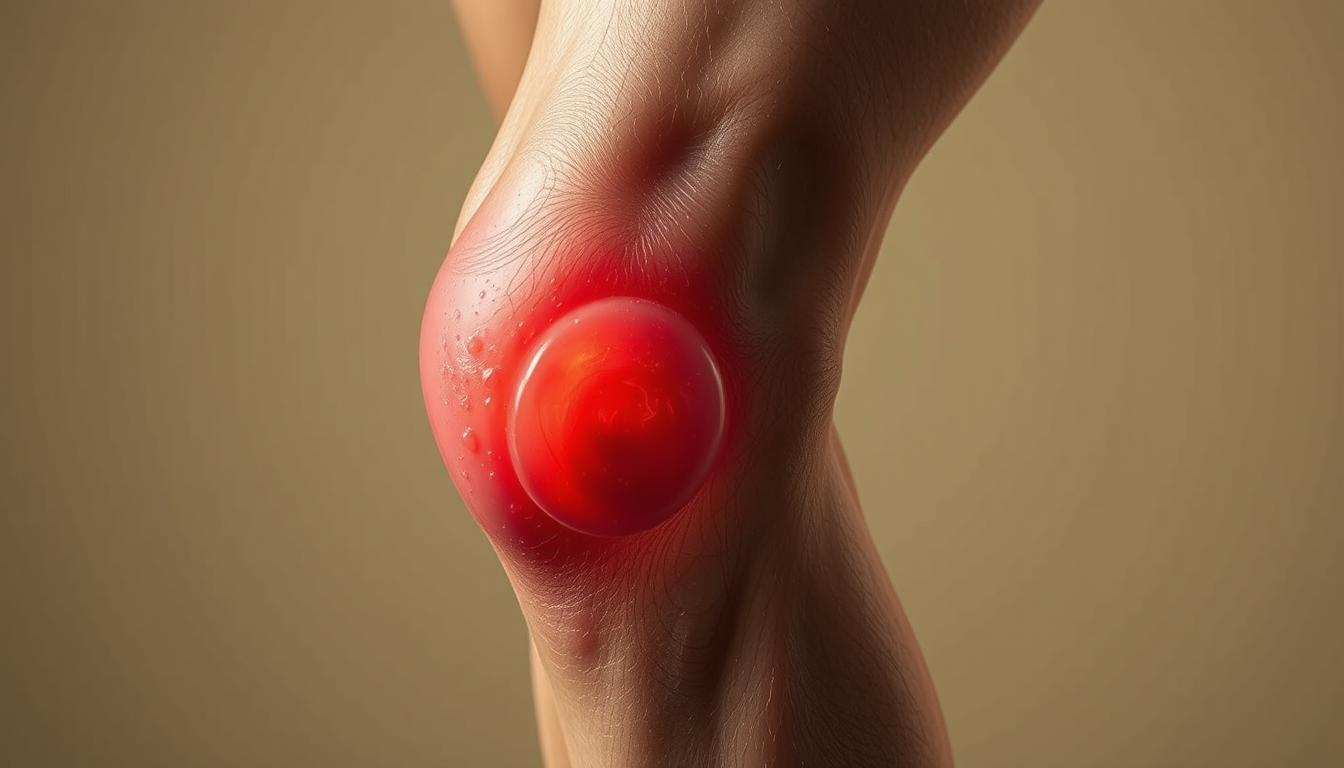
    A Baker’s cyst can rupture, leading to sharp knee pain and swelling in the calf. The rupture is often caused by the cyst becoming too full of fluid, leading to increased pressure until it bursts.

    Symptom/Complication Description Potential Outcome
    Pain and Swelling Pain and swelling behind the knee due to fluid accumulation. Limited mobility and discomfort.
    Cyst Rupture The cyst bursts, releasing fluid into the leg. Sharp pain, swelling in the calf, and potential for further complications.
    Stiffness and Limited Mobility Reduced ability to move the knee joint freely. Impact on daily activities and quality of life.

    By understanding the causes, symptoms, and potential complications of a Baker’s cyst, individuals can better manage their condition and seek appropriate medical care when necessary.

    Immediate Steps After a Rupture

    Understanding the immediate steps to take after a Baker’s cyst ruptures can significantly impact the recovery process. A ruptured Baker’s cyst can cause sudden and severe symptoms, which may be alarming and require prompt action.

    Recognizing Signs of Rupture

    A ruptured Baker’s cyst can manifest through several distinct symptoms. These may include a sudden, sharp pain in the knee or calf area, swelling, and bruising. It’s crucial to recognize these signs to differentiate a ruptured Baker’s cyst from other conditions, such as a blood clot, which may require different treatments.

    The pain from a ruptured Baker’s cyst can sometimes be confused with other serious conditions. Therefore, understanding the specific characteristics of the pain and associated symptoms is vital for appropriate self-care.
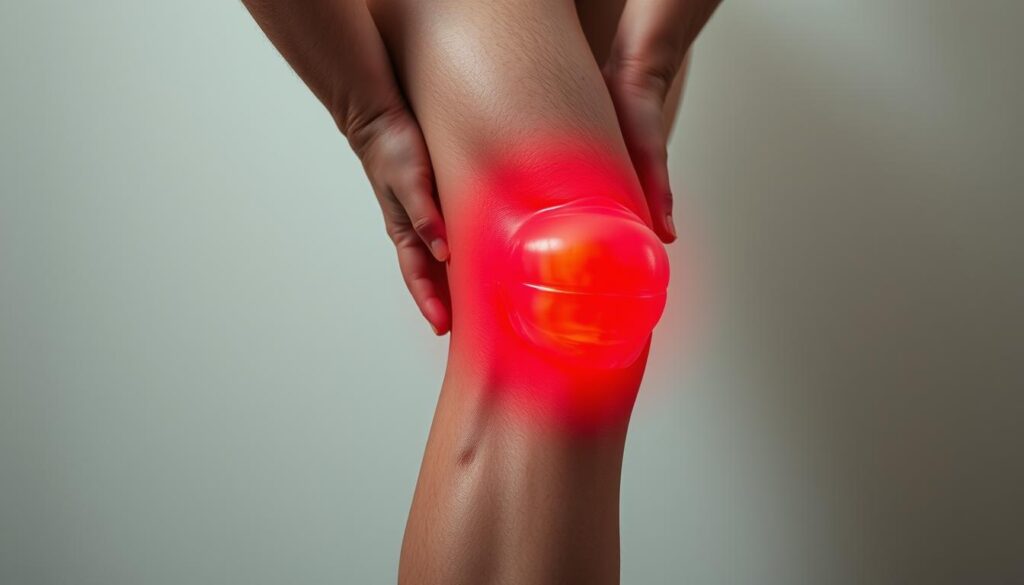
    Baker's cyst rupture symptoms

    Initial Home Treatments to Consider

    Upon suspecting a Baker’s cyst rupture, several initial home treatments can be considered to alleviate symptoms. Rest is crucial, as it allows the affected area to begin the healing process. Applying ice to the affected area can help reduce pain and swelling.

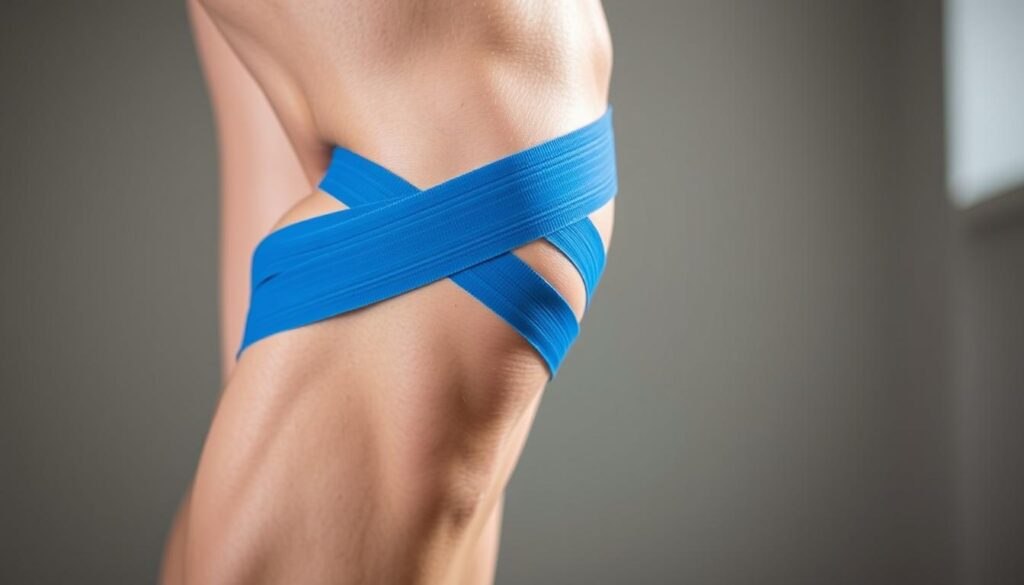
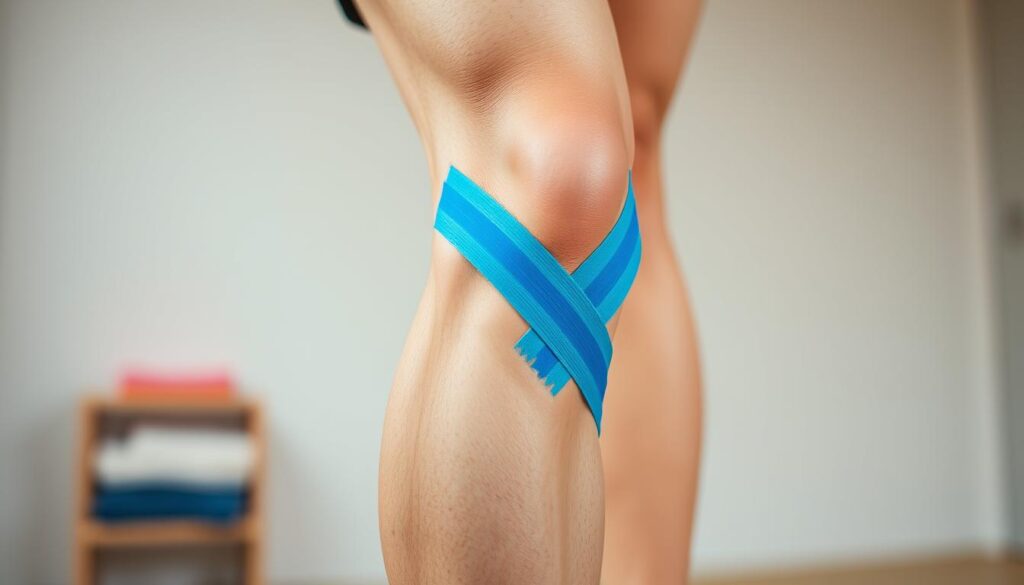
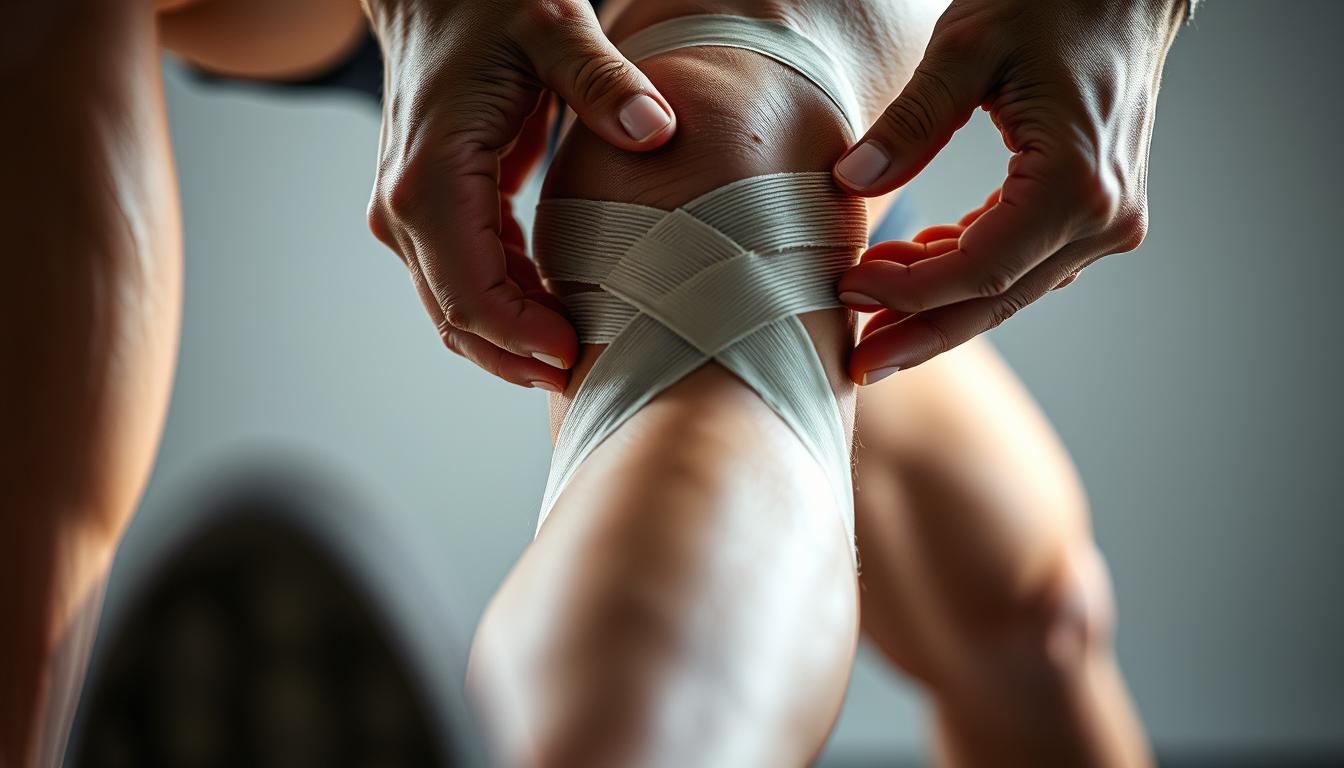
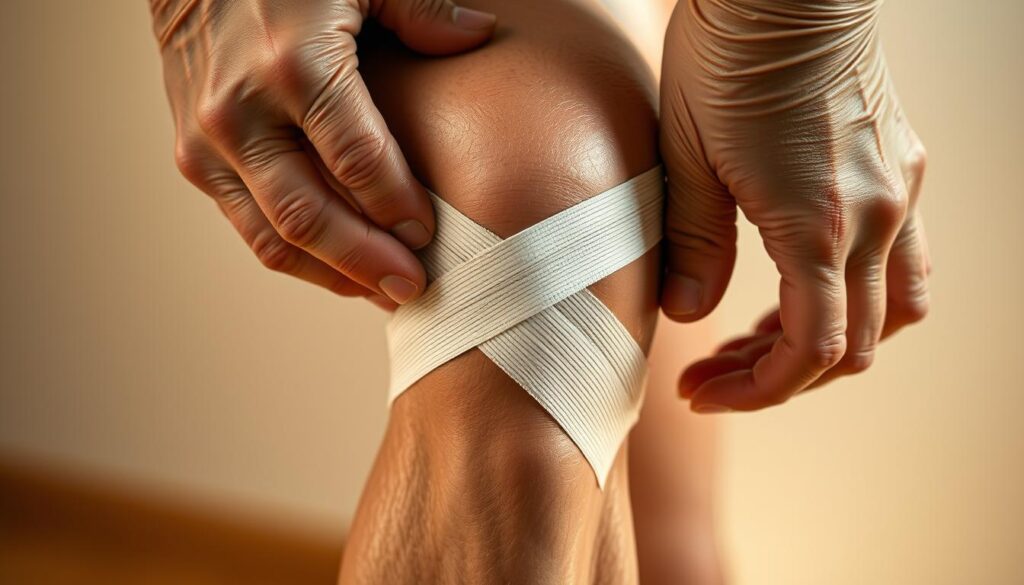
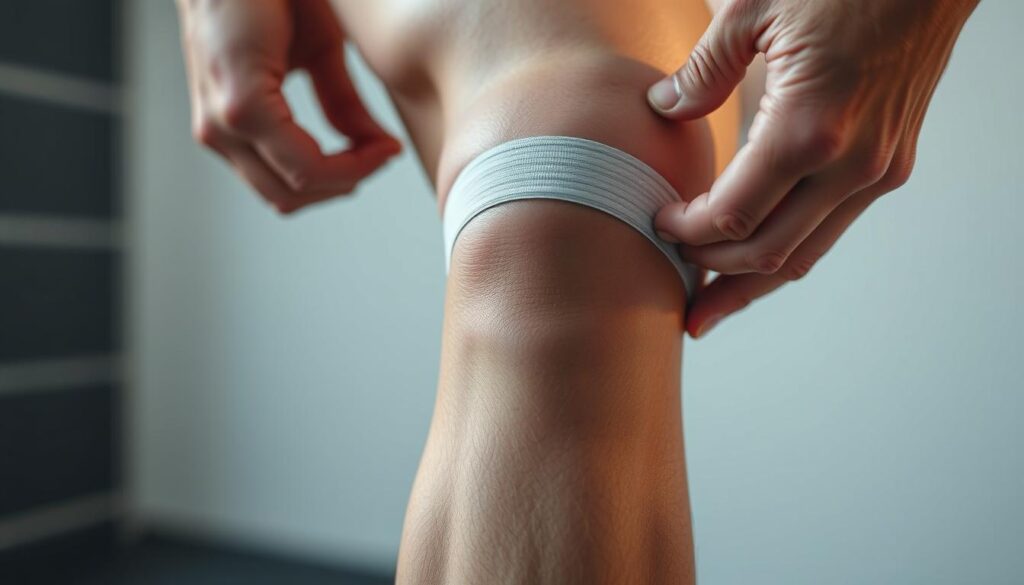
    Compression is another effective method. Using a compression bandage can help reduce swelling by constricting the affected area. It’s essential to balance compression with comfort to avoid cutting off circulation.

    • Rest the affected leg to prevent further irritation.
    • Apply ice to reduce pain and swelling.
    • Use compression to minimize swelling.

    These initial steps are critical in managing the immediate symptoms of a Baker’s cyst rupture and can be part of an effective self-care for Baker’s cyst rupture strategy.

    Pain Management Strategies

    Effective pain management strategies are essential for comfort and recovery following a Baker’s cyst rupture. Managing pain is not just about alleviating discomfort; it’s also crucial for regaining mobility and improving the overall quality of life during the recovery period.

    Over-the-Counter Pain Relievers

    Over-the-counter (OTC) pain relievers are often the first line of defense against pain caused by a Baker’s cyst rupture. Nonsteroidal anti-inflammatory drugs (NSAIDs) like ibuprofen and naproxen are commonly used to reduce inflammation and alleviate pain. It’s essential to follow the recommended dosage and consult with a healthcare provider before taking any medication, especially if you have a history of stomach ulcers or other health conditions.

    “The use of NSAIDs can significantly reduce the pain associated with a Baker’s cyst rupture,” says Dr. John Smith, an orthopedic specialist. “However, it’s crucial to use them judically and under the guidance of a healthcare professional.”

    Alternative Pain Management Techniques

    For those who prefer not to rely solely on medication or are looking for additional relief, alternative pain management techniques can be beneficial. Chiropractic care, for instance, can help improve joint mobility and reduce pain through spinal manipulation and other manual therapies. Acupuncture is another alternative method that has been shown to provide relief for some individuals by stimulating healing and reducing pain through the insertion of fine needles into specific points on the body.

    It’s also worth considering physical therapy as part of a comprehensive pain management plan. A physical therapist can provide exercises tailored to improve knee function and strength, thereby reducing pain and enhancing recovery.

    • Apply ice to reduce inflammation
    • Use compression bandages to support the knee
    • Elevate the affected leg to minimize swelling

    By combining these strategies, individuals can develop a robust pain management plan that addresses their specific needs and promotes a smoother recovery.

    Rest and Activity Modifications

    Recovery from a Baker’s cyst rupture requires a delicate balance between rest and gradual activity resumption. This balance is crucial for healing and preventing further injury.

    Importance of Resting

    Resting the affected knee is vital after a Baker’s cyst rupture. Adequate rest allows the body to heal the cyst and reduces the risk of further inflammation. “Rest is fundamental to the recovery process,” as it enables the body to repair damaged tissues.

    Avoid activities that exacerbate the condition, such as heavy lifting, bending, or strenuous exercises. Instead, focus on gentle movements that promote blood flow without putting excessive strain on the knee.

    Baker's cyst rupture recovery rest

    When to Gradually Resume Activities

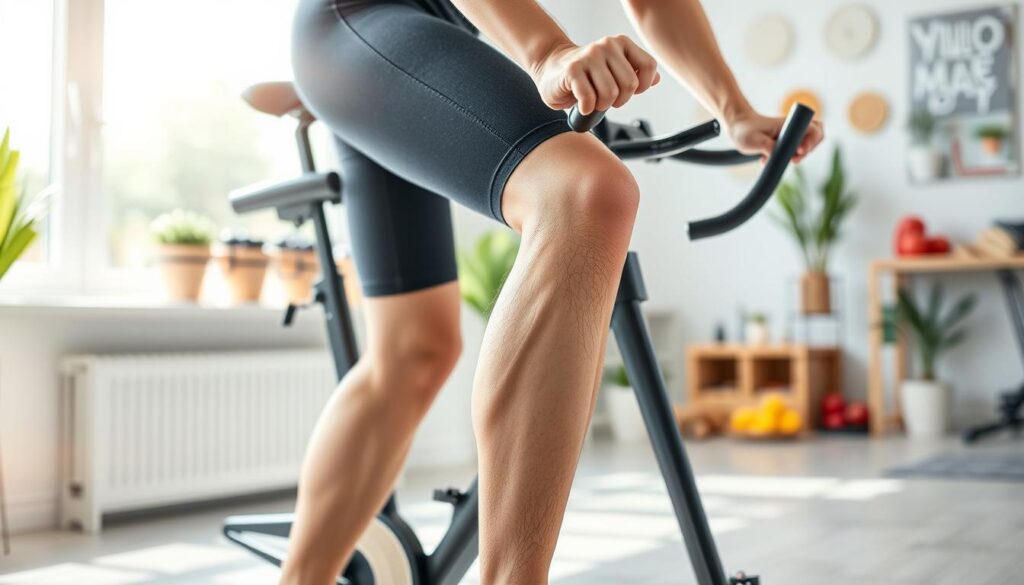
    As the pain subsides and mobility improves, it’s essential to gradually introduce activities to regain strength and flexibility. Start with low-impact exercises like cycling or swimming, which are easier on the knee joint.

    It’s crucial to listen to your body and not rush the recovery process.

    “Patience is key when recovering from a Baker’s cyst rupture, as premature return to strenuous activities can lead to re-injury.”

    Gradually increasing activity levels helps in achieving a full recovery.

    • Monitor your body’s response to increased activity.
    • Adjust your activities based on pain levels.
    • Consult a healthcare professional if you experience increased pain or discomfort.

    Ice Therapy for Reduced Inflammation

    Reducing inflammation is key to caring for a Baker’s cyst rupture at home, and applying ice is a recommended self-care technique. Ice therapy, also known as cryotherapy, is a simple and effective method for minimizing swelling and alleviating pain.

    Benefits of Applying Ice

    Applying ice to the affected area has several benefits. It helps in reducing inflammation by constricting blood vessels, numbs the pain, and decreases the metabolic rate, thereby limiting the extent of the injury. Regular application of ice can significantly improve the recovery process.

    How to Properly Apply Ice

    To apply ice therapy effectively, it’s essential to follow the correct procedure. Wrap ice packs or a bag of frozen peas in a towel to avoid direct contact with the skin, which can cause ice burn. Apply the ice pack to the affected area for 15-20 minutes, with a minimum of 30 minutes between applications. This cycle can be repeated several times a day as needed.

    For more detailed information on managing a ruptured Baker’s cyst, you can visit Healthline’s guide on ruptured Baker’s cyst, which provides comprehensive insights into the condition and its management.

    Application Method Duration Frequency
    Ice pack wrapped in a towel 15-20 minutes Every 2-3 hours
    Frozen peas bag wrapped in a towel 15-20 minutes Every 2-3 hours

    Compression Techniques

    After a Baker’s cyst ruptures, employing the right compression methods can significantly aid in the healing process. Compression helps reduce swelling by restricting the flow of fluid into the affected area, thereby alleviating pain and discomfort.
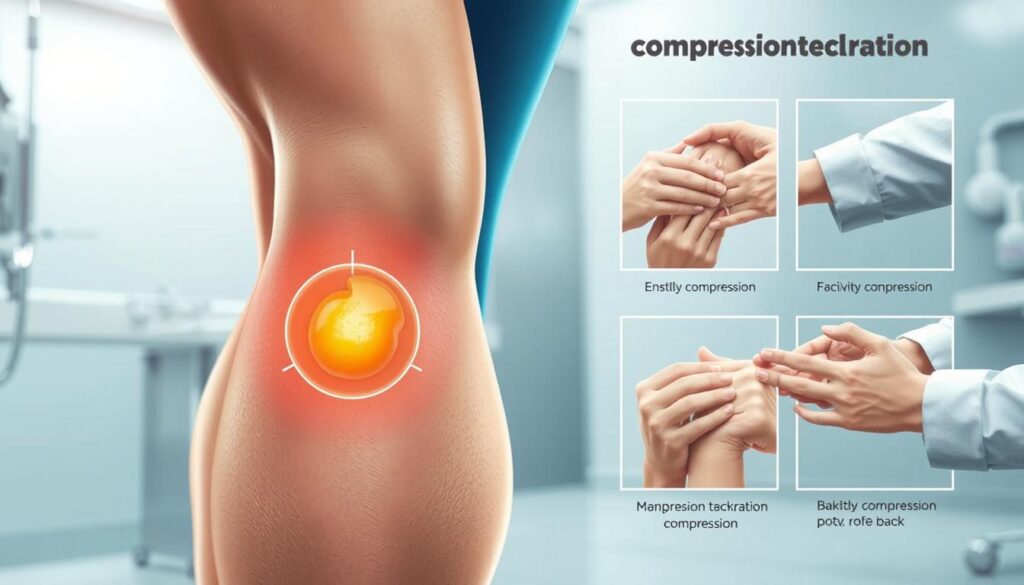
    Baker's cyst compression techniques

    There are several ways to apply compression, with the most common methods involving the use of compression bandages and garments. These tools are invaluable for managing swelling and supporting the knee during the recovery period.

    Use of Compression Bandages

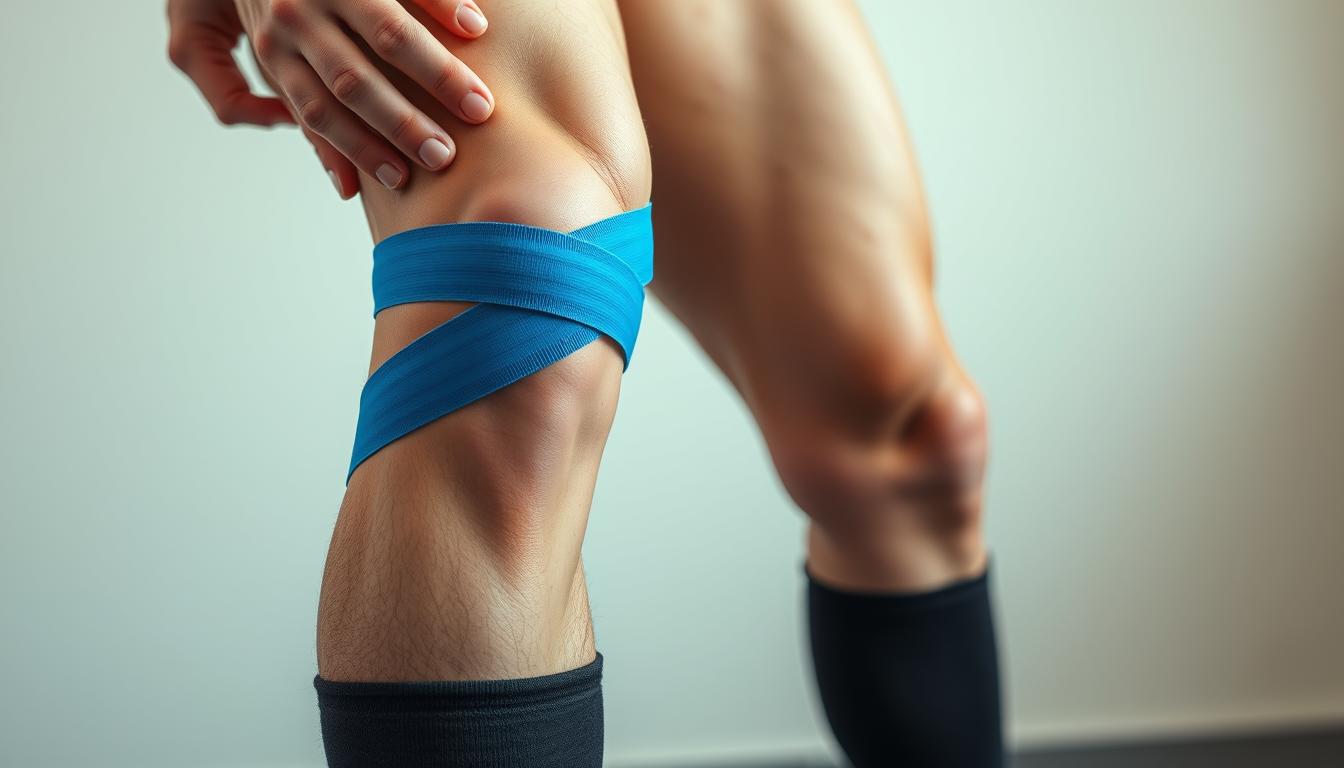
    Compression bandages are a straightforward and effective way to apply pressure to the affected area. They come in various widths and can be adjusted to fit comfortably around the knee. When using compression bandages, it’s essential to ensure they are not too tight, as this can impede circulation. A good rule of thumb is to check that the bandage is snug but still allows for normal blood flow.

    Benefits of using compression bandages include:

    • Easy to apply and adjust
    • Reusable, making them a cost-effective option
    • Available in different sizes to accommodate various knee dimensions

    Benefits of Compression Garments

    Compression garments are another effective option for managing swelling after a Baker’s cyst rupture. These garments are designed to provide graduated compression, meaning they are tighter at the extremities and looser as they move up the limb. This design helps push fluid upwards, towards the heart, reducing swelling and promoting circulation.

    Key advantages of compression garments include:

    • They provide consistent compression, which can be more reliable than bandages
    • Available in a range of styles and sizes to suit different needs and preferences
    • Can be worn discreetly under clothing, making them a convenient option for daily wear

    Both compression bandages and garments are valuable tools in the management of a Baker’s cyst rupture. By applying gentle, consistent pressure, they help reduce swelling, alleviate pain, and support the knee during the healing process.

    Elevation and Its Importance

    One of the simplest yet most effective ways to alleviate symptoms of a ruptured Baker’s cyst is by elevating the affected leg. Elevating the leg helps reduce swelling by improving blood flow and reducing fluid accumulation in the affected area.

    Proper Techniques for Elevating the Leg

    To properly elevate your leg, you should place it on a pillow or cushion so that it is above the level of your heart. This can be done while lying down or sitting comfortably. It’s essential to ensure that your leg is supported and relaxed to maximize the benefits of elevation.

    For optimal results, elevate your leg above the level of your heart for at least 15-20 minutes, several times a day. This can be particularly helpful after activities that exacerbate the condition or in the initial stages following a rupture.

    The Impact of Elevation on Swelling

    Elevation affects swelling by reducing fluid accumulation and improving circulation. When the leg is elevated, gravity helps reduce blood flow to the affected area, thereby decreasing inflammation and swelling. This simple technique is a valuable component of managing a ruptured Baker’s cyst.

    Technique Benefits Frequency
    Elevating the leg above heart level Reduces swelling, improves circulation Several times a day, 15-20 minutes
    Using pillows or cushions for support Enhances comfort, ensures proper elevation As needed during rest or relaxation

    For more information on managing knee-related issues, you can visit https://kneehurt.com/knee-hurts-going-up-stairs-not-down/ to understand how certain activities affect knee health.

    When to Seek Professional Help

    Effective Baker’s cyst rupture home care involves not just self-care but also being aware of the signs that indicate the need for professional medical help. While many cases can be managed at home, certain symptoms and complications necessitate medical evaluation.

    It’s crucial to monitor your condition closely and be aware of the signs that indicate a need for medical attention. These signs include:

    • Increased pain or swelling that doesn’t improve with home care
    • Redness or warmth around the affected area, which could indicate infection
    • Significant bruising or discoloration
    • Difficulty walking or bearing weight on the affected leg
    • Fever or chills, which could be signs of an underlying infection

    Signs Indicating a Need for Medical Attention

    If you experience any of the above symptoms, it’s essential to seek medical help. A healthcare provider can assess the severity of the rupture and provide appropriate treatment.

    Possible Treatment Options from Healthcare Providers

    Healthcare providers may offer various treatment options depending on the severity of the Baker’s cyst rupture. These can include:

    • Drainage of the cyst to relieve pressure and pain
    • Physical therapy to improve knee mobility and strength
    • Medications such as corticosteroids to reduce inflammation
    • Surgical intervention in some cases to address underlying issues or repair damaged tissues

    Understanding these treatment options can help you prepare for a consultation with your healthcare provider and make informed decisions about your care.

    Lifestyle Changes to Prevent Recurrence

    Making informed lifestyle choices is vital for reducing the risk of Baker’s cyst recurrence and enhancing recovery. After experiencing a Baker’s cyst rupture, it’s crucial to adopt habits that promote knee health and overall well-being.

    One of the key lifestyle adjustments involves incorporating exercises that strengthen the muscles around the knee. Strengthening these muscles can help provide better support to the knee joint, reducing the likelihood of another cyst forming.

    Exercises to Strengthen Knee Muscles

    Engaging in regular exercise can significantly improve knee stability and function. Some beneficial exercises include:

    • Straight Leg Raises: This exercise helps strengthen the quadriceps muscles without putting excessive strain on the knee joint.
    • Hamstring Curls: Strengthening the hamstrings can help balance the muscle forces around the knee, reducing the risk of cyst recurrence.
    • Wall Squats: This exercise is effective for strengthening the quadriceps, hamstrings, and gluteal muscles, all of which are crucial for knee stability.

    In addition to exercises, dietary recommendations play a vital role in maintaining joint health and preventing Baker’s cyst recurrence.

    Dietary Recommendations for Joint Health

    A diet rich in anti-inflammatory foods and nutrients can help reduce inflammation and promote healing. Some dietary recommendations include:

    Nutrient Food Sources Benefits
    Omega-3 Fatty Acids Fatty fish, flaxseeds, chia seeds Reduces inflammation
    Antioxidants Berries, leafy greens, other fruits and vegetables Protects against oxidative stress
    Vitamin D Fortified dairy products, fatty fish, sunlight exposure Essential for bone health

    By combining these exercises and dietary recommendations, individuals can significantly reduce the risk of Baker’s cyst recurrence and improve their overall knee health.

    Long-Term Home Care Tips

    After experiencing a Baker’s cyst rupture, continued monitoring of symptoms and self-care is crucial for long-term recovery and prevention of future issues. Effective home care can significantly impact the healing process and overall knee health.

    Effective Symptom Monitoring

    Regularly checking for signs of swelling, pain, or limited mobility can help identify potential issues early. Keeping a symptom journal can be a useful tool in tracking changes and patterns, allowing for timely adjustments to home care routines.

    Strategies for Ongoing Self-Care

    Implementing tips for home care after a Baker’s cyst rupture, such as maintaining a healthy weight, engaging in gentle exercises, and using home remedies for Baker’s cyst rupture like ice therapy, can support long-term knee health. Incorporating these habits into daily routines can help prevent future complications and promote overall well-being.

    FAQ

    What is a Baker’s cyst and how does it rupture?

    A Baker’s cyst is a fluid-filled swelling that causes a bulge and a feeling of tightness behind the knee. It can rupture due to various reasons such as overuse, injury, or underlying conditions like arthritis, leading to pain and swelling.

    How do I manage a ruptured Baker’s cyst at home?

    Managing a ruptured Baker’s cyst at home involves a combination of rest, ice therapy, compression, and elevation. Over-the-counter pain relievers can help alleviate pain and discomfort.

    What are the signs that indicate a Baker’s cyst has ruptured?

    Signs of a ruptured Baker’s cyst include sudden pain behind the knee, swelling, bruising, and sometimes a feeling of fluid running down the leg. If you experience these symptoms, it’s essential to take immediate action to alleviate discomfort.

    Can I use ice therapy for a ruptured Baker’s cyst?

    Yes, ice therapy is beneficial in reducing inflammation and pain associated with a ruptured Baker’s cyst. Apply ice packs wrapped in a cloth to the affected area for 15-20 minutes, several times a day.

    How can I prevent the recurrence of a Baker’s cyst?

    Preventing the recurrence of a Baker’s cyst involves making lifestyle changes such as strengthening the muscles around the knee through exercises, maintaining a healthy weight, and following dietary recommendations that support joint health.

    When should I seek medical attention for a ruptured Baker’s cyst?

    Seek medical attention if you experience severe pain, significant swelling, difficulty walking, or if the pain and swelling do not improve with home care. Healthcare providers can offer further treatment options and guidance.

    Are there any alternative pain management techniques for a ruptured Baker’s cyst?

    Yes, alternative pain management techniques include acupuncture, physical therapy, and using topical creams or gels that contain pain-relieving ingredients. These can be used alongside conventional pain relievers.

    How long does it take to recover from a ruptured Baker’s cyst?

    Recovery time varies depending on the severity of the rupture and individual health. Generally, with proper home care and rest, symptoms can improve within a few weeks, but it’s crucial to continue with self-care strategies to prevent future complications.

    Can compression bandages or garments help with a ruptured Baker’s cyst?

    Yes, compression bandages or garments can help reduce swelling by applying pressure to the affected area. They are a useful adjunct to other home care strategies like elevation and ice therapy.

    What are some long-term home care tips for managing Baker’s cyst?

    Long-term home care involves monitoring symptoms, continuing exercises to strengthen the knee, maintaining a healthy lifestyle, and being aware of the signs that may indicate a recurrence or complication, allowing for early intervention.
  • Quadriceps Tendinopathy Eccentric Loading

    Quadriceps Tendinopathy Eccentric Loading

    Are athletes destined to suffer from knee pain due to quadriceps tendon injury? Recent studies suggest that there is hope for effective management and recovery.

    Eccentric loading has emerged as a key rehabilitation strategy for treating quads tendinopathy. This approach has shown promise in reducing pain and improving function in individuals affected by this condition.

    Understanding how to effectively utilize eccentric loading is crucial for athletes and healthcare professionals seeking to address quadriceps tendinopathy.

    Key Takeaways

    • Effective management of quadriceps tendinopathy is possible with the right rehabilitation strategies.
    • Eccentric loading is a key approach in treating quads tendinopathy.
    • Proper understanding and application of eccentric loading can significantly improve outcomes.
    • Athletes and healthcare professionals can benefit from learning about quads tendinopathy treatment options.
    • Reducing pain and improving function are primary goals in managing quadriceps tendon injury.

    Understanding Quadriceps Tendinopathy

    Quadriceps tendinopathy, a common issue among athletes, involves the degeneration and inflammation of the quadriceps tendon. This condition is associated with overuse and is prevalent in sports that involve running and jumping. Understanding its implications is crucial for effective management and treatment.

    What is Quadriceps Tendinopathy?

    Quadriceps tendinopathy refers to the inflammation and degeneration of the quadriceps tendon, which connects the quadriceps muscles to the kneecap. This condition can significantly impact an individual’s athletic performance and daily activities due to the pain and tenderness it causes.

    Causes of Quadriceps Tendinopathy

    The primary cause of quadriceps tendinopathy is repetitive strain on the quadriceps tendon, often resulting from overuse in sports or activities that involve frequent jumping and running. Poor training practices, inadequate warm-up routines, and insufficient recovery time can also contribute to the development of this condition.

    Symptoms to Watch For

    Individuals with quadriceps tendinopathy typically experience pain and tenderness in the knee area, particularly just above the kneecap. The pain can be exacerbated by activities that strain the quadriceps tendon, such as squatting, jumping, or climbing stairs. Early recognition of these symptoms is crucial for timely intervention and effective quads tendinopathy treatment.

    The Role of Eccentric Loading

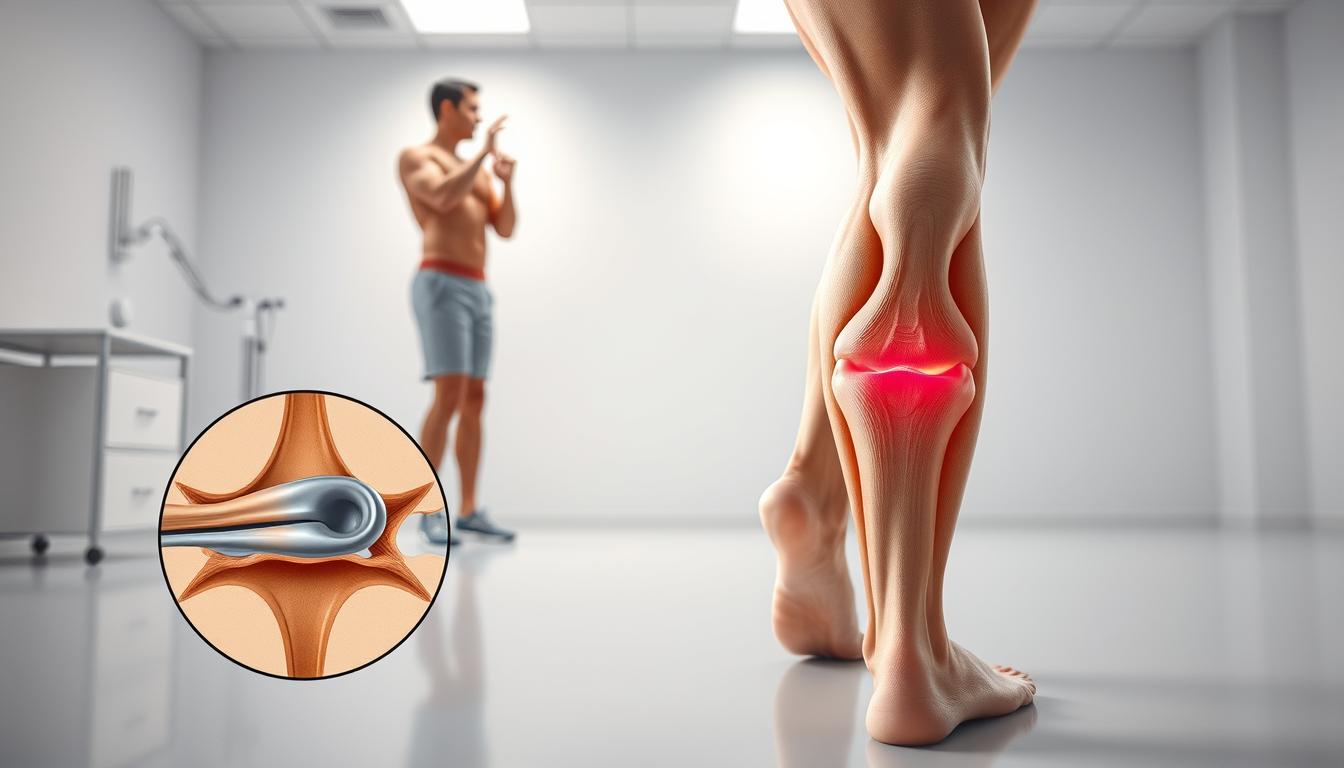
    Eccentric loading has emerged as a pivotal rehabilitation technique for addressing quadriceps tendinopathy. This method involves the lengthening of muscles under load, which is particularly beneficial for tendon rehabilitation.

    eccentric loading protocol for quadriceps tendinopathy

    Eccentric loading is characterized by the slow and controlled lengthening of the muscle-tendon unit. This technique is crucial for promoting tendon healing and strength, as supported by various studies, including those found on PubMed Central.

    What is Eccentric Loading?

    Eccentric loading refers to the process where the quadriceps muscle is subjected to a controlled lengthening under load. This is typically achieved through exercises that involve the slow lowering of the body or a weight, thereby engaging the quadriceps eccentrically.

    The eccentric contractions for quad tendinopathy are particularly beneficial as they help in promoting collagen synthesis and improving tendon strength. This is a critical aspect of rehabilitation, as enhanced tendon strength directly correlates with improved functional outcomes and reduced risk of re-injury.

    Benefits of Eccentric Loading in Rehabilitation

    The benefits of incorporating eccentric strength training for quads into a rehabilitation program are multifaceted. Firstly, it aids in the recovery from quadriceps tendinopathy by enhancing tendon strength and promoting healing.

    • Promotes collagen synthesis, thereby aiding in tendon repair.
    • Improves tendon strength, reducing the risk of re-injury.
    • Enhances functional outcomes by improving muscle-tendon unit function.

    By understanding and applying the principles of eccentric loading, individuals suffering from quadriceps tendinopathy can significantly benefit from a well-structured rehabilitation program. This approach not only addresses the symptoms but also targets the underlying causes, leading to a more sustainable recovery.

    Initial Treatment Strategies

    The first line of defense against quadriceps tendinopathy involves a combination of rest, ice, and pain management. These initial treatment strategies are crucial for reducing pain and inflammation, thereby facilitating the rehabilitation process.

    Rest and Ice Application

    Rest is essential in the acute phase of quadriceps tendinopathy to prevent further injury. Avoiding activities that aggravate the condition allows the tendon to begin the healing process. Ice application is another critical component, helping to reduce inflammation and pain. Applying ice for 15-20 minutes, several times a day, can significantly alleviate symptoms.

    Importance of Pain Management

    Effective pain management is vital for ensuring that patients can participate in rehabilitation exercises without undue discomfort. This can involve the use of over-the-counter pain relievers or, in some cases, more advanced pain management strategies under the guidance of a healthcare professional. Pain management is not just about alleviating symptoms; it’s about creating a foundation for successful rehabilitation.

    By focusing on rest, ice application, and pain management, individuals with quadriceps tendinopathy can effectively manage their symptoms and progress towards a more comprehensive rehabilitation program, including eccentric loading exercises.

    Eccentric Loading Exercises

    For individuals suffering from quadriceps tendinopathy, incorporating eccentric loading exercises into their rehabilitation program can be highly beneficial. Eccentric loading is a form of exercise where the muscle lengthens under load, which is particularly effective for strengthening tendons and promoting healing.

    Recommended Eccentric Exercises for Quadriceps

    Several eccentric exercises are recommended for quadriceps tendinopathy, with one of the most effective being the single-leg decline squat. This exercise specifically targets the quadriceps tendon, promoting strength and resilience.

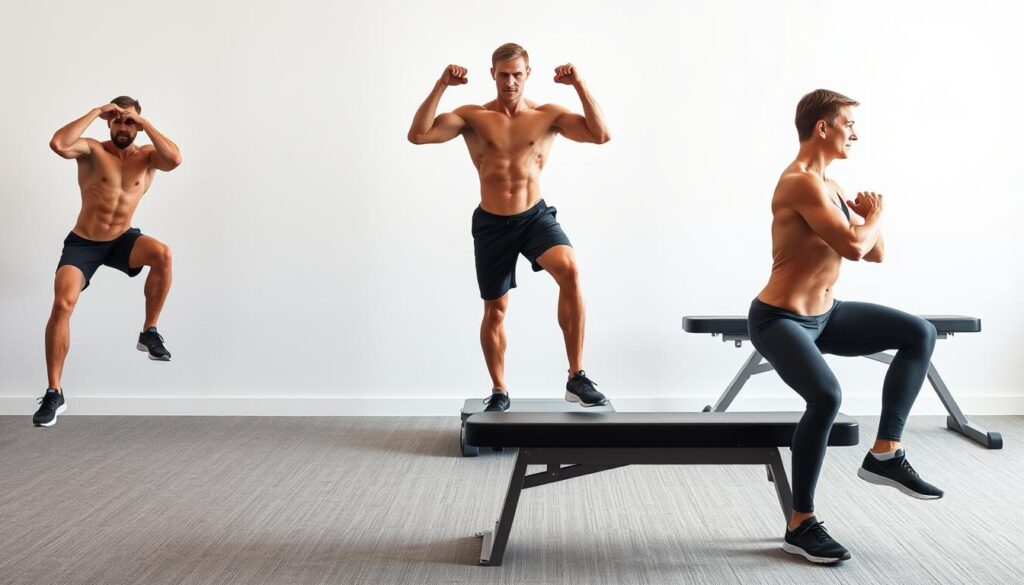
    To perform the single-leg decline squat, start by standing on a decline surface (such as a slant board or a wedge) with one leg. Slowly lower your body down, keeping your back straight and your core engaged, and then return to the starting position with the help of your other leg or a support.

    eccentric exercises for quadriceps tendinopathy

    How to Perform Eccentric Exercises Correctly

    Performing eccentric exercises correctly is crucial to avoid further injury and ensure the effectiveness of the rehabilitation program. It’s essential to start with lower loads and gradually increase the intensity as your tendon becomes more resilient.

    Proper technique involves slow and controlled movements during the lowering phase, avoiding any jerky or bouncy actions. For example, when performing the decline squat, take 3-5 seconds to lower your body down.

    “Eccentric exercises, when performed correctly, can significantly reduce pain and improve function in patients with quadriceps tendinopathy.”

    It’s also important to be consistent with your exercises, typically performing them 2-3 times a day, and to monitor your progress, adjusting the intensity and volume as needed.

    Creating a Rehabilitation Program

    Creating a personalized rehabilitation plan is essential for effective quadriceps tendon rehabilitation. A tailored program considers the individual’s specific condition, goals, and progress over time.

    Eccentric strength training for quads is a critical component of this rehabilitation. It involves exercises that are designed to strengthen the quadriceps tendon and surrounding muscles.

    Setting Realistic Goals

    Setting realistic goals is a fundamental aspect of a successful rehabilitation program. Goals should be specific, measurable, achievable, relevant, and time-bound (SMART). For example, a goal might be to return to running within 12 weeks.

    Examples of Realistic Goals:

    • Reducing pain during daily activities within 6 weeks
    • Increasing quadriceps strength by 20% within 8 weeks
    • Returning to sports-specific activities within 12 weeks

    Monitoring Progress Over Time

    Regular monitoring of progress is crucial to adjust the rehabilitation program as needed. This involves tracking pain levels, strength improvements, and functional abilities.

    Progress Monitoring Techniques:

    Technique Description Frequency
    Pain Assessment Using a pain scale to rate discomfort Weekly
    Strength Testing Measuring quadriceps strength using dynamometry Bi-Weekly
    Functional Tests Evaluating ability to perform daily and sports-specific activities Monthly

    By setting realistic goals and continuously monitoring progress, individuals can optimize their rehabilitation outcomes. This structured approach ensures that the rehabilitation program remains effective and relevant to the individual’s changing needs.

    The Importance of Professional Guidance

    Professional guidance is the cornerstone of a successful recovery from quadriceps tendinopathy. Managing quadriceps tendon pain effectively requires a comprehensive approach that includes proper diagnosis, treatment planning, and rehabilitation. Seeking help from healthcare professionals is crucial in this process.

    Quadriceps tendinopathy is a condition that can significantly impact one’s quality of life, especially for athletes or individuals with active lifestyles. The condition involves inflammation and degeneration of the quadriceps tendon, leading to pain and reduced functionality. Early intervention by professionals can prevent further deterioration and facilitate a more effective recovery.

    When to See a Physical Therapist?

    Knowing when to seek professional help is vital. If you’re experiencing persistent pain or if your symptoms are not improving with basic care, it’s time to consult a physical therapist. They can provide a detailed assessment and create a personalized rehabilitation plan. Physical therapists are trained to manage conditions like quadriceps tendinopathy, helping patients through exercises and manual therapy tailored to their specific needs.

    As

    “The role of physical therapists in rehabilitation is not just about alleviating pain but also about restoring function and preventing future injuries.”

    This holistic approach ensures that patients receive comprehensive care, addressing not just the symptoms but the underlying causes.

    Working with Athletic Trainers

    Athletic trainers play a significant role in the rehabilitation process, especially for athletes. They are equipped to design and implement rehabilitation programs that are specific to the individual’s sport or activity. Working with an athletic trainer can help ensure that the recovery is tailored to the patient’s specific needs, enhancing the effectiveness of the rehabilitation.

    Moreover, athletic trainers can provide valuable insights into preventing recurrence, helping individuals understand how to modify their activities to avoid putting excessive strain on their quadriceps tendon. This guidance is invaluable in managing quadriceps tendon pain and preventing future episodes of tendinopathy.

    Lifestyle Modifications for Recovery

    Recovering from quadriceps tendinopathy requires more than just exercises; it demands a comprehensive lifestyle adjustment. Lifestyle modifications play a crucial role in enhancing the recovery process and preventing future occurrences.

    Nutrition’s Role in Healing

    Adequate nutrition is vital for tendon health and recovery. A balanced diet rich in proteins, vitamins, and minerals supports the healing process. Foods high in omega-3 fatty acids, such as salmon, and those rich in antioxidants, like berries, can help reduce inflammation and promote healing.

    • Incorporate lean proteins like chicken and turkey to support muscle repair.
    • Consume foods rich in vitamin C, such as citrus fruits and leafy greens, to enhance collagen synthesis.
    • Include whole grains like brown rice and quinoa for complex carbohydrates.

    For more information on exercises that complement nutritional healing, visit our page on effective exercises for patellar tendonitis treatment, which shares valuable insights into rehabilitation exercises that can be adapted for quadriceps tendinopathy.

    Importance of Hydration

    Proper hydration is equally crucial for tendon health. Adequate fluid intake helps maintain tendon elasticity and facilitates the repair process. It’s recommended to drink plenty of water throughout the day, especially before, during, and after exercise.

    1. Drink at least 8-10 glasses of water per day.
    2. Avoid sugary drinks that can lead to inflammation.
    3. Monitor urine color to ensure it’s pale yellow, indicating proper hydration.

    By combining a balanced diet with proper hydration, individuals can significantly enhance their recovery from quadriceps tendinopathy and improve overall athletic performance.

    Preventing Recurrence of Tendinopathy

    Eccentric strength training for quads plays a significant role in preventing the recurrence of quadriceps tendinopathy. By incorporating specific exercises and training modifications into your rehabilitation program, you can significantly reduce the risk of re-injury.

    Stretching and Warm-Up Techniques

    Proper warm-up and stretching exercises are crucial before engaging in any physical activity. This not only prepares the muscles for the upcoming exertion but also enhances flexibility and reduces the risk of strain. Dynamic stretching, which involves moving your joints through a range of motion while keeping your muscles active, is particularly effective.

    Examples of dynamic stretches for the quadriceps include leg swings and lunges. Incorporating these into your warm-up routine can help prevent tendinopathy by improving muscle elasticity and reducing stiffness.

    quadriceps tendon rehabilitation

    Strengthening Surrounding Muscles

    Strengthening the muscles around the knee, particularly the hamstrings, is vital for providing stability and support to the quadriceps tendon. A balanced strength between the quadriceps and hamstrings can help prevent overuse and strain on the tendon.

    The following table outlines a simple strengthening program for the hamstrings:

    Exercise Sets Repetitions
    Hamstring Curls 3 12-15
    Deadlifts 3 8-10
    Lunges 3 10-12 per leg

    By integrating these exercises into your rehabilitation program, you can enhance the stability of your knee and reduce the risk of quadriceps tendinopathy recurrence.

    Advanced Therapies for Chronic Cases

    When conventional treatments fail, advanced therapies can be a viable solution for managing quadriceps tendinopathy. These innovative treatments aim to stimulate healing and reduce pain in chronic cases.

    Shockwave Therapy

    Shockwave therapy is a non-invasive treatment that uses high-energy shockwaves to stimulate the healing process in tendons. This therapy is particularly beneficial for chronic tendinopathy as it promotes blood flow and tissue repair.

    • Stimulates Healing: Enhances the body’s natural healing processes.
    • Reduces Pain: Helps in alleviating chronic pain associated with tendinopathy.
    • Non-Invasive: Offers a treatment option without the need for surgery.

    Platelet-Rich Plasma (PRP) Injections

    PRP injections involve using the patient’s own platelet-rich plasma, derived from their blood, to promote tendon healing. This treatment is considered effective for chronic quadriceps tendinopathy.

    1. Promotes Tissue Repair: PRP contains growth factors that aid in tendon repair.
    2. Minimally Invasive: Involves injections, which are less invasive than surgical procedures.
    3. Potential for Pain Relief: Can lead to significant reduction in pain.

    Both shockwave therapy and PRP injections represent advanced therapeutic options for managing chronic quadriceps tendinopathy. These treatments can be particularly beneficial for individuals who have not responded to conventional therapies.

    Patient Success Stories

    Quadriceps tendinopathy rehabilitation through eccentric loading has inspired numerous success stories. Athletes and individuals who were once sidelined by this condition have made remarkable recoveries, returning to their activities with renewed strength and confidence.

    Real-Life Experiences with Eccentric Loading

    Eccentric loading exercises have been a cornerstone in the rehabilitation of quadriceps tendinopathy for many. The slow and controlled movements involved in eccentric exercises help in strengthening the tendon, promoting healing, and reducing pain. One athlete, a competitive runner, shared her experience of using eccentric loading to overcome quadriceps tendinopathy. She noted significant improvements in her condition after consistently performing eccentric squats and leg press exercises.

    Another individual, a recreational basketball player, reported that after six weeks of eccentric loading exercises, he was able to return to his sport without experiencing the debilitating pain that once held him back. These stories underscore the potential of eccentric loading as a effective rehabilitation strategy.

    Lessons Learned from Recovery

    The journey to recovery from quadriceps tendinopathy through eccentric loading teaches valuable lessons. Patience and consistency are key, as the rehabilitation process can be lengthy. Additionally, the importance of proper technique cannot be overstated, as incorrect form can lead to further injury.

    A common theme among success stories is the role of professional guidance. Working with physical therapists or athletic trainers not only ensures that exercises are performed correctly but also provides motivation and support throughout the rehabilitation process.

    Key Factors Importance Benefits
    Patience and Consistency High Ensures complete rehabilitation
    Proper Technique Critical Prevents further injury
    Professional Guidance Essential Provides motivation and corrects form

    Conclusion: Embracing Eccentric Loading

    Eccentric loading has emerged as a highly effective strategy for managing quadriceps tendinopathy, a common issue among athletes. By incorporating eccentric exercises for quad tendonitis into a rehabilitation program, individuals can significantly improve their recovery outcomes.

    Key Principles for Effective Recovery

    Effective management of quadriceps tendinopathy involves understanding the condition, applying eccentric exercises correctly, and making necessary lifestyle adjustments. Quadriceps tendinopathy recovery exercises should be tailored to the individual’s needs, with a focus on progressive overload and pain management.

    Long-Term Health Benefits

    Embracing eccentric loading and associated lifestyle modifications can lead to a healthier, more sustainable athletic career. By adopting these practices, athletes can not only recover from quadriceps tendinopathy but also reduce the risk of recurrence, ensuring long-term participation in their chosen sports.

    FAQ

    What is quadriceps tendinopathy?

    Quadriceps tendinopathy refers to the inflammation and degeneration of the quadriceps tendon, often resulting from overuse. It is a common issue among athletes, characterized by pain and dysfunction in the quadriceps tendon.

    How does eccentric loading help in managing quadriceps tendinopathy?

    Eccentric loading involves the lengthening of muscles under load, which is particularly beneficial for tendon rehabilitation. It helps in promoting collagen synthesis and improving tendon strength, thereby aiding in the recovery from quadriceps tendinopathy.

    What are some effective eccentric exercises for quadriceps tendinopathy?

    Eccentric exercises, such as the single-leg decline squat, are highly effective for quadriceps tendinopathy. Proper technique is essential to avoid further injury and ensure the tendon is subjected to the appropriate stress for healing.

    What is the role of nutrition in the recovery from quadriceps tendinopathy?

    Adequate nutrition and hydration are vital for tendon health and recovery. A balanced diet rich in proteins, vitamins, and minerals, along with proper hydration, supports the healing process and overall athletic performance.

    How can recurrence of quadriceps tendinopathy be prevented?

    Preventing the recurrence of quadriceps tendinopathy involves incorporating stretching and warm-up routines into training. Strengthening the surrounding muscles, such as the hamstrings, also plays a crucial role in providing stability and reducing the risk of re-injury.

    What are some advanced therapies for chronic quadriceps tendinopathy?

    For cases of quadriceps tendinopathy that are resistant to initial treatments, advanced therapies such as shockwave therapy and PRP injections may be considered. These treatments aim to stimulate healing and reduce pain in chronic tendinopathy.

    How can a rehabilitation program be structured for effective recovery?

    A well-structured rehabilitation program is key to successful recovery. This involves setting realistic goals, such as return to sport, and regularly monitoring progress to adjust the program as needed.

    What is the importance of working with physical therapists and athletic trainers in the recovery process?

    Working with physical therapists and athletic trainers can significantly enhance the recovery process. They provide personalized guidance, help in managing pain, and ensure that the rehabilitation program is executed correctly.

    What is the significance of eccentric strength training for quadriceps tendinopathy?

    Eccentric strength training is crucial for quadriceps tendinopathy as it helps in promoting collagen synthesis and improving tendon strength, thereby aiding in the recovery and reducing the risk of recurrence.

    How can athletes manage quadriceps tendon pain effectively?

    Managing quadriceps tendon pain involves reducing pain and inflammation. Rest and ice are crucial in the acute phase, alongside pain management strategies to ensure the athlete can continue with rehabilitation exercises.

  • Medial Plica Irritation Stretches

    Medial Plica Irritation Stretches

    The knee is a complex joint with various soft tissues that can be prone to issues like medial plica irritation, a condition that can cause significant knee pain.

    But can simple stretches really help alleviate the discomfort associated with this condition?

    Understanding the importance of stretching in managing medial plica irritation is crucial. Stretching can help relieve tension in the knee, improving flexibility and reducing pain.

    Key Takeaways

    • Medial plica irritation can cause significant knee pain.
    • Stretching is a crucial component in managing this condition.
    • Specific stretches can help alleviate medial plica irritation symptoms.
    • Improving knee flexibility can reduce pain associated with medial plica irritation.
    • Regular stretching exercises can help prevent future irritation.

    Understanding Medial Plica Irritation

    Understanding the medial plica and its potential for irritation is crucial for individuals experiencing knee pain or discomfort. The medial plica is a part of the knee anatomy that can sometimes be overlooked until it becomes a source of pain.

    What is Medial Plica?

    The medial plica is a fold in the membrane that surrounds the knee joint. It is one of several plicae (folds) that can be found in the knee. Normally, it is a benign structure, but it can become irritated or inflamed due to injury or overuse, leading to what is known as medial plica syndrome.

    Symptoms of Medial Plica Irritation

    When the medial plica becomes irritated, it can cause a variety of symptoms. These include pain on the inner aspect of the knee, a catching or locking sensation in the knee, and difficulty in sitting for extended periods or climbing stairs. Some individuals may also experience swelling or a clicking sound when bending the knee.

    Common symptoms to watch out for include:

    • Knee pain, especially during activities that involve bending or straightening the knee
    • A feeling of catching or locking in the knee
    • Difficulty in knee flexion or extension

    Causes of Medial Plica Issues

    Medial plica irritation often results from overuse or direct trauma to the knee. Activities that involve repetitive knee bending, such as cycling, running, or jumping, can irritate the medial plica. Additionally, a sudden increase in physical activity or direct blows to the knee can also cause irritation.

    Cause Description
    Overuse Repetitive activities that stress the knee
    Direct Trauma Blows or impacts directly to the knee
    Sudden Increase in Activity Rapidly increasing exercise intensity or frequency

    “Understanding the causes and symptoms of medial plica irritation is the first step towards effective management and relief.”

    Benefits of Stretching for Medial Plica

    The benefits of stretching for medial plica irritation are multifaceted, ranging from pain reduction to improved knee function. Stretching can be a valuable component of a treatment plan, helping to alleviate symptoms and improve overall knee health.

    Reducing Pain and Discomfort

    Stretching helps in reducing pain and discomfort by relieving tension in the knee area. When the medial plica is irritated, it can cause significant pain. Gentle stretching can help mitigate this by improving blood flow and reducing inflammation.

    Improving Flexibility

    Regular stretching can improve flexibility by increasing the range of motion in the knee. This is crucial for individuals with medial plica irritation, as stiffness can exacerbate the condition. Rehab stretches for plica irritation can be particularly helpful.

    Benefits of Stretching for Knee Health

    Enhancing Overall Knee Function

    Stretching not only alleviates current discomfort but also enhances overall knee function. By improving flexibility and strength, individuals can better prevent future issues.

    Benefit Description
    Reducing Pain Stretching relieves tension and improves blood flow, reducing pain.
    Improving Flexibility Regular stretching increases the knee’s range of motion.
    Enhancing Knee Function Stretching improves overall knee health and prevents future issues.

    Recommended Stretches for Relief

    To alleviate knee discomfort caused by medial plica irritation, specific stretches can be highly effective. These stretches target the areas around the knee, improving flexibility and reducing pain.

    Standing Quad Stretch

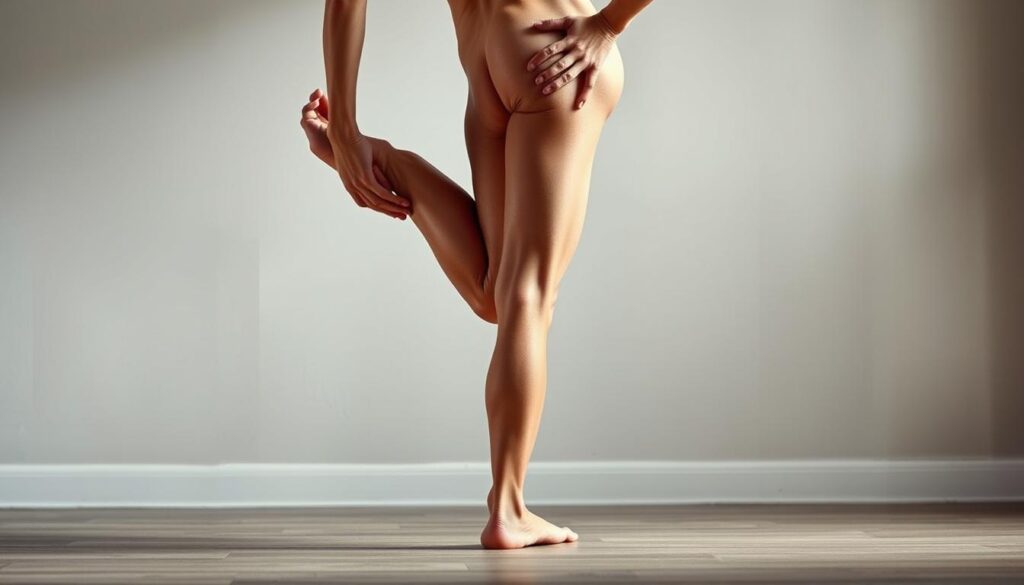
    The standing quad stretch is effective in improving flexibility in the front of the leg, which in turn can help alleviate tension on the medial plica. To perform this stretch, stand with one hand against a wall for balance, bend one knee, and grab your ankle with your hand. Gently pull your heel towards your buttocks until you feel a stretch in the front of your leg.

    Seated Hamstring Stretch

    Tight hamstrings can contribute to knee discomfort, making the seated hamstring stretch a valuable exercise for those experiencing medial plica irritation. Sit on the floor with your legs straight out in front of you. Lean forward, reaching for your toes, and keep your knees straight. Hold this position to feel the stretch in the back of your legs.

    Calf Stretch

    The calf stretch is another important exercise that can help reduce knee tension. Stand facing a wall with one hand on the wall for balance. Step one foot back about a foot, keeping your heel on the ground. Bend the front knee, keeping the back leg straight, and lean forward, stretching your calf.

    Stretch Primary Benefit How to Perform
    Standing Quad Stretch Improves front leg flexibility Stand, bend one knee, grab ankle, and pull heel towards buttocks
    Seated Hamstring Stretch Stretches back of the leg Sit with legs straight, lean forward reaching for toes
    Calf Stretch Reduces calf tension Stand facing a wall, step one foot back, bend front knee, and lean forward

    How to Perform Each Stretch

    Mastering the correct form for each stretch is essential for maximizing benefits and minimizing risk of injury. When done properly, these stretches can significantly alleviate medial plica irritation. Below are the detailed steps for performing the recommended stretches.

    Standing Quad Stretch Steps

    The Standing Quad Stretch is a simple yet effective exercise for relieving tension in the quadriceps, a common area of discomfort for those with medial plica irritation.

    • Stand with one hand against a wall for balance, if needed.
    • Bend one knee, keeping your foot behind you.
    • Gently pull your heel towards your buttocks until you feel a stretch in the front of your leg.
    • Hold for 15-30 seconds and then switch legs.

    standing quad stretch for medial plica irritation

    Seated Hamstring Stretch Steps

    The Seated Hamstring Stretch targets the hamstrings, which are connected to the knee and can contribute to medial plica irritation if tight.

    1. Sit on the floor with your legs straight out in front of you.
    2. Lean forward, reaching for your toes, until you feel a stretch in the back of your legs.
    3. Hold the stretch for 15-30 seconds.
    4. Return to the starting position and repeat as needed.

    Remember: Don’t bounce; instead, move smoothly into the stretch.

    Calf Stretch Instructions

    The Calf Stretch is beneficial for relieving tension in the calf muscles, which can indirectly affect the knee area.

    • Stand facing a wall with one hand on the wall for balance.
    • Step one foot back about a foot, keeping your heel on the ground.
    • Bend the front knee and lean forward, keeping your back leg straight.
    • Hold for 15-30 seconds before switching legs.

    Key Point: Keep your heel on the ground to effectively stretch your calf.

    Frequency of Stretching

    To achieve optimal results, it’s essential to determine the right frequency for stretching exercises targeting medial plica syndrome. The frequency of stretching depends on individual factors, including the severity of symptoms and overall health.

    How Often Should You Stretch?

    For individuals dealing with medial plica irritation, stretching three to four times a week can be a good starting point. However, this frequency can vary based on the severity of the irritation and how your body responds to the stretches.

    Listening to Your Body

    It’s crucial to listen to your body and adjust your stretching routine accordingly. If you experience pain or discomfort during or after stretching, it may be a sign to reduce the frequency or modify the stretches.

    Paying attention to your body’s signals is key to avoiding overstretching and potential injury. This mindful approach to stretching will help you find a balance that works for your specific condition.

    Other Therapeutic Techniques

    Managing medial plica irritation often involves a multi-faceted approach that includes various therapeutic techniques beyond stretching. While stretching is crucial for relieving tension and improving flexibility, other methods can complement these exercises to enhance overall recovery.

    One of the key additional therapeutic techniques is ice and heat therapy. Ice therapy, or cryotherapy, is typically used to reduce inflammation and pain in the acute phase of injury. On the other hand, heat therapy is used to relax muscles and increase blood flow, promoting healing. Alternating between ice and heat can be an effective strategy for managing medial plica irritation.

    Ice and Heat Therapy

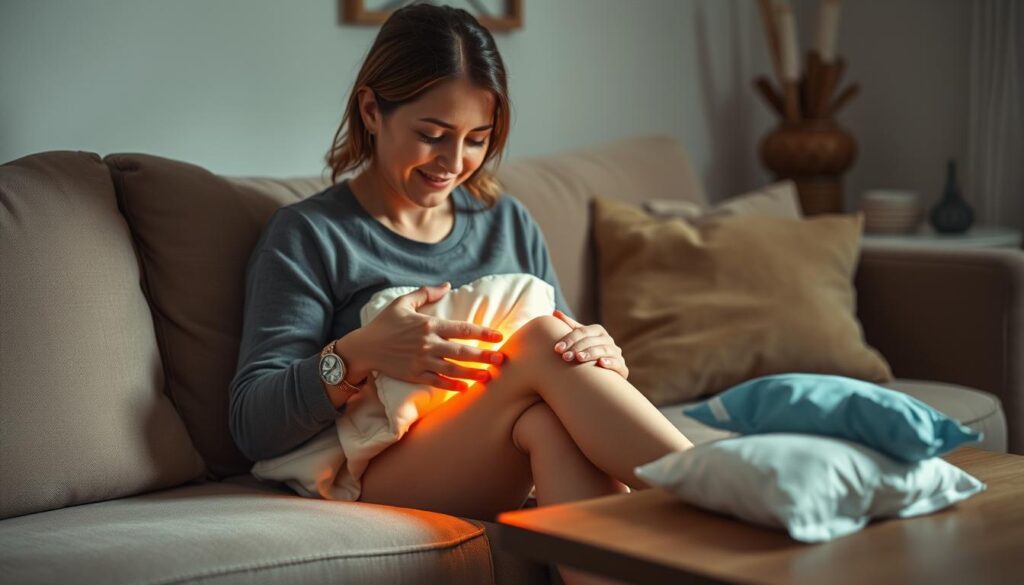
    Applying ice packs to the affected area for 15-20 minutes, several times a day, can help reduce inflammation. It’s essential to wrap the ice pack in a cloth to avoid direct contact with the skin. Heat therapy, using a warm towel or heating pad, can be applied in a similar manner, especially after activities, to relax the knee muscles.

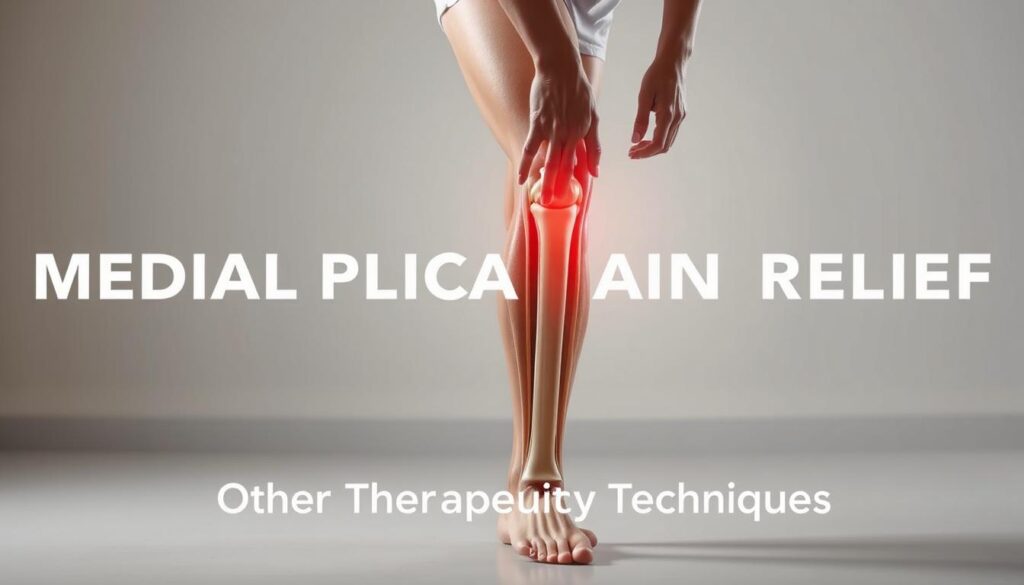
    medial plica pain relief stretches

    Strengthening Exercises

    Strengthening the muscles around the knee, particularly the quadriceps and hamstrings, can provide additional support to the knee joint and help alleviate medial plica irritation. Strengthening exercises such as squats, lunges, and leg presses are beneficial when performed correctly and within a pain-free range.

    Physical Therapy Options

    Physical therapy is another valuable therapeutic technique for managing medial plica irritation. A physical therapist can design a personalized exercise program, provide manual therapy, and use modalities such as ultrasound or electrical stimulation to promote healing and improve knee function.

    By incorporating these therapeutic techniques into a comprehensive treatment plan, individuals can better manage medial plica irritation and improve their overall knee health.

    Common Mistakes in Stretching

    To get the most out of stretching exercises for medial plica irritation, it’s essential to steer clear of common pitfalls. Stretching is a vital component of rehab stretches for plica irritation, but certain errors can hinder the recovery process.

    When performing plica irritation treatment stretches, it’s crucial to be mindful of your body’s signals. Overstretching and ignoring pain are two common mistakes that can exacerbate the condition.

    Overstretching and Injury

    Overstretching can lead to further irritation and potentially cause injury. It’s essential to stretch within a comfortable range and avoid bouncing or forcing the muscle beyond its capacity.

    To avoid overstretching, start with gentle movements and gradually increase the depth and duration of your stretches. This approach helps in improving flexibility without causing additional strain.

    Ignoring Pain Signals

    Ignoring pain signals is another critical mistake. Pain is a sign that something is amiss, and disregarding it can lead to more severe issues. If you experience pain during a stretch, stop immediately and reassess your technique or consult a professional.

    Listening to your body and being aware of your pain thresholds can significantly enhance the effectiveness of your rehab stretches for plica irritation. It’s about finding a balance between stretching and strengthening to promote healing.

    When to Consult a Professional

    Knowing when to seek professional help is key to effectively addressing medial plica issues. While medial plica exercises and knee stretches for plica irritation can provide relief, certain signs indicate the need for expert intervention.

    Signs You Need Professional Help

    Persistent pain, limited mobility, or severe knee swelling are indicators that you should consult a professional. If you experience any of these symptoms, it’s essential to seek advice from a qualified healthcare provider.

    Types of Professionals to Consult

    You can consult various professionals, including orthopedic specialists, physical therapists, or chiropractors, who can provide personalized medial plica exercises and guidance on knee stretches for plica irritation. These experts can help you develop a tailored treatment plan to address your specific needs.

    Long-Term Management of Medial Plica Issues

    Long-term relief from medial plica pain can be achieved through a balanced routine that incorporates various therapeutic techniques. Effective management involves not just alleviating the current discomfort but also preventing future irritation.

    A key component of this balanced routine is stretching exercises. Regular stretching can help maintain flexibility and reduce tension in the knee area, which is crucial for preventing medial plica irritation. Incorporating rehab stretches for plica irritation into your daily routine can significantly improve knee function and reduce pain.

    Creating a Balanced Routine

    To create a balanced routine, it’s essential to combine stretching with other therapeutic techniques. This may include strengthening exercises to improve the overall stability of the knee, as well as ice and heat therapy to manage pain and inflammation.

    Therapeutic Technique Benefits Frequency
    Stretching Exercises Improves flexibility, reduces tension Daily
    Strengthening Exercises Enhances knee stability 2-3 times a week
    Ice and Heat Therapy Manages pain and inflammation As needed

    Importance of Consistency

    Consistency is crucial when it comes to managing medial plica issues. Sticking to your routine and making adjustments as needed can help ensure long-term relief from medial plica pain. It’s also important to listen to your body and not push through pain, as this can exacerbate the condition.

    Incorporating medial plica pain relief stretches into your routine can provide significant benefits. Regular practice can lead to improved knee function and reduced discomfort, enhancing overall quality of life.

    Conclusion: Your Path to Relief

    Finding relief from medial plica irritation requires a comprehensive approach that includes stretching, other therapeutic techniques, and a consistent routine. By incorporating medial plica irritation stretches into your daily regimen, you can alleviate pain and improve knee function.

    Effective Stretching Practices

    To maximize the benefits of stretching, focus on proper technique and regular practice. Plica syndrome stretches, such as the standing quad stretch, seated hamstring stretch, and calf stretch, can help reduce tension and promote healing.

    Prioritizing Self-Care

    Self-care is essential for managing medial plica irritation. By combining stretching with other therapeutic techniques, such as ice and heat therapy, strengthening exercises, and physical therapy options, you can take an active role in your recovery and maintain long-term knee health.

    FAQ

    What is medial plica irritation?

    Medial plica irritation is a condition where the medial plica, a fold of tissue in the knee, becomes inflamed or irritated, causing pain and discomfort.

    What are the symptoms of medial plica irritation?

    Symptoms of medial plica irritation include pain on the inner aspect of the knee, clicking or snapping sensations, and stiffness, especially after periods of rest or activity.

    How can stretching help with medial plica irritation?

    Stretching can help alleviate medial plica irritation by reducing pain, improving flexibility, and enhancing overall knee function, making it a valuable component of a treatment plan.

    What are some recommended stretches for medial plica irritation?

    Recommended stretches for medial plica irritation include the standing quad stretch, seated hamstring stretch, and calf stretch, which can help relieve tension and improve knee mobility.

    How often should I stretch for medial plica irritation?

    It’s recommended to stretch consistently, ideally 2-3 times a day, but it’s essential to listen to your body and adjust the frequency based on your comfort level and pain.

    Can I use other therapeutic techniques alongside stretching for medial plica irritation?

    Yes, other therapeutic techniques such as ice and heat therapy, strengthening exercises, and physical therapy options can be used in conjunction with stretching to manage medial plica irritation.

    What are some common mistakes to avoid when stretching for medial plica irritation?

    Common mistakes to avoid include overstretching, ignoring pain signals, and using improper technique, which can exacerbate the condition or lead to further injury.

    When should I consult a professional for medial plica irritation?

    You should consult a professional if you experience persistent or severe pain, limited mobility, or if your symptoms worsen over time, and consider consulting a chiropractor or physical therapist for personalized guidance.

    How can I manage medial plica irritation in the long term?

    Long-term management involves creating a balanced routine that includes stretching, strengthening, and other therapeutic techniques, and maintaining consistency in your treatment plan to prevent recurrence.

    Are there any specific exercises that can help alleviate medial plica irritation?

    Yes, exercises like medial plica exercises and strengthening exercises can help alleviate medial plica irritation by improving knee stability and reducing strain on the medial plica.

    Can plica syndrome stretches help with medial plica irritation?

    Yes, plica syndrome stretches can help alleviate medial plica irritation by reducing tension and improving flexibility in the knee, and can be incorporated into your stretching routine.

    How can I relieve medial plica pain?

    Relieving medial plica pain involves a combination of stretching, strengthening, and other therapeutic techniques, such as ice and heat therapy, and maintaining a balanced routine to manage the condition.

  • Knee Synovitis Natural Remedies

    Knee Synovitis Natural Remedies

    Are inflammatory conditions affecting your knee joint causing discomfort and limiting your mobility? Knee synovitis is characterized by inflammation of the synovial membrane surrounding the knee joint, leading to pain and swelling.

    Understanding the causes and symptoms of this condition is crucial in finding effective relief. Holistic approaches can play a significant role in managing knee synovitis by reducing inflammation and promoting overall joint health.

    Key Takeaways

    • Understanding knee synovitis and its impact on joint health
    • The role of holistic approaches in managing the condition
    • Importance of reducing inflammation for symptom relief
    • Promoting overall well-being through natural treatments
    • Exploring alternative remedies for knee synovitis

    Understanding Knee Synovitis

    Understanding the intricacies of knee synovitis is crucial for effective management and relief. Knee synovitis refers to the inflammation of the synovial membrane, a condition that can significantly impact the quality of life for those affected.

    What is Knee Synovitis?

    Knee synovitis is characterized by the inflammation of the synovial membrane, which surrounds the knee joint. This condition can lead to pain, swelling, and stiffness in the knee. Rheumatoid arthritis, a chronic autoimmune disorder, is a common cause of knee synovitis.

    The synovial membrane plays a vital role in maintaining the health of the knee joint by producing synovial fluid, which lubricates the joint and supplies nutrients to the cartilage. When this membrane becomes inflamed, it can lead to an overproduction of synovial fluid, causing swelling and pain.

    Symptoms to Look Out For

    The symptoms of knee synovitis can vary but typically include:

    • Joint pain and tenderness
    • Swelling and redness around the knee
    • Warmth or heat around the affected joint
    • Stiffness, especially after periods of rest
    • Reduced range of motion

    Recognizing these symptoms early is crucial for timely intervention and management.

    “Early diagnosis and treatment of knee synovitis can significantly improve outcomes and reduce the risk of long-term damage.”

    Causes of Knee Synovitis

    The causes of knee synovitis are multifactorial, involving both genetic and environmental factors. Rheumatoid arthritis is a primary cause, where the body’s immune system mistakenly attacks the lining of the joints, leading to inflammation.

    Cause Description
    Rheumatoid Arthritis A chronic autoimmune disorder that causes the immune system to attack the joint lining.
    Genetic Factors Genetic predisposition can increase the risk of developing knee synovitis.
    Environmental Triggers Factors such as infections or injuries can trigger the onset of knee synovitis in susceptible individuals.

    Understanding these causes is essential for developing effective treatment plans.

    Natural Remedies for Knee Synovitis

    Natural approaches offer a promising solution for individuals dealing with knee synovitis. By incorporating various natural remedies, individuals can potentially reduce inflammation and improve their overall joint health.

    Introduction to Natural Remedies

    Natural remedies encompass a broad range of treatments, including dietary changes, herbal supplements, and other holistic practices. These remedies aim to address the root causes of knee synovitis, providing relief from symptoms and improving quality of life.

    Some of the most effective natural remedies include anti-inflammatory herbs and dietary adjustments. For instance, certain foods have anti-inflammatory properties that can help reduce knee swelling.

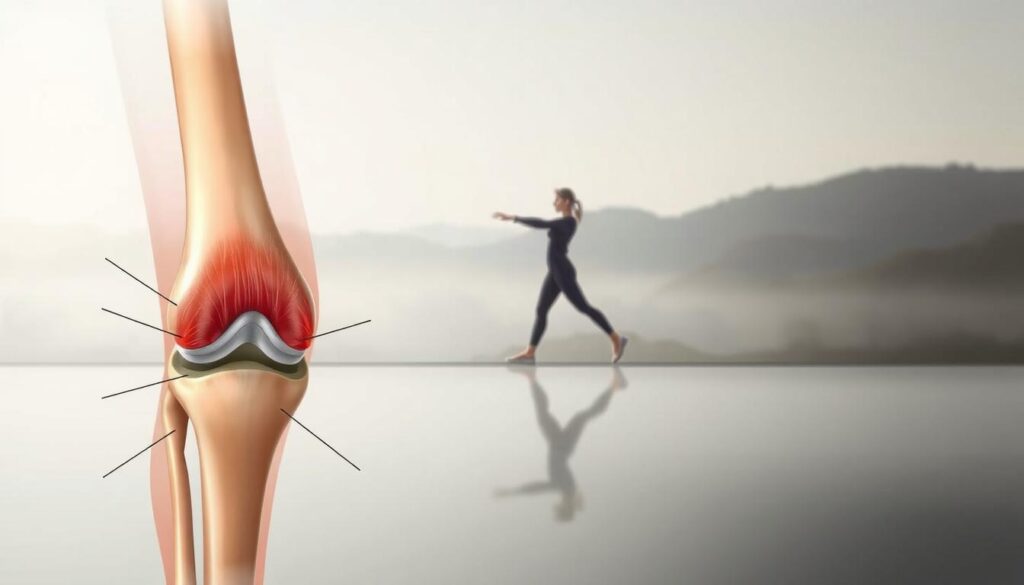
    natural remedies for knee synovitis

    Importance of Natural Approaches

    Adopting natural approaches can be beneficial for several reasons. Firstly, natural remedies often have fewer side effects compared to conventional medications, making them a safer option for long-term use.

    “The use of natural remedies can complement traditional treatments, offering a more holistic approach to managing knee synovitis.”

    Furthermore, natural remedies can be tailored to individual needs, allowing for a more personalized treatment plan. This can include dietary changes, such as incorporating foods rich in omega-3 fatty acids, which are known for their anti-inflammatory properties.

    Remedy Description Benefits
    Turmeric Contains curcumin, a compound with anti-inflammatory properties Reduces inflammation and pain
    Ginger Has anti-inflammatory compounds called gingerols Helps reduce pain and inflammation
    Omega-3 Fatty Acids Found in fish oil, these fatty acids reduce inflammation Improves joint health and reduces symptoms

    By exploring these natural remedies, individuals can take a proactive approach to managing knee synovitis and improving their overall well-being.

    Dietary Changes for Relief

    A well-planned diet is essential for reducing inflammation associated with knee synovitis. Dietary changes play a significant role in managing the condition, and making informed food choices can help alleviate symptoms.

    Incorporating the right foods into your diet can help mitigate knee synovitis symptoms. Certain nutrients have anti-inflammatory properties that can reduce inflammation and promote joint health.

    Foods to Include

    Foods rich in omega-3 fatty acids, such as salmon and sardines, are known for their anti-inflammatory effects. Additionally, consuming foods high in antioxidants like berries, leafy greens, and other fruits and vegetables can help reduce oxidative stress and inflammation.

    Other beneficial foods include:

    • Turmeric: Contains curcumin, which has potent anti-inflammatory and antioxidant properties.
    • Ginger: Has anti-inflammatory compounds like gingerol, which can help reduce pain and inflammation.
    • Green tea: Rich in antioxidants and has been shown to have anti-inflammatory effects.

    Foods to Avoid

    Just as some foods can help alleviate knee synovitis symptoms, others can exacerbate them. It’s essential to limit or avoid foods that promote inflammation.

    Some foods to avoid include:

    • Processed meats: High in advanced glycation end (AGE) products, which can stimulate inflammation.
    • Sugary drinks and foods: Can lead to increased inflammation due to their high sugar content.
    • Refined carbohydrates: Can cause a spike in blood sugar and insulin resistance, leading to increased inflammation.

    For more detailed information on foods to avoid, especially in the context of knee osteoarthritis, you can visit this resource.

    Food Category Beneficial Foods Foods to Avoid
    Protein Sources Fatty fish (salmon, sardines), nuts, and seeds Processed meats (hot dogs, sausages)
    Fruits and Vegetables Berries, leafy greens, turmeric, and ginger Nightshade vegetables (for some individuals)
    Beverages Green tea, water Sugary drinks (soda, sports drinks)

    Top Essential Oils for Relief

    In the quest for knee synovitis relief, essential oils such as peppermint, lavender, and eucalyptus have gained significant attention due to their anti-inflammatory and pain-relieving properties.

    These essential oils can be used in various ways to alleviate knee pain and inflammation, offering a holistic approach to managing synovitis symptoms.

    essential oils for knee synovitis relief

    Peppermint Oil

    Peppermint oil is known for its cooling effect, which can help reduce pain and inflammation associated with knee synovitis.

    It contains menthol, which has a natural analgesic effect, providing relief from pain.

    Lavender Oil

    Lavender oil is renowned for its calming properties, which can help reduce stress and promote relaxation, indirectly alleviating knee synovitis symptoms.

    Its anti-inflammatory properties can also contribute to reducing swelling and pain in the knee.

    Eucalyptus Oil

    Eucalyptus oil has potent anti-inflammatory effects that can help manage knee synovitis by reducing inflammation and easing pain.

    It is also known for its decongestant properties, which can help improve circulation, further aiding in the healing process.

    By incorporating these essential oils into your daily routine, you can explore a natural and holistic approach to managing knee synovitis symptoms.

    The Role of Physical Activity

    Engaging in physical activity is a crucial aspect of managing knee synovitis naturally. Regular exercise can help maintain joint mobility, reduce stiffness, and alleviate pain associated with knee synovitis. According to the Arthritis Foundation, exercise is vital for maintaining healthy joints and overall well-being.

    Gentle Exercises to Try

    Gentle exercises are recommended for individuals with knee synovitis as they help improve joint mobility without causing further irritation. Some beneficial exercises include:

    • Straight leg raises: Lift your leg straight out in front of you while lying on your back.
    • Quad sets: Tighten your quadriceps muscles by straightening your knee.
    • Short arc movements: Perform gentle, short movements of the knee, such as slight bends or straightens.

    These exercises can be done regularly to help maintain flexibility and strength around the knee.

    Importance of Stretching

    Stretching is another critical component of managing knee synovitis. It helps improve flexibility, reduce stiffness, and promote healing. As noted by healthcare professionals,

    “Regular stretching can significantly reduce knee pain and improve function in individuals with knee synovitis.”

    Incorporating stretching exercises into your daily routine can lead to noticeable improvements in knee mobility and overall comfort.

    In conclusion, physical activity, including gentle exercises and stretching, plays a vital role in managing knee synovitis. By incorporating these activities into your daily routine, you can improve joint mobility, reduce pain, and enhance your overall quality of life. As emphasized by experts, maintaining an active lifestyle is crucial for long-term knee health.

    Using Hot and Cold Therapy

    Both heat and cold therapies have been recognized for their potential in easing knee synovitis symptoms. Hot and cold therapy can provide relief by reducing pain and inflammation, making it a valuable addition to a treatment plan.

    Benefits of Heat Therapy

    Heat therapy is known for its ability to relax muscles and increase blood flow to the affected area. This can be particularly beneficial for individuals with knee synovitis, as it helps in reducing stiffness and promoting healing. Applying heat can be done using a warm bath, a heating pad, or even a warm cloth.

    Key benefits of heat therapy include:

    • Relaxation of muscles around the knee
    • Increased blood flow to promote healing
    • Reduction in stiffness and pain

    Benefits of Cold Therapy

    Cold therapy, on the other hand, is effective in reducing inflammation and numbing pain. It works by constricting blood vessels and reducing metabolic rate, which can help in minimizing swelling. Cold therapy can be applied using an ice pack or a cold compress.

    Key benefits of cold therapy include:

    • Reduction in inflammation and swelling
    • Numbing of pain
    • Constriction of blood vessels to reduce bruising

    To effectively use hot and cold therapy, it’s essential to understand when to apply each. Generally, cold therapy is recommended during acute phases of inflammation, while heat therapy is more beneficial during the chronic phase or after activity.

    Therapy Type Benefits Application Method
    Heat Therapy Relaxes muscles, increases blood flow, reduces stiffness Warm bath, heating pad, warm cloth
    Cold Therapy Reduces inflammation, numbs pain, constricts blood vessels Ice pack, cold compress

    hot and cold therapy for knee pain relief

    Herbal Supplements for Support

    For those dealing with knee synovitis, certain herbal supplements may offer relief by targeting inflammation. These natural remedies can complement traditional treatments, providing a holistic approach to managing the condition.

    Turmeric

    Turmeric, with its active compound curcumin, is renowned for its potent anti-inflammatory and antioxidant properties. Studies have shown that curcumin can significantly reduce joint inflammation and alleviate symptoms associated with knee synovitis.

    Benefits of Turmeric: Anti-inflammatory effects, antioxidant properties, potential to improve joint health.

    Ginger

    Ginger has been used for centuries in traditional medicine for its anti-inflammatory properties. It contains compounds like gingerol, which have been shown to reduce pain and inflammation in the joints, making it a valuable supplement for knee synovitis management.

    Ginger’s Role: Reduces pain and inflammation, improves joint mobility.

    Boswellia

    Boswellia, also known as frankincense, is another herbal supplement that has been found to possess anti-inflammatory properties. It works by inhibiting the production of pro-inflammatory enzymes, thereby reducing inflammation and pain in the knee joint.

    Here’s a comparison of these herbal supplements:

    Herbal Supplement Primary Benefit Key Compound
    Turmeric Reduces inflammation Curcumin
    Ginger Reduces pain and inflammation Gingerol
    Boswellia Inhibits pro-inflammatory enzymes Acetyl-boswellic acids

    Incorporating these herbal supplements into your daily regimen, under the guidance of a healthcare professional, can provide additional support for managing knee synovitis. It’s essential to choose high-quality supplements to maximize their potential benefits.

    Alternative Therapies

    Alternative therapies offer a complementary approach to traditional treatments for knee synovitis. These therapies focus on treating the whole person, not just the symptoms, and can provide relief and improve quality of life.

    “The integration of alternative therapies into a treatment plan can significantly enhance patient outcomes,” notes a study on holistic approaches to arthritis management.

    Acupuncture

    Acupuncture is an ancient practice that involves inserting thin needles into specific points on the body. It is believed to stimulate healing, reduce pain, and improve function in patients with knee synovitis. Research has shown that acupuncture can be effective in managing chronic pain and inflammation associated with knee synovitis.

    Benefits of Acupuncture:

    • Reduces pain and inflammation
    • Improves joint function
    • Enhances overall well-being

    Massage Therapy

    Massage therapy involves the manipulation of soft tissue to promote relaxation, ease muscle tension, and improve circulation. For knee synovitis, massage can help reduce stiffness, improve range of motion, and promote healing.

    Regular massage therapy sessions can lead to significant improvements in symptoms and quality of life for individuals with knee synovitis.

    Incorporating alternative therapies like acupuncture and massage therapy into a treatment plan can provide a more comprehensive approach to managing knee synovitis. These therapies not only address the physical aspects of the condition but also contribute to overall well-being.

    Lifestyle Modifications

    Lifestyle adjustments play a vital role in the holistic management of knee synovitis. By incorporating simple yet effective changes into daily routines, individuals can significantly alleviate their symptoms and improve their quality of life.

    Importance of Maintaining a Healthy Weight

    Maintaining a healthy weight is crucial for reducing the strain on the knee joint, thereby alleviating some of the pressure that contributes to synovitis symptoms. Excess weight can exacerbate the condition, making weight management a key aspect of knee synovitis management. A healthy diet combined with regular, gentle exercise can help achieve and maintain a healthy weight.

    Aiming for a balanced diet rich in fruits, vegetables, whole grains, and lean proteins can support overall health and weight management. Consulting with a healthcare provider or a nutritionist can provide personalized guidance tailored to individual needs.

    Mindfulness and Stress Reduction

    Mindfulness and stress reduction techniques are valuable tools in managing the psychological aspects of chronic pain associated with knee synovitis. Practices such as meditation, deep breathing exercises, and yoga can help reduce stress levels and improve overall well-being.

    Engaging in mindfulness practices can lead to a decrease in pain perception and an improvement in mood. Mindfulness-based stress reduction (MBSR) programs have been shown to be particularly effective in managing chronic pain and improving quality of life.

    • Meditation and deep breathing exercises
    • Yoga and tai chi
    • Progressive muscle relaxation

    By incorporating these lifestyle modifications, individuals with knee synovitis can experience significant relief from symptoms and an improvement in their overall quality of life.

    When to Seek Professional Help

    While natural remedies and lifestyle changes can offer significant relief from knee synovitis, it’s crucial to recognize when professional medical help is necessary. Severe symptoms can indicate a more serious underlying condition that requires immediate attention.

    Identifying Severe Symptoms

    Recognizing severe symptoms is vital for timely intervention. If you experience intense pain, significant swelling, or difficulty moving the knee, it’s essential to consult a healthcare provider. These symptoms may signal a need for alternative treatments for knee inflammation or other medical interventions.
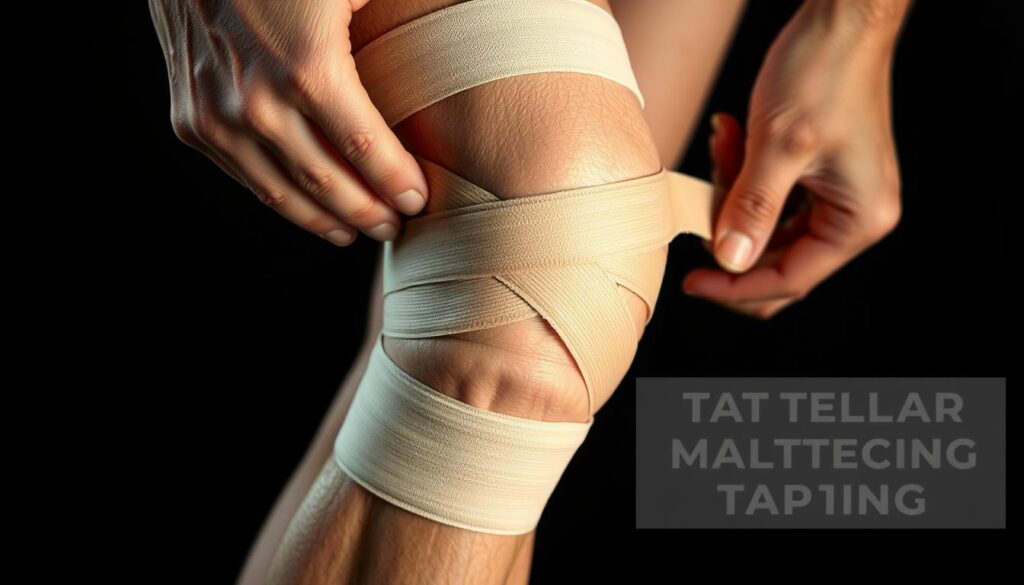
    Collaboration with Healthcare Providers

    Working closely with healthcare providers ensures that knee synovitis is managed effectively. They can offer personalized guidance on seeking professional help for knee synovitis, recommend appropriate treatments, and provide knee pain relief strategies tailored to your specific needs.

    FAQ

    What is knee synovitis and how is it related to rheumatoid arthritis?

    Knee synovitis is often associated with rheumatoid arthritis, a condition where the body’s immune system attacks the lining of the joints, leading to inflammation and pain.

    What are the symptoms of knee synovitis?

    The symptoms of knee synovitis include joint pain, swelling, and stiffness, which can significantly impact daily activities and overall well-being.

    How can dietary changes help manage knee synovitis?

    Including foods rich in anti-inflammatory properties, such as omega-3 fatty acids, and avoiding pro-inflammatory foods can help alleviate symptoms and support joint health.

    What essential oils are beneficial for knee synovitis relief?

    Peppermint oil, lavender oil, and eucalyptus oil are particularly beneficial due to their cooling, calming, and anti-inflammatory effects, which can help alleviate knee pain and inflammation.

    How does physical activity impact knee synovitis?

    Gentle exercises and stretching can help improve joint mobility, reduce stiffness, and alleviate pain, making physical activity a crucial component of managing knee synovitis.

    What is the role of hot and cold therapy in managing knee synovitis?

    Heat therapy can help relax muscles and increase blood flow, while cold therapy can reduce inflammation and numb pain, providing relief from knee synovitis symptoms.

    How can herbal supplements support knee synovitis treatment?

    Turmeric, ginger, and boswellia are valuable additions to a treatment plan due to their anti-inflammatory properties, which can help reduce inflammation and alleviate symptoms.

    What alternative therapies can complement traditional treatments for knee synovitis?

    Acupuncture and massage therapy offer complementary treatments that can enhance overall well-being by stimulating healing, reducing pain, and improving joint mobility.

    Why is maintaining a healthy weight important for knee synovitis management?

    Maintaining a healthy weight reduces the strain on the knee joint, which can help alleviate symptoms and slow disease progression.

    When should I seek professional help for knee synovitis?

    Recognizing severe symptoms and collaborating with healthcare providers ensures that knee synovitis is managed effectively, and any underlying conditions are addressed.

    What are some holistic approaches for managing knee synovitis?

    Holistic approaches include dietary changes, herbal supplements, essential oils, physical activity, hot and cold therapy, and alternative therapies like acupuncture and massage therapy.

    Are there any natural treatments for knee synovitis that can be done at home?

    Yes, natural treatments such as dietary changes, using essential oils, practicing gentle exercises, and applying hot and cold therapy can be done at home to help manage knee synovitis.

    How can joint health supplements support knee synovitis treatment?

    Joint health supplements, including those containing omega-3 fatty acids, glucosamine, and chondroitin, can support knee health and alleviate symptoms.

  • Kinesio Taping for Knee Hyperextension

    Kinesio Taping for Knee Hyperextension

    Are you one of the many individuals suffering from knee pain due to knee hyperextension? This common injury can significantly impact one’s quality of life, especially for athletes and individuals with active lifestyles. Kinesio taping has emerged as a potential therapeutic solution, offering support and stability to the knee joint.

    The application of kinesio taping for knee hyperextension has been studied for its benefits, including enhanced cadence, stride length, and walking speed, as well as its role in rehabilitation by potentially increasing quadriceps muscle torque generation. According to a study published on the National Institutes of Health website, kinesio taping application can have various effects on knee mechanics, suggesting its utility in knee hyperextension treatment.

    Key Takeaways

    • Kinesio taping supports and stabilizes the knee joint.
    • It can enhance cadence, stride length, and walking speed.
    • The technique may increase quadriceps muscle torque generation.
    • Kinesio taping has various effects on knee mechanics.
    • It is a potential treatment option for knee hyperextension.

    Understanding Knee Hyperextension and Its Effects

    Understanding knee hyperextension is crucial for identifying its causes, symptoms, and effective treatment options. Knee hyperextension occurs when the knee joint is bent backward beyond its normal range, potentially causing damage to the ligaments and surrounding tissues.

    What is Knee Hyperextension?

    Knee hyperextension is a condition characterized by the excessive backward bending of the knee joint. This can lead to strain or tears in the ligaments, particularly the anterior cruciate ligament (ACL) and the posterior cruciate ligament (PCL).

    The knee joint’s stability is compromised when it is hyperextended, making it challenging to perform daily activities or engage in sports without experiencing discomfort or pain.

    Causes of Knee Hyperextension

    Several factors can contribute to knee hyperextension, including:

    • Sports injuries, particularly those involving sudden stops or changes in direction
    • Accidents or falls that cause the knee to bend backward
    • Overuse or repetitive strain on the knee joint
    • Poor biomechanics or alignment of the lower extremities

    Identifying the underlying cause of knee hyperextension is essential for developing an effective knee hyperextension treatment plan.

    Symptoms and Diagnosis

    The symptoms of knee hyperextension can vary depending on the severity of the condition. Common symptoms include:

    1. Pain and swelling around the knee
    2. Instability or feeling of the knee giving way
    3. Limited range of motion or stiffness
    4. Bruising or inflammation

    A diagnosis of knee hyperextension typically involves a physical examination, medical history, and potentially imaging tests such as X-rays or an MRI to assess the extent of the injury. Knee stability taping may be recommended as part of the treatment to provide support and stability to the knee.

    Understanding the causes and symptoms of knee hyperextension is crucial for effective management and prevention of further knee injuries.

    The Role of Kinesio Taping in Rehabilitation

    Kinesio taping has emerged as a supportive technique in the rehabilitation of various knee injuries, including hyperextension. This method involves the application of a specific type of tape designed to support the body’s natural movements and healing processes.

    What is Kinesio Taping?

    Kinesio taping, also known as kinesiology taping, is a therapeutic technique used by physical therapists, athletes, and healthcare professionals to support injured muscles and joints. The tape used is made from a breathable, elastic material that can be stretched in one direction, allowing for a full range of motion while providing support.

    The primary function of kinesio tape is to assist in the body’s natural healing process by reducing pain, inflammation, and muscle oscillation. It is designed to be worn for several days, making it a convenient treatment option for individuals undergoing rehabilitation.

    Benefits of Kinesio Taping for Knee Hyperextension

    The application of kinesio taping for knee hyperextension offers several benefits, including:

    • Reduced pain and inflammation
    • Improved joint stability
    • Enhanced proprioception (the perception of the position and movement of one’s body)
    • Support for the surrounding muscles, thereby aiding in the recovery process

    A comparative analysis of the benefits of kinesio taping for knee hyperextension is presented in the following table:

    Benefit Description Impact on Rehabilitation
    Pain Reduction Kinesio taping helps in reducing pain by alleviating stress on the knee joint. Enhances the ability to perform rehabilitation exercises.
    Improved Stability The tape provides additional support to the knee, improving stability. Facilitates movement and weight-bearing activities during rehabilitation.
    Enhanced Proprioception Kinesio taping stimulates sensory receptors, enhancing proprioception. Aids in regaining normal movement patterns and reducing the risk of further injury.

    kinesio taping for knee hyperextension

    How Kinesio Taping Works

    Understanding the mechanics behind kinesio taping is crucial for appreciating its role in treating knee hyperextension and other related injuries. Kinesio taping has gained popularity as a supportive therapy for various musculoskeletal conditions, including knee injuries.

    The Mechanism Behind Kinesio Taping

    Kinesio taping works by applying a specific type of tape directly to the skin over the affected area. The tape is designed to lift the skin and underlying tissues, thereby reducing pressure on the pain receptors and promoting blood flow. This mechanism is believed to contribute to pain relief and enhanced healing.

    The tape’s elasticity allows for a range of motion while providing support to the knee joint. By reducing the strain on the knee, kinesio taping can help individuals with knee hyperextension to move more comfortably.

    Types of Kinesio Tape Available

    There are various types of kinesio tape available, each with different properties and uses. Some tapes are designed for specific conditions or activities, while others are more versatile.

    Type of Kinesio Tape Description Use Case
    Standard Kinesio Tape Basic kinesio tape for general use Suitable for most knee injuries, including hyperextension
    Pre-cut Kinesio Tape Convenient, pre-cut strips for easy application Ideal for quick taping or for those new to kinesio taping
    Waterproof Kinesio Tape Designed to withstand water exposure Perfect for individuals who need to tape during water activities or in humid conditions

    As noted by a leading physiotherapist, “Kinesio taping is a valuable adjunct to traditional rehabilitation techniques, offering patients an additional tool for managing knee injuries.”

    “The use of kinesio tape can significantly enhance the recovery process by providing continuous support and promoting proper biomechanics.”

    By understanding the different types of kinesio tape and their applications, individuals can make informed decisions about their treatment options.

    Application Techniques for Knee Hyperextension

    Mastering the application of kinesio tape is a key step in treating knee hyperextension successfully. The effectiveness of kinesio taping largely depends on its correct application. Proper technique ensures that the tape provides the necessary support without causing additional discomfort.

    Preparing the Skin for Taping

    Before applying kinesio tape, it’s crucial to prepare the skin. This involves cleaning the area thoroughly to remove dirt, oils, or lotions that could interfere with the tape’s adhesive. Ensure the skin is dry and free of any irritants. For individuals with sensitive skin, a barrier layer or a hypoallergenic underwrap can be used to prevent skin irritation.

    kinesio taping for knee hyperextension

    Step-by-Step Guide to Taping the Knee

    Applying kinesio tape to the knee for hyperextension involves a specific technique. Here’s a step-by-step guide:

    • Begin by cutting a piece of kinesio tape to the appropriate length, typically from the mid-thigh to just below the knee.
    • Have the knee slightly bent to facilitate the application.
    • Apply the tape along the front of the knee, starting from the top and working downwards, ensuring it’s not too tight.
    • Rub the tape firmly to activate the adhesive.

    As

    “The correct application of kinesio tape can significantly reduce the strain on the knee joint, providing immediate relief for individuals suffering from knee hyperextension.”

    , says experts in the field of sports medicine.

    Tips for Optimal Tape Adhesion

    To ensure the kinesio tape adheres well and lasts longer, follow these tips:

    1. Avoid applying the tape to broken or irritated skin.
    2. Ensure the tape is not twisted or stretched too tightly, as this can cause discomfort or reduce its effectiveness.
    3. For better adhesion, rub the tape gently after application.

    By following these guidelines, individuals can effectively use kinesio taping as part of their knee hyperextension treatment plan, benefiting from enhanced support and stability.

    Kinesio Taping vs. Other Treatment Methods

    In the realm of knee hyperextension treatment, kinesio taping stands out as a popular choice, but how does it compare to other methods? Knee hyperextension is a condition that requires careful management to prevent further injury and promote healing.

    Kinesio taping has gained popularity for its non-invasive nature and the support it provides to the knee. But how does it stack up against other common treatment methods like bracing and physiotherapy?

    Comparing Kinesio Taping with Bracing

    Bracing is a traditional method used to treat knee hyperextension by providing rigid support to the knee joint. Kinesio taping, on the other hand, offers a more flexible and less restrictive alternative. While bracing can be effective, it may limit the range of motion, potentially leading to stiffness and weakening of the surrounding muscles.

    “Kinesio taping provides the necessary support without hindering movement, making it an attractive option for athletes and individuals who wish to maintain their activity level while recovering.”

    Efficacy of Taping vs. Physiotherapy

    Physiotherapy is a cornerstone in the rehabilitation of knee hyperextension, focusing on strengthening the muscles around the knee and improving joint mobility. Kinesio taping can be used in conjunction with physiotherapy to provide additional support and proprioceptive feedback, potentially enhancing the recovery process.

    A study comparing the efficacy of kinesio taping and physiotherapy found that a combination of both yielded better outcomes than either treatment alone. This suggests that kinesio taping can be a valuable adjunct to physiotherapy in the treatment of knee hyperextension.

    “The integration of kinesio taping with physiotherapy can offer a comprehensive approach to managing knee hyperextension, addressing both the symptoms and the underlying causes.”

    Expert Opinion

    In conclusion, kinesio taping offers a unique set of benefits for individuals with knee hyperextension, particularly when compared to or used in conjunction with other treatment methods like bracing and physiotherapy. Understanding the relative advantages of each treatment modality can help individuals make informed decisions about their care.

    Identifying When to Use Kinesio Taping

    For individuals dealing with knee hyperextension, understanding when to utilize kinesio taping can be crucial for effective management and recovery. Kinesio taping is not a one-size-fits-all solution; its application depends on various factors, including the severity of the condition and the individual’s specific needs.

    Situations Beneficial for Taping

    Kinesio taping can be particularly beneficial in several situations:

    • During sports activities: Athletes can benefit from kinesio taping as it provides additional support and stability to the knee, potentially reducing the risk of further injury.
    • When experiencing knee pain: For individuals with knee hyperextension, kinesio taping can help alleviate pain by providing support and reducing strain on the affected area.
    • Post-rehabilitation: After undergoing rehabilitation for knee hyperextension, kinesio taping can be used as a preventive measure to support the knee during the recovery phase.

    It’s also worth noting that kinesio taping can be used in conjunction with other treatment methods, such as knee bracing, to enhance its effectiveness.

    kinesio taping for knee hyperextension

    When to Consult a Professional

    While kinesio taping can be beneficial, it’s essential to know when to consult a professional for proper evaluation and guidance. If you’re experiencing any of the following, it’s recommended to seek professional advice:

    1. Persistent or severe knee pain
    2. Increased instability or weakness in the knee
    3. Uncertainty about the proper application of kinesio taping

    A healthcare professional can provide personalized guidance on using kinesio taping as part of a comprehensive treatment plan for knee hyperextension.

    Potential Risks and Considerations

    The application of kinesio taping for knee hyperextension is generally safe, but understanding the potential side effects is essential for safe usage. Kinesio taping has gained popularity for its non-invasive approach to supporting joints and muscles, but like any therapeutic method, it’s not without its risks.

    Possible Side Effects of Kinesio Taping

    Some users may experience side effects from kinesio taping, including skin irritation and allergic reactions to the tape’s adhesive. Common side effects may include:

    • Skin redness and irritation
    • Itching or rashes under the tape
    • In some cases, the tape may cause minor bruising if it is applied or removed too aggressively

    To minimize the risk of these side effects, it’s recommended to follow proper knee taping techniques and to remove the tape gently.

    Allergies and Skin Reactions

    Individuals with sensitive skin or allergies to certain adhesives are at a higher risk of experiencing adverse reactions to kinesiology tape for knee pain. Symptoms of an allergic reaction can include:

    • Severe itching or burning sensation under the tape
    • Blisters or rashes that are severe or spread beyond the taped area
    • In rare cases, an allergic reaction can lead to more serious skin conditions related to allergies

    If you experience any of these symptoms, it’s advisable to discontinue use and consult a healthcare professional. They can provide guidance on alternative treatments or recommend hypoallergenic tape options.

    Maintaining Kinesio Tape During Activities

    Maintaining kinesio tape during activities is vital for ensuring its effectiveness in supporting knee health. Proper care and maintenance can significantly impact the longevity and performance of the tape.

    Best Practices for Caring for Taped Areas

    To maximize the benefits of kinesio taping, it’s essential to follow best practices for caring for the taped area. Here are some tips:

    • Keep the taped area clean and dry to prevent the tape from losing its adhesive properties.
    • Avoid exposing the tape to excessive heat or moisture, as this can cause it to degrade.
    • Gently clean the area around the tape with soap and water, avoiding harsh chemicals.
    • After showering or bathing, gently pat the tape dry with a towel.

    How Long Should Kinesio Tape Stay On?

    The duration for which kinesio tape should stay on can vary depending on several factors, including the type of tape used and individual skin conditions. Generally, kinesio tape can last for several days, but it’s recommended to:

    1. Follow the manufacturer’s guidelines for the specific tape product.
    2. Monitor the tape’s condition and remove it if it starts to lose its adhesive or causes skin irritation.
    3. Typically, kinesio tape can be worn for 3 to 5 days, but this may vary.

    By following these guidelines, individuals can ensure that their knee support tape remains effective throughout its intended use, providing continuous support and relief from knee hyperextension symptoms.

    Real-Life Success Stories

    The effectiveness of kinesio taping in treating knee hyperextension is best illustrated through real-life success stories. Individuals who have incorporated kinesio taping into their treatment regimen often report significant improvements in knee stability and a reduction in pain.

    Case Studies of Individuals with Knee Hyperextension

    Several case studies have demonstrated the positive impact of kinesio taping on knee hyperextension. For instance, a study involving athletes with knee hyperextension injuries found that kinesio taping, when used in conjunction with physiotherapy, accelerated recovery and allowed for a quicker return to sports activities.

    “Kinesio taping was a crucial component of my rehabilitation,” said one athlete. “It provided the necessary support to my knee, enabling me to train without exacerbating the injury.”

    Feedback from Physiotherapists

    Physiotherapists have also observed the benefits of kinesio taping in their practice. “We’ve seen a notable difference in patients’ recovery when kinesio taping is included in their treatment plan,” commented a physiotherapist. “It’s a valuable tool for managing knee hyperextension.”

    The feedback from both individuals and physiotherapists underscores the potential of kinesio taping as a complementary treatment for knee hyperextension. By providing additional support and facilitating proper knee alignment, kinesio taping can be an effective component of a comprehensive knee hyperextension treatment plan.

    As more individuals and healthcare professionals become aware of the benefits of kinesio taping, its application is likely to continue growing. With its non-invasive nature and ease of use, kinesio taping stands out as a promising option for those seeking relief from knee hyperextension.

    Conclusion and Next Steps

    Kinesio taping has emerged as a valuable technique for managing knee hyperextension, offering numerous kinesio taping benefits for knees, including enhanced stability and reduced pain. By understanding the proper knee taping techniques and application methods, individuals can effectively utilize this tool in their rehabilitation journey.

    Effective Treatment Decisions

    To make informed decisions about treatment, it’s essential to consider the benefits and potential risks associated with kinesio taping. Knee stability taping can be a crucial component of a comprehensive treatment plan, providing support and promoting healing.

    Further Learning Resources

    For those seeking to deepen their understanding of kinesio taping, various resources are available. Physiotherapy journals, online tutorials, and healthcare professionals can provide valuable insights into knee taping techniques and best practices. By exploring these resources, individuals can optimize their use of kinesio taping and enhance their overall recovery.

    FAQ

    What is kinesio taping, and how does it help with knee hyperextension?

    Kinesio taping is a therapeutic technique that provides support and stability to the knee joint, helping to alleviate pain and promote healing in cases of knee hyperextension. It works by lifting the skin to reduce pressure on the underlying tissues.

    How do I apply kinesio tape for knee hyperextension?

    To apply kinesio tape for knee hyperextension, start by preparing the skin around the knee area. Then, follow a step-by-step guide to tape the knee, ensuring the tape is applied correctly to provide the necessary support and stability.

    What are the benefits of using kinesio taping for knee hyperextension?

    The benefits of kinesio taping for knee hyperextension include reduced pain, improved stability, and enhanced support for the knee joint during the rehabilitation process. It can also be used in conjunction with other treatments like physiotherapy.

    Can kinesio taping be used for other knee injuries besides hyperextension?

    Yes, kinesio taping can be used for various knee injuries, including ligament sprains, strains, and other conditions that cause pain and instability. Its versatility makes it a valuable tool in sports medicine and rehabilitation.

    How long should I leave kinesio tape on my knee?

    The duration for which kinesio tape should be left on varies, but generally, it can stay on for several days. It’s essential to follow the manufacturer’s guidelines and consult with a healthcare professional for specific advice on tape duration and maintenance.

    Are there any potential side effects or risks associated with kinesio taping?

    While kinesio taping is generally considered safe, potential side effects include skin irritation, allergic reactions to the tape adhesive, and skin reactions. It’s crucial to monitor the skin under the tape and remove it if any adverse reactions occur.

    Can I use kinesio tape during sports activities?

    Yes, kinesio tape can be used during sports activities to provide support and stability to the knee. However, it’s essential to ensure the tape is applied correctly and to follow best practices for maintaining the tape during activities.

    How does kinesio taping compare to bracing for knee hyperextension?

    Kinesio taping and bracing are both used to support the knee, but they work in different ways. Kinesio taping provides a more flexible and less restrictive form of support compared to bracing, which can be more rigid. The choice between the two often depends on the severity of the injury and personal preference.

    Can kinesio taping replace physiotherapy for knee hyperextension?

    Kinesio taping is not a replacement for physiotherapy but can be used as a complementary therapy. Physiotherapy provides a comprehensive approach to rehabilitation, including exercises and manual therapy, which are essential for full recovery from knee hyperextension.

    Where can I learn more about kinesio taping techniques for knee hyperextension?

    There are various resources available to learn more about kinesio taping, including online tutorials, physiotherapy clinics, and sports medicine professionals. Consulting with a healthcare professional can provide personalized guidance on using kinesio taping effectively for knee hyperextension.

  • Subchondral Edema Knee Recovery Time

    Subchondral Edema Knee Recovery Time

    Are you wondering how long it takes to recover from subchondral edema in the knee? This condition, characterized by fluid accumulation within the bone marrow, often due to injury or stress, can significantly impact daily life. Understanding the recovery timeline is crucial for effective management.

    The healing process varies based on several factors, including the severity of the condition and the effectiveness of the treatment plan. Generally, individuals can expect a varied recovery period. Factors such as overall health and adherence to treatment also play a significant role.

    Key Takeaways

    • Recovery time varies based on condition severity.
    • Effective treatment plans significantly impact healing.
    • Overall health influences the recovery process.
    • Understanding the condition is key to management.
    • A personalized treatment plan is crucial for optimal recovery.

    Understanding Subchondral Edema

    Subchondral edema involves the inflammation of bone marrow, which can be a challenging condition to diagnose and treat. It affects the bone marrow beneath the cartilage, particularly in the knee, leading to pain and limited mobility.

    What is Subchondral Edema?

    Subchondral edema is characterized by the accumulation of fluid within the bone marrow, leading to swelling and pain. This condition is not just a simple bruise but a complex issue that affects the bone’s structure.

    It is often associated with subchondral edema knee rehabilitation, as the knee is a commonly affected area. Understanding this condition is crucial for developing an effective rehabilitation plan.

    Causes of Subchondral Edema

    Subchondral edema can result from various factors, including trauma, overuse, or conditions like osteoarthritis. Repetitive stress or acute injuries can lead to this condition, making it essential to identify the underlying cause for effective management.

    A study published on the National Center for Biotechnology Information website provides insights into the causes and management of subchondral edema.

    Cause Description Common Symptoms
    Trauma Direct injury to the knee Pain, swelling
    Overuse Repetitive stress on the knee Pain, limited mobility
    Osteoarthritis Degenerative joint disease Pain, stiffness

    Symptoms to Watch For

    Symptoms of subchondral edema include pain, swelling, and limited mobility in the affected knee. Early recognition of these symptoms is vital for seeking appropriate medical attention and starting the knee edema recovery process.

    By understanding the causes and symptoms, individuals can take the first step towards recovery and rehabilitation.

    Recovery Timeline Overview

    Subchondral edema recovery duration is influenced by several key factors, making each individual’s journey to recovery unique.

    Factors Affecting Recovery Time

    The time it takes to recover from subchondral edema can be influenced by several factors, including the severity of the edema, the effectiveness of the treatment plan, and the individual’s overall health.

    • The extent of the edema and the presence of any underlying conditions.
    • Adherence to the prescribed treatment plan.
    • The presence of any comorbidities that could impact healing.

    Typical Recovery Timeframes

    While recovery times can vary, understanding typical timeframes can help manage expectations. Generally, mild cases may resolve within a few weeks, while more severe cases can take several months.

    Severity of Edema Typical Recovery Time
    Mild 2-6 weeks
    Moderate 6-12 weeks
    Severe 3-6 months or more

    Importance of Accurate Diagnosis

    Accurate diagnosis is crucial for determining the best treatment approach for subchondral edema. A precise diagnosis helps in tailoring the treatment to the individual’s specific condition, thereby optimizing the recovery process.

    knee edema recovery duration

    Managing subchondral edema in the knee requires a comprehensive approach that includes accurate diagnosis, appropriate treatment, and careful monitoring of the recovery process.

    Treatment Options

    Managing subchondral edema requires understanding the various treatment options available, from conservative treatments to physical therapy and pain relief medications. The goal is to alleviate symptoms, promote healing, and restore function to the affected knee.

    Conservative Treatment Methods

    Conservative treatment methods are often the first line of defense against subchondral edema. These include:

    • Rest, Ice, Compression, and Elevation (RICE): A fundamental approach to reduce pain and inflammation.
    • Activity Modification: Avoiding activities that aggravate the condition can significantly aid in recovery.

    By adopting these conservative methods, individuals can create an environment conducive to healing.

    Physical Therapy and Rehabilitation

    Physical therapy plays a crucial role in the recovery process by:

    1. Improving Knee Mobility: Gentle exercises help maintain or improve range of motion.
    2. Strengthening Surrounding Muscles: Strengthening the muscles around the knee provides additional support and stability.

    Physical therapy is tailored to the individual’s condition and progress, ensuring a gradual and safe return to normal activities.

    Medications for Pain Relief

    In some cases, medications may be prescribed to manage pain and inflammation associated with subchondral edema. These can include:

    • Nonsteroidal Anti-Inflammatory Drugs (NSAIDs): To reduce pain and inflammation.
    • Pain Relievers: For managing pain.

    It’s essential to follow a healthcare provider’s guidance when using medications to ensure safe and effective treatment.

    By combining these treatment strategies, individuals can develop a comprehensive plan to address subchondral edema, facilitating a smoother and more effective recovery process.

    Role of Lifestyle Changes in Recovery

    The journey to recovery from subchondral edema involves more than just medical treatment; it also requires significant lifestyle adjustments. Lifestyle changes can play a crucial role in enhancing the recovery process and potentially reducing the subchondral edema knee recovery time.

    One of the critical aspects of lifestyle modification is nutrition and diet. A well-balanced diet rich in anti-inflammatory foods can help reduce inflammation and promote healing.

    Nutrition and Diet Considerations

    A diet that includes foods high in omega-3 fatty acids, antioxidants, and fiber can be beneficial. It’s also important to stay hydrated by drinking plenty of water.

    Key dietary recommendations include:

    • Increasing consumption of fruits and vegetables
    • Incorporating lean proteins and whole grains
    • Avoiding processed foods and sugars

    Importance of Rest and Activity Modification

    Adequate rest and modifying activities to avoid putting excessive stress on the knee are crucial. This can involve avoiding high-impact activities and incorporating low-impact exercises.

    Rest allows the body to heal, while activity modification helps prevent further injury. It’s a delicate balance that requires careful management.

    Weight Management Strategies

    Maintaining a healthy weight is vital for reducing the stress on the knee joint. Effective weight management strategies include a combination of diet and exercise.

    A healthy weight can significantly impact the timeline for knee edema healing, as excess weight can exacerbate the condition.

    subchondral edema knee recovery

    Lifestyle Change Benefit
    Nutrition and Diet Reduces inflammation, promotes healing
    Rest and Activity Modification Prevents further injury, allows healing
    Weight Management Reduces stress on the knee joint

    Physical Therapy Techniques

    Subchondral edema knee rehabilitation significantly benefits from targeted physical therapy techniques, which are designed to improve knee function and reduce pain.

    Physical therapy is a crucial component of the recovery process, involving exercises that enhance strength and flexibility. A physical therapist will tailor a program to the individual’s condition and needs, aiming to restore function and alleviate pain.

    Recommended Exercises

    Recommended exercises for subchondral edema may include strengthening and stretching routines. These exercises are designed to improve knee mobility and reduce stiffness.

    • Straight leg raises to strengthen the quadriceps muscles
    • Knee bends to improve flexibility and strength
    • Straightening exercises to enhance knee extension

    Role of Stretching and Strengthening

    Stretching and strengthening exercises play a vital role in the rehabilitation process. Stretching helps to improve flexibility and reduce muscle tension, while strengthening exercises enhance the muscles around the knee, providing better support and stability.

    Exercise Type Benefits Examples
    Stretching Improves flexibility, reduces muscle tension Hamstring stretches, quadriceps stretches
    Strengthening Enhances muscle support around the knee Leg press, leg extensions

    Progress Tracking with a Therapist

    Progress tracking is an essential part of the rehabilitation process. Regular sessions with a physical therapist allow for adjustments to the treatment plan as needed, ensuring a safe and effective recovery.

    By working closely with a physical therapist, individuals can achieve significant improvements in knee function and pain reduction, ultimately enhancing their overall quality of life.

    Alternative Therapies

    Exploring alternative therapies can provide individuals with more options for managing subchondral edema. Besides conventional treatments, these alternatives can offer significant benefits in pain management and recovery.

    Acupuncture and Massage Therapy

    Acupuncture involves the insertion of fine needles into specific points on the body to stimulate healing and pain relief. Massage therapy, on the other hand, helps in reducing muscle tension and improving circulation, which can be beneficial for individuals recovering from subchondral edema.

    Benefits of Acupuncture and Massage Therapy:

    • Pain relief
    • Improved circulation
    • Reduced muscle tension

    Hydrotherapy Benefits

    Hydrotherapy, or aquatic therapy, utilizes water to aid in the recovery process. It can help reduce stiffness and improve mobility without putting excessive strain on the knee.

    Hydrotherapy Benefits:

    Benefit Description
    Reduced Impact Water reduces the impact on joints, making it easier to exercise
    Improved Mobility Water’s buoyancy helps improve range of motion
    Pain Relief Warm water can help alleviate pain and reduce inflammation

    Use of Orthotic Devices

    Orthotic devices can provide support to the knee during the recovery process. Custom-made orthotics can help in redistributing pressure and alleviating pain.

    subchondral edema recovery tips

    Post-Recovery Care

    Post-recovery care is essential for preventing re-injury and ensuring long-term knee health after subchondral edema. A well-planned post-recovery strategy can help maintain the progress achieved during the initial recovery phase.

    Importance of Continuing Exercise

    Continuing exercises that strengthen the muscles around the knee is crucial for maintaining stability and preventing future injuries. Gentle exercises such as straight leg raises, knee bends, and squats can be beneficial. It’s also important to incorporate exercises that improve flexibility, such as stretching.

    Prevention of Re-injury

    Preventing re-injury involves being mindful of activities that stress the knee. Modifying or avoiding high-impact activities can significantly reduce the risk of re-injury. Using proper techniques during physical activities and wearing appropriate gear can also help.

    Regular Follow-up with Healthcare Providers

    Regular follow-ups with healthcare providers are vital for monitoring the condition of the knee and addressing any concerns promptly. These visits can help identify potential issues early, ensuring timely intervention.

    By focusing on these aspects of post-recovery care, individuals can significantly improve their long-term outcomes and maintain optimal knee health.

    Long-Term Outlook

    Understanding the potential long-term effects of subchondral edema is crucial for managing the condition. The long-term outlook varies, with some individuals experiencing complete recovery while others may face chronic issues.

    Potential for Complete Recovery

    Many individuals with subchondral edema can achieve complete recovery with appropriate treatment and care. Factors influencing recovery include the severity of the condition, effectiveness of the treatment plan, and patient compliance.

    For instance, a well-structured rehabilitation program can significantly enhance the recovery process. This may include physical therapy, lifestyle modifications, and, in some cases, medication.

    Risks of Chronic Issues

    However, some individuals may experience chronic issues, such as persistent pain or limited mobility. The risk of chronic problems can be mitigated with early diagnosis and intervention.

    It’s essential to work closely with healthcare providers to monitor the condition and adjust the treatment plan as necessary to prevent long-term complications.

    Impact on Daily Activities

    Subchondral edema can impact daily activities, affecting an individual’s quality of life. Effective management strategies can help minimize this impact, enabling individuals to maintain their usual activities.

    By adopting a proactive approach to managing subchondral edema, individuals can reduce the likelihood of significant long-term effects on their daily lives.

    When to Seek Medical Attention

    Recognizing the need for medical attention can significantly impact the subchondral edema recovery process. It’s crucial to be aware of the signs that may indicate complications or the need for further medical evaluation.

    Signs of Complications

    Several signs may indicate that the recovery process is not proceeding as expected. These include:

    • Increased pain or swelling in the knee
    • Reduced mobility or stiffness
    • Instability or feeling of the knee giving way
    • Presence of infection signs such as redness, warmth, or fever

    If any of these symptoms are observed, it is essential to seek medical attention promptly.

    Importance of Early Intervention

    Early intervention can significantly alter the course of recovery. As emphasized by medical professionals, “Early diagnosis and treatment can prevent long-term damage and improve outcomes.” Timely medical intervention can help in addressing complications before they become severe, thereby supporting a smoother knee edema recovery process.

    Consultation with Specialists

    Consulting with specialists, such as orthopedic surgeons or sports medicine physicians, can provide individuals with subchondral edema recovery tips tailored to their specific condition. These specialists can offer guidance on the best course of treatment and rehabilitation, ensuring that the recovery process is both effective and safe.

    In conclusion, being aware of when to seek medical attention is crucial for a successful recovery from subchondral edema. By recognizing the signs of complications and seeking early intervention, individuals can significantly improve their outcomes and return to their normal activities.

    Conclusion: Your Road to Recovery

    Recovery from subchondral edema requires patience, the right treatment, and a positive mindset. As you navigate your knee edema healing timeline, understanding the factors that influence subchondral edema knee recovery time is crucial.

    Key Recovery Insights

    Effective management of subchondral edema involves a combination of conservative treatment methods, lifestyle changes, and physical therapy techniques. By understanding the causes, symptoms, and treatment options, individuals can better navigate their recovery journey.

    Maintaining a Positive Outlook

    Staying informed and maintaining a positive outlook are essential for a successful recovery. With the right mindset and support, individuals can overcome the challenges associated with subchondral edema and look forward to a healthier future.

    Additional Support Resources

    For further guidance and support, individuals can consult with healthcare professionals, physical therapists, or seek online resources. By leveraging these resources, individuals can ensure a smooth and effective recovery, ultimately achieving a full knee edema healing timeline.

    FAQ

    What is the typical recovery time for subchondral edema in the knee?

    The recovery time for subchondral edema in the knee varies based on several factors, including the severity of the edema, the effectiveness of the treatment plan, and the individual’s overall health.

    How long does it take to heal from knee edema?

    The healing timeline for knee edema can range from a few weeks to several months, depending on the severity of the condition and the treatment approach.

    What are the most effective ways to manage subchondral edema in the knee?

    Managing subchondral edema effectively requires a multi-faceted approach, including conservative treatment methods, physical therapy, and lifestyle changes, such as nutritional adjustments and weight management.

    Can physical therapy help with subchondral edema knee rehabilitation?

    Yes, physical therapy is a crucial component of subchondral edema knee rehabilitation, as it helps restore function, reduce pain, and improve mobility through tailored exercises and strengthening routines.

    Are there any alternative therapies that can aid in knee edema recovery?

    Alternative therapies, such as acupuncture, massage therapy, and hydrotherapy, can offer significant benefits in managing pain and improving mobility during the recovery process.

    How can I prevent re-injury after recovering from subchondral edema?

    Preventing re-injury involves continuing with exercises that maintain strength and flexibility, being mindful of activities, and possibly modifying them to avoid excessive stress on the knee.

    What are the signs of complications that require medical attention?

    Signs of complications, such as increased pain or swelling, require prompt medical attention to prevent further issues and ensure the best possible outcome.

    How can lifestyle changes impact the recovery process for subchondral edema?

    Lifestyle changes, including nutritional adjustments, adequate rest, and weight management, can significantly impact the recovery process by reducing inflammation and preventing further injury.

    What is the long-term outlook for individuals with subchondral edema?

    The long-term outlook for individuals with subchondral edema varies, with some experiencing complete recovery, while others may need to manage ongoing symptoms and adapt to changes in daily activities.

    How often should I follow up with my healthcare provider after recovering from subchondral edema?

    Regular follow-ups with healthcare providers are essential to monitor the condition, address any concerns, and prevent potential complications.

    Can subchondral edema knee recovery be enhanced with specific exercises or therapies?

    Yes, specific exercises, such as strengthening and stretching routines, and therapies, like physical therapy and hydrotherapy, can enhance the recovery process and improve overall outcomes.

  • Patellar Maltracking Taping Techniques

    Patellar Maltracking Taping Techniques

    Are you experiencing knee pain or instability due to patellar malalignment? This condition can significantly impact daily activities and athletic performance. Effective management is crucial to alleviate symptoms and prevent further complications.

    Patellar maltracking taping techniques offer a practical solution by providing stabilization and support to the knee. By applying specific knee taping techniques, individuals can experience relief from pain and improved knee function.

    Key Takeaways

    • Understanding the causes of patellar malalignment is crucial for effective management.
    • Taping techniques can provide immediate relief from knee pain and instability.
    • Proper application of patellar tracking tape is essential for optimal results.
    • Combining taping with physical therapy can enhance recovery.
    • Knee taping techniques can be adapted for various activities and lifestyles.

    Understanding Patellar Maltracking

    Understanding patellar maltracking is crucial for diagnosing and treating knee-related issues. Patellar maltracking refers to the abnormal movement of the patella (kneecap) within the femoral trochlear groove. This condition can lead to various knee problems, including pain and discomfort, especially during activities that stress the knee.

    What is Patellar Maltracking?

    Patellar maltracking occurs when the patella does not move smoothly within its groove. This can be due to several factors, including structural issues, muscle imbalance, and ligament damage. When the patella does not track correctly, it can cause friction and irritation, leading to pain and potentially more severe knee problems over time.

    Causes of Patellar Maltracking

    The causes of patellar maltracking are multifaceted. Structural problems in the legs, such as abnormal pronation or supination of the foot, can affect the alignment of the patella. Additionally, muscle imbalance around the knee, particularly weakness in the quadriceps or tightness in the iliotibial tract, can contribute to maltracking. Ligament damage or laxity around the patella can also play a significant role.

    Activities that involve repetitive knee movements, such as running or jumping, can exacerbate these issues. Therefore, individuals engaged in sports or activities that stress the knee are more prone to experiencing patellar maltracking.

    Symptoms to Look For

    Identifying the symptoms of patellar maltracking is essential for early diagnosis and treatment. Common symptoms include knee pain, especially during activities like climbing stairs, squatting, or jumping. Tenderness around the patella and a grinding or clicking sensation when moving the knee are also indicative of patellar maltracking. In some cases, individuals may experience a feeling of the knee giving way or instability.

    Recognizing these symptoms early can help in implementing appropriate treatments, such as patellar tracking exercises or taping for knee alignment, to alleviate discomfort and prevent further complications.

    The Role of Taping in Treatment

    Taping plays a crucial role in the treatment of patellar maltracking by providing support and realigning the patella. This non-invasive technique is used alongside other therapies to enhance treatment outcomes.

    Benefits of Taping Techniques

    Taping techniques offer several benefits for individuals suffering from patellar maltracking. The primary advantages include pain reduction, improved patellar alignment, and enhanced knee function. By providing external support, taping helps to stabilize the patella, thereby reducing the strain on the surrounding soft tissues.

    The benefits of taping can be summarized in the following table:

    Benefit Description
    Pain Reduction Taping helps to realign the patella, reducing pain caused by malalignment.
    Improved Patellar Alignment By providing external support, taping aids in correcting patellar malalignment.
    Enhanced Knee Function Taping supports the patella, improving overall knee function and stability.

    How Taping Supports the Patella

    Taping supports the patella by mechanically stabilizing it, ensuring it tracks correctly within the femoral trochlear groove. This is particularly important during activities that exacerbate patellar maltracking symptoms, such as running or squatting.

    patellar instability tape

    The application of patellar instability tape or knee taping techniques can significantly improve patellar tracking. By doing so, taping reduces the risk of further injury and alleviates pain, making it a valuable component of a comprehensive treatment plan for patellar malalignment.

    Types of Taping Techniques

    For individuals suffering from patellar maltracking, various taping techniques can provide relief and support. Taping is a versatile treatment method that can be tailored to the specific needs of the patient.

    McConnell Taping

    McConnell taping is a technique that focuses on correcting the alignment of the patella. It involves the application of tape to pull the patella into a more correct position, thereby alleviating pain and improving knee function.

    Kinesiology Taping

    Kinesiology taping is another method used to support the patella and surrounding tissues. This technique involves applying tape to the knee in a specific manner to provide support without restricting movement.

    Traditional Athletic Taping

    Traditional athletic taping provides rigid support to the knee, limiting excessive movement that could exacerbate patellar maltracking. This method is often used in conjunction with other treatments.

    The following table summarizes the key differences between the taping techniques:

    Taping Technique Primary Benefit Application
    McConnell Taping Corrects patellar alignment Used for patellar realignment
    Kinesiology Taping Provides support without restricting movement Used for support and pain relief
    Traditional Athletic Taping Offers rigid support Used for stability during activities

    Preparation for Taping

    Proper preparation is the foundation of successful taping for patellar malalignment. Before applying any tape, it’s essential to ensure that the knee is properly assessed, the skin is prepared, and the right type of tape is selected.

    Assessing the Knee Joint

    Assessing the knee joint is a critical step in determining the most effective taping technique. This involves evaluating the alignment of the patella, checking for any swelling or inflammation, and assessing the range of motion. A thorough assessment helps in identifying the specific needs of the individual, allowing for a more tailored approach to taping.

    The assessment should be conducted by a healthcare professional who can accurately diagnose the issue and recommend the appropriate taping technique. Key aspects to assess include patellar position, knee stability, and pain levels.

    Cleaning the Skin

    Cleaning the skin before applying tape is vital for ensuring that the tape adheres properly. Dirt, oils, and lotions can interfere with the adhesive, causing the tape to peel off prematurely. The skin should be cleaned with soap and water, and then dried thoroughly.

    It’s also recommended to remove any hair from the area where the tape will be applied, as this can help improve adhesion and reduce discomfort when removing the tape.

    Selecting the Right Tape

    Selecting the right type of tape is crucial for effective taping. Different types of tape offer varying levels of support and flexibility. For example, rigid tape is often used for more support, while kinesiology tape provides flexibility and elasticity.

    • Rigid Tape: Provides strong support and is often used for more severe cases of patellar malalignment.
    • Kinesiology Tape: Offers flexibility and can be used for a range of activities without restricting movement.
    • Cohesive Tape: Sticks to itself but not to skin, making it a good option for wrapping around the knee without causing irritation.

    By carefully assessing the knee joint, cleaning the skin, and selecting the appropriate tape, individuals can ensure that their taping technique is effective in addressing patellar malalignment.

    Step-by-Step Guide to Taping Techniques

    For individuals dealing with patellar maltracking, mastering taping techniques can be a game-changer. Taping provides the necessary support to the patella, helping to alleviate symptoms associated with patellar maltracking.

    There are several taping techniques, but this section will focus on two of the most commonly used methods: McConnell taping and kinesiology taping. Understanding the steps involved in each technique is crucial for effective application.

    McConnell Taping Steps

    McConnell taping is a technique that involves applying tape to the patella to correct its alignment and movement. Here are the steps to follow:

    • Prepare the skin: Ensure the skin is clean and dry.
    • Apply the base strip: Place a piece of tape along the medial (inner) border of the patella.
    • Correct the patella: Gently move the patella into the correct position.
    • Secure with additional strips: Apply additional strips of tape to secure the patella in place.

    Kinesiology Taping Steps

    Kinesiology taping involves applying a specific type of tape that is designed to stretch and move with the body. The steps for kinesiology taping are as follows:

    1. Measure and cut the tape: Measure the length of tape needed and cut it accordingly.
    2. Apply the tape: Place the tape on the skin, starting from the center and working outwards.
    3. Stretch the tape: Gently stretch the tape to the desired tension.
    4. Secure the ends: Ensure the ends of the tape are securely attached to the skin.

    By following these steps, individuals can effectively use McConnell taping and kinesiology taping to manage patellar maltracking. It’s essential to practice these techniques to ensure they are applied correctly.

    Maintaining Proper Tape Position

    The effectiveness of patellar tracking tape largely depends on its correct placement. Proper positioning ensures that the tape provides the necessary support to the patella, facilitating correct alignment and reducing discomfort.

    Maintaining the correct position of the tape is crucial for its effectiveness. If the tape is not applied correctly, it can lead to reduced efficacy or even skin irritation. Therefore, understanding the importance of alignment and being aware of common mistakes to avoid are essential for effective taping.

    Importance of Alignment

    Correct alignment is vital when applying patellar realignment taping. The tape should be positioned in a way that it supports the patella and promotes proper tracking. Misalignment can lead to inadequate support, potentially worsening the condition.

    “Proper taping techniques can significantly improve patellar alignment, reducing pain and discomfort associated with maltracking.”

    A well-aligned tape application not only enhances the therapeutic effect but also minimizes the risk of complications. It is essential to assess the knee joint thoroughly before applying the tape to determine the most appropriate alignment.

    Alignment Aspect Importance Consequence of Misalignment
    Patellar Positioning Ensures proper tracking Increased pain and discomfort
    Tape Tension Affects support and comfort Skin irritation or reduced efficacy
    Application Technique Influences overall effectiveness Inadequate support or complications

    Common Mistakes to Avoid

    Several common mistakes can compromise the effectiveness of taping for knee alignment. These include applying the tape too tightly, which can cause skin irritation, and incorrect positioning, which can fail to provide adequate support.

    • Applying tape with excessive tension
    • Failing to clean the skin before application
    • Not assessing the knee joint properly

    By being aware of these potential pitfalls, individuals can take steps to ensure that their taping technique is both safe and effective. Regular monitoring and adjustments as needed can help maintain optimal tape position and overall therapeutic benefit.

    patellar tracking tape application

    Taping for Different Activity Levels

    Different activity levels require adjustments in taping techniques to effectively manage patellar instability. Whether an individual is engaging in high-impact sports or performing everyday tasks, the application of knee taping techniques can be tailored to provide the necessary support.

    The key to effective taping is understanding the specific demands of the activity and how they impact the knee joint. For instance, athletes involved in high-impact activities require taping that not only supports the patella but also withstands the rigors of their sport.

    Athletes and High-Impact Activities

    Athletes participating in sports such as basketball, soccer, or tennis can benefit from patellar instability tape that is designed to provide additional support during high-impact movements. The taping technique used for these athletes may involve more rigid tape or a specific application method to ensure the patella remains in alignment during intense activity.

    • Use of rigid tape for added support
    • Specific application techniques to enhance patellar stability
    • Consideration of the sport’s specific demands on the knee

    Research on the effectiveness of taping for patellar malalignment in athletes can be found in various studies, including those published in medical journals such as PMC.

    Everyday Activities and Taping

    For individuals who are not athletes but still experience patellar maltracking during everyday activities, the taping technique can be adjusted to provide comfort and support without restricting movement. Taping for patellar malalignment in these cases focuses on providing a balance between support and flexibility.

    The tape used for everyday activities may be less rigid, allowing for a full range of motion while still offering the necessary patellar support. This approach helps individuals manage their condition effectively while going about their daily routines.

    Frequency and Duration of Taping

    To maximize the benefits of patellar maltracking taping techniques, it’s essential to know the right duration and frequency of application. The goal is to balance continuous support for the patella with the need to maintain skin health.

    Effective taping for knee alignment requires understanding how long to keep the tape on. Generally, the tape should be left on for several days, but this can vary based on individual skin types and activity levels. It’s crucial to monitor skin condition closely to avoid irritation or other adverse effects.

    How Long to Keep the Tape On

    The duration for which the tape is left on can depend on several factors, including the type of tape used, individual skin sensitivity, and the specific activity level of the person. For most people, leaving the tape on for 3 to 5 days is a good starting point. However, it’s essential to inspect the skin daily for any signs of irritation, even if the tape is still securely in place.

    When to Reapply the Tape

    Reapplying the tape should be done based on the condition of the skin and the tape’s adherence. If the tape starts to peel off or loses its effectiveness, it’s time to reapply. Reapplication should also be considered if there’s significant skin irritation, as this could be a sign that the tape needs to be removed or replaced with a different type.

    patellar maltracking taping techniques

    For individuals using taping as part of their patellar tracking correction regimen, understanding the balance between support and skin health is key. As one expert notes,

    “The key to successful taping is not just the technique, but also how well you manage the skin and tape interface.”

    By carefully managing the frequency and duration of taping, individuals can maximize the benefits of patellar maltracking taping techniques while minimizing potential drawbacks.

    Caring for Your Skin

    To avoid skin complications, it’s vital to understand how to care for your skin while using taping for patellar malalignment. Proper skin care is essential when using knee taping techniques to prevent irritation and ensure the skin remains healthy.

    Preventing Skin Irritation

    Preventing skin irritation begins with preparing your skin before applying patellar tracking tape. Ensure your skin is clean and dry. Remove any oils, lotions, or dirt that might interfere with the tape’s adhesive. It’s also advisable to shave the area if you have excessive hair to ensure better adhesion and easier removal.

    Another crucial step is to check for any signs of skin irritation or allergic reactions to the tape. If you experience redness, itching, or any discomfort, consider using a hypoallergenic tape or consulting a healthcare professional for advice.

    Tips for Safe Removal of Tape

    Removing knee taping techniques tape requires care to avoid causing skin irritation or injury. Start by gently peeling back the edge of the tape, working slowly across the skin. Avoid pulling the tape off quickly or at a sharp angle, as this can cause skin tears or irritation.

    If the tape is stubborn, you can use a small amount of oil or adhesive remover to help loosen it. Gently massage the oil into the adhesive before attempting to remove the tape again. After removal, clean the area with soap and water to remove any remaining adhesive residue.

    By following these guidelines, you can minimize the risk of skin complications when using taping for patellar malalignment or other knee taping techniques. Proper care and caution will help ensure that you can benefit from these techniques without adverse effects on your skin.

    Combining Taping with Other Treatments

    Combining taping with other therapeutic approaches can enhance the management of patellar maltracking. A comprehensive treatment plan often involves a multi-faceted approach, incorporating various therapies to achieve optimal results.

    Physical Therapy Options

    Physical therapy plays a crucial role in the treatment of patellar maltracking. Techniques such as manual therapy, including mobilization and manipulation, can help improve patellar alignment and reduce discomfort. Additionally, physical therapists can provide personalized exercise programs to strengthen the surrounding muscles, thereby enhancing patellar stability.

    Some of the physical therapy options include:

    • Patellar mobilization to improve tracking and reduce pain
    • Strengthening exercises for the quadriceps and hip muscles
    • Stretching exercises to improve flexibility

    Strengthening Exercises

    Strengthening the muscles around the knee, particularly the quadriceps and hip muscles, is essential for improving patellar tracking and stability. Exercises such as squats, lunges, and leg press can be beneficial. It’s also important to focus on exercises that strengthen the hip muscles, as weak hip muscles can contribute to patellar maltracking.

    Exercise Muscle Group Benefit
    Squats Quadriceps, Hamstrings, Glutes Improves overall lower limb strength and stability
    Lunges Quadriceps, Hamstrings, Glutes Enhances balance and strengthens the muscles around the knee
    Leg Press Quadriceps, Hamstrings Strengthens the quadriceps and hamstrings, supporting patellar stability

    As noted by a physical therapy expert,

    “A well-structured exercise program is crucial for patients with patellar maltracking. Strengthening the surrounding muscles can significantly improve patellar tracking and reduce symptoms.”

    By combining taping techniques with physical therapy and strengthening exercises, individuals with patellar maltracking can experience improved knee function and reduced pain. This comprehensive approach addresses the condition from multiple angles, providing a more effective management strategy.

    Assessing the Effectiveness of Taping

    The effectiveness of taping techniques for patellar maltracking can be evaluated by monitoring changes in symptoms and pain levels. This assessment is crucial for understanding whether the taping is providing the desired support and correction to the patella.

    Monitoring Symptoms and Pain Levels

    To effectively monitor symptoms, it’s essential to keep a record of pain levels and any changes in knee function. This can be done using a pain diary or a mobile app designed for tracking symptoms. Key areas to monitor include:

    • Pain levels during daily activities
    • Swelling or inflammation around the knee
    • Instability or feeling of the patella slipping
    • Difficulty in bending or straightening the knee

    By closely monitoring these symptoms, individuals can determine if the taping is effective in providing relief and supporting the patella. For more information on the benefits of taping, research studies such as those found on PubMed Central can offer valuable insights.

    When to Consult a Professional

    If symptoms persist or worsen despite taping, it’s crucial to consult a healthcare professional for further evaluation. A professional can assess the knee joint and provide guidance on adjusting the taping technique or recommend alternative treatments. Signs that necessitate professional consultation include:

    1. Increased pain or swelling
    2. No improvement in symptoms after consistent taping
    3. Difficulty walking or performing daily activities

    Consulting a professional ensures that the taping technique is correctly applied and that any underlying issues are addressed. This proactive approach can lead to more effective management of patellar maltracking.

    Conclusion and Next Steps

    Effective management of patellar maltracking involves a combination of proper diagnosis, treatment, and ongoing care. By understanding and applying the appropriate knee taping techniques, individuals can experience significant relief from symptoms associated with patellar maltracking.

    Key Takeaways

    The techniques discussed, including McConnell taping and kinesiology taping, offer valuable methods for patellar realignment taping. These methods help in stabilizing the patella and reducing discomfort. It’s essential to remember that the effectiveness of patellar tracking tape depends on proper application and maintenance.

    Ongoing Management

    For long-term relief and to prevent the recurrence of patellar maltracking symptoms, it’s crucial to continue practicing the taping techniques as needed and to incorporate strengthening exercises into your routine. Consulting with a healthcare professional can provide personalized guidance tailored to your specific condition and needs.

    FAQ

    What is patellar maltracking, and how does it affect the knee?

    Patellar maltracking refers to the abnormal movement of the patella (kneecap) within the femoral trochlear groove, leading to knee pain, instability, and potentially, further injury. It can be caused by structural issues, muscle imbalance, or ligament damage.

    How do taping techniques help in managing patellar maltracking?

    Taping techniques, such as McConnell taping and kinesiology taping, help realign the patella, reduce pain, and provide support to the knee, making them a valuable treatment option for managing patellar maltracking.

    What are the different types of taping techniques used for patellar maltracking?

    The different types of taping techniques used include McConnell taping, kinesiology taping, and traditional athletic taping, each with its specific applications and benefits.

    How do I prepare my knee for taping?

    To prepare for taping, assess the knee joint, clean the skin thoroughly, and choose the right tape for your specific needs, ensuring a proper and effective taping application.

    Can taping be used for different activity levels, such as high-impact activities or everyday tasks?

    Yes, taping can be adjusted based on the individual’s activity level, providing support for both high-impact activities and everyday tasks, helping to manage patellar maltracking in various contexts.

    How often should I reapply the tape, and how long can I keep it on?

    The frequency and duration of taping depend on individual needs, balancing the need for continuous support with skin health considerations; it’s essential to follow guidelines for reapplication and removal.

    How can I prevent skin irritation when using taping techniques?

    To prevent skin irritation, ensure the skin is clean and dry before applying tape, avoid using tape with harsh adhesives, and follow proper removal techniques to maintain skin health.

    Can taping be used in conjunction with other treatments, such as physical therapy or strengthening exercises?

    Yes, taping can be effectively combined with other treatments, including physical therapy options and strengthening exercises, to provide a comprehensive approach to managing patellar maltracking.

    How do I assess the effectiveness of taping in managing my patellar maltracking?

    To assess the effectiveness of taping, monitor your symptoms and pain levels, and consult a healthcare professional if you experience persistent or worsening symptoms, or if you need further guidance on adjusting your taping technique.

    What are some common mistakes to avoid when applying tape for patellar maltracking?

    Common mistakes to avoid include incorrect alignment, applying too much tension, or not removing the tape properly, which can lead to reduced effectiveness or skin irritation.

    Are there specific exercises that can be done in conjunction with taping to help manage patellar maltracking?

    Yes, strengthening exercises targeting the muscles around the knee, such as the quadriceps and hip stabilizers, can be beneficial when used alongside taping techniques to help manage patellar maltracking.

  • Knee Pain Relief Exercises

    Knee Anatomy

    The knee joint contains bones including the femur, tibia, fibula, and patella. On the ends of these bones is articular cartilage that provides a smooth gliding surface and cushions impact. Meniscus cartilage between the femur and tibia acts as a shock absorber. Ligaments like the ACL and PCL stabilize the joint. Tendons attach muscles like the quadriceps and hamstrings to the bones, enabling motion. Any injury or deterioration of these structures can cause knee pain. Understanding basic knee anatomy helps guide appropriate rehabilitation exercises.

    Exercises for Osteoarthritis

    For knee osteoarthritis, low-impact cardio machine exercise improves overall fitness without overloading damaged joint surfaces. Stationary biking and swimming are ideal. Leg extension exercises target the quadriceps muscles on the front of the thighs to improve knee extension strength. Wall sits hold a partial squat position to strengthen the quadriceps in a limited range of motion. Heel slides on a flat surface help improve knee flexion mobility. Performing a variety of strengthening and range of motion exercises can significantly reduce osteoarthritis knee pain.

    Exercises for ACL/Meniscus Injuries

    Straight leg raises work the quadriceps while keeping resistance away from the knee joint. Towel crunches beneath the knees help strengthen muscles while limiting knee bending. Gently stretching the calf muscles and hamstrings prevents the knee from being pulled into greater extension. Bridges activate the hips and core while keeping the knee still in a protected range of motion. These exercises allow early rehab following knee ligament/cartilage surgery.

    Prevention Exercises

    For knee pain prevention, key exercises include squats, lunges, and leg presses to strengthen quadriceps and glutes. Balance training like standing on one leg on an unstable surface improves proprioception. Plyometric jumps, hops, and bounds build power in the thigh and hip muscles while enhancing dynamic knee stability. Rotational movements strengthen supporting musculature. Agility drills teach proper biomechanics and control during direction changes.

  • Preventing Knee Injuries

    Common Knee Injuries

    ACL Tears

    The anterior cruciate ligament (ACL) connects the femur to the tibia and stabilizes the knee during cutting, pivoting motions. ACL tears often occur in sports with sudden stops and changes in direction. Symptoms include a “pop” sound at the time of injury, instability when trying to bear weight, and swelling over 24-48 hours. ACL tears are caused by excessive inward or outward forces on the knee combined with twisting. Non-surgical treatment involves rehab to strengthen leg muscles. Surgical ACL reconstruction using a tissue graft may be needed to restore stability.

    Meniscus Tears

    The menisci are crescent-shaped cartilage pads between the shin and thigh bones, providing cushioning and shock absorption. Sudden twisting can cause a piece of the meniscus to tear. Symptoms include knee swelling, clicking/locking sensations, and localized pain along the joint line. If the torn piece is mobile, it may catch in the joint and cause locking. Small tears may heal with conservative treatment. Surgery is often needed for larger tears.

    Prevention Strategies

    Muscle Strengthening

    Having strong, balanced leg muscles helps support the knee and absorb impact, reducing injury risk. Focus exercises on the major muscle groups around the hips and knees like the quadriceps, hamstrings, glutes, hips, and calves. Use full range of motion and gradually increase weight and reps. Proper strength training improves sports performance while protecting knees.

    Proper Footwear

    Choosing supportive athletic shoes for your sport is crucial. Make sure shoes fit well and are designed for your foot type. Replace shoes regularly as cushioning wears down from use. For running, shoes that control pronation can improve alignment and weight distribution, preventing knee pain. Discuss options with staff at your local sports footwear store.

  • Understanding Knee Anatomy

    Knee Ligaments

    Anterior Cruciate Ligament (ACL)

    The ACL crosses from the back of the femur to the front of the tibia, preventing hyperextension and excessive forward motion of the tibia. ACL tears are a common sports-related knee injury. Non-contact, sudden changes in speed and pivoting are frequent causes of ACL tears. Symptoms include knee instability or “giving way.” ACL reconstruction surgery is often needed to restore knee stability.

    Lateral Collateral Ligament (LCL)

    The LCL reinforcement on the outer knee connects the femur to fibula, providing lateral stability and resisting varus forces. LCL injuries cause pain and tenderness on the outside aspect of the knee. Grade 1 and 2 sprains may heal with bracing and rehab. Complete LCL ruptures require surgical repair or reconstruction.

    Knee Muscles

    Quadriceps

    This four-part muscle group on the front of the thigh straightens and controls bending of the knee. The rectus femoris attaches to the iliac spine of the pelvis. The vastus medialis, lateralis, and intermedius connect the femur to the patellar tendon. The quadriceps must be balanced and flexible to prevent knee injuries.

    Hamstrings

    The biceps femoris, semimembranosus, and semitendinosus flex the knee and counterbalance the quadriceps. Hamstring strains are common in sports due to overuse or sprinting/jumping moves. Tight hamstrings contribute to knee pain and injuries, so regular stretching is key. Strengthening exercises are also important.