Medial Plica Irritation Stretches
The knee is a complex joint with various soft tissues that can be prone to issues like medial plica irritation, a condition that can cause significant knee pain.
But can simple stretches really help alleviate the discomfort associated with this condition?
Understanding the importance of stretching in managing medial plica irritation is crucial. Stretching can help relieve tension in the knee, improving flexibility and reducing pain.
Key Takeaways
- Medial plica irritation can cause significant knee pain.
- Stretching is a crucial component in managing this condition.
- Specific stretches can help alleviate medial plica irritation symptoms.
- Improving knee flexibility can reduce pain associated with medial plica irritation.
- Regular stretching exercises can help prevent future irritation.
Understanding Medial Plica Irritation
Understanding the medial plica and its potential for irritation is crucial for individuals experiencing knee pain or discomfort. The medial plica is a part of the knee anatomy that can sometimes be overlooked until it becomes a source of pain.
What is Medial Plica?
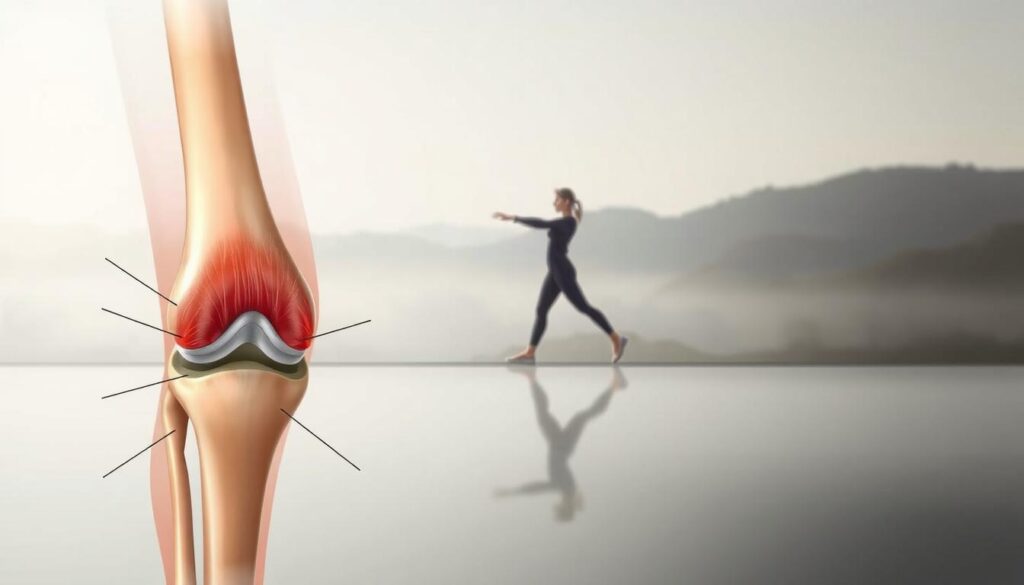
The medial plica is a fold in the membrane that surrounds the knee joint. It is one of several plicae (folds) that can be found in the knee. Normally, it is a benign structure, but it can become irritated or inflamed due to injury or overuse, leading to what is known as medial plica syndrome.
Symptoms of Medial Plica Irritation
When the medial plica becomes irritated, it can cause a variety of symptoms. These include pain on the inner aspect of the knee, a catching or locking sensation in the knee, and difficulty in sitting for extended periods or climbing stairs. Some individuals may also experience swelling or a clicking sound when bending the knee.
Common symptoms to watch out for include:
- Knee pain, especially during activities that involve bending or straightening the knee
- A feeling of catching or locking in the knee
- Difficulty in knee flexion or extension
Causes of Medial Plica Issues
Medial plica irritation often results from overuse or direct trauma to the knee. Activities that involve repetitive knee bending, such as cycling, running, or jumping, can irritate the medial plica. Additionally, a sudden increase in physical activity or direct blows to the knee can also cause irritation.
| Cause | Description |
|---|---|
| Overuse | Repetitive activities that stress the knee |
| Direct Trauma | Blows or impacts directly to the knee |
| Sudden Increase in Activity | Rapidly increasing exercise intensity or frequency |
“Understanding the causes and symptoms of medial plica irritation is the first step towards effective management and relief.”
Benefits of Stretching for Medial Plica
The benefits of stretching for medial plica irritation are multifaceted, ranging from pain reduction to improved knee function. Stretching can be a valuable component of a treatment plan, helping to alleviate symptoms and improve overall knee health.
Reducing Pain and Discomfort
Stretching helps in reducing pain and discomfort by relieving tension in the knee area. When the medial plica is irritated, it can cause significant pain. Gentle stretching can help mitigate this by improving blood flow and reducing inflammation.
Improving Flexibility
Regular stretching can improve flexibility by increasing the range of motion in the knee. This is crucial for individuals with medial plica irritation, as stiffness can exacerbate the condition. Rehab stretches for plica irritation can be particularly helpful.
Enhancing Overall Knee Function
Stretching not only alleviates current discomfort but also enhances overall knee function. By improving flexibility and strength, individuals can better prevent future issues.
| Benefit | Description |
|---|---|
| Reducing Pain | Stretching relieves tension and improves blood flow, reducing pain. |
| Improving Flexibility | Regular stretching increases the knee’s range of motion. |
| Enhancing Knee Function | Stretching improves overall knee health and prevents future issues. |
Recommended Stretches for Relief
To alleviate knee discomfort caused by medial plica irritation, specific stretches can be highly effective. These stretches target the areas around the knee, improving flexibility and reducing pain.
Standing Quad Stretch
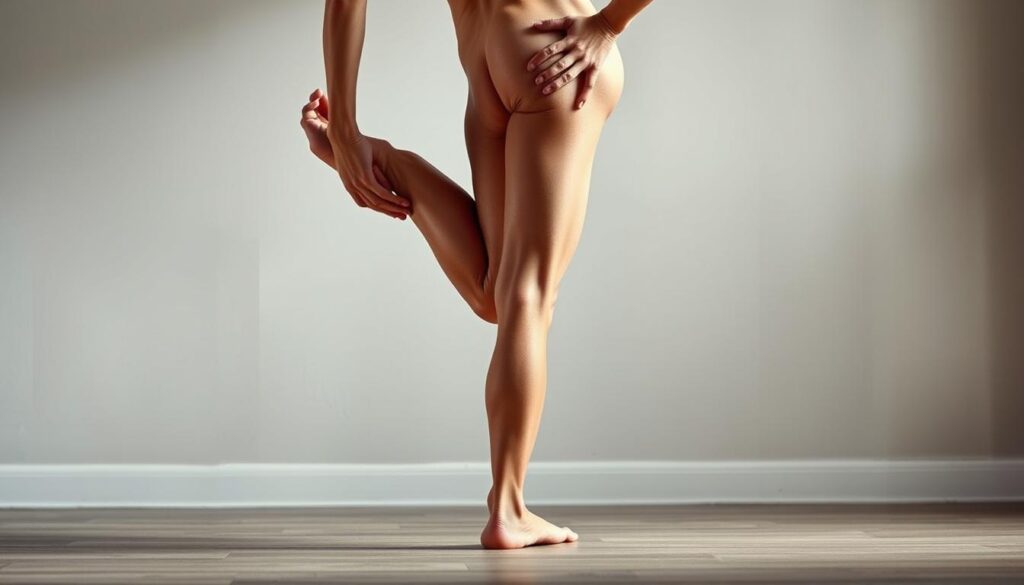
The standing quad stretch is effective in improving flexibility in the front of the leg, which in turn can help alleviate tension on the medial plica. To perform this stretch, stand with one hand against a wall for balance, bend one knee, and grab your ankle with your hand. Gently pull your heel towards your buttocks until you feel a stretch in the front of your leg.
Seated Hamstring Stretch
Tight hamstrings can contribute to knee discomfort, making the seated hamstring stretch a valuable exercise for those experiencing medial plica irritation. Sit on the floor with your legs straight out in front of you. Lean forward, reaching for your toes, and keep your knees straight. Hold this position to feel the stretch in the back of your legs.
Calf Stretch
The calf stretch is another important exercise that can help reduce knee tension. Stand facing a wall with one hand on the wall for balance. Step one foot back about a foot, keeping your heel on the ground. Bend the front knee, keeping the back leg straight, and lean forward, stretching your calf.
| Stretch | Primary Benefit | How to Perform |
|---|---|---|
| Standing Quad Stretch | Improves front leg flexibility | Stand, bend one knee, grab ankle, and pull heel towards buttocks |
| Seated Hamstring Stretch | Stretches back of the leg | Sit with legs straight, lean forward reaching for toes |
| Calf Stretch | Reduces calf tension | Stand facing a wall, step one foot back, bend front knee, and lean forward |
How to Perform Each Stretch
Mastering the correct form for each stretch is essential for maximizing benefits and minimizing risk of injury. When done properly, these stretches can significantly alleviate medial plica irritation. Below are the detailed steps for performing the recommended stretches.
Standing Quad Stretch Steps
The Standing Quad Stretch is a simple yet effective exercise for relieving tension in the quadriceps, a common area of discomfort for those with medial plica irritation.
- Stand with one hand against a wall for balance, if needed.
- Bend one knee, keeping your foot behind you.
- Gently pull your heel towards your buttocks until you feel a stretch in the front of your leg.
- Hold for 15-30 seconds and then switch legs.
Seated Hamstring Stretch Steps
The Seated Hamstring Stretch targets the hamstrings, which are connected to the knee and can contribute to medial plica irritation if tight.
- Sit on the floor with your legs straight out in front of you.
- Lean forward, reaching for your toes, until you feel a stretch in the back of your legs.
- Hold the stretch for 15-30 seconds.
- Return to the starting position and repeat as needed.
Remember: Don’t bounce; instead, move smoothly into the stretch.
Calf Stretch Instructions
The Calf Stretch is beneficial for relieving tension in the calf muscles, which can indirectly affect the knee area.
- Stand facing a wall with one hand on the wall for balance.
- Step one foot back about a foot, keeping your heel on the ground.
- Bend the front knee and lean forward, keeping your back leg straight.
- Hold for 15-30 seconds before switching legs.
Key Point: Keep your heel on the ground to effectively stretch your calf.
Frequency of Stretching
To achieve optimal results, it’s essential to determine the right frequency for stretching exercises targeting medial plica syndrome. The frequency of stretching depends on individual factors, including the severity of symptoms and overall health.
How Often Should You Stretch?
For individuals dealing with medial plica irritation, stretching three to four times a week can be a good starting point. However, this frequency can vary based on the severity of the irritation and how your body responds to the stretches.
Listening to Your Body
It’s crucial to listen to your body and adjust your stretching routine accordingly. If you experience pain or discomfort during or after stretching, it may be a sign to reduce the frequency or modify the stretches.
Paying attention to your body’s signals is key to avoiding overstretching and potential injury. This mindful approach to stretching will help you find a balance that works for your specific condition.
Other Therapeutic Techniques
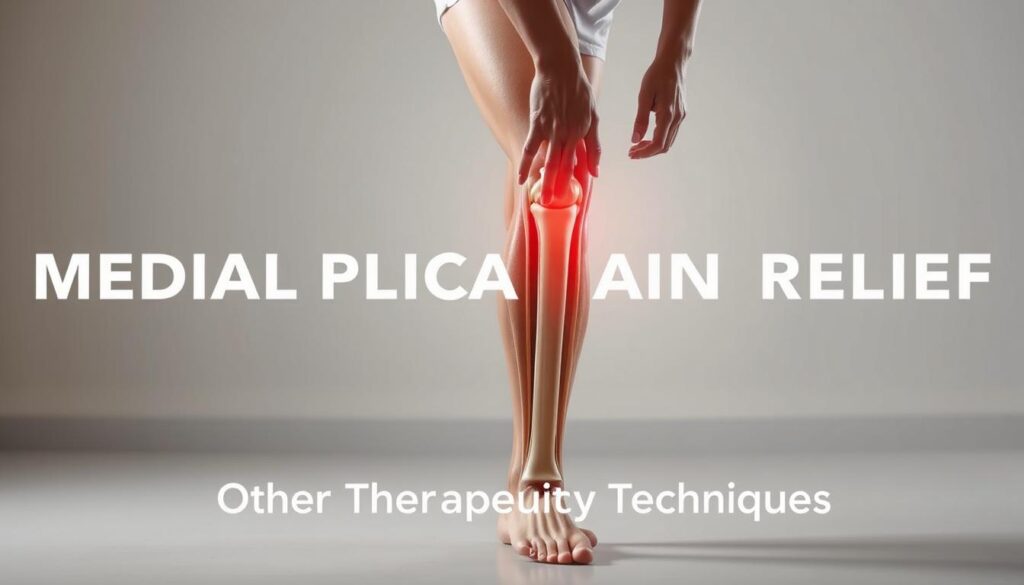
Managing medial plica irritation often involves a multi-faceted approach that includes various therapeutic techniques beyond stretching. While stretching is crucial for relieving tension and improving flexibility, other methods can complement these exercises to enhance overall recovery.
One of the key additional therapeutic techniques is ice and heat therapy. Ice therapy, or cryotherapy, is typically used to reduce inflammation and pain in the acute phase of injury. On the other hand, heat therapy is used to relax muscles and increase blood flow, promoting healing. Alternating between ice and heat can be an effective strategy for managing medial plica irritation.
Ice and Heat Therapy
Applying ice packs to the affected area for 15-20 minutes, several times a day, can help reduce inflammation. It’s essential to wrap the ice pack in a cloth to avoid direct contact with the skin. Heat therapy, using a warm towel or heating pad, can be applied in a similar manner, especially after activities, to relax the knee muscles.
Strengthening Exercises
Strengthening the muscles around the knee, particularly the quadriceps and hamstrings, can provide additional support to the knee joint and help alleviate medial plica irritation. Strengthening exercises such as squats, lunges, and leg presses are beneficial when performed correctly and within a pain-free range.
Physical Therapy Options
Physical therapy is another valuable therapeutic technique for managing medial plica irritation. A physical therapist can design a personalized exercise program, provide manual therapy, and use modalities such as ultrasound or electrical stimulation to promote healing and improve knee function.
By incorporating these therapeutic techniques into a comprehensive treatment plan, individuals can better manage medial plica irritation and improve their overall knee health.
Common Mistakes in Stretching
To get the most out of stretching exercises for medial plica irritation, it’s essential to steer clear of common pitfalls. Stretching is a vital component of rehab stretches for plica irritation, but certain errors can hinder the recovery process.
When performing plica irritation treatment stretches, it’s crucial to be mindful of your body’s signals. Overstretching and ignoring pain are two common mistakes that can exacerbate the condition.
Overstretching and Injury
Overstretching can lead to further irritation and potentially cause injury. It’s essential to stretch within a comfortable range and avoid bouncing or forcing the muscle beyond its capacity.
To avoid overstretching, start with gentle movements and gradually increase the depth and duration of your stretches. This approach helps in improving flexibility without causing additional strain.
Ignoring Pain Signals
Ignoring pain signals is another critical mistake. Pain is a sign that something is amiss, and disregarding it can lead to more severe issues. If you experience pain during a stretch, stop immediately and reassess your technique or consult a professional.
Listening to your body and being aware of your pain thresholds can significantly enhance the effectiveness of your rehab stretches for plica irritation. It’s about finding a balance between stretching and strengthening to promote healing.
When to Consult a Professional
Knowing when to seek professional help is key to effectively addressing medial plica issues. While medial plica exercises and knee stretches for plica irritation can provide relief, certain signs indicate the need for expert intervention.
Signs You Need Professional Help
Persistent pain, limited mobility, or severe knee swelling are indicators that you should consult a professional. If you experience any of these symptoms, it’s essential to seek advice from a qualified healthcare provider.
Types of Professionals to Consult
You can consult various professionals, including orthopedic specialists, physical therapists, or chiropractors, who can provide personalized medial plica exercises and guidance on knee stretches for plica irritation. These experts can help you develop a tailored treatment plan to address your specific needs.
Long-Term Management of Medial Plica Issues
Long-term relief from medial plica pain can be achieved through a balanced routine that incorporates various therapeutic techniques. Effective management involves not just alleviating the current discomfort but also preventing future irritation.
A key component of this balanced routine is stretching exercises. Regular stretching can help maintain flexibility and reduce tension in the knee area, which is crucial for preventing medial plica irritation. Incorporating rehab stretches for plica irritation into your daily routine can significantly improve knee function and reduce pain.
Creating a Balanced Routine
To create a balanced routine, it’s essential to combine stretching with other therapeutic techniques. This may include strengthening exercises to improve the overall stability of the knee, as well as ice and heat therapy to manage pain and inflammation.
| Therapeutic Technique | Benefits | Frequency |
|---|---|---|
| Stretching Exercises | Improves flexibility, reduces tension | Daily |
| Strengthening Exercises | Enhances knee stability | 2-3 times a week |
| Ice and Heat Therapy | Manages pain and inflammation | As needed |
Importance of Consistency
Consistency is crucial when it comes to managing medial plica issues. Sticking to your routine and making adjustments as needed can help ensure long-term relief from medial plica pain. It’s also important to listen to your body and not push through pain, as this can exacerbate the condition.
Incorporating medial plica pain relief stretches into your routine can provide significant benefits. Regular practice can lead to improved knee function and reduced discomfort, enhancing overall quality of life.
Conclusion: Your Path to Relief
Finding relief from medial plica irritation requires a comprehensive approach that includes stretching, other therapeutic techniques, and a consistent routine. By incorporating medial plica irritation stretches into your daily regimen, you can alleviate pain and improve knee function.
Effective Stretching Practices
To maximize the benefits of stretching, focus on proper technique and regular practice. Plica syndrome stretches, such as the standing quad stretch, seated hamstring stretch, and calf stretch, can help reduce tension and promote healing.
Prioritizing Self-Care
Self-care is essential for managing medial plica irritation. By combining stretching with other therapeutic techniques, such as ice and heat therapy, strengthening exercises, and physical therapy options, you can take an active role in your recovery and maintain long-term knee health.
FAQ
What is medial plica irritation?
What are the symptoms of medial plica irritation?
How can stretching help with medial plica irritation?
What are some recommended stretches for medial plica irritation?
How often should I stretch for medial plica irritation?
Can I use other therapeutic techniques alongside stretching for medial plica irritation?
What are some common mistakes to avoid when stretching for medial plica irritation?
When should I consult a professional for medial plica irritation?
How can I manage medial plica irritation in the long term?
Are there any specific exercises that can help alleviate medial plica irritation?
Can plica syndrome stretches help with medial plica irritation?
How can I relieve medial plica pain?