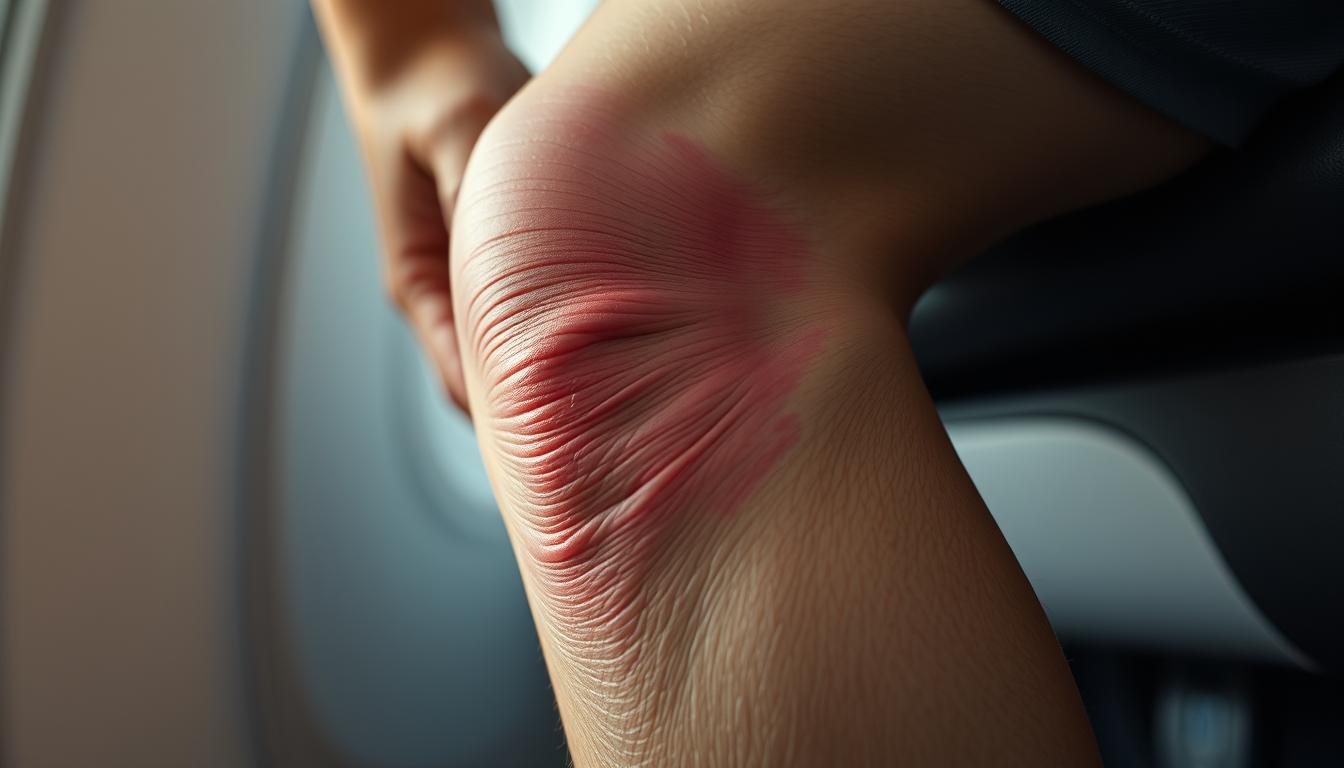
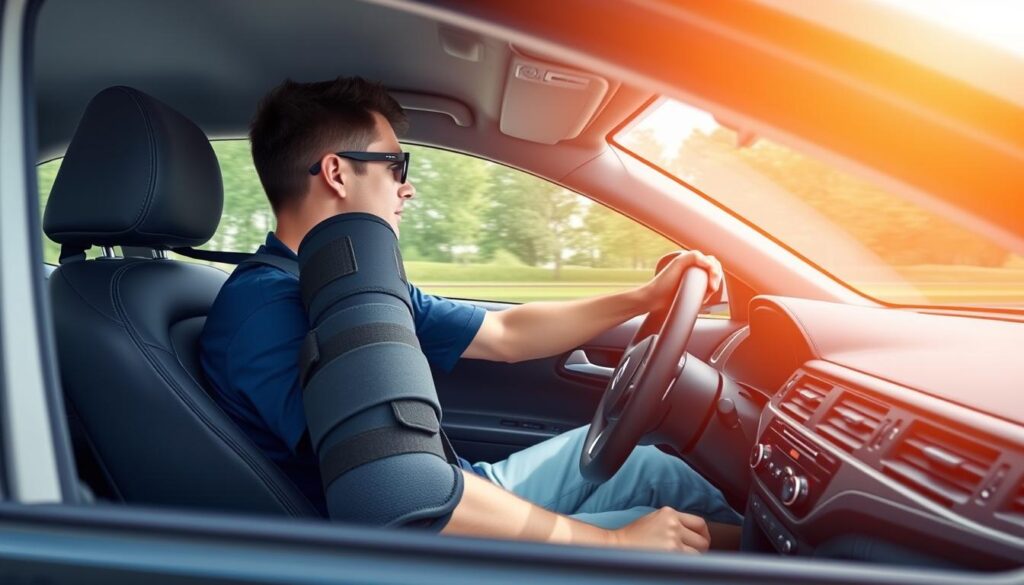
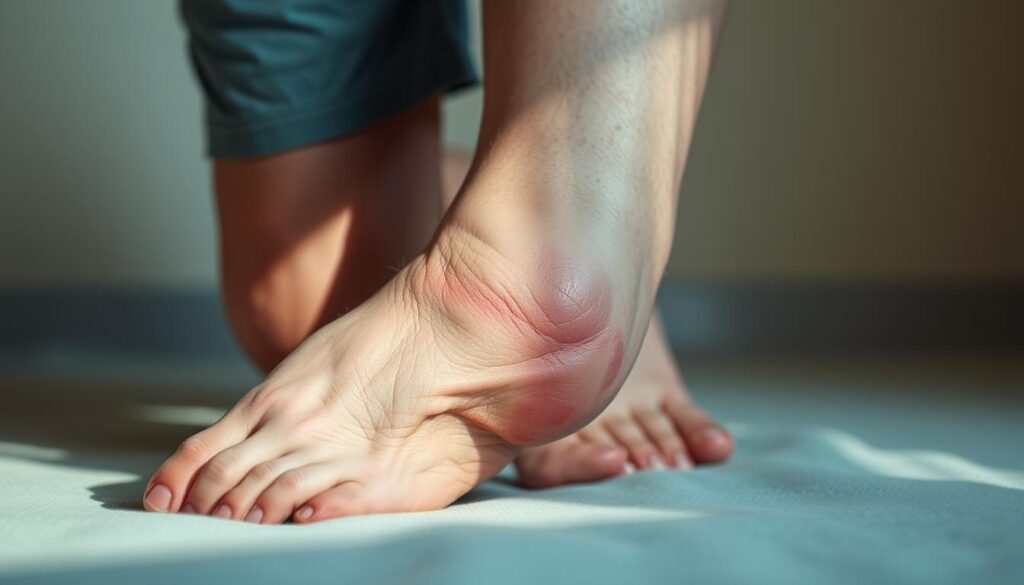
Traveling can be a fun adventure, but it can also be troublesome if you suffer from joint discomfort, such as stiffness and muscular cramping or osteoarthritis.
Whether by plane, train, or car, traveling far typically means that you’ll be sitting for an extended period in one position, which can be stressful on your joints, especially if your seat is tight or uncomfortable.
We’ll explore the reasons behind this common issue and discuss effective strategies to minimize discomfort when traveling by air.
Key Takeaways
Understand why knee discomfort occurs after flying.
Learn how the airplane environment affects knee health.
Discover the link between prolonged sitting and joint pain.
Identify factors that contribute to post-flight knee discomfort.
Find strategies to minimize knee pain when traveling by air.
Why Flying Causes Knee Pain
Air travel can have several adverse effects on the body, particularly on the joints. We will explore the specific factors that contribute to knee pain during and after flying.
Prolonged Sitting and Limited Space
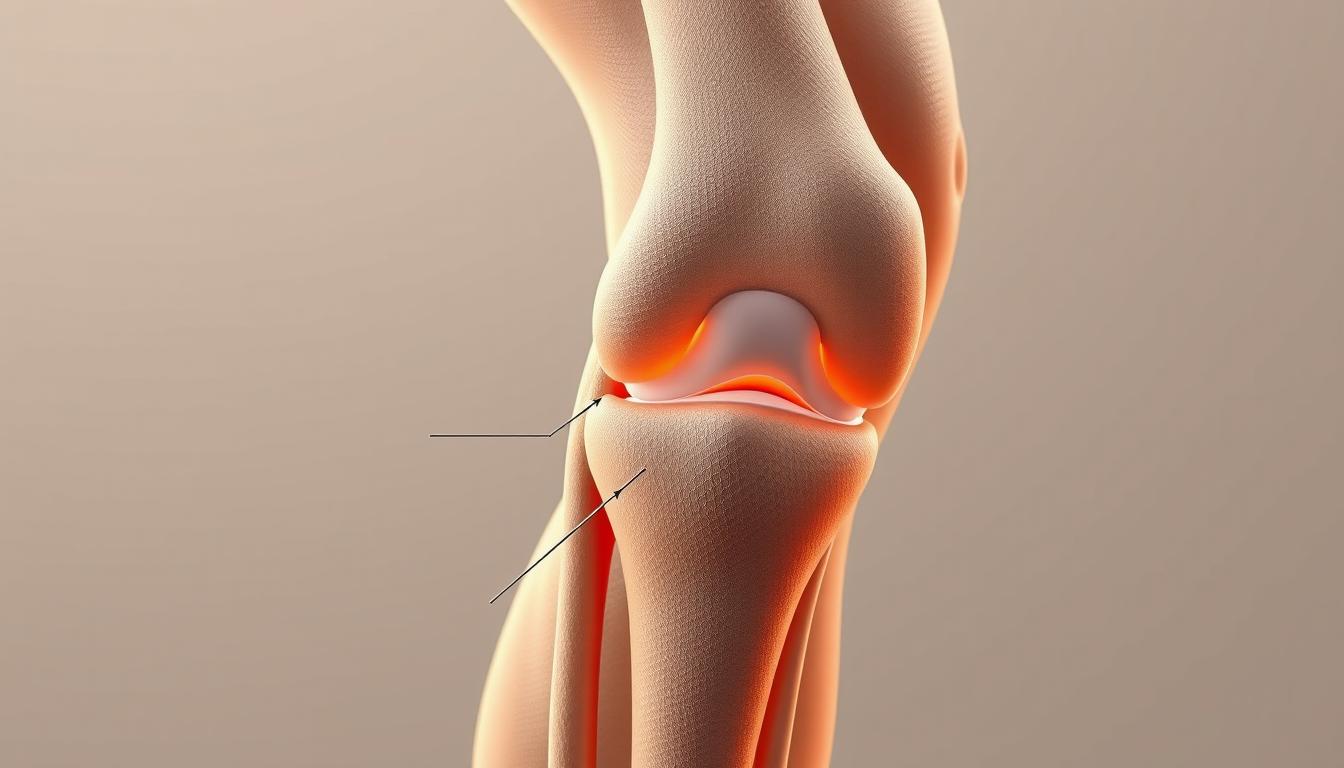
One of the primary reasons flying can cause knee pain is the prolonged sitting and limited legroom on airplanes. When we sit for extended periods, our joints are not moving, which can lead to stiffness and discomfort. The cramped seating on many flights exacerbates this issue, putting additional stress on the knee joint.
Cabin Pressure and Dehydration Effects
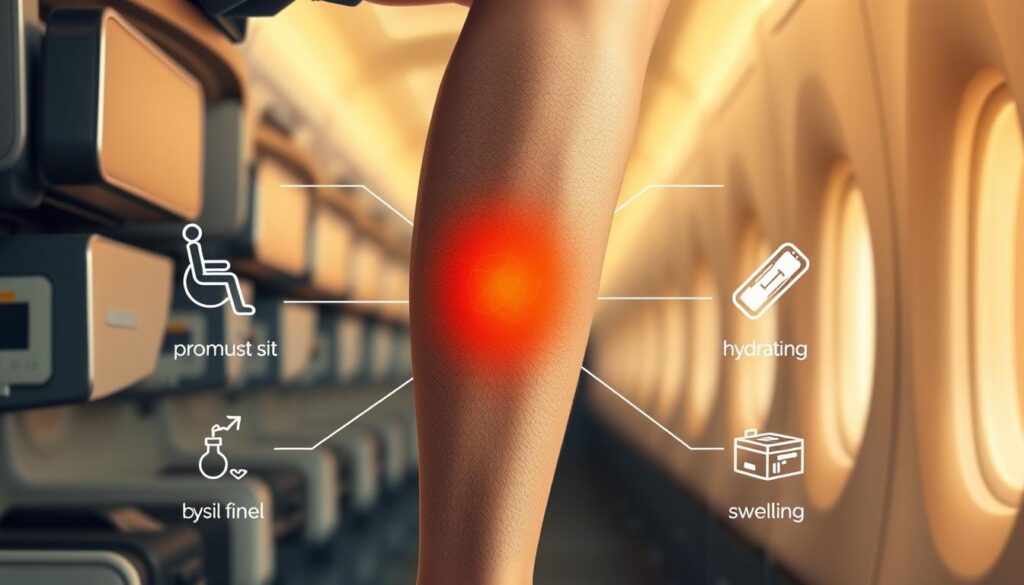
The cabin pressure and low humidity on airplanes also play a significant role in knee pain. Dehydration can lead to a reduction in synovial fluid, which is essential for reducing friction and ensuring smooth joint movement. A lack of this fluid can cause stress on the joints, leading to pain and discomfort. Furthermore, dehydration can cause muscular cramping and spasms, indirectly contributing to joint pain.
The combination of cabin pressure changes and dehydration creates a challenging environment, especially for individuals with existing joint conditions like arthritis. These factors can impact blood circulation to the extremities, further contributing to joint discomfort. Understanding these factors can help us take preventive measures to mitigate knee pain during and after flying.
Common Risk Factors for Knee Pain After Flying
Several factors can increase the likelihood of experiencing knee pain after flying. Understanding these risk factors can help travelers take preventive measures to reduce discomfort during and after their journey.
Existing Medical Conditions
Pre-existing medical conditions play a significant role in determining the likelihood of experiencing knee pain during flights. Conditions such as arthritis, previous knee injuries, or chronic joint pain can exacerbate discomfort during air travel. It’s essential for individuals with these conditions to consult with a healthcare professional before flying. For those experiencing persistent knee pain, finding the best knee pain doctor near me can be crucial in managing their condition.
Age and Physical Fitness Considerations
Age-related changes in joint structure and function can increase susceptibility to knee pain during and after flights. Maintaining muscle strength around the knee joint is crucial as a protective factor against travel-related discomfort. Overall physical fitness levels also impact how well individuals tolerate the physical challenges of air travel. Regular exercise routines can prepare the body for the stresses of air travel, while weight management plays a role in knee health during travel.
Risk Factor
Description
Preventive Measure
Existing Medical Conditions
Pre-existing conditions like arthritis or previous knee injuries
Consult a healthcare professional before flying
Age
Age-related changes in joint structure and function
Maintain muscle strength around the knee joint
Physical Fitness
Overall fitness levels and muscle strength
Regular exercise and weight management
Preparing for Your Flight to Prevent Knee Pain
Taking proactive measures before your flight can help reduce knee pain. As we prepare for air travel, there are several steps we can take to minimize discomfort and ensure a more enjoyable journey.
Pre-Flight Medical Consultation
Before embarking on your trip, it’s advisable to consult with a healthcare professional, especially if you have existing knee issues. They can provide personalized advice and treatment options to help reduce knee pain during the flight. Make sure to discuss your travel plans and any concerns you may have.
Packing Supportive Equipment
Packing the right equipment can make a significant difference in managing knee pain during your travels. Consider bringing a portable heating pad or ice packs to apply heat or cold therapy as needed. Although applying heat during the flight might not be feasible, using it before or after can provide relief. You can also pack supportive knee sleeves or braces to provide stability and comfort.
Medication and Treatment Options
Managing knee pain during air travel often involves a combination of medication and other treatment options. Taking your prescription medication before and during travel is essential. It’s recommended to take it about 30 minutes before travel and to keep it on hand in case you need more later in your trip. Additionally, consider alternative treatments like topical pain relievers that can be applied during the flight to provide quick relief.
By being prepared with the right medication and treatment options, you can significantly reduce knee pain and enjoy your trip.
Effective Strategies to Manage Knee Pain During and After Flying
Managing knee pain during and after flying requires a combination of preparation, in-flight strategies, and post-flight recovery techniques. To minimize discomfort, it’s crucial to understand the causes of knee pain when traveling by air and implement effective management strategies.Regular movement is keyto reducing knee pain during flights. We recommend getting up and walking frequently to avoid stiffness and cramping. Simple exercises like stretching your legs, ankles, and toes can also help. Even small movements, such as sliding your feet back and forth while seated, can make a significant difference.
Choosing the right seat can also contribute to reduced knee pain. Opting for anaisle seat or exit rows with additional legroomcan provide more comfort and allow for easier movement. Wearingloose, stretchy clothing and supportive shoescan also enhance comfort and reduce pressure on knee joints.
During layovers, taking breaks to stretch and move around can help restore knee mobility. We also recommend incorporating simple stretching routines into your flight time to maintain circulation and reduce stiffness.
After the flight,post-flight recovery techniquescan help knees readjust after long periods of restricted movement. Continuing to stretch and move around can help alleviate any remaining discomfort.
By following these tips and being mindful of your knee health during air travel, you can minimize knee pain and enjoy your travels more comfortably. If knee pain becomes severe, it’s essential to seek medical attention to address any underlying issues.
FAQ
What can we do to reduce knee discomfort during long periods of travel?
We can take regular breaks to stretch our legs, wear compression stockings to improve blood circulation, and perform simple exercises to loosen our joints.
Are there any specific exercises we can do to alleviate knee stiffness while traveling?
Yes, we can do some simple exercises like rotating our ankles, lifting our legs, and bending our knees to keep our joints mobile and reduce stiffness.
How can we manage knee pain caused by osteoarthritis or arthritis during travel?
We can consult our doctor before traveling to discuss medication and treatment options, and consider packing supportive equipment like a heating pad or compression sleeves to help manage our condition.
Can wearing compression socks really make a difference in reducing knee pain during travel?
Yes, wearing compression socks can help improve blood circulation, reduce swelling, and alleviate knee discomfort during long periods of sitting.
What are some tips for choosing a comfortable seat to minimize knee pain during travel?
We can opt for a seat with more legroom, avoid seats near the lavatory or galley, and consider upgrading to a seat with more comfort features to reduce knee discomfort.
How can we prevent cramping and stiffness in our legs and knees during long trips?
We can stay hydrated, avoid crossing our legs, and take regular breaks to stretch and move around to reduce the risk of cramping and stiffness.
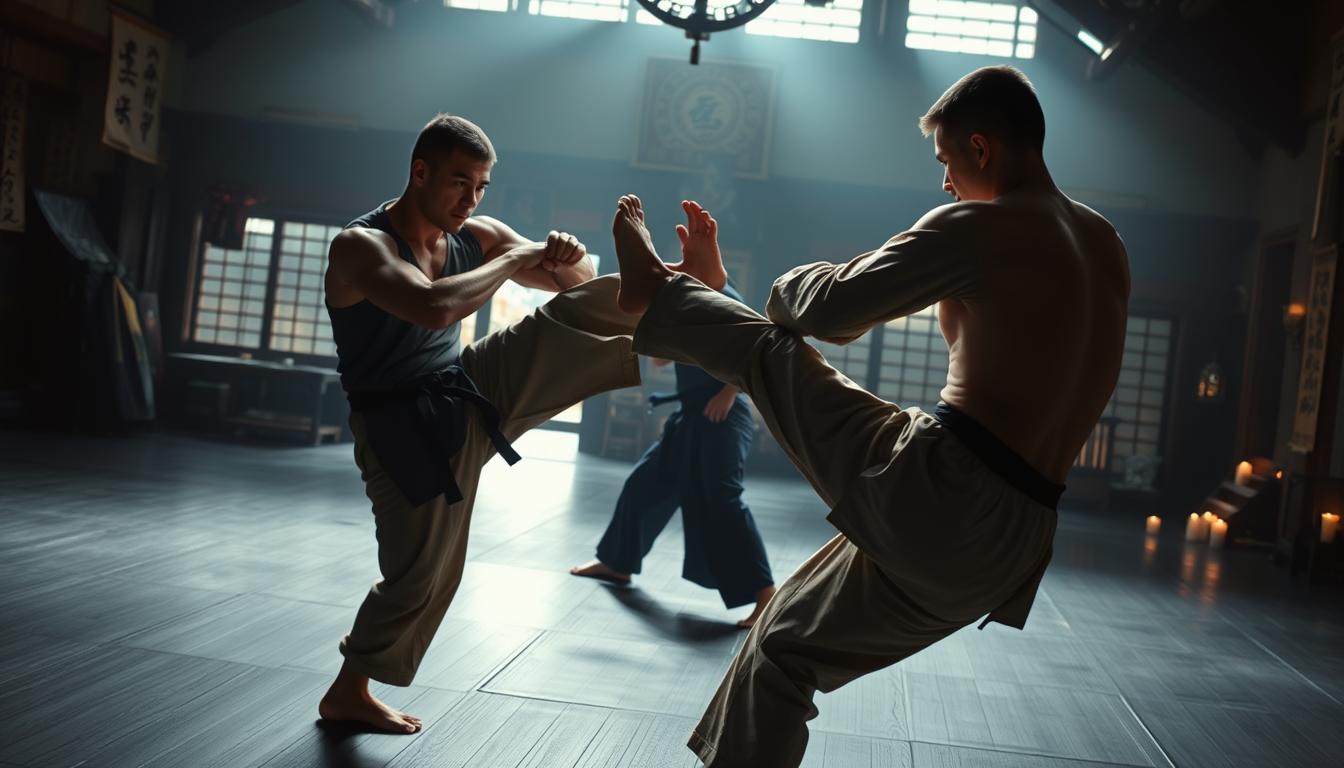
Can martial artists maintain peak performance without prioritizing knee health? The answer lies in understanding the critical role that knee stability plays in martial arts training.
For martial artists across various disciplines, from striking arts to grappling styles, knee injuries can be a significant setback. Effective training regimens must include exercises that strengthen the body and improve knee stability to generate power and maintain overall performance.
We will explore how integrating specific knee-focused exercises into your regular training can enhance your martial arts journey, improve overall strength, and extend your career.
Key Takeaways
Understanding the importance of knee health for martial artists
Preventative exercises to enhance knee stability
Rehabilitation techniques for injured knees
The impact of knee conditioning on martial arts performance
Progressive exercise routines for all skill levels
The Importance of Knee Health in Martial Arts
Effective martial arts training requires a strong emphasis on knee health to maintain optimal performance and prevent injuries. The lower body plays a significant role in martial arts as it provides a strong and stable foundation to perform all types of movements. It helps martial artists to generate and transfer speed, strength, and add more power to their techniques.
How Knees Function in Combat Sports
The knee joint serves as a critical pivot point for nearly all martial arts movements, from kicks and stance transitions to takedowns and submissions. Understanding the biomechanics of knee function helps practitioners develop more efficient movement patterns that generate greater power while reducing injury risk. Proper knee alignment during techniques directly impacts both performance capabilities and long-term joint health.
As emphasized by experts, “The knee is the most critical component of a martial artist’s lower body, influencing overall technique effectiveness and resilience against injuries.” This highlights the importance of knee health in martial arts.
Common Knee Injuries Among Martial Artists
Knee injuries represent one of the most common and potentially career-threatening issues for martial artists across all disciplines. The unique stresses placed on knees during martial arts training are different from other athletic activities, requiring specific conditioning approaches. For those recovering from knee injuries, exploring safe exercises is crucial for rehabilitation.
Different martial arts styles place unique demands on knee structures, and understanding these demands is key to developing effective strengthening approaches for each discipline. By focusing on knee health and incorporating appropriate training methods, martial artists can enhance their performance and longevity in the sport.
Understanding Lower Body Mechanics for Martial Artists
The foundation of a martial artist’s power and stability lies in their lower body. In martial arts, the lower body plays a crucial role in supporting the upper body, particularly the core, and is essential for balance, agility, and effective technique execution.
Training the lower body improves overall performance in both grappling and striking martial arts by enhancing balance and agility. This is critical as martial artists need to move effectively from various positions, including kneeling, sitting, or standing.
The Role of Knee Stability in Stance and Movement
Knee stability is fundamental to maintaining a strong stance in martial arts. Proper knee alignment creates a solid foundation for effective stance work across different martial arts styles. Knee positioning directly affects weight distribution and balance during both offensive and defensive movement.
Knee stability connects to hip mobility and ankle strength, creating a unified system for power generation.
Effective knee stability is crucial for maintaining balance and executing techniques smoothly.
How Knee Strength Impacts Power Generation
Knee strength is vital for generating power in martial arts. The kinetic chain concept illustrates how knee stability, along with hip mobility and ankle strength, contributes to a unified power generation system. Stronger knees enable martial artists to generate more forceful strikes and more effectively execute takedowns.
The relationship between knee stability and rotational power is particularly significant, as it directly impacts striking force and takedown effectiveness. Understanding the role of eccentric knee strength in absorbing impact forces is also crucial for both performance enhancement and injury prevention.
Assessing Your Current Knee Condition
To prevent injuries and improve performance, evaluating the current state of your knees is essential. Martial artists often focus on technique and strength training, but neglecting knee health can lead to significant setbacks. We will guide you through a comprehensive self-assessment to identify potential knee weaknesses before they develop into serious injuries.
Signs of Knee Weakness or Instability
Recognizing early warning signs of knee instability is crucial. Common indicators include pain during or after training, swelling, or a feeling of instability in the knee joint. Previous injuries can also create compensation patterns that may lead to further issues if not addressed. It’s essential to differentiate between normal training soreness and potential injury signals.
Some signs to watch out for include:
Pain or discomfort during squatting or lunging movements
Instability or feeling of the knee “giving way”
Swelling or redness around the knee area
Simple Tests to Evaluate Knee Function
Performing simple functional tests can help evaluate knee tracking, stability under load, and recovery capacity. One effective method is the single-leg squat test, which assesses knee stability and strength. Another useful test is the step-up test, evaluating the knee’s ability to handle load and movement.
Here’s a simple table to guide you through assessing knee function:
Test
Description
What to Look For
Single-Leg Squat
Stand on one leg and squat down
Knee stability, pain, or discomfort
Step-Up Test
Step up onto a platform with one leg
Ability to handle load, pain, or instability
If you identify any issues during these tests, it may be necessary to supplement your self-assessment with a professional medical evaluation to ensure your knees are healthy enough for martial arts training.
Fundamental Knee Exercises for Martial Artists
Knee strength is crucial for martial artists, and fundamental exercises like squats and lunges are essential for building this strength. These exercises target the muscles around the knee, improving stability and power.
Bodyweight Squats and Variations
Bodyweight squats are a foundational exercise for knee strength development. They work multiple muscle groups, including the quads, hamstrings, and core. Proper form is essential to avoid injury and maximize benefits.
To perform a bodyweight squat, stand with your feet shoulder-width apart, then lower your body down until your thighs are parallel to the ground. Variations like sumo squats and narrow-stance squats target different muscle groups, providing a well-rounded strengthening effect.
Squat Variation
Targeted Muscles
Martial Arts Benefit
Narrow-Stance Squat
Quads, Hamstrings
Improves knee stability for front kicks
Sumo Squat
Adductors, Glutes
Enhances stance strength and stability
Bodyweight Squat
Quads, Hamstrings, Core
General knee strengthening
Lunges for Combat Stance Strength
Lunges are another critical exercise for martial artists, as they strengthen the legs and improve balance. They are particularly beneficial for grapplers, as they enhance explosiveness and driving power.
To perform a lunge, step forward with one foot and lower your body until your back knee almost touches the ground. Alternate legs to ensure balanced strength development. Variations like walking lunges and lateral lunges can add diversity to your training and target different muscle groups.
By incorporating squats and lunges into your martial arts training, you can significantly improve your knee strength and overall performance.
Advanced Strength Training for Knee Stability
For martial artists, developing knee stability through advanced strength training is essential for optimal performance and injury prevention. This involves a structured approach to strengthening the muscles around the knee, thereby enhancing overall lower body strength and resilience.
Weighted Squat Variations for Martial Artists
Weighted squats are a fundamental exercise for building knee strength. By incorporating variations such as barbell back squats, front squats, and goblet squats, martial artists can significantly improve their knee stability. Progressive loading with these exercises develops the structural integrity needed for advanced martial arts techniques. We recommend starting with lighter weights and gradually increasing the load to avoid injury.
The use of different weighted squat variations allows martial artists to target the knee from multiple angles, enhancing overall knee stability. For instance, front squats tend to emphasize the quadriceps, while back squats distribute the load across multiple muscle groups.
Deadlifts for Posterior Chain Development
Deadlifts are a versatile and effective exercise for strengthening the posterior chain, which is crucial for knee health and overall lower body strength. The deadlift works multiple muscle groups simultaneously, including the hamstrings, glutes, and lower back muscles, all of which play a significant role in supporting knee function.
By incorporating deadlift variations such as sumo, conventional, and Romanian deadlifts into their training regimen, martial artists can enhance their posterior chain strength. This not only improves knee stability but also contributes to better power generation and overall athletic performance. It’s essential to focus on proper form and technique to maximize the benefits of deadlifts while minimizing the risk of injury.
Plyometric Exercises to Enhance Knee Power
Martial artists require explosive knee power, which can be developed through specific plyometric training. Plyometric exercises are designed to improve muscular power and reactivity by utilizing the stretch-shortening cycle. This type of training is crucial for martial arts that demand quick, powerful movements, such as boxing, muay thai, wrestling, and judo.
By incorporating plyometric exercises into their training regimen, martial artists can enhance their knee power, speed, and overall endurance. The focus will be on two key exercises: box jumps for explosive strength and jump rope drills for endurance and coordination.
Box Jumps for Explosive Strength
Box jumps are a plyometric exercise that targets the quadriceps, glutes, and calves, building muscle power essential for martial arts. To perform box jumps effectively, it’s crucial to maintain proper form and technique. Start with a box height that allows you to jump up and land softly on the balls of your feet.
Progressive box jump protocols can help develop fast-twitch muscle fibers while maintaining safe landing mechanics for knee protection. For example, you can start with a lower box and gradually increase the height as your power and technique improve.
Box Height
Repetitions
Sets
Low (30cm)
10-12
3-4
Medium (45cm)
8-10
3-4
High (60cm)
6-8
3-4
Jump Rope Drills for Endurance and Coordination
Jump rope is a classic exercise used by martial artists to improve cardiovascular fitness and muscular endurance in the lower body. Jumping rope works the same muscles used in martial arts movements, enhancing endurance and coordination.
To maximize the benefits of jump rope drills, vary your technique and intensity. For example, you can perform high-intensity interval training (HIIT) with jump rope, alternating between fast and slow intervals.
By incorporating these plyometric exercises into your training regimen, you can enhance your knee power, speed, and endurance, ultimately improving your martial arts performance.
Sport-Specific Knee Exercises for Martial Artists
The demands of martial arts training necessitate knee exercises that are tailored to the specific needs of each discipline. We will explore how different martial arts require unique knee conditioning to enhance performance and prevent injuries.
Exercises for Striking Arts
For striking arts like Muay Thai, Karate, and Boxing, knee stability during rotational movements is crucial. Rotational squats and lateral lunges can significantly improve knee stability and enhance kick power and speed. These exercises mimic the movements used in striking arts, making them highly effective for training.
To build the lateral knee stability essential for stance transitions, martial artists can incorporate single-leg squats and step-ups into their workouts. These exercises not only improve stability but also enhance overall leg strength.
Exercises for Grappling Arts
For grappling arts such as BJJ, Judo, and Wrestling, isometric knee strength is vital for maintaining positions under resistance. Isometric squats and glute bridges are effective exercises for developing this strength. Additionally, plyometric exercises like box jumps can enhance explosive knee drive necessary for successful takedowns.
Grapplers can also benefit from leg press and leg extension exercises to build the specific knee control needed for guard retention and sweeps. These exercises, when incorporated into a regular training regimen, can significantly improve a grappler’s performance.
Mobility and Flexibility Exercises for Healthy Knees
Knee mobility and flexibility are foundational elements for effective martial arts techniques. Proper mobility work creates the foundation for both knee health and optimal technique execution in martial arts. This is because the knees are subject to various stresses and strains during training and competition.
We will explore how dynamic stretching and joint mobility drills can improve knee function. These exercises are crucial for preparing the knee joint for the specific demands of martial arts training and for maintaining overall knee health.
Dynamic Stretching Routines
Dynamic stretching protocols are essential for preparing the knee joint for martial arts training. These routines involve moving the knee through a range of motions that mimic the actions used in martial arts, helping to reduce the risk of injury and improve performance. Examples include leg swings, high knees, and walking lunges.
Leg swings, for instance, help to loosen the knee joint and prepare the surrounding muscles for more intense activity. By incorporating dynamic stretches into your warm-up, you can enhance your knee mobility and overall martial arts performance.
Joint Mobility Drills
Joint mobility drills are critical for maintaining healthy knee function. These drills involve specific movements that help to maintain or improve the range of motion in the knee joint. Techniques such as joint circling and controlled articular rotations can help maintain synovial fluid distribution, which is vital for healthy knee function.
Moreover, there’s a significant relationship between hip mobility and knee health. Improving hip mobility can, in turn, benefit knee health. Exercises that target the hips, such as hip circles and lunges, can be particularly beneficial.
Knee Rehabilitation Exercises for Injured Martial Artists
Effective knee rehabilitation is crucial for martial artists to return to their training safely and efficiently after an injury. We will explore evidence-based rehabilitation approaches for common martial arts knee injuries, from minor sprains to post-surgical recovery.
Gentle Recovery Movements
The initial phase of rehabilitation focuses on gentle recovery movements that promote healing without exacerbating the injury. These exercises are designed to maintain range of motion and reduce stiffness. Examples include straight leg raises, gentle knee bends, and static quadriceps contractions. It’s essential to start these exercises under the guidance of a healthcare professional to ensure they are performed correctly and safely.
As proprioception (position sense) is critical for martial arts performance, rebuilding it is a key component of rehabilitation. Simple exercises like single-leg stands and balance boards can help improve proprioception.
Progressive Strengthening Protocol
As the knee heals, a progressive strengthening protocol is introduced to restore strength and functionality. This includes exercises like squats, lunges, and leg press, which are modified according to the individual’s recovery stage. The goal is to gradually increase the intensity and difficulty of the exercises to prepare the knee for the demands of martial arts training.
Exercise
Recovery Stage
Repetitions
Straight Leg Raises
Early
3 sets of 10
Squats
Intermediate
3 sets of 12
Lunges
Advanced
3 sets of 15
According to Dr. John Smith, a sports medicine specialist, “A well-structured rehabilitation program not only helps in recovering from the current injury but also in preventing future ones by strengthening the muscles around the knee.”
“Rehabilitation is a critical phase that requires patience, dedication, and a well-planned approach to ensure a successful return to martial arts training.” – Dr. Jane Doe
We also need to consider the mental aspect of rehabilitation. Overcoming the fear of re-injury is crucial for a successful return to training. By gradually reintroducing martial arts-specific movements and providing psychological support, martial artists can regain their confidence.
Integrating Knee Exercises into Your Training Regimen
A comprehensive martial arts training program should include targeted knee exercises. To achieve this, we need to understand how to balance knee strengthening with technical practice and sparring sessions effectively.
Pre-Training Knee Preparation
Before starting martial arts training, preparing the knee joint is essential. This involves activation routines that ready the knee for the upcoming demands. Simple exercises like leg swings and knee bends can be very effective.
For example, a pre-training routine might include 5-10 minutes of dynamic stretching and mobility drills.
Post-Training Recovery Protocols
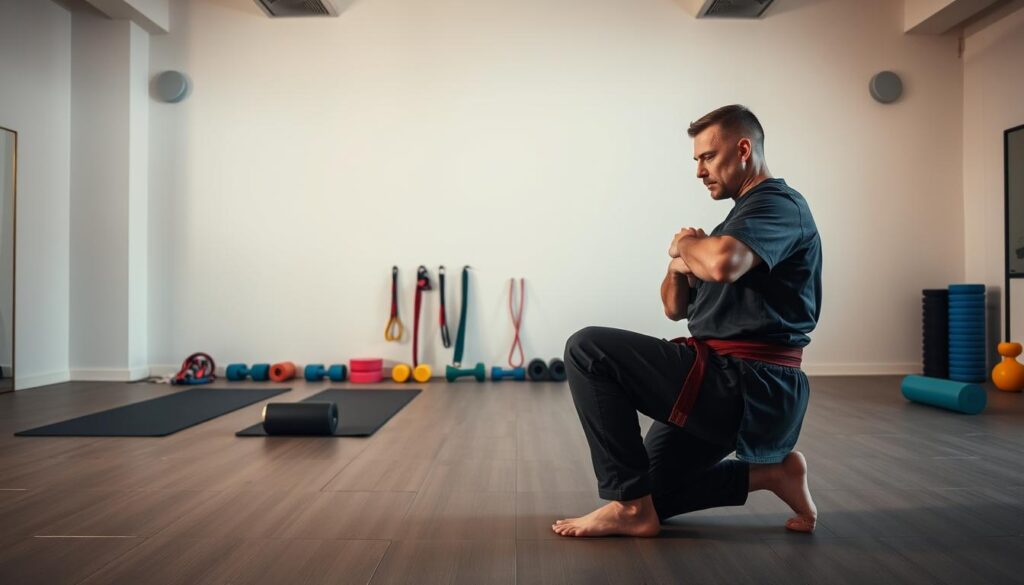
After intense martial arts training, recovery protocols are crucial for knee health. This includes cool-down exercises, self-myofascial release, and compression garments to enhance recovery.
A sample recovery protocol could involve a 10-minute cool-down, followed by foam rolling and compression wrapping.
Day
Training Focus
Knee Exercise
Monday
Technical Practice
Squats
Wednesday
Sparring
Lunges
Friday
Conditioning
Leg Press
By integrating knee exercises into your martial arts training schedule, you can improve knee health and overall performance. It’s essential to monitor knee response to training loads and adjust accordingly to prevent overtraining injuries.
Nutrition and Supplementation for Knee Joint Health
Nutrition and supplementation are vital components in supporting knee joint health for martial artists. A well-balanced diet that includes specific nutrients can help maintain healthy knee cartilage, ligaments, and supporting structures. We will explore how certain nutritional elements can reduce training-induced joint stress and accelerate recovery.
Anti-Inflammatory Foods for Joint Support
Incorporating anti-inflammatory foods into your diet can significantly benefit knee health. Foods rich in omega-3 fatty acids, such as salmon and sardines, have been shown to reduce inflammation. Additionally, antioxidant-rich foods like berries and leafy greens help combat oxidative stress. Other beneficial foods include:
Turmeric, which contains curcumin, a potent anti-inflammatory compound
Ginger, known for its anti-inflammatory properties
Green tea, rich in antioxidants
These foods can be easily integrated into a martial artist’s diet to support knee health and overall well-being.
Supplements That May Benefit Knee Health
Certain supplements have been studied for their potential benefits to knee joint health. Glucosamine and chondroitin are commonly used to support cartilage health, although their effectiveness can vary. Collagen supplements have gained popularity for their potential to improve joint health and skin elasticity. Omega-3 fatty acid supplements are another option for reducing inflammation. It’s essential to consult with a healthcare professional before adding any supplements to your regimen.
A well-structured supplementation plan, combined with a balanced diet, can support the overall health and strength of the knee joint, ultimately benefiting martial artists in their training and recovery.
Common Mistakes to Avoid When Training Knees
The key to a successful martial arts career lies in understanding the intricacies of knee training and avoiding common pitfalls. As martial artists, we often focus on mastering techniques and increasing our training intensity, but we must not overlook the importance of proper knee care.
Improper Form and Technique Issues
One of the most significant factors contributing to knee injuries in martial arts is improper form and technique. Incorrect alignment during basic movements can compound over time, leading to chronic knee issues. For instance, allowing the knees to extend past the toes during squats or lunges can put unnecessary stress on the knee joint.
“Proper technique is the foundation of safe and effective martial arts training,” says a renowned martial arts coach. It’s not just about executing the moves; it’s about doing so in a way that protects our joints and muscles. By focusing on proper form, we can reduce the risk of knee injuries and improve our overall performance.
Maintaining correct posture during training
Avoiding overextension or misalignment of the knees
Using proper landing techniques during jumps or takedowns
Overtraining and Recovery Errors
Overtraining is another common mistake that can lead to knee injuries. Excessive training volume without adequate recovery can result in overuse injuries, sidelining martial artists for extended periods. It’s essential to strike a balance between training intensity and recovery time.
We often hear about the importance of pushing ourselves to the limit, but it’s equally crucial to listen to our bodies and recognize when we need to slow down.
“The greatest wealth is health,” as the saying goes.
By being mindful of our training volume and allowing for sufficient recovery time, we can avoid overuse injuries and maintain optimal knee health.
To avoid overtraining, we should be aware of the warning signs, such as persistent pain or swelling, and adjust our training regimen accordingly. By doing so, we can ensure that our knee training is both effective and sustainable.
Taking Your Martial Arts Performance to the Next Level
To achieve peak martial arts performance, it’s vital to focus on building knee strength and stability. This foundation is crucial for advanced techniques, enabling martial artists to generate more power and speed in their movements.
Improved knee function directly translates to enhanced performance capabilities. Elite martial artists prioritize knee conditioning as it impacts their training and overall career longevity. By strengthening the knees, martial artists can execute techniques with more confidence and precision.
A well-conditioned knee allows for more intense and productive training sessions. This, in turn, fosters endurance and the ability to perform complex techniques over time. We recommend a progressive approach to knee development that evolves alongside technical martial arts advancement.
By focusing on knee health, martial artists can enjoy a lifelong practice with reduced risk of injury. Comprehensive knee training not only enhances performance but also supports overall martial arts longevity.
FAQ
What are the most effective knee exercises for improving martial arts performance?
We recommend a combination of squats, lunges, and leg press to strengthen the muscles around the knee joint, improving stability and power generation.
How often should I perform knee exercises as a martial artist?
We suggest incorporating knee exercises into your training regimen 2-3 times a week, focusing on different aspects such as strength, power, and flexibility.
Can knee exercises help prevent common knee injuries in martial arts?
Yes, strengthening the muscles around the knee joint through exercises like squats and lunges can help prevent injuries such as ligament sprains and meniscal tears.
Are there specific knee exercises for different types of martial arts, such as striking or grappling?
Yes, we recommend plyometric exercises like box jumps for striking arts, while grappling arts may benefit from exercises that improve knee stability and strength, such as leg press and leg curls.
How can I assess my current knee condition and identify potential weaknesses?
We recommend performing simple tests like single-leg squats and knee flexion to evaluate knee function and identify areas for improvement.
What role does nutrition play in maintaining healthy knees for martial artists?
A balanced diet rich in anti-inflammatory foods and essential nutrients can help support knee joint health and reduce the risk of injury.
Can supplementation support knee health for martial artists?
Certain supplements like glucosamine and chondroitin may help support knee joint health, but we recommend consulting with a healthcare professional before adding any supplements to your regimen.
Are you experiencing knee pain without any apparent reason?
We often focus on the knee itself when dealing with knee pain, but what if the real issue lies elsewhere? Tight hip flexors can be a surprising culprit behind knee pain.
The connection between hip flexor dysfunction and knee pain is often overlooked. Altered biomechanics and movement patterns due to tight hip flexors can lead to knee pain.
We will explore this intricate relationship and discuss the importance of recognizing this connection for proper diagnosis and treatment.
Key Takeaways
Understanding the link between tight hip flexors and knee pain.
Recognizing the role of hip flexor dysfunction in knee pain.
Importance of proper diagnosis and treatment.
Causes and symptoms of knee pain from tight hip flexors.
Effective solutions for addressing knee pain.
Understanding Hip Flexors and Their Function
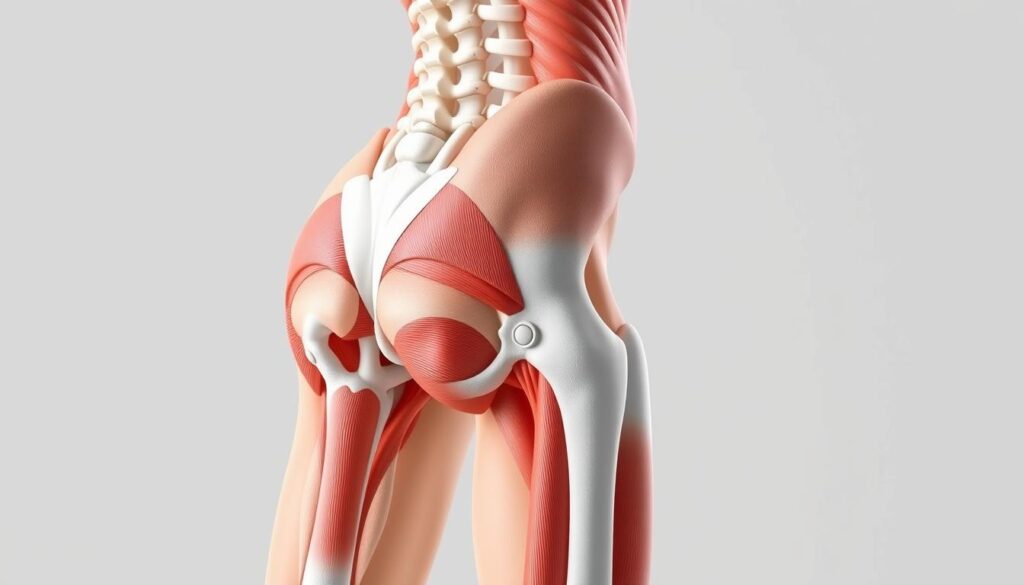
Understanding the function of hip flexors is vital for appreciating their impact on our overall musculoskeletal health. Hip flexors are a group of muscles that are crucial for various bodily movements and maintaining proper posture.
What Are Hip Flexors?
Hip flexor muscles are responsible for bringing the leg towards the spine upon contraction and allowing the leg to move behind the body when they lengthen. This action is known as flexing the hip. The primary hip flexor muscles include the iliacus, psoas major, and rectus femoris, among others. These muscles work together to facilitate movement and stabilize the body during various activities.
The Role of Hip Flexors in Movement and Posture
Hip flexors play a pivotal role in numerous everyday movements, including walking, running, climbing stairs, and sitting down. They are essential for initiating the swing phase of the gait cycle during walking and running, thereby facilitating locomotion. Moreover, hip flexors contribute significantly to maintaining proper posture by stabilizing the pelvis and lower back.
Movement/Activity
Role of Hip Flexors
Walking
Initiate swing phase, facilitate forward movement
Running
Enhance stride length and efficiency
Climbing Stairs
Assist in lifting the leg to the next step
Sitting Down
Control the descent and stabilize the body
Proper hip flexor function is crucial for overall movement efficiency. Dysfunction in these muscles can lead to compensatory patterns throughout the body, potentially resulting in issues such as knee pain. By understanding the role of hip flexors, we can better appreciate their importance in maintaining not just mobility but also overall musculoskeletal health.
The Connection Between Tight Hip Flexors and Knee Pain
Understanding the connection between tight hip flexors and knee pain is crucial for developing effective treatment and prevention strategies. We will explore how tight hip flexors can lead to knee pain through their impact on the biomechanics of the hip and knee joint.
Biomechanical Relationship Between Hips and Knees
The biomechanical relationship between the hips and knees is complex and interdependent. Tight hip flexors can lead to an anterior pelvic tilt, altering the alignment of the femur and affecting patellofemoral tracking. This misalignment can cause increased stress on the knee joint, potentially leading to patellofemoral pain syndrome. The quadriceps muscles, which are responsible for knee extension, can be affected by the altered biomechanics of the hip, further contributing to knee pain.
How Hip Dysfunction Affects Knee Joint Mechanics
Hip dysfunction, including tight hip flexors, can significantly affect knee joint mechanics. Limited hip extension due to tight flexors forces the knee to compensate during the gait cycle, potentially causing increased loading on knee structures. Moreover, hip flexor tightness can lead to internal femoral rotation, resulting in knee valgus (inward collapse) and increased strain on the medial knee. Over time, these mechanical changes can contribute to various knee pathologies, including patellofemoral pain, IT band syndrome, and issues with the meniscus and ligaments.
Common Causes of Tight Hip Flexors
Understanding the causes of tight hip flexors is crucial for addressing the associated discomfort and preventing further complications. Tight hip flexors can result from a variety of factors, including lifestyle choices, physical activities, and postural imbalances.
Sedentary Lifestyle and Prolonged Sitting
A sedentary lifestyle characterized by prolonged periods of sitting is a significant contributor to tight hip flexors. When we sit for extended periods, our hip flexor muscles remain in a shortened position, leading to muscle imbalances and tightness. This is particularly common among individuals with desk jobs or those who spend a lot of time driving or watching TV.
To mitigate the effects of a sedentary lifestyle, it’s essential to incorporate regular breaks and stretching exercises into your daily routine. Simple actions like standing up, stretching, and moving around can help reduce muscle tightness and improve overall posture.
Athletic Activities That Strain Hip Flexors
Certain athletic activities can significantly strain the hip flexor muscles, leading to tightness and potential injury. Sports that involve repetitive hip flexion, such as running, cycling, and gymnastics, can cause overuse and strain on the hip flexor muscles. Athletes participating in these activities should ensure they have a proper warm-up and cool-down routine to minimize the risk of developing tight hip flexors.
Additionally, incorporating strength training exercises that target the hip flexors and their antagonists (such as the glutes and hamstrings) can help maintain muscle balance and reduce the risk of strain.
Postural Imbalances and Alignment Issues
Postural imbalances and alignment issues can also contribute to tight hip flexors. Conditions such as anterior pelvic tilt and lower crossed syndrome can lead to an overactive hip flexor muscle, resulting in tightness and discomfort. Furthermore, issues like leg length discrepancies can cause compensatory patterns that stress the hip flexors on one side more than the other, affecting the overall position and function of the hip.
Anterior pelvic tilt and lumbar hyperlordosis can exacerbate hip flexor tightness.
Muscle imbalances between hip flexors and their antagonists play a key role in developing hip flexor issues.
Alignment problems in the feet and ankles can affect hip positioning and function.
Recognizing Symptoms of Knee Pain from Tight Hip Flexors
Understanding the symptoms associated with knee pain from tight hip flexors is essential for proper management. Tight hip flexors can cause a variety of issues that affect not just the hip but also the knee, leading to pain and discomfort.
Pain Patterns and Locations
Pain from tight hip flexors can manifest in different ways. Common symptoms include pain when walking or running, and increasing pain when bending the leg toward the chest. Other symptoms are muscle spasms or cramping, tenderness in the hips, groin, or thigh, and pain when stretching the thigh or hip muscles. Additionally, individuals may experience muscle tightness after a period of rest and swelling or bruising at the pain site.
Movement Limitations and Functional Impacts
Tight hip flexors can lead to significant movement limitations. Individuals may experience difficulty achieving a full stride length while walking or running, impacting their overall mobility. Daily activities such as getting in and out of cars, climbing stairs, and rising from seated positions can become challenging. As people try to avoid pain, they may develop movement compensations, potentially leading to additional problems in other areas of the body. Characteristic morning stiffness and pain after periods of inactivity are key indicators of this condition. If left unaddressed, these functional limitations can progress, leading to chronic movement adaptations.
Diagnosing Hip Flexor-Related Knee Pain
A precise diagnosis of knee pain originating from tight hip flexors is achieved through a blend of physical assessment techniques and cutting-edge diagnostic tools. We use a comprehensive diagnostic approach to understand the root cause of knee pain.
Physical Assessment Techniques
Physical assessment techniques play a crucial role in diagnosing hip flexor-related knee pain. We use various assessment techniques to evaluate the knee joint position and joint position sense. This includes tests that measure the accuracy of reproducing specific knee joint angles, which can be affected by tight hip flexors.
A customized program was used to calculate the accuracy of the reproduction of each knee joint angle, represented as a constant error. This measurement helps in understanding the deviation from the target angle and assessing the severity of the condition.
Some of the specialized assessment tools we utilize include dynamometers, goniometers, and motion analysis systems. These tools provide objective measurements of hip and knee function, helping us identify any abnormalities in movement patterns.
Medical Imaging and Other Diagnostic Tools
While physical assessment is crucial, medical imaging techniques such as X-ray, MRI, and ultrasound are also employed to rule out structural issues within the knee joint itself. However, it’s worth noting that many cases of knee pain from tight hip flexors show normal knee structures on imaging despite significant pain.
Emerging diagnostic approaches, including dynamic ultrasound and 3D motion capture technologies, are becoming increasingly important in capturing the relationship between hip function and knee pain. These advanced tools help in providing a more detailed understanding of the biomechanical relationship between the hips and knees.
Diagnostic Tool
Purpose
Benefits
Dynamometers
Measure muscle strength
Objective assessment of hip and knee function
Goniometers
Measure joint range of motion
Helps in identifying movement limitations
Motion Analysis Systems
Analyze movement patterns
Reveals compensations not visible during static tests
Effective Stretching Techniques for Tight Hip Flexors
The quest for effective stretching techniques to alleviate tight hip flexors has led to a variety of methods being developed and studied. We will explore the most commonly used stretching techniques, including dynamic stretching and Hold-Relax Proprioceptive Neuromuscular Facilitation (HR-PNF), and compare their effectiveness.
Dynamic Stretching Methods
Dynamic stretching involves active movements that stretch the hip flexor muscles. This technique is particularly beneficial for athletes or individuals who engage in high-intensity activities. Dynamic stretching can help improve range of motion and reduce muscle stiffness. Examples include leg swings and high knees. Research indicates that dynamic stretching can be effective in improving hip extension range of motion (ROM), although it may not be as effective as other methods like HR-PNF in some cases.
HR-PNF is a more advanced stretching technique that involves contracting and then relaxing the muscle to be stretched. This method can be particularly effective for improving flexibility and reducing muscle tension. Studies have shown that HR-PNF can lead to significant improvements in hip extension ROM, often more so than dynamic stretching. The technique requires a partner or a resistance band and involves holding the muscle in a stretched position for a period, then contracting it against resistance before relaxing into a deeper stretch.
Comparing Effectiveness of Different Stretching Approaches
When comparing different stretching techniques for tight hip flexors, research suggests that both dynamic stretching and HR-PNF can be effective, but they have different outcomes. Our analysis of current research findings indicates that there was a significant effect of time on hip extension ROM in both groups (p
By understanding the benefits and limitations of different stretching techniques, individuals can make informed decisions about the most appropriate approach for their specific needs. Combining different stretching methods may also offer a comprehensive approach to managing tight hip flexors and associated knee pain.
Comprehensive Treatment Options for Knee Pain from Tight Hip Flexors
Managing knee pain caused by tight hip flexors requires a multifaceted approach that addresses both the symptoms and underlying causes. We will explore various treatment strategies to help alleviate discomfort and improve mobility.
The RICE Method for Immediate Relief
The RICE method, standing for Rest, Ice, Compression, and Elevation, is a widely recognized first-line treatment for acute injuries, including those causing knee pain from tight hip flexors. By giving the affected area rest, applying ice to reduce inflammation, using compression to support the area, and elevating the leg to decrease swelling, individuals can experience immediate relief from pain.
Physical Therapy Interventions
Physical therapy plays a crucial role in treating knee pain caused by tight hip flexors. Therapists can design personalized exercise programs that focus on strengthening the hip flexors and surrounding muscles, improving flexibility, and enhancing knee joint mechanics. Techniques such as manual therapy and therapeutic exercises can significantly reduce pain and improve function.
Self-Massage and Myofascial Release Techniques
Self-massage and myofascial release are effective techniques for managing tight hip flexors. By applying gentle, sustained pressure to the affected muscles, individuals can release tension and reduce pain. Regular practice of these techniques can lead to improved flexibility and reduced discomfort in the knee area.
Medications and Medical Interventions
For managing pain associated with tight hip flexors, various medication options are available. Over-the-counter pain relievers such as acetaminophen, ibuprofen, or naproxen sodium can provide temporary relief. In more severe cases, medical interventions like corticosteroid injections or regenerative medicine approaches may be considered. It’s essential to consult with a healthcare provider to determine the best course of treatment and to discuss potential side effects and interactions with other medications. In rare cases where there’s a severe injury, such as a grade-three tear, surgery may be necessary to repair the muscle or surrounding tendons and ligaments.
Understanding the range of treatment options available is crucial for effectively managing knee pain from tight hip flexors. By combining these approaches, individuals can develop a comprehensive plan to alleviate pain, improve mobility, and prevent future injury.
Prevention Strategies for Hip Flexor-Related Knee Issues
To mitigate the risk of knee pain stemming from tight hip flexors, it’s essential to adopt prevention strategies that encompass ergonomic improvements, tailored exercise programs, and effective warm-up and cool-down practices. By integrating these approaches into daily life, individuals can significantly reduce the likelihood of developing knee pain associated with tight hip flexors.
Workplace Ergonomics and Posture Improvements
Improving workplace ergonomics is crucial for preventing hip flexor tightness. This can be achieved by ensuring that workstations are set up to promote good posture, with monitors at eye level and chairs adjusted to support the natural curve of the lower back. Regular breaks should be taken to stand, stretch, and move around, reducing the risk of muscle imbalances that can lead to knee pain.
Balanced Exercise Programs for Hip Health
A well-rounded exercise program that includes strengthening exercises for the hip flexors and surrounding muscle groups, as well as flexibility exercises, can help maintain optimal hip function. Incorporating exercises that target the quadriceps and other supporting muscles can also contribute to knee stability and overall lower limb health. It’s essential to balance high-intensity activities with lower-intensity exercises to avoid overstraining the hip flexor group.
Proper Warm-up and Cool-down Routines
Engaging in proper warm-up and cool-down routines is vital for preventing hip flexor strain during physical activity. A dynamic warm-up that includes stretching and mobilization exercises can prepare the muscles for more intense activities. Conversely, a cool-down routine that involves static stretching can help improve flexibility and reduce muscle soreness after exercise. The specific warm-up and cool-down needs may vary depending on the type of activity being performed, such as running, cycling, or strength training.
Living Pain-Free: Long-Term Management of Hip and Knee Health
To live pain-free, it’s essential to adopt a sustainable long-term strategy for hip and knee health that evolves with your changing needs. This involves developing a comprehensive approach that incorporates exercise, posture correction, and lifestyle adjustments to prevent the recurrence of knee pain caused by tight hip flexors.
One key factor is movement variability, which helps prevent overuse patterns that can lead to hip flexor tightness and subsequent knee pain. Regularly reassessing your movement patterns and making necessary adjustments is crucial for maintaining healthy hips and knees over time. This may involve modifying your exercise routine as you age or experience changes in weight or activity level.
Additionally, being mindful of the psychological aspects of pain management is vital. Developing a positive relationship with movement and avoiding fear-avoidance behaviors can significantly impact your long-term hip and knee health. Periodic check-ins with healthcare providers, even when pain-free, can help identify potential issues before they become major problems, ensuring effective management of your knee health.
By adopting these strategies and maintaining a proactive approach, you can enjoy long-term hip and knee health, reducing the likelihood of pain and improving your overall quality of life.
FAQ
What are the primary symptoms of knee pain caused by tight hip flexors?
We often experience pain around the knee joint, particularly in the front or side, which can be accompanied by stiffness and limited mobility. The pain may be more pronounced during activities that involve flexion, such as squatting or climbing stairs.
How do tight hip flexors affect knee mechanics?
Tight hip flexors can alter the normal functioning of the hip joint, leading to abnormal movement patterns that put additional stress on the knee joint. This can result in patellofemoral pain and other knee problems due to altered biomechanics.
Can stretching exercises help alleviate knee pain caused by tight hip flexors?
Yes, incorporating specific stretching exercises can help relieve tension in the hip flexor muscles, thereby reducing knee pain. Techniques such as dynamic stretching and hold-relax proprioceptive neuromuscular facilitation (HR-PNF) can be particularly effective.
Are there any activities that can exacerbate tight hip flexors and related knee pain?
Yes, a sedentary lifestyle or prolonged periods of sitting can contribute to tight hip flexors. Additionally, certain athletic activities that involve repetitive hip flexion, such as running or cycling, can strain these muscles and worsen knee pain.
What treatment options are available for managing knee pain related to tight hip flexors?
We can explore various treatment approaches, including the RICE method for immediate relief, physical therapy interventions to improve hip and knee function, and self-massage techniques to reduce muscle tension. In some cases, medications or medical interventions may be necessary to address underlying issues.
How can we prevent hip flexor-related knee issues?
Implementing workplace ergonomics and maintaining good posture can help. Engaging in balanced exercise programs that strengthen the hip muscles and incorporating proper warm-up and cool-down routines during physical activity can also reduce the risk of developing tight hip flexors and related knee pain.
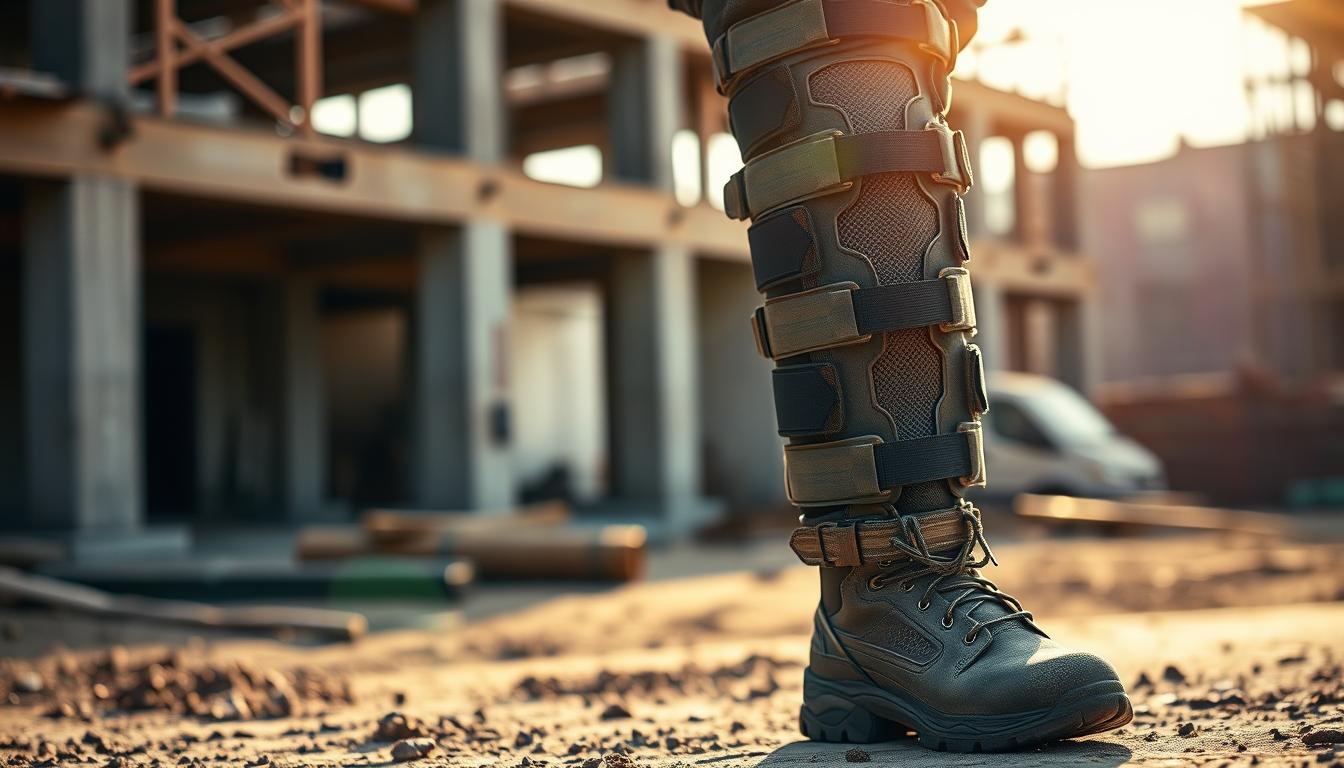
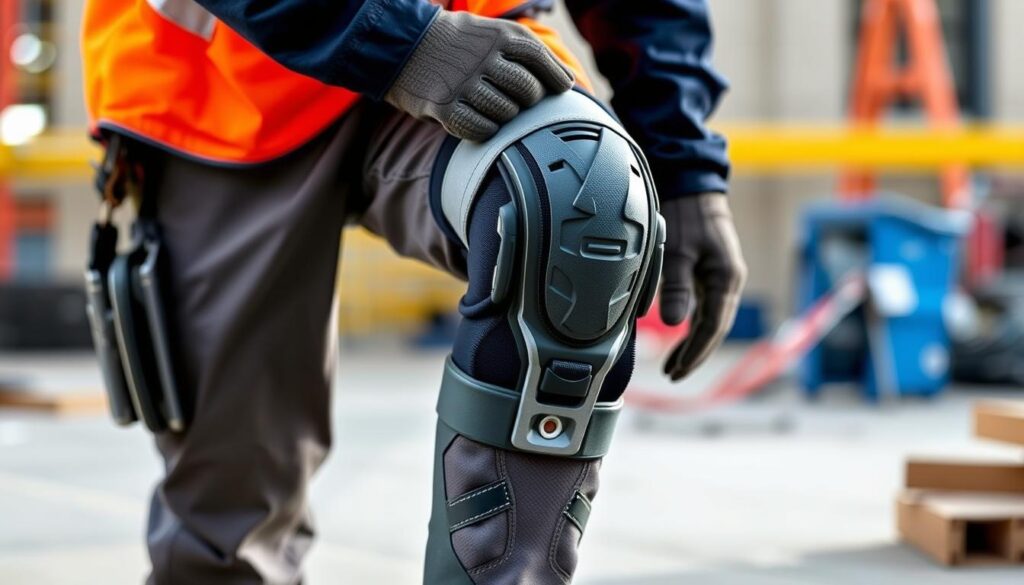
Construction work is one of the most physically demanding jobs, with knee pain being a common complaint among workers. The constant strain on the knees from lifting, bending, and climbing can lead to injuries and chronic pain, potentially shortening a worker’s career.
We understand the importance of proper knee support in preventing such issues. That’s why we’ve researched the top knee braces designed to provide the necessary protection and comfort for construction workers.
Our comprehensive guide examines various aspects of knee braces, including durability, support levels, and comfort, to help you find the ideal protection for your knees.
Key Takeaways
Understanding the types of knee braces available for different needs.
Identifying the key features that make a knee brace suitable for construction work.
Learning how to choose the right knee brace for your specific job requirements.
Discovering how the right knee brace can prevent injuries and reduce pain.
Exploring the benefits of using knee braces for long-term career health.
Why Construction Workers Need Knee Protection
The construction industry poses significant risks to workers’ knee health, making protection crucial. Construction workers often face hazardous conditions that can lead to knee injuries, which can be debilitating and long-lasting.
Common Knee Injuries in Construction
Construction workers are prone to various knee injuries, including ligament sprains, meniscal tears, and tendonitis. These injuries often result from prolonged knee strain or acute trauma during work activities. The repetitive strain on the knee joint can lead to chronic knee pain, affecting workers’ ability to perform their duties effectively.
Long-Term Effects of Knee Strain
If left unaddressed, knee strain can have severe long-term consequences. Some of the potential effects include:
Premature osteoarthritis, a degenerative condition that affects the knee joint.
Chronic pain that persists beyond work hours, impacting overall quality of life.
Decreased mobility, making it challenging to perform essential job functions over time.
Regular use of appropriate knee braces can significantly reduce the risk of developing these long-term conditions. It’s essential for construction workers to consult a doctor or medical professional for proper treatment and guidance on knee protection.
Types of Knee Braces Suitable for Construction Work
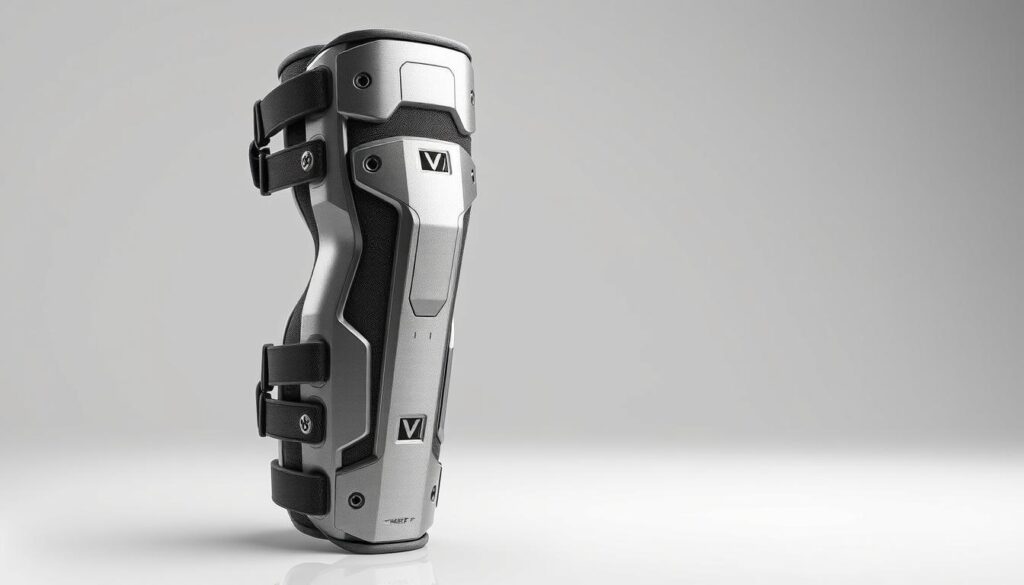
Knee braces for construction workers come in several designs, each catering to different needs and preferences. The variety ensures that workers can choose a brace that not only provides the necessary support but also comfort during long working hours.
Compression Sleeves
Compression sleeves are a popular choice among construction workers due to their simplicity and effectiveness. They provide compression to the knee area, helping to reduce swelling and pain.
Hinged Knee Braces
Hinged knee braces offer additional support by providing stability to the knee joint. They are particularly useful for workers who are at risk of or have existing knee injuries.
Wraparound Braces
Wraparound braces are known for their adjustable straps, allowing for a customized fit. This feature makes them suitable for construction workers of various builds.
Key benefits of wraparound braces include:
Reduced pressure on the kneecap due to open-patella design
Ease of use, even over work boots and pants
Breathable materials for managing heat and moisture
Adjustable compression for various construction activities
Key Features to Look for in Construction Knee Braces
When it comes to choosing the right knee brace for construction work, several key features must be considered to ensure optimal protection and comfort. Construction workers require knee braces that can keep up with their physically demanding tasks.
Durability and Material Quality
The durability of a knee brace is crucial for construction workers. A high-quality knee brace should be made from materials that can withstand the rigors of the job. Features such as anti-slip grips and breathable materials enhance the overall durability and functionality.
Support Level and Stability
A knee brace that provides adequate support and stability is essential. It should help prevent injuries and alleviate strain during long hours of physical labor. The design should ensure that it stays in place, offering consistent support.
Comfort for All-Day Wear
Comfort is key for construction workers who wear knee braces for extended periods. Features like seamless designs, contoured shapes, and adjustable compression improve wearability. These elements help reduce irritation and allow workers to focus on their tasks without distraction, making it more likely that people will wear them consistently.
Best Knee Braces for Construction Workers
Effective knee protection is vital for construction workers, and the right knee brace can make a significant difference. Construction workers face numerous challenges that can affect their knee health, from kneeling on hard surfaces to lifting heavy materials.
Our selection of the best knee braces for construction workers includes a variety of options designed to provide support, stability, and comfort. We considered several factors to ensure that our recommendations meet the specific needs of construction workers.
How We Selected These Products
To identify the best knee braces for construction workers, we followed a rigorous selection process. This involved consulting with orthopedic specialists and physical therapists who treat construction workers to understand their specific requirements.
We evaluated each brace during common construction tasks to assess their performance.
Our testing included kneeling on concrete, climbing ladders, and lifting heavy materials to simulate real-world conditions.
We also conducted accelerated wear tests to assess the durability of the braces.
Feedback from actual construction workers who wore the braces for full workdays was crucial in our evaluation.
Key Feature
Description
Importance Level
Durability
Ability to withstand harsh construction environments
High
Comfort
Designed for all-day wear without causing discomfort
High
Ease of Cleaning
Simple to clean and maintain
Medium
Support Level
Provides adequate support for knee stability
High
By considering these factors and testing the knee braces under real-world conditions, we were able to identify the best options for construction workers. Our goal is to help construction workers find a knee brace that meets their specific needs and enhances their overall knee health.
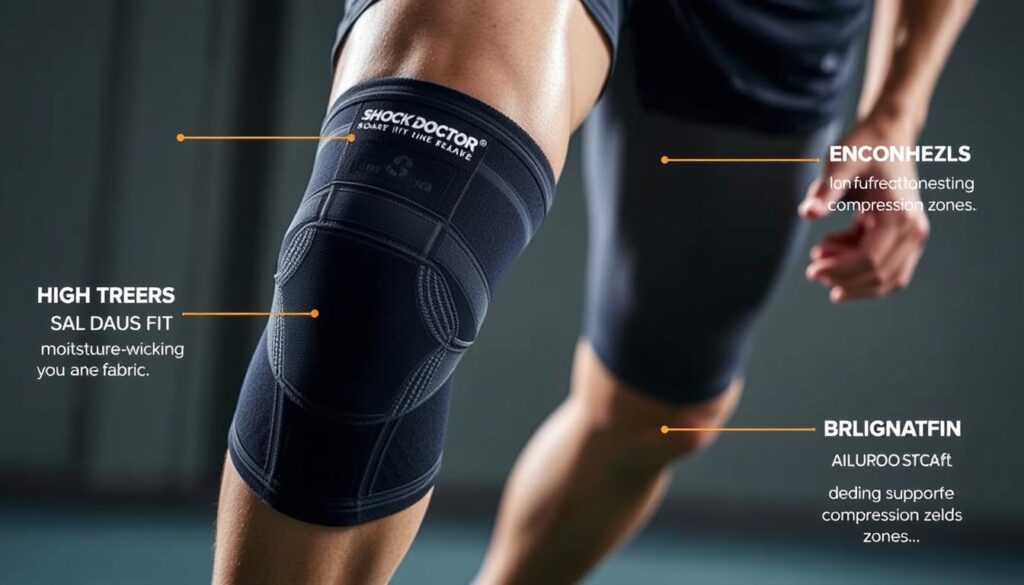
Best Overall Knee Brace: Shock Doctor Knee Compression Sleeve
We identify the Shock Doctor Knee Compression Sleeve as the best overall knee brace for construction work. This knee sleeve is designed to provide support and compression to the knee joint, making it ideal for workers who are on their feet all day.
Pros
The Shock Doctor Knee Compression Sleeve is available in both open and closed patelladesigns, accommodating different knee conditions and preferences. Its anatomical pre-curved design ensures a natural fit.
Cons
It lacks adjustable straps, and users may still experience sweating during prolonged use.
Features
N-Tex neoprene material provides therapeutic warmth and flexibility.
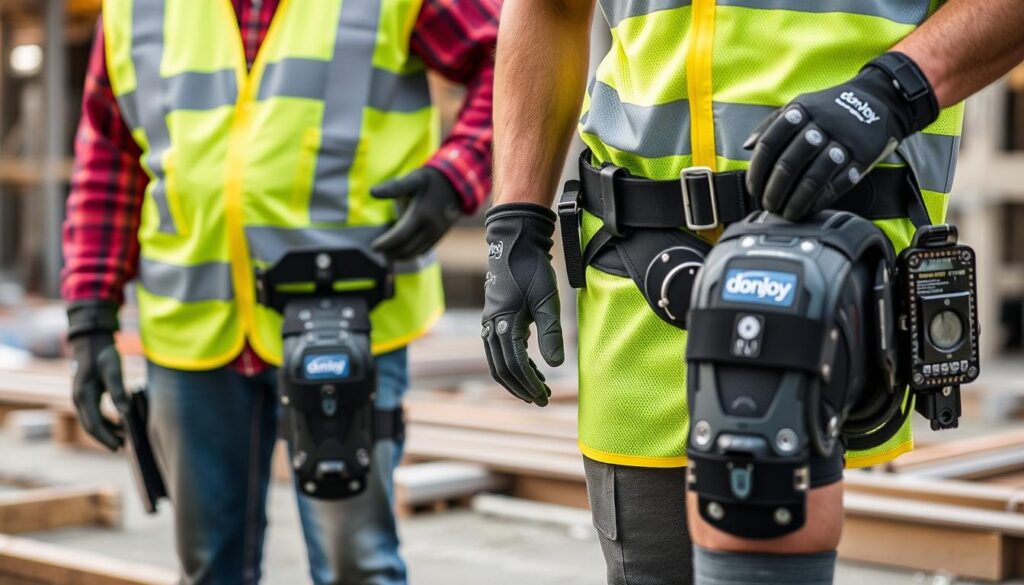
The DonJoy FullForce Ligament Knee Brace stands out for its ACL support features, making it ideal for construction workers who require stability and protection during physically demanding tasks.
Pros
This knee brace boasts a four-point leverage system that mimics the function of the ACL, providing targeted support. The ForcePoint hinges ensure proper alignment during activities, while adjustable condyle pads allow for a customized fit.
Cons
Some users have reported that the DonJoy FullForce Ligament Knee Brace is pricey, and a few reviewers have noted that it can squeak.
Features
Four-point leverage system for ACL support
ForcePoint hinges for natural movement tracking
Adjustable condyle pads for a customized fit
Breathable, moisture-wicking padding for comfort
Available in a wide range of sizes (XS-3XL)
This knee brace is designed to provide support and stability during various activities, making it suitable for construction workers. Its thoughtful design ensures a comfortable fit, protecting the knee during long hours of physical labor.
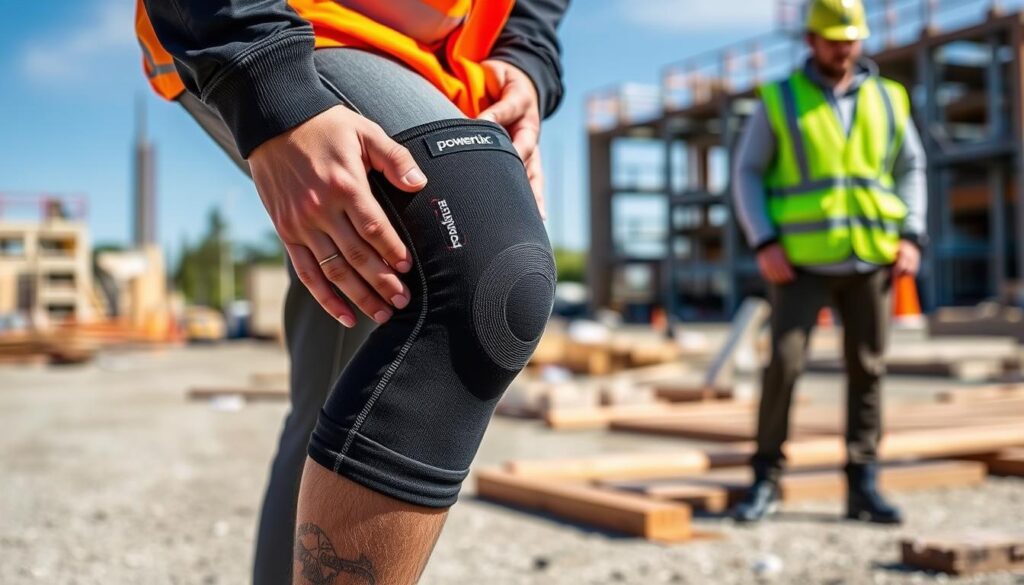
Best Budget Option: Powerlix Knee Compression Sleeve
The Powerlix Knee Compression Sleeve is an excellent choice for construction workers seeking affordable knee protection. It offers a blend of support, comfort, and durability.
Pros
This knee sleeve is designed with a 3D knitted technical design that provides uniform compression around the knee joint, ensuring stability and support. The silicone gel strips prevent slipping during movement.
Cons
Some users find the Powerlix Knee Compression Sleeve too tight. It’s essential to choose the correct size for optimal comfort.
Features
3D knitted technical design for uniform compression around the knee joint.
Silicone gel strips to prevent slipping during constant movement.
Breathable, moisture-wicking fabric for dry comfort.
Anti-itch, anti-slip design for all-day wear.
Available in multiple sizes (S-XXL) for a proper fit.
The Powerlix Knee Compression Sleeve is a great value for its price, offering compression and support that construction workers need. Its innovative design ensures a comfortable fit and effective knee protection.
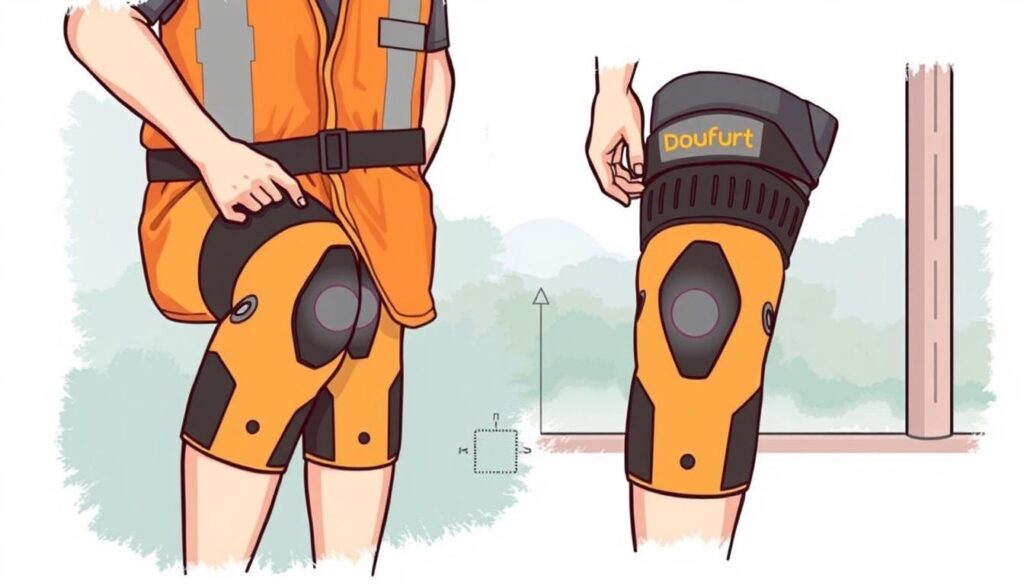
The Doufurt Knee Brace is designed to provide adjustable support and comfort for construction workers. Its unique features make it an ideal choice for those who need a knee brace that can keep up with their active workday.
Pros
The Doufurt Knee Brace offers several benefits, including its dual-strap system with a crisscross design that allows for precise adjustment of compression levels. This feature ensures a customized fit for optimal comfort and support.
Dual-strap system with crisscross design for precise compression adjustment
Bilateral spring stabilizers for lateral support
Open patella design to reduce pressure on the kneecap
Breathable neoprene and mesh construction for heat and moisture management
Non-slip silicone strips to prevent migration during movement
Cons
One potential drawback is that sizing can be tricky, so it’s essential to carefully follow the sizing guidelines to ensure a proper fit.
Features
The Doufurt Knee Brace boasts a unique design that prioritizes both support and comfort. The bilateral spring stabilizers provide lateral support without restricting necessary forward and backward movement, making it suitable for a variety of construction tasks.
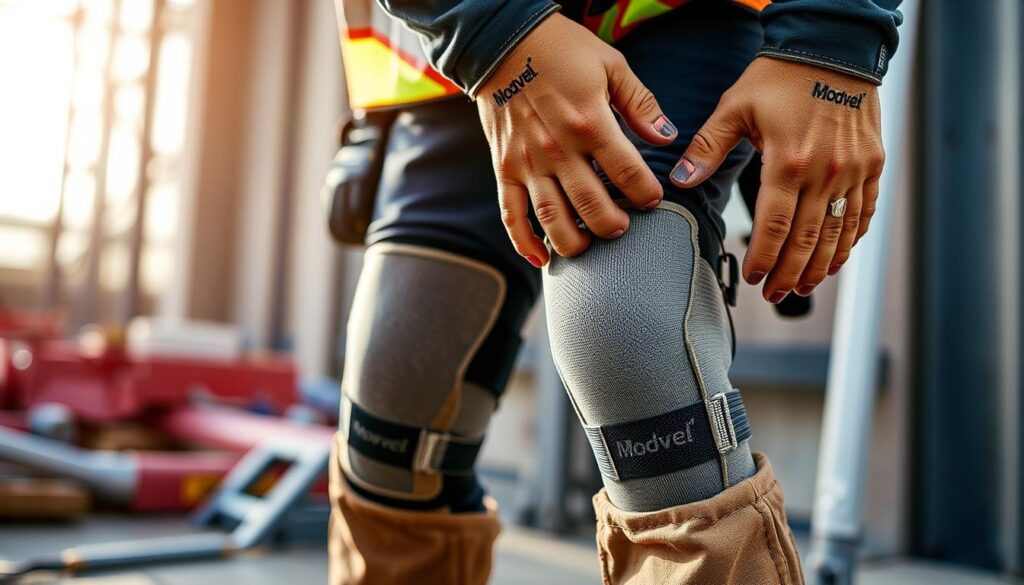
Arthritis can be a significant hindrance for construction workers, but with the appropriate knee brace, such as Modvel Knee Braces, they can experience relief and continue working effectively. Modvel Knee Braces are designed to provide comfort and support for individuals dealing with osteoarthritis symptoms.
Pros
The Modvel Knee Brace features 3D knit fabric that provides consistent, graduated compression, which is beneficial for osteoarthritis symptoms. Additionally, it includes anti-slip silicone gel waves to prevent migration during constant movement.
Other benefits include moisture-wicking material to keep the knee area dry and comfortable, and antimicrobial treatment to prevent odor development.
Cons
Some users have noted that the Modvel Knee Brace offers a lower level of support compared to other braces, and a few have mentioned that the internal tag can be bothersome.
Features
3D knit fabric for consistent, graduated compression.
Anti-slip silicone gel waves to prevent migration.
Moisture-wicking material for dry comfort.
Antimicrobial treatment to prevent odor.
Available in multiple sizes (S-XXXL) for a proper fit.
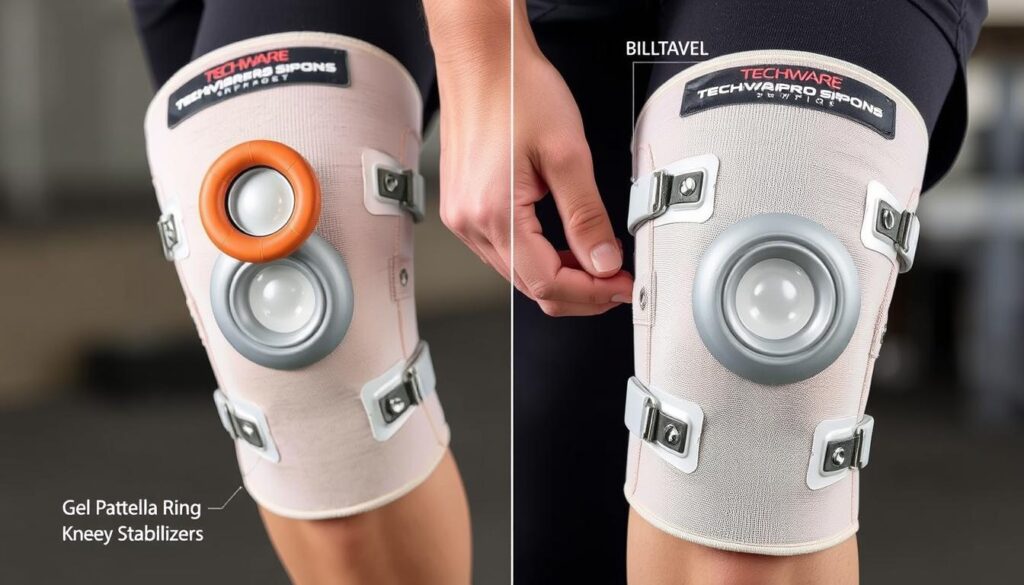
Best with Patella Support: TechWare Pro Knee Support Sleeve
The TechWare Pro Knee Support Sleeve is designed to provide exceptional support and stability for construction workers’ knees. With its unique gel patella ring and bilateral metal stabilizers, this knee sleeve offers superior knee support during repetitive movements.
Pros
The TechWare Pro Knee Support Sleeve features a graduated compression design that delivers targeted pressure where it’s most beneficial. Additionally, the anti-slip silicone strips prevent migration during constant movement and position changes.
Gel patella ring that stabilizes the kneecap during repetitive movements.
Bilateral metal stabilizers that provide lateral support.
Graduated compression design for targeted pressure.
Anti-slip silicone strips to prevent migration.
Available in multiple sizes (S-XXL) for a proper fit.
Cons
Some users may find the TechWare Pro Knee Support Sleeve too snug, particularly if they are between sizes.
Features
The TechWare Pro Knee Support Sleeve is engineered with a focus on patella support and overall knee stability. Its innovative design ensures that construction workers can perform their duties without compromising their knee health.
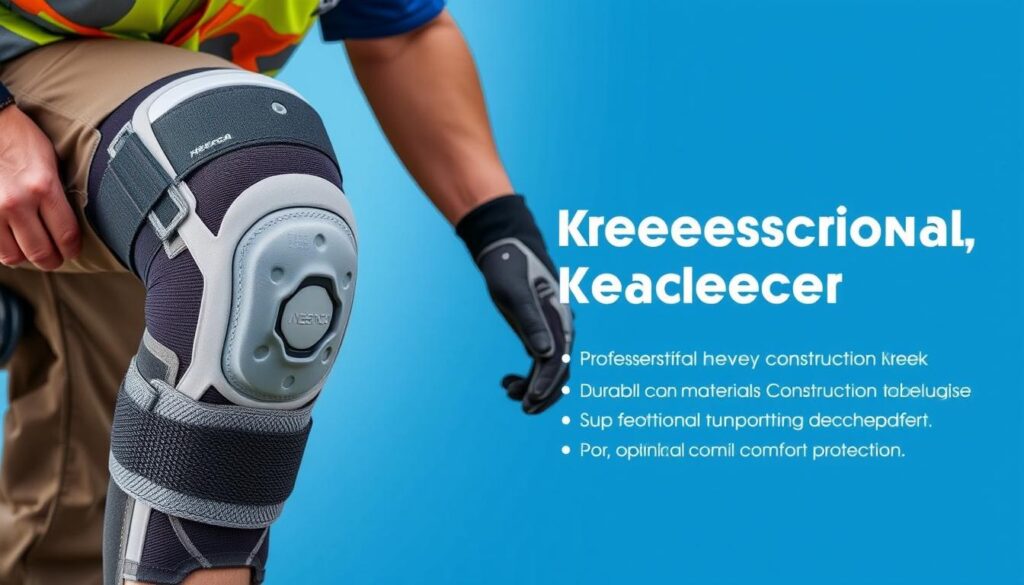
Best for Heavy-Duty Construction: Neenca Professional Knee Brace
The Neenca Professional Knee Brace is designed for construction workers who need robust knee support during heavy-duty tasks. Its comprehensive design ensures that it provides the necessary protection without hindering movement.
Features
The Neenca Professional Knee Brace boasts several key features, including:
A patella gel pad that provides targeted support to the kneecap during kneeling and squatting.
A side stabilizer bar that offers lateral support without restricting necessary forward and backward movement.
3D knitted technical fabric that provides consistent compression while remaining breathable.
Anti-slip silicone strips that prevent migration during constant movement.
Available in multiple sizes (XS-XXXL) to accommodate all construction workers.
Pros
This knee brace is notable for its durability and comfort, making it suitable for all-day wear.
Cons
Some users may find the sizing challenging, but the range of sizes helps mitigate this issue.
We recommend the Futuro Hinged Knee Brace for its outstanding hinged support features. This knee brace is designed to provide exceptional lateral stability while allowing natural flexion and extension, making it ideal for construction workers who need robust knee support.
Pros
The Futuro Hinged Knee Brace offers several benefits, including its dual pivoting hinges that enhance stability and its wraparound design that allows for easy application and removal.
Cons
One potential drawback is that it comes in one size, which may not fit every user comfortably.
Features
Dual pivoting hinges that provide exceptional lateral stability while allowing natural flexion and extension.
Wraparound design that allows for easy application and removal, even over work boots and pants.
Adjustable straps that enable customized compression and fit throughout the workday.
Open patella design that reduces pressure on the kneecap while supporting surrounding structures.
Breathable materials that manage heat and moisture during physical labor in various conditions.
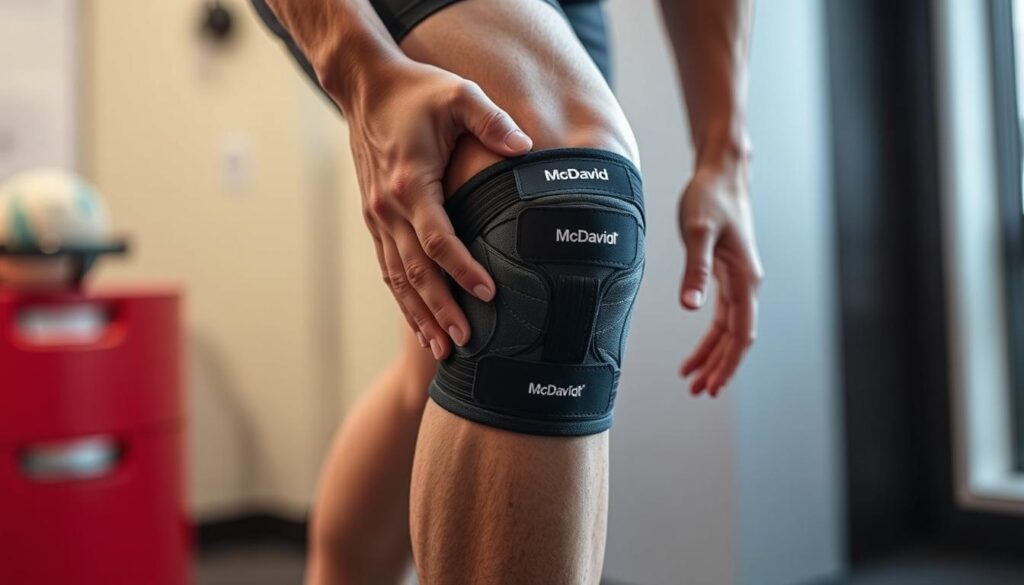
Best for Compression Therapy: McDavid Myovolt Vibration Compression Wrap
The McDavid Myovolt Vibration Compression Wrap is a revolutionary product designed to provide relief from knee pain through a combination of compression and vibration therapy. This innovative wrap is particularly beneficial for construction workers who often suffer from knee strain due to their physically demanding jobs.
Pros
The McDavid Myovolt Vibration Compression Wrap has several advantages. It features integrated vibration therapy technology with multiple intensity levels, a heating element for enhanced blood flow and pain reduction, and a lightweight neoprene construction for comfortable compression. Additionally, it has a rechargeable battery, eliminating the need for replacement batteries.
Cons
One potential drawback is that the wrap is one size and requires a snug fit to be effective. This may not be suitable for everyone, particularly those with significantly larger or smaller knees.
Features
Integrated vibration therapy technology with multiple intensity levels
Heating element for therapeutic warmth
Lightweight neoprene construction for comfortable compression
Rechargeable battery for hours of therapy
Versatile design for targeted therapy on various parts of the leg
How to Choose the Right Knee Brace for Construction Work
Knee braces are essential for construction workers, but choosing the correct one requires careful consideration of several key factors. We need to consider the type of work we do, the level of support we need, and the features that will provide us with the most comfort and protection.
Measuring for the Correct Size
To ensure a proper fit, we must measure the circumference of our leg at a certain distance (usually 4 to 6 inches) above the knee cap. It’s essential to consult the product’s packaging or website for specific instructions on where to measure for the knee sleeve.
Matching Brace Type to Your Specific Needs
Different types of knee braces offer varying levels of support and protection. We should consider our specific needs, such as the type of construction work we do and any pre-existing knee conditions, when selecting a knee brace.
When to Consult a Doctor
If we experience persistent pain that doesn’t improve with rest and over-the-counter pain management, we should consult a doctor. Other signs that warrant medical attention include sudden, severe pain, visible swelling, redness, or warmth around the knee joint, and instability or the sensation that our knee might “give out” during construction tasks.
Condition
Recommended Action
Persistent knee pain
Consult a doctor for proper evaluation and treatment.
Sudden, severe pain
Seek immediate medical attention.
Visible swelling or redness
Consult a doctor to address potential inflammation or other underlying conditions.
A doctor can provide specific recommendations for knee braces based on our particular condition and construction requirements.
Proper Care and Maintenance of Knee Braces
To ensure the longevity of your knee brace, proper care and maintenance are essential. A well-maintained knee brace provides optimal support and continues to offer the necessary protection for your knee.
Cleaning Instructions
Cleaning your knee brace regularly is vital. Most knee sleeves can be hand washed with mild soap and water. Gently scrub the material, then air dry to prevent damage to the elastic properties.
Storage and Longevity Tips
To extend the life of your knee brace, store it flat or gently rolled, avoiding folds that can create pressure points. Keep it in a cool, dry place away from direct sunlight. For braces with hinges, periodically apply silicone lubricant to maintain smooth operation. Regularly inspect your brace for signs of wear and replace it when necessary.
Protecting Your Knees Beyond Braces
Construction workers can significantly reduce the risk of knee injuries by implementing a comprehensive knee protection strategy that goes beyond just wearing braces. While knee braces provide valuable support, a multi-faceted approach is necessary to prevent knee pain and injuries.
Proper lifting techniques play a crucial role in reducing strain on the knee joint. By emphasizing the use of leg muscles rather than placing excessive stress on the knees, workers can minimize the risk of injury. Regular strength training targeting the quadriceps, hamstrings, and calf muscles creates a natural support system, reducing reliance on external braces.
Maintaining a healthy weight reduces the load on knee joints during construction activities, potentially preventing injuries and reducing pain. Ergonomic tools and equipment designed for construction can minimize the need for prolonged kneeling or awkward positions that stress the knees. Additionally, taking regular breaks to change positions and stretch helps prevent muscle fatigue that often contributes to knee injuries.
A comprehensive approach to knee health that combines appropriate bracing with strengthening exercises, proper technique, and preventative measures offers the best protection for construction workers. Recognizing early warning signs of knee problems and addressing them promptly can prevent minor issues from developing into serious conditions requiring extensive treatment.
FAQ
What is the primary purpose of wearing a knee brace while working in construction?
The primary purpose of wearing a knee brace is to provide support and stability to the knee joint, reducing the risk of injury and alleviating pain caused by strain or existing conditions such as osteoarthritis.
How do I choose the right size knee brace for my needs?
To choose the right size, we recommend measuring the circumference of your knee joint and consulting the manufacturer’s sizing chart to ensure a proper fit, which is crucial for both comfort and effectiveness.
Can knee braces help with knee pain caused by activities other than construction work?
Yes, knee braces can be beneficial for individuals experiencing knee pain from various activities, as they provide compression and support that can help alleviate discomfort and swelling associated with different types of knee strain or injury.
Are there specific types of knee braces recommended for different knee conditions?
Yes, different types of knee braces are designed to address specific knee conditions; for example, hinged knee braces are often recommended for ACL support, while compression sleeves may be more suitable for general knee pain or swelling.
How should I care for my knee brace to ensure its longevity?
Proper care involves following the manufacturer’s cleaning instructions and storing the brace in a cool, dry place when not in use to maintain its quality and extend its lifespan.
Can wearing a knee brace prevent the need for knee surgery?
While a knee brace can provide support and alleviate pain, it is not a guarantee against the need for surgery; however, it can be a valuable component of a treatment plan for certain knee conditions, potentially reducing the necessity for surgical intervention.
How long can I wear a knee brace in a day?
The duration for which you can wear a knee brace depends on the type of brace and your individual needs; generally, it is recommended to follow the manufacturer’s guidelines and consult with a healthcare professional for personalized advice.
Are you experiencing persistent knee pain that hinders your daily activities? Could it be related to a condition affecting the fat pad under your kneecap? Infrapatellar fat pad syndrome is a common issue that can cause significant discomfort.
Understanding the available non-surgical knee treatment options is crucial for effective management of this condition. Various approaches can provide knee pain relief and help restore normal knee function.
Key Takeaways
Understanding Infrapatellar fat pad syndrome and its impact on knee health
Exploring non-surgical treatment options for knee pain relief
The importance of effective treatment for restoring knee function
Overview of available treatments for infrapatellar fat pad syndrome
Key considerations for choosing the right treatment approach
Understanding Infrapatellar Fat Pad Syndrome
The infrapatellar fat pad, a region of fatty tissue beneath the kneecap, can become inflamed, leading to a painful condition known as Infrapatellar Fat Pad Syndrome (IFPS). This condition is a significant source of knee pain, often associated with activities that strain the knee, such as jumping, running, or even simple actions like kneeling.
Overview of the Condition
Infrapatellar Fat Pad Syndrome is characterized by inflammation and irritation of the fat pad located under the patella. This condition can lead to anterior knee pain, which is often exacerbated by activities that increase the stress on the knee joint. Effective management of IFPS involves understanding its causes and implementing appropriate treatment strategies, such as those related to IFPS treatment and patellar tendonitis rehab.
Symptoms to Watch For
Symptoms of IFPS can vary but typically include pain below the kneecap, which may worsen with activities such as squatting, jumping, or climbing stairs. Swelling and tenderness in the affected area are also common. Recognizing these symptoms early can facilitate timely intervention, potentially reducing the need for more invasive treatments later on. For knee pain relief, it’s essential to address the underlying causes.
Pain below the kneecap
Swelling and tenderness
Pain exacerbated by activities like squatting or jumping
Causes and Risk Factors
The causes of Infrapatellar Fat Pad Syndrome can be multifactorial, including overuse injuries, direct trauma to the knee, and biomechanical issues such as malalignment of the lower extremity. Individuals involved in sports or activities that repetitively stress the knee are at a higher risk. Understanding these risk factors is crucial for both prevention and treatment planning.
By acknowledging the potential causes and risk factors, individuals can take proactive steps towards prevention and, if necessary, seek appropriate medical attention for effective IFPS treatment.
Diagnostic Approaches
The diagnosis of infrapatellar fat pad syndrome involves a combination of clinical evaluation and imaging tests. A thorough diagnostic process is crucial for developing an effective treatment plan.
Physical Examination Techniques
A healthcare provider will typically begin by conducting a physical examination to assess knee function and identify potential sources of pain. This may involve palpation, range of motion tests, and specific maneuvers to evaluate the infrapatellar fat pad. Physical examination techniques are essential for understanding the extent of the condition and guiding further diagnostic steps.
During the examination, the healthcare provider may apply pressure to various areas around the knee to localize the pain. They may also perform specific tests to assess the fat pad’s involvement, such as the “fat pad impingement test.”
Imaging Tests: What to Expect
Imaging tests play a critical role in confirming the diagnosis and ruling out other potential causes of knee pain. Magnetic Resonance Imaging (MRI) is particularly useful for evaluating the infrapatellar fat pad, as it can reveal signs of inflammation, edema, or impingement.
An MRI can provide detailed images of the soft tissues around the knee, including the infrapatellar fat pad. This information is invaluable for healthcare providers to assess the severity of the condition and plan appropriate treatment, including physical therapy for fat pad injury.
Differential Diagnoses
It’s essential to differentiate infrapatellar fat pad syndrome from other conditions that may cause similar symptoms, such as patellofemoral pain syndrome or meniscal injuries. A thorough diagnostic evaluation helps healthcare providers to accurately diagnose and treat the underlying condition, ultimately leading to more effective knee pain relief.
A comprehensive diagnostic approach ensures that patients receive targeted treatment, improving outcomes and reducing the risk of unnecessary interventions.
Non-Surgical Treatment Options
Non-surgical approaches are often the first line of treatment for infrapatellar fat pad syndrome. These methods focus on alleviating symptoms, improving function, and enhancing the quality of life for patients.
Rest and Activity Modification
One of the initial steps in managing infrapatellar fat pad syndrome is to reduce activities that aggravate the condition. Resting the knee and modifying activities to avoid exacerbating the pain are crucial.
Patients are often advised to avoid deep knee bending, jumping, and running until the pain subsides. By giving the knee a break and adjusting daily activities, individuals can significantly reduce their discomfort.
Physical Therapy Benefits
Physical therapy plays a vital role in the conservative management of infrapatellar fat pad syndrome. A tailored exercise program can help strengthen the muscles around the knee, improve flexibility, and reduce pain.
A physical therapist can also provide guidance on proper knee mechanics and techniques to alleviate stress on the infrapatellar fat pad. This may include exercises to strengthen the quadriceps and hamstring muscles.
Benefits of Physical Therapy:
Improved knee strength and flexibility
Enhanced pain management
Better knee function and mechanics
Medications for Pain Relief
For managing pain and inflammation associated with infrapatellar fat pad syndrome, various medications can be employed. Over-the-counter pain relievers such as NSAIDs (e.g., ibuprofen, naproxen) are commonly recommended.
Medication Type
Use
Benefits
NSAIDs
Pain relief and anti-inflammatory
Reduces pain and inflammation
Acetaminophen
Pain relief
Effective for pain management
It’s essential to consult with a healthcare provider before starting any medication regimen to discuss potential side effects and interactions with other medications.
“The key to successful non-surgical treatment of infrapatellar fat pad syndrome lies in a multi-faceted approach that includes rest, physical therapy, and judicious use of medications.” – Orthopedic Specialist
Injectable Therapies
For individuals suffering from infrapatellar fat pad syndrome, injectable therapies offer a promising avenue for knee pain relief. These treatments are considered when conservative management strategies fail to provide adequate relief.
Corticosteroid Injections
Corticosteroid injections are a common injectable therapy used to reduce inflammation and alleviate pain associated with IFPS. While they can provide significant relief, their use is generally limited due to potential side effects with repeated injections.
Hyaluronic Acid Injections
Hyaluronic acid injections aim to restore the natural viscosity of the knee joint, thereby reducing pain and improving function. This treatment is particularly beneficial for patients who have not responded to corticosteroid injections.
Platelet-Rich Plasma (PRP) Therapy
PRP therapy involves injecting platelet-rich plasma derived from the patient’s own blood into the affected area. This treatment promotes healing by stimulating the body’s natural repair processes.
The following table summarizes the key aspects of these injectable therapies:
Therapy Type
Primary Benefit
Potential Risks
Corticosteroid Injections
Rapid pain relief
Potential for joint damage with repeated use
Hyaluronic Acid Injections
Improved joint lubrication
Temporary pain at the injection site
PRP Therapy
Promotes natural healing
Variable efficacy, potential for infection
Each of these injectable therapies offers a unique approach to managing IFPS treatment. The choice of therapy depends on the individual patient’s condition and response to previous treatments.
In conjunction with injectable therapies, physical therapy for fat pad injury can play a crucial role in rehabilitation, helping to restore knee function and reduce pain.
Surgical Treatment Approaches
Surgical intervention is considered when conservative treatments for infrapatellar fat pad syndrome (IFPS) are ineffective. This approach is typically reserved for severe cases where other treatments have failed to provide relief.
Indications for Surgery
Surgery is indicated for patients with IFPS who have not responded to conservative management, including physical therapy, medications, and injections. The decision to proceed with surgery is made on a case-by-case basis, considering factors such as the severity of symptoms and the impact on the patient’s quality of life.
Arthroscopic Surgery Overview
Arthroscopic surgery is a minimally invasive procedure that allows surgeons to visualize the infrapatellar fat pad and surrounding structures. This technique involves making small incisions through which a camera and surgical instruments are inserted. The goal is to address any abnormalities or inflammation in the fat pad that may be contributing to the patient’s symptoms.
Post-Surgical Recovery
Post-surgical recovery for IFPS involves a structured rehabilitation program to ensure optimal healing and return to function. This includes knee rehabilitation exercises tailored to the individual’s needs and progress. A well-planned knee injury recovery program is crucial for minimizing complications and achieving the best possible outcomes.
As one expert noted,
“Rehabilitation after knee surgery is just as important as the surgery itself. A comprehensive program can significantly impact the recovery process.”
Aspect
Description
Importance
Immediate Post-Surgery
Rest and pain management
High
Early Rehabilitation
Gentle exercises and mobilization
High
Late Rehabilitation
Strengthening and functional training
High
Rehabilitation and Recovery
A well-structured rehabilitation program is essential for effective recovery from infrapatellar fat pad syndrome. Rehabilitation focuses on restoring knee function, reducing pain, and improving overall patient outcomes.
Structured Rehabilitation Importance
A structured rehabilitation program typically includes knee rehabilitation exercises tailored to the patient’s specific needs. These exercises are designed to strengthen the muscles around the knee, improve flexibility, and reduce pain. According to a study on knee rehabilitation, a comprehensive rehabilitation program can significantly enhance recovery outcomes.
The benefits of a structured rehabilitation program include:
Improved knee function and strength
Enhanced pain management
Faster return to normal activities
Gradual Return to Activities
A gradual return to activities is crucial to prevent re-injury and ensure long-term recovery. Patients should start with low-impact activities and gradually increase the intensity and duration based on their comfort and pain levels. Knee injury recovery programs often include guidelines for a safe return to sports or physical activities.
Monitoring Progress and Adjusting Treatment
Regular monitoring of a patient’s progress is vital to adjust the treatment plan as necessary. Healthcare providers assess pain levels, knee function, and overall recovery to determine the effectiveness of the current rehabilitation strategy. Physical therapy for fat pad injury may need to be adjusted based on the patient’s response to treatment.
Key aspects to monitor include:
Pain levels and response to pain management strategies
Improvement in knee function and strength
Patient’s ability to perform daily and recreational activities
Lifestyle Modifications for Pain Management
For individuals suffering from infrapatellar fat pad syndrome, incorporating specific lifestyle modifications can be a game-changer in pain management. Effective management of this condition requires a comprehensive approach that includes adjustments to daily habits and activities.
Exercise Guidelines
Exercise plays a crucial role in managing infrapatellar fat pad syndrome. Gentle exercises that strengthen the surrounding muscles without putting excessive strain on the knee can be beneficial. Low-impact activities such as cycling or swimming are recommended as they promote knee mobility without exacerbating the condition.
It’s essential to avoid high-impact activities that can aggravate the condition, such as running or jumping. Instead, focus on exercises that improve flexibility and strength around the knee, such as straight leg raises and knee bends.
Weight Management Strategies
Maintaining a healthy weight is vital for reducing the strain on the knee joint. Excess weight can exacerbate infrapatellar fat pad syndrome by increasing the pressure on the knee. A balanced diet combined with regular exercise can help achieve and maintain a healthy weight.
Aiming for a gradual weight loss of 1-2 pounds per week is considered safe and sustainable. This can be achieved through a combination of dietary changes and increased physical activity.
Supportive Footwear Suggestions
Wearing supportive footwear can significantly impact knee health. Shoes with good arch support and cushioning can help reduce the stress on the knee joint. Orthotic inserts can also be beneficial in providing additional support and comfort.
For those seeking holistic approaches to IFPS treatment, alternative therapies can be a valuable adjunct to conventional treatments. These therapies focus on treating the whole person, not just the symptoms, and can potentially enhance the effectiveness of traditional treatments.
Acupuncture for Pain Relief
Acupuncture, an ancient practice involving the insertion of fine needles into specific points on the body, has been recognized for its potential in managing chronic pain, including knee pain associated with IFPS. By stimulating healing and reducing inflammation, acupuncture can offer relief to patients.
Benefits of Acupuncture:
Reduces pain and inflammation
Enhances healing processes
Improves overall well-being
Massage Therapy Insights
Massage therapy is another alternative approach that can help alleviate IFPS symptoms. Techniques such as deep tissue massage and trigger point therapy can reduce muscle tension around the knee, improve circulation, and promote relaxation.
Key aspects of massage therapy for IFPS include:
Reducing muscle tension and pain
Improving knee mobility and function
Enhancing recovery through improved circulation
Dietary Considerations
Diet plays a crucial role in managing inflammation and overall health. Certain foods can exacerbate inflammation, while others have anti-inflammatory properties. A balanced diet rich in omega-3 fatty acids, antioxidants, and fiber can support the body’s healing processes.
Food Category
Beneficial Foods
Foods to Avoid
Fats
Omega-3 rich foods (salmon, flaxseeds)
Processed and fried foods
Fruits & Vegetables
Berries, leafy greens
High-sugar fruits, starchy vegetables
Long-Term Outcomes and Prognosis
Understanding the long-term outcomes and prognosis is crucial for patients with Infrapatellar Fat Pad Syndrome (IFPS). The recovery process and overall prognosis can vary significantly depending on several factors, including the severity of the condition, the effectiveness of the treatment plan, and patient compliance with rehabilitation protocols.
Expected Recovery Timeline
The expected recovery timeline for IFPS can range from several weeks to a few months. A well-structured knee injury recovery program is essential for optimal healing. Initially, patients may experience significant pain relief within 6-8 weeks with appropriate IFPS treatment. However, full recovery, including the return to pre-injury activity levels, may take longer.
Initial improvement: 6-8 weeks
Significant recovery: 3-4 months
Full recovery: 6 months or more
Factors Influencing Prognosis
Several factors can influence the prognosis of IFPS. These include the severity of the initial condition, the presence of any underlying knee issues, and the patient’s adherence to the prescribed knee rehabilitation exercises. Effective management of IFPS also depends on addressing any biomechanical issues or contributing factors such as overuse or poor training techniques.
As noted by medical professionals, “A comprehensive treatment plan that addresses both the symptoms and the underlying causes of IFPS is crucial for optimal long-term outcomes.”
“A comprehensive treatment plan that addresses both the symptoms and the underlying causes of IFPS is crucial for optimal long-term outcomes.”
When to Seek Further Medical Attention
It is essential for patients to monitor their symptoms and seek further medical attention if they experience any of the following: persistent or worsening pain, significant swelling, or a decrease in knee function. Early intervention can prevent long-term damage and improve outcomes.
By understanding the factors that influence long-term outcomes and prognosis, patients with IFPS can better navigate their recovery journey and achieve the best possible results.
Preventing Infrapatellar Fat Pad Syndrome
Adopting a proactive approach to knee health is crucial in preventing Infrapatellar Fat Pad Syndrome, especially for athletes and individuals with high physical demands. By understanding the causes and risk factors associated with this condition, individuals can take preventive measures to reduce their risk.
Tips for Injury Prevention
Preventing Infrapatellar Fat Pad Syndrome involves a combination of proper training, equipment, and awareness. Here are some tips to help prevent this condition:
Gradually increase exercise intensity and volume to avoid sudden stress on the knee.
Ensure proper knee alignment and biomechanics during activities.
Use appropriate footwear and orthotics to reduce stress on the knee.
Strengthen the muscles around the knee through exercises like squats and lunges.
Strengthening the muscles around the knee is a critical aspect of patellar tendonitis rehab and can also play a role in preventing Infrapatellar Fat Pad Syndrome. Exercises that strengthen the quadriceps and hamstring muscles can help stabilize the knee and reduce the risk of developing this condition.
Best Practices for Athletes
Athletes are at a higher risk of developing Infrapatellar Fat Pad Syndrome due to the repetitive stress and strain on their knees. To mitigate this risk, athletes should:
Practice
Description
Benefit
Warm-up and Cool-down
Incorporate thorough warm-up and cool-down routines into training.
Reduces muscle stiffness and improves flexibility.
Strengthening Exercises
Engage in exercises that strengthen the muscles around the knee.
Enhances knee stability and support.
Proper Technique
Ensure proper technique during sports and training activities.
Reduces unnecessary stress on the knee.
Athletes should also be aware of the early signs of knee pain and seek knee pain relief promptly to prevent the condition from worsening.
Awareness of Overuse Risks
Overuse is a significant risk factor for Infrapatellar Fat Pad Syndrome. Being aware of the risks associated with repetitive strain and taking regular breaks can help mitigate this risk. It’s also essential to listen to your body and not ignore early signs of pain or discomfort.
“The key to preventing Infrapatellar Fat Pad Syndrome lies in understanding the condition and adopting a proactive approach to knee health.”
Fat pad impingement therapy can sometimes be necessary for individuals who have developed Infrapatellar Fat Pad Syndrome. However, prevention remains the best approach. By being mindful of the risks and taking preventive measures, individuals can significantly reduce their likelihood of developing this condition.
Frequently Asked Questions
Infrapatellar fat pad syndrome (IFPS) can be a challenging condition to manage, but understanding the available treatment options and strategies for knee pain relief can make a significant difference. As we’ve explored throughout this article, conservative treatment for knee pain is often the first line of defense against IFPS.
Long-term Outlook
The long-term outlook for individuals with IFPS varies depending on the effectiveness of treatment and the severity of symptoms. With proper IFPS treatment, many people are able to manage their symptoms and return to their normal activities.
Home Remedies
While medical treatment is often necessary, there are some home remedies that can help alleviate knee pain. Applying ice, using compression bandages, and elevating the knee can provide relief. Additionally, incorporating exercises that strengthen the surrounding muscles can help stabilize the knee.
Managing Flare-Ups
To manage flare-ups effectively, it’s essential to be proactive. This includes maintaining a healthy weight, wearing supportive footwear, and avoiding activities that exacerbate the condition. By taking these steps, individuals can reduce the frequency and severity of IFPS flare-ups and improve their overall knee health.
FAQ
What is infrapatellar fat pad syndrome?
Infrapatellar fat pad syndrome, also known as Hoffa’s disease, is a condition that affects the infrapatellar fat pad, a fatty structure located below the kneecap. It is characterized by inflammation and irritation of the fat pad, leading to knee pain and discomfort.
What are the symptoms of infrapatellar fat pad syndrome?
The symptoms of infrapatellar fat pad syndrome include pain and tenderness below the kneecap, swelling, and stiffness in the knee. The pain may worsen with activities such as squatting, jumping, or climbing stairs.
How is infrapatellar fat pad syndrome diagnosed?
Diagnosis is typically made through a combination of physical examination techniques, imaging tests such as MRI or ultrasound, and differential diagnoses to rule out other potential causes of knee pain.
What are the non-surgical treatment options for infrapatellar fat pad syndrome?
Non-surgical treatment options include rest, physical therapy, and medications such as NSAIDs or corticosteroid injections. Physical therapy can help improve knee mobility and strength, while medications can help reduce pain and inflammation.
Can injectable therapies help manage infrapatellar fat pad syndrome?
Yes, injectable therapies such as corticosteroid injections, hyaluronic acid injections, and PRP therapy can help manage infrapatellar fat pad syndrome by reducing inflammation and promoting healing.
When is surgery considered for infrapatellar fat pad syndrome?
Surgery is typically considered when non-surgical treatments have failed to provide relief, and the condition is severe. Arthroscopic surgery may be performed to remove inflamed or damaged tissue.
What is the role of physical therapy in treating infrapatellar fat pad syndrome?
Physical therapy plays a crucial role in treating infrapatellar fat pad syndrome by improving knee mobility, strength, and function. A physical therapist can help develop a personalized exercise program to promote recovery and prevent future flare-ups.
Are there any alternative therapies that can help manage infrapatellar fat pad syndrome?
Yes, alternative therapies such as acupuncture, massage therapy, and dietary considerations may be beneficial in managing infrapatellar fat pad syndrome. These therapies can help reduce pain and inflammation, promote healing, and improve overall well-being.
How can I prevent infrapatellar fat pad syndrome?
Preventing infrapatellar fat pad syndrome involves avoiding activities that aggravate the condition, maintaining a healthy weight, and wearing supportive footwear. Athletes can take steps to prevent overuse injuries by gradually increasing training intensity and incorporating injury prevention exercises into their routine.
What is the long-term outlook for infrapatellar fat pad syndrome?
The long-term outlook for infrapatellar fat pad syndrome varies depending on the severity of the condition and the effectiveness of treatment. With proper treatment and rehabilitation, many people are able to recover and return to their normal activities.
Are there any home remedies for infrapatellar fat pad syndrome?
While there are no specific home remedies for infrapatellar fat pad syndrome, applying ice, using compression bandages, and elevating the knee can help reduce pain and swelling. Resting the knee and avoiding activities that aggravate the condition can also help promote recovery.
How can I manage flare-ups of infrapatellar fat pad syndrome effectively?
Managing flare-ups of infrapatellar fat pad syndrome involves reducing activities that aggravate the condition, applying ice or heat, and using pain-relieving medications. A physical therapist can also help develop a personalized exercise program to promote recovery and prevent future flare-ups.
Have you ever experienced knee pain after a long drive? You’re not alone. Many drivers suffer from knee discomfort during and after trips, especially when they’re behind the wheel for extended periods.
Driving involves sitting in a sedentary position for long periods, with minimal movement of the hands and feet. This can lead to strain on the joints, particularly the knees, causing pain and inflammation. As we explore in this article, the length of the trip is a significant factor in developing knee pain.
For more information on the causes and treatments of knee pain from driving, you can visit our comprehensive guide on knee hurt from driving.
Key Takeaways
Understand the causes of knee pain during long drives.
Learn how driving posture contributes to knee discomfort.
Discover prevention strategies to reduce knee pain.
Explore treatment options for managing knee pain.
Find out how to maintain healthy knees despite frequent driving.
Understanding Why Your Knees Hurt While Driving
The repetitive motion of driving can strain the knee joint, leading to pain. This issue is particularly prevalent among long-distance drivers who spend hours on the road.
Common Causes of Driver’s Knee
Limited mobility during driving can cause knee joints to become inflamed. Long-distance drivers, especially truck drivers, may develop patellar tendinitis, also known as jumper’s knee or truck driver’s knee. This condition refers to the inflammation of the patella tendon, which connects the kneecap to the shin.
The repetitive foot motions on the gas, brake, and clutch can strain this tendon, leading to tendinitis. Other factors contributing to knee pain include poor posture while driving and the angle between the foot and knee when operating pedals.
Cause
Description
Effect on Knee
Repetitive Motion
Repeatedly pressing pedals
Strain on tendons and ligaments
Prolonged Sitting
Sitting in a fixed position
Restricted blood flow, stiffness
Improper Driving Position
Incorrect seat height and distance
Increased pressure on knee structures
How Driving Position Affects Your Knee Health
Maintaining a proper driving position is crucial for knee health. The hips should be aligned with the knees, and the foot should not be at an angle greater than 30 degrees from the knee while using the pedals.
Improper alignment can lead to unnecessary strain on the knee joint, exacerbating pain and discomfort. Adjusting the driving position can help mitigate these causes of knee pain.
Types of Knee Pain When Driving Long Distances
When driving long distances, knee pain can manifest in various forms, each with distinct causes and symptoms. Drivers may experience discomfort due to inflammation, wear and tear, or other conditions affecting the knee joint.
Patellar Tendinitis (Truck Driver’s Knee)
Patellar tendinitis, also known as Truck Driver’s Knee, is an inflammation of the tendon connecting the shin to the knee. This condition arises from repetitive pedal use, leading to pain below the kneecap.
Osteoarthritis from Repetitive Motion
Osteoarthritis can develop in drivers due to the constant stop-and-go motions associated with driving, particularly in urban environments. This repetitive motion gradually wears down the knee cartilage, leading to pain and stiffness.
Chondromalacia Patellae
Chondromalacia Patellae occurs when the cartilage directly underneath the kneecap softens due to repeated knee bending. This condition is characterized by grinding sensations when moving the knee after driving.
Condition
Cause
Symptoms
Patellar Tendinitis
Repetitive pedal use
Pain below the kneecap
Osteoarthritis
Stop-and-go driving motions
Pain and stiffness in the knee
Chondromalacia Patellae
Repeated knee bending
Grinding sensations when moving the knee
Immediate Relief Strategies for Knee Pain While Driving
Drivers often experience knee pain during long trips, but immediate relief is possible with the right techniques. We will explore several strategies that can help alleviate knee pain while driving.
Taking Strategic Breaks
Taking regular breaks is crucial during long drives. We recommend stopping every 1-2 hours to stretch your legs and reduce knee stiffness. Even brief stops can significantly reduce pain by allowing you to mobilize your joints and stretch your muscles.
Adjusting Your Driving Position
Adjusting your driving position can also provide relief. Ensure your seat is at a proper distance and height, and position your leg in a way that minimizes strain on your knee. When safe to do so, extend your seat back to change your leg angle and alleviate pain temporarily.
The RICE Method for Pain Management
After your drive, consider using the RICE method for pain management, which stands for Rest, Ice, Compression, and Elevation. This effective post-drive treatment strategy can help manage knee pain.
Ergonomic Adjustments to Prevent Knee Pain
Making a few key ergonomic adjustments can greatly reduce the risk of knee pain while driving. By optimizing your driving position and using supportive accessories, you can minimize strain on your knees.
Optimal Seat Positioning
To achieve optimal seat positioning, ensure your knees are over the edge of the seat, allowing for a full range of motion. Adjust the seat height and angle to maintain proper leg alignment and reduce knee strain.
Supportive Accessories for Drivers
Using supportive accessories like ergonomic seat cushions and knee supports can dramatically improve comfort and reduce joint pressure. These accessories help distribute pressure evenly and provide adequate padding.
Proper foot placement on pedals is crucial to minimize tendon strain and reduce repetitive stress on the knee joint. Ensure your feet are at a comfortable angle and position to avoid unnecessary strain.
By implementing these ergonomic adjustments, drivers can significantly reduce their risk of experiencing knee pain during long drives. Maintaining a healthy weight also contributes to reduced knee strain, as excess weight places additional pressure on knee joints.
Exercises and Stretches for Drivers
Regular exercises and stretches can help drivers prevent knee pain and improve overall comfort during long drives. As a driver, spending extended periods behind the wheel can lead to strain on the knees, but a well-structured exercise routine can mitigate this issue.
Pre-Drive Warm-Up Routines
Before embarking on a long drive, a 5-minute warm-up routine can significantly reduce the risk of knee pain. Simple stretches like touching your toes and holding for ten seconds, or performing a quad stretch in a standing or kneeling position, can prepare your knee joints and surrounding muscles for the long drive ahead.
Rest Stop Stretches
During rest stops, drivers can perform quick stretches to alleviate tension. Swinging each leg in a figure 8 pattern or doing a kneeling calf stretch can help. As “sitting for prolonged periods can lead to stiffness”, these stretches are crucial for maintaining flexibility.
Strengthening Exercises for Long-Term Prevention
Engaging in exercises that target the muscles around the knee, such as bodyweight squats, lunges, and calf raises, can improve knee stability and reduce the risk of future injuries. Gradually increasing the intensity and duration of these exercises will help build resilience in the muscles supporting the knee joint.
When to Seek Professional Help for Driving-Related Knee Pain
When knee pain persists or worsens despite self-care efforts, it’s crucial to seek professional medical attention. Drivers should be aware of warning signs that indicate the need for medical evaluation, such as persistent pain, swelling, instability, or clicking sensations in the knee.
A healthcare professional can perform diagnostic procedures, including physical examinations and imaging studies like X-rays or MRIs, to assess the condition of the knee joint. Physical therapy is often recommended to provide customized exercise programs, manual therapy techniques, and education on proper driving ergonomics.
Other treatment options may include anti-inflammatory medications, cortisone injections, or in severe cases, surgical interventions. Early intervention is key to preventing the progression of conditions like patellar tendinitis or chondromalacia patellae into more serious joint problems.
FAQ
What causes knee pain in drivers who spend a lot of time on the road?
We find that knee pain in drivers is often caused by a combination of factors, including poor driving position, repetitive strain on the knee joint, and inadequate support for the legs. Prolonged pressure on the knee can lead to inflammation and discomfort.
How can I alleviate knee pain while driving?
We recommend taking regular breaks to stretch and move around, adjusting your driving position to reduce strain on your knees, and using supportive accessories such as a patellar support or ergonomic seat cushion.
What is Patellar Tendinitis, and how does it relate to driving?
We identify Patellar Tendinitis, also known as Truck Driver’s Knee, as a common condition among drivers who experience repetitive strain on their knees. This condition causes tendon inflammation and pain in the front of the knee.
Can exercises help prevent knee pain while driving?
We believe that incorporating simple exercises and stretches into your daily routine can help strengthen the muscles around your knee and reduce the risk of pain and discomfort while driving.
How can I adjust my vehicle to reduce knee strain?
We suggest making ergonomic adjustments to your vehicle, such as adjusting the seat height and position, using a supportive backrest, and ensuring proper foot placement on the pedals to reduce strain on your knees.
What are the benefits of using supportive accessories while driving?
We find that using supportive accessories, such as a patellar support or knee pad, can help reduce pressure on the knee joint and alleviate pain and discomfort while driving.
Knee pain is a common ailment that affects people of all ages, from young athletes to seniors. Whether it’s due to an injury, arthritis, or simply wear and tear, knee pain can significantly impact your quality of life, limiting your mobility and preventing you from enjoying your favorite activities. In this comprehensive guide, we’ll provide you with expert tips and tricks to help you say goodbye to knee pain and regain your active lifestyle.
Understanding Knee Pain
Before we dive into solutions, it’s crucial to understand the root causes of knee pain and recognize its symptoms.
Common Causes
[Image suggestion: An anatomical diagram of the knee, highlighting common problem areas]
Osteoarthritis: This degenerative joint disease is a leading cause of knee pain, especially in older adults. It occurs when the cartilage that cushions your knee joint wears away over time, causing pain, swelling, and stiffness.
Injuries: Knee injuries are particularly common among athletes and active individuals. These can include:
Ligament tears (such as ACL, MCL, or PCL tears)
Meniscus tears
Fractures
Tendon injuries (like patellar tendinitis)
Inflammatory Conditions: Various conditions can cause inflammation in and around the knee joint, leading to pain and discomfort. These include:
Bursitis: Inflammation of the small fluid-filled sacs (bursae) that cushion the knee joint
Tendinitis: Inflammation of the tendons connecting muscles to bones
Rheumatoid arthritis: An autoimmune disorder that can affect knee joints
Overuse: Repetitive stress on the knee joint from activities like running, cycling, or certain occupational tasks can lead to chronic knee pain.
Obesity: Excess weight puts additional stress on knee joints, increasing the risk of osteoarthritis and other knee problems.
Symptoms to Watch For
[Image suggestion: A visual representation of common knee pain symptoms]
Be aware of these common symptoms that may indicate underlying knee issues:
Pain and Swelling: Persistent pain and swelling, especially after physical activity or long periods of inactivity, can be signs of various knee problems.
Stiffness and Reduced Range of Motion: Difficulty in bending or straightening your knee, particularly in the morning or after sitting for extended periods.
Clicking or Popping Sounds: These sounds, especially when accompanied by pain, may indicate cartilage damage or other knee problems.
Instability: A feeling that your knee might “give out” or inability to bear weight on the affected leg.
Warmth and Redness: These symptoms, particularly when combined with swelling, can indicate inflammation or infection.
Preventative Measures
Prevention is always better than cure. Here are some proactive steps you can take to maintain healthy knees and prevent pain.
Exercise and Physical Activity
[Image suggestion: A collage of people doing low-impact exercises like swimming, cycling, and walking]
Regular exercise is crucial for maintaining knee health, but it’s important to choose the right types of activities:
Low-Impact Exercises:
Swimming: The water’s buoyancy reduces stress on your joints while providing resistance for muscle strengthening.
Cycling: Whether on a stationary bike or outdoors, cycling is an excellent way to improve knee strength and flexibility without high impact.
Walking: A simple yet effective exercise that can be easily incorporated into your daily routine.
Elliptical machines: These provide a good cardiovascular workout without the impact of running.
Strength Training:
Quadriceps exercises: Strong quads help support and stabilize the knee joint.
Hamstring exercises: Balanced strength between quads and hamstrings is crucial for knee health.
Core strengthening: A strong core helps maintain proper alignment and reduces stress on knees during activities.
Stretching:
Regular stretching exercises can help maintain flexibility and prevent stiffness.
Focus on stretches for quadriceps, hamstrings, calves, and IT bands.
Consider incorporating yoga or Pilates into your routine for overall flexibility and body awareness.
Diet and Nutrition
[Image suggestion: A colorful plate filled with anti-inflammatory foods]
What you eat can have a significant impact on joint health and inflammation levels in your body:
Anti-Inflammatory Foods:
Fatty fish (salmon, mackerel, sardines) rich in omega-3 fatty acids
Nuts and seeds (walnuts, chia seeds, flaxseeds)
Leafy greens (spinach, kale, collard greens)
Berries (strawberries, blueberries, raspberries)
Olive oil
Turmeric and ginger
Supplements:
Glucosamine and chondroitin: These supplements are known to support joint health and may help reduce knee pain, especially in cases of osteoarthritis.
Omega-3 fatty acids: If you don’t eat fish regularly, consider a high-quality fish oil supplement.
Vitamin D and calcium: These nutrients are crucial for bone health, which indirectly affects joint health.
Hydration:
Staying well-hydrated is essential for maintaining the synovial fluid that lubricates your joints.
Aim for at least 8 glasses of water per day, more if you’re active or in hot weather.
Lifestyle Adjustments
[Image suggestion: A before/after image showing proper posture and ergonomics]
Small changes in your daily habits can make a big difference in knee health:
Weight Management:
Maintaining a healthy weight reduces the strain on your knees. Every pound lost takes 4 pounds of pressure off your knees.
Combine a balanced diet with regular exercise for sustainable weight management.
Proper Footwear:
Choose shoes with good arch support and cushioning.
Consider custom orthotics if you have foot alignment issues that affect your knees.
Posture and Ergonomics:
Practice good posture when standing and sitting to reduce strain on your knees.
Use ergonomic chairs and desks if you sit for long periods.
When lifting heavy objects, bend at the knees and hips, not at the waist.
Rest and Recovery:
Allow adequate time for rest between workouts to prevent overuse injuries.
Listen to your body and don’t push through pain.
Expert Treatment Options
When preventative measures aren’t enough, it’s time to explore treatment options under the guidance of healthcare professionals.
Physical Therapy
[Image suggestion: A physical therapist working with a patient on knee exercises]
Physical therapy can be incredibly effective in treating knee pain and improving function:
Personalized Exercise Programs:
A physical therapist can create a tailored exercise program to strengthen the knee and improve mobility.
These programs often include a combination of strength training, flexibility exercises, and balance training.
Manual Therapy:
Techniques such as massage, joint mobilization, and soft tissue manipulation can help reduce pain and improve function.
These hands-on approaches can be particularly effective for improving range of motion and reducing muscle tension.
Modalities:
Physical therapists may use various modalities to manage pain and promote healing, such as:
Ultrasound therapy
Electrical stimulation
Heat and cold therapy
Education:
Learning proper body mechanics and movement patterns can help prevent future injuries and manage current pain.
Medical Interventions
In some cases, medical interventions may be necessary to manage knee pain effectively:
Medications:
Over-the-counter pain relievers like ibuprofen and naproxen can help manage pain and reduce inflammation.
Prescription medications, such as stronger NSAIDs or pain relievers, may be recommended for more severe cases.
Injections:
Corticosteroid injections can provide powerful anti-inflammatory effects, offering relief for several months.
Hyaluronic acid injections can help lubricate the knee joint, improving mobility and reducing pain.
Platelet-rich plasma (PRP) injections are a newer treatment that uses the patient’s own blood components to promote healing.
Bracing or Taping:
Custom knee braces can provide support and stability to the joint.
Kinesiology taping techniques can help support the knee and reduce pain during activities.
Surgical Options
[Image suggestion: A simple diagram showing different types of knee surgeries]
In severe cases or when conservative treatments fail, surgical intervention may be necessary:
Arthroscopy:
This minimally invasive surgery allows surgeons to diagnose and treat various knee problems through small incisions.
It can be used to repair or remove damaged cartilage, reconstruct torn ligaments, or remove loose bodies in the joint.
Knee Osteotomy:
This procedure involves cutting and reshaping the bone to shift weight from a damaged area of the knee to a healthier area.
It’s often used for younger, active patients with early-stage arthritis on one side of the knee.
Partial Knee Replacement:
In cases where only one part of the knee is damaged, a partial replacement can be performed.
This procedure preserves more of the natural knee and often results in a quicker recovery than total knee replacement.
Total Knee Replacement:
In severe cases of arthritis or extensive damage, total knee replacement may be necessary.
This procedure involves replacing the entire knee joint with artificial components.
While it’s a major surgery, it can provide significant pain relief and improved function for many patients.
At-Home Remedies and Self-Care
In addition to professional treatments, there are many things you can do at home to manage knee pain and promote healing.
Cold and Heat Therapy
[Image suggestion: A side-by-side comparison of cold and heat therapy applications]
Understanding when to use cold or heat can make a big difference in managing knee pain:
When to Use Ice:
Ice packs can be used to reduce swelling and numb pain immediately after an injury or during acute flare-ups.
Apply ice for 15-20 minutes at a time, several times a day.
Always wrap the ice pack in a thin towel to protect your skin.
Benefits of Heat:
Heat therapy can help relax muscles, increase blood flow, and alleviate stiffness in the knee.
Use heat before activities to loosen up the joint, or for chronic, nagging pain.
Apply heat for 15-20 minutes at a time.
Be cautious with heat if there’s swelling or inflammation present.
Contrast Therapy:
Alternating between cold and heat can be beneficial for some types of knee pain.
Start with heat for 3-5 minutes, then switch to cold for 1 minute. Repeat this cycle 3 times, ending with cold.
Over-the-Counter Solutions
There are several OTC options that can help manage knee pain:
Pain Relievers:
Acetaminophen (Tylenol) can help relieve pain without reducing inflammation.
Nonsteroidal anti-inflammatory drugs (NSAIDs) like ibuprofen (Advil, Motrin) or naproxen (Aleve) can help reduce both pain and inflammation.
Topical Treatments:
Creams and ointments containing ingredients like capsaicin, menthol, or salicylates can provide localized relief.
These can be particularly helpful for mild to moderate knee pain and can be used alongside oral medications.
Supportive Devices
[Image suggestion: Various types of knee braces and compression sleeves]
Using supportive devices can help stabilize the knee and reduce pain during activities:
Knee Braces:
Compression braces can provide general support and warmth to the knee.
Hinged braces offer more stability and are often used for ligament injuries.
Patellofemoral braces help align the kneecap and are useful for conditions like runner’s knee.
Compression Sleeves:
These can help reduce swelling and improve circulation in the knee.
They’re often more comfortable for all-day wear than structured braces.
Kinesiology Tape:
When applied correctly, kinesiology tape can help support the knee and reduce pain during activities.
It’s less restrictive than braces and can be worn for longer periods.
Conclusion
Knee pain can be debilitating, but with the right knowledge and strategies, you can manage it effectively. By incorporating these expert tips and tricks into your routine, you can say goodbye to knee pain and enjoy a more active, pain-free life.
Recap of Key Points
Understand the common causes and symptoms of knee pain to identify issues early.
Engage in preventative measures like low-impact exercise, proper diet, and lifestyle adjustments.
Explore expert treatment options such as physical therapy, medical interventions, and surgical solutions when necessary.
Utilize at-home remedies and self-care techniques to manage pain and support healing.
Encouragement
Remember, overcoming knee pain is a journey that requires patience and consistency. Take proactive steps today to address your knee pain. With persistent effort and the right approach, you can achieve significant relief and improve your quality of life.
Call to Action
We’d love to hear from you! Have you experienced knee pain? What strategies have worked best for you? Share your tips and experiences in the comments below, and don’t hesitate to seek professional advice if you’re struggling with persistent knee pain.
Additional Resources
For more information on knee health and pain management, check out these resources:
[Link to reputable orthopedic association website]
[Link to physical therapy exercises video series]
[Link to nutrition guide for joint health]
Remember, your journey to healthier knees starts with a single step. By following these expert tips and tricks, you can take control of your knee health and enjoy a more comfortable, active lifestyle.
[Image suggestion: A motivational image of someone successfully engaging in an activity they previously couldn’t due to knee pain]
A key feature of knee osteoarthritis is morning joint stiffness lasting over 30 minutes as cartilage loses elasticity. Stiffness and mild swelling also occurs after prolonged periods of inactivity. Light activity can help loosen stiffness, but excessive activity stresses damaged joint surfaces. Finding an optimal balance helps minimize osteoarthritis knee symptoms.
The pain of knee osteoarthritis worsens with weightbearing activities like standing, walking, climbing stairs, or jumping. Pivoting and shifting direction can also increase knee pain as rough cartilage surfaces grind. Pain usually resolves with enough rest. Avoiding overuse and high impact on the joints alleviates pain. Staying active improves strength and endurance.
Arthritis Knee Pain Management
Exercise
Physical therapy exercises improve flexibility, strength, and endurance. Range of motion exercises like knee bends and heel slides prevent stiffness. Strengthening the quadriceps and gluteal muscles relieves pressure on the knees. Low-impact cardio like cycling and swimming maintains fitness without further damaging joints. Water exercise takes pressure off knees.
Assistive Devices
Canes, walkers, knee braces, shoe orthotics, handle bars, and raised seats reduce stress on arthritic knee joints during weightbearing activities, improving mobility and safety. Grab bars make rising from chairs and toilets less painful. Shoes with good shock absorption cushion impact. Working with a physical therapist ensures proper fit and use.
Home Pain Relief Remedies
Dietary Supplements
Glucosamine and chondroitin supplements may help relieves mild osteoarthritis knee pain by providing the building blocks for cartilage repair and synovial fluid production. They must be taken regularly for 1-2 months to notice effects. Turmeric and magnesium have anti-inflammatory properties. Consult your doctor before starting supplements in case of interactions.
Rest and Icing
Avoid overusing arthritic knees – take frequent breaks and rest joints as needed to calm flare-ups. Apply ice packs for 15 minutes several times a day to reduce localized swelling and pain after activity or if knees feel warm. Cover ice with a towel to protect skin. Keep joints elevated on a stool when icing.
Are knee pain and limited mobility affecting your daily life? You might be suffering from either Pes Anserine Bursitis or an MCL Tear, two distinct knee conditions that require accurate diagnosis and treatment.
Understanding the differences between these conditions is crucial for effective management. While both can cause significant discomfort, their symptoms and treatment approaches differ. Pes Anserine Bursitis involves inflammation of the bursa at the lower knee, leading to pain on the inner aspect of the knee. On the other hand, an MCL Tear involves damage to the medial collateral ligament, a critical ligament that provides stability to the knee.
Regenexx procedures offer a promising solution for treating these knee conditions. This article will delve into the symptoms, diagnosis, and treatment options for Pes Anserine Bursitis and MCL Tear, helping you understand which condition you might be dealing with and how to find relief.
Key Takeaways
Understanding the differences between Pes Anserine Bursitis and MCL Tear is crucial for effective treatment.
Pes Anserine Bursitis involves inflammation of the bursa, causing inner knee pain.
An MCL Tear involves damage to the medial collateral ligament, affecting knee stability.
Regenexx procedures are a viable treatment option for both conditions.
Accurate diagnosis is key to managing knee pain and restoring mobility.
Overview of Pes Anserine Bursitis
The pes anserine bursa plays a vital role in knee function, and its inflammation can lead to significant discomfort. Pes anserine bursitis is a condition characterized by the inflammation of this bursa, which is located at the lower inner aspect of the knee.
What is Pes Anserine Bursitis?
Pes anserine bursitis refers to the inflammation of the bursa located between the tibia (shinbone) and the tendons of the sartorius, gracilis, and semitendinosus muscles. This bursa reduces friction between these tendons and the tibia, facilitating smooth knee movement. When this bursa becomes inflamed, it can cause pain and tenderness in the lower inner knee area.
Common Causes and Risk Factors
Several factors contribute to the development of pes anserine bursitis. Overuse or repetitive stress on the knee is a common cause, often seen in athletes or individuals who engage in activities that involve running or cycling. Other risk factors include poor knee alignment, obesity, and previous knee injuries or surgeries. Additionally, conditions like osteoarthritis can increase the risk of developing pes anserine bursitis.
Symptoms of Pes Anserine Bursitis
The primary symptom of pes anserine bursitis is pain on the lower inner aspect of the knee, which can be exacerbated by activities such as climbing stairs, running, or even simple actions like standing up from a seated position. Swelling and tenderness in the affected area are also common. In some cases, the pain can radiate down the leg, mimicking other knee conditions.
Strengthening exercises, such as those targeting the muscles around the knee, can help alleviate symptoms by improving knee stability and reducing pain. Resources like the knee exercise guide can provide valuable information on appropriate exercises.
Overview of MCL Tear
The medial collateral ligament (MCL) is crucial for knee stability, and tears in this ligament can significantly impact mobility and comfort. The MCL is one of the key ligaments that help stabilize the knee joint, and injuries to it are common, especially among athletes.
What is an MCL Tear?
An MCL tear refers to a partial or complete rupture of the medial collateral ligament, which connects the femur (thigh bone) to the tibia (shin bone) in the knee. This ligament is vital for providing stability to the knee, especially during movements that involve bending or twisting.
Causes of MCL Tears
MCL tear causes can vary, but they often result from direct blows to the knee, such as those experienced during contact sports like football or soccer. Other causes include sudden twisting or bending movements that put excessive stress on the MCL. Athletes participating in sports that involve cutting, pivoting, or sudden changes in direction are at a higher risk of sustaining an MCL tear.
Symptoms of an MCL Tear
The MCL tear symptoms can range from mild to severe, depending on the extent of the injury. Common symptoms include pain and tenderness along the inside of the knee, swelling, and instability or a feeling of the knee giving way. In some cases, individuals may hear a popping sound at the time of injury.
For those diagnosed with an MCL tear, treatment options vary. While traditional treatments often involve rest, physical therapy, or in severe cases, surgery, some patients may benefit from innovative procedures like those offered by Regenexx. Regenexx procedures provide a non-surgical alternative, utilizing the body’s natural healing processes to repair damaged ligaments.
Similarities Between Pes Anserine Bursitis and MCL Tear
Understanding the similarities between Pes Anserine Bursitis and MCL tears is crucial for accurate diagnosis and effective treatment. Both conditions affect the knee and can cause significant pain and discomfort, making it essential to identify their commonalities.
Common Symptoms
One of the primary similarities between Pes Anserine Bursitis and MCL tears is the presence of common symptoms. Both conditions can cause knee pain, swelling, and stiffness. The pain associated with Pes Anserine Bursitis is typically located on the lower inner aspect of the knee, while MCL tears can cause pain along the medial (inner) aspect of the knee. Despite these differences in pain location, both conditions can result in significant discomfort and limited mobility.
Another common symptom is swelling. In both conditions, swelling can occur due to inflammation. For Pes Anserine Bursitis, the swelling is usually localized to the area around the pes anserine bursa, whereas MCL tears can cause more widespread swelling along the medial aspect of the knee.
Similar Risk Factors
Both Pes Anserine Bursitis and MCL tears share similar risk factors. Sports injuries are a common risk factor for both conditions, particularly in sports that involve running, jumping, or quick changes of direction. Activities that stress the knee joint, such as football, soccer, and basketball, increase the risk of developing either condition.
Additionally, overuse and repetitive strain on the knee can contribute to the development of Pes Anserine Bursitis. Similarly, MCL tears can occur due to repetitive stress or acute injuries. Other risk factors include poor training habits, inadequate warm-up or cool-down exercises, and biomechanical issues such as overpronation or flat feet.
Key Differences in Symptoms
Understanding the distinct symptoms of Pes Anserine Bursitis and MCL tears is crucial for accurate diagnosis. While both conditions can cause knee pain and discomfort, their symptom profiles have distinct characteristics that can guide healthcare professionals toward the correct diagnosis.
Pain Location Comparisons
One of the primary differences between Pes Anserine Bursitis and MCL tears lies in the location of the pain. Pes Anserine Bursitis typically causes pain on the lower inner aspect of the knee, approximately 2-3 inches below the joint line. This pain is often described as sharp and tender to the touch. In contrast, an MCL tear usually results in pain along the medial (inner) aspect of the knee, often directly over the ligament. The pain from an MCL tear can be more diffuse and may be associated with a feeling of instability.
Variations in Swelling and Stiffness
Swelling and stiffness are common symptoms in both conditions, but their presentation can vary. Pes Anserine Bursitis often results in localized swelling and tenderness over the pes anserine area, with stiffness being more pronounced after periods of rest or inactivity. An MCL tear, on the other hand, may cause more generalized swelling along the medial aspect of the knee, potentially accompanied by bruising. The stiffness associated with an MCL tear can be significant, especially in the acute phase, and may be accompanied by a feeling of knee instability.
Recognizing these differences in symptom presentation is essential for healthcare providers to make an accurate diagnosis and develop an appropriate treatment plan. By understanding the unique characteristics of each condition, patients can receive targeted care that addresses their specific needs.
Diagnostic Procedures
Understanding the diagnostic procedures for pes anserine bursitis and MCL tears is essential for proper treatment. Accurate diagnosis is crucial for developing an effective treatment plan, as both conditions affect the knee but require different approaches.
Physical Examination Techniques
A thorough physical examination is the first step in diagnosing both pes anserine bursitis and MCL tears. Healthcare professionals use various techniques to assess knee function and identify the source of pain. For pes anserine bursitis, tenderness over the pes anserine area, typically located about 2 inches below the joint line on the medial aspect of the knee, is a key indicator. In contrast, MCL tears are diagnosed by assessing knee stability, particularly in the medial (inner) aspect of the knee.
Specific physical examination maneuvers include the valgus stress test for MCL tears, which checks for medial knee instability. For pes anserine bursitis, palpation (feeling with the fingers) over the pes anserine bursa can elicit tenderness.
Imaging Tests for Accurate Diagnosis
While physical examination provides valuable insights, imaging tests are often necessary to confirm the diagnosis. For both conditions, MRI (Magnetic Resonance Imaging) is a preferred imaging modality due to its ability to visualize soft tissue injuries, including ligament tears and bursitis.
An MRI can help differentiate between pes anserine bursitis and MCL tears by showing inflammation of the bursa or ligamentous injury, respectively. In some cases, an ultrasound may also be used, particularly to evaluate the pes anserine bursa.
The choice of imaging test depends on the clinical presentation and the healthcare provider’s suspicion of the underlying condition. Advanced diagnostic techniques, as mentioned on the Regenexx website, may also include other specialized tests to further evaluate knee conditions.
Treatment Options for Pes Anserine Bursitis
The treatment of pes anserine bursitis is multifaceted, incorporating both non-surgical methods and surgical options tailored to the severity of the condition.
Conservative management is typically the first line of treatment for pes anserine bursitis. This approach includes a variety of strategies aimed at reducing inflammation, alleviating pain, and improving function.
Conservative Treatment Strategies
Conservative treatment strategies for pes anserine bursitis include:
Physical therapy to strengthen the surrounding muscles and improve flexibility
Non-steroidal anti-inflammatory drugs (NSAIDs) to reduce pain and inflammation
Corticosteroid injections to decrease inflammation
Rest and activity modification to avoid exacerbating the condition
Additionally, innovative treatments such as Regenexx procedures, which are non-surgical and utilize the body’s own healing mechanisms, are gaining recognition. According to the Regenexx website, these procedures offer a promising alternative for patients seeking to avoid surgery.
“Regenerative medicine offers a new paradigm in the treatment of pes anserine bursitis, providing patients with options that are less invasive than traditional surgery.”
Surgical Options for Severe Cases
In cases where conservative management fails to provide adequate relief, surgical intervention may be considered. Surgical options can include:
Treatment Approach
Description
Indications
Bursectomy
Surgical removal of the inflamed bursa
Chronic bursitis not responsive to conservative treatment
Tendon repair or reconstruction
Addressing any underlying tendon issues contributing to bursitis
Presence of significant tendon damage or degeneration
The choice between conservative and surgical treatments depends on the severity of symptoms, the patient’s overall health, and the effectiveness of initial treatments. A healthcare professional can provide guidance on the most appropriate treatment plan.
Treatment Options for MCL Tear
The treatment of MCL tears involves a multifaceted approach, considering the severity of the injury and the patient’s overall health. Effective management strategies are crucial for optimal recovery and preventing further complications.
Non-Surgical Approaches
For many patients, non-surgical treatments are the first line of defense against MCL tears. These include bracing to provide stability to the knee, physical therapy to strengthen the surrounding muscles, and pain management through medication. Bracing is particularly useful as it helps in reducing the stress on the MCL, allowing it to heal.
Physical therapy plays a critical role in the rehabilitation process, focusing on improving knee mobility and strength. A well-structured physical therapy program can significantly enhance recovery outcomes.
Rehabilitation and Recovery
The rehabilitation phase is crucial for regaining knee function and preventing future injuries. A comprehensive rehabilitation program includes exercises tailored to improve strength, flexibility, and range of motion. Regenexx procedures, which involve the use of platelet-rich plasma (PRP) therapy, have emerged as a promising treatment option for MCL tears, potentially reducing the need for surgical intervention.
According to the Regenexx website, their procedures can be an effective treatment for MCL tears by promoting healing and tissue repair. Incorporating such advanced therapies into the treatment plan can offer patients a more conservative yet effective alternative to surgery.
Rehabilitation and recovery also involve a gradual return to activity, ensuring that the knee is adequately prepared to handle the stresses of normal and sports-specific activities. Monitoring progress and adjusting the treatment plan as necessary are key components of successful rehabilitation.
In conclusion, the treatment of MCL tears requires a tailored approach, considering the severity of the tear and the individual patient’s needs. By combining non-surgical approaches with advanced therapies like Regenexx procedures, patients can achieve optimal recovery and return to their normal activities.
When to Seek Medical Attention
Recognizing the warning signs for both pes anserine bursitis and MCL tears is vital for effective treatment. If you’re experiencing knee pain or other symptoms, it’s essential to know when to seek medical help.
Warning Signs for Both Conditions
Both pes anserine bursitis and MCL tears can present with significant knee pain and discomfort. Key warning signs that necessitate medical evaluation include:
Severe pain or swelling
Instability or buckling of the knee
Difficulty walking or bearing weight
Pain that persists or worsens over time
Symptom
Pes Anserine Bursitis
MCL Tear
Severe Pain
Common, especially with movement
Often severe, especially after injury
Swelling
Localized to the pes anserine area
Can be more widespread around the knee
Instability
Less common
More common due to ligament damage
Importance of Early Diagnosis
Early diagnosis is crucial for effective treatment of both pes anserine bursitis and MCL tears. According to the Regenexx website, seeking medical attention for knee injuries is vital to prevent further complications. An early and accurate diagnosis can lead to more targeted and effective treatment strategies, improving outcomes and reducing the risk of long-term damage.
For instance, early intervention for MCL tears can involve non-surgical approaches such as physical therapy and bracing, potentially avoiding the need for surgery. Similarly, pes anserine bursitis can often be managed with conservative treatments, including rest, ice, and anti-inflammatory medications, if addressed promptly.
Preventative Measures
Preventing knee injuries such as Pes Anserine Bursitis and MCL tears requires a comprehensive approach that includes exercises and lifestyle adjustments. By understanding the causes and implementing effective prevention strategies, individuals can significantly reduce their risk of developing these conditions.
Tips to Avoid Pes Anserine Bursitis
Pes Anserine Bursitis is often caused by overuse, poor training techniques, and inadequate warm-up routines. To avoid this condition, it’s essential to incorporate exercises that strengthen the knee and improve flexibility.
Some effective exercises include:
Hamstring stretches: Tight hamstrings can contribute to Pes Anserine Bursitis, so regular stretching is crucial.
Quadriceps strengthening: Strengthening the quadriceps helps stabilize the knee and reduce strain on the Pes Anserine bursa.
Knee flexion exercises: Gentle knee flexion exercises can help maintain or improve range of motion.
According to the knee exercise guide website, incorporating these exercises into a regular routine can help prevent knee injuries, including Pes Anserine Bursitis.
How to Prevent MCL Tears
MCL tears are commonly caused by direct blows to the knee, sudden stops, or quick changes in direction. Preventing MCL tears involves a combination of strengthening exercises, proper training techniques, and equipment adjustments.
Prevention Strategy
Description
Benefit
Strengthening knee ligaments
Exercises that strengthen the muscles around the knee
Improved knee stability
Proper training techniques
Avoiding sudden changes in direction or speed
Reduced risk of sudden knee injuries
Equipment adjustments
Ensuring proper footwear and knee support
Minimized risk of knee injuries from external factors
By understanding the causes of MCL tears and implementing these prevention strategies, individuals can significantly reduce their risk of injury.
Conclusion: Making the Right Diagnosis
The complexity of knee injuries necessitates a professional evaluation to differentiate between Pes anserine bursitis and MCL tears. Both conditions present unique challenges and require distinct treatment approaches.
Importance of Professional Evaluation
A professional evaluation is crucial for an accurate diagnosis. As emphasized by the Regenexx website, a thorough assessment by a healthcare professional is vital for determining the appropriate treatment plan. This is because both Pes anserine bursitis and MCL tears can present with similar symptoms, making self-diagnosis challenging.
Key benefits of professional evaluation include:
Accurate diagnosis through comprehensive examination
Tailored treatment plans based on individual needs
Prevention of further injury through appropriate management
Recap of Key Differences
To summarize, the key differences between Pes anserine bursitis and MCL tears lie in their symptoms, causes, and treatment options. Pes anserine bursitis is characterized by inflammation of the bursa around the knee, often causing pain on the lower inner aspect of the knee. In contrast, an MCL tear involves damage to the medial collateral ligament, typically resulting from a direct blow to the knee.
Location of pain: Pes anserine bursitis pain is typically on the lower inner knee, while MCL tear pain is often more widespread along the medial aspect.
Causes: Pes anserine bursitis is often due to overuse or repetitive stress, whereas MCL tears are commonly caused by direct trauma.
Treatment approaches: While both may involve conservative management, severe MCL tears may require surgical intervention.
Resources for Further Information
For those seeking more information on pes anserine bursitis vs MCL tear, several reliable resources are available. Understanding the differences between these two conditions is crucial for proper diagnosis and treatment.
Reliable Online Resources
Websites like Regenexx offer valuable insights into knee injuries, including pes anserine bursitis and MCL tears. The knee exercise guide is another useful resource for individuals looking to manage or prevent these conditions through exercise.
Publications and Books
Several books and publications provide in-depth information on knee injuries. Readers can explore medical journals and orthopedic books that cover topics related to pes anserine bursitis and MCL tears, enhancing their understanding of these conditions.
FAQ
What is pes anserine bursitis?
Pes anserine bursitis is a condition that causes pain on the lower inner aspect of the knee, often due to inflammation of the bursa located in this area.
What are the symptoms of pes anserine bursitis?
Symptoms include pain, swelling, and tenderness on the lower inner aspect of the knee, which can worsen with activities like climbing stairs or running.
What is an MCL tear?
An MCL (Medial Collateral Ligament) tear is an injury to one of the ligaments that connect the bones of the knee together, often caused by a blow to the outer knee.
How do I know if I have an MCL tear or pes anserine bursitis?
Accurate diagnosis requires a medical professional’s evaluation, including physical examination and potentially imaging tests like an MRI, to distinguish between the two conditions based on symptoms and severity.
Can strengthening exercises help manage pes anserine bursitis?
Yes, strengthening exercises, such as those targeting the muscles around the knee, can help improve knee stability and reduce pain associated with pes anserine bursitis.
What are the treatment options for pes anserine bursitis?
Treatment options include conservative strategies like physical therapy, non-surgical Regenexx procedures, and in severe cases, surgical intervention.
How are MCL tears treated?
Treatment for MCL tears often involves non-surgical approaches such as bracing and physical therapy, with Regenexx procedures being a potential treatment option, and in more severe cases, surgical repair.
Can pes anserine bursitis and MCL tears be prevented?
Yes, preventative measures include exercises that strengthen the knee, improve flexibility, and avoid overuse or direct trauma to the knee area.
When should I seek medical attention for knee pain?
It’s advisable to seek medical attention if you experience severe pain, instability, or if symptoms persist or worsen over time, as early diagnosis is crucial for effective treatment.
Are there any resources available for more information on pes anserine bursitis and MCL tears?
Yes, resources include websites like Regenexx and knee exercise guides, as well as medical organizations and publications that provide detailed information on knee injuries and their management.
What diagnostic procedures are used to identify pes anserine bursitis and MCL tears?
Diagnostic procedures include physical examination techniques and imaging tests such as MRI to accurately diagnose and differentiate between pes anserine bursitis and MCL tears.
What are the similarities between pes anserine bursitis and MCL tears?
Both conditions share common symptoms like knee pain and swelling, and similar risk factors such as sports injuries, making a thorough diagnosis crucial.
Are you tired of relying on conventional treatments for knee pain that often come with unwanted side effects? Could natural remedies be the answer you’ve been searching for?
The use of African herbal treatments for various ailments, including knee pain, has been a longstanding practice. These natural remedies offer a holistic approach to health, focusing on the root cause rather than just the symptoms.
This article will explore the different types of African herbal knee pain remedies and their benefits, providing insights into how they can be used as effective natural remedies for knee pain.
Key Takeaways
Overview of African herbal remedies for knee pain
Benefits of using natural remedies for knee pain
Types of herbs used in African herbal treatments
How to use African herbal remedies effectively
Precautions to take when using natural remedies
Introduction to African Herbal Remedies
African herbal remedies have been a cornerstone in traditional medicine for centuries, offering holistic solutions for various health issues, including knee pain. These natural remedies are derived from the rich biodiversity of the African continent, where plants and herbs have been used for generations to treat a myriad of health concerns.
The use of herbal remedies in Africa is deeply rooted in cultural and traditional practices. Many of these remedies have been passed down through generations, with their efficacy being validated by continuous use. The focus of this section is to introduce the concept of African herbal remedies, particularly in the context of knee pain relief.
Understanding Knee Pain
Knee pain is a common condition that affects individuals of all ages, often resulting from injury, arthritis, or wear and tear on the joint. Understanding the cause of knee pain is crucial in determining the most effective treatment. While conventional treatments often involve medication or surgery, many are now turning to natural and holistic solutions.
Common Causes of Knee Pain:
Injury or trauma
Osteoarthritis
Rheumatoid arthritis
Overuse or repetitive strain
The Importance of Natural Solutions
Natural solutions, such as those offered by African herbal remedies, provide a valuable alternative to conventional treatments. These remedies often have fewer side effects and can be used in conjunction with other treatments. The importance of natural solutions lies in their potential to promote healing, reduce inflammation, and improve overall well-being.
For instance, Devil’s Claw, a plant native to Africa, has been traditionally used to treat pain and inflammation. Its anti-inflammatory properties make it a popular choice for those suffering from knee pain.
Herbal Remedy
Traditional Use
Benefits
Devil’s Claw
Pain and inflammation relief
Anti-inflammatory properties
Ginger
Digestive issues and pain relief
Anti-inflammatory properties, antioxidant
Turmeric
Inflammation and wound healing
Anti-inflammatory, antioxidant properties
Key African Herbs for Knee Pain Relief
In the quest for knee pain relief, African herbs stand out for their potent anti-inflammatory and healing properties. These natural remedies have been used for generations, offering a holistic approach to managing knee discomfort.
Devil’s Claw
Devil’s Claw is a powerful herb known for its anti-inflammatory properties, making it an effective treatment for knee pain. It works by reducing inflammation and improving joint mobility.
Ginger
Ginger has been a staple in traditional African medicine for its analgesic and anti-inflammatory properties. It helps in reducing pain and swelling, thus providing relief from knee pain.
Turmeric
Turmeric contains curcumin, a compound with potent anti-inflammatory and antioxidant properties. It is widely used to treat knee pain by reducing inflammation and promoting healing.
Boswellia
Boswellia, also known as frankincense, is valued for its anti-inflammatory effects. It helps in reducing knee pain and improving joint health by preventing cartilage degradation.
These African herbs offer a natural and effective way to manage knee pain. The following table summarizes their key benefits:
Herb
Key Benefits
Usage
Devil’s Claw
Reduces inflammation, improves joint mobility
Teas, capsules
Ginger
Analgesic, anti-inflammatory
Teas, topical application
Turmeric
Anti-inflammatory, antioxidant
Capsules, golden milk
Boswellia
Anti-inflammatory, prevents cartilage degradation
Resin, capsules
By incorporating these herbs into your daily routine, you can find significant relief from knee pain and improve your overall joint health.
Traditional African Practices for Joint Health
In traditional African medicine, various practices have been employed for centuries to promote joint health and alleviate knee pain. These practices are deeply rooted in the cultural heritage of African communities and offer a holistic approach to managing joint health.
Some of the traditional practices include the use of herbal infusions, which are made from a variety of plants known for their medicinal properties. For instance, the Marula bark is used to make a decoction that is believed to have numerous health benefits, including reducing inflammation and promoting joint health. Learn more about the benefits of herbal.
Herbal Infusions
Herbal infusions are a staple in traditional African medicine. They are prepared by steeping parts of plants, such as leaves, roots, or bark, in hot water. The resulting liquid is then consumed as a tea or used topically. Some plants commonly used in herbal infusions for joint health include Devil’s Claw and Turmeric, both known for their anti-inflammatory properties.
Devil’s Claw: Known for its ability to reduce pain and inflammation.
Turmeric: Contains curcumin, a compound with potent anti-inflammatory and antioxidant properties.
Poultices and Compresses
Poultices and compresses are another traditional practice used to alleviate knee pain. These involve applying a mixture of herbs directly to the affected area, often wrapped in a cloth. The heat or cooling effect of the poultice or compress helps to reduce pain and inflammation. For example, a poultice made from Ginger can be applied to the knee to utilize its warming and anti-inflammatory effects.
Massage Techniques
Massage is an integral part of traditional African healing practices, used to promote joint mobility and reduce pain. Techniques vary among different cultures but often involve the use of oils or balms made from medicinal plants. Massage not only helps in relaxing the muscles around the joint but also improves circulation, which is crucial for healing.
Massage with herbal oils to reduce stiffness and improve mobility.
Using specific techniques to target the knee area and surrounding muscles.
Preparing Herbal Remedies at Home
For those seeking organic knee pain relief options, making herbal remedies at home is a viable solution. This approach not only ensures the use of natural remedies for knee pain but also allows for customization based on individual needs.
To start, it’s essential to understand the basics of preparing herbal remedies. This includes knowing how to harvest the right herbs, prepare them for use, and create effective remedies.
Harvesting the Right Herbs
The quality of your herbal remedy starts with the quality of the herbs. Harvesting at the right time is crucial. For most herbs, this means picking them during the peak season when their active ingredients are most concentrated.
For example, herbs like Devil’s Claw and Turmeric are best harvested when mature. Understanding the growth cycle of your chosen herbs is key to maximizing their potency.
Making Herbal Teas
Herbal teas are one of the simplest ways to enjoy the benefits of herbs. To make a tea, you can use either fresh or dried herbs. The general rule is to use one teaspoon of dried herb or two teaspoons of fresh herb per cup of boiling water.
For instance, a Marula herbal tea decoction can be made by simmering the bark or leaves in water. This method is effective for releasing the active compounds into the tea.
Creating Salves and Ointments
Salves and ointments are topical remedies that can be applied directly to the skin to relieve knee pain. They are made by infusing herbs in oil and then mixing the infused oil with beeswax to create a balm-like consistency.
The ratio of herb to oil and the choice of herb can vary based on the desired potency and the specific condition being treated. For knee pain, herbs like Ginger and Boswellia are particularly effective.
Benefits of Using Herbal Remedies
The use of herbal treatments for knee discomfort has gained significant attention due to their holistic approach to health. Herbal remedies, derived from traditional African medicine, offer a natural and often effective way to manage knee pain.
Reducing Inflammation
One of the primary benefits of herbal remedies is their ability to reduce inflammation. Herbs like Devil’s Claw and Turmeric are known for their anti-inflammatory properties, which can help alleviate knee pain caused by inflammation.
Devil’s Claw has been traditionally used to reduce pain and inflammation.
Turmeric contains curcumin, a compound with potent anti-inflammatory effects.
Promoting Joint Mobility
Herbal remedies not only reduce pain but also promote joint mobility. By addressing the underlying causes of knee pain, such as inflammation and stiffness, these remedies can improve overall joint health.
Some key herbs that promote joint mobility include:
Ginger, known for its warming properties that help improve circulation and reduce stiffness.
Boswellia, which has been shown to reduce inflammation and improve joint function.
Minimizing Side Effects
Unlike conventional pain medications, herbal remedies typically have fewer side effects, making them a safer option for long-term use. By opting for holistic knee pain solutions like herbal treatments, individuals can manage their knee pain while minimizing the risk of adverse effects.
It’s essential to consult with a healthcare professional before starting any new treatment, including herbal remedies, to ensure they are used safely and effectively.
Lifestyle Changes to Complement Herbal Remedies
To maximize the benefits of herbal remedies, it’s essential to adopt complementary lifestyle changes. By incorporating healthy habits into your daily routine, you can enhance the effectiveness of these natural treatments for knee pain relief.
Diet Adjustments
A well-balanced diet rich in anti-inflammatory foods can significantly support knee health. Incorporating foods high in omega-3 fatty acids, such as salmon and flaxseeds, can help reduce inflammation. Additionally, consuming a variety of fruits, vegetables, and whole grains can provide essential nutrients for overall well-being. For more information on holistic approaches to knee pain relief, you can visit Eastside Ideal Health.
It’s also beneficial to limit or avoid foods that may trigger or exacerbate inflammation, such as processed foods, sugary snacks, and excessive alcohol. Maintaining a healthy weight through a balanced diet can further alleviate pressure on the knees, reducing pain and improving mobility.
Exercise Recommendations
Engaging in regular, low-impact exercises can help strengthen the muscles around the knee, improve flexibility, and reduce stiffness. Activities such as swimming, cycling, and yoga are excellent options for individuals experiencing knee pain. These exercises can be modified to suit different fitness levels and abilities.
Strengthening the quadriceps and hamstring muscles through exercises like squats and lunges can provide additional support to the knee joint. It’s crucial to start slowly and gradually increase the intensity and duration of workouts to avoid putting excessive strain on the knees.
Stress Management Techniques
Chronic stress can exacerbate knee pain by increasing inflammation and muscle tension. Practicing stress management techniques such as meditation, deep breathing exercises, or mindfulness can help mitigate this effect. These practices not only promote relaxation but also contribute to overall well-being.
Engaging in activities that bring joy and help distract from pain, such as hobbies or spending time with loved ones, can also play a role in stress reduction. By adopting a holistic approach that includes stress management, individuals can better manage their knee pain and improve their quality of life.
Safety Considerations with Herbal Remedies
Understanding the safety aspects of African herbal knee pain remedies is essential for their effective use. While these natural remedies for knee pain have been used for centuries, they are not without risks.
One of the primary safety considerations is the potential for allergic reactions. Just like any other substance, African herbal knee pain remedies can cause allergic reactions in some individuals. Symptoms may range from mild skin irritation to more severe reactions.
Potential Allergies
Allergic reactions to herbal remedies can be unpredictable. It’s crucial to be aware of the signs, which may include:
Skin rashes or itching
Swelling, particularly of the face, lips, or tongue
Difficulty breathing
If any of these symptoms occur, it’s essential to discontinue use and consult a healthcare professional.
Interactions with Medications
Another critical safety consideration is the potential for African herbal knee pain remedies to interact with other medications. Certain herbs can enhance or inhibit the effects of prescription drugs, leading to adverse effects.
For example, some herbs may:
Increase the risk of bleeding when taken with anticoagulant medications
Enhance the effects of diabetes medications, potentially leading to hypoglycemia
Interact with blood pressure medications, affecting their efficacy
It’s vital to consult with a healthcare provider before starting any herbal remedy, especially if you’re already taking other medications.
In conclusion, while natural remedies for knee pain can be a valuable part of a treatment plan, safety must be a top priority. Being aware of potential allergies and interactions with medications can help ensure the safe and effective use of these remedies.
The Science Behind Herbal Efficacy
As interest in holistic knee pain solutions grows, so too does the scientific scrutiny of traditional African herbal remedies. The effectiveness of these remedies is being studied to understand their potential benefits fully.
Research Studies on Herbal Benefits
Numerous studies have investigated the efficacy of various African herbs in alleviating knee pain. For instance, Devil’s Claw has been researched for its anti-inflammatory properties, which may help reduce pain associated with knee osteoarthritis.
A study published in a reputable journal found that Devil’s Claw extract significantly reduced pain in patients with knee osteoarthritis, highlighting its potential as a complementary therapy.
Herb
Studied Benefits
Potential Use
Devil’s Claw
Anti-inflammatory, Pain Relief
Knee Osteoarthritis
Ginger
Anti-inflammatory, Antioxidant
General Pain Relief
Turmeric
Anti-inflammatory, Antioxidant
Joint Pain and Inflammation
Traditional Knowledge vs. Scientific Evidence
While traditional knowledge has long supported the use of African herbs for knee pain, scientific evidence is crucial for validating their efficacy and understanding their mechanisms of action.
Turmeric, for example, contains curcumin, a compound with well-documented anti-inflammatory properties. Research into curcumin has provided insights into how it may help alleviate knee pain.
The integration of traditional knowledge with scientific research is enhancing our understanding of holistic knee pain solutions. By exploring both the traditional uses of African herbs and the scientific evidence supporting their benefits, individuals can make more informed decisions about their knee health.
Patient Testimonials
Patient testimonials highlight the positive impact of alternative knee pain therapies on overall well-being. Many individuals have turned to herbal remedies as a natural solution to their knee discomfort, often with significant success.
Success Stories from Herbal Users
Numerous individuals have shared their success stories after incorporating herbal treatments into their knee pain management regimen. For instance, some have reported a substantial reduction in pain and inflammation, allowing them to resume daily activities without discomfort.
Reduced Pain: Many users have noted a decrease in knee pain, enabling them to engage in activities they previously avoided.
Improved Mobility: Herbal remedies have also been credited with improving joint mobility, making it easier for individuals to maintain an active lifestyle.
Enhanced Quality of Life: By alleviating knee pain, these individuals have experienced an overall improvement in their quality of life, feeling more capable and confident in their daily endeavors.
Personal Experiences Shared
The personal experiences of those who have used herbal remedies for knee pain offer valuable insights into their effectiveness. Real-life examples illustrate how these natural therapies can provide relief and support long-term joint health.
Some key aspects highlighted in personal testimonials include the gentle yet effective nature of herbal remedies, the minimal side effects compared to conventional treatments, and the holistic approach to health that these remedies promote.
“I’ve tried various treatments for my knee pain, but nothing has worked as well as the herbal remedy I’ve been using. It’s been a game-changer for my daily life.”
Consulting with Healthcare Professionals
Healthcare professionals play a vital role in guiding the use of African herbal remedies for knee pain. Their expertise ensures that any new treatment, including African plant-based knee pain remedies and organic knee pain relief options, is integrated safely into one’s health regimen.
Why You Should Seek Guidance
Seeking guidance from healthcare professionals is crucial, especially for individuals with pre-existing health conditions or those taking medications. They can provide personalized advice on using herbal remedies effectively and safely.
Healthcare professionals can help identify potential allergies or interactions with other medications, ensuring that the chosen herbal remedy complements existing treatments rather than causing adverse effects.
Combining Herbal and Traditional Treatments
Under the guidance of a healthcare professional, combining herbal and traditional treatments can be an effective strategy for managing knee pain. This integrated approach allows for a more holistic treatment plan that addresses both the symptoms and the underlying causes of knee pain.
For instance, a healthcare professional might recommend using devil’s claw or turmeric alongside physical therapy or conventional pain relief medications. This combination can potentially enhance the efficacy of the treatment while minimizing side effects.
By consulting with healthcare professionals, individuals can make informed decisions about their knee pain management, leveraging the benefits of both traditional and herbal remedies.
Conclusion: Embracing Nature for Knee Health
Exploring traditional African herbal remedies offers a promising approach to managing knee pain. By leveraging the power of natural remedies, individuals can find effective relief from knee pain.
Benefits of Natural Solutions
Effective herbal remedies for knee pain, such as Devil’s Claw and Turmeric, have been shown to reduce inflammation and promote joint mobility. These natural remedies for knee pain provide a valuable alternative to conventional treatments.
Embracing African Traditions
By embracing African herbal traditions, individuals can tap into a rich heritage of natural healing practices. This approach not only provides relief from knee pain but also fosters a deeper connection with nature and traditional practices.
As we continue to explore the potential of effective herbal remedies for knee pain, it’s clear that natural remedies for knee pain will play an increasingly important role in promoting overall well-being.
FAQ
What are African herbal knee pain remedies?
African herbal knee pain remedies are natural treatments derived from plants and herbs traditionally used in Africa to alleviate knee pain and promote joint health.
How do African herbal remedies work for knee pain relief?
African herbal remedies work by utilizing the anti-inflammatory, antioxidant, and healing properties of various herbs to reduce pain, inflammation, and improve joint mobility.
What are some common African herbs used for knee pain?
Common African herbs used for knee pain include Devil’s Claw, Ginger, Turmeric, and Boswellia, which are known for their anti-inflammatory and pain-relieving properties.
Can I prepare African herbal remedies at home?
Yes, you can prepare African herbal remedies at home by harvesting the right herbs, making herbal teas, and creating salves and ointments using organic and natural ingredients.
Are there any safety considerations when using herbal remedies?
Yes, it’s essential to be aware of potential allergies and interactions with medications when using herbal remedies, and consulting with healthcare professionals before starting any treatment is recommended.
How can I complement herbal remedies with lifestyle changes?
You can complement herbal remedies by making diet adjustments, exercising regularly, and practicing stress management techniques to support knee health and overall well-being.
Are African herbal remedies scientifically proven to be effective?
While traditional knowledge supports the use of African herbal remedies, scientific research is ongoing to validate their efficacy, and some studies have shown promising results in reducing inflammation and improving joint health.
Can I use African herbal remedies alongside traditional treatments?
Yes, under the guidance of healthcare professionals, combining African herbal remedies with traditional treatments can be beneficial in managing knee pain and promoting overall knee health.
What are the benefits of using holistic knee pain solutions?
Holistic knee pain solutions, such as African herbal remedies, can provide a natural and comprehensive approach to managing knee pain, reducing inflammation, and promoting joint mobility with minimal side effects.
How can I ensure the quality of the herbs used in herbal remedies?
To ensure the quality of the herbs, it’s crucial to harvest or source them from reputable suppliers, use organic and natural ingredients, and follow proper preparation methods.