

African Herbal Knee Pain Remedies
Are you tired of relying on conventional treatments for knee pain that often come with unwanted side effects? Could natural remedies be the answer you’ve been searching for?
The use of African herbal treatments for various ailments, including knee pain, has been a longstanding practice. These natural remedies offer a holistic approach to health, focusing on the root cause rather than just the symptoms.
This article will explore the different types of African herbal knee pain remedies and their benefits, providing insights into how they can be used as effective natural remedies for knee pain.
Key Takeaways
- Overview of African herbal remedies for knee pain
- Benefits of using natural remedies for knee pain
- Types of herbs used in African herbal treatments
- How to use African herbal remedies effectively
- Precautions to take when using natural remedies
Introduction to African Herbal Remedies
African herbal remedies have been a cornerstone in traditional medicine for centuries, offering holistic solutions for various health issues, including knee pain. These natural remedies are derived from the rich biodiversity of the African continent, where plants and herbs have been used for generations to treat a myriad of health concerns.
The use of herbal remedies in Africa is deeply rooted in cultural and traditional practices. Many of these remedies have been passed down through generations, with their efficacy being validated by continuous use. The focus of this section is to introduce the concept of African herbal remedies, particularly in the context of knee pain relief.
Understanding Knee Pain
Knee pain is a common condition that affects individuals of all ages, often resulting from injury, arthritis, or wear and tear on the joint. Understanding the cause of knee pain is crucial in determining the most effective treatment. While conventional treatments often involve medication or surgery, many are now turning to natural and holistic solutions.
Common Causes of Knee Pain:
- Injury or trauma
- Osteoarthritis
- Rheumatoid arthritis
- Overuse or repetitive strain
The Importance of Natural Solutions
Natural solutions, such as those offered by African herbal remedies, provide a valuable alternative to conventional treatments. These remedies often have fewer side effects and can be used in conjunction with other treatments. The importance of natural solutions lies in their potential to promote healing, reduce inflammation, and improve overall well-being.
For instance, Devil’s Claw, a plant native to Africa, has been traditionally used to treat pain and inflammation. Its anti-inflammatory properties make it a popular choice for those suffering from knee pain.
| Herbal Remedy | Traditional Use | Benefits |
|---|---|---|
| Devil’s Claw | Pain and inflammation relief | Anti-inflammatory properties |
| Ginger | Digestive issues and pain relief | Anti-inflammatory properties, antioxidant |
| Turmeric | Inflammation and wound healing | Anti-inflammatory, antioxidant properties |
Key African Herbs for Knee Pain Relief
In the quest for knee pain relief, African herbs stand out for their potent anti-inflammatory and healing properties. These natural remedies have been used for generations, offering a holistic approach to managing knee discomfort.
Devil’s Claw
Devil’s Claw is a powerful herb known for its anti-inflammatory properties, making it an effective treatment for knee pain. It works by reducing inflammation and improving joint mobility.
Ginger
Ginger has been a staple in traditional African medicine for its analgesic and anti-inflammatory properties. It helps in reducing pain and swelling, thus providing relief from knee pain.
Turmeric
Turmeric contains curcumin, a compound with potent anti-inflammatory and antioxidant properties. It is widely used to treat knee pain by reducing inflammation and promoting healing.
Boswellia
Boswellia, also known as frankincense, is valued for its anti-inflammatory effects. It helps in reducing knee pain and improving joint health by preventing cartilage degradation.
These African herbs offer a natural and effective way to manage knee pain. The following table summarizes their key benefits:
| Herb | Key Benefits | Usage |
|---|---|---|
| Devil’s Claw | Reduces inflammation, improves joint mobility | Teas, capsules |
| Ginger | Analgesic, anti-inflammatory | Teas, topical application |
| Turmeric | Anti-inflammatory, antioxidant | Capsules, golden milk |
| Boswellia | Anti-inflammatory, prevents cartilage degradation | Resin, capsules |
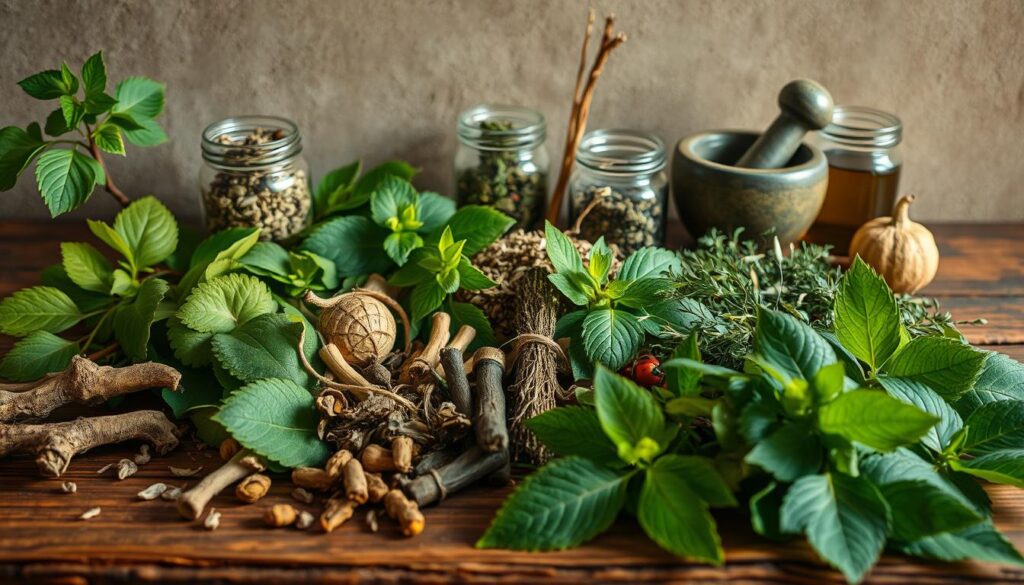
By incorporating these herbs into your daily routine, you can find significant relief from knee pain and improve your overall joint health.
Traditional African Practices for Joint Health
In traditional African medicine, various practices have been employed for centuries to promote joint health and alleviate knee pain. These practices are deeply rooted in the cultural heritage of African communities and offer a holistic approach to managing joint health.
Some of the traditional practices include the use of herbal infusions, which are made from a variety of plants known for their medicinal properties. For instance, the Marula bark is used to make a decoction that is believed to have numerous health benefits, including reducing inflammation and promoting joint health. Learn more about the benefits of herbal.
Herbal Infusions
Herbal infusions are a staple in traditional African medicine. They are prepared by steeping parts of plants, such as leaves, roots, or bark, in hot water. The resulting liquid is then consumed as a tea or used topically. Some plants commonly used in herbal infusions for joint health include Devil’s Claw and Turmeric, both known for their anti-inflammatory properties.
- Devil’s Claw: Known for its ability to reduce pain and inflammation.
- Turmeric: Contains curcumin, a compound with potent anti-inflammatory and antioxidant properties.
Poultices and Compresses
Poultices and compresses are another traditional practice used to alleviate knee pain. These involve applying a mixture of herbs directly to the affected area, often wrapped in a cloth. The heat or cooling effect of the poultice or compress helps to reduce pain and inflammation. For example, a poultice made from Ginger can be applied to the knee to utilize its warming and anti-inflammatory effects.
Massage Techniques
Massage is an integral part of traditional African healing practices, used to promote joint mobility and reduce pain. Techniques vary among different cultures but often involve the use of oils or balms made from medicinal plants. Massage not only helps in relaxing the muscles around the joint but also improves circulation, which is crucial for healing.
- Massage with herbal oils to reduce stiffness and improve mobility.
- Using specific techniques to target the knee area and surrounding muscles.
Preparing Herbal Remedies at Home
For those seeking organic knee pain relief options, making herbal remedies at home is a viable solution. This approach not only ensures the use of natural remedies for knee pain but also allows for customization based on individual needs.
To start, it’s essential to understand the basics of preparing herbal remedies. This includes knowing how to harvest the right herbs, prepare them for use, and create effective remedies.
Harvesting the Right Herbs
The quality of your herbal remedy starts with the quality of the herbs. Harvesting at the right time is crucial. For most herbs, this means picking them during the peak season when their active ingredients are most concentrated.
For example, herbs like Devil’s Claw and Turmeric are best harvested when mature. Understanding the growth cycle of your chosen herbs is key to maximizing their potency.

Making Herbal Teas
Herbal teas are one of the simplest ways to enjoy the benefits of herbs. To make a tea, you can use either fresh or dried herbs. The general rule is to use one teaspoon of dried herb or two teaspoons of fresh herb per cup of boiling water.
For instance, a Marula herbal tea decoction can be made by simmering the bark or leaves in water. This method is effective for releasing the active compounds into the tea.
Creating Salves and Ointments
Salves and ointments are topical remedies that can be applied directly to the skin to relieve knee pain. They are made by infusing herbs in oil and then mixing the infused oil with beeswax to create a balm-like consistency.
The ratio of herb to oil and the choice of herb can vary based on the desired potency and the specific condition being treated. For knee pain, herbs like Ginger and Boswellia are particularly effective.
Benefits of Using Herbal Remedies
The use of herbal treatments for knee discomfort has gained significant attention due to their holistic approach to health. Herbal remedies, derived from traditional African medicine, offer a natural and often effective way to manage knee pain.
Reducing Inflammation
One of the primary benefits of herbal remedies is their ability to reduce inflammation. Herbs like Devil’s Claw and Turmeric are known for their anti-inflammatory properties, which can help alleviate knee pain caused by inflammation.
- Devil’s Claw has been traditionally used to reduce pain and inflammation.
- Turmeric contains curcumin, a compound with potent anti-inflammatory effects.
Promoting Joint Mobility
Herbal remedies not only reduce pain but also promote joint mobility. By addressing the underlying causes of knee pain, such as inflammation and stiffness, these remedies can improve overall joint health.
Some key herbs that promote joint mobility include:
- Ginger, known for its warming properties that help improve circulation and reduce stiffness.
- Boswellia, which has been shown to reduce inflammation and improve joint function.
Minimizing Side Effects
Unlike conventional pain medications, herbal remedies typically have fewer side effects, making them a safer option for long-term use. By opting for holistic knee pain solutions like herbal treatments, individuals can manage their knee pain while minimizing the risk of adverse effects.
It’s essential to consult with a healthcare professional before starting any new treatment, including herbal remedies, to ensure they are used safely and effectively.
Lifestyle Changes to Complement Herbal Remedies
To maximize the benefits of herbal remedies, it’s essential to adopt complementary lifestyle changes. By incorporating healthy habits into your daily routine, you can enhance the effectiveness of these natural treatments for knee pain relief.
Diet Adjustments
A well-balanced diet rich in anti-inflammatory foods can significantly support knee health. Incorporating foods high in omega-3 fatty acids, such as salmon and flaxseeds, can help reduce inflammation. Additionally, consuming a variety of fruits, vegetables, and whole grains can provide essential nutrients for overall well-being. For more information on holistic approaches to knee pain relief, you can visit Eastside Ideal Health.

It’s also beneficial to limit or avoid foods that may trigger or exacerbate inflammation, such as processed foods, sugary snacks, and excessive alcohol. Maintaining a healthy weight through a balanced diet can further alleviate pressure on the knees, reducing pain and improving mobility.
Exercise Recommendations
Engaging in regular, low-impact exercises can help strengthen the muscles around the knee, improve flexibility, and reduce stiffness. Activities such as swimming, cycling, and yoga are excellent options for individuals experiencing knee pain. These exercises can be modified to suit different fitness levels and abilities.
Strengthening the quadriceps and hamstring muscles through exercises like squats and lunges can provide additional support to the knee joint. It’s crucial to start slowly and gradually increase the intensity and duration of workouts to avoid putting excessive strain on the knees.
Stress Management Techniques
Chronic stress can exacerbate knee pain by increasing inflammation and muscle tension. Practicing stress management techniques such as meditation, deep breathing exercises, or mindfulness can help mitigate this effect. These practices not only promote relaxation but also contribute to overall well-being.
Engaging in activities that bring joy and help distract from pain, such as hobbies or spending time with loved ones, can also play a role in stress reduction. By adopting a holistic approach that includes stress management, individuals can better manage their knee pain and improve their quality of life.
Safety Considerations with Herbal Remedies
Understanding the safety aspects of African herbal knee pain remedies is essential for their effective use. While these natural remedies for knee pain have been used for centuries, they are not without risks.
One of the primary safety considerations is the potential for allergic reactions. Just like any other substance, African herbal knee pain remedies can cause allergic reactions in some individuals. Symptoms may range from mild skin irritation to more severe reactions.
Potential Allergies
Allergic reactions to herbal remedies can be unpredictable. It’s crucial to be aware of the signs, which may include:
- Skin rashes or itching
- Swelling, particularly of the face, lips, or tongue
- Difficulty breathing
If any of these symptoms occur, it’s essential to discontinue use and consult a healthcare professional.
Interactions with Medications
Another critical safety consideration is the potential for African herbal knee pain remedies to interact with other medications. Certain herbs can enhance or inhibit the effects of prescription drugs, leading to adverse effects.
For example, some herbs may:
- Increase the risk of bleeding when taken with anticoagulant medications
- Enhance the effects of diabetes medications, potentially leading to hypoglycemia
- Interact with blood pressure medications, affecting their efficacy
It’s vital to consult with a healthcare provider before starting any herbal remedy, especially if you’re already taking other medications.
In conclusion, while natural remedies for knee pain can be a valuable part of a treatment plan, safety must be a top priority. Being aware of potential allergies and interactions with medications can help ensure the safe and effective use of these remedies.
The Science Behind Herbal Efficacy
As interest in holistic knee pain solutions grows, so too does the scientific scrutiny of traditional African herbal remedies. The effectiveness of these remedies is being studied to understand their potential benefits fully.
Research Studies on Herbal Benefits
Numerous studies have investigated the efficacy of various African herbs in alleviating knee pain. For instance, Devil’s Claw has been researched for its anti-inflammatory properties, which may help reduce pain associated with knee osteoarthritis.
A study published in a reputable journal found that Devil’s Claw extract significantly reduced pain in patients with knee osteoarthritis, highlighting its potential as a complementary therapy.
| Herb | Studied Benefits | Potential Use |
|---|---|---|
| Devil’s Claw | Anti-inflammatory, Pain Relief | Knee Osteoarthritis |
| Ginger | Anti-inflammatory, Antioxidant | General Pain Relief |
| Turmeric | Anti-inflammatory, Antioxidant | Joint Pain and Inflammation |
Traditional Knowledge vs. Scientific Evidence
While traditional knowledge has long supported the use of African herbs for knee pain, scientific evidence is crucial for validating their efficacy and understanding their mechanisms of action.
Turmeric, for example, contains curcumin, a compound with well-documented anti-inflammatory properties. Research into curcumin has provided insights into how it may help alleviate knee pain.
The integration of traditional knowledge with scientific research is enhancing our understanding of holistic knee pain solutions. By exploring both the traditional uses of African herbs and the scientific evidence supporting their benefits, individuals can make more informed decisions about their knee health.
Patient Testimonials
Patient testimonials highlight the positive impact of alternative knee pain therapies on overall well-being. Many individuals have turned to herbal remedies as a natural solution to their knee discomfort, often with significant success.
Success Stories from Herbal Users
Numerous individuals have shared their success stories after incorporating herbal treatments into their knee pain management regimen. For instance, some have reported a substantial reduction in pain and inflammation, allowing them to resume daily activities without discomfort.
- Reduced Pain: Many users have noted a decrease in knee pain, enabling them to engage in activities they previously avoided.
- Improved Mobility: Herbal remedies have also been credited with improving joint mobility, making it easier for individuals to maintain an active lifestyle.
- Enhanced Quality of Life: By alleviating knee pain, these individuals have experienced an overall improvement in their quality of life, feeling more capable and confident in their daily endeavors.
Personal Experiences Shared
The personal experiences of those who have used herbal remedies for knee pain offer valuable insights into their effectiveness. Real-life examples illustrate how these natural therapies can provide relief and support long-term joint health.
Some key aspects highlighted in personal testimonials include the gentle yet effective nature of herbal remedies, the minimal side effects compared to conventional treatments, and the holistic approach to health that these remedies promote.
“I’ve tried various treatments for my knee pain, but nothing has worked as well as the herbal remedy I’ve been using. It’s been a game-changer for my daily life.”
Consulting with Healthcare Professionals
Healthcare professionals play a vital role in guiding the use of African herbal remedies for knee pain. Their expertise ensures that any new treatment, including African plant-based knee pain remedies and organic knee pain relief options, is integrated safely into one’s health regimen.
Why You Should Seek Guidance
Seeking guidance from healthcare professionals is crucial, especially for individuals with pre-existing health conditions or those taking medications. They can provide personalized advice on using herbal remedies effectively and safely.
Healthcare professionals can help identify potential allergies or interactions with other medications, ensuring that the chosen herbal remedy complements existing treatments rather than causing adverse effects.
Combining Herbal and Traditional Treatments
Under the guidance of a healthcare professional, combining herbal and traditional treatments can be an effective strategy for managing knee pain. This integrated approach allows for a more holistic treatment plan that addresses both the symptoms and the underlying causes of knee pain.
For instance, a healthcare professional might recommend using devil’s claw or turmeric alongside physical therapy or conventional pain relief medications. This combination can potentially enhance the efficacy of the treatment while minimizing side effects.
By consulting with healthcare professionals, individuals can make informed decisions about their knee pain management, leveraging the benefits of both traditional and herbal remedies.
Conclusion: Embracing Nature for Knee Health
Exploring traditional African herbal remedies offers a promising approach to managing knee pain. By leveraging the power of natural remedies, individuals can find effective relief from knee pain.
Benefits of Natural Solutions
Effective herbal remedies for knee pain, such as Devil’s Claw and Turmeric, have been shown to reduce inflammation and promote joint mobility. These natural remedies for knee pain provide a valuable alternative to conventional treatments.
Embracing African Traditions
By embracing African herbal traditions, individuals can tap into a rich heritage of natural healing practices. This approach not only provides relief from knee pain but also fosters a deeper connection with nature and traditional practices.
As we continue to explore the potential of effective herbal remedies for knee pain, it’s clear that natural remedies for knee pain will play an increasingly important role in promoting overall well-being.
FAQ
What are African herbal knee pain remedies?
How do African herbal remedies work for knee pain relief?
What are some common African herbs used for knee pain?
Can I prepare African herbal remedies at home?
Are there any safety considerations when using herbal remedies?
How can I complement herbal remedies with lifestyle changes?
Are African herbal remedies scientifically proven to be effective?
Can I use African herbal remedies alongside traditional treatments?
What are the benefits of using holistic knee pain solutions?
How can I ensure the quality of the herbs used in herbal remedies?
Related Articles

About the author: Mokhtar Sahraoui
Mokhtar Sahraoui is the founder and editor of Knee Hurt. He researches and writes practical, easy-to-understand guides on knee pain, knee injuries, arthritis and recovery, based on trusted medical sources. Knee Hurt articles are general information and are not a substitute for advice from your doctor or physical therapist.