Knee discomfort only when getting up from chair

Knee discomfort only when getting up from chair

Have you ever wondered why some pain appears only during simple movements? For many, sitting feels comfortable, but rising from a chair triggers sharp stiffness or aching. This common issue often points to deeper challenges in how our joints and muscles work together.

Startup stiffness—a term linked to arthritis—is a key factor here. When standing, the body relies on proper alignment between the legs, hips, and feet. Weakness in the thigh muscles or poor chair design (like low seats or missing armrests) can strain the joints, making this motion harder over time.

Daily habits matter too. Prolonged sitting reduces blood flow to the legs, while repetitive motions wear down cartilage. Simple adjustments, such as using ice packs for 15 minutes a day or choosing supportive chairs, often provide relief. But when should these steps become a priority?

Key Takeaways

  • Startup stiffness is often tied to arthritis or muscle weakness.
  • Proper body alignment is critical when transitioning from sitting to standing.
  • Chair design (e.g., armrests and seat height) impacts joint stress.
  • Brief rest and ice therapy can reduce inflammation at home.
  • Early intervention helps prevent long-term mobility issues.

Understanding Causes and Recognizing Symptoms

What makes certain motions trigger sharp joint sensations? For many, rising after sitting feels like a battle against stiffness or sudden aches. Two primary culprits often lie behind this struggle: arthritis and meniscal injuries.

knee arthritis and meniscus issues

Arthritis and Startup Stiffness

Arthritis wears down cartilage, leaving bones less protected. Morning stiffness or difficulty moving after rest—called “startup stiffness”—is common. Weak thigh muscles can’t compensate, making standing harder. Over time, this cycle reduces mobility and increases strain.

Meniscal Tears and Other Issues

Torn knee cartilage often causes locking or catching sensations. Unlike arthritis, these injuries may stem from sudden twists or prolonged sitting in awkward positions. Arthroscopic surgery repairs severe cases, but early detection through symptoms like swelling improves outcomes.

Condition Primary Symptoms Common Triggers
Arthritis Morning stiffness, reduced motion Age, repetitive strain
Meniscal Tear Sharp pain, joint locking Twisting motions, deep squats

Ignoring these signs risks long-term damage. Joint warmth or persistent swelling warrants medical evaluation. Simple changes—like avoiding low chairs—can ease pressure while addressing root causes.

Biomechanics of Standing Up and Muscle Involvement

Standing from a seated position seems simple, but it’s a complex dance between joints and muscles. Proper alignment ensures forces distribute evenly—weakness or poor mechanics shifts stress to vulnerable areas. This explains why some feel sharp sensations during routine motions.
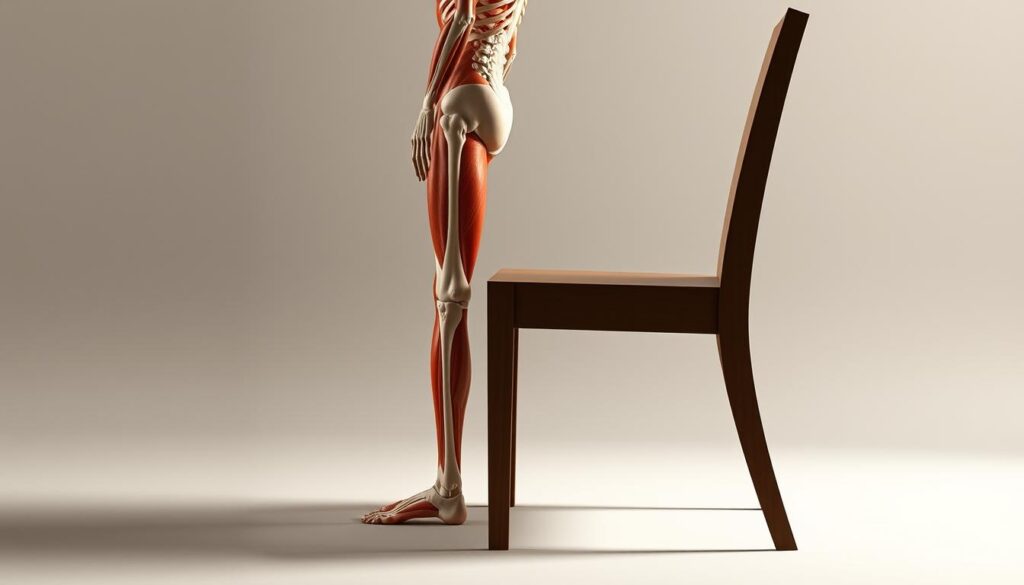
biomechanics of standing up

Thigh Muscle Strength and Movement

The quadriceps and glutes act as primary engines during standing. Weak thigh muscles force the knee joint to absorb 50% more pressure, according to biomechanical research. Exercises like seated leg lifts or wall sits build endurance without straining tendons.

Patellofemoral pain syndrome—often called “runner’s knee”—worsens when these muscles fatigue. “Strength isn’t just about power; it’s about control,” notes a physical therapist. Proper engagement prevents the kneecap from grinding against bone during extension.

Chair Design and Body Mechanics

Seat height matters. Low chairs increase standing effort by 30%, while armrests reduce joint load by letting arms assist. Ideal seats align hips slightly above knees, keeping feet flat. Prolonged sitting in reclined positions tilts the pelvis, stressing ligaments.

Chair Feature Impact Solution
Low Seat Overworks quads Add cushion
No Armrests Shifts weight to legs Use side table
Soft Cushion Slumps posture Firm support

Even subtle adjustments, like foot placement shoulder-width apart, create stability. For those with arthritis, a higher seat combined with daily stretches can transform this daily challenge into a fluid motion.

Knee discomfort only when getting up from chair

Why does a simple act like standing become a source of sharp sensations? Identifying triggers requires observing patterns. Does the ache strike immediately after sitting for 20 minutes? Or does it flare when twisting slightly while rising? These clues help separate temporary strain from chronic issues.
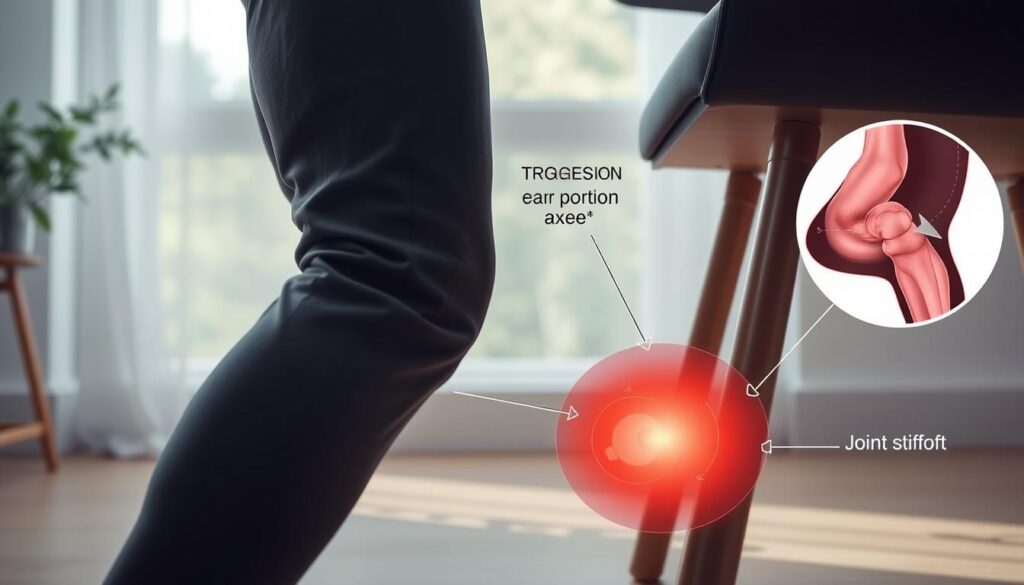
knee pain triggers

Pressure on the kneecap often plays a central role. Activities requiring deep bends—like gardening or climbing stairs—can misalign the patella. Over time, this wears down cartilage, leading to patellofemoral pain syndrome. Early signs include clicking sounds or tenderness around the joint.

Movement Patterns Matter

How you stand matters as much as how long you sit. Leaning too far back shifts 40% more weight onto the joints. Instead:

  • Shift forward until your nose aligns with toes
  • Push through heels, not toes
  • Engage core muscles to stabilize hips

Immediate Actions vs. Long-Term Solutions

Applying ice for 15 minutes reduces inflammation quickly. But recurring stiffness may signal osteoarthritis or tendon weakness. Medical options like corticosteroid injections provide temporary relief, while targeted exercises rebuild strength. Severe cases might require surgery to repair damaged tissue.

Trigger Quick Fix Long-Term Fix
Kneecap misalignment Ice + rest Quad-strengthening workouts
Arthritis flare-up Heat therapy Low-impact cardio
Muscle fatigue Compression sleeve Balance training

Treatment Options, Exercises, and Prevention Strategies

Finding the right balance between self-care and medical support can transform mobility. While quick fixes ease immediate symptoms, lasting results often come from combining daily habits with professional guidance.

Everyday Adjustments for Lasting Relief

Heat therapy and ergonomic seating reduce strain during flare-ups. Chairs with firm lumbar support and armrests cut standing effort by 25%, according to ergonomic studies. For swelling, alternating ice packs with gentle stretches improves circulation.

Low-impact exercises build stability without stressing joints:

  • Wall slides to strengthen quadriceps
  • Water aerobics for resistance training
  • Yoga poses like bridge lifts to engage glutes

When to Consider Advanced Care

Persistent symptoms may need targeted interventions. Corticosteroid injections temporarily calm inflammation, while physical therapy addresses muscle imbalances. “Surgery isn’t a first step—it’s a last resort,” explains Dr. Ellen Torres, orthopedic specialist.

Treatment Purpose Best For
Corticosteroid Injections Reduce swelling Acute arthritis flares
Physical Therapy Improve mobility Post-injury recovery
Knee Replacement Restore function Severe cartilage loss

Prevention starts with small changes. Maintaining healthy weight cuts joint pressure by 4 pounds per pound lost. Supportive footwear and avoiding prolonged sitting complete the picture—empowering you to rise with confidence.

Conclusion

Addressing joint challenges requires a blend of awareness and action. Arthritis-related stiffness and muscle imbalances often lie at the root of recurring issues. Simple daily habits—like applying ice therapy for 15 minutes or choosing chairs with proper support—can ease strain on the kneecap and surrounding tissues.

For many, combining home care with professional guidance yields the best results. Targeted exercises rebuild strength in weak areas, while corticosteroid injections manage severe swelling. In persistent cases, surgical options like knee replacement restore mobility when conservative methods fall short.

Body mechanics play a pivotal role. Adjusting seat height, engaging core muscles during standing, and avoiding prolonged sitting all reduce pressure on the knee joint. These changes, paired with early medical consultation, help prevent minor aches from becoming chronic problems.

Whether managing patellofemoral syndrome or recovering from injury, personalized plans matter. We encourage exploring solutions that align with your lifestyle and seeking expert advice to maintain long-term joint health.

FAQ

What causes sharp front-of-knee pain when rising from a seated position?

We often see this linked to patellofemoral pain syndrome (runner’s knee) or early-stage osteoarthritis. Weak thigh muscles, improper tracking of the kneecap, or cartilage wear can strain the joint during standing motions. Swelling or stiffness after long periods of sitting may also signal inflammation.

How does chair height impact knee stress during standing?

Low chairs force your hips below knee level, increasing pressure on the patellar tendon. We recommend chairs with seat heights matching your lower leg length. Armrests help redistribute weight, reducing strain on the quadriceps and joints when pushing up.

Can daily exercises prevent discomfort when getting up?

Yes. Strengthening exercises like straight-leg raises and step-ups build quadriceps endurance, while stretches for hamstrings and IT bands improve flexibility. Consistency matters—aim for 10–15 minutes of targeted movements 3–4 times weekly to support joint stability.

When should someone consider medical interventions for this issue?

If pain persists despite rest, ice, or over-the-counter anti-inflammatories, consult a specialist. Persistent swelling, grinding sensations, or difficulty bearing weight may indicate meniscal tears or advanced arthritis. Options like corticosteroid injections or arthroscopic surgery are explored if conservative treatments fail.

Are there lifestyle changes that reduce strain on knees during daily activities?

Absolutely. Maintaining a healthy weight lowers pressure on joints. Avoid sitting cross-legged or in deep sofas for extended periods. Use ergonomic furniture, and take short walks hourly if desk-bound. Supportive footwear with cushioned soles also minimizes impact during transitions from sitting to standing.

Does osteoarthritis always lead to knee replacement surgery?

No. Many manage symptoms for years with physical therapy, weight management, and anti-inflammatory medications. Surgery becomes an option only when cartilage loss severely limits mobility or causes unrelenting pain. Early diagnosis and proactive care often delay or prevent the need for joint replacement.


Similar Posts

  • |

    Foods to avoid with knee arthritis

    What if the key to managing your joint pain isn’t found in a medicine cabinet, but in your kitchen? Recent health data shows about 1 in 5 adults in the United States live with arthritis. This chronic condition affects daily life in profound ways. Dr. Ajul Shah, a board-certified surgeon, notes that arthritis can make simple tasks like climbing stairs a significant challenge for patients. We believe the connection between what you eat and how you feel is powerful. Your daily diet directly impacts your overall health and long-term quality of life. knee arthritis diet Managing your nutrition is a foundational step for anyone seeking better joint function and comfort. This guide provides actionable information. Our goal is to help you make smarter nutritional choices to support your mobility. Key Takeaways Arthritis is a common condition that significantly impacts daily activities and mobility. Diet plays a crucial role in managing inflammation and joint health. Simple daily tasks can become challenging for people with chronic joint pain. Proactive nutritional choices are a key part of improving long-term quality of life. Understanding which dietary items may worsen symptoms is an empowering step for patients. A targeted approach to eating can help regain control over physical comfort. Introduction The journey to easing joint stiffness often begins with a closer look at what’s on your plate. We see nutrition as a foundational element for managing chronic conditions. Dr. Ajul Shah, a board-certified surgeon, provides a key insight. While there is no cure for most types of arthritis, diet remains a powerful tool for managing symptoms. This perspective shifts the focus. It empowers individuals to take an active role in their comfort. Overview of Joint Pain and Diet What you consume directly influences the pain and stiffness many people experience. Specific items can trigger inflammatory responses in the body. Understanding this link is essential. It allows for smarter daily choices that minimize discomfort. overview of joint pain and diet connection Our approach examines how certain selections can either worsen or soothe persistent joint issues. Small, consistent changes in your routine lead to significant improvements in well-being. The table below outlines common dietary factors and their general effects. Dietary Factor Potential Impact on Joints Practical Management Tip Highly Processed Foods May increase systemic inflammation Opt for whole, single-ingredient items Sugary Snacks and Drinks Can promote stiffness and swelling Choose fruits for natural sweetness High-Fat Dairy Products Might aggravate pain for some individuals Experiment with plant-based alternatives We provide insights into turning knowledge into action. The goal is better mobility and a higher quality of life through informed eating. Understanding Knee Arthritis and Inflammation Think of inflammation not just as swelling, but as a key biological signal that directly dictates your mobility and comfort. Dr. Ajul Shah notes this process is a primary factor in joint damage and the resulting pain for many patients. understanding knee arthritis and inflammation Chronic inflammation within the body acts like a constant alarm. It restricts movement and can accelerate the progression of this joint disease. How Inflammation Affects Joint Mobility Your immune system’s response to certain triggers leads to swelling and stiffness. This is a hallmark of arthritis symptoms….

  • Best Knee Brace for Pain Relief And Comfort

    Are you experiencing knee pain or discomfort? Whether it’s due to a sports injury, arthritis, or a chronic condition, finding the right knee brace can make all the difference in your daily life. That’s why we’ve compiled a list of the best knee braces for pain relief and comfort. Our top-rated knee braces are designed…

  • |

    What not to do after knee replacement

    Is your post surgery routine secretly working against your healing? Many believe the hardest part is over once they leave the hospital, but the real challenge often begins at home. Your stay after a knee replacement surgery is brief, typically just one to four days. This quick transition home makes your daily choices incredibly powerful for your recovery process. knee replacement recovery We see a common thread: patients who understand which activities to avoid experience fewer setbacks. They enjoy a smoother path back to mobility. Protecting your new joint requires more than just patience. It demands smart, informed action from the very start. Every person heals at their own pace. Setting realistic expectations is a cornerstone of a successful outcome. Our guide focuses on the crucial missteps that can delay your progress. We provide clear insights to help you navigate this important time confidently. Key Takeaways The initial weeks at home are critical for protecting your new knee joint. Knowing which specific actions to avoid is key to preventing pain and complications. Recovery speed varies; patience with your body’s timeline is essential. Informed choices during daily activities directly support a smoother rehabilitation. A successful outcome relies on more than just the surgery itself. Clear guidelines help you build confidence and regain mobility safely. Understanding Knee Replacement Recovery Recovering from joint surgery is as much a mental challenge as it is a physical one. The recovery process involves both your body’s healing and your emotional adjustment. This journey begins right after your procedure, often with a hospital stay of one to four days. knee replacement recovery journey Recognizing the Physical and Emotional Journey It is normal to feel some pain and discomfort as your body adapts. This is part of the healing process. Your mobility will improve gradually with time and consistent effort. Emotional ups and downs are common during this period. Staying positive and patient actively supports your rehabilitation. Every small step forward is a meaningful victory. The Role of a Multidisciplinary Care Team Your surgeon, physical therapist, and doctor form a dedicated care team. They work together to guide your joint health and overall recovery. Open communication with them is vital….

  • | |

    Knee Tendonitis Treatment Options for Athletes

    Are you an athlete struggling with knee pain that’s slowing you down? You might be facing knee tendonitis, a common issue that can be tough. We’re here to look at the different ways athletes can get help with this problem. Knee tendonitis, also known as jumper’s knee, is common in athletes who jump a lot….

  • |

    ACL Recovery and Bracing in 2026: What Actually Works for Faster, Safer Knee Healing

    Did you know that about 80.4% of people return to sport after ACL reconstruction, but only 54.6% reach their pre-injury level? Understanding ACL recovery and bracing is essential if your knee hurt or instability is holding you back. Key Takeaways Question Answer What is ACL recovery? A structured process involving rest, rehab, and sometimes surgery…

Leave a Reply

Your email address will not be published. Required fields are marked *