
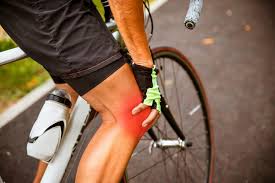
Knee Hurt from Biking
Knee Hurt from Biking: Causes and Treatment
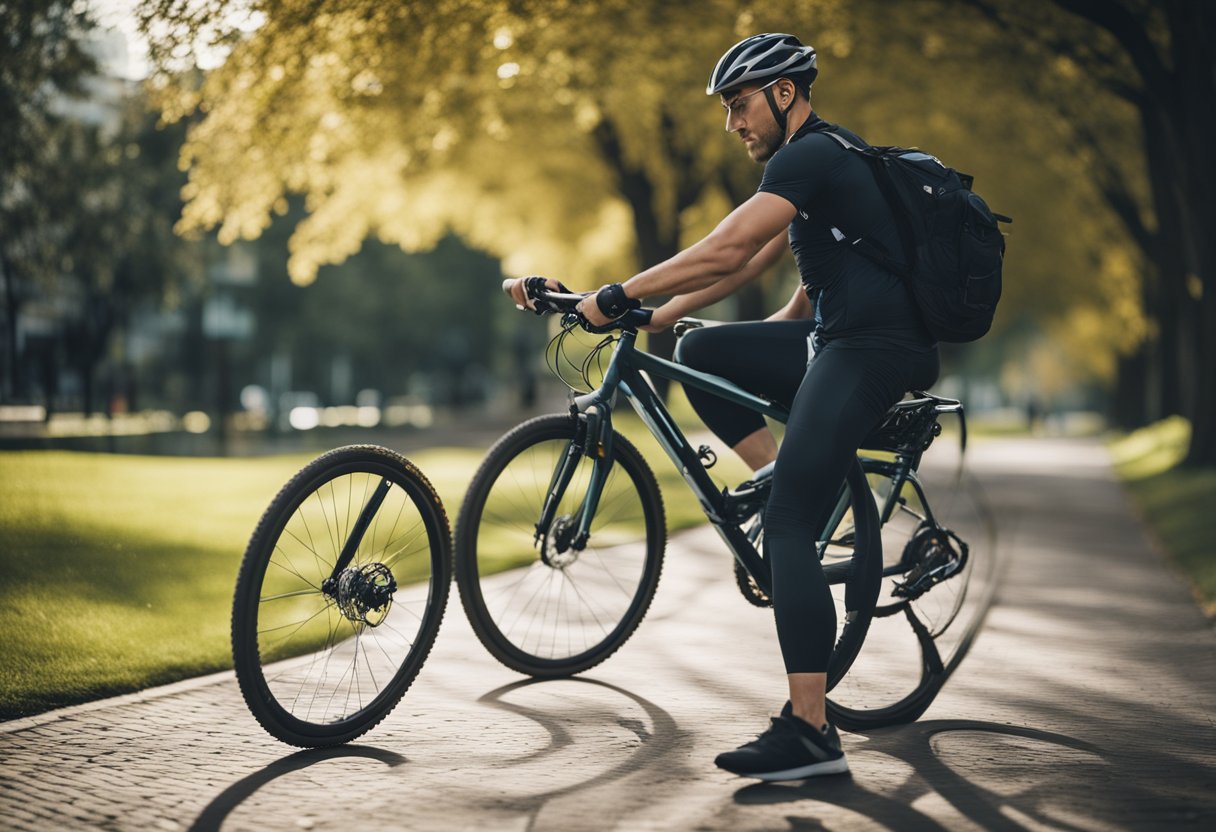
If you’re an avid cyclist, you may have experienced knee pain at some point. Knee pain from cycling is a common problem that can be caused by a variety of factors, including incorrect bike fit, overuse, and medical conditions. In this article, we’ll explore the causes of cycling knee pain, how to prevent it, and exercises to manage it.
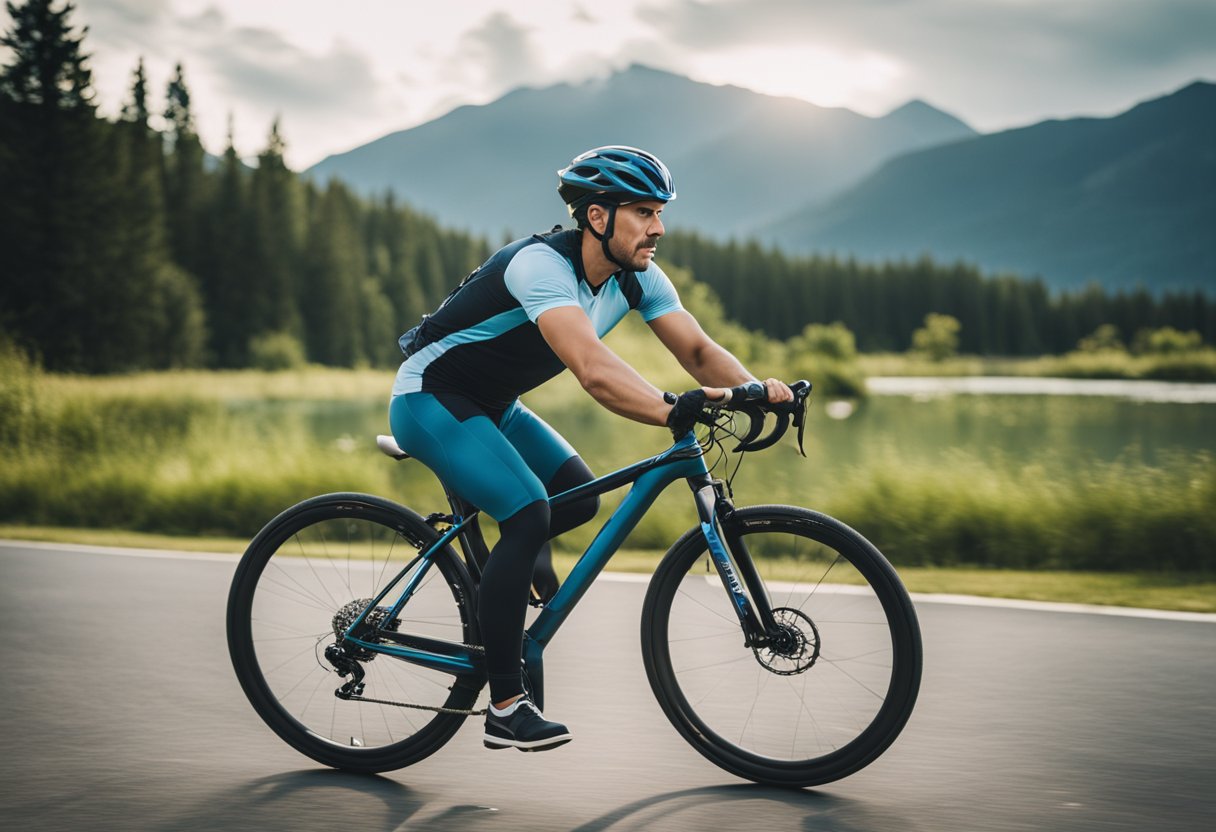
Understanding Knee Pain in Cycling Cycling knee pain can occur in different areas of the knee, including the anterior (front), posterior (back), medial (inner), and lateral (outer) regions. The most common type of cycling knee pain is anterior knee pain, which is located around the kneecap and can be caused by overuse, muscle imbalances, or incorrect bike fit. Other types of knee pain, such as medial and lateral knee pain, can be caused by issues with the bike’s cleat position or saddle height.
Preventing Knee Pain The best way to prevent cycling knee pain is to ensure proper bike fit. This includes adjusting your saddle height, handlebar position, and cleat position. It’s also important to gradually increase your training volume and intensity to avoid overuse injuries. Additionally, incorporating strength training exercises, such as squats and lunges, can help improve muscle imbalances and reduce the risk of knee pain.
Key Takeaways
- Cycling knee pain can be caused by a variety of factors, including incorrect bike fit, overuse, and medical conditions.
- Proper bike fit is essential to prevent knee pain, and strength training exercises can help improve muscle imbalances.
- If you experience knee pain while cycling, it’s important to rest, ice, and seek medical attention if necessary.
Understanding Knee Pain in Cycling
As cyclists, we know that knee pain can be a common issue. In fact, estimates suggest that 40-60% of recreational cyclists and 36-62% of professionals experience knee pain at some point. Knee pain can be caused by a variety of factors, including overuse, poor bike fit, and muscle imbalances.
One of the most common areas for knee pain in cycling is the patella, or kneecap. Pain in this area can be caused by patellofemoral pain syndrome (PFPS), which is characterized by pain around or behind the patella. PFPS can be caused by a variety of factors, including overuse, muscle imbalances, and poor bike fit.
Another area where knee pain can occur is the iliotibial band (IT band), a thick band of connective tissue that runs along the outside of the thigh. Tightness in the IT band can cause pain in the knee joint, as the band pulls on the patella.
In addition to these areas, knee pain can also be caused by injuries to the collateral ligaments, patellar tendon, and other connective tissues in the knee joint. These injuries can be caused by overuse, trauma, or poor bike fit.
To prevent knee pain in cycling, it’s important to ensure proper bike fit and to address any muscle imbalances or weaknesses. This can be done through exercises that target the quadriceps, hamstrings, and other muscles in the legs. Additionally, stretching and foam rolling can help to alleviate tightness in the IT band and other connective tissues.
In summary, knee pain is a common issue for cyclists and can be caused by a variety of factors. By addressing bike fit, muscle imbalances, and incorporating proper stretching and foam rolling techniques, we can help to prevent knee pain and enjoy our rides pain-free.
Preventing Knee Pain

Preventing knee pain is crucial for any cyclist, whether you’re a professional or a recreational rider. Here are some tips to help prevent knee pain from cycling:
Bike Fit
Ensuring proper bike fit is essential to preventing knee pain. A professional bike fit can help you optimize your bike setup, including saddle height, reach, and Q-factor. A professional bike fitter can help you make the necessary adjustments to your bike to ensure that your knees are aligned correctly and that your pedal stroke is efficient.
Equipment
Investing in the right equipment can also help prevent knee pain. Choosing the right saddle can help reduce pressure on your knees, and the right cleats can ensure that your feet are in the correct position on the pedals.
Warm-Up and Stretching
Warming up before a ride and stretching afterward can help prevent knee pain. A good warm-up can help get the blood flowing to your muscles and prepare them for the ride ahead. Stretching after a ride can help prevent muscle soreness and stiffness.
Core Strength
Having a strong core can also help prevent knee pain. A strong core can help stabilize your body while riding and reduce the strain on your knees. Incorporating exercises that target your core, such as planks and crunches, into your training routine can help improve your overall strength and reduce the risk of knee pain.
Quadriceps and Hamstrings
Strengthening your quadriceps and hamstrings can also help prevent knee pain. These muscles play a crucial role in the pedal stroke, and strengthening them can help reduce the strain on your knees. Incorporating exercises that target these muscles, such as lunges and leg presses, into your training routine can help improve your overall strength and reduce the risk of knee pain.
Riding Technique
Finally, paying attention to your riding technique can also help prevent knee pain. Ensuring that your pedal stroke is smooth and efficient, and that you’re not putting too much strain on your knees, can help reduce the risk of injury. Paying attention to your ankle and lower back position can also help prevent lower back pain, which can contribute to knee pain.
By following these tips, you can help prevent knee pain and enjoy your rides to the fullest.
Managing Knee Pain
If you experience knee pain from biking, there are several ways to manage it. Here are some tips that can help:
- Rest and Ice: If you feel pain, it’s important to take a break from cycling and rest your knee. Apply ice to the affected area for 20 minutes at a time, several times a day to help reduce inflammation and pain.
- Reduce Intensity and Duration: If your knee pain is due to overtraining or fatigue, it may be helpful to reduce the intensity and duration of your rides. Gradually increase the intensity and duration of your workouts to avoid overtraining.
- Check Your Bike Fit: Poor bike fit can contribute to knee pain. Make sure your bike is adjusted properly to fit your body. Consider getting a professional bike fitting to ensure that your bike is properly adjusted for your body type and riding style.
- Strengthening Exercises: Strengthening exercises can help to improve the strength and flexibility of the muscles surrounding the knee joint. Consider incorporating exercises like squats, lunges, and leg presses into your workout routine.
- Physiotherapy and Rehabilitation: If your knee pain is due to an injury, it may be helpful to work with a physiotherapist or rehabilitation specialist to develop a treatment plan. They can help you identify the cause of your pain and develop a plan to address it.
- Foam Rolling: Foam rolling can help to alleviate muscle tension and improve flexibility. Use a foam roller to massage the muscles surrounding your knee joint.
- Consider Surgery: In severe cases, surgery may be necessary to repair damage to the knee joint. Talk to your doctor or a specialist to determine whether surgery is a viable option for you.
By implementing these strategies, we can manage knee pain and continue to enjoy the benefits of cycling.
Exercises for Knee Pain
If you’re experiencing knee pain from cycling, there are a few exercises that can help. It’s important to note that you should always consult with a medical professional before beginning any new exercise program.
Strengthening Exercises
Strengthening exercises can help to improve muscle kinematics and reduce the risk of knee pain. Lunges, squats, leg presses, and hamstring curls are all great exercises to target the muscles around the knee. These exercises should be performed with proper form and technique to avoid exacerbating knee pain.
Stretching Exercises
Stretching exercises can also be helpful in reducing knee pain. Hamstring stretches and hip flexor lunges can help to improve flexibility and reduce tension in the muscles around the knee. It’s important to stretch regularly and avoid overstretching, as this can cause further injury.
Low-Impact Sports
If you’re experiencing knee pain from cycling, it may be helpful to switch to a low-impact sport such as swimming or walking. These activities can still provide a great workout while putting less stress on the knees.
Proper Bike Fit
Proper bike fit is also important in preventing knee pain. Recreational riders should ensure that their saddle height and position are adjusted correctly, as well as the position of their handlebars. Professional bike fitting services are available for those who need more advanced adjustments.
Kinematics
Understanding the kinematics of cycling can also help to prevent knee pain. The sagittal plane is the plane in which the knee joint moves during cycling. It’s important to maintain proper form and avoid excessive knee flexion during pedaling to prevent knee pain.
Overall, a combination of strengthening and stretching exercises, low-impact sports, proper bike fit, and understanding kinematics can all help to prevent knee pain from cycling. Remember to always consult with a medical professional before beginning any new exercise program.
Frequently Asked Questions
What are common causes of knee pain from biking?
Knee pain from biking can be caused by a variety of factors, including improper bike fit, overuse, muscle imbalances, and poor pedaling technique. Other factors that can contribute to knee pain include riding on uneven terrain, using a gear that is too high, and not taking enough rest days.
How can I prevent knee pain while cycling?
To prevent knee pain while cycling, it is important to ensure that your bike is properly fitted to your body. This includes adjusting the seat height, handlebar position, and pedal position. It is also important to gradually increase your mileage and intensity to avoid overuse injuries. Additionally, incorporating strength training exercises and stretching can help prevent knee pain.
What are some stretches that can help alleviate knee pain from biking?
Stretching can help alleviate knee pain from biking. Some effective stretches include the quad stretch, hamstring stretch, calf stretch, and IT band stretch. It is important to hold each stretch for at least 30 seconds and repeat on both sides.
Are there any specific bike adjustments that can help with knee pain?
Yes, there are specific bike adjustments that can help with knee pain. These include adjusting the seat height, handlebar position, and pedal position. It may also be helpful to switch to a smaller gear to reduce the stress on your knees.
When should I seek medical attention for knee pain from biking?
If your knee pain is severe or persists for more than a few days, it is important to seek medical attention. Additionally, if you experience swelling or redness around the knee joint, it is important to see a doctor.
Can knee pain from biking be a sign of a more serious issue?
Yes, knee pain from biking can be a sign of a more serious issue, such as a meniscus tear or ligament injury. It is important to seek medical attention if your knee pain is severe or persists for more than a few days.


2 Comments