Knee Hurt from Fall
Knee Hurt from Fall: Causes and Treatment
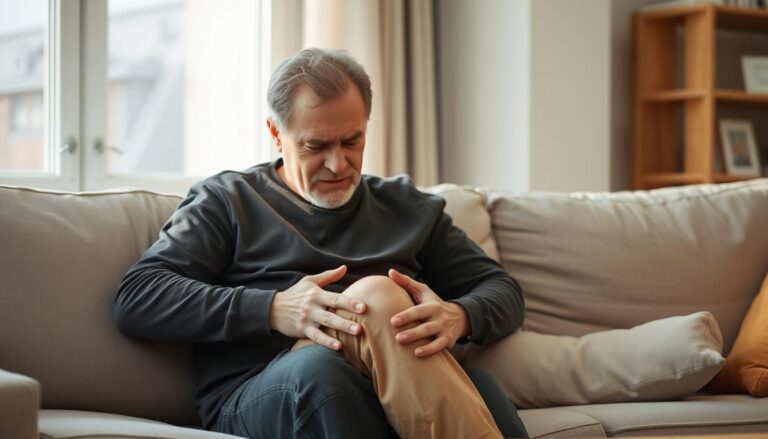
Knee pain triggered by a fall can signal injuries as minor as a bruise that you can treat at home to as serious as a torn ligament or fracture that may require surgery to repair. Falls can happen to anyone, regardless of age or physical condition, and can result in a variety of knee injuries. The knee is a complex joint that is vulnerable to injury, and a fall can cause damage to the bones, cartilage, ligaments, and tendons that make up the knee.
If you have experienced a fall and are experiencing knee pain, it is important to seek medical attention. Delaying treatment can lead to further damage and complications. A healthcare provider can diagnose the injury and recommend appropriate treatment, which may include rest, ice, compression, and elevation, physical therapy, or surgery.
Key Takeaways
- Falls can cause a variety of knee injuries, from minor bruising to serious ligament tears or fractures.
- Seeking medical attention promptly can prevent further damage and complications.
- Treatment for knee injuries may include rest, ice, compression, and elevation, physical therapy, or surgery.
Understanding Knee Injuries
Knee injuries are common, especially when it comes to falls. Understanding the types of knee injuries, causes and risk factors, symptoms and diagnosis, and severity and location can help you identify and treat knee injuries.
Types of Knee Injuries
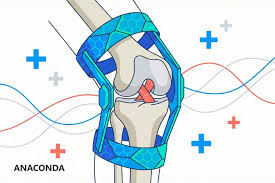
The knee joint is made up of bones, ligaments, tendons, and cartilage. Any of these structures can be injured in a fall. Common knee injuries from falling include:
- Fracture: A break in one of the bones in the knee joint.
- Torn meniscus: A tear in the cartilage that cushions the knee joint.
- Torn ligament: A tear in one of the ligaments that connects the bones in the knee joint.
- Knee dislocation: When the bones in the knee joint are forced out of place.
- Meniscal tear: A tear in the cartilage that cushions the knee joint.
- Patellar tendon tear: A tear in the tendon that connects the kneecap to the shinbone.
- Sprain: A stretch or tear in one of the ligaments that connects the bones in the knee joint.
- Strain: A stretch or tear in one of the muscles or tendons that support the knee joint.
Causes and Risk Factors
Falls are a common cause of knee injuries, but other activities can also lead to knee injuries. Sports that involve jumping, twisting, or sudden stops and starts, such as basketball and tennis, can put stress on the knee joint and increase the risk of injury. Age and wear and tear can also make knee injuries more likely.
Symptoms and Diagnosis
Symptoms of a knee injury can include pain, swelling, stiffness, and instability. A doctor can diagnose a knee injury through a physical exam and imaging tests such as X-rays and MRI scans.
Severity and Location
The severity and location of a knee injury can vary depending on the type of injury. Fractures and dislocations can be more severe than sprains and strains. The location of the injury can also affect the severity and treatment options. Injuries to the patella, ligaments, cartilage, tendons, and patellar tendon can all cause different symptoms and require different treatments.
In conclusion, understanding knee injuries can help you identify and treat knee injuries. If you experience knee pain or other symptoms after a fall or other activity, it’s important to seek medical attention to diagnose and treat the injury.
Treatment and Recovery
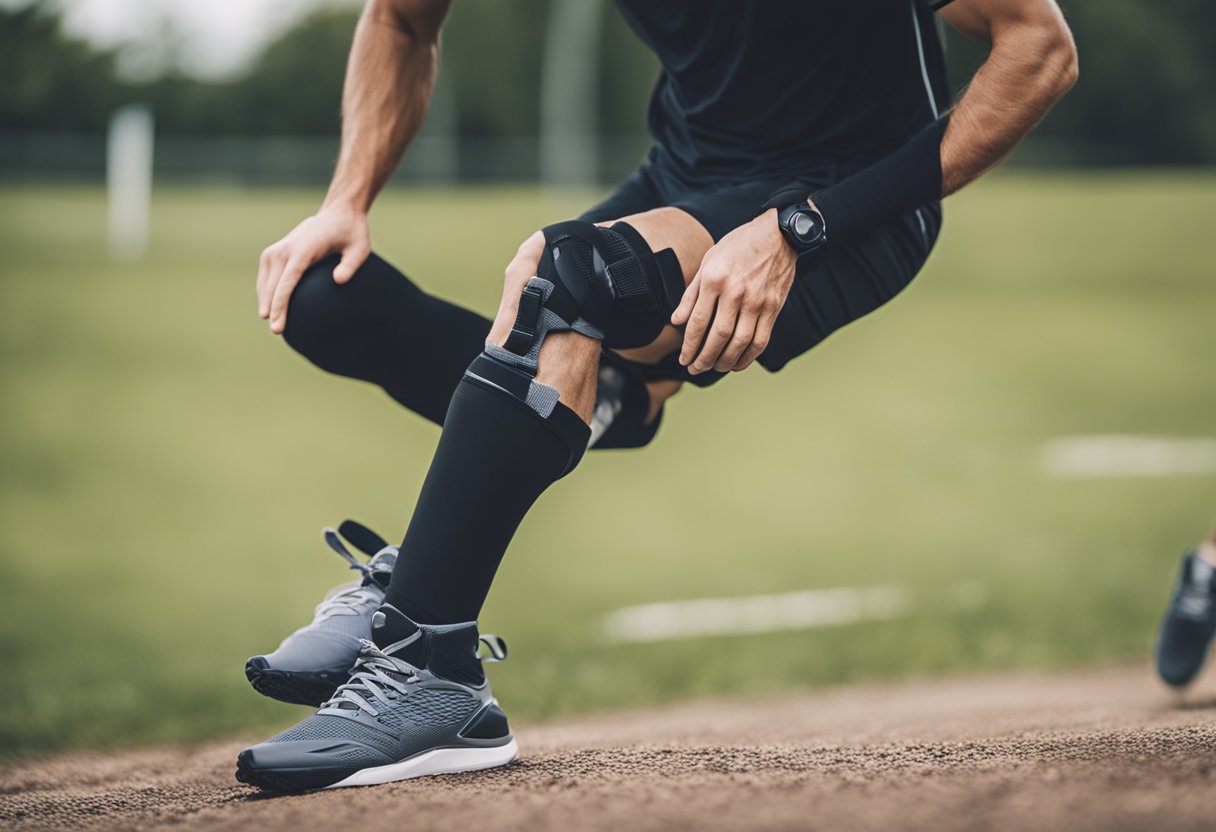
If you have experienced knee pain from a fall, it is important to seek treatment as soon as possible to prevent further damage and promote recovery. Treatment options may vary depending on the severity of the injury, but typically involve a combination of first aid, medical treatments, medications and self-care, and rehabilitation exercises.
First Aid and Immediate Care
The first step in treating a knee injury from a fall is to administer first aid and immediate care. This may involve resting the affected knee, applying ice to reduce swelling, compressing the knee with a bandage, and elevating the leg to reduce inflammation. This approach is commonly referred to as RICE (rest, ice, compression, elevation) and can help to reduce pain and promote healing.
Medical Treatments
In some cases, medical treatments may be necessary to treat knee injuries from a fall. This may include arthrocentesis, a procedure in which excess fluid is drained from the knee joint to reduce swelling and pain. In more severe cases, surgery may be required to repair torn ligaments or other damage.
Medications and Self-Care
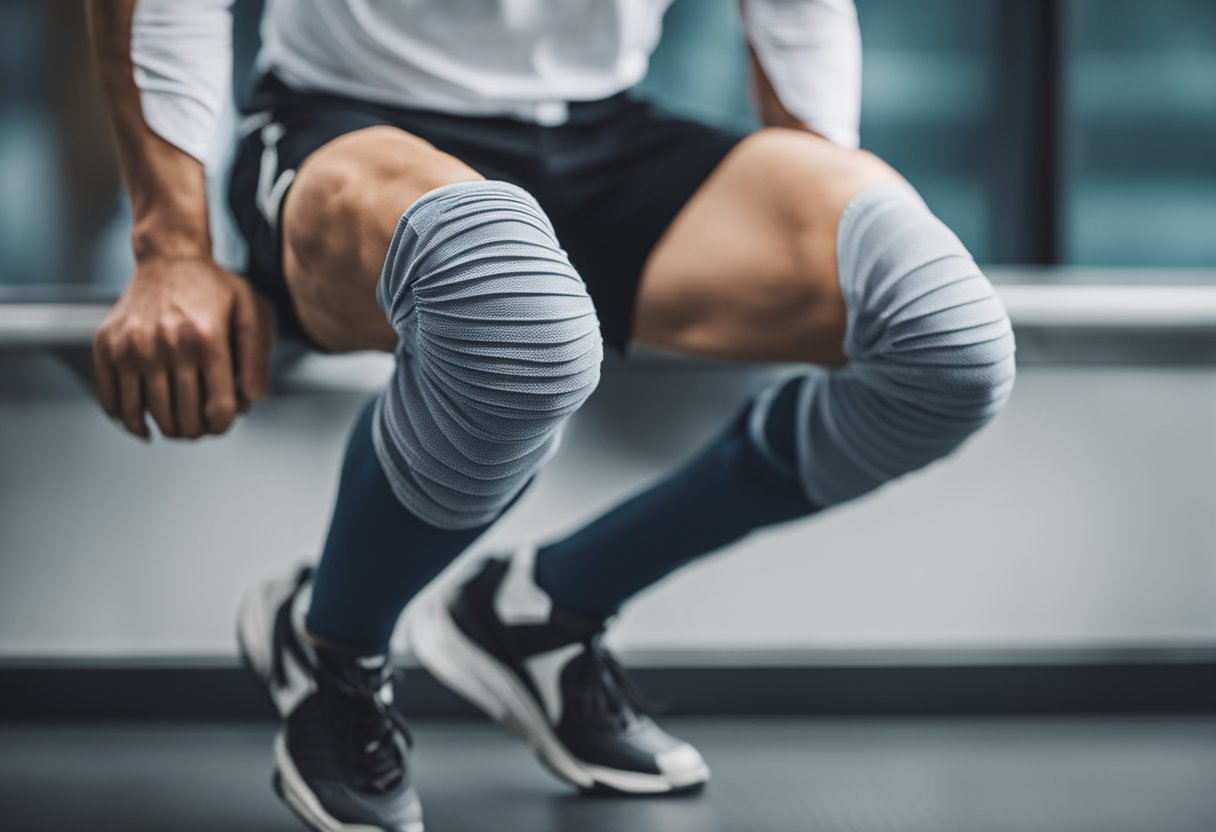
Medications such as ibuprofen and other NSAIDs may be prescribed to reduce pain and inflammation. In addition, self-care measures such as warmth and rest may be recommended to promote healing. Knee braces may also be used to provide support and stability during the healing process.
Rehabilitation and Exercises
Physical therapy and rehabilitation exercises may be recommended to help strengthen the knee and improve flexibility. Strengthening exercises can help to prevent future knee injuries, while flexibility exercises can help to improve range of motion and reduce pain.
Overall, recovery time for knee injuries from a fall can vary depending on the severity of the injury and the chosen treatment method. It is important to work closely with a doctor or physical therapist to develop a treatment plan that is tailored to your specific needs.
Prevention and Health Management

Preventing Knee Injuries
Preventing knee injuries is crucial to maintaining overall knee health. One of the best ways to prevent knee injuries is by stretching regularly. Stretching helps to increase flexibility and range of motion, which can reduce the risk of injury. Additionally, it is important to maintain a healthy weight, as excess weight can put unnecessary strain on the knees.
Another way to prevent knee injuries is by wearing appropriate footwear. Shoes with good arch support and cushioning can help to reduce the impact on the knees while walking or running. It is also important to avoid activities that can put excessive stress on the knees, such as jumping or running on hard surfaces.
Managing Existing Conditions
If you already have a knee condition such as arthritis, osteoarthritis, rheumatoid arthritis, bursitis, knee bursitis, or patellofemoral pain syndrome, it is important to manage it properly to prevent further damage. Regular exercise can help to strengthen the muscles around the knee, which can provide additional support and reduce pain. Additionally, physical therapy can be helpful for improving flexibility and range of motion.
In some cases, medication may be necessary to manage knee pain and inflammation. Over-the-counter pain relievers such as ibuprofen can be effective for reducing pain and swelling. For more severe pain, prescription medications may be necessary.
Health Tips and Current Topics
Staying up-to-date with current health topics and research advancements can be helpful for maintaining knee health. Some current topics of interest include the benefits of stretching and proper footwear for knee health, as well as the use of stem cell therapy for knee injuries.
In addition to staying informed, there are several health tips that can help to promote overall knee health. These include maintaining a healthy diet, staying hydrated, and getting enough rest. Additionally, it is important to listen to your body and avoid pushing yourself too hard during physical activity.
Conclusion
By taking steps to prevent knee injuries, managing existing conditions, staying informed about current health topics, and following health tips, we can maintain healthy knees and reduce the risk of knee pain and injury.
Frequently Asked Questions

How long should knee pain last after a fall?
The duration of knee pain after a fall can vary depending on the severity of the injury. In general, mild knee pain can last for a few days to a week, while more severe injuries can take several weeks or even months to fully heal.
What are the symptoms of a knee injury after a fall?
Common symptoms of a knee injury after a fall include pain, swelling, stiffness, and difficulty moving the knee. You may also experience bruising, tenderness, and a popping or clicking sensation when moving the knee.
What is the difference between a broken knee and a bruised knee?
A broken knee involves a fracture in one of the bones in the knee joint, while a bruised knee involves damage to the soft tissues, such as muscles, tendons, and ligaments. While a broken knee can be more serious, both injuries can cause significant pain and discomfort.
How can I tell if I have damaged my knee?
If you have pain, swelling, or difficulty moving your knee after a fall, you may have damaged your knee. It is important to seek medical attention if you experience any of these symptoms, as a healthcare professional can help diagnose and treat your injury.
What are some common knee injuries from falls?
Some common knee injuries from falls include sprains, strains, contusions, and fractures. A sprain occurs when one or more of the ligaments in the knee is overstretched, while a strain involves damage to the muscles or tendons. Contusions, or bruises, can also occur from a fall, as well as fractures in the bones of the knee.
What should I do if my knee still hurts after a month from a fall?
If your knee still hurts after a month from a fall, it is important to seek medical attention. Your healthcare provider can help determine the cause of your pain and recommend appropriate treatment options, such as physical therapy or surgery.