Knee bone spurs (osteophytes): symptoms, causes, diagnosis, and treatment options in 2026
Knee bone spurs (osteophytes) are more common than many people expect, with osteophytes (Kellgren–Lawrence grade ≥1) detected in 12.0% of knee DXA scans in UK Biobank (n≈20,000 knees). In 2026, we still see plenty of knee pain and knee hurt coming from joint wear-and-tear, but osteophytes are a key structural clue that helps explain why the knee can feel stiff, crack, or ache with movement.
Key Takeaways
| What to know about knee bone spurs (osteophytes) | Why it matters for knee pain |
|---|---|
| Osteophytes are bony growths that form along joint edges as degeneration progresses. | They can change how the knee bends and loads, contributing to knee hurt and reduced comfort. |
| They often travel with osteoarthritis, not always by themselves. | Your knee pain may reflect cartilage stress, inflammation, and mechanics, not only the spur size. |
| Imaging helps, but symptoms guide decisions. | We use exam findings plus imaging to match the right plan to your knee. |
| Exercise and activity pacing can reduce flares. | In 2026, consistent, joint-friendly conditioning remains one of the most practical tools for knee pain. |
| Braces and targeted support may help. | For people with ongoing knee pain and instability patterns, support can improve confidence during walking. |
| Sometimes injuries mimic osteophyte symptoms. | If your knee pain started after a twist or tear, review likely causes like meniscus or ligament injury using our guide to torn meniscus and ligament knee injury resources. |
What are knee bone spurs (osteophytes), and where do they show up?
Knee bone spurs (osteophytes) are bony outgrowths that form at the edges of a joint. As the knee wears through normal cartilage cushioning, the body may respond by building extra bone along stressed areas, which can change joint shape and motion.
In plain terms, we often describe osteophytes as “bone spurs,” but the term “osteophytes” is the medical name. You can develop them in different parts of the knee, including where the femur and tibia meet, and around the kneecap area where patellofemoral mechanics matter.
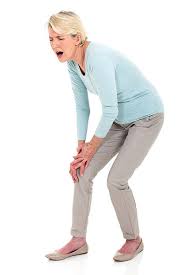
Many people notice knee pain and knee hurt during everyday tasks like stairs, getting up from a chair, or longer walks. Others may have visible osteophytes on imaging yet feel little day-to-day discomfort, which is why we focus on the full picture, not just the scan.
Common ways osteophytes can affect your knee:
- Stiffness, especially after rest
- Reduced range of motion, making bending or straightening feel harder
- Mechanical symptoms like cracking (crepitus), catching, or altered tracking
- Localized tenderness around stressed joint lines
If you are also dealing with creaking sounds, you may find it helpful to compare normal versus concerning patterns in knee crepitus without pain.
Symptoms of knee bone spurs (osteophytes): knee pain, knee hurt, and stiffness patterns
Symptoms are variable, but osteophytes are often part of a bigger story that includes joint inflammation, cartilage wear, and changes in how forces travel through the knee. In 2026, we still see the most common concern start as knee pain with activity, then gradually shift toward stiffness and flare-ups.
People describe knee hurt in different ways, depending on the knee compartment involved and what else is happening in the joint. Some feel sharp pain with movement, while others report a dull ache that builds through the day.
What “typical” knee pain can look like
- Morning stiffness that eases after gentle movement
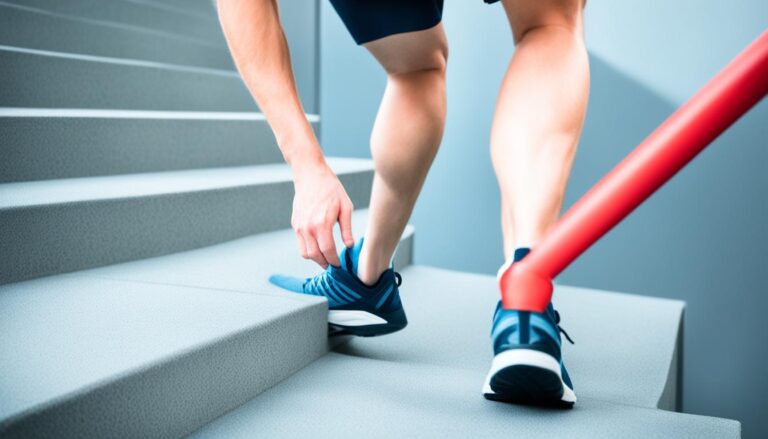
- Pain with stairs, especially going up or down
- Pain after long sitting followed by discomfort when you first stand
- Crepitus (cracking or grinding sounds), sometimes with stiffness
- Swelling or warmth during flares, depending on inflammation
When symptoms suggest more than osteophytes
Osteophytes can coexist with other knee conditions, so we treat symptoms as clues. If your knee pain began after a specific injury, you may need to rule out damage like a torn meniscus or ligament injury, which we cover in our torn meniscus guide and ACL injury knee brace information.
Why osteophytes form: degeneration, alignment, and injury connections
Knee bone spurs (osteophytes) form most commonly as part of joint degeneration, particularly in osteoarthritis. Over time, repeated stress and cartilage breakdown can change the joint environment, encouraging the body to adapt through bone growth.
Alignment and biomechanics matter. When part of the knee bears more load than it should, that compartment can develop greater wear, and osteophytes may appear where the joint experiences higher stress.
Osteophytes versus “it was just an old injury”
In 2026, we are careful about timing. If knee hurt started after trauma, osteophytes might not be the original problem, but they can become more noticeable as the knee changes over time.
For example, tears and sprains can alter movement patterns. Over months or years, that altered loading can contribute to degeneration and spur formation. If you suspect a structural injury, we recommend reading related guides such as traumatic knee, and ligament-specific pages like posterior cruciate ligament (PCL) knee injury.
How knee bone spurs (osteophytes) are diagnosed
Diagnosis usually starts with a clinical exam. We look at how your knee pain behaves with movement, where tenderness is located, and how stable and mobile the knee is during basic tests.
Imaging may be used to confirm whether osteophytes (knee bone spurs) are present and to understand what else is contributing. The goal is not to label your knee, it is to choose the right plan for the pattern of symptoms you have.
Common tools clinicians use
- X-rays to visualize bone spurs and joint space changes
- MRI when we need to evaluate cartilage, meniscus, or ligament structures alongside osteophytes
- Physical assessment to connect pain with mechanics, range of motion, and strength
Because some people have osteophytes without major symptoms, we interpret imaging in context. That is why we ask detailed questions about how knee pain affects walking, stairs, and daily activities.
Treatment in 2026: managing knee bone spurs (osteophytes) without ignoring the rest of the knee
Treatment for knee bone spurs (osteophytes) is usually multi-part. We focus on pain control, restoring comfortable motion, improving strength and mechanics, and reducing flare triggers, especially if your knee pain comes and goes.
In 2026, many people want clear “what should I do this week” guidance. We typically start with conservative strategies and adjust based on response over time.
1) Lifestyle and activity pacing
- Break up long walks or repetitive stair sessions
- Choose low-impact options when knee hurt flares
- Use symptom response as feedback, pain that rises during activity often needs modification
2) Physical therapy and targeted exercise
Exercise helps because osteophytes often sit inside a larger degeneration picture involving muscle weakness, poor tracking, and altered joint loading. A practical plan may include quadriceps and hip strengthening, mobility work, and balance training.
3) Supportive bracing and mechanical help
Depending on your knee pain pattern, bracing can provide stability and improve comfort while you build strength. If instability is part of your story, we may point you to resources like ligament knee injury and discuss how support fits alongside rehab.
4) Medications and medical interventions
Clinicians may recommend anti-inflammatory approaches or pain relief strategies. We encourage you to follow medical guidance, especially if you have other conditions or take additional medications.
5) When surgery is considered
Most knee pain related to osteophytes is managed without surgery, but there are cases where advanced structural problems or persistent symptoms require orthopedic evaluation. Surgery decisions depend on your specific anatomy and which tissues are driving your knee pain.
When knee bone spurs show up alongside other knee conditions
Osteophytes rarely live alone. Many readers come to us with knee pain that feels “wear related,” but the actual driver may be cartilage irritation, patellar tracking issues, or a meniscus or ligament problem.
That is why we connect osteophyte conversations to the broader set of knee diagnoses people search for in 2026.
Chondromalacia and patellofemoral mechanics
When the kneecap cartilage is stressed, knee pain may worsen with stairs, squats, and prolonged sitting. Even if imaging shows knee bone spurs (osteophytes), the pain may be strongly influenced by chondromalacia patterns. For that angle, you can review chondromalacia patella and how kneecap-focused strategies can reduce flare cycles.
Meniscus tears and mechanical symptoms
A torn meniscus can cause pain that is sharper or more movement-specific, sometimes with catching or locking sensations. If your knee hurt began after a twist or pivot, we recommend starting with torn meniscus to compare symptom patterns.
Ligament injuries and long-term changes
Ligament damage can change how the knee controls rotation and stability. Over time, that may influence degeneration and spur development. If you suspect this route, our pages on ligament knee injury and PCL injury can help you understand typical mechanisms and rehab priorities.
Ongoing knee pain patterns in everyday life
Some people tell us their knee pain follows a routine, like worsening when going up stairs or feeling different when walking on uneven surfaces. For practical context, our guides on knee pain and managing and overcoming knee pain can be useful starting points.
Prevention and long-term management: keeping knee bone spurs (osteophytes) from worsening the story
We cannot always prevent osteophytes, but we can influence how knee pain behaves and how quickly degeneration progresses. In 2026, the most effective long-term approach usually blends movement, strength, and smart load management.
When people focus only on the “spur,” they miss the factors that drive symptoms. That is why we emphasize modifiable behaviors, consistent conditioning, and early response to flare triggers.
Practical steps that support the knee
- Strengthen supporting muscles (hips, quadriceps, and calves) to better distribute load
- Choose the right activities when knee hurt is elevated, swap impact-heavy days with low-impact options
- Use form cues for stairs and squats, avoid deep ranges that spike pain
- Keep a flare plan, reduce load for a short window and restart movement gradually
If your knee pain happens during specific daily situations, it helps to pattern-match. For example, when pain shows up on one type of movement, we can tailor exercise choices. You may also find these articles useful: knee hurts going up stairs not down and walking tips for a happy and healthy trail.
How we decide what is “working”
In our approach, improvement is not only “pain-free.” We track whether your knee pain is less intense, less frequent, and easier to manage with daily movement. We also watch for improved range of motion and better function with stairs and walking.
Conclusion
Knee bone spurs (osteophytes) are common structural changes that often accompany knee degeneration and osteoarthritis, and they can contribute to knee pain, knee hurt, stiffness, and movement changes. In 2026, our best results come from treating the whole knee, using imaging and exam findings to guide a plan that combines activity pacing, strengthening, support, and appropriate medical care.
If you are dealing with symptoms that started after an injury or involve locking, twisting, or sudden mechanical changes, we encourage you to explore related causes like meniscus or ligament problems through our guides, including torn meniscus and ligament knee injury resources. That context helps ensure the label of osteophytes leads to the right next step for your knee.
Frequently Asked Questions
Can knee bone spurs (osteophytes) cause knee pain even if I do not have severe arthritis?
Yes. Knee bone spurs (osteophytes) can be present with only mild cartilage wear, and they may still contribute to stiffness and altered mechanics that drive knee pain. In 2026, we focus on how your symptoms match the findings on exam and imaging.
Why does my knee hurt more on stairs when I have knee bone spurs (osteophytes)?
Stairs increase knee flexion demands and load through specific compartments, which can amplify irritation in joints where knee bone spurs (osteophytes) have formed. If your knee pain is stair-specific, we often check for related issues like patellofemoral mechanics or cartilage stress.
Do knee bone spurs (osteophytes) always mean I have osteoarthritis?
Knee bone spurs (osteophytes) commonly appear with osteoarthritis, but they can also be found in people without severe symptoms. That is why we interpret osteophytes alongside your knee pain pattern and functional limitations rather than treating the x-ray alone.
What are the best non-surgical treatment options for knee bone spurs (osteophytes) in 2026?
Most non-surgical approaches in 2026 include activity pacing, strengthening, joint-friendly conditioning, and sometimes bracing to improve comfort and stability. We also address flare triggers so knee hurt is less disruptive while you build strength.
How can I tell if my knee pain is from knee bone spurs (osteophytes) or a torn meniscus?
Torn meniscus symptoms often follow a specific injury and may include catching or locking sensations, while knee bone spurs (osteophytes) more often relate to gradual stiffness and movement-limiting discomfort. When in doubt, we recommend evaluation that considers both the injury history and your exam findings, including guidance like torn meniscus.
Is a knee brace helpful if knee bone spurs (osteophytes) are causing knee pain?
A brace can be helpful when your knee pain worsens with load and when support improves alignment or stability. In practice, we connect brace use to your specific symptoms and mechanics, including cases where instability is suspected, such as guidance found in ACL injury knee brace resources.