Knee Injury Concerns? Know When to See a Doctor
Did you know that knee injuries are incredibly common, affecting millions of Americans each year? Whether you’re an athlete or simply going about your daily activities, a knee injury can be a significant cause for concern. However, it’s crucial to know when to seek medical attention for a knee injury to ensure proper care and prevent further complications.
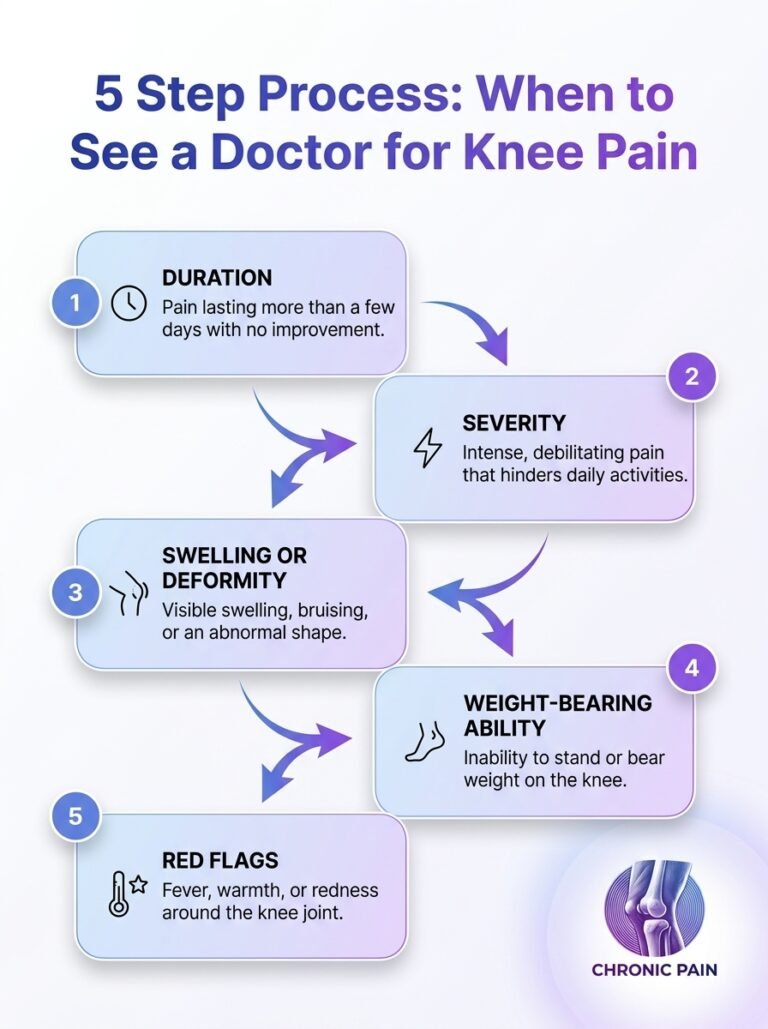
According to Mayo Clinic, there are specific signs that indicate you should go to a doctor for your knee injury. If your knee pain is caused by a major injury and your knee joint is bent or deformed, there was a “popping” sound at the time of injury, your knee can’t bear weight, you have intense pain, or if your knee swelled suddenly, it’s important to go to urgent care or the emergency room.
But that’s not all. If your knee pain occurred after a forceful impact or injury, your knee joint is badly swollen, red, warm and tender, very painful, or if you have a fever or other symptoms of sickness, it’s essential to make an appointment with your healthcare team for further evaluation.
Even minor, ongoing knee pain should be checked if it bothers your sleep or daily tasks. Your healthcare provider can provide a thorough examination, diagnose the cause of your knee pain, and recommend the appropriate treatment options for your specific situation.
Knowing when to seek medical attention for a knee injury is crucial to ensure proper care and promote a speedy recovery. In the following sections, we will discuss the process of diagnosing a knee injury and the various treatment options available. Stay tuned to learn more!
Diagnosing a Knee Injury
If you suspect a knee injury and need a proper diagnosis, consulting with a knee injury specialist or healthcare provider is essential. They have the expertise required to perform a thorough examination of your knee, including both physical tests and imaging tests such as X-rays or MRIs. These diagnostic procedures are crucial in determining the exact cause and extent of your knee injury, enabling the development of an effective treatment plan tailored to your specific needs.
During the examination, the knee injury specialist or healthcare provider will evaluate the stability and range of motion of your knee joint, assessing any pain or tenderness. They may also conduct tests to check for ligament or meniscus tears, as well as identifying any signs of inflammation or swelling.
Imaging tests such as X-rays provide detailed images of the bones in your knee, helping identify fractures or dislocations. If further visualization is required, an MRI can be used to assess the soft tissues, including the ligaments, tendons, and cartilage. These tests are invaluable in creating a comprehensive understanding of your knee injury, allowing for accurate diagnosis and appropriate treatment.
In order to receive the most accurate and effective treatment for your knee injury, it is crucial to consult with a qualified knee injury specialist or healthcare provider. Their expertise and diagnostic tools enable them to analyze the extent of the injury and recommend appropriate treatment options.
Treating a Knee Injury
The treatment for a knee injury will depend on the specific type and severity of the injury. In some cases, self-care measures can help relieve knee pain and promote recovery. These measures may include:
- Resting the knee joint
- Switching to low-impact movements
- Icing the knee
- Wrapping it with an elastic bandage or using a knee brace for support
- Elevating the knee to reduce pain and swelling
Over-the-counter pain relievers such as topical creams, gels, NSAIDs, or acetaminophen may also provide pain relief. However, if the knee injury is more severe or if self-care measures do not improve the condition, you may require additional treatments such as:
- Physical therapy
- Corticosteroid injections
- Surgery
The specific treatment recommendations will be made by your healthcare provider based on their assessment of your knee injury.
It is important to follow the recommended treatment plan and engage in any prescribed rehabilitation exercises to facilitate a successful recovery and restore the functionality of your knee.
Expert Tip:
“When treating a knee injury, it’s crucial to strike a balance between rest and movement. Gradually increasing your activity levels with the guidance of a healthcare professional can help strengthen the knee and prevent further injury.”
Common Treatments for Knee Injuries
| Treatment | Description |
|---|---|
| Rest | Giving the knee time to heal by minimizing weight-bearing activities and avoiding strenuous movements. |
| Physical Therapy | A combination of exercises and techniques to strengthen the knee, improve range of motion, and reduce pain. |
| Corticosteroid Injections | Injections of anti-inflammatory medications directly into the knee joint to reduce pain and inflammation. |
| Surgery | For more severe cases, surgical intervention may be necessary to repair damaged ligaments, cartilage, or other structures in the knee. |
Conclusion
Knowing when to seek medical attention for a knee injury is crucial to ensure proper care and recovery. If you experience severe symptoms such as a deformed joint, inability to bear weight, intense pain, or sudden swelling, it is important to go to urgent care or the emergency room immediately. These symptoms may indicate a significant knee injury that requires immediate medical attention to prevent further damage and complications.
On the other hand, if you are experiencing less severe symptoms or ongoing knee pain, it is still important to reach out to your healthcare team. They can provide a thorough examination, accurate diagnosis, and professional guidance on appropriate treatment options for your knee injury. Your healthcare provider will assess your symptoms, perform diagnostic tests, and develop a personalized treatment plan to alleviate pain and promote recovery.
Remember, seeking prompt medical attention for your knee injury is crucial for effective management and timely recovery. Whether it is the emergency room for severe symptoms or a scheduled appointment with your healthcare provider for less severe cases, prioritizing your knee health with the guidance of medical professionals will ensure the best possible outcomes for your injury.
FAQ
What are the signs that indicate I should seek medical attention for a knee injury?
You should seek medical attention for a knee injury if your knee joint is bent or deformed, you heard a “popping” sound at the time of injury, your knee can’t bear weight, you have intense pain, or if your knee swelled suddenly. Make an appointment with your healthcare team if your knee pain occurred after forceful impact or injury, your knee joint is badly swollen, red, warm and tender, very painful, or if you have a fever or other symptoms of sickness. Some minor, ongoing knee pain should also be checked if it bothers your sleep or daily tasks.
How can a knee injury be diagnosed?
To diagnose a knee injury, you may need to consult with a knee injury specialist or healthcare provider. They will perform a thorough examination of your knee, which may involve physical tests and imaging tests such as X-rays or MRIs. This will help determine the exact cause and extent of your knee injury, allowing for appropriate treatment and management.
What are the treatment options for a knee injury?
The treatment for a knee injury depends on the specific type and severity of the injury. In some cases, self-care measures can help relieve knee pain and promote recovery. These measures may include resting the knee joint, switching to low-impact movements, icing the knee, wrapping it with an elastic bandage or using a knee brace for support, and elevating the knee to reduce pain and swelling. Over-the-counter pain relievers such as topical creams, gels, NSAIDs, or acetaminophen may also provide pain relief. However, if the knee injury is more severe or if self-care measures do not improve the condition, you may require additional treatments such as physical therapy, corticosteroid injections, or even surgery, depending on the recommendation of your healthcare provider.
When should I go to the emergency room for a knee injury?
If you experience severe symptoms such as a deformed joint, inability to bear weight, intense pain, or sudden swelling, it is important to go to urgent care or the emergency room immediately. For less severe symptoms or ongoing knee pain, making an appointment with your healthcare team is recommended. They can provide a thorough examination, diagnosis, and appropriate treatment options for your knee injury.
Source Links
- https://www.mayoclinic.org/symptoms/knee-pain/basics/when-to-see-doctor/sym-20050688
- https://mountainstateorthopedic.com/how-long-should-you-wait-to-see-a-doctor-for-knee-pain/
- https://www.houstonmethodist.org/blog/articles/2023/aug/how-to-get-rid-of-knee-pain-when-to-see-a-doctor/