
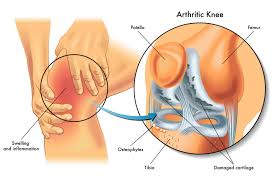
Knee Joint Damage
Knee Joint Damage: Causes, Symptoms, and Treatment Options
Knee joint damage is a common condition that can affect anyone, regardless of age or activity level. It can be caused by a variety of factors, including injury, overuse, and degenerative conditions like arthritis. Knee joint damage can cause pain, swelling, and stiffness, and can make it difficult to perform everyday activities like walking, climbing stairs, or even standing up.
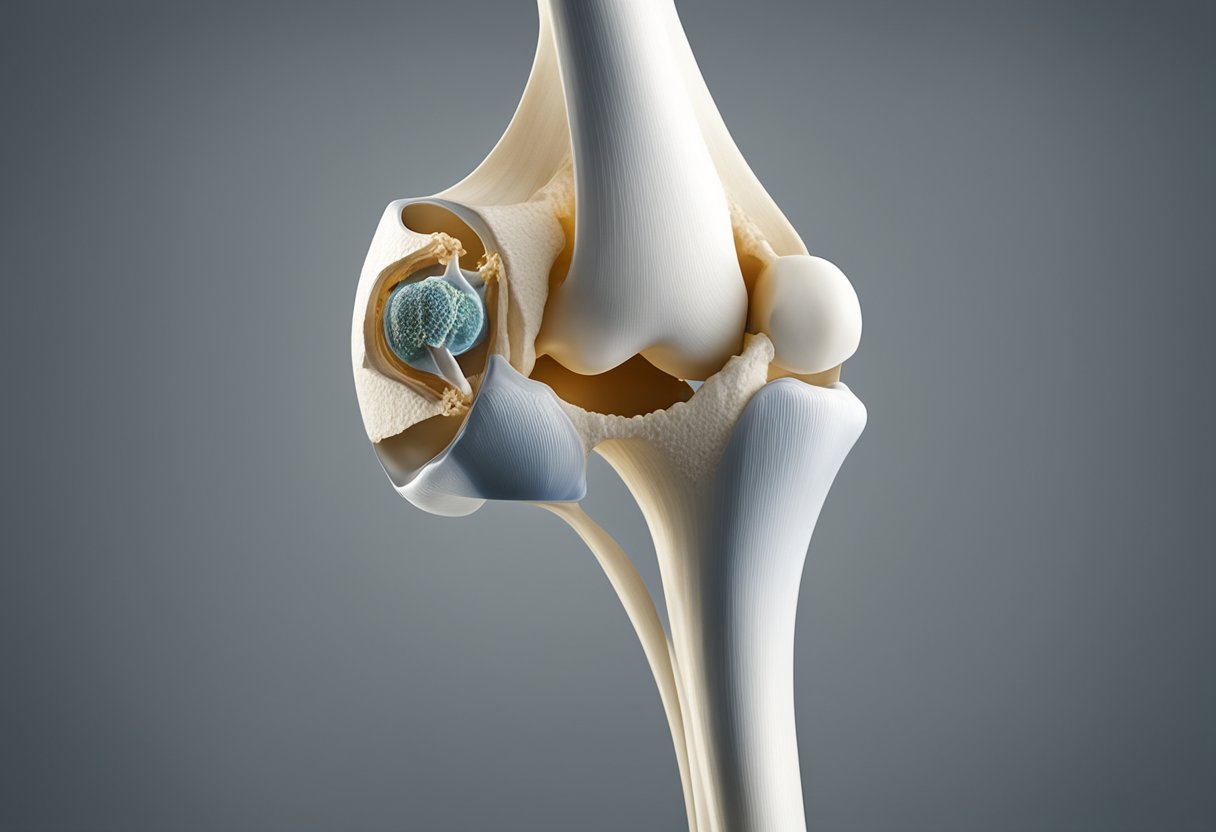
Common Causes of Knee Joint Damage include injury, overuse, and degenerative conditions like arthritis. Symptoms and Diagnosis of knee joint damage can vary depending on the severity of the condition, but may include pain, swelling, stiffness, and difficulty moving the knee joint. Treatment and Prevention options for knee joint damage may include rest, physical therapy, medication, and surgery, depending on the cause and severity of the condition. With proper care and treatment, many people are able to manage their knee joint damage and maintain an active lifestyle.
Key Takeaways
- Knee joint damage is a common condition that can be caused by injury, overuse, or degenerative conditions like arthritis.
- Symptoms of knee joint damage can include pain, swelling, stiffness, and difficulty moving the knee joint.
- Treatment options for knee joint damage may include rest, physical therapy, medication, and surgery, depending on the cause and severity of the condition.
Common Causes of Knee Joint Damage
Knee joint damage is a common problem that affects many people, especially as they get older. In this section, we will discuss some of the most common causes of knee joint damage.
Aging and Degeneration
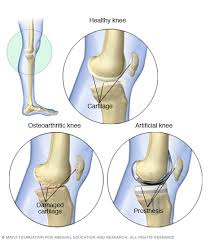
As we age, the cartilage in our knee joint can wear down, leading to osteoarthritis. This is a degenerative condition that can cause pain, stiffness, and swelling in the knee joint.
Injury and Trauma
Injuries and trauma can also cause knee joint damage. Falls, tears, fractures, and dislocations can all lead to knee pain and instability. ACL injuries, tendon tears, and meniscus tears are also common knee injuries.
Sports and Exercise
Certain sports and exercises can put a lot of stress on the knee joint, leading to damage. Activities like running, soccer, basketball, and skiing can all cause knee injuries. Patellar tendinitis and iliotibial band syndrome are also common sports-related knee injuries.
Health Conditions
Some health conditions can also contribute to knee joint damage. Rheumatoid arthritis is an autoimmune condition that can cause inflammation and damage to the knee joint. Gout and septic arthritis are other health conditions that can affect the knee joint.
Obesity and Overuse
Being overweight or obese can put extra stress on the knee joint, leading to damage. Overuse can also cause knee joint damage, especially if you participate in activities that involve repetitive motions.
Other Causes
Other causes of knee joint damage include osteoporosis, obvious deformity, weakness, and instability. These factors can all contribute to knee pain and discomfort.
In summary, knee joint damage can be caused by a variety of factors, including aging, injury, sports and exercise, health conditions, obesity, and overuse. Understanding these common causes can help you take steps to prevent knee joint damage and protect your knee health.
Symptoms and Diagnosis
Recognizing Symptoms
If you have knee joint damage, you may experience symptoms such as pain, swelling, inflammation, stiffness, and limited range of motion. In some cases, you may also notice redness around the affected area. If you experience any of these symptoms, it is important to seek medical attention.
Medical Diagnosis
When you visit your doctor, they will conduct a physical exam and ask you questions about your symptoms. They may also recommend imaging tests such as X-rays or an MRI to get a better look at the affected area.
X-rays can help identify any bone damage, while an MRI can provide more detailed information about the soft tissues in your knee joint. Your doctor may also order blood tests to check for signs of infection or inflammation.
Once your doctor has evaluated your symptoms and test results, they can make a diagnosis and recommend a treatment plan. It is important to follow your doctor’s recommendations closely to ensure the best possible outcome.
Treatment and Prevention
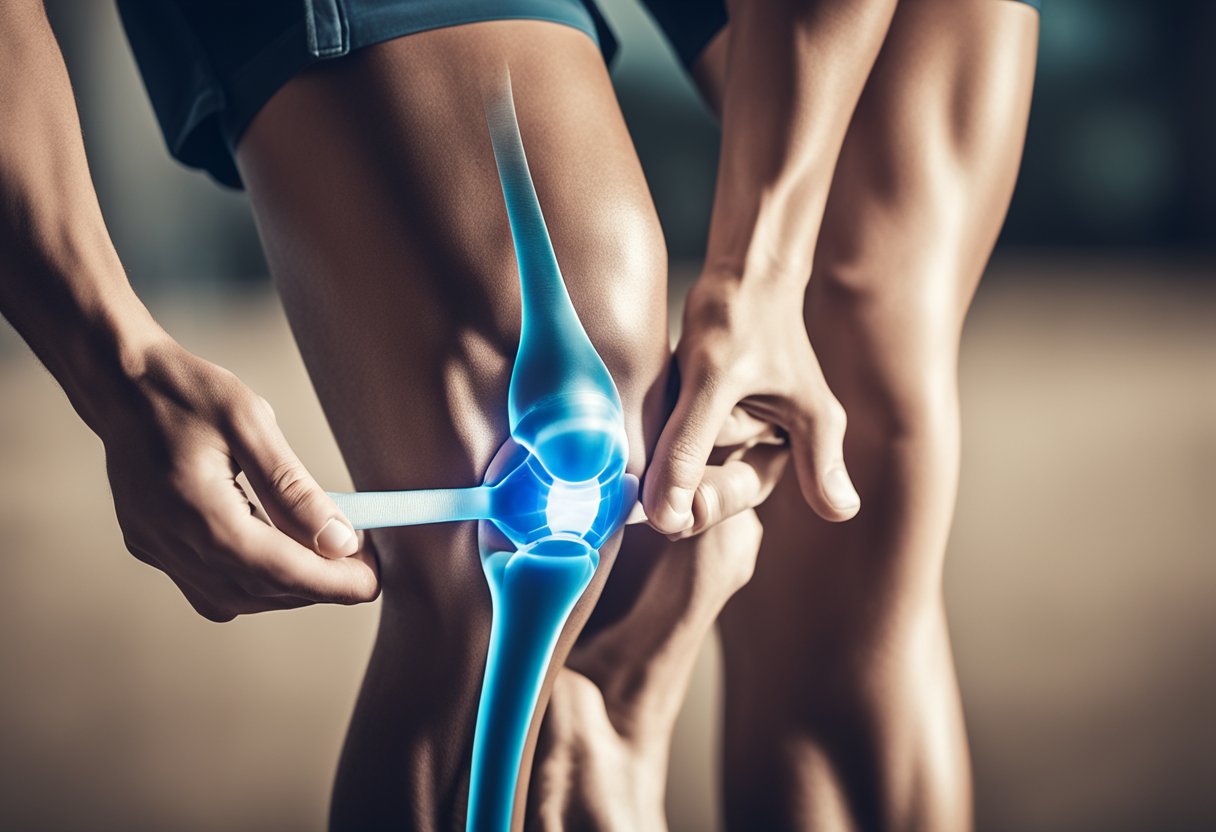
When it comes to knee joint damage, there are various treatment and prevention strategies that can be employed to alleviate symptoms and prevent further injury. In this section, we will discuss some of the most effective approaches to treating and preventing knee joint damage.
Conservative Treatments
Conservative treatments are non-invasive interventions that aim to reduce pain and swelling, and promote healing. These treatments may include:
- Rest: Avoiding activities that aggravate the knee joint can help reduce pain and promote healing.
- Ice: Applying ice to the affected area can help reduce swelling and pain.
- Compression: Wrapping the knee joint with an elastic bandage can help reduce swelling and provide support.
- Elevation: Elevating the affected leg can help reduce swelling and improve blood flow.
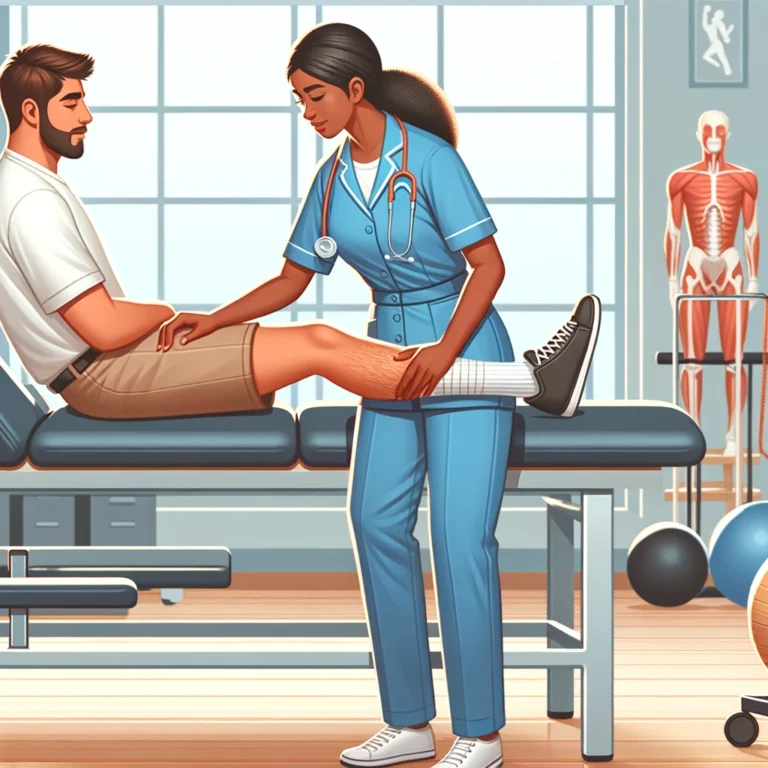
- Physical therapy: A physical therapist can help develop a customized exercise program to improve strength and flexibility in the affected knee joint.
- Medication: Over-the-counter pain relievers such as nonsteroidal anti-inflammatory drugs (NSAIDs) can help reduce pain and inflammation.
Surgical Interventions
In some cases, conservative treatments may not be enough to alleviate symptoms of knee joint damage. In these instances, surgical interventions may be necessary. Some common surgical interventions for knee joint damage include:
- Arthroscopy: A minimally invasive procedure that involves inserting a small camera into the knee joint to diagnose and treat the problem.
- Knee replacement: A surgical procedure that involves replacing the damaged knee joint with an artificial joint.
Prevention Strategies
Prevention is key when it comes to knee joint damage. Some effective prevention strategies include:
- Exercise: Regular exercise can help improve strength and flexibility in the knee joint, reducing the risk of injury.
- Stretching: Stretching before and after exercise can help improve flexibility and reduce the risk of injury.
- Use of knee braces: Wearing a knee brace during physical activity can help provide support and prevent injury.
- Avoiding high-impact activities: Activities such as running and jumping can put excessive stress on the knee joint, increasing the risk of injury.
Role of Healthcare Providers
Healthcare providers play a critical role in the treatment and prevention of knee joint damage. They can provide guidance on effective treatment strategies, monitor progress, and make recommendations for further interventions if necessary. If you are experiencing symptoms of knee joint damage, it is important to consult with a healthcare provider to develop an effective treatment plan.
Frequently Asked Questions
What are some common causes of knee joint damage?
There are several common causes of knee joint damage, including injuries from sports or physical activities, repetitive strain on the knee joint, and aging. Other factors that can contribute to knee joint damage include obesity, arthritis, and genetic predisposition.
What are the symptoms of a meniscus tear in the knee?
Some common symptoms of a meniscus tear in the knee include pain, swelling, stiffness, and difficulty moving the knee. Other symptoms may include a popping or clicking sensation in the knee, or the feeling that the knee is giving way or locking up.
How can knee joint damage be treated?
Treatment for knee joint damage depends on the severity of the injury and the underlying cause. Some common treatments include rest, ice, compression, and elevation (RICE), physical therapy, medications, and in some cases, surgery.
What are some exercises to help alleviate knee pain?
Low-impact exercises such as swimming, cycling, and yoga can help alleviate knee pain by strengthening the muscles that support the knee joint. Other exercises that can help alleviate knee pain include leg lifts, hamstring curls, and squats.
What are the effects of permanent knee damage?
Permanent knee damage can have a significant impact on a person’s mobility and quality of life. Depending on the severity of the damage, it may be difficult to walk or engage in physical activities, and chronic pain and stiffness may be a constant issue.
What are some home remedies for knee pain relief?
Some home remedies for knee pain relief include applying ice or heat to the affected area, taking over-the-counter pain medications, and using topical creams or ointments. Other remedies may include rest, gentle stretching and exercise, and maintaining a healthy weight to reduce pressure on the knee joint.




3 Comments