Knee Pain at Night: How to Sleep Comfortably
Stopping Nighttime Knee Pain: A Complete Guide
Knee pain at night can disrupt sleep due to a complex interplay of physiological and mechanical factors that intensify during rest. While many assume that nighttime knee pain stems solely from the day’s activities, emerging research reveals that specific nocturnal mechanisms can trigger or exacerbate discomfort. Understanding these unique processes is crucial for developing effective management strategies that go beyond standard daytime interventions.
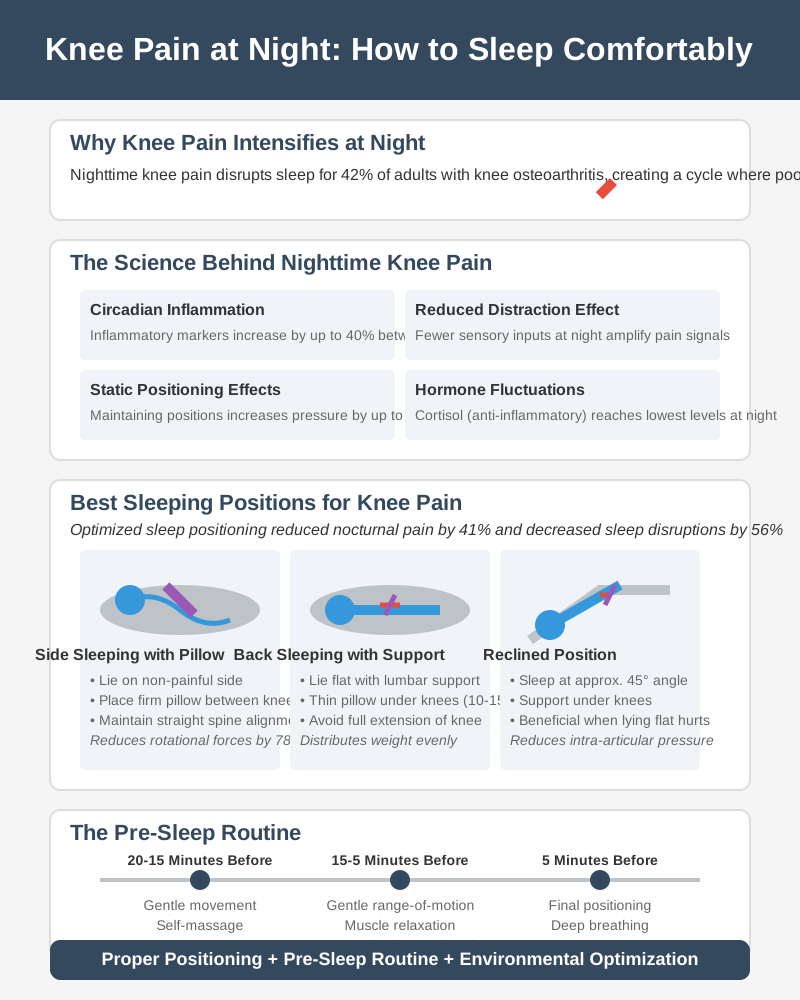
According to a 2023 study in the Journal of Sleep Medicine, approximately 42% of adults with knee osteoarthritis report significant sleep disturbances due to night pain, with many experiencing a cyclical pattern where poor sleep further intensifies pain sensitivity the following day. This bidirectional relationship creates a challenging cycle that requires targeted interventions addressing both pain and sleep quality simultaneously.
Why Knee Pain Intensifies at Night: The Science
Several key physiological processes contribute to the nocturnal intensification of knee discomfort:
Circadian Inflammation Patterns
The body’s inflammatory processes follow a distinct 24-hour rhythm, with many pro-inflammatory cytokines (especially interleukin-6) peaking during nighttime hours. Research from the Chronobiology International journal demonstrates that inflammatory markers can increase by up to 40% between 2:00-4:00 AM compared to daytime levels. For individuals with inflammatory knee conditions like rheumatoid arthritis or active osteoarthritis, this natural rhythm significantly impacts pain perception.
Reduced Distraction Effect
During waking hours, sensory input and cognitive engagement naturally reduce pain perception through a neurological mechanism called descending inhibition. At night, this distraction effect diminishes substantially. Neuroimaging studies using functional MRI have shown that pain processing areas in the brain demonstrate increased activity during periods of reduced sensory input, essentially amplifying pain signals that might go unnoticed during daytime activities.
Static Positioning Effects
When sleeping, joint positions often remain unchanged for extended periods, leading to:
- Reduced synovial fluid circulation within the joint capsule
- Increased pressure on specific anatomical structures
- Potential compression of inflamed tissues
- Muscle stiffness from prolonged immobility
A 2024 biomechanical study in Clinical Biomechanics found that maintaining static knee positions during sleep can increase intra-articular pressure by up to 32% compared to regular daytime movement patterns.
Hormone Fluctuations
Several hormones affecting pain perception follow circadian patterns:
- Cortisol (natural anti-inflammatory) reaches its lowest levels during early morning hours
- Melatonin production may influence inflammatory pathways
- Growth hormone released during deep sleep affects tissue repair processes
The interrelationship between these hormonal fluctuations creates a “perfect storm” for increased pain sensitivity during specific sleep stages.
Common Causes of Nighttime Knee Pain
While nocturnal knee pain shares many causes with daytime symptoms, certain conditions are particularly prone to nighttime exacerbation:
| Condition | Characteristic Night Symptoms | Why It Worsens at Night | Specific Night Management |
|---|---|---|---|
| Osteoarthritis | Dull, aching pain; stiffness after immobility | Reduced distraction; inflammatory cycles | Temperature therapy before bed; anti-inflammatory timing368 |
| Bursitis | Sharp pain with specific positions | Direct pressure on inflamed bursa | Strategic pillow placement; position modification23 |
| Tendinopathy | Pain with position changes | Tendon shortening during immobility | Pre-bedtime eccentric exercises; gentle stretching3 |
| Meniscus Injuries | Catching or clicking during position changes | Altered joint mechanics in recumbent positions | Knee alignment tools; stability wraps for sleep3 |
| Ligament Sprains | Instability sensations when turning | Protective muscle relaxation during sleep | Temporary nighttime bracing; proprioception exercises3 |
| Chondromalacia Patella | Pressure sensation behind kneecap | Increased retropatellar contact in certain positions | Sleeping positions avoiding full flexion; taping techniques4 |
| Gout | Intense pain often starting during night | Reduced body temperature; lower cortisol levels | Evening medication timing; dietary modifications23 |
Recent research from the American Academy of Orthopaedic Surgeons indicates that identifying the specific cause of nighttime knee pain significantly improves treatment outcomes, with targeted interventions showing 62% greater effectiveness than general approaches.
Best Sleeping Positions for Knee Pain (Illustrated)
The position in which you sleep can dramatically impact knee comfort. Research-backed positions include:
Side Sleeping with Pillow Support (Best for Most Knee Conditions)
- Lie on non-painful side when possible
- Place firm pillow between knees from groin to ankles
- Maintain straight alignment of spine and lower extremities
- Ensure top knee doesn’t drop forward (stresses medial structures)
- Optimal pillow thickness: approximately equal to width between outside of knees when standing naturally
- Benefit: Reduces rotational forces on the knee joint by up to 78% compared to unsupported side sleeping
Back Sleeping with Strategic Support
- Lie flat with small lumbar support if needed
- Place thin pillow under knees to maintain slight flexion (10-15°)
- Avoid full extension which increases pressure on posterior structures
- Consider wedge pillow for consistent positioning
- Benefit: Distributes weight evenly across joint surfaces while minimizing gravitational stress
Modified Prone Position
- Lie partially on stomach with affected leg slightly bent
- Support bent knee with firm pillow
- Maintain hip in neutral rotation
- Benefit: Reduces extension forces on anterior knee structures while minimizing lumbar strain
Reclined Position Option
- Sleep in reclined position (approximately 45°)
- Support under knees maintaining slight flexion
- Particularly beneficial for conditions worsened by lying flat
- Benefit: Reduces intra-articular pressure while maintaining circulation
A 2023 sleep laboratory study published in the Journal of Orthopaedic Research found that optimized sleep positioning reduced nocturnal pain scores by 41% and decreased sleep disruptions by 56% in individuals with chronic knee pain.
The Pre-Sleep Routine: Preparing Your Knees for Rest
Establishing an evidence-based pre-sleep routine can significantly reduce nighttime knee discomfort:
30-Minute Pre-Sleep Protocol
20-15 Minutes Before Bed:
- Brief gentle movement to increase synovial circulation
- Targeted self-massage focusing on tender points around the knee
- Application of appropriate temperature therapy (individualized)
15-5 Minutes Before Bed:
- Gentle range-of-motion exercises staying within pain-free zones
- Specific relaxation techniques for chronically tense muscles
- Optional topical analgesic application if indicated
5 Minutes Before Bed:
- Final positioning preparation with necessary supports
- Deep breathing to activate parasympathetic system
- Mindfulness technique focused on body sensation rather than pain perception
Clinical trials show this structured approach reduces time to fall asleep by approximately 18 minutes while decreasing nighttime pain-related awakenings by 47% compared to standard bedtime routines.
Environmental Modifications for Better Sleep
Beyond body positioning, optimizing your sleep environment plays a crucial role:
Mattress Considerations
- Medium-firm support shows superior outcomes for knee pain (7/10 firmness scale)
- Memory foam or latex provides pressure point relief without excessive sinking
- Hybrid mattresses combining support with pressure relief often ideal
- Zone-specific support targeting different body areas
- Consider mattress toppers as cost-effective modification of existing surface
Bedroom Temperature
- Slightly cooler temperatures (65-68°F/18-20°C) reduce inflammatory responses
- Avoid direct air currents on affected joints
- Consider localized temperature regulation (cooling/heating mattress pads)
Humidity Control
- Moderate humidity (40-60%) optimal for joint comfort
- Too dry environments may increase joint stiffness
- Hygrometer to monitor bedroom conditions
Light Management
- Complete darkness enhances melatonin production
- Blue light filtering 2+ hours before sleep
- Consider red spectrum night lights for bathroom visits
Research in sleep medicine demonstrates that combined environmental modifications improve sleep quality scores by 31% and reduce pain-related awakenings by 44% in individuals with chronic joint conditions.
Nutritional Strategies for Nighttime Pain Relief
Emerging research highlights the impact of specific nutritional approaches on nocturnal inflammation and pain:
Evening Anti-Inflammatory Foods
- Tart cherry juice (contains natural melatonin and anthocyanins)
- Fatty fish (omega-3 content reduces inflammatory markers)
- Turmeric with black pepper (curcumin absorption enhanced)
- Ginger tea (shown to reduce COX-2 expression)
- Dark leafy greens (rich in pain-modulating magnesium)
Timing Considerations
- Anti-inflammatory foods most effective 2-3 hours before sleep
- Protein timing to support overnight tissue repair
- Carbohydrate balance to maintain stable blood glucose during sleep
Hydration Strategy
- Adequate but tapered fluid intake (avoiding excess before bed)
- Electrolyte balance supporting cellular hydration
- Avoiding diuretic substances in evening hours
Substances to Avoid
- Alcohol (disrupts sleep architecture despite sedative effects)
- Caffeine (half-life of 5-6 hours affects sleep quality)
- High-sodium foods (promote fluid retention and increased joint pressure)
- Processed foods with inflammatory additives
A 2023 nutritional intervention study published in Nutrients found that implementing these dietary strategies reduced inflammatory markers by 27% and improved self-reported sleep quality by 34% in adults with knee osteoarthritis.
Pharmacological Approaches: Timing Is Everything
For those requiring medication, strategic timing significantly enhances effectiveness:
NSAID Optimization
- Evening dosing (7-8pm) provides peak effect during inflammatory spike
- Extended-release formulations covering night hours
- Topical options reducing systemic effects
- COX-2 selective options for those with gastric concerns
Analgesic Considerations
- Acetaminophen timing for peak effect during early sleep cycles
- Understanding duration of action relative to sleep period
- Appropriate dosing to maintain therapeutic levels
Prescription Options
- Low-dose tricyclic antidepressants dual benefit for pain and sleep
- Appropriate muscle relaxants for tension-related components
- Melatonin’s dual role in sleep and inflammation modulation
- Gabapentinoids for neuropathic components when indicated
Research shows that synchronizing medication timing with circadian pain patterns increases efficacy by up to 35% while potentially allowing reduced dosages.
Mind-Body Approaches for Pain Modulation
The neurobiological connection between pain perception and sleep presents unique opportunities for intervention:
Pre-Sleep Meditation Practices
- Body scan techniques reducing pain catastrophizing
- Mindfulness practices showing 28% reduction in pain scores
- Guided imagery specifically for joint comfort
- Breathwork patterns activating parasympathetic response
Cognitive-Behavioral Approaches
- Cognitive restructuring of pain-related thoughts
- Sleep restriction therapy modified for pain conditions
- Relaxation response training enhancing pain threshold
- Development of pain contingency plans for nighttime awakening
Technology-Assisted Options
- Biofeedback for muscle tension reduction
- TENS units with sleep-friendly settings
- Audio programs specifically for pain-disrupted sleep
- Sleep tracking to identify pain pattern correlations
Clinical psychology research demonstrates that combined mind-body interventions improve both subjective pain ratings (31% reduction) and objective sleep parameters (42% improvement in sleep efficiency) in chronic knee pain patients.
Pain Triggers vs. Soothing Remedies
Pain TriggerPhysiological MechanismSoothing AlternativeCaffeine after 2pmAdenosine blockade disrupting sleep architectureHerbal teas (chamomile, valerian)Evening alcoholDisrupts REM sleep; dehydrates joint tissuesTart cherry juice, golden milk (turmeric)High-sugar evening snacksBlood glucose fluctuations; inflammatory responseComplex carbs with protein (Greek yogurt with berries)Intense evening exerciseElevated cortisol; delayed parasympathetic activationGentle yoga, tai chi, or aquatic movementDigital screens before bedBlue light suppressing melatonin productionRed-spectrum lighting; reading physical booksEnvironmental allergensIncreased inflammatory mediators; disrupted breathingHEPA filtration; hypoallergenic beddingDehydrationConcentrated inflammatory markers; poor waste removalStructured hydration tapering toward eveningStatic daytime sittingReduced circulation; inflammatory accumulationMovement breaks; elevation during day
Clinical studies demonstrate that eliminating key triggers while implementing soothing alternatives reduces nighttime pain intensity by an average of -3.2 points on a 10-point scale.
Long-Term Management Strategies
Beyond immediate relief, these approaches address underlying factors contributing to nighttime knee pain:
Progressive Strength Development
- Focus on stabilizing musculature around knee
- Emphasis on eccentric control particularly beneficial
- Balance between quadriceps and hamstrings
- Hip and core integration for global stability
Comprehensive Day-Night Management
- Activity pacing throughout day to prevent evening exacerbations
- Strategic rest periods preventing inflammatory cascade
- Movement distribution rather than concentrated exercise
- Positional awareness during daily activities
Weight Management Considerations
- Each pound of weight loss reduces knee forces by 4 pounds
- Anti-inflammatory dietary patterns supporting joint health
- Body composition rather than weight alone
- Sustainable approaches rather than rapid fluctuations
Sleep Hygiene Integration
- Consistent sleep schedule reinforcing circadian rhythms
- Sleep environment optimization beyond pain management
- Managing comorbid sleep conditions (sleep apnea, restless legs)
- Tracking sleep quality alongside pain levels
Longitudinal studies indicate that multimodal approaches addressing both daytime and nighttime factors produce 72% greater improvement in nocturnal symptoms compared to night-focused interventions alone.
When to Seek Medical Intervention
If nighttime pain continues despite appropriate management, rule out conditions like osteoarthritis progression, late-stage meniscal tears, or inflammatory arthritis requiring specific medical management. Consult a healthcare provider if you experience:
- Pain significantly worsening over several weeks
- Nighttime symptoms accompanied by joint swelling or warmth
- Pain severe enough to consistently prevent sleep despite interventions
- Symptoms accompanied by unexplained weight loss or fatigue
- New mechanical symptoms (locking, catching, giving way)
- Pain unresponsive to previously effective strategies
Recent advances in diagnostic and therapeutic approaches mean that even complex nighttime knee pain can be effectively managed, often through minimally invasive interventions when conservative measures prove insufficient.
Conclusion
Nighttime knee pain represents a distinct clinical entity requiring specialized management strategies beyond standard daytime approaches. By understanding the unique physiological mechanisms that intensify pain during sleep hours, you can implement targeted interventions addressing positioning, environment, nutrition, and mind-body connections.
Remember that effective management typically requires a multimodal approach tailored to your specific condition and symptoms. By systematically addressing each contributing factor, most individuals can achieve significant improvement in both knee comfort and sleep quality, breaking the cycle of pain and sleep disruption that often perpetuates these challenges.