Knee pain in kids: causes, red flags, and what we recommend in 2026
Knee pain in kids is more common than many parents expect, and in 2026 we’re seeing more families ask for clear answers when a child’s knee hurt starts affecting play, school, or sports. In fact, in that 2026 activity-focused context, “knee pain” accounts for 28.21% of activity-limiting musculoskeletal pain sites in a study of activity-limiting pain locations.
Key Takeaways
| What to know | Why it matters | Where to start |
|---|---|---|
| Knee pain in kids often comes from overuse, growth-related strain, or soft-tissue injuries. | These causes may not show up on the first day with “obvious” swelling. | Knee Pain Guide: Causes, Symptoms & Treatment Options |
| A careful history helps us sort knee hurt from knee injury. | Timing, location, and triggers guide the next steps. | Understanding & managing knee pain |
| Mechanical symptoms (catching, locking, giving way) can point to meniscus or ligament problems. | Early evaluation can prevent prolonged limitations. | Torn Meniscus: Diagnosis & Treatment |
| Patellofemoral irritation and overuse tendon pain are common in growing athletes. | Correcting activity load often helps knee pain. | Chondromalacia of the patella |
| Braces can help stabilize the knee during rehab or return to sport. | The right brace matches the problem, not just the size. | ACL injury knee brace guidance |
| When symptoms are severe or don’t improve, we recommend prompt medical evaluation. | Some knee injury causes need imaging or faster treatment. | Traumatic knee: what to watch for |
Common questions we answer
- Why does my child’s knee hurt after sports? Overuse, growth-related strain, and patellofemoral irritation are frequent contributors to knee pain.
- Is knee pain in kids always an injury? Not always. Many cases come from repetitive stress, shoes, or sudden changes in training load.
- When should we worry? If there is significant swelling, inability to bear weight, true locking, or progressive worsening, we recommend evaluation.
- Can a knee brace help? Sometimes, particularly after ligament or structural injuries, and often as a supplement to strengthening and rehabilitation.
What we mean by knee pain in kids, and where it hurts most often
When families say knee pain in kids, they usually mean pain around the kneecap, along the sides of the knee, behind the knee, or at the front of the shin near the tendon attachments. The exact location can change what we suspect first, especially when knee hurt appears during certain movements like running, jumping, or going downstairs.
In our experience, knee pain tends to fall into a few “pattern” categories:
- Front-of-knee pain (around or behind the kneecap), often linked to patellofemoral stress or kneecap tracking issues.
- Below-the-kneecap pain near the tendon attachment (common with growth-related tendon strain).
- Side or inner knee pain that worsens with twisting, cutting, or quick direction changes.
- Back-of-knee discomfort that may relate to fluid-related causes or tightness.
Even when the story seems minor, we pay attention to how the pain behaves over time, because knee pain that changes day-to-day can still be meaningful. That’s also why we encourage families to track triggers and what helps, rather than guessing.
Common causes of knee pain in kids (from overuse to growth-related conditions)
Most knee pain in kids is not due to one dramatic event. Instead, it often builds from repeated stress, training spikes, or growth-related biomechanics that temporarily outpace strength and flexibility.
Here are common causes we see discussed in our resources and used to guide typical assessment:
1) Overuse and patellofemoral irritation
When the kneecap and the groove it moves in do not align smoothly during bending and activity, knee pain can flare. This may show up as pain with stairs, squats, or prolonged sitting.
If your child’s symptoms match that pattern, we point families to our explanation of chondromalacia of the patella and knee pain, because understanding the mechanism helps families choose the right rehab focus.
2) Tendon stress around the kneecap
Some kids develop tendon pain from repeated jumping, sprinting, and sudden growth spurts. A common example is patellar tendon injury patterns, including tendinitis-like irritation and, in more severe cases, partial tendon tears.
For a structured overview of the tendon, we recommend reviewing Patellar Tendon Injury.
3) Osgood-Schlatter type pain during growth spurts
For anterior knee discomfort near the shin attachment, growth-related tendon irritation is a common consideration. In adolescents aged 12–15 in 2026, Osgood-Schlatter disease prevalence has been reported as 9.8% (11.4% males, 8.3% females).
4) When “sudden” knee pain without injury may still have a cause
Sometimes parents report knee pain starting without a clear injury. Our guidance is that “no injury” does not always mean “no reason.” In these situations we think about mechanical patterns, inflammatory flares, and delayed symptom presentations.
If you want a list-style overview of possible causes, read Sudden Knee Pain Without Injury: 7 Possible Causes.
Red flags: when knee hurt is more than a typical ache
We want kids to stay active, but we also want to keep them safe. With knee pain in kids, red flags help us decide when to stop home management and get prompt evaluation.
Seek medical care urgently if any of the following are present:
- Inability to bear weight or walk normally after a twist or fall.
- Rapid swelling, significant bruising, or a knee that looks visibly deformed.
- Locking (the knee gets stuck and cannot bend or straighten).
- True giving way where the knee buckles repeatedly.
- Fever, redness, warmth, or severe pain that feels out of proportion.
These patterns can point to ligament injury, meniscus issues, or other structural problems. For traumatic mechanisms and what we look for, review our guide on traumatic knee.

Injury-focused causes of knee pain in kids (ligaments and meniscus)
While overuse explains many cases, some knee pain in kids is directly tied to injury from sports or falls. This is especially true when knee pain is accompanied by instability, swelling soon after the event, or mechanical symptoms.
Below are injury-focused patterns we commonly plan around:
Ligament injuries (ACL, PCL, and other ligament knee injuries)
Ligaments stabilize the knee during cutting and landing. If a child reports the knee buckling, or if swelling and instability follow a twist, ligament injury becomes a priority to consider.
We support families with clear, separate pages for ligament-specific topics, including:
- Ligament knee injury
- Anterior Cruciate Ligament (ACL) injury knee brace
- Posterior Cruciate Ligament (PCL) knee injury
Meniscus tears
The meniscus cushions the knee joint. A torn meniscus can cause joint line pain, swelling, catching, or locking sensations, which makes it a common concern when knee pain does not behave like simple irritation.
For symptom-focused guidance, see Torn Meniscus: Symptoms, Diagnosis, and Treatment Options.
How we connect symptoms to likely causes
Here’s a practical way we help families think about knee pain when deciding what to do next:
| If your child describes… | We think about… | What helps next |
|---|---|---|
| Knee pain with stairs or squatting | Patellofemoral stress | Activity adjustment and targeted strengthening |
| Knee giving way or instability after a twist | Possible ligament injury | Prompt evaluation, consider stability supports |
| Catching, locking, or joint line pain | Possible meniscus issue | Assessment and individualized management plan |
| Pain near the shin attachment that flares with activity | Growth-related tendon irritation | Load management and symptom-guided rehab |
How we approach treatment for knee pain in kids in 2026
In 2026, we treat knee pain in kids with a simple principle: match the plan to the pattern of knee pain, not just the age. We usually start with conservative steps, then escalate if symptoms persist or red flags appear.
Common components of our approach include:
- Reduce aggravating load for a short, purposeful window, then gradually reintroduce activity.
- Strength and movement retraining focused on how the knee tracks during function.
- Support when needed, including braces or compression sleeves, as part of a broader plan.
- When appropriate, evaluation for injuries that can change treatment direction.
For families wanting a broad overview of non-surgical knee pain treatment options that work, start with Knee Pain Treatment: Your Complete Guide To Relief, Recovery, And Getting Back To Life.
Braces and supports: what they can (and cannot) do
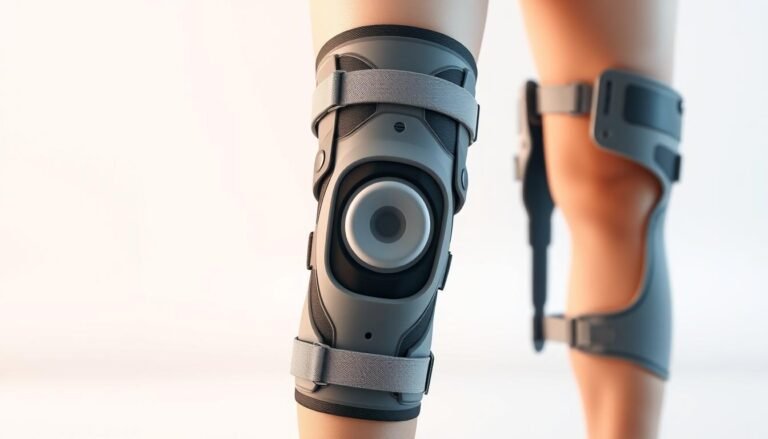
Supports can help with stability and comfort, but they are not a substitute for strengthening and rehabilitation. When we recommend bracing for knee pain in kids, we do it with a clear purpose, such as reducing harmful motion during specific phases of recovery.
For ligament-related knee instability, our ACL brace guidance is a good starting point: ACL injury knee brace guidance. For other knee pain patterns, we often discuss how compression sleeves can be a low-profile option for mild symptoms, especially while addressing the underlying mechanics.
Parents’ at-home steps for knee hurt (what we advise first)
When you first notice knee hurt, we recommend a short, structured “calm the knee” period. The goal is not to ignore pain, but to gather information and reduce overload while you plan next steps.
- Check function: Can your child walk normally, bend the knee, and tolerate light weight bearing?
- Look for swelling or warmth: Any rapid swelling changes the urgency of evaluation.
- Pause aggravators: Stop the specific activity that triggers knee pain, such as jumping drills or sprint practice.
- Use symptom-guided comfort strategies: Gentle rest and cold may help in the short term, while you avoid extreme stretching.
- Track patterns: Note where the pain is (front, side, back), and what movements trigger it.
If you are deciding whether home steps are enough, we suggest reviewing our broader Knee Pain Guide for cause-based thinking. This helps you avoid treating every knee pain episode as the same problem.
Returning to sports safely: what “good progress” looks like
In 2026, we see more kids return quickly to practices, sometimes before pain has settled or movement patterns have improved. That can turn a short flare into a longer cycle of knee pain.
For return-to-sport planning, we focus on readiness markers rather than only time. Strength, control, and confidence matter, especially if the pain began after growth overload or a prior knee injury.
If the concern involves ACL rehabilitation principles, our prehab resources can help families understand goals that support recovery planning, such as restoring normal gait and knee extension:
When to slow down or get reassessed
We slow return to sport if knee pain increases during activity or the next day. We also reassess if knee pain in kids leads to limping, altered movement, or new symptoms like catching or giving way.
Conclusion
Knee pain in kids is often caused by overuse, growth-related strain, or common patellofemoral and tendon stress patterns, but some cases reflect ligament injury or meniscus problems. In 2026, our best guidance is to observe the pattern of knee hurt, watch for red flags, and use a conservative plan that prioritizes safe movement and gradual load. If symptoms persist or instability appears, we recommend evaluation so the treatment plan fits the real source of the knee pain and helps your child return to play with confidence.
Frequently Asked Questions
What causes knee pain in kids with no injury?
In many cases, knee pain in kids without injury is linked to overuse patterns, patellofemoral stress, or growth-related tendon irritation. We often see knee pain flare with stairs, squats, running, or sudden training changes, even when there was no single “injury event.”
Is Osgood-Schlatter disease common in kids in 2026?
Yes. In adolescents aged 12–15, Osgood-Schlatter disease prevalence has been reported as 9.8% in 2026-focused medical references, and ranges widely across populations. This makes it a frequent cause of anterior knee pain in active growing kids.
When should I worry about knee pain in kids at night?
Night pain can be concerning, especially if it is severe, progressive, or accompanied by swelling, warmth, or fever. If your child has knee hurt that wakes them repeatedly, we recommend medical evaluation rather than treating it as a simple muscle ache.
Can a knee brace help with knee pain in kids?
A brace may help in specific situations, especially with knee instability after ligament injuries or during structured recovery phases. For ACL-related concerns, our guidance on ACL injury knee brace support can help you understand what braces are designed to do alongside rehab.
What symptoms suggest a meniscus tear in children?
A torn meniscus is more likely when there is joint line pain plus mechanical symptoms like catching or locking sensations. If your child describes knee pain that comes with stopping or “getting stuck,” we recommend evaluation using meniscus-focused guidance such as Torn Meniscus: Symptoms, Diagnosis, and Treatment Options.
How long should we rest before getting help for knee pain?
For mild knee pain episodes, a short symptom-calming period with activity modification is reasonable. If knee pain in kids does not improve, keeps recurring, or limits normal walking, we recommend getting assessed so knee pain is not prolonged by the wrong approach.