Knee Pain in Young Adults: Surprising Causes and How to Fix Them
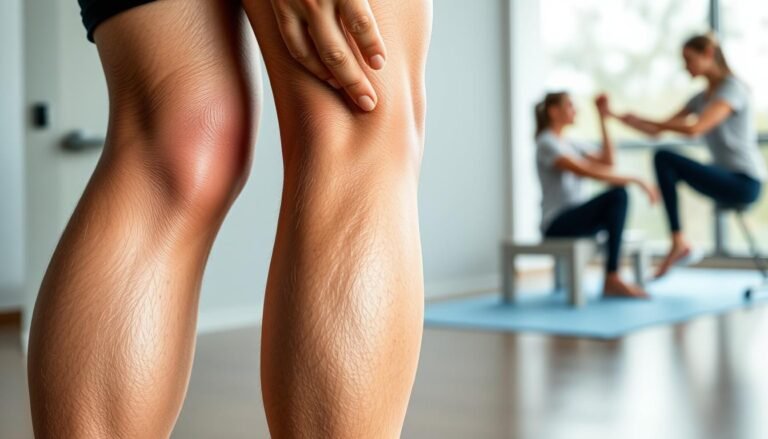
Knee pain in young adults is becoming increasingly common, challenging the misconception that joint problems only affect older populations. According to recent studies, nearly 25% of adults experience knee pain, with a concerning 65% increase over the past two decades. This trend is particularly alarming among those in their 20s and 30s who should be in their physical prime. Whether you’re an athlete, office worker, or somewhere in between, understanding the unexpected causes of knee discomfort can be the first step toward effective relief.
Knee pain affects nearly 1 in 4 young adults, often disrupting daily activities and exercise routines.
Surprising Causes of Knee Pain in Young Adults
While traumatic injuries are obvious culprits, many young adults develop knee pain without any memorable incident. Let’s explore the unexpected factors that might be behind your discomfort.
Sedentary Lifestyle & Poor Posture

Extended periods of sitting with poor posture can lead to muscle imbalances affecting knee stability.
The modern lifestyle has us sitting more than ever before. Remote work, binge-watching, and endless scrolling create the perfect storm for knee problems. When we sit for extended periods, especially with poor posture, our hip flexors tighten while glute and core muscles weaken. This creates a chain reaction that places abnormal stress on the knee joint.
- Prolonged sitting causes muscle imbalances between quadriceps and hamstrings
- Forward head posture leads to compensatory changes down the kinetic chain
- Crossed-leg sitting places asymmetrical pressure on knee structures
- Lack of movement reduces synovial fluid circulation in the joint
- Weakened stabilizing muscles fail to properly support the knee during activity
Overuse Injuries from Fitness Trends
The explosion of high-intensity workout programs has led to a parallel increase in overuse injuries. Many young adults jump into intense exercise routines without proper progression or technique, placing excessive strain on unprepared knee joints.
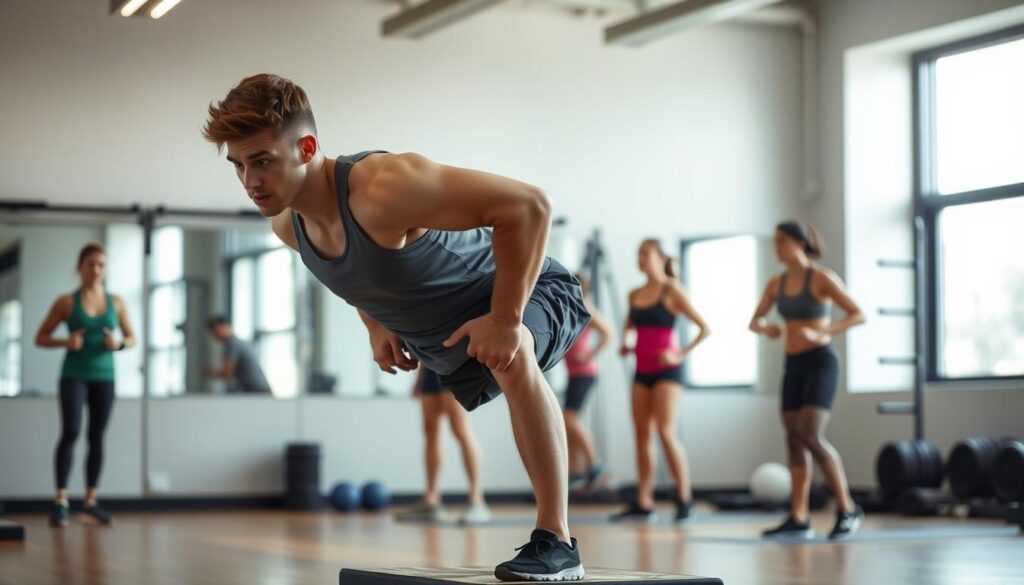
High-impact exercises performed with improper form significantly increase knee injury risk.
- Repetitive jumping exercises without proper landing mechanics
- Sudden increases in running mileage without gradual adaptation
- Heavy weightlifting with improper form, especially squats and lunges
- Inadequate recovery between intense training sessions
- Wearing improper footwear that doesn’t provide adequate support
Not Sure What’s Causing Your Knee Pain?
Our specialists can help identify the root cause of your discomfort and create a personalized treatment plan.
Early-Onset Arthritis
While arthritis is typically associated with aging, certain forms can affect younger populations. Post-traumatic arthritis can develop years after a knee injury, while rheumatoid arthritis is an autoimmune condition that can strike at any age.
- Previous injuries that weren’t properly rehabilitated
- Genetic predisposition to arthritic conditions
- Autoimmune factors triggering inflammatory responses
- Anatomical abnormalities affecting joint alignment
- Repetitive microtrauma from sports or occupational activities
Lesser-Known Triggers
Nutritional Factors
- Vitamin D deficiency affecting bone health
- Insufficient calcium intake
- Dehydration reducing joint lubrication
- Inflammatory diet high in processed foods
- Inadequate protein for tissue repair
Biomechanical Issues
- Tight hip flexors altering pelvic alignment
- Foot pronation changing knee tracking
- Leg length discrepancies
- Poor core stability affecting lower limb mechanics
- Muscle imbalances between inner and outer thigh
| Common Perception | Surprising Reality |
| Knee pain only affects older adults | 25% of young adults experience significant knee pain |
| Only high-impact sports cause knee problems | Sedentary behavior can be equally damaging to knee health |
| Knee pain always follows an obvious injury | Many cases develop gradually from subtle factors like posture and alignment |
| Rest is always the best treatment | Appropriate movement and strengthening are often essential for recovery |
| Arthritis only affects people over 50 | Early-onset arthritis can affect adults in their 20s and 30s |
Common Conditions Causing Knee Pain in Young Adults

Understanding the specific condition affecting your knee is crucial for effective treatment.
Patellofemoral Pain Syndrome
Often called “runner’s knee,” this condition causes pain around or behind the kneecap. It’s particularly common in young adults who run, jump, or squat frequently.
Key symptoms: Pain when climbing stairs, squatting, or sitting for long periods with bent knees.
IT Band Syndrome
The iliotibial band is a thick tissue that runs from your hip to your knee. When it becomes tight or inflamed, it can cause sharp pain on the outside of the knee.
Key symptoms: Lateral knee pain that worsens during running or cycling, especially on hills or uneven surfaces.
Patellar Tendinitis
Also known as “jumper’s knee,” this condition involves inflammation of the tendon connecting your kneecap to your shinbone.
Key symptoms: Pain below the kneecap that worsens with jumping, running, or climbing stairs.
Osgood-Schlatter Disease
Though typically associated with adolescents, this condition can persist into early adulthood. It causes pain and swelling just below the knee at the tibial tuberosity (the bump on your shin bone).
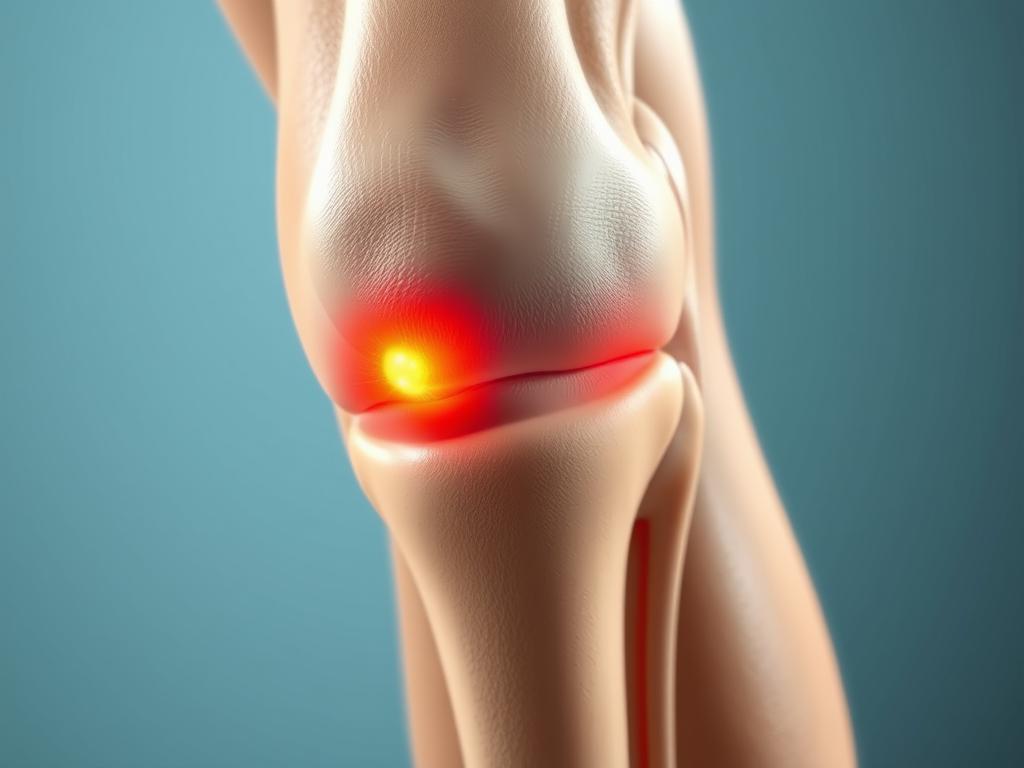
Osgood-Schlatter Disease causes distinctive swelling at the tibial tuberosity.
WARNING: When to Seek Immediate Medical Attention
- Severe swelling that develops within hours of an injury
- Visible deformity or inability to bear weight
- Popping or cracking sound at the time of injury
- Knee “giving way” or inability to straighten
- Fever accompanied by knee pain and redness
These symptoms may indicate a serious injury requiring prompt medical evaluation.
Actionable Fixes for Knee Pain
The good news is that many cases of knee pain in young adults respond well to conservative treatment approaches. Here are evidence-based strategies to address your discomfort.
Mobility Exercises

Regular mobility exercises help maintain proper joint function and reduce pain.
Restoring proper movement patterns is often the first step in addressing knee pain. These exercises focus on improving range of motion without aggravating symptoms.
Heel Slides
- Lie on your back with legs straight
- Slowly slide one heel toward your buttocks, bending your knee
- Hold for 5 seconds at maximum comfortable bend
- Slowly return to starting position
- Repeat 10 times per leg, 3 sets daily
Seated Knee Extensions
- Sit in a chair with feet flat on the floor
- Slowly extend one knee until leg is straight
- Hold for 5 seconds, focusing on engaging the quadriceps
- Lower slowly back to starting position
- Repeat 10 times per leg, 2-3 sets daily
Strengthening Protocols
Weak muscles around the knee joint often contribute to pain and instability. These targeted exercises help build strength in key supporting muscles.
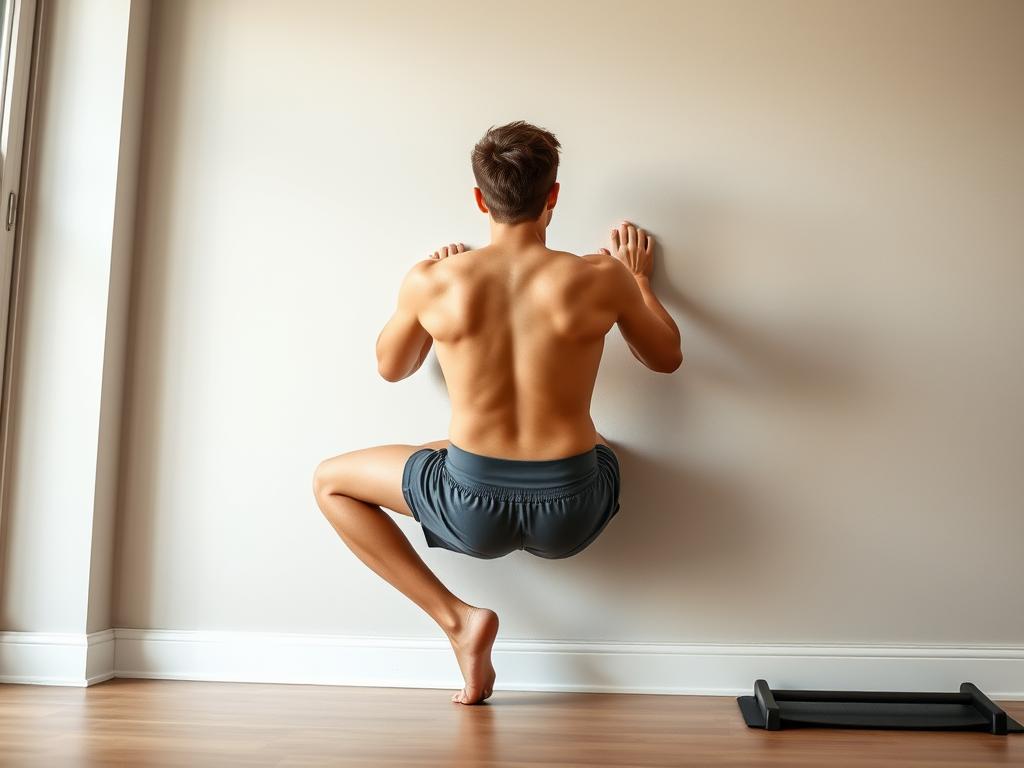
Wall sits are an effective, equipment-free way to build knee stability and quadriceps strength.
Quadriceps Strengthening
- Wall sits: 30-60 seconds, 3 sets
- Step-ups: 10-15 reps per leg, 3 sets
- Straight leg raises: 12-15 reps per leg, 3 sets
Hamstring & Glute Strengthening
- Glute bridges: 12-15 reps, 3 sets
- Hamstring curls: 10-12 reps per leg, 3 sets
- Clamshells: 15-20 reps per side, 2 sets
Get Your Free Knee Pain Relief Exercises
Download our comprehensive guide with step-by-step instructions for effective knee pain relief exercises.
Ergonomic Adjustments
For many young adults, workplace habits contribute significantly to knee pain. Making these adjustments can reduce daily strain on your knees:
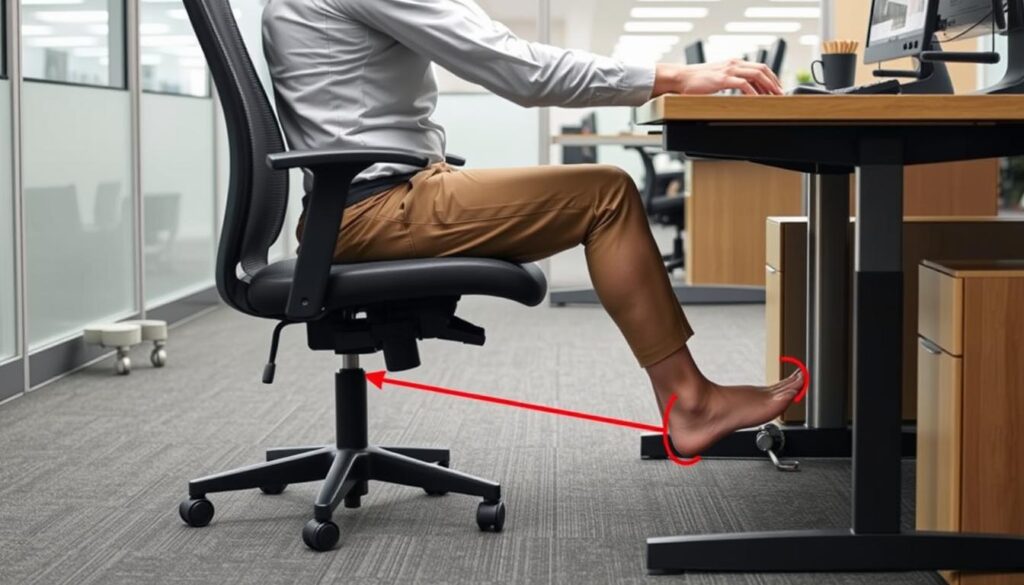
Proper ergonomics can significantly reduce knee strain during long workdays.
- Adjust chair height so feet rest flat on the floor with knees at 90 degrees
- Use a footrest if needed to maintain proper alignment
- Take standing breaks every 30 minutes
- Consider a sit-stand desk to vary positions throughout the day
- Ensure proper monitor height to prevent slouching
Dietary Approaches
What you eat can significantly impact joint health and inflammation levels. Consider these nutritional strategies:
| Nutrient | Benefits | Food Sources |
| Omega-3 Fatty Acids | Reduces inflammation in joints | Fatty fish, walnuts, flaxseeds, chia seeds |
| Vitamin D | Supports bone health and immune function | Sunlight exposure, fortified milk, egg yolks |
| Collagen | Supports cartilage structure | Bone broth, chicken skin, fish |
| Antioxidants | Combats oxidative stress in joints | Colorful fruits and vegetables, green tea |
| Calcium | Maintains bone density | Dairy products, leafy greens, fortified foods |
Professional Interventions
When self-care measures aren’t enough, these professional treatments can help:
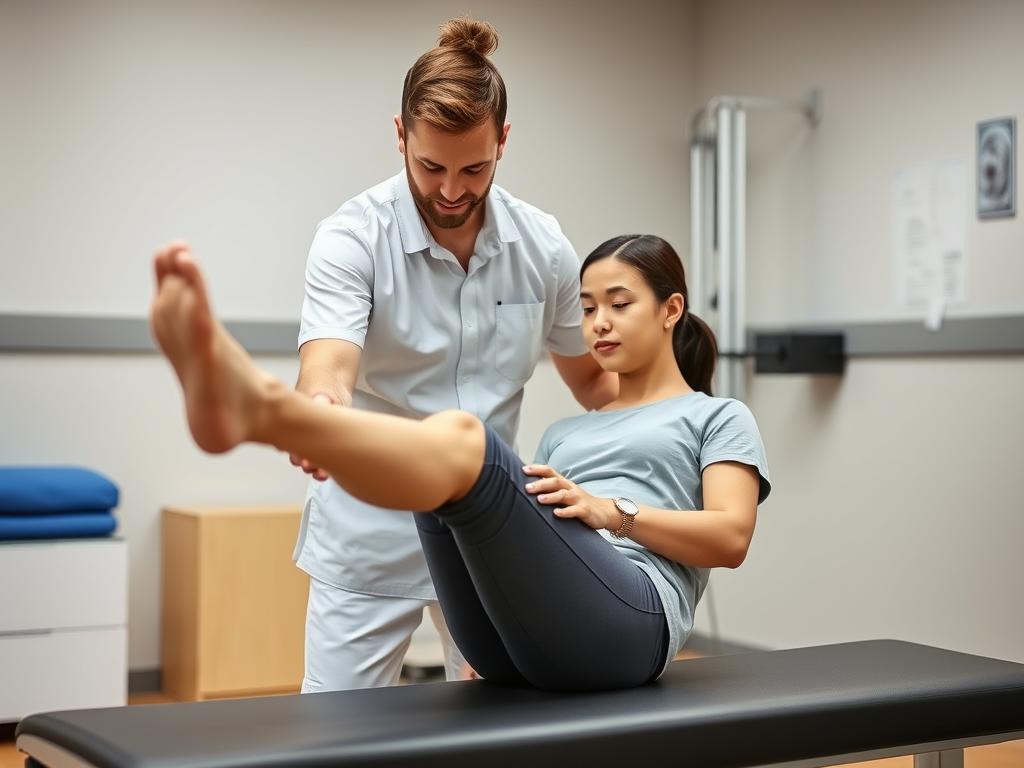
Professional physical therapy can provide targeted interventions for complex knee issues.
- Physical Therapy: Customized exercise programs and manual techniques
- Massage Therapy: Releases tight muscles and fascia contributing to knee pain
- Acupuncture: May help reduce pain and inflammation
- Orthotics: Custom insoles can correct alignment issues affecting the knees
- Bracing: Provides support and stability during healing
“The most effective approach to knee pain in young adults is a comprehensive one that addresses movement patterns, strength imbalances, and lifestyle factors rather than just treating symptoms.”
Prevention: Protecting Your Knees for the Long Run
Preventing knee pain is always preferable to treating it. Incorporate these habits into your daily routine to maintain healthy knees.
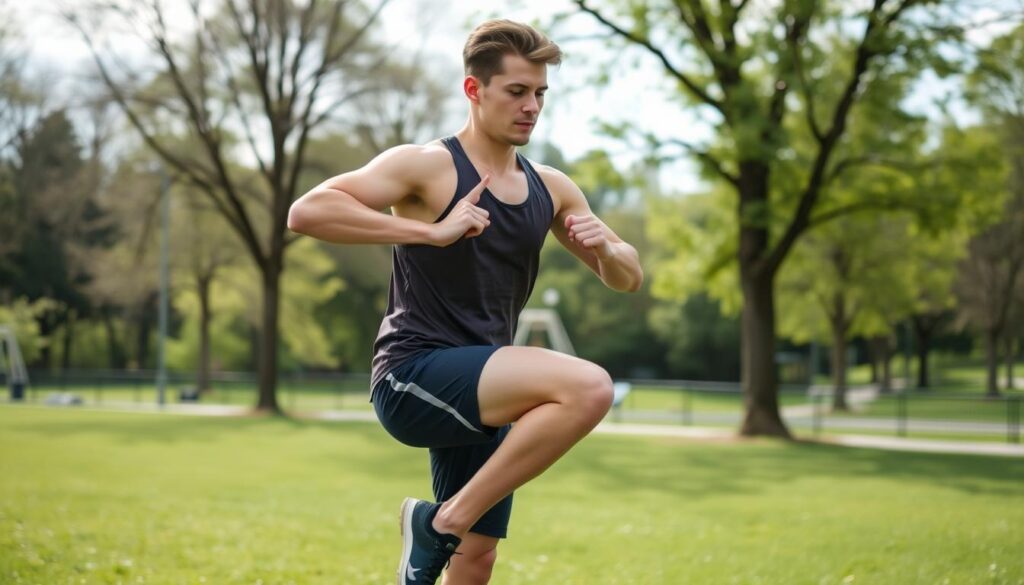
Proper warm-up routines significantly reduce the risk of knee injuries during exercise.
5 Daily Habits to Protect Your Knees
- Maintain a healthy weight – Every extra pound adds 4 pounds of pressure to your knees during walking activities
- Strengthen your core – A strong core improves overall body mechanics and reduces strain on knees
- Wear appropriate footwear – Shoes with proper support reduce impact forces transmitted to your knees
- Practice proper movement mechanics – Learn to squat, lift, and move with knee-friendly form
- Stay hydrated – Proper hydration maintains the cushioning properties of cartilage
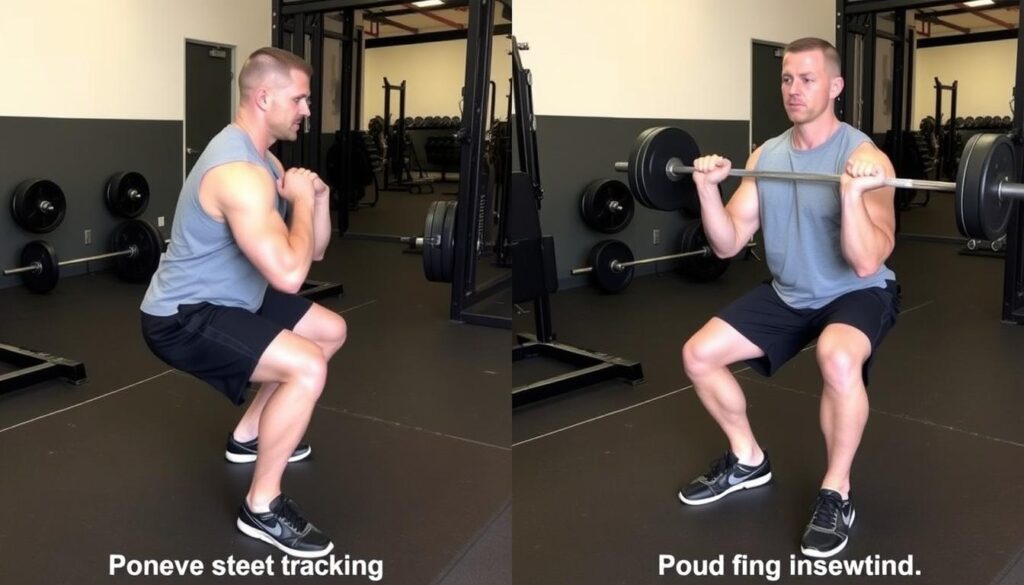
Proper form during exercises like squats is crucial for preventing knee injuries.
Pro Tip: The 10% rule can help prevent overuse injuries. Never increase your exercise intensity, duration, or frequency by more than 10% per week.
Need Help With Persistent Knee Pain?
Our specialists can develop a personalized treatment plan to address your specific knee condition.
Frequently Asked Questions About Knee Pain in Young Adults
Can knee pain in your 20s lead to arthritis later in life?
Untreated knee injuries or chronic pain patterns can increase the risk of developing arthritis earlier than expected. This is why proper diagnosis and treatment of knee pain in young adults is crucial. Early intervention can help prevent long-term joint damage and reduce the likelihood of developing arthritis prematurely.
How long should I rest a painful knee?
Complete rest is rarely the best approach for most knee conditions. While you should avoid activities that cause sharp pain, gentle movement helps maintain strength and promotes healing. For acute injuries, follow the RICE protocol (Rest, Ice, Compression, Elevation) for 48-72 hours, then gradually reintroduce movement as tolerated. If pain persists beyond a week, consult a healthcare professional.
Can emotional stress cause knee pain?
While emotional stress doesn’t directly cause knee pain, it can contribute to it in several ways. Stress often leads to muscle tension, which can alter movement patterns and place additional strain on the knees. Stress may also lower pain thresholds, making existing discomfort feel more intense. Additionally, stress can interfere with sleep and recovery, potentially prolonging healing times for knee issues.
Taking Control of Your Knee Health
Knee pain in young adults is not something to ignore or push through. By understanding the surprising causes behind your discomfort and implementing the targeted solutions outlined in this guide, you can take meaningful steps toward relief and prevention.
Remember that your knees support you through countless movements every day. Investing in their health now will pay dividends for decades to come. Whether you’re dealing with occasional discomfort or chronic pain, the right approach can help you return to the activities you love without limitations.
Don’t wait until knee pain becomes debilitating. Start implementing these strategies today, and consult with a healthcare professional if your symptoms persist or worsen. Your future self will thank you for taking action now.
Ready to Overcome Your Knee Pain?
Our team of specialists is here to help you get back to pain-free movement.