Knee Pain While Climbing Stairs: Causes And Relief
Knee pain while climbing stairs can be a frustrating and debilitating condition that affects many individuals. The discomfort can limit your mobility and hinder your ability to perform daily activities. Understanding the causes of knee pain when climbing stairs is crucial in order to find effective relief and improve your quality of life. In this article, we will explore the common causes of knee pain while climbing stairs and discuss various treatments and preventive measures that can help alleviate your discomfort.
Key Takeaways:
- Knee pain while climbing stairs can be caused by factors such as chondromalacia patella, osteoarthritis, ligament injuries, and patellofemoral pain syndrome.
- Understanding the structure of the knee, including bones, ligaments, tendons, cartilage, and muscles, is essential in comprehending knee pain while climbing stairs.
- Common causes of knee pain while climbing stairs include patellofemoral pain syndrome, runner’s knee, meniscus tear, chondromalacia patella, IT band syndrome, and muscle imbalance.
- Treatment options for knee pain when climbing stairs may include targeted exercises, body awareness exercises, walking technique modification, and physical therapy.
- Preventive measures to avoid knee pain while climbing stairs include maintaining a healthy weight, wearing supportive shoes, using handrails, strengthening the muscles around the knee, and practicing proper warm-up and cool-down exercises.
Understanding the Knee and its Structure
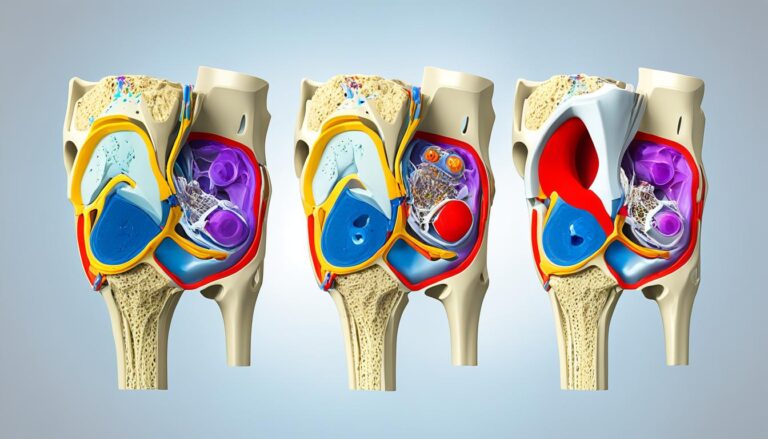
To understand knee pain while climbing stairs, it is essential to have knowledge about the structure of the knee joint. The knee is composed of bones, ligaments, tendons, cartilage, menisci, bursae, muscles, and nerves.
The bones in the knee joint include the patella (kneecap), femur (thigh bone), and tibia (shin bone). These bones work together to provide support and allow movement.
The knee joint is stabilized by various ligaments such as the collateral ligaments and cruciate ligaments. They play a crucial role in maintaining the stability and integrity of the knee.
Tendons connect muscles to bones and are responsible for transmitting the force generated by muscles to produce movement in the knee joint.
Cartilage is a tough, flexible material that covers the ends of the bones and provides smooth surfaces for easy gliding during knee movement. It acts as a cushion, reducing friction and absorbing shock.
Menisci are C-shaped pieces of cartilage located between the femur and tibia. They act as shock absorbers, enhancing stability and preventing excessive wear and tear within the knee joint.
Bursae are small fluid-filled sacs located between bones, tendons, and muscles. They help reduce friction and provide cushioning, allowing for smooth movement of the knee.
Muscles surrounding the knee joint, including the quadriceps, hamstrings, and calf muscles, are responsible for bending and straightening the knee and providing essential support.
Nerves in the knee transmit signals of pain or discomfort to the brain, enabling us to take appropriate action and protect the knee from further injury.
Common Causes of Knee Pain While Climbing Stairs
When it comes to knee pain while climbing stairs, there are several common causes to be aware of. Understanding these causes can help you identify the underlying issue and seek appropriate treatment. Let’s take a closer look at some of the primary culprits:
1. Patellofemoral Pain Syndrome (Runner’s Knee)
Patellofemoral pain syndrome, also known as runner’s knee, is a condition characterized by pain in the front of the knee. It often occurs as a result of overuse or a sudden increase in physical activity. The repetitive motion of climbing stairs puts additional strain on the kneecap and the surrounding structures, leading to pain and discomfort.
2. Meniscus Tear
A meniscus tear can occur due to sudden twisting or age-related degeneration. These tears can cause pain on the inner or outer aspect of the knee, making it uncomfortable to climb stairs. It’s crucial to address meniscus tears promptly to minimize pain and prevent further damage.
3. Chondromalacia Patella
Chondromalacia patella is a condition where the cartilage under the kneecap wears down, resulting in irritation and pain. Climbing stairs can exacerbate this condition due to the increased pressure on the knee joint. Strengthening the muscles around the knee and adopting proper alignment during stair climbing can help manage the discomfort associated with chondromalacia patella.
4. IT Band Syndrome
IT band syndrome occurs when the iliotibial (IT) band rubs against the knee joint, leading to irritation and inflammation. This can cause pain on the outside of the knee, particularly when going down stairs. Stretching and foam rolling the IT band, along with modifying stair-climbing techniques, can provide relief and prevent further aggravation.
5. Muscle Imbalance
Muscle imbalance, particularly in the front thigh muscles (quadriceps), compared to the glutes and hamstrings, can contribute to knee pain while climbing stairs. This imbalance can overload the knee joint, leading to discomfort and potential injury. Strengthening exercises that target the glutes and hamstrings can help restore balance and alleviate knee pain.
By understanding these common causes of knee pain while climbing stairs, you can take the necessary steps to address the underlying issues. It is important to consult with a healthcare professional for an accurate diagnosis and personalized treatment plan. Let’s dive deeper into treatment and management strategies for knee pain in the following section.
Treating and Managing Knee Pain When Climbing Stairs
When it comes to knee pain while climbing stairs, there are numerous treatment and management strategies available to provide relief and improve overall knee health. These approaches focus on different aspects of the issue, including pain relief, exercises, body awareness, walking technique modification, knee strengthening, and physical therapy. By implementing these methods, individuals can effectively manage their knee pain and regain their mobility.
Knee Pain Relief
One of the primary goals in managing knee pain is to find relief from discomfort. This can be achieved through various methods such as taking over-the-counter pain medications, applying ice or heat packs to the affected area, and using compression braces or sleeves to support the knee. These measures can help alleviate pain and inflammation, providing temporary relief.
Exercises for Knee Pain
Targeted exercises can play a crucial role in strengthening the structures surrounding the knee and reducing pain. These exercises may include quadriceps strengthening exercises, hamstring stretches, calf raises, and hip abductor exercises. Working with a physical therapist or certified trainer can help design a personalized exercise program that addresses individual needs and targets the underlying cause of knee pain.
Body Awareness for Knee Pain
Developing body awareness through specific exercises can help individuals understand how their body moves and identify any muscle imbalances that may contribute to knee pain. Body awareness exercises focus on improving posture, balance, and alignment, which can help correct movement patterns and reduce strain on the knees. Examples of body awareness exercises include yoga, Pilates, and tai chi.
Walking Technique Modification for Knee Pain
Modifying walking techniques can also provide significant relief for knee pain when climbing stairs. Engaging specific muscles, such as the glutes and core muscles, distributing weight evenly, and using handrails for support can help reduce stress on the knees. A physical therapist can provide guidance on proper walking techniques and assist in identifying and correcting any faulty movement patterns.
Knee Strengthening Exercises
Strengthening the muscles around the knee joint can help provide stability and support, reducing the risk of further pain and injury. Some effective knee-strengthening exercises include squats, lunges, step-ups, and leg presses. These exercises should be performed under the guidance of a healthcare professional or physical therapist to ensure proper technique and avoid exacerbating knee pain.
Physical Therapy for Knee Pain
Physical therapy plays a vital role in the management of knee pain. A physical therapist can assess the underlying causes of knee pain, provide a personalized treatment plan, and guide individuals through exercises and stretches that target specific muscle groups. Physical therapy sessions may also include modalities such as ultrasound, electrical stimulation, or manual therapy techniques to promote healing and reduce pain.
Consulting with a healthcare provider or physical therapist is essential to determine the most suitable treatment approach based on the underlying cause of knee pain. They can provide a comprehensive evaluation, diagnose any structural issues or muscle imbalances, and create a tailored plan that incorporates the most effective and appropriate treatment modalities.

Prevention of Knee Pain While Climbing Stairs
Preventing knee pain while climbing stairs is crucial for maintaining optimal knee health. By implementing the following measures, you can reduce the risk of knee discomfort and potential injury.
- Maintain a healthy weight: Excess weight can put added stress on your knees, leading to pain and discomfort. By maintaining a healthy weight, you can alleviate pressure on the knee joints and reduce the likelihood of knee pain while climbing stairs.
- Wear supportive shoes with good arch support: Choosing the right footwear is essential for providing adequate support to your feet and knees. Opt for shoes with good arch support and cushioning, as they can help distribute your body weight evenly and reduce the impact on your knees while climbing stairs.
- Use handrails: When climbing stairs, using handrails can provide stability and support, reducing the strain on your knee joints. Make sure to grip the handrails firmly to maintain balance and avoid sudden twists or jerks that may exacerbate knee pain.
- Strengthen the muscles around the knee joint: Engaging in exercises that strengthen the muscles around your knees, especially the glutes and hamstrings, can help alleviate pressure on the knees. Strong supporting muscles provide stability and reduce the load on the knee joints, preventing knee pain while climbing stairs.
- Warm-up and cool-down exercises: Prior to engaging in physical activity or climbing stairs, it is essential to perform proper warm-up and cool-down exercises. This helps prepare your body for the activity and reduces the risk of knee strain or injury. Incorporate dynamic stretches, such as leg swings and lunges, to loosen up the muscles around the knees.
By following these preventive measures and incorporating them into your lifestyle, you can significantly reduce the chances of experiencing knee pain while climbing stairs. Remember to listen to your body, avoid overexertion, and seek professional advice if you have any specific concerns or existing knee conditions.
Conclusion
Knee pain while climbing stairs can significantly impact your daily activities and overall quality of life. It can limit your mobility and cause discomfort, making even simple tasks challenging. However, there are ways to find relief and improve your knee health.
To address knee pain while climbing stairs, it is important to understand the causes behind it. Factors such as chondromalacia patella, osteoarthritis, ligament injuries, and patellofemoral pain syndrome can all contribute to this discomfort. By identifying the underlying cause, you can seek appropriate treatment and implement preventive measures to alleviate your pain and enhance your quality of life.
Consulting with a healthcare provider or physical therapist is crucial for a comprehensive evaluation and personalized treatment plan. They can guide you through exercises, stretches, and other interventions that can strengthen your knee, reduce pain, and improve your overall knee function. With proper care and attention, you can overcome knee pain while climbing stairs and enjoy pain-free mobility.
Remember, prevention is key to maintaining optimal knee health. Taking steps such as maintaining a healthy weight, wearing supportive shoes, and using handrails when climbing stairs can help minimize the risk of knee pain. Additionally, incorporating exercises that strengthen the muscles around the knee, practicing proper warm-up and cool-down routines, and avoiding overexertion can help prevent unnecessary strain or injury.
FAQ
What causes knee pain while climbing stairs?
Knee pain while climbing stairs can be caused by factors such as chondromalacia patella, osteoarthritis, ligament injuries, and patellofemoral pain syndrome.
How is the knee structured?
The knee is composed of bones (patella, femur, and tibia), ligaments, tendons, cartilage, menisci, bursae, muscles, and nerves.
What are the common causes of knee pain when climbing stairs?
Common causes of knee pain while climbing stairs include patellofemoral pain syndrome, meniscus tear, chondromalacia patella, IT band syndrome, and muscle imbalance.
How can knee pain when climbing stairs be treated and managed?
Knee pain when climbing stairs can be treated and managed through targeted exercises, body awareness exercises, modifying walking technique, and physical therapy.
How can knee pain while climbing stairs be prevented?
Knee pain while climbing stairs can be prevented by maintaining a healthy weight, wearing supportive shoes, using handrails, strengthening the muscles around the knee joint, and practicing proper warm-up and cool-down exercises.