

Overcoming Knee Pain for Personal Growth
Managing knee pain is crucial for individuals who are determined to achieve personal growth despite physical obstacles. We understand that knee pain can be a significant barrier to pursuing personal development and can impact various aspects of life. However, with the right strategies and treatments, it is possible to overcome knee pain and find balance and success in our personal growth journey.
Key Takeaways:
- Despite knee pain, personal growth is achievable through effective management strategies.
- Various treatments, both professional and self-care measures, can help alleviate knee pain.
- Regular exercise and maintaining a healthy lifestyle play a crucial role in knee pain management and personal growth.
- Holistic approaches, such as aromatherapy and acupuncture, can complement traditional treatments and enhance personal growth.
- Prioritizing our knee health is essential to achieve personal development and success.
Managing Knee Pain at Home
When it comes to managing knee pain, there are several effective strategies that can be implemented in the comfort of your own home. Incorporating these practices into your daily routine can help alleviate discomfort and improve overall knee health. In this section, we will explore different approaches to knee pain management, including exercise, knee support, dietary measures, and weight management.
Exercise for Knee Pain
Regular exercise plays a crucial role in managing knee pain and maintaining optimal joint function. Engaging in low-impact activities that do not put excessive strain on the knees can help strengthen the leg muscles and reduce the risk of further pain and injury. Consider incorporating exercises such as:
- Walking
- Cycling
- Swimming
- Tai chi
- Yoga
These exercises not only help to delay the progression of knee pain but also improve flexibility, enhance balance, and promote overall physical well-being.
Knee Support
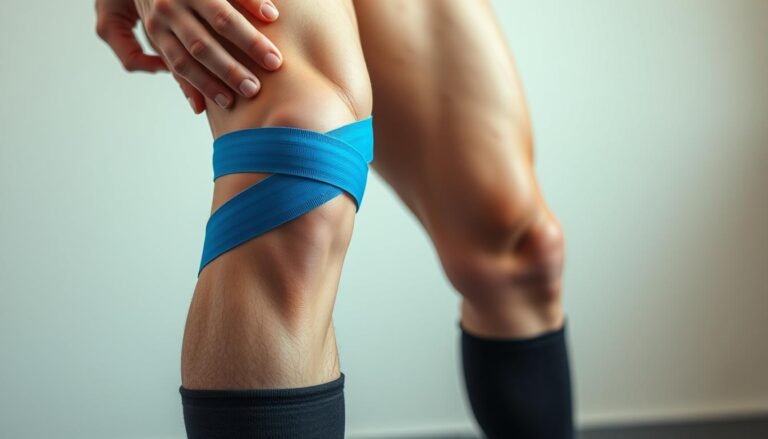
Using knee supports can provide added stability and alleviate pain and discomfort. There are various types of knee supports available, including knee braces and sleeves, which can provide compression and support to the affected area. These supports can help reduce strain on the knee joint, promote proper alignment, and assist in the recovery process.
Dietary Measures
Implementing dietary measures can have a significant impact on knee pain management. Maintaining a balanced diet that is high in fruits, vegetables, and fiber, and low in meat and animal fat, can help reduce inflammation and ease knee pain. Certain foods, such as fatty fish rich in omega-3 fatty acids, can also provide anti-inflammatory benefits. Consider incorporating foods like:
- Salmon
- Tuna
- Walnuts
- Flaxseeds
- Leafy greens
- Berries
These foods can aid in the management of knee pain and promote overall joint health.
Weight Management
Maintaining a healthy weight is crucial for individuals with knee pain. Excess weight places additional stress on the knee joint, exacerbating pain and increasing the risk of further complications. By adopting a well-balanced diet, engaging in regular exercise, and practicing portion control, it is possible to achieve and maintain a healthy weight, reducing the strain on the knees and minimizing long-term knee pain.
By incorporating regular exercise, using knee support, implementing dietary measures, and maintaining a healthy weight, individuals can effectively manage knee pain at home and promote overall knee health.
Professional Treatments for Knee Pain
In some cases, managing knee pain requires professional medical treatments to provide effective relief and improve overall knee health. These treatments encompass a range of options, including medications, physical therapy, knee injections, and surgery.
Non-steroidal anti-inflammatory drugs (NSAIDs) are commonly prescribed to alleviate knee pain caused by conditions such as arthritis. These medications help reduce inflammation and provide temporary relief. Additionally, topical creams containing analgesic or anti-inflammatory properties can be applied directly to the affected area for localized pain relief.
In more severe cases, steroid injections may be recommended to target inflammation in the knee joint. These injections deliver powerful anti-inflammatory medication directly into the affected area, providing significant pain relief.
Physical therapy is another crucial aspect of knee pain treatment. Skilled therapists employ various techniques and exercises to strengthen the muscles surrounding the knee joint, enhance stability, and improve overall function. Physical therapy not only helps alleviate pain but also aids in preventing future injuries and improving mobility and flexibility.
When other treatment options fail to provide adequate relief or in cases of severe injury or degeneration, knee surgery may be necessary. Arthroscopy is a minimally invasive surgical procedure that allows surgeons to diagnose and treat various knee conditions, such as torn ligaments or cartilage. In more extreme cases, knee replacement surgery, including partial or total knee replacement, may be required to restore mobility and alleviate chronic pain.
Professional Treatments for Knee Pain:
| Treatment | Description |
|---|---|
| Medications | Non-steroidal anti-inflammatory drugs (NSAIDs) and topical creams |
| Physical Therapy | Exercises and techniques to strengthen muscles and improve stability |
| Knee Injections | Steroid injections to reduce inflammation and provide pain relief |
| Knee Surgery | Arthroscopy or knee replacement for severe cases |
Taking advantage of professional treatments for knee pain ensures comprehensive care and guidance from medical experts, leading to effective management, reduced pain, and improved knee functionality.
Self-Care Measures for Knee Pain
In addition to professional treatments, self-care measures can also be effective in managing knee pain. It is important to prioritize self-care to alleviate pain, reduce inflammation, and promote healing. Here are some self-care practices that can provide relief:
Rest and Elevation
One essential self-care measure for knee pain is rest. Giving your knee adequate rest allows it to recover and heal. Avoid activities that put excessive strain on the knee joint, such as running or jumping, and take breaks when needed. Elevating your leg can also help reduce swelling and relieve pressure on the knee. Find a comfortable position and use pillows or cushions to elevate your leg to a level above your heart.
Heat and Cold Therapy
Another effective self-care measure for knee pain is heat and cold therapy. Applying heat and cold to your knee can provide pain relief and reduce inflammation.
Heat therapy: Use a hot water bottle, heating pad, or warm towel on the affected knee. Apply heat for about 15-20 minutes at a time. This helps improve blood circulation, relaxes muscles, and reduces stiffness.
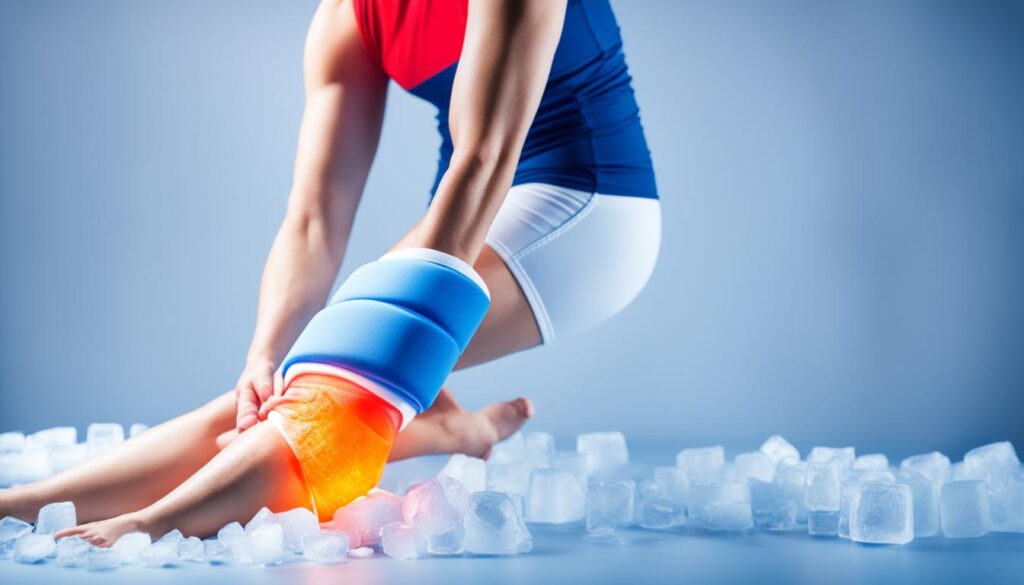
Cold therapy: Apply an ice pack or a bag of frozen vegetables wrapped in a thin cloth to your knee. Cold therapy should be done for about 10-15 minutes at a time. It helps numb the area, reduce swelling, and alleviate pain.
| Self-Care Measure | Description |
|---|---|
| Rest | Give your knee sufficient rest to promote healing and recovery. |
| Elevation | Elevate your leg to reduce swelling and relieve pressure on the knee. |
| Heat Therapy | Apply heat to improve blood circulation, relax muscles, and reduce stiffness. |
| Cold Therapy | Apply cold to numb the area, reduce swelling, and alleviate pain. |
Remember, self-care measures should be used in conjunction with professional treatments and guidance from healthcare providers. Listen to your body, take the necessary steps to care for your knee, and give yourself the time and rest needed to promote healing and manage knee pain effectively.
The Importance of Exercise for Knee Health
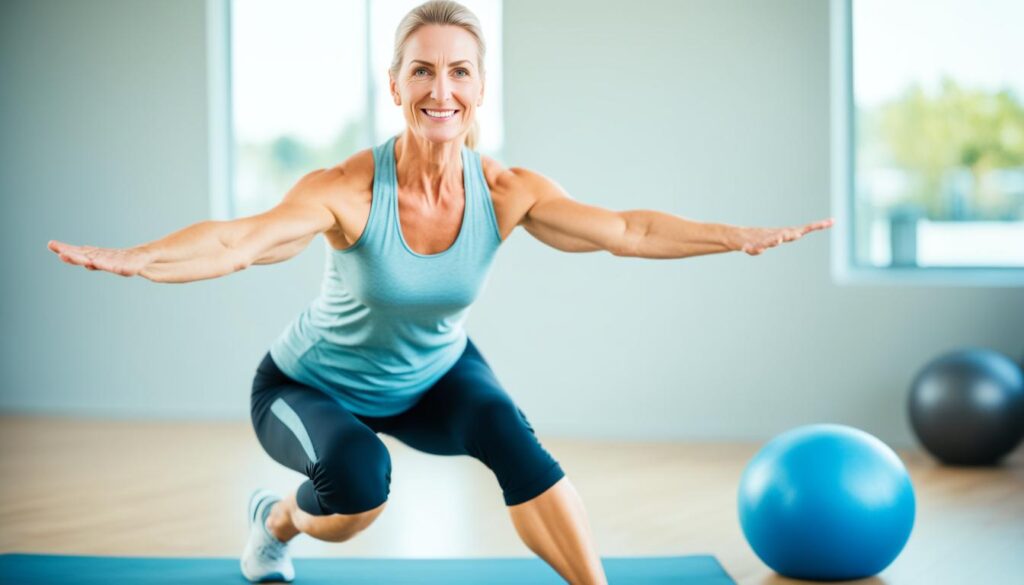
Regular exercise plays a crucial role in maintaining knee health and preventing knee pain. By incorporating exercise into your routine, you can reap numerous benefits that contribute to the overall well-being of your knees.
Engaging in activities such as walking, running, and strength training helps strengthen the muscles around the knee joint, providing support and stability. Strong leg muscles can effectively absorb impact and reduce stress on the knees, minimizing the risk of pain and injury.
Exercise also promotes flexibility and range of motion in the knee joint, preventing stiffness and improving joint function. Regular physical activity helps to lubricate the joints, enhance blood circulation, and deliver essential nutrients to the knee area, keeping it healthy and supple.
Furthermore, exercise is not only beneficial for the physical aspect of knee health but also for your mental well-being. Engaging in regular exercise releases endorphins, known as the “feel-good” hormones, which can elevate your mood and reduce stress levels.
The Benefits of Exercise for Knee Pain
When it comes to managing knee pain, exercise can be a powerful tool. By strengthening the muscles surrounding the knee joint, exercise helps provide better support and stability, reducing the strain on the joint and alleviating pain.
Regular exercise can also help with weight management, which is essential for knee pain relief. Maintaining a healthy weight reduces the stress on the knee joint, providing significant benefits in pain management and overall knee health.
Moreover, exercise can improve the symptoms of conditions such as osteoarthritis, one of the most common causes of knee pain. It helps to maintain joint mobility, reduce inflammation, and increase blood flow to the affected area, providing relief and promoting healing.
Maintaining Knee Strength and Flexibility
In order to maintain knee strength and flexibility, it is important to engage in a variety of exercises that target different muscle groups. Incorporate a combination of:
- Cardiovascular exercises like walking, cycling, or swimming to improve overall body strength and cardiovascular health.
- Strength training exercises such as lunges, squats, and leg presses to build muscle and provide support to the knee joint.
- Flexibility exercises like yoga or stretching routines to improve range of motion and reduce the risk of stiffness.
By incorporating a balanced exercise routine into your life, you can maintain the strength and flexibility of your knees, reducing the risk of pain and injury, and promoting overall knee health.
| Benefits of Exercise for Knee Health | Benefits of Exercise for Knee Pain | Maintaining Knee Strength and Flexibility |
|---|---|---|
| Strengthens the muscles around the knee joint | Reduces strain on the joint, alleviating pain | Target different muscle groups for overall knee strength |
| Promotes flexibility and range of motion | Improves symptoms of conditions like osteoarthritis | Incorporate cardiovascular, strength training, and flexibility exercises |
| Enhances blood circulation and delivery of essential nutrients | Helps with weight management, reducing stress on the knees |
Holistic Approaches to Managing Knee Pain
In addition to medical treatments, holistic approaches can also play a beneficial role in managing knee pain. Complementary therapies such as aromatherapy and acupuncture have been found to provide relief and promote healing.
Aromatherapy involves the use of essential oils derived from natural sources, such as ginger and orange, to alleviate knee pain. These oils can be applied topically or inhaled, providing a soothing and therapeutic effect. Studies have shown that aromatherapy can reduce pain and improve function in patients with osteoarthritis of the knees.
Aromatherapy preparations containing essential oils, such as ginger and orange, can reduce pain and improve function in knees with osteoarthritis.
Acupuncture, an ancient Chinese practice, involves the insertion of thin needles into specific points on the body to stimulate healing and relieve pain. It has been shown to help alleviate knee pain and improve pain scores. Acupuncture works by promoting the release of endorphins, the body’s natural painkillers, and regulating the flow of energy throughout the body.
Acupuncture has been shown to help alleviate knee pain and improve pain scores.
These holistic approaches, such as aromatherapy and acupuncture, can be used in conjunction with traditional treatments to provide a holistic and comprehensive approach to managing knee pain. By addressing the physical, emotional, and mental aspects of knee pain, individuals can enhance their overall well-being, improve their quality of life, and continue their personal growth journey.
Additional Complementary Therapies for Knee Pain
In addition to aromatherapy and acupuncture, there are other complementary therapies that can be explored for managing knee pain:
- Massage therapy: Massage can help relax the muscles around the knee joint, reduce tension, and improve circulation, leading to pain relief.
- Herbal supplements: Certain herbs, such as turmeric and devil’s claw, have anti-inflammatory properties and may help reduce knee pain.
- Physical therapy modalities: Techniques like ultrasound therapy, electrical stimulation, and hot/cold therapy can be used alongside exercises to provide pain relief and improve mobility.
- Mind-body practices: Practices like mindfulness meditation and yoga can help reduce stress, improve joint flexibility, and support overall well-being.
It is important to consult with a healthcare professional before trying any complementary therapies to ensure they are safe and suitable for individual needs. Additionally, these therapies should be used as part of a comprehensive treatment plan and in conjunction with the guidance of a healthcare provider.
Conclusion
Overcoming knee pain is possible with the right strategies and treatments. By incorporating exercise, practicing self-care measures, exploring professional treatments, and incorporating holistic approaches, individuals can find a balance between managing knee pain and pursuing personal growth. It is essential to prioritize the health and well-being of the knees to achieve personal development and success.
Exercise plays a crucial role in managing knee pain and promoting overall knee health. Regular physical activity, such as walking, running, and strength training, helps strengthen the muscles around the knee joint, providing support and stability. It also improves flexibility and range of motion, reducing the risk of stiffness and joint dysfunction.
In addition to exercise, self-care measures, such as rest, elevation, and heat or cold therapy, can provide relief and aid in the healing process. Professional treatments, including medication, physical therapy, knee injections, and surgery, may be necessary in more severe cases. Holistic approaches, like aromatherapy and acupuncture, can also complement traditional treatments and enhance the management of knee pain.
By taking a comprehensive approach to knee pain management, individuals can not only alleviate their symptoms but also pursue personal growth and success. Prioritizing the health and well-being of the knees enables individuals to lead an active and fulfilling life, free from the limitations of knee pain. With the right strategies and treatments, it is possible to overcome knee pain and embrace personal development.
FAQ
What are some ways to manage knee pain at home?
There are several ways to manage knee pain at home. These include incorporating regular exercise, using a knee support, implementing dietary measures, and maintaining a healthy weight.
What professional treatments are available for knee pain?
Professional medical treatments for knee pain can include medication, physical therapy, knee injections, and surgery.
What self-care measures can I take to manage knee pain?
Resting the knee, elevating it, applying heat or cold therapy, and listening to your body’s needs are effective self-care measures for managing knee pain.
Why is exercise important for knee health?
Regular exercise is crucial for maintaining knee health and preventing knee pain. It strengthens the muscles around the knee joint and promotes flexibility and range of motion.
Are there holistic approaches to managing knee pain?
Yes, complementary therapies like aromatherapy and acupuncture can provide relief and promote healing for knee pain.
How can I achieve personal growth while dealing with knee pain?
By incorporating strategies such as exercise, self-care, professional treatments, and holistic approaches, individuals can find a balance between managing knee pain and pursuing personal growth.




One Comment