common knee injuries when running

Prevent Common Knee Injuries When Running

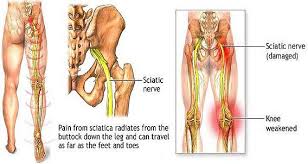
Did you know that knee injuries are one of the most common ailments among runners? Whether you’re a seasoned marathoner or just starting your couch to 5K journey, the impact on your knees while running can lead to pain and injuries. It’s estimated that up to 42% of running injuries involve the knee, making it a significant concern for athletes and fitness enthusiasts alike.

From runner’s knee to patellar tendinitis, there are various conditions that can cause knee pain while running. The good news is that with the right preventive measures, you can significantly reduce your risk of these injuries and enjoy pain-free runs.

In this article, we’ll explore the causes of knee pain when running and provide you with practical tips to prevent common knee injuries. Whether you’re a casual jogger or a dedicated marathoner, these strategies will help you keep your knees healthy and strong so that you can continue running with confidence.

Causes of Knee Pain When Running

Knee pain when running can have several potential causes. It is important to understand these causes in order to effectively prevent knee injuries and pain while running.

Knee Bursitis

Knee bursitis is a common cause of knee pain in runners. It occurs when the small sacs in the front of the kneecap become inflamed. This inflammation can result from repetitive running and overuse of the knee joint.

Patellar Tendinitis

Patellar tendinitis is an injury to the tendon that connects the patella (kneecap) to the shinbone. This condition typically occurs due to repetitive stress on the knee, such as repetitive running or jumping.

Iliotibial Band Syndrome

Iliotibial band syndrome is another common running-related knee injury. It involves swelling and irritation of the tendon on the outside of the leg. This condition often occurs due to overuse and improper form while running.

Torn Meniscus

A torn meniscus is a damage to the cartilage between the shinbone and thighbone. It can be caused by a sudden twisting or bending motion, which commonly occurs in sports activities like running. Aging and degenerative changes in the knee can also contribute to a torn meniscus.

Muscle Weakness

Muscle weakness in the quadriceps and hamstrings can lead to imbalances in the knee joint, resulting in knee pain. Strengthening these muscles through targeted exercises can help prevent running-related knee injuries.

Osteoarthritis

Osteoarthritis, a degenerative joint disease, can also cause knee pain while running. This condition occurs when the protective cartilage in the joints gradually wears down over time. Repetitive running and high-impact activities can exacerbate osteoarthritis symptoms.

To prevent knee pain when running, it is important to address these potential causes and take proactive measures to protect the knees. This includes proper warm-up and cool-down exercises, wearing appropriate footwear, strengthening the relevant muscles, and incorporating other forms of cardio to reduce repetitive strain on the knees.

Cause Description
Knee Bursitis Inflammation of the small sacs in the front of the kneecap
Patellar Tendinitis Injury to the tendon that connects the patella to the shinbone
Iliotibial Band Syndrome Swelling and irritation of the tendon on the outside of the leg
Torn Meniscus Damage to the cartilage between the shinbone and thighbone
Muscle Weakness Weakness in the quadriceps and hamstrings
Osteoarthritis Degenerative joint disease that affects the knee

Tips for Preventing Knee Pain When Running

When it comes to running, preventing knee pain is essential for an enjoyable and injury-free experience. Here are some tips to keep in mind to protect your knees:

1. Hydrate: Staying properly hydrated is crucial for maintaining joint health. Be sure to drink plenty of water before, during, and after your runs to keep your knees lubricated and functioning optimally.

2. Stretch: Before and after your runs, take the time to stretch your muscles. Dynamic stretches, such as leg swings and high knees, help warm up the muscles, while static stretches, like quad and hamstring stretches, target specific muscle groups.

3. Strengthen: Building strength in your legs and core can provide stability and support for your knees. Incorporate exercises like squats, lunges, and planks into your routine to help prevent knee injuries.

4. Pace Yourself: Gradually increase your mileage and intensity to avoid overloading your knee joints. Pushing too hard, too soon can lead to strain and injury. Listen to your body and give yourself time to adapt.

5. Choose the Right Shoes: Wearing proper running shoes that provide appropriate support is essential. Invest in a pair of shoes that are designed for your specific foot type and replace them regularly to ensure optimal cushioning and stability.

Remember, if you experience persistent or worsening knee pain while running, it’s important to consult a healthcare provider for further evaluation and treatment options. Taking care of your knees is crucial for long-term injury prevention and enjoying the sport you love!

FAQ

What is runner’s knee and how is it caused?

Runner’s knee, also known as patellofemoral pain syndrome, is characterized by pain in the front of the knee. It is often caused by weakness in the core and hips, which leads to improper alignment of the kneecap during running.

What are some common causes of knee pain when running?

Some common causes of knee pain when running include knee bursitis, patellar tendinitis, iliotibial band syndrome, torn meniscus, muscle weakness in the quads and hamstrings, and osteoarthritis.

How can I prevent knee pain when running?

To prevent knee pain when running, it’s important to stay hydrated, stretch before and after running, engage in strengthening exercises for the legs and core, pace yourself and gradually increase mileage, choose the right running shoes, and seek medical attention if knee pain persists or worsens.

What can I do to prevent common knee injuries while jogging?

To prevent common knee injuries while jogging, it’s recommended to stretch the muscles around your knees, strengthen your leg muscles and core, use cold therapy on sore knees, mix in other forms of cardio to give your knees a break, and stay well-hydrated.

Source Links


Similar Posts

  • Best Knee Brace for Arthritis: Top Picks for Pain Relief

    As we age, our joints become more prone to inflammation and pain, especially in the knees. Arthritis is a common condition that affects millions of people worldwide and can cause discomfort and limited mobility. Fortunately, there are knee braces available that can help alleviate arthritis pain and provide support for the knee joint. When looking…

  • |

    Knee replacement rehab timeline

    What if the most critical part of your joint procedure happens after you leave the operating room? We understand that navigating the path to healing can feel overwhelming. Our guide is here to provide the clarity you need for a successful journey. knee replacement rehab timeline Data shows that movement often starts very quickly. Physical therapy typically begins within 24 hours after your procedure. This early step is vital for promoting faster healing and restoring mobility. For most people, the complete process of regaining strength spans several months. It’s a journey from the initial post-operative phase to full recovery, often taking between six and twelve months. We aim to help you manage expectations about the time required to return to the activities you love. While every patient’s experience is unique, understanding the general phases can significantly reduce anxiety. By following a structured plan, you can improve function and regain the independence you enjoyed before joint pain began. Your commitment to rehabilitation directly influences the long-term success of your new joint and overall health. Key Takeaways Physical activity often starts within a day of your procedure to aid healing. The full recovery process generally takes between six months and a year. Your personal journey is unique, but knowing common stages reduces worry. A structured plan is crucial for regaining function and independence. Your dedication to the process directly impacts your long-term results. This guide provides clarity to navigate each stage with confidence. Understanding Knee Replacement Surgery We believe informed patients are empowered patients, starting with the details of the operation itself. Knowing which procedure is right for you is a crucial first step in preparing for your healing journey. Differences Between Total and Partial Knee Replacement A total knee replacement involves resurfacing the entire joint with an artificial structure. Surgeons cut away worn cartilage and bone to create a new surface. In contrast, a partial knee replacement focuses only on the damaged compartment. This targeted approach often leads to a quicker recovery process with less discomfort. What to Expect During Surgery and Initial Recovery During your replacement surgery, the medical team precisely aligns the new components. This careful work is done to restore smooth movement and function. Your personal recovery timeline is influenced by factors like your age and general health. Understanding these differences helps you set realistic goals for after your knee surgery. The ultimate goal of this joint procedure is to provide lasting relief from chronic pain and improve your mobility. Immediate Post-Surgery Recovery The journey to regain your mobility starts the moment you wake from anesthesia. Your active participation is vital from these first hours. immediate post surgery recovery We emphasize that structured support begins almost immediately. This early phase sets the foundation for your entire healing process. Day 1: Initiating Rehabilitation and Mobility Physical therapy often starts within 24 hours of your procedure. Your physical therapist will help you take those first, crucial steps. They guide you in standing and walking with a walker or crutches. These initial sessions focus on basic, safe movements. You’ll practice sitting at the bedside and transferring your weight. This early activity promotes circulation and helps prevent complications. Transitioning from Hospital to Home Your medical team must see you meet specific safety criteria before discharge. You need to manage pain well and demonstrate independent movement. Key goals include standing from a chair and using the bathroom alone. Navigating a short flight of stairs is also a common requirement. Some individuals may leave the hospital on the same day as their operation. This is possible if all safety boxes are checked. Your care team will provide clear instructions for protecting your new joint. They will also give you simple exercises to continue at home. The First Week: Early Rehabilitation Steps Navigating the initial week after your operation requires a clear focus on gentle movement and symptom management. We guide you through this period where your routine prioritizes restoring a natural walking pattern and improving joint flexibility. early rehabilitation steps Guided Physical Therapy Exercises for Range of Motion During the first 48 hours, the primary goal is achieving full extension and increasing flexion. Your physical therapist will recommend specific movements to help. These early exercises are designed to prevent stiffness and promote circulation. Your daily routine is crucial for maintaining flexibility in this joint. Managing Pain, Swelling, and Initial Activity Controlling discomfort is a priority. Your doctor may advise using ice packs, elevating your leg, and taking medication as directed. You must monitor your incision site closely. The American Association of Hip and Knee Surgeons suggests waiting 5 to 7 days before showering if non-waterproof dressings are used. We encourage gentle activity, like using a stationary bike. This helps the area regain strength without overexertion. If you experience severe pain or excessive swelling, stop and consult your physical therapist or surgeon immediately. Following a structured rehabilitation timeline is key for a successful recovery….

  • Bruised Knee No Impact: How Knee Pain Can Still Start (And What Helps in 2026)

    Bruised Knee No Impact: How Knee Pain Can Still Start (And What Helps in 2026) In 2026, many of us treat a “bruise with no impact” like a harmless warning sign, but studies suggest that bone bruise subtypes can linger differently, even when the injury story sounds similar. If you are dealing with a Bruised…

  • Best Times for Knee Support Usage – Expert Tips

    Understanding when and how to wear knee support correctly can make a significant difference in injury recovery and prevention. In this section, we will explore the best times to wear knee support and provide expert tips on proper knee brace usage. Whether you’re recovering from an injury, engaging in high-impact activities, or simply going about…

  • Solutions for Knee Pain and Popping Up Stairs

    Are you experiencing knee pain and popping when going up stairs? This discomfort can be caused by various factors such as knee joint pain, knee injuries, or even a popping sound in the knees. Understanding the underlying causes and finding effective solutions is essential for finding relief and improving knee health. In this article, we…

Leave a Reply

Your email address will not be published. Required fields are marked *