
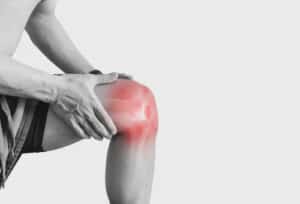
What is joint replacement surgery?
Joint replacement surgery involves replacing damaged or arthritic joint parts with a biocompatible ceramic, plastic, or metal prosthesis. The purpose of the prosthesis is to imitate the natural motion and movement of the joint. Common joint replacements include knees and hips, but the surgery can also be performed on the elbow, shoulder, wrist and ankle.
Who is an ideal candidate for joint replacement surgery?
Joint replacement surgery often becomes necessary when nonsurgical treatments, such as activity changes, medications, and physical therapy, have failed to provide adequate relief and mobility. Your orthopedic specialist will discuss your condition, medical history, and relevant health factors to determine if joint replacement surgery is right for you.
Risks and benefits of joint replacement surgery
There are risks associated with joint replacement surgery, such as:
- Infection
- Bleed
- Nerve damage
- Blood clots
Although there are risks, the benefits usually far outweigh these risks. Most patients experience significant improvements in comfort and mobility, with the new joint achieving nearly 100 percent of its range of motion.
The joint replacement surgery procedure explained
Joint replacement surgeries are usually performed on an outpatient basis under general anesthesia. The surgeon will replace the damaged bone and cartilage with the correct prosthesis. Before surgery, your doctor will provide details about the procedure, including the locations of the incision and the expected duration of the surgery.
Recovery and aftercare for joint replacement surgeries
Recovery from joint replacement surgery usually takes four to six weeks. Shortly after the operation you will start walking short distances, initially with a walker or walking stick. You will eventually walk without assistance as you progress through your physical therapy program. Physical therapy begins as early as the day after surgery and should be continued between therapy sessions as your therapist recommends. A follow-up visit with your surgeon will take place six weeks after the procedure.
Schedule a consultation
If you are experiencing joint pain and conservative treatments do not provide relief, contact Bone & Joint Specialists Orthopedic Center at 219.795.3360. We proudly serve patients in Highland, Hobart, Merrillville and Valparaiso, IN.
Leave a Reply to Warm Up: Exercises,Time, and Home Emergency Treatment – Knee Hurt Cancel reply