download 51
|

Relationship between exercise intensity and risk of infection


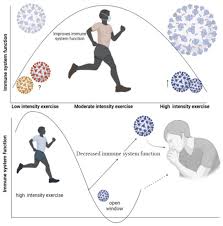
So far, there is no clarity on how exercise intensity affects the emission and concentration of aerosol particles in exhaled air. Using a new experimental setup, a research team from Munich has shown that aerosol emissions increase exponentially with intensive physical exertion – so that indoor sports activities result in a higher risk of infectious diseases such as COVID.

Before the study, it was known that tidal volume in untrained people increases from approximately 5-15 liters per minute at rest to more than 100 l/min during exercise. Highly trained athletes even reach levels of 200 l/min. It was also known that many people have become infected with the SARS-CoV-2 virus when they exercise indoors.

However, it was unclear how exercise intensity was related to the concentration of aerosol particles in exhaled air and the actual amount of aerosols an individual exhaled per minute, and thus to the potential risk of spreading infectious diseases such as SARS-CoV-2. However, this information is urgently needed, for example to design mitigation measures for gyms and other indoor sports facilities, fitness studios or discos to avoid closures in the event of serious infection waves.

New methodology produces individually measurable aerosol values

A team led by Henning Wackerhage, professor of exercise biology at the Technical University of Munich (TUM), and Prof. Christian J. Kähler, director of the Institute for Fluid Mechanics and Aerodynamics at the Universität der Bundeswehr Munich, has developed a new research method to study questions. Their experimental equipment initially filtered the aerosols already present in the ambient air. During the subsequent ergometer stress test, the subjects inhaled the purified air through a special mask that covered the mouth and nose. Exercise intensity was gradually increased from rest to the point of physical exhaustion. The mask was connected to a two-way valve that allowed only exhaled air to escape. The amount of aerosol particles emitted per minute was then measured and directly linked to the current performance of the healthy, 18-40 year old subjects.

Moderate aerosol emissions during moderate exertion

This allowed the researchers to investigate for the first time how many aerosol particles are exhaled per minute by an individual at different levels of exercise intensity. The result: aerosol emissions during exercise initially increased only moderately, reaching an average load of about 2 watts per kilogram of body weight. However, above that point they increased exponentially. This means that someone weighing 75 kilograms reaches that threshold at an ergometer setting of approximately 150 watts. This equates to moderate exertion for a casual athlete, perhaps comparable to the exercise intensity of moderate jogging.

The aerosol output of well-trained athletes was significantly higher than that of untrained subjects at maximum exertion, due to their much higher minute ventilation. The researchers found no significant differences in particle emissions between genders.

Protective measures are important for high-intensity training

Although the aerosol experiments provide only indirect knowledge about the amount of viruses in exhaled air, the research suggests useful principles for managing indoor activities when a wave of infections combined with a poorly immunized population threatens to overwhelm the healthcare system.

“Based on our results, we distinguish between moderate endurance training with an intensity of up to 2 watts per kilogram of body weight and training at high to maximum intensity. Due to the sharp increase in aerosol emissions at high-intensity loads above that initial benchmark, special protective measures are necessary if there is a high risk of infections with serious consequences,” says research leader Prof. Wackerhage: “Ideally, that type of training would be moved outside. If that is not possible, testing should be done to ensure that there are no infected persons in the room. Participants must also keep sufficient distance and a highly efficient ventilation system must be running. In addition, infection risks are reduced by training at lower intensity and keeping sessions shorter. It could also be possible for fitness that young athletes should wear masks during training.” At low workloads, such as light to moderate intensity endurance training, less protection is needed, says Prof. Wackerhage, and the risk of infection can be controlled through distancing and ventilation systems.

The research team is currently conducting experiments to compare aerosol emissions during strength and endurance training and to correlate this with the age and physical characteristics of subjects.

Source link

Similar Posts

  • |

    Knee replacement rehab timeline

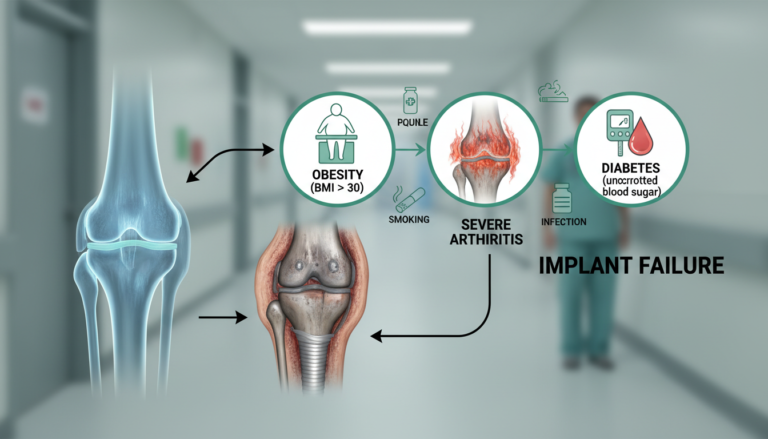
    What if the most critical part of your joint procedure happens after you leave the operating room? We understand that navigating the path to healing can feel overwhelming. Our guide is here to provide the clarity you need for a successful journey. knee replacement rehab timeline Data shows that movement often starts very quickly. Physical therapy typically begins within 24 hours after your procedure. This early step is vital for promoting faster healing and restoring mobility. For most people, the complete process of regaining strength spans several months. It’s a journey from the initial post-operative phase to full recovery, often taking between six and twelve months. We aim to help you manage expectations about the time required to return to the activities you love. While every patient’s experience is unique, understanding the general phases can significantly reduce anxiety. By following a structured plan, you can improve function and regain the independence you enjoyed before joint pain began. Your commitment to rehabilitation directly influences the long-term success of your new joint and overall health. Key Takeaways Physical activity often starts within a day of your procedure to aid healing. The full recovery process generally takes between six months and a year. Your personal journey is unique, but knowing common stages reduces worry. A structured plan is crucial for regaining function and independence. Your dedication to the process directly impacts your long-term results. This guide provides clarity to navigate each stage with confidence. Understanding Knee Replacement Surgery We believe informed patients are empowered patients, starting with the details of the operation itself. Knowing which procedure is right for you is a crucial first step in preparing for your healing journey. Differences Between Total and Partial Knee Replacement A total knee replacement involves resurfacing the entire joint with an artificial structure. Surgeons cut away worn cartilage and bone to create a new surface. In contrast, a partial knee replacement focuses only on the damaged compartment. This targeted approach often leads to a quicker recovery process with less discomfort. What to Expect During Surgery and Initial Recovery During your replacement surgery, the medical team precisely aligns the new components. This careful work is done to restore smooth movement and function. Your personal recovery timeline is influenced by factors like your age and general health. Understanding these differences helps you set realistic goals for after your knee surgery. The ultimate goal of this joint procedure is to provide lasting relief from chronic pain and improve your mobility. Immediate Post-Surgery Recovery The journey to regain your mobility starts the moment you wake from anesthesia. Your active participation is vital from these first hours. immediate post surgery recovery We emphasize that structured support begins almost immediately. This early phase sets the foundation for your entire healing process. Day 1: Initiating Rehabilitation and Mobility Physical therapy often starts within 24 hours of your procedure. Your physical therapist will help you take those first, crucial steps. They guide you in standing and walking with a walker or crutches. These initial sessions focus on basic, safe movements. You’ll practice sitting at the bedside and transferring your weight. This early activity promotes circulation and helps prevent complications. Transitioning from Hospital to Home Your medical team must see you meet specific safety criteria before discharge. You need to manage pain well and demonstrate independent movement. Key goals include standing from a chair and using the bathroom alone. Navigating a short flight of stairs is also a common requirement. Some individuals may leave the hospital on the same day as their operation. This is possible if all safety boxes are checked. Your care team will provide clear instructions for protecting your new joint. They will also give you simple exercises to continue at home. The First Week: Early Rehabilitation Steps Navigating the initial week after your operation requires a clear focus on gentle movement and symptom management. We guide you through this period where your routine prioritizes restoring a natural walking pattern and improving joint flexibility. early rehabilitation steps Guided Physical Therapy Exercises for Range of Motion During the first 48 hours, the primary goal is achieving full extension and increasing flexion. Your physical therapist will recommend specific movements to help. These early exercises are designed to prevent stiffness and promote circulation. Your daily routine is crucial for maintaining flexibility in this joint. Managing Pain, Swelling, and Initial Activity Controlling discomfort is a priority. Your doctor may advise using ice packs, elevating your leg, and taking medication as directed. You must monitor your incision site closely. The American Association of Hip and Knee Surgeons suggests waiting 5 to 7 days before showering if non-waterproof dressings are used. We encourage gentle activity, like using a stationary bike. This helps the area regain strength without overexertion. If you experience severe pain or excessive swelling, stop and consult your physical therapist or surgeon immediately. Following a structured rehabilitation timeline is key for a successful recovery….

  • |

    Knee Hurt When Straightening

    Knee pain can be a frustrating and debilitating issue for many people. One common symptom is difficulty straightening the knee, which can be caused by a variety of factors. In this article, we will explore the causes of knee pain when straightening the leg, as well as potential treatments and prevention strategies. Understanding knee pain…

  • |

    Best knee massager (Nooro, Comfier)

    What if the key to managing daily discomfort wasn’t another pill, but a device you could use at home? Joint issues are incredibly common. Millions of Americans, from active athletes to aging adults, deal with this challenge every day. For many, it’s a barrier to an active and fulfilling life. The search for non-invasive, drug-free solutions is more urgent than ever. This has fueled rapid growth in home-based therapeutic technology. People want effective tools that fit into their daily routine. We created this guide to cut through the noise. Our goal is to help you find a supportive device that addresses your specific situation. Whether it’s chronic arthritis or post-operative recovery, the right technology can make a significant difference. knee pain relief device Key Takeaways Knee discomfort is a widespread issue affecting a diverse group, including seniors and sports enthusiasts. There is a strong and growing demand for at-home, non-pharmaceutical solutions for joint health. Modern therapeutic devices are designed to provide targeted support for various types of joint-related challenges. Choosing the correct tool requires understanding your individual needs and recovery goals. This analysis offers an objective look at popular models to help you make a confident, informed decision. Overview of the Nooro Knee Massager and Its Features Imagine a compact, therapeutic tool that wraps around your joint, delivering soothing relief exactly where you need it. This unit is engineered for those dealing with stiffness, soreness, or circulation challenges. Its lightweight and portable design makes it simple to use at home or on the go. The product combines three distinct modalities—heat, red light, and vibration—in one integrated system. “Having multiple therapies in a single, easy-to-use device transforms daily joint care from a chore into a simple routine.” Users appreciate the adjustable straps that secure the unit for a customized fit. An intuitive LED touchscreen provides clear control over various intensity levels. This focus on personalized settings allows individuals to tailor each session to their specific comfort and therapeutic needs. Safety and convenience are paramount, with a built-in rechargeable battery and an automatic shutoff timer. Attribute Description Therapy Modes Heat, Red Light, Vibration Control Interface LED Touchscreen Power Source Rechargeable Lithium Battery Safety Feature Automatic Timer Shutoff Portability Lightweight, Adjustable Straps This device designed for home use addresses a wide range of discomforts. Its thoughtful features promote consistent use for managing joint health. Understanding the Technology Behind the Massager Understanding how a therapeutic device works can help users maximize its benefits for joint health. This unit combines three distinct modalities into one seamless system. Each technology targets a different aspect of discomfort. Together, they create a comprehensive approach to relief. Red Light and Infrared Technology Benefits This therapy uses both red and near-infrared light. It penetrates the skin to stimulate cellular repair at a deep level. The process helps reduce inflammation and supports overall joint health. It’s a non-invasive way to encourage the body’s natural healing. Heat Therapy and Vibration Mechanisms Heat therapy provides deep, soothing warmth to the area. It relaxes tight muscles and improves local blood flow. The vibration function targets the surrounding muscle tissue. It helps relieve tension and reduce feelings of stiffness. “The combination of heat, light, and vibration addresses discomfort from multiple angles, which is far more effective than any single method alone.” Therapy Type Primary Benefit Key Mechanism Red Light & Infrared Reduces Inflammation Stimulates Cellular Repair Heat Therapy Improves Circulation Provides Deep Muscular Warmth Vibration Massage Relieves Muscle Tension Targets Surrounding Tissue…

  • |

    Injury prevention warm-up programs, one size fits some?

      Who doesn’t respond to warm-up programs for injury prevention? A secondary analysis of pilot data from neuromuscular training programs in youth basketball, football, and physical education. Anu M. Raisänen, Jean-Michel Galarneau, Carla Van Den Berg, Paul Eliason, Lauren C. Benson, Oluwatoyosi BA Owoeye, Kati Pasanen, Brent Hagel and Carolyn A. Emery. Journal of orthopedic…

  • Rising star footballers among young athletes benefit from new screening tool

      Young elite athletes will benefit from a new screening tool with the potential to change clinical practice by ruling out serious heart disease that is often misdiagnosed. The research is thanks to a jointly led study between the Universities of Exeter and Bristol, working with emerging athletes from around the world. Cardiomyopathy, a form…

Leave a Reply

Your email address will not be published. Required fields are marked *