Relief for Knee Osteoarthritis: Best Treatments
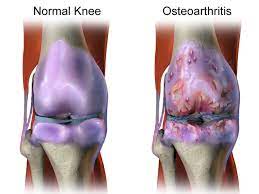
Welcome to our comprehensive guide on finding relief for knee osteoarthritis. If you’re experiencing knee pain and discomfort, you’re not alone. Knee osteoarthritis affects millions of Americans, and finding the right treatments can make a significant difference in managing symptoms and improving your quality of life.
In this article, we’ll explore various options to help alleviate knee osteoarthritis symptoms. Whether you’re interested in natural remedies, supplements, or exploring medical interventions, we have you covered. We’ll also delve into lifestyle modifications, exercises, and dietary changes that can complement your treatment plan.
Our goal is to provide you with valuable information so you can make informed decisions about what to take or incorporate into your daily routine. We understand that knee osteoarthritis can impact your day-to-day activities and overall well-being, and we’re here to support you with helpful insights and practical advice.
Continue reading to discover the best treatments, including natural remedies, supplements, vitamins, herbal remedies, and more. We’ll also explore various ways to find pain relief, dietary changes, exercises, and lifestyle modifications that can help manage knee osteoarthritis symptoms effectively.
Remember, every individual is unique, and what works for one person may not work for another. It’s essential to work closely with your healthcare professionals to develop a personalized treatment plan that addresses your specific needs and goals.
Together, we can take steps towards managing knee osteoarthritis symptoms and improving your quality of life.
Diagnosis and Imaging Tests for Knee Osteoarthritis
Diagnosing knee osteoarthritis is crucial for developing an effective treatment plan. Healthcare professionals rely on a combination of physical exams and imaging tests to accurately identify the condition. These tests help confirm the presence of knee osteoarthritis, rule out other potential causes of joint pain, and provide valuable insights about the extent of joint damage.
Physical Exam
A physical exam is often the first step in diagnosing knee osteoarthritis. During the examination, the healthcare provider will assess your knee for tenderness, swelling, and redness. They will also evaluate the range of motion, flexibility, and stability of the joint. These findings contribute to a comprehensive assessment and guide further diagnostic investigations.
Imaging Tests
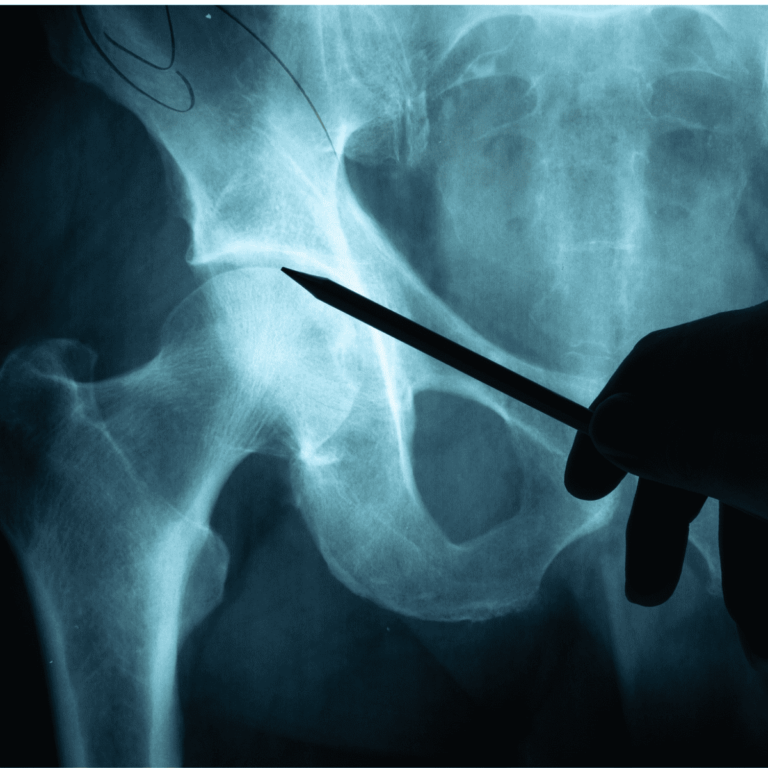
Imaging tests play a vital role in diagnosing knee osteoarthritis. They provide detailed images of the affected joint, allowing healthcare professionals to visualize the extent of cartilage loss and identify the presence of bone spurs. The most commonly used imaging tests for knee osteoarthritis include:
- X-rays for Knee Osteoarthritis: X-ray images can reveal the presence of joint damage, including narrowed joint spaces and irregular bone surfaces. X-rays are particularly useful in assessing bone health and detecting any structural abnormalities in the knee joint.
- MRI for Knee Osteoarthritis: Magnetic Resonance Imaging (MRI) provides a detailed view of the soft tissues, including cartilage, ligaments, and tendons. MRI scans can help evaluate the condition of the knee joint, detect cartilage degradation, and assess the stability and integrity of the surrounding structures.
Lab Tests
While physical exams and imaging tests are essential for diagnosing knee osteoarthritis, there is no definitive lab test specifically designed to confirm the condition. However, healthcare professionals may use certain lab tests to rule out other potential causes and gather additional information. These tests include:
- Blood Tests for Knee Osteoarthritis: Blood tests can help assess inflammation levels and rule out other types of arthritis, such as rheumatoid arthritis.
- Joint Fluid Analysis for Knee Osteoarthritis: Analyzing the fluid removed from the joint can provide valuable information about the status of the joint, including the presence of inflammation or infection.
By combining the findings from physical exams, imaging tests, and lab tests, healthcare professionals can accurately diagnose knee osteoarthritis and develop an appropriate treatment plan tailored to each individual’s needs.
Medications and Therapies for Knee Osteoarthritis
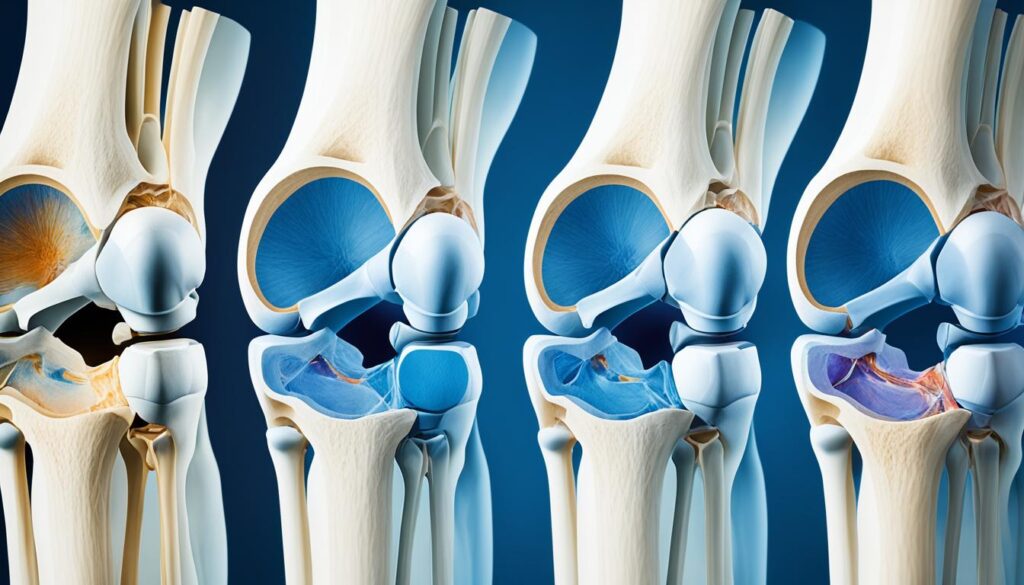
When it comes to managing knee osteoarthritis, there are several effective medications and therapies available. These options can provide much-needed pain relief and help improve the overall quality of life for individuals living with this condition.
Medications for Knee Osteoarthritis
In terms of medication, there are a few types that have been found to be beneficial for relieving knee osteoarthritis pain:
- Acetaminophen: This over-the-counter medication can help reduce pain and inflammation associated with knee osteoarthritis.
- NSAIDs: Nonsteroidal anti-inflammatory drugs such as ibuprofen and naproxen can help alleviate pain and reduce swelling in the affected joint.
- Duloxetine: This medication is primarily used to treat depression and anxiety, but it has also been found to be effective in managing the pain associated with knee osteoarthritis.
In some cases, these medications may be used in combination to provide the best pain relief. It’s important to consult with a healthcare professional to determine the most appropriate medication and dosage for individual needs.
Therapies for Knee Osteoarthritis
Physical therapy and occupational therapy are two effective non-pharmacological treatment options for knee osteoarthritis. These therapies focus on improving muscle strength, flexibility, and reducing pain. They may include:
- Physical therapy: This therapy involves exercises and techniques that aim to strengthen the muscles around the knee joint, improve range of motion, and reduce pain.
- Occupational therapy: Occupational therapy focuses on enhancing the ability to perform daily activities by teaching adaptive techniques, using assistive devices, and providing pain management strategies.
- Transcutaneous Electrical Nerve Stimulation (TENS): TENS is a non-invasive treatment that uses low-voltage electrical currents to provide pain relief. It can be particularly helpful for short-term pain relief in knee osteoarthritis.
Additional therapies, such as acupuncture, may also be considered as part of a comprehensive treatment plan. Moreover, some individuals find relief by using supplements like glucosamine and chondroitin, although their efficacy may vary from person to person. It’s advisable to discuss these options with a healthcare professional before incorporating them into the treatment plan.
To summarize, medications and therapies play a crucial role in relieving pain and improving the quality of life for individuals with knee osteoarthritis. Finding the right combination of treatments often involves working closely with healthcare professionals to develop a personalized approach. The table below provides a helpful comparison of the different medications and therapies discussed in this section:
| Medications | Therapies |
|---|---|
| Acetaminophen | Physical Therapy |
| NSAIDs | Occupational Therapy |
| Duloxetine | Transcutaneous Electrical Nerve Stimulation (TENS) |
Surgical and Other Procedures for Knee Osteoarthritis
If conservative treatments fail to provide sufficient relief, there are various surgical and other procedures available for managing knee osteoarthritis. These interventions aim to alleviate pain, improve joint function, and enhance the overall quality of life. Let’s explore some of the options:
Cortisone Injections
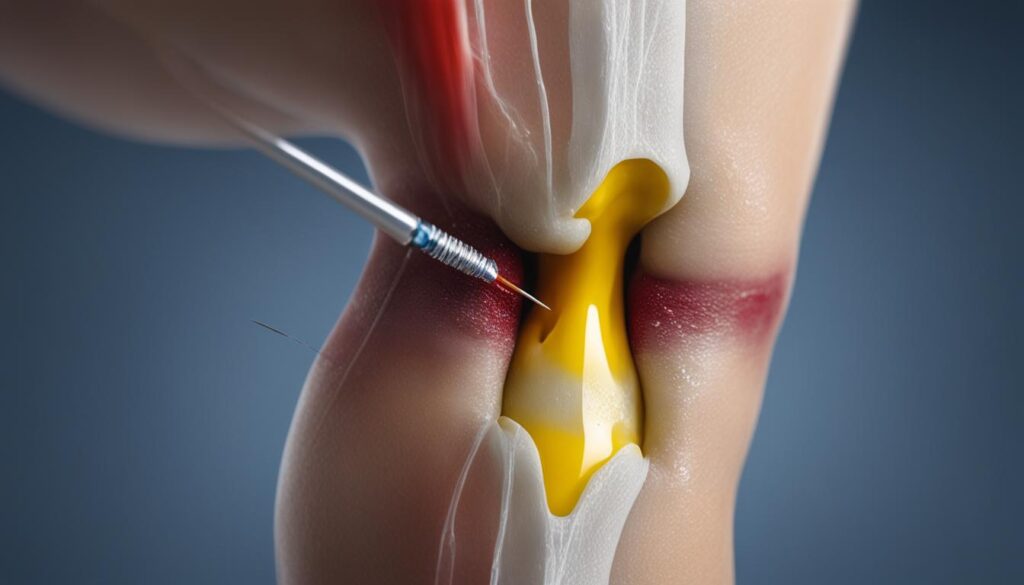
Cortisone injections, also known as corticosteroid injections, can provide short-term pain relief for knee osteoarthritis. The injections help reduce inflammation, thereby alleviating symptoms such as pain and swelling. They can offer temporary relief, especially for individuals who experience acute flare-ups of knee osteoarthritis. However, it’s important to note that cortisone injections are not a definitive solution and their effects may diminish over time.
Lubrication Injections
Lubrication injections, also called viscosupplementation, involve injecting hyaluronic acid into the knee joint. Hyaluronic acid acts as a lubricant and shock absorber, reducing pain and improving joint mobility. These injections aim to provide temporary relief by restoring the natural properties of the synovial fluid, which cushions the joint. However, the effectiveness of lubrication injections may vary among individuals, and multiple injections might be required for optimal results.
Knee Osteotomy
Knee osteotomy is a surgical procedure that involves cutting and realigning the bone to shift weight away from the damaged part of the knee. This procedure aims to relieve pain and slow down the progression of knee osteoarthritis, particularly in younger patients who have localized cartilage damage. By redistributing the load-bearing forces, knee osteotomy can help delay the need for knee replacement surgery.
Joint Replacement
Joint replacement surgery is considered when other treatments no longer provide adequate pain relief and joint function is severely impaired. This procedure involves removing the damaged joint surfaces and replacing them with artificial components, such as metal and plastic implants. Joint replacement surgery can significantly reduce pain, improve mobility, and enhance the overall quality of life for individuals with advanced knee osteoarthritis. However, it’s important to note that artificial joints can wear out over time and may eventually require revision surgery.
In certain cases, a combination of these surgical and other procedures may be recommended to address the individual’s specific needs and condition.
Conclusion
Managing knee osteoarthritis symptoms and finding relief for knee osteoarthritis require a comprehensive approach that includes various treatments. By working closely with healthcare professionals, individuals can develop a personalized treatment plan that addresses their specific needs.
Medications, such as acetaminophen, NSAIDs, and duloxetine, can help alleviate pain associated with knee osteoarthritis. Additionally, physical therapy and occupational therapy can improve muscle strength, flexibility, and reduce pain. These non-invasive therapies, combined with lifestyle changes like exercise, weight management, and the use of assistive devices, can significantly reduce symptoms and improve overall quality of life.
For more severe cases, surgical options such as cortisone injections, lubrication injections, knee osteotomy, and joint replacement may be considered. Regular follow-ups and adjustments to the treatment plan are important to ensure optimal relief from knee osteoarthritis symptoms.
By embracing a comprehensive approach that includes medical interventions, lifestyle changes, and regular consultations with healthcare professionals, individuals can effectively manage knee osteoarthritis and enjoy a better quality of life.
FAQ
What are the best treatments for knee osteoarthritis?
The best treatments for knee osteoarthritis include a combination of medications, therapies, and surgical options. It is important to work with healthcare professionals to find the most suitable treatment plan for your individual needs.
How is knee osteoarthritis diagnosed?
Knee osteoarthritis is diagnosed through a physical exam and imaging tests. The physical exam checks for tenderness, swelling, redness, and flexibility in the knee joint. Imaging tests such as X-rays and MRIs provide detailed images of the affected joint and can reveal cartilage loss and bone spurs. Lab tests, such as blood tests and joint fluid analysis, may also be done to confirm the diagnosis and rule out other causes of joint pain.
What medications and therapies are available for knee osteoarthritis?
Medications such as acetaminophen, NSAIDs (Nonsteroidal Anti-Inflammatory Drugs), and duloxetine can help relieve pain associated with knee osteoarthritis. Physical therapy and occupational therapy can improve muscle strength, flexibility, and reduce pain. Transcutaneous electrical nerve stimulation (TENS) is a non-invasive treatment option that can provide short-term pain relief. Other therapies, such as acupuncture, and supplements like glucosamine and chondroitin, may also be considered.
Are there any surgical options for knee osteoarthritis?
Yes, there are surgical options for knee osteoarthritis. Injections, such as cortisone injections and lubrication injections, can provide short-term pain relief. Knee osteotomy is a surgical procedure that involves cutting and realigning the bone to shift weight away from the damaged part of the knee. Joint replacement surgery involves removing the damaged joint surfaces and replacing them with artificial components. It is important to discuss these options with a healthcare professional to determine the most appropriate treatment approach.
How can knee osteoarthritis symptoms be managed?
Knee osteoarthritis symptoms can be effectively managed through a combination of medications, therapies, and lifestyle modifications. In addition to medical interventions, lifestyle changes such as exercise, weight management, and using assistive devices can help reduce symptoms and improve quality of life. Regular follow-ups and adjustments to the treatment plan may be necessary to ensure optimal relief from knee osteoarthritis symptoms.
Source Links
- https://www.mayoclinic.org/diseases-conditions/osteoarthritis/diagnosis-treatment/drc-20351930
- https://www.nhs.uk/conditions/osteoarthritis/treatment/
- https://www.aafp.org/pubs/afp/issues/2011/0601/p1287.html