Sore Knees from Running: Tips for Relief
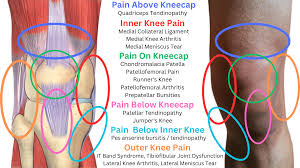
Are you an avid runner struggling with sore knees? You’re not alone. Many runners experience knee pain, also known as runner’s knee or patellofemoral pain syndrome. The good news is that there are strategies you can implement to find relief and continue enjoying your runs.
To alleviate knee pain, it is important to address the underlying causes. Weakness in the core and hip muscles is often a contributing factor. By strengthening these areas and implementing pre-run stretching routines, you can reduce the strain on your knees and prevent further injury.
Cold therapy, such as icing your knees after runs, can also provide relief by reducing inflammation and soreness. Additionally, taking breaks from running and engaging in other forms of cardio can give your knees a break from repetitive stress.
Key Takeaways:
- Runner’s knee, or patellofemoral pain syndrome, is a common running-related knee injury.
- Strengthening the core and hip muscles can help prevent knee pain.
- Pre-run stretching and cold therapy, such as icing the knees, can alleviate soreness.
- Taking breaks from running and engaging in other forms of cardio can prevent repetitive strain on the knees.
- Seeking medical evaluation may be necessary for persistent or severe knee pain.
Prevention Strategies for Sore Knees from Running
When it comes to preventing knee pain while running, incorporating specific strategies into your routine can make all the difference. By focusing on knee strengthening exercises, wearing proper knee support, and maintaining overall joint health, you can minimize the risk of developing sore knees and injuries.
1. Knee Strengthening Exercises
One of the key ways to prevent knee pain while running is by regularly engaging in knee strengthening exercises. These exercises help to build the muscles around the knees, providing stability and support during your runs. Try incorporating the following exercises into your workout routine:
- Squats: Perform bodyweight squats or progress to weighted squats to strengthen your quadriceps, hamstrings, and glutes.
- Lunges: Step forward or backward into lunges, targeting the same muscle groups as squats.
- Farmers Walks: Grab a pair of dumbbells or other weighted objects and walk briskly, engaging your core and leg muscles.
These exercises can help strengthen the muscles surrounding the knee joint, reducing the strain placed on the knees during running.
2. Proper Knee Support
Wearing appropriate knee support can provide extra stability and help prevent knee pain while running. Consider using patellar straps or sleeves during your runs to provide compression and support to the knees. These support aids can help alleviate pressure on the patellar tendon and reduce knee pain caused by repetitive movements.
3. Hydration and Cross-Training
Proper hydration is essential for maintaining the health of your joints, including your knees. Make sure to drink enough water before, during, and after your runs to keep your joints well lubricated.
In addition to running, incorporating other forms of cardio exercise, such as swimming or cycling, can help prevent overuse injuries and reduce the strain on your knees. Mixing in different activities allows your knees to rest and recover while still maintaining your cardiovascular fitness.
4. Listen to Your Body
Pay attention to any warning signs or discomfort in your knees while running. If you experience pain or soreness, it’s important to listen to your body and take breaks when needed. Pushing through the pain can lead to further injuries and prolong your recovery time.
“Preventing knee pain while running involves a combination of knee strengthening exercises, proper knee support, and attentive self-care.”
– Dr. Sarah Johnson, Orthopedic Surgeon
By incorporating these strategies into your running routine, you can prevent knee pain and maintain the health of your knees for long-term running success.
| Prevention Strategies | Benefits |
|---|---|
| Knee Strengthening Exercises | Builds muscle strength and stability around the knees, reducing strain and preventing injuries. |
| Proper Knee Support | Provides additional stability, compression, and support to the knees, reducing pain and discomfort. |
| Hydration and Cross-Training | Keeps joints well lubricated and reduces strain by incorporating different low-impact exercises. |
| Listening to Your Body | Allows for necessary breaks and prevents further injuries by paying attention to warning signs and discomfort. |
Effective Treatments for Sore Knees from Running
If knee pain persists despite preventive measures, there are effective treatments available. It is important to address the pain and discomfort associated with sore knees, as it can hinder your running routine and overall fitness goals.
One of the initial steps in treating sore knees is to rest the affected knee and avoid activities that exacerbate the pain. By giving the knee sufficient time to heal and recover, you can alleviate some of the discomfort and prevent further damage.
Another effective treatment option is the application of ice to the knee. This simple yet powerful remedy helps alleviate pain, reduce inflammation, and minimize swelling. Applying an ice pack to the affected knee for about 15-20 minutes every few hours can significantly alleviate knee pain from running.
In addition to ice therapy, over-the-counter nonsteroidal anti-inflammatory drugs (NSAIDs), such as ibuprofen, can provide temporary relief from sore knees. These medications help reduce pain, inflammation, and swelling. However, it is important to use them judiciously and consult a healthcare professional if needed.
Stretching and strengthening exercises play a crucial role in the treatment of sore knees. Specifically, focusing on quadriceps muscle strengthening can help alleviate knee pain and improve overall knee stability. Regular stretching exercises can help improve flexibility and reduce muscle stiffness, leading to greater knee comfort while running.
| Treatment Options for Sore Knees from Running | Benefits |
|---|---|
| Resting the knee and avoiding aggravating activities | – Allows time for the knee to heal and recover |
| Using ice therapy | – Alleviates pain, reduces inflammation, and minimizes swelling |
| Over-the-counter nonsteroidal anti-inflammatory drugs (NSAIDs) | – Provides temporary relief from pain, inflammation, and swelling |
| Quadriceps muscle strengthening exercises | – Alleviates knee pain and improves knee stability |
| Regular stretching exercises | – Improves flexibility and reduces muscle stiffness |
In severe cases, when conservative treatments fail to provide relief, it may be necessary to seek professional medical advice. An orthopedic surgeon can further evaluate the condition of your knee and recommend potential surgical interventions if required.

Importance of Muscular Strength and Joint Flexibility in Running
Running is a high-impact activity that places significant stress on the joints, including the knees. This continuous pounding can lead to joint pain and, in some cases, running knee injuries. However, with good muscular strength and joint flexibility, running can still be safe and enjoyable.
One of the key factors in preventing knee injuries and alleviating knee pain is proper stretching. By incorporating dynamic stretches before a run and static stretches after a run, you can help protect against acute and chronic running injuries. Dynamic stretches, such as leg swings and lunges, can warm up the muscles and increase joint flexibility. Static stretches, such as quadriceps and calf stretches, can help lengthen and relax the muscles after a run.
“Proper stretching before and after running helps protect against acute and chronic running injuries.”
In addition to stretching, wearing the right shoes with adequate support is essential for maintaining healthy knees while running. Invest in running shoes that are specifically designed for your foot type and running style. Proper footwear can help absorb shock and reduce the impact on your knees, minimizing the risk of running-related knee injuries.
Listening to your body and knowing when to rest is another important aspect of preserving joint health. If you experience persistent knee pain or soreness, it is crucial to take a break from running and allow your body time to recover. Ignoring pain signals can lead to worsening injuries and prolonged recovery periods.
Differentiating between injury and general muscle soreness is also vital. While some muscle soreness is to be expected after running, persistent or sharp pain in the knees may indicate an underlying injury. It is important to seek medical evaluation when necessary to accurately diagnose and treat any running-related knee injuries.
The Benefits of Strength Training
Strength training exercises play a crucial role in maintaining muscular strength and joint stability, ultimately helping to prevent running knee injuries. By incorporating exercises that target the muscles around the knees, such as squats, lunges, and leg presses, you can build strength and stability in the lower body.

| Key Benefits of Strength Training for Runners |
|---|
| Improved muscular strength and endurance |
| Enhanced joint stability |
| Reduced risk of running knee injuries |
| Better support for the knees and other joints |
| Increased running efficiency and performance |
By incorporating a well-rounded strength training routine into your running regimen, you can improve your overall fitness, reduce the risk of running knee injuries, and enhance your running performance.
Conclusion
Sore knees from running can be effectively managed through a combination of preventive measures and treatment options. By incorporating stretching and strengthening exercises into your routine and wearing appropriate knee support, you can help prevent knee pain while running. Resting the knees and applying ice can provide relief for soreness. Over-the-counter medications, such as NSAIDs, can also help alleviate pain and inflammation.
However, if knee pain persists or becomes severe, it is important to seek medical evaluation. Consulting with an orthopedic surgeon or physical therapist can provide valuable insights and treatment recommendations tailored to your specific condition. They may suggest additional treatment options such as physical therapy sessions or even surgical intervention, if necessary.
Remember, taking care of your knees goes beyond just treating the symptoms. It is important to listen to your body, prioritize muscular strength, and maintain joint flexibility. By practicing good running habits, such as proper warm-up and cooldown routines, wearing appropriate footwear, and knowing when to rest, you can help ensure the long-term health of your knees and enjoy pain-free running for years to come.
FAQ
What is runner’s knee?
Runner’s knee, also known as patellofemoral pain syndrome, is a common running-related knee injury.
What causes runner’s knee?
Runner’s knee is often caused by weakness of the core and hips.
How can I prevent runner’s knee?
To prevent runner’s knee, it is important to stretch the muscles around the knees before running and to strengthen the leg muscles and core. Cold therapy, such as icing the knees, can also help alleviate soreness. Taking breaks from running, staying hydrated, and engaging in other forms of cardio can also prevent repetitive strain on the knees.
What can I do to prevent knee pain while running?
To prevent knee pain while running, it is important to focus on knee strengthening exercises, such as squats, lunges, and farmers walks. Strengthening the core and glutes is also essential. Wearing appropriate knee support, such as patellar straps or sleeves, can provide extra support during runs. Additionally, proper hydration and mixing in other forms of cardio exercise can help prevent knee pain.
What should I do if I have knee pain despite preventive measures?
If knee pain persists despite preventive measures, it is important to rest the knee and avoid activities that worsen the pain. Applying ice to the knee can help alleviate pain and swelling. Over-the-counter NSAIDs, like ibuprofen, can also provide relief. Stretching and strengthening exercises, especially for the quadriceps muscles, are recommended. In severe cases, seeing an orthopedic surgeon may be necessary for further evaluation and potential surgical intervention.
Is running safe for my knees?
Running places stress on the joints, including the knees, which can lead to joint pain. However, with good muscular strength and joint flexibility, running can still be safe. Proper stretching before and after running helps protect against acute and chronic running injuries. Wearing the right shoes with adequate support is essential. Listening to your body and knowing when to rest is important to prevent injury. Differentiating between injury and soreness is crucial, and seeking medical evaluation when necessary is recommended.
How can I manage sore knees from running?
Sore knees from running can be effectively managed through a combination of preventive measures and treatment options. Stretching, strengthening exercises, and wearing appropriate knee support can help prevent knee pain while running. Rest, ice, and over-the-counter medications can be used to alleviate soreness. Seeking medical evaluation and following the advice of orthopedic surgeons or physical therapists may be necessary for persistent or severe knee pain. It is important to listen to your body, prioritize muscular strength and joint flexibility, and practice good running habits to maintain knee health.
Source Links
- https://www.hss.edu/article_how-to-prevent-runners-knee.asp
- https://www.webmd.com/pain-management/knee-pain/runners-knee
- https://www.bswhealth.com/blog/how-get-rid-knee-pain-after-running