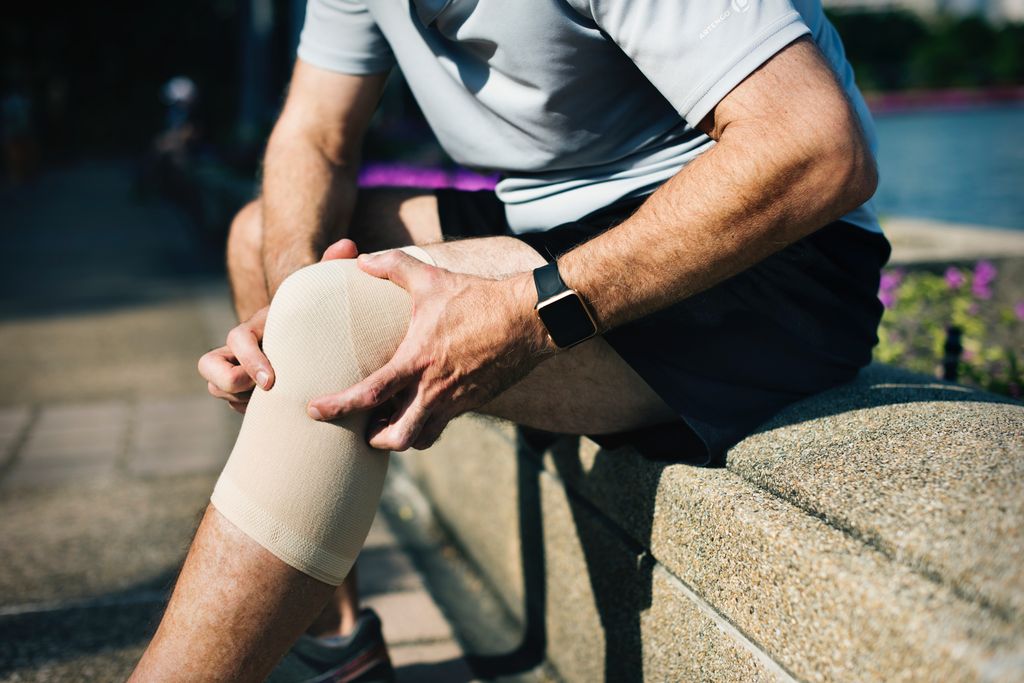
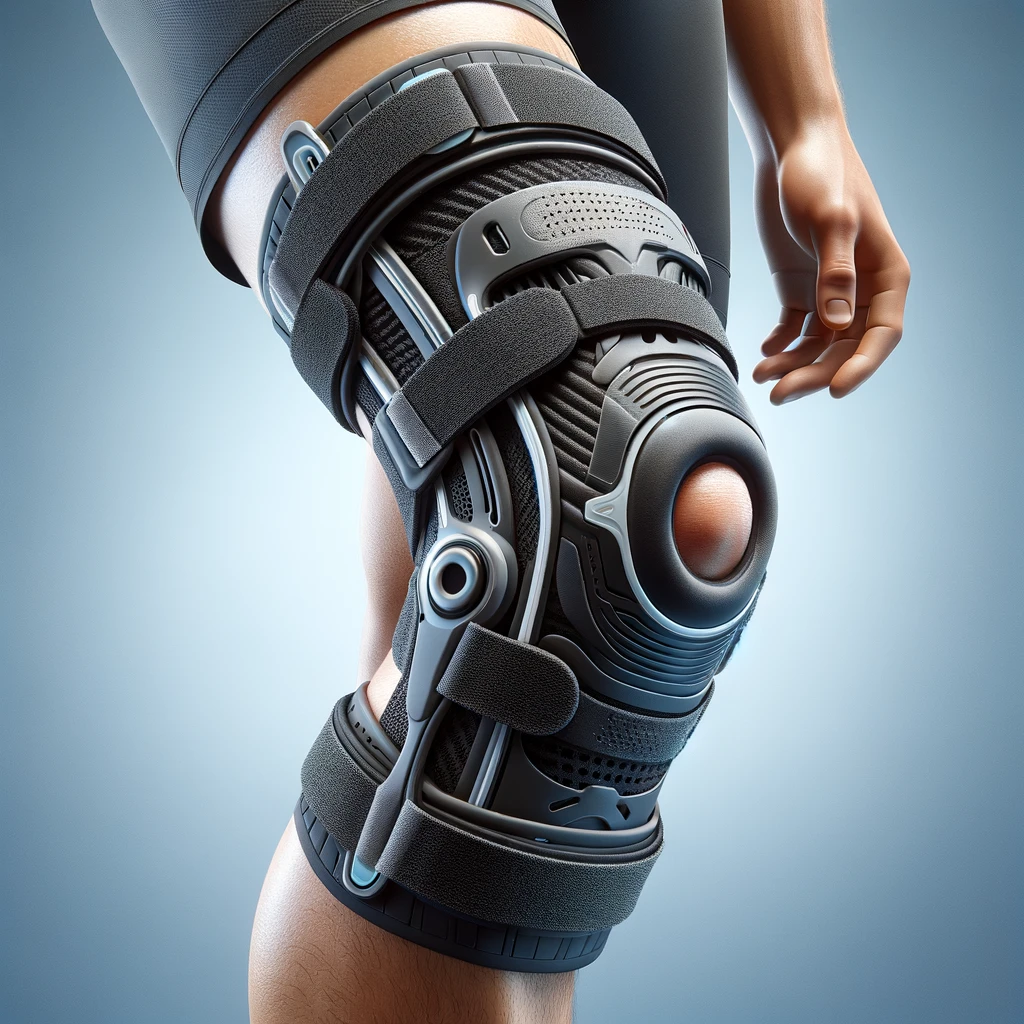
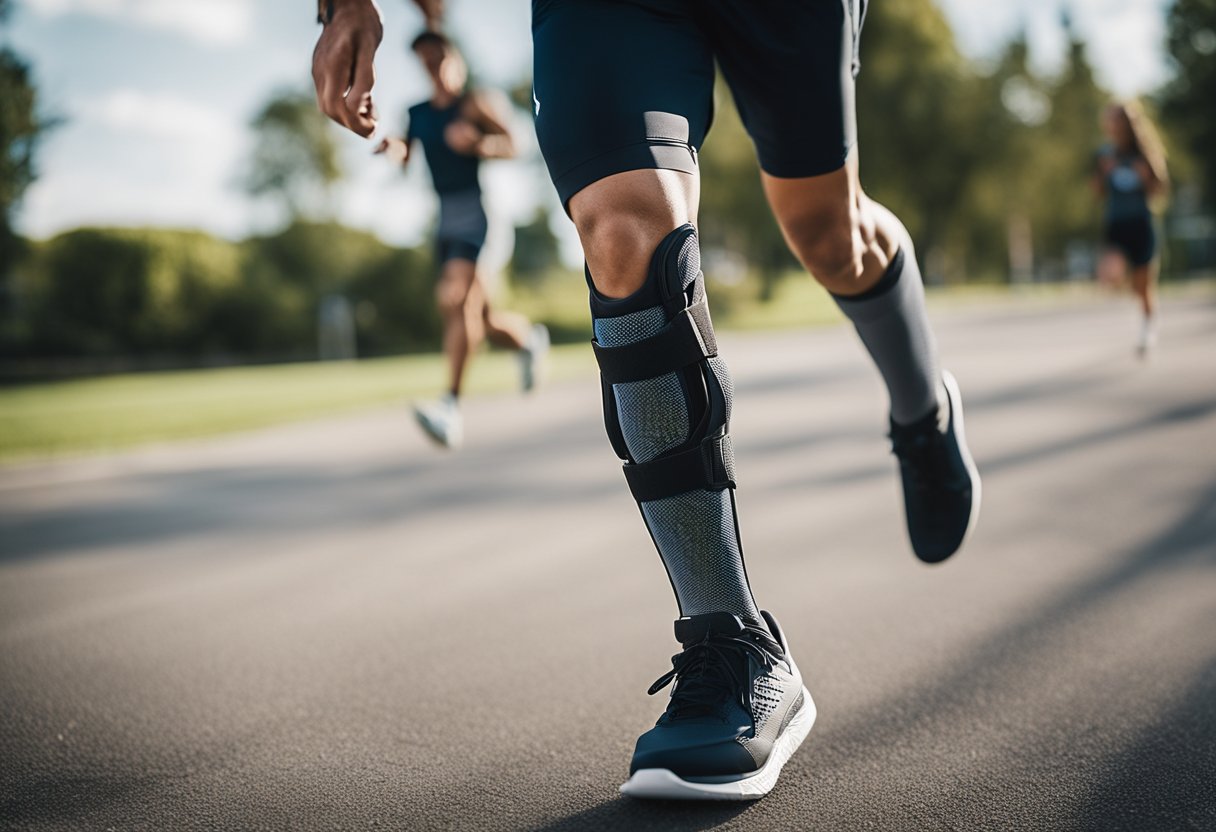
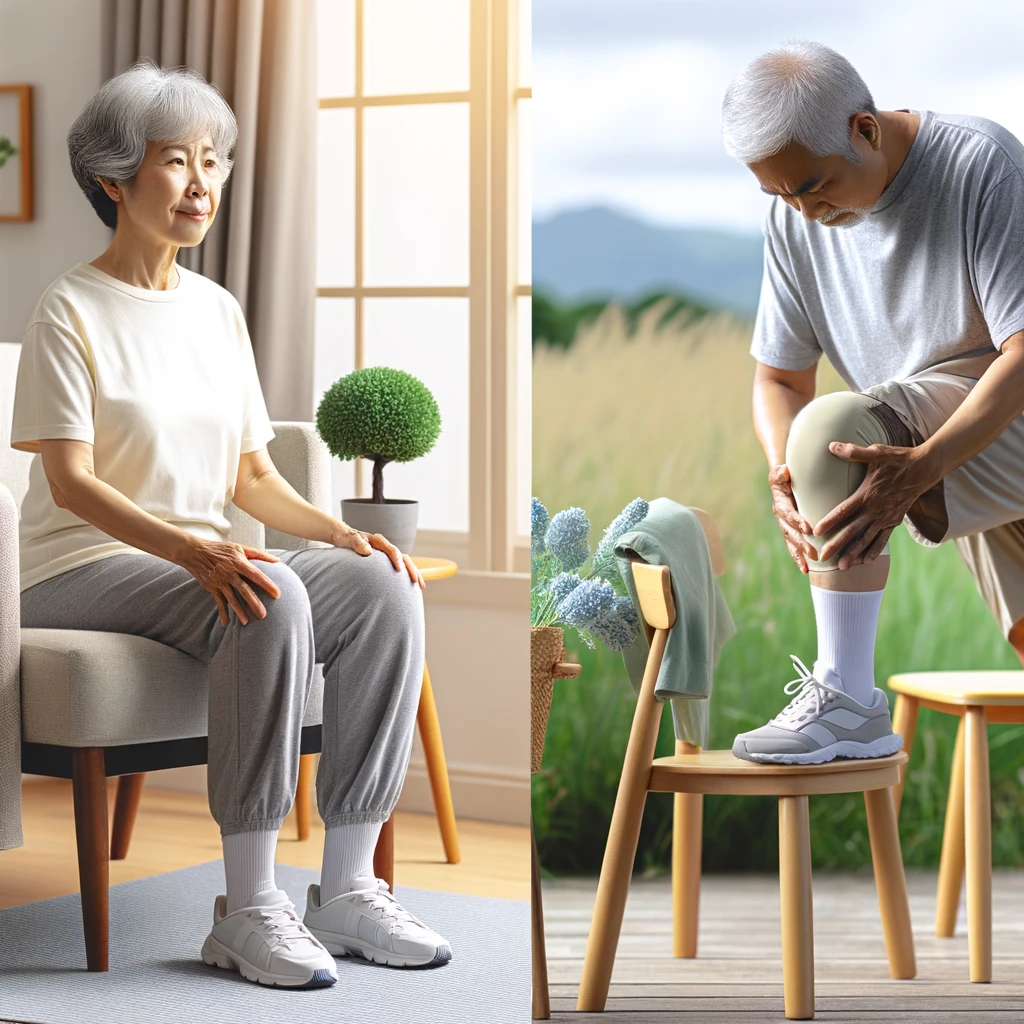
Knee pain is a pervasive issue that affects individuals across all age groups, whether stemming from injury, arthritis, or overuse. By comprehending the underlying causes of knee pain, you can more effectively manage symptoms and make informed decisions about treatment options. This comprehensive guide will delve into the intricacies of knee pain, providing you with valuable insights and practical solutions to improve your quality of life.
Common Causes of Knee Pain
Knee pain can originate from various sources, each with its unique characteristics and implications. Let’s explore some of the most prevalent causes:
Injuries
Injuries are among the most frequent culprits of knee pain, particularly in athletes and physically active individuals. These can include:
Fractures: Breaks in the bones that form the knee joint, often resulting from high-impact trauma.
Sprains: Overstretching or tearing of ligaments, commonly affecting the anterior cruciate ligament (ACL) or medial collateral ligament (MCL).
Torn ligaments: Complete ruptures of ligaments, such as the ACL, which can severely compromise knee stability.
Such injuries typically occur due to accidents, falls, or participation in high-impact sports like football, basketball, or skiing.
Arthritis
Arthritis is a broad term encompassing various conditions that cause joint inflammation. The two most common types affecting the knee are:
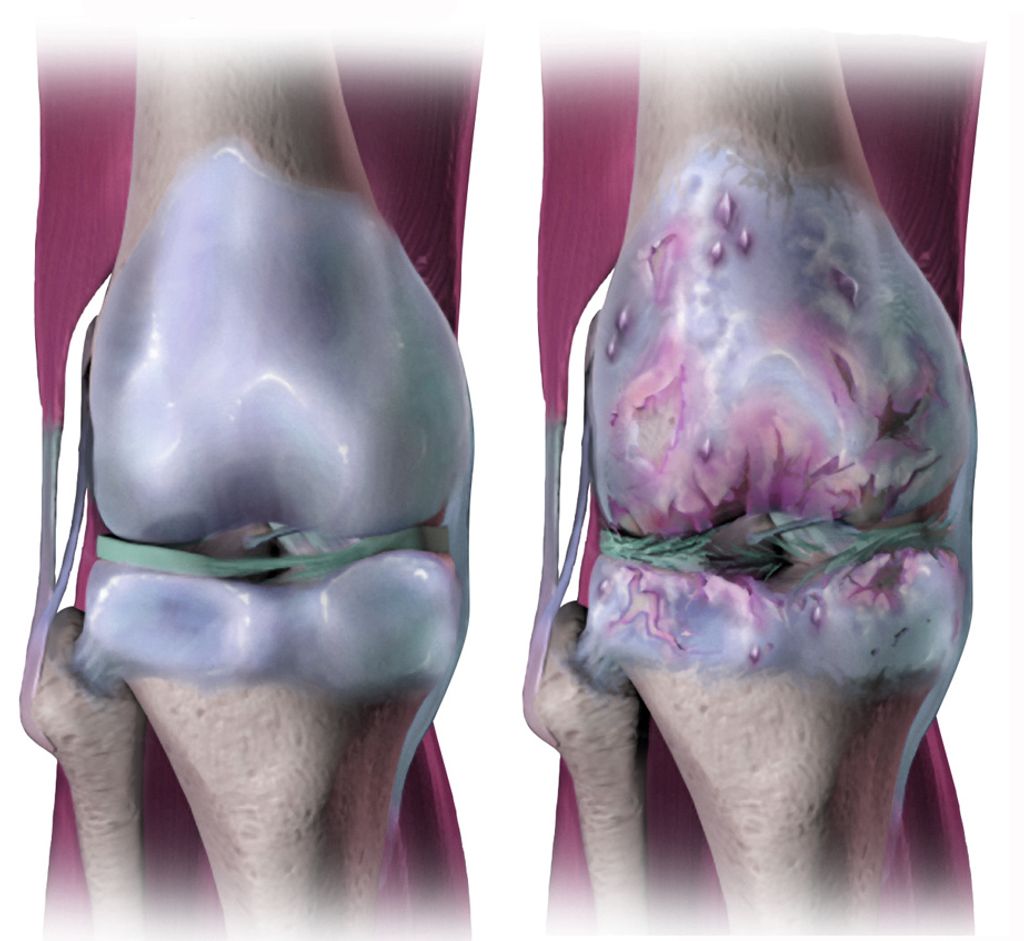
Osteoarthritis (OA): A degenerative condition that gradually wears down the cartilage cushioning the joint surfaces. OA is often associated with aging and repetitive stress on the joint.
Rheumatoid Arthritis (RA): An autoimmune disorder where the body’s immune system mistakenly attacks the joint tissues, leading to inflammation, pain, and potential joint deformity.
Show Image
Overuse and Tendonitis
Repetitive stress on the knee joint can lead to overuse injuries and conditions such as tendonitis. Common examples include:
Runner’s knee: Pain around the kneecap (patella) often experienced by runners and cyclists.
Jumper’s knee: Inflammation of the patellar tendon, frequently seen in athletes involved in jumping sports.
Iliotibial (IT) band syndrome: Irritation of the IT band, a thick tissue that runs from the hip to the knee, common in long-distance runners.
Symptoms of Knee Pain
Knee pain manifests in various ways, depending on the underlying cause. Recognizing these symptoms is crucial for proper diagnosis and treatment. Here are the most common signs to watch for:
Swelling and Stiffness
Inflammation around the knee joint can lead to noticeable swelling and stiffness. This can make it challenging to bend or straighten the knee fully. Swelling may be localized to a specific area or affect the entire knee joint.
Redness and Warmth
In cases of acute inflammation or infection, the knee may appear red and feel warm to the touch. This is often accompanied by increased pain and tenderness.
Instability or Weakness
A sensation of the knee “giving out” or feeling unstable is often associated with ligament injuries or advanced stages of arthritis. This instability can significantly impact your ability to walk, climb stairs, or engage in physical activities.
Pain Patterns
The nature and location of knee pain can provide valuable clues about its underlying cause:
Sharp, localized pain: Often indicative of a meniscus tear or ligament injury.
Dull, aching pain: Commonly associated with osteoarthritis or overuse injuries.
Pain behind the kneecap: Typically seen in cases of patellofemoral pain syndrome or chondromalacia patella.
Pain when climbing stairs: Often experienced by individuals with osteoarthritis or patellar tendonitis.
Show Image
Treatment Options for Knee Pain
The approach to treating knee pain varies depending on the severity and underlying cause of the condition. Here are some effective treatment strategies:
Conservative Treatments
Rest, Ice, Compression, and Elevation (RICE)
For mild injuries or cases of overuse, the RICE method can be highly effective in alleviating pain and reducing swelling:
Rest: Avoid activities that exacerbate the pain and give your knee time to heal.
Ice: Apply cold packs to the affected area for 15-20 minutes at a time, several times a day.
Compression: Use an elastic bandage to provide support and reduce swelling.
Elevation: Keep your leg elevated above heart level when resting to minimize fluid accumulation.
Physical Therapy
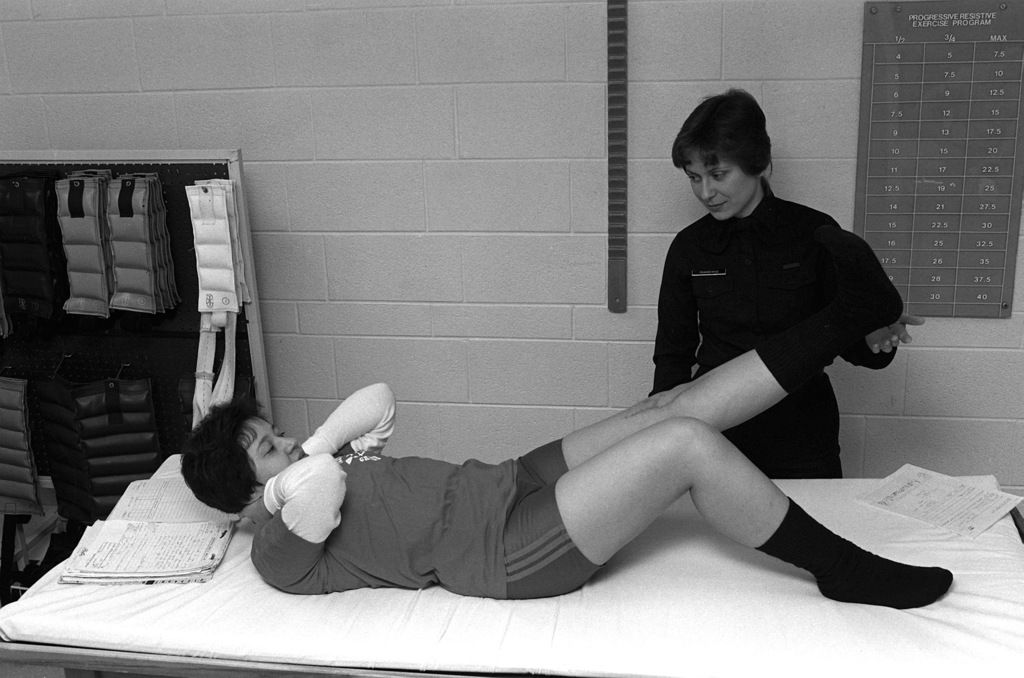
Physical therapy plays a crucial role in managing chronic knee pain and recovering from injuries. A tailored exercise program can:
Strengthen the muscles supporting the knee joint, particularly the quadriceps and hamstrings.
Improve flexibility and range of motion.
Enhance overall knee stability and function.
Reduce pressure on the joint through proper biomechanics.
Medications
Various medications can help manage knee pain and inflammation:
Over-the-counter pain relievers: Nonsteroidal anti-inflammatory drugs (NSAIDs) like ibuprofen or naproxen can reduce pain and inflammation.
Acetaminophen: Effective for pain relief without addressing inflammation.
Topical medications: Creams or gels containing NSAIDs or capsaicin can provide localized pain relief.
For more severe cases, prescription medications may be necessary:
Stronger NSAIDs
Corticosteroid injections for rapid inflammation reduction
Hyaluronic acid injections to improve joint lubrication in osteoarthritis cases
Surgical Interventions
When conservative treatments fail to provide adequate relief, surgical options may be considered:
Arthroscopy: A minimally invasive procedure to diagnose and treat various knee conditions.
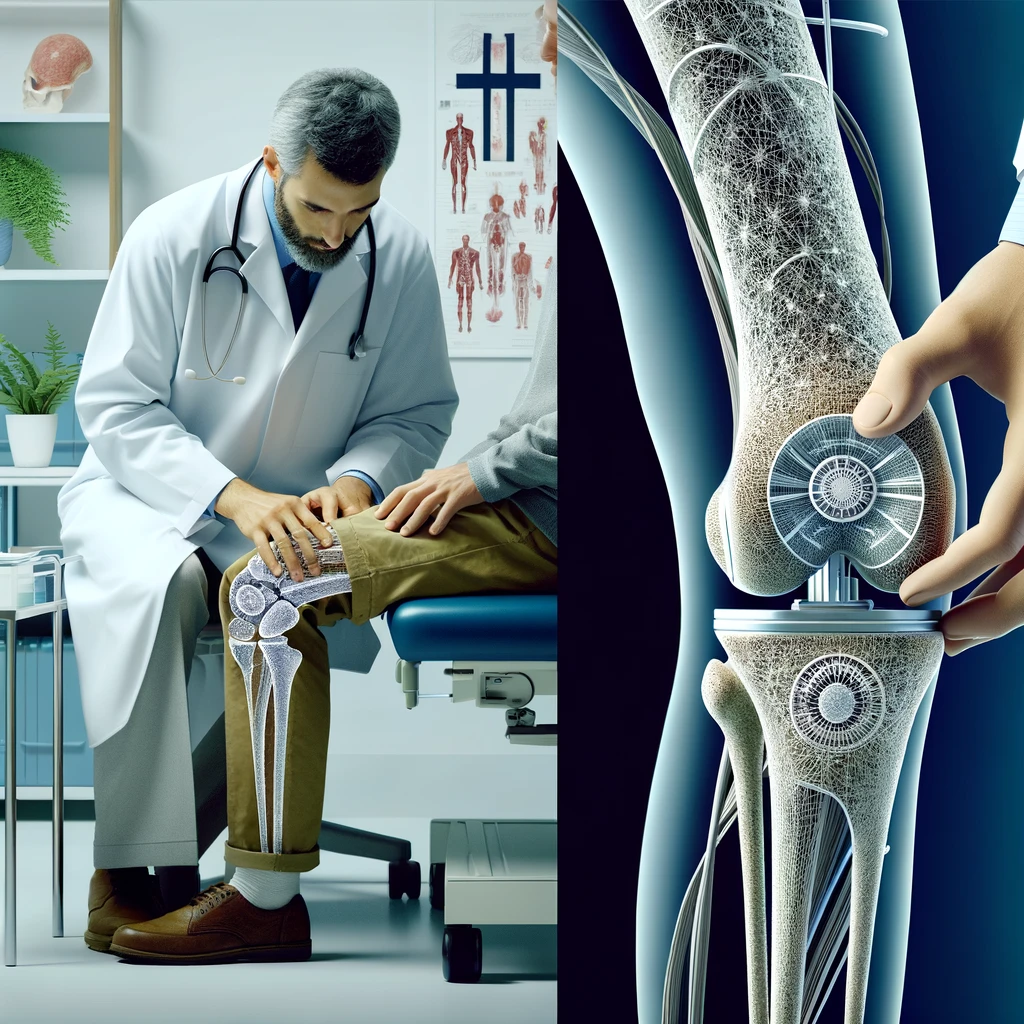
Partial or total knee replacement: For severe cases of osteoarthritis or significant joint damage.
Ligament reconstruction: To repair or replace damaged ligaments, such as in ACL tears.
Show Image
Preventing Knee Pain
Prevention is key to maintaining healthy knees and avoiding future problems. Here are some essential tips:
Maintain a healthy weight: Excess weight puts additional stress on your knee joints, increasing the risk of osteoarthritis and other knee problems.
Strengthen your leg muscles: Focus on exercises that target your quadriceps, hamstrings, and calf muscles to provide better support for your knees.
Wear proper footwear: Choose shoes that provide adequate support and cushioning, especially during physical activities.
Warm up and cool down: Before and after exercise, perform gentle stretches to improve flexibility and reduce the risk of injury.
Use proper technique: When engaging in sports or physical activities, ensure you’re using correct form to minimize stress on your knees.
Cross-train: Vary your exercise routine to avoid overuse injuries and strengthen different muscle groups.
Listen to your body: If you experience persistent knee pain, don’t ignore it. Seek medical advice to prevent the condition from worsening.
Effectiveness of Treatment Options
To help you understand the potential benefits of various treatment approaches, we’ve compiled two tables comparing their effectiveness:
Knee pain doesn’t have to dictate your life. Whether you’re dealing with a minor sprain or chronic arthritis, there are solutions available to help you regain your mobility and enjoy a pain-free life. Remember, early intervention is key to preventing long-term complications and achieving the best possible outcomes.
By understanding the causes of knee pain, recognizing its symptoms, and exploring various treatment options, you’re taking the first step towards better knee health. Don’t let knee pain hold you back from the activities you love or impact your quality of life.
Ready to Say Goodbye to Knee Pain?
The journey to a pain-free life starts with a single step. Don’t wait any longer to reclaim your mobility and well-being. Whether your goal is to return to your favorite sport, enjoy leisurely walks, or simply move through your day without discomfort, now is the time to act.
Take charge of your knee health by scheduling a consultation with a healthcare provider or physical therapist. They can assess your specific condition, provide an accurate diagnosis, and develop a personalized treatment plan tailored to your needs and goals.
Remember, every journey begins with a single step. Make that step today towards a future free from knee pain. Your knees have supported you throughout your life – now it’s time to give them the care and attention they deserve.
Act now, and open the door to a world of improved mobility, reduced pain, and enhanced quality of life. Your knees – and your future self – will thank you!
Medial and lateral meniscus injuries are common orthopedic conditions that can significantly impact an individual’s mobility and quality of life. Understanding the anatomy, causes, symptoms, diagnosis, and treatment options for these injuries is crucial for effective management and recovery. This comprehensive guide provides insights into the structure, function, and management of medial and lateral meniscus injuries, offering valuable information for both patients and healthcare professionals.
Key Takeaways
Medial and lateral meniscus injuries can result from traumatic events, degenerative changes, and sports-related activities.
Common symptoms of meniscus injuries include pain, swelling, stiffness, and limited range of motion in the knee joint.
Physical examination and diagnostic imaging, such as MRI, are essential for accurate diagnosis of meniscus injuries.
Conservative treatment methods, including rest, ice, compression, and elevation (RICE), are often effective for managing mild meniscus injuries.
Surgical interventions, such as meniscectomy or meniscus repair, may be necessary for severe meniscus injuries, followed by rehabilitation and recovery programs.
Anatomy of the Medial and Lateral Meniscus
Structure of the Medial Meniscus
The medial meniscus is a C-shaped structure that provides stability to the knee joint. It is composed of fibrocartilage and is thicker along the outer edge, tapering towards the inner edge. The main function of the medial meniscus is to distribute load and absorb shock within the knee joint. Here is a brief overview of the structural differences between the medial and lateral meniscus:
Property
Medial Meniscus
Lateral Meniscus
Shape
C-shaped
O-shaped
Attachment
Strongly attached to the joint capsule and medial collateral ligament
Loosely attached to the joint capsule and lateral collateral ligament
Blood Supply
Poor blood supply
Rich blood supply
Mobility
Less mobile
More mobile
These structural variances contribute to the differential vulnerability of the medial and lateral meniscus to injuries. It is important to consider these differences when evaluating and treating meniscus injuries.
Structure of the Lateral Meniscus
We turn our attention to the lateral meniscus, which, unlike its medial counterpart, is more circular in shape and covers a larger portion of the tibial plateau. This unique shape allows for greater mobility and a wider range of motion, which is crucial given its role in the complex mechanics of the knee joint.
The lateral meniscus is also distinct in its attachment to the joint capsule and the popliteus tendon, which provides stability during knee movements. It’s important to note that the lateral meniscus is less firmly attached to the tibial plateau compared to the medial meniscus, making it somewhat more flexible but also potentially more susceptible to certain types of injuries.
Key differences between the medial and lateral meniscus:
Shape: The lateral meniscus is more circular.
Coverage: It covers a larger portion of the tibial plateau.
Mobility: Offers greater mobility and a wider range of motion.
Attachments: Connected to the joint capsule and the popliteus tendon.
Tip: When assessing for meniscus injuries, it’s crucial to consider the unique anatomical features of the lateral meniscus to accurately diagnose and treat the condition.
Function of the Medial and Lateral Meniscus
We understand the menisci to be crucial for the proper functioning of the knee joint. The primary role of both the medial and lateral meniscus is to distribute load across the knee, providing stability and reducing the stress on the articular cartilage. They act as shock absorbers, evenly dispersing the weight of the body during activities such as walking, running, and jumping.
The menisci also contribute to joint lubrication and nutrition of the articular cartilage. They facilitate the smooth movement of the femur over the tibia and play a role in proprioception, helping us sense the position and movement of the knee. This sensory feedback is essential for maintaining balance and coordinating complex movements.
Load Distribution: The menisci spread out compressive forces over a larger area, minimizing peak stress on articular surfaces.
Shock Absorption: They absorb and dissipate the forces generated during impact activities.
Joint Lubrication: Menisci aid in the distribution of synovial fluid, which lubricates the knee joint.
Proprioception: They provide sensory feedback for joint position and movement.
Tip: Preserving the integrity of the menisci is vital for long-term knee health. Avoiding activities that put excessive strain on the knee can help prevent meniscus injuries.
Causes of Medial and Lateral Meniscus Injuries
Traumatic Injuries
Traumatic injuries to the meniscus are often the result of sudden, forceful twisting or hyperextension of the knee joint. These injuries commonly occur during activities that involve rapid changes in direction, such as pivoting or sudden stops. Additionally, direct impact to the knee, especially when the foot is planted, can also lead to traumatic meniscus injuries. It’s important to note that athletes involved in sports that require quick, dynamic movements are particularly susceptible to these types of injuries.
When considering the causes of traumatic meniscus injuries, it’s essential to recognize the potential risk factors associated with certain activities. For instance, sports like basketball, soccer, and tennis, which involve frequent pivoting and cutting maneuvers, pose a higher risk for traumatic meniscus injuries. Understanding these risk factors can aid in injury prevention and the development of targeted rehabilitation programs.
It’s crucial to seek prompt medical attention if a traumatic meniscus injury is suspected, as early diagnosis and intervention can significantly impact the prognosis and recovery process.
Tip: Proper warm-up exercises and conditioning routines can help reduce the risk of traumatic meniscus injuries during physical activities.
Degenerative Changes
Degenerative changes in the meniscus are often associated with aging and long-term wear and tear on the knee joint. These changes can lead to a gradual breakdown of the meniscus tissue, resulting in increased susceptibility to injury. One important study found that individuals with degenerative meniscal tears had a higher risk of developing osteoarthritis in the affected knee. This underscores the significance of early detection and appropriate management of degenerative changes in the meniscus.
Implement a table for presenting structured, quantitative data. Ensure it’s succinct and formatted correctly in Markdown.
Use a bulleted or numbered list for less structured content, like steps, qualitative points, or a series of related items.
It is crucial to emphasize the role of preventive measures and lifestyle modifications in minimizing the progression of degenerative changes in the meniscus. Regular exercise, maintaining a healthy weight, and avoiding activities that place excessive stress on the knee joint can significantly reduce the risk of degenerative meniscus injuries.
Sports-Related Injuries
In our exploration of meniscus injuries, we recognize that athletes frequently encounter these issues due to the high demands placed on their knees. Activities that involve twisting, pivoting, or sudden stops and starts are particularly notorious for causing meniscus tears. For instance, sports such as basketball, football, and soccer see a higher incidence of these injuries.
The following list outlines common sports that may lead to meniscus injuries:
Basketball
Football
Soccer
Tennis
Skiing
Volleyball
We must emphasize the importance of proper technique and preventive measures in sports to mitigate the risk of meniscus injuries. Prevention strategies include strength training, flexibility exercises, and using proper equipment. It’s also crucial for athletes to be aware of their body’s signals and to seek timely medical advice when experiencing knee pain or discomfort.
Tip: Always warm up before engaging in sports and cool down afterwards to reduce the risk of meniscus and other types of injuries.
Symptoms and Diagnosis of Meniscus Injuries
Common Symptoms
After experiencing discomfort or pain in the knee, we may notice swelling and tenderness in the joint. Additionally, we might feel a sensation of locking or catching in the knee during movement. It is important to pay attention to any changes in the knee’s range of motion, as this can indicate a potential meniscus injury. We should also be aware of any clicking or popping sounds that occur during knee movement. These symptoms, when present, may warrant further examination and diagnostic testing to confirm the diagnosis of a meniscus injury.
Physical Examination
During the physical examination, we assess the knee’s range of motion, stability, and any signs of tenderness or swelling. Specific maneuvers, such as the McMurray test, are performed to evaluate the integrity of the menisci. This test involves bending, straightening, and rotating the knee to elicit pain or a clicking sound, which may indicate a meniscus tear.
We also look for joint line tenderness, which is pain along the joint where the meniscus is located. The assessment of the knee might include comparing it to the uninjured knee to identify discrepancies in structure or function. It’s crucial to note that while these tests can be highly indicative of a meniscus injury, they are not definitive without corroborating diagnostic imaging.
Tip: Always report any discomfort experienced during the examination to the clinician, as this can provide valuable information regarding the location and severity of the injury.
Diagnostic Imaging
After the diagnostic imaging, we carefully analyze the results to identify any abnormalities or damage to the meniscus. This may involve assessing the size, shape, and location of any tears or lesions. In some cases, a MRI scan may be used to provide detailed images of the meniscus and surrounding structures. Additionally, we consider the patient’s reported symptoms and medical history to form a comprehensive diagnosis.
Diagnostic Imaging Results:
Type of Imaging
Findings
X-ray
Normal
MRI
Tear in medial meniscus
It is important to note that accurate diagnosis is crucial for determining the most effective treatment plan. Therefore, thorough evaluation of both the symptoms and diagnostic imaging results is essential for guiding the next steps in the management of meniscus injuries.
Treatment Options for Meniscus Injuries
Conservative Treatment
In our approach to treating meniscus injuries, we often begin with conservative treatment options. These are designed to alleviate pain, reduce inflammation, and promote healing without the need for surgical intervention. The cornerstone of conservative treatment is rest, which allows the injured meniscus time to recover. Patients are advised to avoid activities that exacerbate the injury, particularly those that involve twisting or over-flexing the knee.
Physical therapy plays a pivotal role in conservative treatment, focusing on exercises that strengthen the muscles around the knee, thereby providing better support and stability to the joint. It’s important to follow a structured therapy program tailored to the individual’s specific condition and recovery goals.
In addition to rest and physical therapy, other conservative measures include:
The use of nonsteroidal anti-inflammatory drugs (NSAIDs) to manage pain and inflammation
Application of ice to reduce swelling
Compression bandages to provide support
Elevation of the leg to decrease fluid accumulation
Tip: Consistent application of conservative treatments is crucial for effective recovery. Patients should adhere to the prescribed regimen and communicate regularly with their healthcare provider to monitor progress and make necessary adjustments.
Surgical Interventions
When conservative treatments for meniscus injuries fail to provide relief, we often consider surgical interventions. The primary goal is to preserve as much of the meniscus as possible, promoting long-term joint health and function. There are two main types of surgical procedures: meniscectomy, where damaged meniscal tissue is removed, and meniscus repair, where the tear is sutured.
Meniscectomy is often performed arthroscopically and is less invasive, with quicker recovery times. However, it may lead to an increased risk of osteoarthritis in the long term.
Meniscus repair, on the other hand, aims to maintain meniscal integrity and is preferred when the tear is repairable. Recovery from meniscus repair is typically longer, as the meniscus needs time to heal.
It is crucial to tailor the surgical approach to the individual patient, considering factors such as the type of tear, the patient’s age, activity level, and overall knee health.
We must also be mindful of the rising surgery rates and the limitations of current treatments, especially in the context of early osteoarthritis post-knee trauma. This underscores the importance of ongoing research and development in this field.
Rehabilitation and Recovery
Following surgical intervention for meniscus injuries, we emphasize the importance of a structured rehabilitation and recovery process. This phase is crucial for restoring knee function, improving strength, and ensuring a safe return to daily activities or sports. Our approach to rehabilitation includes a variety of exercises tailored to each patient’s specific needs and recovery goals.
The initial stages of rehabilitation focus on reducing inflammation and pain, followed by gradual progression to exercises that enhance knee stability and mobility. We advocate for a multidisciplinary approach, often involving physical therapists, to guide patients through their recovery journey. The use of technology, such as the Curovate physiotherapy app, can complement traditional therapy by providing additional support with strength exercises, knee range measurement, and access to educational resources.
Tip: Always adhere to the prescribed rehabilitation protocol and communicate regularly with your healthcare provider to monitor progress and adjust the plan as necessary.
It’s imperative to understand that recovery timelines can vary significantly among individuals. Factors such as the extent of the injury, the type of surgical intervention, and the patient’s adherence to the rehabilitation program all play a role in determining the duration and success of the recovery.
Conclusion
In conclusion, the complexities of medial and lateral meniscus injuries necessitate a thorough understanding of their anatomical structure, biomechanical function, and diagnostic approaches. The management of these injuries requires a multidisciplinary approach, involving orthopedic specialists, physical therapists, and sports medicine professionals. Early diagnosis and intervention are crucial in preventing long-term complications and promoting optimal recovery. Further research and advancements in treatment modalities are essential to enhance the outcomes for individuals affected by these debilitating injuries.
Frequently Asked Questions
What are the common causes of medial and lateral meniscus injuries?
Common causes include traumatic injuries, degenerative changes, and sports-related injuries.
How are meniscus injuries diagnosed?
Meniscus injuries are diagnosed through physical examination and diagnostic imaging such as MRI or X-ray.
What are the conservative treatment options for meniscus injuries?
Conservative treatment options include rest, ice, compression, elevation (RICE), physical therapy, and non-steroidal anti-inflammatory drugs (NSAIDs).
When is surgical intervention necessary for meniscus injuries?
Surgical intervention is necessary for severe meniscus tears that do not respond to conservative treatment or for cases where the meniscus is causing mechanical symptoms.
How long does it take to recover from meniscus surgery?
Recovery time varies depending on the type of surgery and the individual patient, but it generally takes several weeks to months for full recovery.
Can meniscus injuries lead to long-term complications?
Yes, untreated meniscus injuries can lead to long-term complications such as chronic pain, instability, and increased risk of developing osteoarthritis.
Living with osteoarthritis (OA) in the knee can be challenging, but there are coping strategies that can help improve quality of life. From pain management techniques to lifestyle adjustments, individuals with OA knee can find ways to manage their symptoms and maintain an active and fulfilling life.
Key Takeaways
Maintain a healthy weight to reduce pressure on the knee joints.
Regular exercise, including low-impact activities, can help strengthen the muscles around the knee.
Incorporating anti-inflammatory foods into your diet can help reduce inflammation and manage OA symptoms.
Seek emotional support from family, friends, or support groups to cope with the emotional impact of OA knee.
Explore assistive devices and adaptive living techniques to make daily activities easier and reduce strain on the knee joints.
Understanding Osteoarthritis (OA) Knee
An Overview of Osteoarthritis
Osteoarthritis (OA) of the knee is a degenerative joint disease that affects millions of people worldwide. The condition is characterized by the breakdown of cartilage in the knee joint, leading to pain, stiffness, and reduced mobility. Early diagnosis and intervention are crucial in managing OA knee effectively. Research shows that exercise and weight management play a significant role in slowing the progression of OA knee.
Risk Factor
Prevalence (%)
Age
45
Gender
55
It’s important to note that OA knee is more prevalent in older adults, with a higher incidence in women than in men. Understanding the risk factors and taking proactive measures can help individuals better manage the impact of OA knee on their daily lives.
Tip: Engaging in low-impact exercises such as swimming or cycling can help improve joint flexibility and reduce pain in OA knee.
Symptoms of OA Knee
Living with osteoarthritis (OA) knee can present a range of challenges and discomforts. It’s important to be aware of the common symptoms, which may include joint pain, stiffness, and reduced range of motion. These symptoms can impact our daily activities and overall quality of life. Understanding and recognizing these symptoms is crucial for effective management and treatment of OA knee. Here’s a brief overview of the common symptoms:
Diagnosis and Assessment
After suspecting osteoarthritis in the knee, we turn to a combination of clinical assessment and imaging techniques to confirm the diagnosis. A thorough medical history and physical examination are the first steps. We look for hallmark symptoms such as joint stiffness, especially in the morning, and a decrease in the range of motion.
Diagnostic imaging is crucial. The most common method is an X-ray, which can reveal joint space narrowing, osteophytes, and other characteristic changes of OA. In some cases, an MRI may be necessary to assess the soft tissues and cartilage. Here’s a simplified breakdown of the assessment process:
Medical history review
Physical examination
X-ray imaging
MRI if required
Remember, early diagnosis can lead to more effective management of OA knee. It’s important to consult a healthcare professional if you experience persistent knee pain or stiffness.
Managing Pain and Discomfort
Pain Management Techniques
Managing pain and discomfort in osteoarthritis (OA) knee is crucial for improving quality of life. Pain management techniques such as hot and cold therapy, and over-the-counter pain relievers can provide relief. Additionally, physical therapy and exercise play a vital role in strengthening the knee and reducing pain. It’s important to use assistive devices and support to minimize strain on the knee during daily activities.
When considering pain management techniques, it’s helpful to track progress and outcomes. The following table provides a summary of common pain management techniques and their effectiveness:
Technique
Effectiveness
Hot and Cold Therapy
High
Over-the-counter Meds
Moderate
Physical Therapy
High
Exercise
Moderate
In addition to these techniques, it’s important to maintain a healthy lifestyle and seek professional guidance for personalized pain management strategies.
It’s essential to consult with a healthcare professional before starting any new pain management regimen to ensure safety and effectiveness.
Physical Therapy and Exercise
Physical therapy and exercise play a crucial role in managing osteoarthritis knee pain. Regular physical therapy sessions can help improve flexibility, strength, and range of motion in the affected knee joint. Additionally, engaging in low-impact exercises such as swimming, cycling, and walking can alleviate pain and reduce stiffness. It’s important to maintain a consistent exercise routine to experience long-term benefits. Here’s a brief overview of our recommended exercise routine:
Exercise Type
Frequency
Duration
Stretching
3-5 times a week
10-15 mins
Strength Training
2-3 times a week
20-30 mins
Aerobic Exercise
3-5 times a week
20-30 mins
Incorporating these exercises into your daily routine can significantly improve joint function and reduce discomfort. Remember to consult with a physical therapist or healthcare professional before starting any new exercise program.
It’s important to listen to your body and adjust the intensity and duration of exercises based on your comfort level. Pushing too hard can lead to increased pain and potential injury. Be mindful of any discomfort and modify your routine accordingly.
Assistive Devices and Support
In our journey to manage osteoarthritis of the knee, we often turn to assistive devices to alleviate pain and enhance mobility. These devices range from simple supports to sophisticated equipment designed to reduce stress on the joints.
Braces and sleeves are commonly used to provide stability and compression, which can help control swelling. For those of us who find walking challenging, canes or walkers become invaluable tools for maintaining independence. Here’s a list of commonly used assistive devices:
Knee braces or sleeves
Canes or walking sticks
Walkers or rollators
Shoe insoles or orthotics
It’s important to consult with a healthcare professional to determine the most suitable device for your needs. They can provide guidance on proper use and fitting, which is crucial for effectiveness and safety.
Tip: Regularly inspect your assistive devices for signs of wear and tear to ensure they continue to provide the necessary support.
Lifestyle Adjustments and Coping Strategies
Diet and Nutrition
In our journey to manage osteoarthritis (OA) knee, diet and nutrition play a crucial role in supporting our overall well-being. We aim to maintain a balanced and nutritious diet to help manage inflammation and promote joint health. This includes consuming foods rich in antioxidants, such as colorful fruits and vegetables, and incorporating omega-3 fatty acids from sources like fish and nuts.
Additionally, we prioritize the intake of vitamin D and calcium to support bone health and strength. These nutrients can be obtained from dairy products, fortified cereals, and supplements, as recommended by our healthcare provider.
To ensure we are meeting our nutritional needs, we keep track of our daily food intake and make adjustments as needed. This may involve consulting with a registered dietitian to create a personalized meal plan that aligns with our dietary preferences and health goals.
Tip: When making dietary changes, it’s important to consult with a healthcare professional to ensure that our nutritional choices are well-suited for managing OA knee and supporting our overall health.
Adaptive Living Techniques
Living with osteoarthritis requires adaptation and resilience. We must make adjustments to our daily routines and living spaces to accommodate the challenges posed by OA knee. Simple modifications such as using a shower chair or installing handrails can greatly improve safety and comfort. Additionally, maintaining a healthy and balanced diet is crucial for managing weight and reducing inflammation. Here are some key dietary recommendations for individuals with OA knee:
Nutrient
Recommendation
Omega-3 fatty acids
Increase intake through fish, flaxseeds, and walnuts
Antioxidants
Consume plenty of fruits and vegetables rich in vitamins C and E
It’s important to remember that small changes can have a big impact on our well-being. Embracing these adjustments can help us maintain independence and improve our overall quality of life. As we navigate the challenges of OA knee, it’s essential to stay informed and seek support from healthcare professionals and community resources.
Emotional Well-being
Emotional well-being is a crucial aspect of living with osteoarthritis. It is important to acknowledge the emotional impact of the condition and seek support when needed. Engaging in activities that bring joy and practicing mindfulness can help improve emotional well-being. Additionally, maintaining open and honest communication with loved ones can provide a sense of comfort and understanding.
Support Systems and Resources
Community Support Groups
After connecting with community support groups, we have found that sharing experiences and learning from others who are going through similar challenges can be incredibly beneficial. These groups provide a safe space for us to discuss concerns, seek advice, and offer support to fellow members. We have also discovered valuable resources and information through these groups, which have helped us better understand and manage our condition.
Medical and Healthcare Services
As we navigate the complexities of managing osteoarthritis, access to medical and healthcare services becomes crucial. These services encompass a wide range of treatments, from medication management to surgical interventions. It’s important to maintain regular communication with our healthcare providers to ensure that our treatment plan is tailored to our specific needs. Additionally, staying informed about the latest advancements in OA knee care can empower us to make well-informed decisions about our health.
When seeking medical and healthcare services, it’s beneficial to consider the following factors:
Factor
Consideration
Accessibility
Proximity to home, transportation options
Insurance Coverage
In-network providers, coverage for treatments
Specialist Referral
Access to orthopedic specialists and rheumatologists
By prioritizing these considerations, we can optimize our access to the care we need. Remember, our well-being is our top priority, and seeking the right medical and healthcare services is a proactive step in managing our OA knee effectively.
Financial and Legal Assistance
After exploring the various avenues for financial and legal assistance, we understand the importance of seeking out the right support systems. This may include community support groups, medical and healthcare services, and other resources that can provide valuable assistance. We have found that connecting with others who understand our challenges can be incredibly beneficial. Additionally, accessing medical and healthcare services that specialize in osteoarthritis can significantly improve our quality of life. We have also discovered that there are financial and legal assistance programs available to help navigate the complexities of managing OA knee. These programs can provide guidance and support in dealing with insurance, legal matters, and financial planning. We encourage everyone to explore these resources and take advantage of the support systems available to us.
Conclusion
In conclusion, living with Osteoarthritis (OA) Knee presents numerous challenges that require resilience and adaptability. By implementing effective coping strategies and seeking appropriate medical care, individuals can improve their quality of life and manage the impact of OA on daily activities. It is essential for healthcare professionals and individuals alike to work together in addressing the multifaceted nature of OA, with a focus on holistic well-being and long-term management.
Frequently Asked Questions
What are the common symptoms of OA Knee?
Common symptoms of OA Knee include pain, stiffness, swelling, and limited range of motion in the knee joint.
How is OA Knee diagnosed?
OA Knee is diagnosed through a combination of physical examination, medical history review, imaging tests (X-rays, MRI), and sometimes joint fluid analysis.
What are some effective pain management techniques for OA Knee?
Effective pain management techniques for OA Knee include medications, hot/cold therapy, acupuncture, and transcutaneous electrical nerve stimulation (TENS).
What types of exercises are beneficial for OA Knee?
Low-impact exercises such as walking, swimming, and cycling are beneficial for OA Knee. Strengthening exercises for the muscles around the knee also help improve stability and function.
How can diet and nutrition impact OA Knee?
A balanced diet with anti-inflammatory foods such as fruits, vegetables, whole grains, and healthy fats can help reduce inflammation and manage OA Knee symptoms.
Are there support groups for individuals with OA Knee?
Yes, there are support groups and communities specifically for individuals living with OA Knee. These groups provide a platform for sharing experiences, receiving emotional support, and learning coping strategies.
After undergoing knee replacement surgery, patients experience a significant recovery process and must be aware of potential complications and long-term impacts on mobility and functionality. Understanding the post-surgery rehabilitation plan, managing pain and discomfort, and engaging in physical therapy and exercise are crucial aspects of the recovery process. Additionally, patients need to be prepared for potential complications such as infection and implant-related concerns. Long-term impact on mobility and functionality requires assessment of mobility and range of motion, adapting to changes in daily routine, and making lifestyle modifications for improved functionality.
Key Takeaways
Follow the post-surgery rehabilitation plan diligently to ensure a smooth recovery.
Stay proactive in managing pain and discomfort during the recovery process.
Consistent participation in physical therapy and exercise is essential for regaining strength and mobility.
Be vigilant about infection prevention and seek prompt medical attention for any concerns.
Assess mobility and range of motion regularly and make necessary lifestyle modifications for improved functionality.
Recovery Process After Knee Replacement Surgery
Understanding the Post-Surgery Rehabilitation Plan
Following knee replacement surgery, we must embrace a structured rehabilitation plan to ensure optimal recovery. The plan typically unfolds in phases, beginning with initial healing and gradually progressing to more active rehabilitation.
Initial Phase: Focus on wound care, pain management, and gentle range-of-motion exercises.
Intermediate Phase: Transition to weight-bearing exercises and strengthening activities.
Advanced Phase: Incorporate functional training to return to daily activities.
It’s crucial to adhere to the prescribed timeline and not rush the process. Overzealous efforts can lead to setbacks, as we’ve observed in some cases around the 10-week mark when the physical therapy load increases. Patience and consistency are key to a successful recovery.
Tip: Always communicate with your healthcare provider about any concerns or unusual symptoms during your rehabilitation. Their guidance is essential in navigating the recovery journey.
Managing Pain and Discomfort
After knee replacement surgery, managing pain and discomfort is a crucial aspect of the recovery process. Our rehabilitation plan includes a combination of medication, physical therapy, and rest to ensure that we can cope with any discomfort effectively. Additionally, we are advised to keep track of our pain levels and report any significant changes to our healthcare provider. This proactive approach allows us to address any issues promptly and ensure a smooth recovery. In some cases, over-the-counter solutions and exercises may also be recommended to alleviate minor discomfort and promote healing. It’s important to follow the guidance of our healthcare team to achieve the best outcomes in managing post-surgery pain and discomfort.
Physical Therapy and Exercise Regimen
After completing the prescribed physical therapy and exercise regimen, we must continue to prioritize movement and strength-building. This includes regular walks, gentle stretching, and low-impact exercises. Additionally, we should maintain a balanced diet to support the healing process. It’s important to gradually increase the intensity and duration of physical activities, while being mindful of any discomfort or pain. We should also track progress and discuss any concerns with the healthcare team.
Returning to Daily Activities
As we navigate the journey of recovery, returning to daily activities marks a significant milestone. It’s essential to approach this phase with patience and a structured plan. Initially, activities should be reintroduced gradually to avoid overexertion and to monitor the knee’s response to new stresses.
Start with light tasks such as walking around the house.
Progress to more demanding activities like climbing stairs or light gardening.
Ensure to balance activity with rest to prevent swelling and pain.
Tip: Always listen to your body and communicate with your healthcare provider about any concerns during this transition.
After knee replacement surgery, infection prevention is a critical aspect of our recovery journey. We are committed to following the prescribed antibiotic regimen and maintaining proper wound care to minimize the risk of infection. Additionally, we are vigilant about recognizing any signs of infection, such as redness, swelling, or increased pain, and promptly reporting them to our healthcare provider. Our proactive approach to infection prevention is essential for ensuring a successful recovery.
Implant-Related Concerns
When considering knee replacement surgery, we must be cognizant of the potential concerns related to the implant itself. The longevity of the implant is a primary consideration, as it directly affects the need for future revision surgeries. We strive to ensure that the materials used are of the highest quality and compatibility with the body to minimize the risk of adverse reactions.
Implant loosening and wear are complications that can arise over time. These issues may lead to pain, instability, and the need for additional surgery. We monitor our patients closely for signs of these complications through regular follow-ups and imaging studies.
Implant Loosening
Wear and Tear
Infection Risk
Allergic Reactions
Tip: Regular check-ups and being attentive to changes in knee function can help in early detection of implant-related issues, potentially avoiding more complex procedures in the future.
It is also important to discuss the possibility of metal sensitivity or allergic reactions, although rare, with your healthcare provider. By understanding these risks, we can better prepare for and manage any complications that may arise, ensuring a smoother recovery and long-term success.
Recovery Challenges and Solutions
As we navigate the recovery journey after knee replacement surgery, we encounter various challenges that require tailored solutions. One of the most common hurdles is adhering to the rehabilitation schedule, which can be demanding and time-consuming. To address this, we recommend establishing a routine that integrates the prescribed exercises into daily life.
Another significant challenge is the psychological impact of a prolonged recovery period. It’s essential to maintain a positive outlook and set realistic expectations. Support from family, friends, and healthcare professionals plays a pivotal role in overcoming these mental barriers.
Tip: Consistency is key in recovery. Even on difficult days, try to complete at least a portion of your rehabilitation exercises.
For those who may struggle with mobility or access to physical therapy facilities, technology offers a solution. Apps like Curovate provide support with strength exercises, knee range measurement, and virtual sessions, helping to bridge the gap when in-person therapy isn’t feasible.
Lastly, we must be vigilant about potential setbacks. Monitoring for signs of infection or complications with the implant is crucial. If any issues arise, prompt communication with your healthcare provider can prevent further complications.
Long-Term Impact on Mobility and Functionality
Assessment of Mobility and Range of Motion
After undergoing knee replacement surgery, we focus on evaluating the patient’s mobility and range of motion as these are critical indicators of the surgery’s success. Initial assessments are typically conducted within the first few days post-operation, and subsequent evaluations are scheduled regularly throughout the recovery period.
Range of motion exercises are integral to regaining knee function. We encourage patients to engage in these exercises daily, as they play a vital role in restoring flexibility and strength. The following table outlines a typical range of motion progression post-surgery:
Week
Flexion (Bending)
Extension (Straightening)
1
0-70 degrees
0-10 degrees
2
0-90 degrees
0-5 degrees
4
0-110 degrees
0 degrees
6
0-120 degrees
0 degrees
Tip: Consistency in performing range of motion exercises is key to a successful recovery. It’s important not to rush the process and to follow the guidance of your physical therapist.
We also track the patient’s ability to perform daily activities, as this reflects their functional mobility. A gradual return to activities such as walking, climbing stairs, and driving is anticipated, with milestones set to mark progress. We remain mindful of the individual’s pain levels and adjust the rehabilitation plan accordingly.
Adapting to Changes in Daily Routine
After knee replacement surgery, we must be prepared to adapt our daily routines to accommodate our new physical limitations and promote healing. Simple tasks may require more time or different approaches. For instance, we may need to use assistive devices for mobility or modify our living spaces to reduce the risk of falls.
Prioritize safety in daily activities to prevent strain on the new joint.
Gradually reintroduce activities to monitor the knee’s response.
Seek advice from healthcare professionals on safe practices.
Tip: Always listen to your body and avoid pushing beyond comfort levels, as this could hinder recovery.
We should also consider the use of digital platforms like SaveTrainer, which offer adaptable exercise programs. These can be particularly beneficial in providing structured guidance during our rehabilitation process.
Lifestyle Modifications for Improved Functionality
After undergoing knee replacement surgery, adapting to changes in daily routine becomes essential for our long-term mobility and functionality. This may involve making adjustments to our home environment, such as installing handrails or ramps, to ensure a safe and accessible living space. Additionally, incorporating regular low-impact exercises, such as swimming or cycling, into our daily routine can help maintain joint flexibility and muscle strength.
Furthermore, it is important to maintain a healthy body weight to reduce stress on the replaced knee joint. This can be achieved through a balanced diet and regular physical activity. Our healthcare provider can provide personalized recommendations for diet and exercise based on our specific needs and medical history.
For individuals who are considering returning to work or resuming recreational activities, it is advisable to discuss any concerns or limitations with our healthcare team. They can offer guidance on gradually reintegrating into these activities while minimizing the risk of strain or injury to the replaced knee joint.
It is important to remember that each person’s experience and recovery process may vary, so it is crucial to communicate openly with our healthcare provider and seek their guidance throughout the post-surgery rehabilitation journey.
Conclusion
In conclusion, life after knee replacement surgery is a journey of recovery and adaptation. Patients can expect to experience a gradual improvement in mobility and a reduction in pain. It is important to follow the post-operative care instructions provided by healthcare professionals and to engage in regular physical therapy. With patience and perseverance, individuals can regain their quality of life and resume their daily activities. Optimism and a positive mindset play a crucial role in the rehabilitation process, and it is essential for patients to maintain open communication with their healthcare team. While challenges may arise, the overall outlook for life after knee replacement is one of hope and restored function.
Frequently Asked Questions
How long does it take to fully recover after knee replacement surgery?
The full recovery time can vary, but most people experience significant improvement within 3 to 6 months after surgery. It may take up to a year to fully regain strength and mobility.
What are the common challenges during the post-surgery rehabilitation process?
Common challenges include stiffness, swelling, and discomfort. Adhering to the rehabilitation plan and following the guidance of healthcare professionals can help manage these challenges effectively.
Are there specific exercises that should be avoided after knee replacement surgery?
While individual recommendations may vary, high-impact activities such as running and jumping should generally be avoided. It’s essential to consult with a healthcare provider to determine the most suitable exercise regimen.
What are the signs of a potential infection after knee replacement surgery?
Signs of infection may include increased pain, redness, warmth, or swelling around the incision site, as well as fever. Promptly reporting any concerning symptoms to a healthcare provider is crucial.
How can I improve my mobility and range of motion after knee replacement surgery?
Following the prescribed physical therapy exercises, maintaining a healthy weight, and incorporating low-impact activities can help improve mobility and range of motion. Consistent adherence to the recommended regimen is key.
What lifestyle modifications can help enhance functionality after knee replacement surgery?
Implementing ergonomic changes at home, using assistive devices as needed, and incorporating joint-friendly activities into daily routines can contribute to improved functionality and comfort.
Knee pain can be a debilitating condition that can affect people of all ages. It can be caused by a variety of factors, including injury, overuse, and medical conditions such as arthritis. While there are many treatments available for knee pain, prevention is always the best course of action.
At its core, knee pain prevention involves taking care of your knees and avoiding activities that put undue stress on them. This can include maintaining a healthy weight, wearing appropriate footwear, and engaging in exercises that strengthen the muscles around the knee joint. By taking these steps, you can reduce your risk of developing knee pain and keep your knees healthy and strong.
In this article, we will explore some of the best ways to prevent knee pain and keep your knees healthy. We will discuss the causes of knee pain, as well as some of the most effective preventive strategies and treatments. Whether you are an athlete or simply looking to maintain your overall health and wellness, this article will provide you with the information you need to keep your knees in top condition.
Key Takeaways
Knee pain can be prevented by taking care of your knees and avoiding activities that put undue stress on them.
Maintaining a healthy weight, wearing appropriate footwear, and engaging in exercises that strengthen the muscles around the knee joint are effective preventive strategies.
If you do experience knee pain, there are many treatments available, including physical therapy, medication, and surgery.
Understanding Knee Pain and Its Causes
As we age, our bodies undergo changes that can lead to knee pain. Knee pain can also be caused by injury, arthritis, and other medical conditions. In this section, we will discuss the anatomy of the knee, common causes of knee pain, and risk factors for knee-related injuries.
Anatomy of the Knee
The knee joint is made up of bones, cartilage, tendons, and ligaments. The bones of the knee joint are the femur, tibia, and patella. The cartilage in the knee joint cushions the bones and helps them move smoothly. The tendons connect the muscles to the bones, and the ligaments connect the bones to each other.
Common Causes of Knee Pain
Knee pain can be caused by a variety of factors, including injury, arthritis, and other medical conditions. Some of the most common causes of knee pain include:
Osteoarthritis: a degenerative joint disease that can cause pain, stiffness, and swelling in the knee joint.
Rheumatoid arthritis: an autoimmune disease that can cause pain, stiffness, and swelling in the knee joint.
Bursitis: inflammation of the bursae, small sacs of fluid that cushion the knee joint.
Tendinitis: inflammation of the tendons that attach muscles to bones.
Risk Factors for Knee-Related Injuries
Certain factors can increase your risk of knee-related injuries. These include:
Aging: as we age, the cartilage in our knee joints can wear down, making us more susceptible to injury.
Overweight: excess weight puts extra stress on the knee joint, increasing the risk of injury.
Inflammation: chronic inflammation in the body can increase the risk of knee-related injuries.
Previous knee injuries: if you have had a previous knee injury, you may be more likely to experience knee pain or injury in the future.
Types of arthritis: certain types of arthritis, such as osteoarthritis and rheumatoid arthritis, can increase the risk of knee pain and injury.
Joint damage: damage to the knee joint from injury or medical conditions can increase the risk of knee pain and injury.
By understanding the anatomy of the knee, common causes of knee pain, and risk factors for knee-related injuries, we can take steps to prevent knee pain and injury.
Preventive Strategies and Treatments
At some point in our lives, most of us will experience knee pain. However, there are several preventive strategies and treatments that can help alleviate the discomfort and reduce the risk of further injury. In this section, we will explore some of the most effective strategies and treatments for preventing knee pain.
Exercise and Physical Therapy
One of the most effective ways to prevent knee pain is through regular exercise and physical therapy. Strengthening the muscles that support the knee joint can help improve flexibility, balance, and overall joint stability. This can be achieved through a variety of exercises, including low-impact activities such as swimming, walking, and yoga. Physical therapy may also be recommended by a doctor or physical therapist to help improve knee function and range of motion.
Proper Techniques and Equipment
Proper techniques and equipment can also play a significant role in preventing knee pain. For example, using the correct footwear can help reduce the impact on the knee joint during physical activity. Additionally, using proper form when performing exercises can help reduce the risk of injury and improve overall joint function.
Medical Interventions
In some cases, medical interventions may be necessary to prevent or treat knee pain. This can include the use of braces or other supportive devices, medication such as NSAIDs or anti-inflammatory drugs, or injections to reduce inflammation and pain. In more severe cases, arthroscopic surgery or knee replacement surgery may be necessary to restore knee function and reduce pain.
RICE Method
The RICE method (Rest, Ice, Compression, Elevation) is a commonly recommended treatment for acute knee injuries. This involves resting the knee, applying ice to reduce swelling, using compression to reduce inflammation, and elevating the leg to improve blood flow and reduce pain.
In conclusion, there are several effective strategies and treatments for preventing and treating knee pain. By incorporating regular exercise, proper techniques and equipment, and medical interventions as necessary, we can reduce the risk of injury, improve overall joint function, and alleviate discomfort.
Frequently Asked Questions
What exercises can strengthen my knees to prevent injuries during sports?
To prevent knee injuries during sports, it is essential to strengthen the muscles around the knee joint. Exercises such as squats, lunges, leg presses, and step-ups can help build strength in the quadriceps, hamstrings, and glutes. Additionally, exercises that focus on balance and stability, such as single-leg deadlifts, can help improve knee stability and reduce the risk of injury.
What are the best walking practices to minimize knee discomfort?
Walking is a low-impact exercise that can help improve knee function and reduce discomfort. To minimize knee discomfort while walking, it is important to wear comfortable, supportive shoes and to maintain good posture. Additionally, walking on flat, even surfaces can help reduce strain on the knee joint.
Are there specific knee pain considerations for women, and how can they be addressed?
Women are more likely than men to experience knee pain due to hormonal changes, differences in anatomy, and higher rates of certain conditions such as osteoporosis and rheumatoid arthritis. To address knee pain in women, it is important to maintain a healthy weight, engage in regular exercise, and seek medical treatment for underlying conditions.
Which foods exacerbate knee pain and should be avoided?
Certain foods can exacerbate knee pain, including those high in sugar, salt, and saturated fats. Additionally, processed foods and those containing additives and preservatives may contribute to inflammation and joint pain. To reduce knee pain, it is important to maintain a healthy, balanced diet that includes plenty of fruits, vegetables, lean protein, and whole grains.
What physiotherapy exercises are recommended for alleviating knee pain?
Physiotherapy exercises can help alleviate knee pain by improving flexibility, strength, and range of motion. Exercises such as leg lifts, wall sits, and hamstring stretches can help build strength and flexibility in the muscles around the knee joint. Additionally, low-impact exercises such as swimming and cycling can help improve knee function and reduce pain.
What is the most common mistake that worsens knee conditions and how can it be avoided?
One of the most common mistakes that worsens knee conditions is overuse and repetitive strain. To avoid worsening knee conditions, it is important to engage in low-impact exercise, take breaks when necessary, and avoid activities that cause pain or discomfort. Additionally, seeking medical treatment early on can help prevent further damage to the knee joint.
Hypermobile knees can be a challenging condition to manage, but with the right approach, individuals can find relief and improve their mobility. Understanding the causes, symptoms, and management strategies for hypermobile knees is essential for those dealing with this condition. In this article, we will explore the key aspects of hypermobile knees and provide valuable tips and exercises for managing this condition effectively.
Key Takeaways
Regular low-impact exercises can help strengthen the muscles around the knee joint.
Maintaining a healthy weight can reduce stress on hypermobile knees and minimize discomfort.
Using supportive footwear and orthotic inserts can provide stability and reduce the risk of injury.
Physical therapy can be beneficial in improving knee stability and function for individuals with hypermobile knees.
Practicing proper body mechanics and avoiding activities that strain the knee joint can help prevent exacerbation of hypermobile knees.
Understanding Hypermobile Knees
Defining Hypermobile Knees
Hypermobile knees, also known as knee hypermobility, refer to a condition where the knee joint has an excessive range of motion. This can lead to instability and increased risk of injury. It’s important to note that hypermobile knees can vary in severity, with some individuals experiencing mild symptoms while others may face more significant challenges. Understanding the implications of hypermobility is crucial for effective management and prevention of complications.
In some cases, hypermobile knees can be associated with specific conditions such as Ehlers-Danlos syndrome or other connective tissue disorders. These underlying factors contribute to the hypermobility and may require specialized treatment approaches. It’s essential to consider the broader context of hypermobile knees and their potential impact on overall musculoskeletal health.
When assessing hypermobile knees, healthcare professionals may use a variety of diagnostic measures, including physical examinations and imaging studies. These assessments help determine the extent of hypermobility and guide the development of personalized treatment plans. Additionally, individuals with hypermobile knees may benefit from collaborating with a multidisciplinary team to address the complex nature of this condition.
It’s important to recognize that managing hypermobile knees involves a comprehensive approach that encompasses both physical and rehabilitative strategies. This may include targeted exercises, protective measures, and specialized interventions to optimize knee function and minimize the risk of complications.
Causes of Hypermobile Knees
Hypermobile knees can be caused by a variety of factors, including genetics, joint laxity, and connective tissue disorders. Understanding these underlying causes is crucial for developing effective management strategies. While genetics play a significant role, environmental factors and lifestyle choices can also contribute to the development of hypermobile knees. It’s important to consider these factors when addressing the condition.
Symptoms of Hypermobile Knees
Hypermobile knees can cause a range of discomforts and challenges, affecting our daily activities and overall quality of life. It’s important to be mindful of the subtle signs that may indicate hypermobility in the knees, such as increased flexibility and a tendency for joint instability. Understanding these symptoms can help us take proactive steps to manage and strengthen our knees.
Managing Hypermobile Knees
Exercises for Strengthening the Knee
As we focus on strengthening the knee, it’s important to approach these exercises with caution and mindfulness. Balance and stability are key components in our approach to addressing hypermobile knees. We recommend starting with low-impact exercises and gradually increasing intensity to avoid exacerbating knee instability.
To guide your exercise routine, consider the following structured approach:
Exercise Type
Repetitions
Sets
Leg Raises
15
3
Hamstring Curls
12
3
Quadriceps Raises
12
3
Remember, it’s essential to consult with a healthcare professional before beginning any new exercise regimen. Additionally, maintaining proper form and alignment during these exercises is crucial for preventing injury and promoting knee stability.
Tip: Focus on controlled movements and avoid overextending the knee joint during these exercises. This will help build strength and stability without compromising the knee’s integrity.
Tips for Protecting Hypermobile Knees
When it comes to protecting our hypermobile knees, awareness and precaution are key. We must be mindful of our movements and avoid sudden, jarring actions that could strain the knee joint. Additionally, maintaining a healthy weight can alleviate pressure on the knees, reducing the risk of injury. It’s also important to choose supportive footwear that provides stability and cushioning for the knees. Lastly, incorporating low-impact exercises into our routine can help strengthen the muscles around the knee, providing added support and stability.
Physical Therapy for Hypermobile Knees
When it comes to managing hypermobile knees, physical therapy plays a crucial role in our treatment plan. Through personalized care and targeted exercises, we can address the specific challenges posed by hypermobility. In addition to strengthening the muscles around the knee, physical therapy can also help alleviate pain and discomfort, promoting recovery and enabling us to continue our daily activities. Our physical therapist will work closely with us to develop a tailored program that meets our unique needs and supports our journey to improved knee stability and function. It’s important to stay committed to our physical therapy regimen to achieve the best outcomes.
Conclusion
In conclusion, managing hypermobile knees requires a combination of strengthening exercises, stability training, and proper alignment to improve joint function and reduce the risk of injury. By incorporating these tips and exercises into your routine, you can effectively address the challenges associated with hypermobility and promote long-term knee health.
Frequently Asked Questions
What are hypermobile knees?
Hypermobile knees refer to knees that have an excessive range of motion, making them more prone to injury and instability.
What causes hypermobile knees?
Hypermobile knees can be caused by genetics, ligament laxity, or previous knee injuries.
What are the symptoms of hypermobile knees?
Symptoms may include pain, swelling, clicking or popping sounds, and a sensation of the knee giving way.
What are some exercises to strengthen hypermobile knees?
Exercises such as leg raises, squats, and lunges can help strengthen the muscles around the knee and improve stability.
How can I protect my hypermobile knees during physical activities?
Wearing supportive footwear, using knee braces, and avoiding high-impact activities can help protect hypermobile knees.
Is physical therapy beneficial for hypermobile knees?
Yes, physical therapy can help improve knee stability, reduce pain, and prevent further injury in individuals with hypermobile knees.
Experiencing knee pain? Don’t struggle in silence! In this comprehensive guide, we’ll decode your symptoms, understand diagnosis, and explore treatment options for a pain-free journey.
Introduction
Knee pain is an exceedingly common complaint, affecting nearly 1 in 4 adults in America every year. Its prevalence spans all ages – from young athletes to the elderly. Persistent knee discomfort can severely impact our mobility and quality of life.
Understanding the source and nature of knee pain provides a pathway to effective diagnosis and treatment. This guide offers clarity by unraveling the location, sensation, severity and associated symptoms that characterize knee pain. We demystify complex diagnostic techniques, illuminate common and uncommon culprits, and chart a course towards evidence-based treatment options for lasting relief.
Bolstered with tips for daily management and resources to empower your health journey, we hope to bring you one step closer to conquering knee pain. You don’t have to struggle alone – knowledge is power, and relief is possible.
1. Demystifying Knee Pain: A Symphony of Symptoms
Knee pain manifests as an intricate web of symptoms, with helpful clues embedded within its location, duration, intensity, triggers and associated manifestations. Let’s decode what your knee is trying to tell you.
a. Recognizing Acute vs Chronic Knee Pain
Acute knee pain is sudden in onset, often from injury or overuse. It usually subsides with rest and basic treatment within days or weeks. Chronic knee discomfort persists for over 3-6 months despite treatment. Understanding duration and precipitating events provides insight.
For example, acute pain after hyper-extending the knee likely indicates a ligament sprain. Conversely, chronic morning knee stiffness hints at inflammatory arthritis. Recognizing acute versus chronic is key for diagnosis.
b. Location Matters: Pinpointing Pain Regions
Knee anatomy is complex – several structures like cartilage, ligaments, tendons and bones comprise the joint. Pinpointing precise regions of knee pain helps diagnose affected structures.
Front of knee pain often indicates patellofemoral syndrome (kneecap issues) or patellar tendonitis (inflammation of the tendon connecting kneecap to shinbone).
Back of knee discomfort could signal injuries in ligaments, cartilage or the popliteal tendon. Cysts or tissue masses can also irritate this region.
Experiencing generalized sides or center knee pain? Consider joint diseases like arthritis or bursitis. Identifying regional pain is Step 1 for your doctor.
c. Intensity & Frequency: A Tale of Throbbing, Aching & Discomfort
Characterizing knee pain sensation and frequency provides more insights. Here are common descriptions:
Throbbing pain often results from inflammation or injury.
A dull ache may indicate arthritis or chronic bursitis.
Sharp, stabbing pain could signal tears, cysts or loose bodies within joint.
Occasional or frequent pain? Note pain-inducing positions or activities too.
Does pain wake you from sleep? Weightbearing activities like walking or climbing stairs can also aggravate certain knee conditions. Clearly communicating pain quality, severity and persistence guides accurate diagnoses.
d. Associated Symptoms: Swelling, Stiffness, Instability & Beyond
Knee pain seldom occurs in isolation – watch for associated red flags:
Joint swelling and warmth indicates inflammation or fluid buildup.
Stiffness upon waking up or sitting hints at arthritis.
Weakness or instability may accompany ligament tears or cartilage loss.
Limping, muscle atrophy and leg numbness warrants evaluation too.
Additionally, pay attention to fevers or unintentional weight loss alongside knee pain – this may indicate infections, autoimmune disease or rarely, bone tumors.
Lateral collateral ligament (LCL) sprain, iliotibial band syndrome
Intensity and Frequency:
Sharp, sudden pain
Injury, ligament tear, fracture
Dull, aching pain
Arthritis, overuse, tendonitis
Pain worsens with activity
Arthritis, tendinitis, bursitis
Night pain
Osteoarthritis, inflammatory arthritis
Associated Symptoms:
Swelling
Inflammation, fluid buildup, injury
Stiffness
Difficulty bending or straightening the knee
Weakness
Feeling unstable or giving way
Clicking or popping sounds
Meniscus tear, loose cartilage
Redness and warmth
Infection, gout
e. When to Seek Immediate Medical Care
While most knee pain responds well to conservative care, prompt medical assessment is key for:
Sudden, severe knee injuries causing immobility
Signs of infection like fever with joint swelling/redness
Unexplained knee pain with trauma indicators like falls
Difficulty bearing weight on leg or knee buckling
Numbness/weakness in leg
Pain unresponsive to home treatment beyond 48-72 hours
Seeking timely care prevents complications like permanent joint damage requiring extensive repair later. Don’t delay if red flags arise!
2. Unmasking the Culprit: Diagnosing the Root Cause
With a myriad potential causes for knee pain, an accurate diagnosis is crucial for effective treatment. A physician deploys an array of tools to unravel root causes, from medical history to advanced imaging. Let’s demystify this complex process.
Knee Pain Diagnoses
Diagnosis
Description
Symptoms
Treatment
Osteoarthritis: Most common type of arthritis, wearing away of cartilage
Dull aching pain, stiffness, worse with activity
Nonsteroidal anti-inflammatory drugs (NSAIDs), physical therapy, weight management, surgery
Meniscus tear: Tear in the cartilage pads
Sharp pain, swelling, locking or catching of the knee
RICE (Rest, Ice, Compression, Elevation), physical therapy, surgery
Ligament sprain: Stretching or tearing of ligaments
a. Medical History & Physical Examination: Uncovering Clues
A detailed medical history unravels duration, location and nature of knee symptoms alongside health conditions, injuries, lifestyle factors and occupational hazards.
For example, an elderly patient with chronic, progressive knee pain that worsens on activity likely has degenerative arthritis. Conversely, acute knee swelling after sports hints at traumatic injuries.
The physical exam assesses injury through range of motion tests, palpation for joint line tenderness, swelling and instability. Gait evaluation and alignment studies are conducted. Preliminary diagnoses take shape through pattern recognition.
Treatment Options for Knee Pain
Treatment
Description
Suitable for
Non-surgical:
RICE: Rest, Ice, Compression, Elevation
Reduces inflammation, swelling, and pain
Most types of knee pain
Pain medication: NSAIDs, acetaminophen
Relieves pain and inflammation
Mild to moderate pain
Physical therapy: Stretches, strengthening exercises, gait training
Improves flexibility, strength, and range of motion
Most types of knee pain
Bracing: Provides support and stability
Ligament sprains, patellofemoral pain syndrome
Injections: Corticosteroids, hyaluronic acid
Reduce inflammation and pain
Tendinitis, bursitis, osteoarthritis
Weight management: Reduces pressure on the joint
Overweight or obese individuals with knee pain
Alternative therapies: Acupuncture, massage, yoga
May provide pain relief and improve mobility
Some types of knee pain
Surgical:
Arthroscopy: Minimally invasive surgery for repairing meniscus tears, cartilage damage, and ligament tears
Meniscus tears, cartilage damage, ligament tears
Joint replacement: Replacing a damaged joint with a prosthetic one
Severe osteoarthritis, severe injuries
b. Imaging Techniques: X-Rays, MRIs & Beyond
Imaging allows visual confirmation of potential problems spotted on exam.
X-rays: Bones and joints. Can detect fractures, arthritis, tumors.
MRI scans: Complex structures like ligaments, cartilage, tendons. Ideal for injury without bone involvement.
CT scans: Detailed bone imaging for injuries, lesions and arthritis.
Tendinitis: Swelling in tendons like patellar/quadriceps due to overuse. Local pain on movement.
Bursitis: Inflamed fluid sacs (bursae) around kneecap/joints from injury/overuse. Restricted mobility.
Meniscal tears: Shock-absorbing cartilage tears causing catching/locking. Sudden onset, often with pivoting motions.
Sports injuries like anterior cruciate ligament (ACL) sprains also manifest with acute trauma. Understanding common knee troubles shapes further evaluation.
e. Less Common Causes: Cysts, Loose Bodies & Tumors
While most causes are chronic wear-and-tear or trauma, we occasionally encounter obscure diagnoses:
Plica syndrome: Irritated synovial folds in the knee joint, eliciting pain.
Loose bodies: Bone or cartilage fragments floating within joint space.
Bone infarcts: Tiny stress fractures with insidious knee discomfort, often in over 50s.
Rarely, infections, jointcrystal deposits or tumors manifest knee troubles without classical triggers. Maintaining an open yet focused diagnostic lens is key.
3. Charting the Path to Recovery: Treatment Options
Once diagnosis crystalizes treatment, we progress to evidence-based modalities spanning rest, physical therapy, injections, medications through surgery when necessary – with prevention always in focus. Let’s explore options.
a. Rest, Ice, Compression & Elevation (RICE)
The venerable RICE protocol alleviates acute sports injuries, sprains or activity-related pain. It halts further damage in the initial inflammatory phase.
Rest: Avoid reinjury from sports, pivoting or straining motions. Use crutches if critical.
Ice: Applying ice packs arrests swelling and relieves throbbing pain via vasoconstriction.
Compression: Wraps, braces or bandages compress the knee, reducing inflammation.
Elevation: Maintains blood flow away from the knee to ease swelling and discomfort.
RICE sets the stage for natural healing while allowing ramp up of mobility via therapy. Potent medicine without pills!
b. Medication Management: Over-the-Counter & Prescription Options
Oral medication in tandem with RICE relieves knee troubles. Analgesics like acetaminophen or NSAIDs (ibuprofen, naproxen) alleviate acute pain, swelling and stiffness.
Seeking stronger options for chronic inflammatory arthritis? Disease-modifying antirheumatic drugs (DMARDs) like methotrexate help minimize joint destruction over time.
For osteoarthritis, supplements like glucosamine/chondroitin provide building blocks to shore up thinning cartilage and lubricate stiff knees.
Topical anti-inflammatories, capsaicin creams or lidocaine patches offer localized relief too. Judicious medication bridges the gap during early rehab.
c. Physical Therapy: Strengthening, Stretching & Regaining Mobility
Physical therapy empowers sustainable healing via targeted exercises. It aims to:
Improve flexibility and range of motion.
Build strength and stability around joints.
Retrain proper gait and movement patterns.
Progress endurance for activities and sports.
Physiotherapy alleviates many knee troubles like osteoarthritis, injuries after ligament tears or surgery and tendinitis. It also prevents future damage through conditioning. Customized exercise is potent medicine!
d. Braces, Tapes and Assistive Devices: Focused Support
Specialized knee braces and supports aid recovery by:
Compressing and stabilizing injury sites.
Offloading pressure on damaged surfaces.
Improving joint alignment and mechanics.
Enhancing proprioception (body awareness).
Medial/lateral supports for arthritis and ACL/PCL braces for ligament tears offer structural assistance. Crutches and canes also temporarily redistribute weight from the knee. Targeted tools supplement therapy.
e. When Conservative Treatment Fails: Surgical Options
Most early knee troubles respond to conservative measures involving RICE, medications, injections or physiotherapy. But when relentless pain or loss of function persists, surgery opens doors to definitive repair.
Key indications for surgery:
Persistent instability from ligament/meniscal tears
Locking/catching with cartilage flaps, loose bodies
Significantly reduced mobility from arthritis or trauma
Failure to improve knee function through nonsurgical options
Advances in arthroscopy and fast-track surgical protocols allow low risk and minimally invasive procedures for commonly torn ACLs or meniscus injuries with faster recovery. Knee replacement surgeries reliably relieve arthritis failing other modalities too. Going under the knife is no longer the end of the road.
4. Living Well with Knee Pain: Practical Tips & Life Hacks
Alongside clinical management, self-care fosters living better with chronic knee troubles through activity modifications, strength and weight optimization. Let’s explore practical coping strategies.
a. Modifying Activity: Finding New Joy In Movement
For knees plagued by osteoarthritis, autoimmune disease or old injuries, some motions spell disaster while others offer comfort. Identifying and avoiding problematic activities allows better daily function.
Pivoting, high impact motions and excessive stair use are notorious knee offenders. Find substitutes – trade basketball for swimming or cycling, or replace stairs with ramps and grab bars through deliberate home adaptations. It’s about rediscovering movement avenues.
b. Losing Weight: Reducing Joint Load
The knee is subjected to almost 3-6 times our body weight with daily activities! Losing even 10-15 pounds makes a tangible difference through reducing force on the knees – easing the burden on joints.
Aim for gradual weight loss through calorie reduction and gentle cardio instead of crash diets and high impact exercising. Aquatic workouts and cycling are gentler complements to walking. Good nutrition and rest keeps energy levels up despite limitations!
c. Muscle Strengthening & Stretching: Building Surrounding Support
Targeted strengthening fosters stability and optimal joint mechanics. Pilates, resistance band workouts and yoga builds hip, core and quadricep control to support knees.
Daily stretching maintains flexibility and limbers up stiff, creaky joints. Gentle warm ups prevent overexertion. When pain flares, ice, rest and over-the-counter anti-inflammatories help recoup. Guided routines prevent future wear and tear.
d. Footwear & Assistive Devices: Offloading Pressure
Cushioned walking shoes with good arch support and shock absorbing soles take literal pressure off knees. Lateral wedging in shoes can stabilize varus arthritic knees.
For severe osteoarthritis, offloader knee braces redistribute up to 30% pressure from diseased cartilage preventing rapid breakdown. Canes and walkers also share the load, assisting stability. Targeted tools offer cheap mobility solutions!
e. Alternative Therapies: Finding Your Comfort Strategy
When all else fails, outside-the-box modalities sometimes deliver – scientifically or via placebo. Many patients benefit from acupuncture, massage, cryotherapy, yoga or tai chi in relieving persistent muscle tightness and knee troubles.
Topical capsaicin creams, menthol gels or CBD balms provide temporary analgesia for some as well. What works for another may fail you – but remain open to potential relief avenues before considering invasive options.
5. Empowering Your Recovery: Resources and Community Support
Despite exhaustive treatment options, living with stubborn knee troubles can feel lonely and frustrating. Connecting with others also seeking diagnosis or struggling with relentless pain provides validation, ideas and hope. Let people give you a leg up!.
a. Patient Advocacy Groups and Online Support Communities
Arthritis support groups and sports injury forums allow sharing challenges and solutions among empathetic ears. Facebook groups like “Knee Pain” or “Arthritis Warriors” connects over 15,000 members in communal griping and laughter – the sense of camaraderie uplifts many.
b. Educational Tools and Medical Apps
Reputable online resources like Arthritis Foundation, AAOS and medical center blogs provide easily digestible education on disease basics, self-care and latest treatment insights without overwhelming medical jargon.
Medical apps like KneeCare facilitate activity logging and appointments alongside providing exercise pointers – portable, searchable knowledge with personalization!
c. Finding the Right Healthcare Provider
Having a caring medical professional in your corner through diagnosis and treatment pitfalls works wonders for motivation and hope.
Seeking a “good match” patient-doctor relationship via referrals and consultations is worth the effort. Once secured, share records freely between interdisciplinary teams – from physiotherapists to rheumatologists and surgeons – to base decisions on collective wisdom.
d. Maintaining Hope and Setting Achievable Goals
Cultivating optimism is crucial when dealing with chronic pain. Set small milestones like swimming five laps or walking for five minutes daily instead of big feats that induce disappointment and despair when missed.
Focusing on things within your control prevents spiraling frustration. Pat yourself on the back for small acts of self care consistency instead of cursing worsening diagnosis or pain that ebbs and flows. Reset goals to what your body currently allows – as abilities evolve, so will your targets.
e. Final Words: You Are Not Alone in this Journey
Through this comprehensive guide on knee troubles, we hope to educate, reassure and empower you, dear reader. Arm yourself with knowledge on symptoms, gear up to navigate precise diagnosis, and judiciously explore treatment modalities catered to your unique needs – while drawing strength from communities should challenges feel overwhelming at any stage.
Relief takes immense patience, but persistence pays off. Stay vigilant, yet gentle with mind and body. We promise there is light at the end of even the darkest pain tunnel. You’ve got this!
As we age, our joints become more prone to inflammation and pain, especially in the knees. Arthritis is a common condition that affects millions of people worldwide and can cause discomfort and limited mobility. Fortunately, there are knee braces available that can help alleviate arthritis pain and provide support for the knee joint.
When looking for the best knee brace for arthritis, it’s important to consider several factors. The type of arthritis you have, the severity of your symptoms, and your lifestyle needs will all play a role in determining which knee brace is right for you. Some braces are designed to provide compression and warmth to the joint, while others are more supportive and can help redistribute pressure to reduce pain.
At the end of the day, finding the best knee brace for arthritis is a highly individualized process. It’s important to consult with a healthcare professional to determine the best course of treatment for your specific needs. However, with the right brace and treatment plan, you can find relief from knee pain and get back to doing the things you love.
Choosing the Right Knee Brace for Arthritis
When it comes to choosing the right knee brace for arthritis, there are several factors to consider. Knee braces can help provide support, reduce pain, and improve mobility. In this section, we will discuss the types of knee braces available, factors to consider when choosing a knee brace, and the materials and comfort features to look for.
Types of Knee Braces
There are several types of knee braces available, including off-the-shelf braces, custom braces, and unloader braces. Off-the-shelf braces are pre-made and come in a range of sizes and support levels. Custom braces are made to fit your specific knee shape and provide the most support. Unloader braces are designed to shift pressure away from the affected area of the knee.
Factors to Consider
When choosing a knee brace, consider the level of support you need, the size options available, and the cost. You should also consider any specific features you may need, such as side stabilizers, hinges, or open patella designs. Compression sleeves are another option to consider, as they can help improve circulation and reduce swelling.
Material and Comfort
The material and comfort of a knee brace are important factors to consider. Look for lightweight, breathable materials such as neoprene, nylon, or spandex. Mesh panels can also help improve breathability. Make sure the brace is machine washable and has adjustable velcro straps for a secure fit.
Fit and Adjustability
The fit and adjustability of a knee brace are crucial for comfort and effectiveness. Look for braces with multiple size options and adjustable straps. Some braces also have flexible side stabilizers or hinges for added support and flexibility.
In conclusion, choosing the right knee brace for arthritis depends on several factors, including the level of support needed, the size options available, and the materials and comfort features. By taking these factors into consideration, you can find a knee brace that provides the support and pain relief you need to improve your mobility and quality of life.
Effective Use and Maintenance
Wearing Your Knee Brace Safely
Wearing a knee brace can provide the necessary support to your knee joint while you engage in physical activities such as running, basketball, or other sports. To ensure that you wear your knee brace safely, it is important to follow the manufacturer’s instructions and get the right size. Wearing a brace that is too tight can cause skin irritation, while wearing one that is too loose can be ineffective in providing the necessary support.
It is also important to wear your knee brace properly. Make sure that the brace is snug around your knee joint and that it does not slip down or move around during physical activity. If you experience any discomfort or pain while wearing the brace, stop using it and consult with your doctor.
Caring for Your Knee Brace
Proper care and maintenance of your knee brace can help prolong its lifespan and effectiveness. After each use, wipe down the brace with a damp cloth to remove any sweat or moisture. If your brace is moisture-wicking, follow the manufacturer’s instructions on how to properly clean it.
Avoid exposing your brace to extreme temperatures or direct sunlight, as this can cause damage to the materials. Additionally, do not put your brace in the washing machine or dryer, as this can cause it to lose its shape and effectiveness.
When to Replace Your Brace
Over time, your knee brace may become worn out and lose its effectiveness. It is important to regularly inspect your brace for signs of wear and tear, such as frayed straps or tears in the material. If you notice any damage to your brace, it is time to replace it.
Additionally, if you have undergone surgery or have experienced a knee injury, it is important to consult with your doctor to determine if a new brace is necessary. Your doctor may recommend a different type of brace, such as a functional brace, to help prevent injury and aid in injury recovery.
At our medical supply store, we offer a variety of knee braces, including unloader knee braces, to help with knee osteoarthritis, hyperextension, meniscus tears, and tendonitis. We also offer moisture-wicking braces to help keep you comfortable during physical activity. If you have any questions about knee braces or need help finding the best knee brace for your needs, our team is here to help.
Frequently Asked Questions
How does an unloader knee brace alleviate arthritis symptoms?
An unloader knee brace is designed to shift the weight bearing load away from the affected part of the knee joint to the healthier part of the knee. This helps to reduce the pressure on the affected area, thereby alleviating the pain and discomfort caused by arthritis. The brace is designed to provide a customized fit, which ensures that the unloading force is applied to the right area of the knee.
What are the benefits of a knee brace for managing osteoarthritis?
A knee brace can help manage osteoarthritis by providing stability to the knee joint, reducing pain and swelling, and improving knee function. By providing compression and support to the knee, the brace can help reduce the risk of further damage to the joint. Additionally, the brace can help improve mobility and reduce the risk of falls, which is especially important for older adults.
Can a knee brace provide relief for rheumatoid arthritis sufferers?
While a knee brace may not provide as much relief for rheumatoid arthritis sufferers as it does for those with osteoarthritis, it can still be helpful in reducing pain and providing support to the knee joint. A knee brace can help stabilize the joint, reduce swelling, and improve mobility. However, it is important to note that rheumatoid arthritis is a more complex condition than osteoarthritis, and a knee brace may not be the most effective treatment option in all cases.
What should be considered when choosing a knee brace for an elderly individual with arthritis?
When choosing a knee brace for an elderly individual with arthritis, it is important to consider factors such as comfort, ease of use, and level of support provided. Elderly individuals may have more difficulty putting on and taking off a brace, so it is important to choose a brace that is easy to use. Additionally, a brace with adjustable straps can provide a customized fit, ensuring maximum comfort and support.
How can a knee brace help in maintaining the correct position of the kneecap?
A knee brace can help maintain the correct position of the kneecap by providing compression and support to the joint. This helps to keep the kneecap in place, reducing the risk of dislocation and minimizing pain and discomfort. A brace with patella stabilizing features can be especially helpful in maintaining the correct position of the kneecap.
Are there specific knee brace designs recommended for plus-size individuals with arthritis?
Yes, there are knee brace designs that are specifically recommended for plus-size individuals with arthritis. These braces are designed to provide a comfortable and supportive fit for individuals with larger legs. Look for braces with adjustable straps and a wide range of sizes to ensure the best fit. Additionally, braces with open patella designs can help reduce pressure on the kneecap and provide additional comfort.
Knee pain is a common condition that affects many seniors. It can be caused by a variety of factors, including aging, arthritis, and injury. Knee pain can be debilitating, making it difficult for seniors to perform everyday tasks and enjoy their favorite activities. Fortunately, there are exercises that can help alleviate knee pain and improve mobility.
At our clinic, we recommend a variety of exercises to help seniors manage knee pain. These exercises are designed to strengthen the muscles around the knee joint, improve flexibility, and reduce inflammation. They can be done at home or with the guidance of a physical therapist. It’s important to note that exercise is just one part of a comprehensive treatment plan for knee pain. Seniors should also work with their healthcare provider to address any underlying conditions that may be contributing to their knee pain.
As we age, it’s common to experience aches and pains in various parts of the body. However, knee pain can be particularly challenging, as it can limit mobility and impact overall quality of life. By incorporating targeted exercises into their daily routine, seniors can take an active role in managing their knee pain and improving their health and wellbeing.
Understanding Knee Pain in Seniors
As we age, our body undergoes changes that can lead to various health conditions, including knee pain. Knee pain can be caused by a variety of factors, including injuries, overuse, inflammation, and osteoarthritis. In this section, we will discuss the causes and risk factors of knee pain in seniors, as well as when to consult a doctor.
Causes and Risk Factors
Knee pain can be caused by a variety of factors, including injuries, overuse, inflammation, and osteoarthritis. Injuries such as meniscus tears, ligament sprains, and fractures can cause knee pain. Overuse injuries, such as tendinitis and bursitis, can also lead to knee pain. Inflammation caused by conditions such as rheumatoid arthritis can also cause knee pain.
Osteoarthritis is a common cause of knee pain in seniors. It is a degenerative joint disease that occurs when the cartilage in the knee joint wears away over time. This can lead to pain, stiffness, and swelling in the knee joint.
Aging is also a risk factor for knee pain. As we age, our bones and joints become weaker and more prone to injury and wear and tear. This can lead to conditions such as osteoarthritis and other joint problems.
When to Consult a Doctor
If you are experiencing knee pain, it is important to consult a doctor. A doctor can help you determine the cause of your knee pain and recommend appropriate treatment options. Physical therapy, rehabilitation, and medication are common treatment options for knee pain. In some cases, surgery may be necessary to repair or replace damaged knee joints.
An orthopedic surgeon or physician can provide medical advice and treatment options for knee pain. A physical therapist can also help with rehabilitation and physical therapy exercises to help improve knee function and reduce pain.
In conclusion, knee pain can be caused by a variety of factors, including injuries, overuse, inflammation, and osteoarthritis. If you are experiencing knee pain, it is important to consult a doctor to determine the cause of your pain and recommend appropriate treatment options.
Exercise Program for Knee Pain Relief
If you are experiencing knee pain, incorporating a regular exercise program can help reduce pain, improve flexibility, and increase strength. In this section, we will discuss low-impact exercises, strengthening and flexibility exercises, and exercise safety and techniques.
Low-Impact Exercises
Low-impact exercises are a great way to stay active while minimizing the stress on your knees. Some examples of low-impact exercises include cycling, swimming, water aerobics, and walking. These exercises can help improve cardiovascular health and increase range of motion without putting too much pressure on your knees.
Strengthening and Flexibility Exercises
Strengthening and flexibility exercises can help improve the muscles around your knee joint, providing more support and reducing pain. Some examples of strengthening exercises include squats, lunges, leg raises, and calf raises. For flexibility, try quadriceps, hamstring, and calf stretches. Additionally, exercises like clamshells, leg extensions, and hamstring curls can help target specific muscles like the quadriceps, hamstrings, and hip muscles.
Exercise Safety and Techniques
It’s important to warm up before any exercise program and to use proper technique to prevent injury. Stretching exercises, foam rolling, and myofascial release can help prepare your muscles for exercise. Resistance bands can also be used to add resistance to exercises like squats and lunges.
When starting an exercise program, start slowly and gradually increase the intensity and duration of your workouts. Listen to your body and stop if you experience any pain or discomfort. Always wear proper footwear and use proper technique to prevent injury.
In summary, incorporating low-impact exercises, strengthening and flexibility exercises, and proper exercise safety and techniques can help reduce knee pain and improve overall knee health.
Frequently Asked Questions
What are effective seated knee strengthening exercises for older adults?
Seated knee strengthening exercises are beneficial for seniors with knee pain who may not be able to stand for long periods. Some effective seated knee strengthening exercises include:
Seated leg extension: Lift one leg at a time and extend it straight out in front of you, hold for a few seconds, and lower it back down. Repeat with the other leg.
Seated knee lift: Sit on a chair and lift one knee up towards your chest, hold for a few seconds, and lower it back down. Repeat with the other leg.
Which exercises should be avoided when experiencing knee pain?
High-impact exercises such as running and jumping should be avoided when experiencing knee pain. Exercises that put excessive strain on the knees, such as lunges and deep squats, should also be avoided. Instead, low-impact exercises such as walking, swimming, and cycling are recommended.
How can knee osteoarthritis be managed with exercises for the elderly?
Knee osteoarthritis can be managed with exercises that focus on strengthening the muscles around the knee joint. Some effective exercises for knee osteoarthritis include:
Straight leg raises: Lie on your back and lift one leg straight up towards the ceiling, hold for a few seconds, and lower it back down. Repeat with the other leg.
Wall squats: Stand with your back against a wall and lower yourself down into a squatting position, hold for a few seconds, and stand back up.
Can you recommend knee strengthening exercises suitable for seniors to do at home?
Yes, there are many knee strengthening exercises that seniors can do at home. Some effective knee strengthening exercises for seniors include:
Step-ups: Step up onto a low step with one foot, then step back down. Repeat with the other foot.
Mini-squats: Stand with your feet shoulder-width apart and squat down slightly, hold for a few seconds, and stand back up.
What types of leg exercises are safe for seniors with knee issues?
Low-impact leg exercises such as walking, swimming, and cycling are safe for seniors with knee issues. Strength training exercises that focus on the muscles around the knee joint, such as leg curls and leg presses, can also be beneficial.
What are the best practices for walking with knee pain?
When walking with knee pain, it’s important to wear comfortable, supportive shoes and to walk on flat, even surfaces. Start with short walks and gradually increase the distance over time. Use a walking aid, such as a cane or walker, if necessary. If the pain persists, consult a doctor or physical therapist for further guidance.
As we age, our joints start to wear down, and we become more susceptible to developing arthritis. Knee arthritis, specifically, is a common condition that affects millions of people worldwide. Osteoarthritis and rheumatoid arthritis are the two most common types of knee arthritis, and they both cause joint pain, stiffness, and limited movement.
Fortunately, there are several ways to prevent knee arthritis and maintain healthy joints. First and foremost, it’s essential to stay physically active. Regular exercise helps strengthen the muscles that provide support to the knees, relieve pain and stiffness, and reduce weight gain that puts excess stress on the knees. Additionally, maintaining a healthy weight and eating a balanced diet can also help prevent knee arthritis.
Understanding Arthritis in the Knee
When it comes to preventing arthritis in the knee, it is important to first understand what arthritis is and how it affects the knee joint. Arthritis is a disease that causes inflammation in the joints, leading to pain, stiffness, and swelling. There are different types of arthritis, but the most common type that affects the knee joint is osteoarthritis.
Identifying Types and Symptoms
Osteoarthritis is a degenerative disease that occurs when the cartilage in the knee joint starts to wear away, causing the bones to rub against each other. This can lead to pain, stiffness, and swelling in the knee joint. Rheumatoid arthritis, on the other hand, is an autoimmune disease that can also affect the knee joint, causing inflammation and damage to the cartilage and bone. Symptoms of arthritis in the knee can include pain, swelling, stiffness, and limited range of motion.
Risk Factors and Causes
There are several risk factors that can increase the likelihood of developing arthritis in the knee. These include age, gender (men are more likely to develop knee arthritis than women), injury to the knee joint, obesity or excess weight, genetics, and overuse of the knee joint.
Diagnostic Procedures
If you are experiencing symptoms of arthritis in the knee, it is important to seek medical attention. Your doctor may perform a physical exam to check for swelling, tenderness, and range of motion in the knee joint. They may also order diagnostic tests such as X-rays, MRI, CT scans, or blood tests to help confirm a diagnosis of arthritis in the knee.
In summary, understanding the different types of arthritis, its symptoms, and risk factors can help in preventing arthritis in the knee. Seeking medical attention and undergoing diagnostic procedures can also help in early detection and treatment of knee arthritis.
Prevention and Management Strategies
Arthritis in the knee can be a painful and debilitating condition that can affect your mobility and quality of life. Fortunately, there are several prevention and management strategies that can help you reduce the risk of developing arthritis in your knee or manage the symptoms if you already have the condition.
Lifestyle Modifications
One of the most effective ways to prevent arthritis in the knee is to adopt a healthy lifestyle. Maintaining a healthy weight through regular exercise and a healthy diet is essential as excess weight can put extra pressure on your knee joints. A Mediterranean-style diet rich in fruits, vegetables, whole grains, lean protein, and healthy fats can help reduce inflammation and promote joint health.
Smoking is also a risk factor for developing arthritis, so quitting smoking can also help reduce the risk. Reducing stress levels through relaxation techniques such as deep breathing, meditation, and yoga can also help reduce inflammation and promote joint health.
Medical Interventions
If you are experiencing knee pain or stiffness, it is important to seek medical attention promptly. Your doctor may prescribe medication or injections to help manage the pain and inflammation associated with arthritis.
In severe cases, surgery may be necessary to repair or replace damaged knee joints. Total knee replacement is a common surgical procedure that involves replacing the damaged joint with an artificial one.
Home Remedies and Supportive Care
In addition to medical interventions, there are several home remedies and supportive care strategies that can help manage the symptoms of arthritis in the knee. Rest, ice, compression, and elevation (RICE) can help reduce pain and swelling. Heat therapy can also help reduce pain and stiffness by increasing blood flow to the affected area.
Wearing a knee brace or using a cane or walker can help reduce pressure on the knee joint and improve mobility. Stretching and strengthening exercises can also help improve flexibility, range of motion, and joint health.
In conclusion, there are several prevention and management strategies that can help reduce the risk of developing arthritis in the knee or manage the symptoms if you already have the condition. By adopting a healthy lifestyle, seeking medical attention promptly, and practicing home remedies and supportive care, we can improve our joint health and reduce the impact of arthritis on our lives.
Frequently Asked Questions
What are the early symptoms of knee arthritis to look out for?
The early symptoms of knee arthritis may include pain, stiffness, swelling, and a reduced range of motion in the affected joint. If you experience any of these symptoms, it is best to consult a doctor for a proper diagnosis and treatment plan.
What natural methods are effective in avoiding arthritis?
There are several natural methods that can be effective in avoiding arthritis, such as maintaining a healthy weight, eating a balanced diet rich in anti-inflammatory foods, and getting regular exercise. Additionally, some dietary supplements like glucosamine and chondroitin may also be helpful in preventing arthritis.
What are the primary causes of arthritis and how can it be prevented?
The primary causes of arthritis include age, genetics, and wear and tear on the joints. While some factors like age and genetics cannot be changed, there are steps you can take to prevent arthritis or slow its progression. These include maintaining a healthy weight, getting regular exercise, and avoiding injury to the joints.
How can regular exercise contribute to preventing arthritis?
Regular exercise can help prevent arthritis by strengthening the muscles and bones around the joints, improving flexibility and range of motion, and reducing inflammation in the body. Exercise can also help maintain a healthy weight, which can reduce the stress on the joints.
Which dietary supplements are recommended for arthritis prevention?
Some dietary supplements that may be helpful in preventing arthritis include glucosamine, chondroitin, omega-3 fatty acids, and vitamin D. However, it is important to speak with a doctor before taking any supplements, as they may interact with other medications or have side effects.
What are the latest advancements in treating osteoarthritis of the knee?
There are several new treatments for osteoarthritis of the knee, including platelet-rich plasma (PRP) therapy, stem cell therapy, and hyaluronic acid injections. However, more research is needed to determine the long-term effectiveness of these treatments, and they may not be covered by insurance.