
Dealing with Hypermobile Knees: Tips and Exercises
Hypermobile knees can be a challenging condition to manage, but with the right approach, individuals can find relief and improve their mobility. Understanding the causes, symptoms, and management strategies for hypermobile knees is essential for those dealing with this condition. In this article, we will explore the key aspects of hypermobile knees and provide valuable tips and exercises for managing this condition effectively.
Key Takeaways
- Regular low-impact exercises can help strengthen the muscles around the knee joint.
- Maintaining a healthy weight can reduce stress on hypermobile knees and minimize discomfort.
- Using supportive footwear and orthotic inserts can provide stability and reduce the risk of injury.
- Physical therapy can be beneficial in improving knee stability and function for individuals with hypermobile knees.
- Practicing proper body mechanics and avoiding activities that strain the knee joint can help prevent exacerbation of hypermobile knees.
Understanding Hypermobile Knees

Defining Hypermobile Knees
Hypermobile knees, also known as knee hypermobility, refer to a condition where the knee joint has an excessive range of motion. This can lead to instability and increased risk of injury. It’s important to note that hypermobile knees can vary in severity, with some individuals experiencing mild symptoms while others may face more significant challenges. Understanding the implications of hypermobility is crucial for effective management and prevention of complications.
In some cases, hypermobile knees can be associated with specific conditions such as Ehlers-Danlos syndrome or other connective tissue disorders. These underlying factors contribute to the hypermobility and may require specialized treatment approaches. It’s essential to consider the broader context of hypermobile knees and their potential impact on overall musculoskeletal health.
When assessing hypermobile knees, healthcare professionals may use a variety of diagnostic measures, including physical examinations and imaging studies. These assessments help determine the extent of hypermobility and guide the development of personalized treatment plans. Additionally, individuals with hypermobile knees may benefit from collaborating with a multidisciplinary team to address the complex nature of this condition.
It’s important to recognize that managing hypermobile knees involves a comprehensive approach that encompasses both physical and rehabilitative strategies. This may include targeted exercises, protective measures, and specialized interventions to optimize knee function and minimize the risk of complications.
Causes of Hypermobile Knees
Hypermobile knees can be caused by a variety of factors, including genetics, joint laxity, and connective tissue disorders. Understanding these underlying causes is crucial for developing effective management strategies. While genetics play a significant role, environmental factors and lifestyle choices can also contribute to the development of hypermobile knees. It’s important to consider these factors when addressing the condition.
Symptoms of Hypermobile Knees
Hypermobile knees can cause a range of discomforts and challenges, affecting our daily activities and overall quality of life. It’s important to be mindful of the subtle signs that may indicate hypermobility in the knees, such as increased flexibility and a tendency for joint instability. Understanding these symptoms can help us take proactive steps to manage and strengthen our knees.
Managing Hypermobile Knees
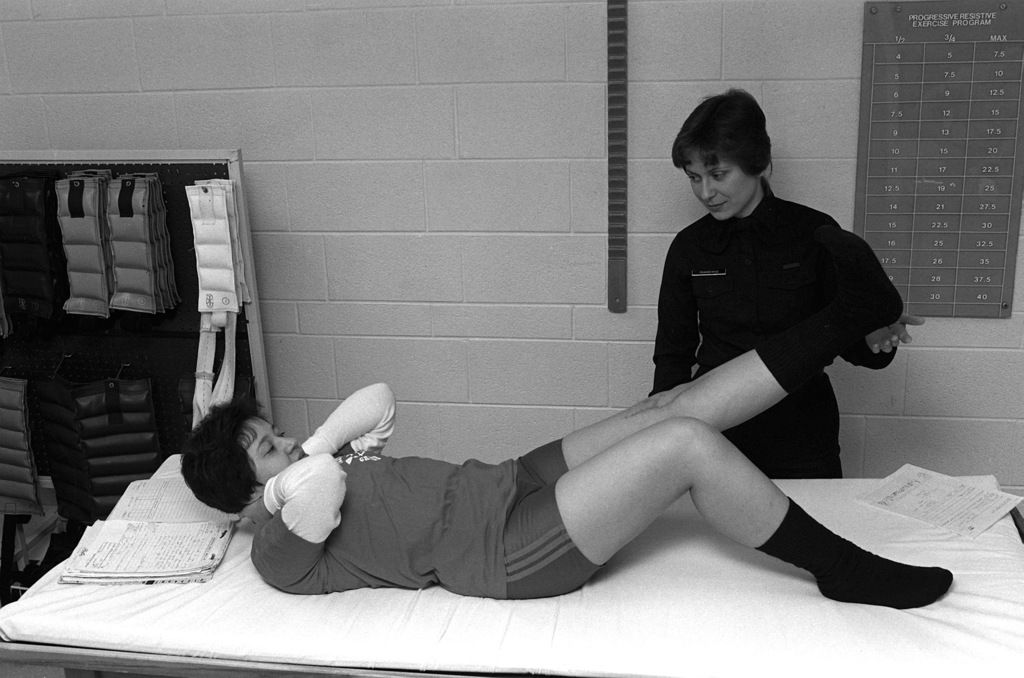
Exercises for Strengthening the Knee
As we focus on strengthening the knee, it’s important to approach these exercises with caution and mindfulness. Balance and stability are key components in our approach to addressing hypermobile knees. We recommend starting with low-impact exercises and gradually increasing intensity to avoid exacerbating knee instability.
To guide your exercise routine, consider the following structured approach:
| Exercise Type | Repetitions | Sets |
|---|---|---|
| Leg Raises | 15 | 3 |
| Hamstring Curls | 12 | 3 |
| Quadriceps Raises | 12 | 3 |
Remember, it’s essential to consult with a healthcare professional before beginning any new exercise regimen. Additionally, maintaining proper form and alignment during these exercises is crucial for preventing injury and promoting knee stability.
Tip: Focus on controlled movements and avoid overextending the knee joint during these exercises. This will help build strength and stability without compromising the knee’s integrity.
Tips for Protecting Hypermobile Knees
When it comes to protecting our hypermobile knees, awareness and precaution are key. We must be mindful of our movements and avoid sudden, jarring actions that could strain the knee joint. Additionally, maintaining a healthy weight can alleviate pressure on the knees, reducing the risk of injury. It’s also important to choose supportive footwear that provides stability and cushioning for the knees. Lastly, incorporating low-impact exercises into our routine can help strengthen the muscles around the knee, providing added support and stability.
Physical Therapy for Hypermobile Knees
When it comes to managing hypermobile knees, physical therapy plays a crucial role in our treatment plan. Through personalized care and targeted exercises, we can address the specific challenges posed by hypermobility. In addition to strengthening the muscles around the knee, physical therapy can also help alleviate pain and discomfort, promoting recovery and enabling us to continue our daily activities. Our physical therapist will work closely with us to develop a tailored program that meets our unique needs and supports our journey to improved knee stability and function. It’s important to stay committed to our physical therapy regimen to achieve the best outcomes.
Conclusion
In conclusion, managing hypermobile knees requires a combination of strengthening exercises, stability training, and proper alignment to improve joint function and reduce the risk of injury. By incorporating these tips and exercises into your routine, you can effectively address the challenges associated with hypermobility and promote long-term knee health.
Frequently Asked Questions
What are hypermobile knees?
Hypermobile knees refer to knees that have an excessive range of motion, making them more prone to injury and instability.
What causes hypermobile knees?
Hypermobile knees can be caused by genetics, ligament laxity, or previous knee injuries.
What are the symptoms of hypermobile knees?
Symptoms may include pain, swelling, clicking or popping sounds, and a sensation of the knee giving way.
What are some exercises to strengthen hypermobile knees?
Exercises such as leg raises, squats, and lunges can help strengthen the muscles around the knee and improve stability.
How can I protect my hypermobile knees during physical activities?
Wearing supportive footwear, using knee braces, and avoiding high-impact activities can help protect hypermobile knees.
Is physical therapy beneficial for hypermobile knees?
Yes, physical therapy can help improve knee stability, reduce pain, and prevent further injury in individuals with hypermobile knees.