Knee pain is a common issue for athletes at all levels. It can affect their performance and even stop them from playing sports1. Young athletes, especially girls, often face anterior knee pain, also known as patellofemoral pain syndrome1. This pain is not usually from a physical problem. Instead, it’s often due to overusing muscles or not stretching and strengthening enough1.
Key Takeaways
Knee pain is a common problem for athletes, impacting their sports performance and ability to play.
Young athletes, especially girls, often experience anterior knee pain from overusing muscles or not training properly.
Symptoms include dull pain during activity, sounds when moving the knee, and pain at night or during certain activities.
Treatments include low-impact exercises, strengthening, ice therapy, and sometimes medication or physical therapy.
Preventing knee pain means warming up properly, staying at a healthy weight, wearing the right shoes, and slowly increasing exercise intensity.
Understanding Patellofemoral Pain Syndrome
Patellofemoral pain syndrome (PFPS), also known as “runner’s knee,” is a common injury. It affects the knee joint2. This condition causes pain in the front of the knee, near the kneecap. It’s especially common in athletes who do a lot of knee bending and straightening, like running, cycling, and skiing.
What is Patellofemoral Pain Syndrome?
Patellofemoral pain syndrome is a disorder that affects the muscles around the knee2. It happens when these muscles are weak or out of balance. This can make the kneecap move wrongly, causing friction and irritation in the joint.
Causes of Patellofemoral Pain Syndrome
The main reasons for patellofemoral pain syndrome are:
Muscle weakness, especially in the quadriceps and hip muscles2
Understanding patellofemoral pain syndrome helps athletes and healthcare workers find ways to prevent, manage, and treat it23.
Knee Pain in Athletes: Symptoms and Diagnosis
Knee pain is a big issue for athletes who push their bodies hard. The main signs include pain, swelling, and trouble moving the knee4. Athletes might hear a popping sound, feel unstable, or weak4.
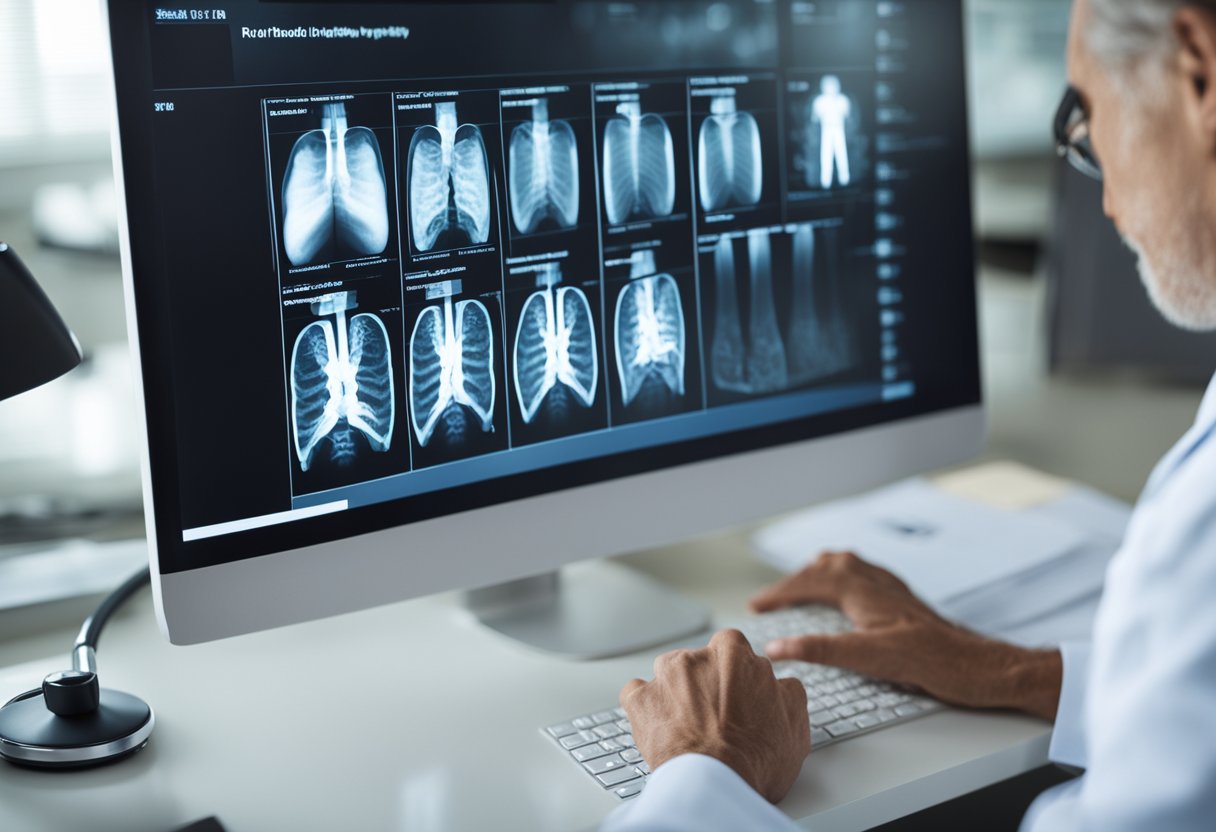
Doctors check for tenderness, alignment problems, and muscle imbalances during a physical exam4. They might use X-rays or MRI scans to see what’s going on inside4.
About 30% of teens get knee pain that doctors often check out4. Girls are 2–10 times more likely to get it than boys4.
Things like an odd Q angle, flat feet, tight Achilles, and muscle imbalances can cause knee pain4.
Many knee injuries in young athletes come from too much stress on the muscles and bones4.
Intrinsic causes of knee pain include various conditions like anterior knee pain syndrome and Osgood-Schlatter disease4.
Patellofemoral pain syndrome makes going up or down stairs, sitting a long time, and squatting hard4. It might take two years to fully get better4.
“Patellofemoral pain syndrome is a big reason for knee pain in young athletes5. It’s common in sports that involve running, jumping, or squatting5.”
Doing activities like squatting can put over 1,000 pounds of pressure on the kneecap5. Flat feet and other issues can make the kneecap track wrongly, causing pain5.
Risk Factors for Patellofemoral Pain Syndrome
Other Knee Conditions
Flatfeet
Intoeing
Knock-knees
Tight hamstring
Weak thigh and hip muscles
Osgood-Schlatter disease
Patellar tendonitis
Iliotibial band friction syndrome
Athletes with patellofemoral pain syndrome often play sports like basketball and volleyball5. The pain gets worse with running, jumping, and squatting5.
To fix patellofemoral pain syndrome, find and fix the root cause with help from a doctor or physical therapist5. Treatment includes resting, icing, taking anti-inflammatory drugs, and doing other exercises5.
Patellofemoral pain syndrome, also known as runner’s knee, causes pain in front of the knee6. It can come from kneecap misalignment, too much training, injury, or muscle weakness6.
Runner’s knee symptoms include pain when moving, after sitting a long time, and sounds from the kneecap6. Doctors use a health history, physical exam, and might do X-rays to diagnose it6.
Treatment for runner’s knee depends on how bad it is and what symptoms you have6. It might include resting, exercises, cold therapy, using a knee brace, and taking medication6. To prevent it, stay at a healthy weight, warm up, and wear good shoes6.
Important things to know about PFPS: it causes pain and noises around the knee, can come from overuse or structural problems, and treatment includes rest, exercises, cold therapy, and medication6.
When visiting a healthcare provider, prepare by asking questions, bring someone with you, take notes, and understand what they tell you about your condition and treatment6.
Conclusion
Knee pain is a big issue for athletes, caused by things like patellofemoral pain syndrome, overuse, and injuries7. Knowing why kids and teens often get chronic knee pain7 and what makes young athletes more likely to get knee injuries7 helps us find better ways to prevent and treat it.
Using the right exercises7 and injury management can help athletes get over knee pain and lower the chance of it happening again7. Also, things like strength training, proper warm-ups, and the right gear can help prevent knee pain from starting7.
Patellofemoral pain syndrome, or anterior knee pain, is really common in teen athletes, affecting up to 39% of those in sports like basketball and tennis8. Over half of these teens still had pain after 2 years8. By understanding this, we can help young athletes stay healthy and perform well in sports.
FAQ
What is knee pain in athletes?
Knee pain is a common issue for athletes. It affects their performance and ability to play sports. It can come from patellofemoral pain syndrome, overuse, or traumatic injuries.
What is patellofemoral pain syndrome (PFP syndrome)?
Patellofemoral pain syndrome, or “runner’s knee,” is pain in the front of the knee near the kneecap. It’s a common injury for athletes who do a lot of knee bending and straightening.
What causes patellofemoral pain syndrome?
Causes include muscle weakness, especially in the quadriceps and hip muscles. Misalignment of the kneecap is another factor. Overuse from too much training or suddenly doing more can also cause it. Trauma, like a fall, can lead to it too.
What are the symptoms of knee pain in athletes?
Symptoms include pain, swelling, and less movement. Athletes might hear a popping or cracking sound in their knee. They may also feel unstable or weak.
How is knee pain in athletes diagnosed?
Healthcare providers do a detailed physical check to find tenderness, alignment problems, and muscle imbalances. They might use X-rays or MRI scans to see what’s really going on.
As avid runners, we’ve all felt the pain in our knees at some point. But what’s behind that pain, and how can we fix it? Is runner’s knee a normal part of running, or can we prevent and manage it?
Running is a favorite exercise that can affect our knees a lot1. Knee pain from running is common and can come from many things, like overusing our knees, having structural issues, or running the wrong way. Common knee injuries in runners include runner’s knee, IT band syndrome, and jumper’s knee (patellar tendinitis)2. These injuries can cause pain, swelling, stiffness, and make the knee feel unstable. Getting the right treatment, which might mean resting, icing, physical therapy, and sometimes medication or surgery, is key to getting better and avoiding more injuries.
Key Takeaways
Knee pain is a common issue for runners, with conditions like runner’s knee, IT band syndrome, and jumper’s knee being the most prevalent.
1Runner’s knee, or patellofemoral pain syndrome, can affect up to 30% of female runners and 25% of male runners.
3 Runner’s knee is more common in women, particularly those of middle age, and in individuals who are overweight.
2Running-related knee injuries can range from overuse conditions to more serious issues like stress fractures and ligament tears.
Proper diagnosis, treatment, and prevention strategies are crucial for addressing knee pain and avoiding long-term complications.
What is Patellofemoral Pain Syndrome (Runner’s Knee)?
Patellofemoral pain syndrome, also known as runner’s knee, is a common injury. It causes pain in the front of the knee or around the kneecap4. This pain is often due to a structural issue, bad running habits, or too much training4. People who do sports that make their knees bend a lot, like running, biking, or skiing, are more likely to get this pain5. Women are twice as likely as men to have this knee pain6.
Causes of Patellofemoral Pain Syndrome
There are many reasons for patellofemoral pain syndrome. These include kneecap misalignment, too much training, injury, weak thigh muscles, tight hamstrings, and poor foot support4. Muscle imbalances and injuries also play a big part in this condition6.
Symptoms of Patellofemoral Pain Syndrome
People with runner’s knee may feel pain when they’re active. They might also feel pain after sitting for a long time with bent knees. Some may hear a rubbing, grinding, or clicking in the kneecap, and feel tenderness around it4.
Diagnosing Patellofemoral Pain Syndrome
To diagnose patellofemoral pain syndrome, doctors do a physical exam. They might also use X-rays or MRI scans to check for other possible causes of knee pain4. The doctor will look at how well the knee moves, its strength, and stability to figure out the cause of the pain.
To treat patellofemoral pain syndrome, you might need to rest, use ice, do strengthening exercises, and fix any biomechanical issues4. Losing weight, warming up before exercising, and running correctly can also help prevent and manage this condition6.
Key Points
Details
Definition
Patellofemoral pain syndrome, also known as runner’s knee, is a common overuse injury that causes pain in the front of the knee or around the kneecap4.
Causes
Malalignment of the kneecap, excessive training or overuse, injury or trauma, weak thigh muscles, tight hamstrings, poor foot support, and specific walking or running patterns4.
Symptoms
Pain during activity, pain after prolonged sitting, rubbing, grinding, or clicking in the kneecap, and tenderness around the kneecap4.
Diagnosis
Physical examination, and possibly X-rays or MRI scans to rule out other conditions4.
Treatment
Rest, ice, strengthening exercises, and addressing underlying biomechanical issues4.
Prevention
Maintaining a healthy weight, warming up before exercise, and using proper running techniques6.
“Patellofemoral pain syndrome is a complex condition that requires a comprehensive approach to effectively manage and prevent it. Seeking guidance from a healthcare professional is crucial for a proper diagnosis and personalized treatment plan.”
By understanding the causes, symptoms, and treatment options for patellofemoral pain syndrome, runners and active people can prevent and manage this common knee injury. This lets them keep doing their activities with less pain and better knee health.
Other Common Running-Related Knee Injuries
Runners often face knee injuries like iliotibial band syndrome and jumper’s knee, also known as patellar tendinitis. These issues come from overusing muscles, changing training, or running incorrectly. They can make running very uncomfortable and disrupt your routine.
Iliotibial Band Syndrome
Iliotibial band syndrome happens when a tendon from the hip to the outer knee gets tight and hurts. It affects about 12% of runners, making it a common injury7.
Jumper’s Knee (Patellar Tendinitis)
Jumper’s knee, or patellar tendinitis, causes pain and swelling in the tendon connecting the kneecap to the shinbone. It’s more common in young people and starts in their teens or early twenties7.
Like patellofemoral pain syndrome, these injuries come from overusing muscles, changing training, or running wrong. Treatment includes rest, ice, anti-inflammatory drugs, and exercises to help heal.
Other knee injuries in runners can affect the ACL, PCL, collateral ligament, meniscus, cartilage, and tendons. But these are less common than the main injuries7.
To avoid and manage these knee injuries, increase your running slowly, keep good running form, and mix in cross-training and low-impact exercises. Getting medical help quickly and following a full treatment plan helps runners get back to their activities safely.
Knee Pain from Running: Prevention and Treatment Strategies
Dealing with knee pain from running means tackling the root causes and stopping more injuries8. Known as runner’s knee, this pain can stem from overuse, injury, bone misalignment, foot issues, or weak thigh muscles8. About 25-40% of those with runner’s knee feel pain in the kneecap or around it, especially when going downstairs or downhill8. Some may also notice swelling, hear popping sounds, or feel a grinding in their knee.
Fortunately, many cases of runner’s knee can be managed with the right steps8. Treatment includes resting, icing, wrapping the knee, elevating the leg, taking meds, stretching, and doing strengthening exercises8. Most cases get better with proper care, but severe ones might need surgery8. Those with runner’s knee should avoid activities that make it worse until they’re fully recovered.
To stop knee pain from running, focus on the main causes8. Prevention tips include exercising to strengthen thigh muscles, wearing the right shoes, avoiding sudden changes in workouts, and keeping a healthy weight8. To prevent runner’s knee, try using shoe inserts, running on softer ground, warming up, getting physical therapy, wearing knee braces, choosing good running shoes, and replacing old shoes9. Also, doing light weight training and mixing in other cardio can help prevent knee injuries9. Drinking plenty of water is also key for muscle health.
By focusing on knee health, runners can lower their injury risk and keep enjoying this exercise8. Getting advice from a healthcare pro, like a physical therapist or sports medicine expert, can help make a treatment plan that fits your needs.
Prevention Strategies
Treatment Strategies
Strengthen thigh muscles
Use proper footwear
Avoid sudden workout changes
Maintain a healthy weight
Use shoe inserts
Run on softer surfaces
Warm up before workouts
Consider physical therapy
Use knee braces during exercise
Replace worn-out running shoes
Rest
Ice therapy
Knee wrapping
Leg elevation
Medication usage
Stretching exercises
Strengthening exercises
“Preventing and managing knee pain from running requires a holistic approach that addresses the underlying causes and promotes proper healing.”
Conclusion
Knee pain from running is a common issue. It can come from overuse, structural problems, or running wrong10. Common injuries include runner’s knee, iliotibial band syndrome, and jumper’s knee10. A good plan with rest, treatment, and prevention can help runners overcome these issues10.
Working with health experts and using proven methods helps runners enjoy running more while lowering knee pain and injury risks10. Steps like strength training, foam rolling, and choosing the right shoes can lessen knee problems10. Also, treatments like lubricant injections and PRP can be customized for each runner10.
By knowing what causes knee pain and taking steps to prevent it, runners can keep doing what they love. This approach helps reduce injury risks and keeps runners healthy and happy1011.
FAQ
What is Patellofemoral Pain Syndrome (Runner’s Knee)?
Patellofemoral pain syndrome, known as runner’s knee, is a common injury. It causes pain in the front of the knee or around the kneecap. This happens due to a structural issue, bad running habits, or doing too much of the same activity.
What are the Causes of Patellofemoral Pain Syndrome?
This condition is often caused by a structural flaw, bad running habits, or doing too much. Weak thigh muscles, tight hamstrings, and poor foot support can also lead to it.
What are the Symptoms of Patellofemoral Pain Syndrome?
Symptoms include pain when running, squatting, or sitting for a long time. You might also feel a grinding or clicking in your knee.
How is Patellofemoral Pain Syndrome Diagnosed?
Doctors diagnose it with a physical exam. They might also use X-rays or MRI scans to check for other possible causes of knee pain.
What is Iliotibial Band Syndrome?
Iliotibial band syndrome happens when a tendon from the hip to the outer knee gets tight and irritated. This causes pain on the outside of the knee.
What is Jumper’s Knee (Patellar Tendinitis)?
Jumper’s knee, or patellar tendinitis, is an injury from overuse. It leads to pain and swelling in the patellar tendon, which connects the kneecap to the shinbone.
How Can Knee Pain from Running Be Prevented and Treated?
To prevent and treat knee pain from running, focus on the root causes. This means doing strengthening and stretching exercises, using supportive shoes, and slowly changing your running habits. Getting advice from a healthcare expert, like a physical therapist or sports medicine doctor, is also key. They can help with a plan that includes rest, ice, anti-inflammatory drugs, and specific exercises to help you recover.
Knee pain can really affect your life. At the University of Michigan Health System, we offer many non-surgical and surgical options. We aim to find out why you’re in pain and how we can help you1. We handle all kinds of knee issues, like ACL, LCL, MCL, and PCL injuries, meniscus tears, and more2.
Our team works together to create a treatment plan just for you. This approach has led to great success in treating knee pain.
Key Takeaways
The University of Michigan Health System performs over 250 total knee replacements annually, with 90% still functional 15 years later1.
Knee pain can stem from various causes, including arthritis, injuries, and structural issues2.
Non-surgical options like physical therapy, injections, and bracing are often the first line of treatment before considering surgery2.
Lifestyle changes, such as weight management and exercise, can help alleviate knee pain and prevent further injury1.
The University of Michigan Health System’s personalized, multidisciplinary approach is key to successfully treating knee pain1.
Understanding Knee Pain and Its Causes
Knee problems are very common and affect many people. There are many reasons why someone might experience knee pain, from wear and tear to sudden injuries. Understanding the common causes of knee pain is crucial in determining the appropriate treatment approach.
Common Causes of Knee Pain
Osteoarthritis is a common cause of knee pain, caused by the gradual wear and tear of the cartilage that cushions the knee joint3. Rheumatoid arthritis is another cause, leading to swelling and cartilage destruction3. Injuries to the ligaments, like the ACL and PCL, can also cause a lot of pain3. Tendon injuries, from inflammation to tears, often happen from overuse or falls3. Damage to the cartilage, including softening or tearing, can also lead to pain3. Lastly, a broken kneecap, usually from a fall or direct blow, can be very painful and debilitating3.
Diagnosing Knee Pain
It’s important to figure out what’s causing knee pain to treat it right. This usually means a detailed check-up, looking at the patient’s characteristics, medical history, and physical exam to pinpoint the pain’s location and type4. Sometimes, imaging tests like X-rays, CT scans, or MRIs are needed to see any structural damage or issues5. Knowing what’s causing the pain helps doctors create a specific and effective treatment plan.
“Knee pain is a common complaint, and it’s crucial to accurately diagnose the underlying cause to ensure appropriate treatment.”
Imaging Test
Diagnostic Value
X-ray
Helpful in detecting bone fractures and degenerative joint disease5
CT Scan
Accurately identifies gout even when the joint is not inflamed5
MRI
Particularly useful in revealing injuries to soft tissues like ligaments, tendons, cartilage, and muscles5
Knee pain treatment: pain relievers, physical therapy, injections, surgery
Managing knee pain offers many treatment options, each with its own pros and cons. We’ll look at both non-surgical and surgical ways to ease knee pain and improve movement.
The RICE method – rest, ice, compression, and elevation – is a common first step. Complementary therapies like massage, acupuncture, and meditation may also offer some relief.6
For ongoing or severe pain, injection therapy may be an option. This could be steroid or anti-inflammatory shots, giving relief for a few months6. Platelet-rich plasma (PRP) therapy also shows promise in helping the body heal itself6.
If non-surgical treatments don’t help enough, surgery might be considered. Total knee replacement surgery replaces damaged parts with artificial ones. Partial knee replacement focuses on a specific knee area6. Arthroscopic surgery is a less invasive method for diagnosing and treating knee problems6.
For those who are active and have wear and tear on one side, osteotomy could be an option. It aims to stop knee osteoarthritis from getting worse6.
Treatment Option
Description
Typical Duration of Relief
Cortisone Shots
Injection of anti-inflammatory medication directly into the joint
The effectiveness and duration of these treatments can vary. Insurance coverage also affects the choice of treatment7. It’s key to talk to a healthcare professional to find the best treatment for you.
Knee pain can stem from injuries, past damage, or conditions like osteoarthritis8. Finding and treating the root cause is key to lasting relief.
“The goal of any knee pain treatment is to reduce pain, improve function, and prevent further damage to the joint.”
Non-Surgical Approaches to Knee Pain Management
At our practice, we know that knee pain can really slow you down. We offer non-surgical treatments that work well9. Physical therapy is a top choice, helping to make your knee more flexible, strong, and stable10. We also use splinting or bracing to support and protect your knee while it heals.
We suggest anti-inflammatory medications and pain relievers to lessen inflammation and ease pain9. For quick relief, we have steroid injections that reduce inflammation10. We also offer gel shots and PRP therapy to tackle knee pain and speed up healing.
10 Gel injections might not help right away and could make your knee stiff at first. But, they can bring long-term benefits if you get insurance approval10. PRP injections try to grow new, healthy cartilage. But, they don’t always work as hoped10. PRP injections are not usually covered by insurance and can be expensive, costing from a few hundred to several thousand dollars per shot.
11 We also look at other options like cortisone injections, which you can have up to four times a year11. For younger patients with knee injuries and small cartilage damage, we might suggest autologous or stem cell injections. These are better for their situation.
Our aim is to find the best non-surgical solution for each patient to relieve knee pain for good. By using proven treatments, we often help patients avoid more serious procedures.
Conclusion
Knee pain is a common issue that affects many people, especially as they get older12. Luckily, there’s a way to manage this pain effectively and improve your life. By using a mix of treatments, we can ease your pain, make moving easier, and help you enjoy activities again.
Our team will create a plan just for you to tackle the knee pain’s cause. This might include painkillers, physical therapy, and new treatments like corticosteroids, hyaluronic acid, and platelet-rich plasma (PRP)12. These treatments help by reducing swelling, making the joint slippery, and helping tissues heal. They offer quick and lasting relief12. Studies also show they help with function, pain, and life quality for those with knee osteoarthritis and other joint issues13.
With a full approach to your knee pain, we aim to help you be independent again and live the active life you want. Using effective treatments and our support, we’re sure we can improve your mobility and life quality12. Let’s find the best solution for you and get you on the road to wellness.
FAQ
What are the common causes of knee pain?
Osteoarthritis and rheumatoid arthritis are common causes of knee pain. They lead to cartilage wear and swelling. Other causes include ligament and tendon injuries, cartilage disorders, and broken kneecaps from falls or blows.
How is knee pain diagnosed?
To diagnose knee pain, a thorough check-up is needed. Doctors look at patient history and perform a physical exam. They might also order X-rays or MRIs to see if there’s any damage.
What are the treatment options for knee pain?
Treatment for knee pain includes both non-surgical and surgical methods. Non-surgical options include RICE, exercise, and lifestyle changes. Injections, massage, acupuncture, and meditation can also help. Medications and surgery are used when these options don’t work.
What are the non-surgical approaches to managing knee pain?
Physical therapy is a key non-surgical treatment for knee pain. It helps with flexibility and strength. Bracing provides support, and medications and icing reduce pain and inflammation.
Our practice also offers treatments like steroid injections and PRP therapy. These help with healing and address the root causes of pain.
Are you dealing with knee pain that stops you from being active? There are steps you can take to prevent and manage knee problems. Keeping a healthy weight, exercising often, and wearing the right shoes can make your knees strong and healthy.
Knees are key for moving and carrying our body’s weight. Yet, many people suffer from knee pain and injuries, affecting about 25% of U.S. adults1. Carrying extra weight can stress the knees, causing cartilage to wear down and become inflamed2. Every step we take puts two to four times our body weight on the knee joint, showing how weight affects knee pain2.
Key Takeaways:
Keeping a healthy weight is key for knee health, as extra weight can cause joint damage and inflammation.
Regular exercise, like strength training, flexibility exercises, and low-impact activities, strengthens the muscles around the knees and lowers injury risk.
Wearing shoes with good support and cushioning helps keep the legs aligned and balanced, easing knee strain.
Using the PRICE method (protection, rest, ice, compression, and elevation) can help manage knee pain and swelling.
Seeing a doctor is crucial if knee pain doesn’t go away or gets worse, as it could mean a serious issue.
Understanding the Importance of Knee Health
Our knees are key for moving around and staying mobile. They are big and complex, helping us walk, run, jump, and do everyday tasks3. Keeping our knees healthy is crucial for living freely and doing what we need to do every day. Knee problems can really limit our actions and affect our life quality.
Knees: Essential for Movement and Mobility
The knee is a complex joint made of bones, cartilage, ligaments, and tendons that work together for smooth movement3. But it can get hurt or have conditions like osteoarthritis, ACL tears, and patellofemoral pain syndrome4. It’s important to take care of our knees because problems there can really affect our health and freedom.
Having strong muscles around the knee helps keep it stable and safe from injury3. Weak muscles, like the quadriceps and hamstrings, can make knee injuries more likely3. Carrying extra weight can also harm the joint cartilage, making knee osteoarthritis more likely3.
Knee Condition
Description
Osteoarthritis
The most common type of arthritis affecting the knee, caused by the gradual wear-and-tear of the joint cartilage35.
ACL Injury
A tear in the anterior cruciate ligament, often occurring in sports with sudden stops and changes in direction3.
Patellofemoral Pain Syndrome
Also known as “runner’s knee,” this condition involves pain between the kneecap and thigh bone due to excessive stress4.
Meniscus Tear
A tear in the cartilage that cushions the shin bone and thigh bone, causing pain, catching, or locking4.
Patellar Tendonitis
Inflammation of the tendon that connects the kneecap to the shin bone, often affecting athletes who jump frequently4.
Ligament Tear
Damage to the stabilizing ligaments in the knee, usually resulting from a serious injury4.
Knowing how important knee health is helps us take steps to keep moving freely and stay independent354.
Knee Pain Prevention: Maintaining a Healthy Weight, Exercising Regularly, and Choosing Proper Footwear
Keeping our knees healthy is key to avoiding knee pain. A big part of this is keeping a healthy weight. Carrying extra weight puts more stress on the knees, leading to faster cartilage wear and a higher chance of osteoarthritis6. Just 10 pounds of extra weight can mean 30-60 more pounds of force on the knee with each step6. Losing 10 pounds can cut knee pain by 20% for those with arthritis6.
Exercise is vital for knee health. Low-impact activities like swimming, cycling, and elliptical workouts strengthen the muscles around the knees safely7. Adding strength training and flexibility exercises keeps joints working well and prevents arthritis7.
Choosing the right shoes is also key. Shoes with strong soles and good cushioning help spread out the weight and reduce knee stress8. Shoes that are old or don’t support well can change how we move, making knee problems and injuries more likely8.
By following these tips, we can help prevent knee pain and keep our knees healthy and mobile.
Lifestyle Habits for Knee Health
Keeping your knees healthy is more than just about weight and exercise. Our daily habits greatly affect our joint health and injury prevention. One key habit is maintaining proper posture9.
Importance of Proper Posture
Bad posture puts too much stress on your joints, causing cartilage to wear out and get damaged over time9. Keeping your shoulders back, head level, and stomach in helps ease the strain on your knees and other joints. A physical therapist can teach you exercises to improve your posture and lessen joint strain9.
Other habits also help keep your knees healthy. Doing low-impact exercises like cycling and swimming keeps your knee cartilage strong and safe from damage9. Building muscle around your knees with strength training and stretching can also be good for you10.
It’s important to warm up before you start any physical activity and slowly increase the intensity of your workouts to avoid knee injuries10. Mixing up your activities helps prevent injuries from doing the same motion over and over, which can lead to swollen knees and damaged cartilage10.
By following these lifestyle habits, keeping a healthy weight, and wearing good shoes, you can greatly improve your knee health and lower the risk of future joint problems91011.
Lifestyle Habit
Benefit for Knee Health
Proper Posture
Reduces stress on the knees and other joints
Low-Impact Exercises
Keeps knee cartilage healthy and prevents future damage
Strength Training
Builds muscle around the knees, contributing to joint stability
Stretching
Improves flexibility and range of motion around the knee joint
Warming Up and Gradual Intensity
Prevents knee injuries and overuse injuries
Varied Physical Activities
Avoids repeated motion injuries that can lead to knee problems
Conclusion
Keeping our knees healthy is key to staying mobile, independent, and active12. We can do this by keeping a healthy weight12, exercising often12, wearing the right shoes, and standing up straight. These steps can ease knee pain and stop new problems from starting. This lets us keep doing what we love without pain.
Carrying extra weight increases the risk of knee osteoarthritis by 19.5%12. Losing just one pound can ease the pressure on our knees by 4 pounds12. Losing 10 pounds means 40 pounds less pressure, lowering the risk of osteoarthritis12. Eating foods that fight inflammation can also help slow down osteoarthritis12.
By focusing on our knee health, we can keep our knees strong and flexible for a long time. Activities like walking, cycling, and yoga help with weight loss and keep joints healthy12. Even simple activities, like walking after meals, can help with digestion and weight loss12. Making these choices helps us stay mobile, independent, and happy.
FAQ
What are the key strategies for preventing knee pain?
Keeping a healthy weight is key to avoiding knee pain. Carrying extra weight puts more stress on your knees, causing cartilage to wear out and leading to inflammation. Regular exercise helps strengthen muscles that support your knees, lowering the chance of getting hurt. Wearing shoes with good cushioning and support also protects your knees.
Why are healthy knees important?
Healthy knees let us move freely and stay independent. They’re vital for doing many activities, like walking, running, and climbing. Keeping your knees healthy is important because knee problems can make everyday tasks hard and affect your life quality.
How does maintaining a healthy weight impact knee health?
Carrying extra weight puts more stress on your knee joints, causing cartilage to wear out and leading to inflammation. Losing a bit of weight can ease knee osteoarthritis symptoms. Staying at a healthy weight reduces knee joint stress, lowering the risk of pain and related issues.
What role does regular exercise play in preventing knee pain?
Exercise helps prevent knee pain by strengthening muscles that support your knees and lowering injury risk. It includes strength training, flexibility exercises, and low-impact cardio. These activities help stabilize the knee, improve movement, and prevent strains and sprains. Activities like swimming or cycling are also good for knee health without overloading the joint.
How does proper footwear affect knee health?
Proper footwear is crucial for knee health. Shoes with good support and cushioning spread out your weight evenly, reducing knee joint stress. Wearing the right shoes for your activities, like supportive running shoes, can lower the risk of knee injuries and pain.
Why is proper posture important for knee health?
Good posture is key for knee health as bad posture can stress the joints, causing cartilage wear and damage. Keeping your shoulders back, head level, and abdomen in helps reduce knee strain. A physical therapist can teach exercises and techniques to improve your posture and ease joint strain.
Knee pain can really affect our daily life. It might come from getting older, getting hurt, or putting stress on the knee. It’s important to find out why and get help quickly. We’ll look at how to diagnose knee pain, including physical checks, imaging tests, and lab tests1.
Key Takeaways
Knee pain can come from aging, injury, or stress on the joint.
A detailed physical check is key for the first look at the problem.
Tests like X-rays, CT scans, and MRI scans help see what’s going on inside.
Blood tests and joint aspiration might be needed to check for infection or swelling.
Quickly figuring out the cause and treating it is key to easing knee pain.
Physical Examination for Knee Pain
A detailed physical check-up is key to figuring out what’s causing knee pain. It covers inspection, feeling the area, checking how the knee moves, checking nerves and blood flow, and doing special tests2.
Inspection and Palpation
Looking at the knee can show signs like redness, swelling, bruises, or odd shapes2. Touching the area can find spots that hurt, feel warm, or have fluid, which hints at the problem2.
Range of Motion Assessment
Checking how the knee moves and how strong it is is vital. It shows if the knee can move fully or not, which might mean an injury or issue2.
Checking the nerves and blood flow in the knee makes sure everything is working right2. Special tests like the Lachman and Thessaly tests can spot things like torn ligaments or meniscal damage2.
By looking closely at the knee with inspection, touch, movement checks, nerve and blood checks, and special tests, doctors can learn a lot. This helps them figure out what’s wrong and how to fix it2.
Examination Technique
Purpose
Findings
Inspection
Assess for signs of injury or deformity
Erythema, swelling, bruising, deformity
Palpation
Identify areas of tenderness, warmth, and effusion
Tenderness, warmth, joint effusion
Range of Motion Assessment
Evaluate joint function and mobility
Restrictions in flexion, extension, or rotation
Neurovascular Assessment
Assess nerve and blood supply integrity
Altered sensation, reflexes, or pulses
Special Tests
Identify specific knee injuries
Positive Lachman test, Thessaly test
Doing a complete physical check-up helps doctors understand what’s causing knee pain and how to treat it2.
Imaging Tests for Knee Pain Diagnosis
Imaging tests are key in finding out what’s causing knee pain. They can spot bone breaks and wear and tear with X-rays. CT scans give detailed views of bones3.
MRI for Knee Pain
Magnetic resonance imaging (MRI) is great for checking on ligaments, tendons, cartilage, and muscles in the knee. It’s safer than X-rays because it doesn’t use harmful radiation4. MRI and X-rays work together to fully check on knee problems like pain, weakness, swelling, and bleeding4.
MRIs are top-notch at spotting knee issues like sports injuries, arthritis, fluid buildup, infections, and surgery problems4. But, if you have metal parts in your body, make sure they’re safe for MRI use4.
For babies and young kids, MRI might need sedation to keep them still and get clear pictures4. Remember to take off all metal before your MRI to avoid messing up the scan4.
Imaging Test
Useful for
X-rays
Detecting bone fractures and degenerative changes
CT Scans
Providing detailed information about bone structures
Ultrasound
Visualizing soft tissue structures
MRI
Evaluating injuries to ligaments, tendons, cartilage, and muscles
Arthroscopy
Directly examining the inside of the knee joint
Choosing the right imaging tests for knee pain depends on what’s causing the pain and the patient’s past health3. Sometimes, you might need more than one test to figure out the full diagnosis3.
“MRI is particularly effective in detecting and evaluating damaged cartilage, meniscus, ligaments, tendons, sports-related injuries, bone fractures, arthritis, fluid build-up, infections, tumors, and complications related to surgical devices in the knee.”4
Diagnosing knee pain involves a detailed look at your history, a physical check-up, and tests like X-rays and MRI scans5. About 25% of adults suffer from knee pain, and this number has jumped by almost 65% in the last 20 years5. Those with urgent needs often have a lot of pain, swelling, and trouble walking or standing5.
A key part of diagnosing is the physical exam. It checks how the joint moves, its stability, and the health of ligaments and tendons5. If you felt a pop when you hurt your knee, it could mean a tear in the meniscus or a ligament5. Certain tests, like the Thessaly test, can pinpoint knee injuries accurately5.
Tests like X-rays, CT scans, and MRI scans help figure out what’s causing the pain6. X-rays show bones and can spot breaks and early signs of arthritis6. CT scans give a 3D view, showing more bone details and helping with bone and fracture diagnoses6. MRI scans are great for seeing soft tissue like ligaments and tendons6.
Blood tests might also be done to check for infections or inflammation6. Testing the fluid from your knee can help diagnose issues like gout or arthritis6.
By using a detailed history, physical exam, and tests, doctors can pinpoint the cause of knee pain and plan the best treatment5. With nearly 4 million visits a year for knee pain, accurate diagnosis and treatment are crucial5.
“Proper diagnosis is the foundation for effective treatment of knee pain, ensuring patients receive the care they need to restore function and alleviate discomfort.”
Conclusion
We’ve looked into how to diagnose knee pain, using physical checks, imaging, and lab tests. This thorough method helps us find the real cause of pain and plan the best treatment7. MRI scans show how knee osteoarthritis changes over time and can predict future problems7. Arthroscopy also confirms how bad the joint is, giving us a full view of the situation7.
Imaging tests like MRI are great at spotting knee injuries8. But we shouldn’t just trust these tests too much9. Many surgeries happen because of MRI results, not just because of pain9. So, trying non-surgical treatments first is a good idea, to avoid unnecessary risks9.
Knowing what causes knee pain helps us treat it right, with options like medicine, therapy, or surgery8. A careful look at the patient’s history, physical check-up, and smart use of tests is key. This way, we can help patients better and manage their pain for the long run789.
FAQ
What is the initial evaluation for knee pain?
The first step in checking knee pain is to rule out serious issues and decide if you need to see a specialist. It’s important to talk about your health history and have a physical check-up. This helps figure out what’s causing the pain.
What does the physical examination of the knee include?
Checking the knee physically involves looking at it, touching it, checking how it moves and how strong it is. It also includes checking nerves and blood flow, and doing specific tests.
How can imaging tests help in diagnosing the cause of knee pain?
Imaging tests are key in finding out what’s causing knee pain. X-rays show bone breaks and wear and tear. CT scans give detailed bone info. Ultrasound looks at soft tissues, and MRI is great for seeing injuries to ligaments, tendons, cartilage, and muscles.
What are the key steps in effectively diagnosing the cause of knee pain?
To find out what’s causing knee pain, you need a detailed check-up. This includes talking about your health history, a physical check-up, and using imaging and lab tests. These steps help spot problems like arthritis, meniscal tears, or ligament injuries. Then, doctors can make a plan to help you.
Ever felt that sharp, constant pain in your knee that makes moving hard? Knee painis a common problem that can really affect our daily life. But what are the main symptoms we should watch for, and when should we get help1?
Knee pain in adults often shows up as swelling, stiffness, redness, and instability1. If the pain is bad or comes with sudden swelling or redness, you should get emergency help1. Knowing where the pain is, what makes it worse, and other symptoms can help figure out what’s causing it1. Luckily, there are many resources and guidelines out there to help us find and treat knee pain1.
Key Takeaways:
Knee pain can be caused by a variety of factors, including injuries, medical conditions, and infections.
Common symptoms of knee pain include swelling, stiffness, redness, and instability.
Seeking medical attention is recommended if the pain is severe or accompanied by sudden swelling or redness.
Identifying the underlying cause of knee pain is crucial for effective treatment and management.
Various medical resources and guidelines are available to help diagnose and manage knee pain effectively.
Understanding Knee Pain and Its Symptoms
Common Signs and Manifestations
Knee pain is a common issue that can happen to anyone, at any age2. It can start suddenly, often from an injury or too much exercise2. The reasons for knee pain can be many, from arthritis and overuse to serious issues like ligament tears or fractures.
Swelling is a common sign of knee pain, showing an injury or arthritis3. Osteoarthritis is a big cause of knee pain, coming from wear and tear on the knee cartilage as we age and use the joint3. Other types of arthritis, like rheumatoid arthritis and gout, can also affect the knee3.
Stiffness in the knee makes it hard to move2. This stiffness might come from an injury, inflammation, or the joint wearing down over time.
Redness and warmth in the knee area could mean an infection or inflammation2. If these signs don’t go away or get worse, you should see a doctor.
Instability or feeling like the knee is giving way is serious, often meaning damage to the ligaments or cartilage2. This can make you more likely to get hurt again and needs quick attention.
Knowing these symptoms helps doctors figure out and treat the cause of knee pain324. Understanding these signs is the first step to finding the right treatment and care.
Symptom
Possible Causes
Swelling
Arthritis, injury
Stiffness
Injury, inflammation, joint degeneration
Redness and warmth
Infection, inflammation
Instability
Ligament or cartilage damage
“Identifying these key symptoms can help healthcare providers diagnose and treat the underlying cause of knee pain.”
Causes of Knee Pain and Symptom Manifestations
Knee pain can come from injuries or overusing the joint. Common injuries like ACL tears and meniscus tears cause pain, stiffness, and swelling5. Conditions like osteoarthritis and gout can also lead to pain and symptoms6. Sometimes, an infection in the knee, called septic arthritis, causes severe pain and swelling7.
Injuries and Overuse
Knee injuries often happen during sports or accidents. Tears in the ACL and meniscus lead to pain and instability7. Conditions like knee bursitis and patellar tendinitis cause discomfort and swelling5. It’s important to know the cause of knee pain to choose the right treatment.
Most knee pain can be treated with pain meds, rest, and physical therapy5. But, if pain is severe, surgery might be needed5. Knee arthroscopy is a common surgery that uses a small camera to fix joint damage5. Sometimes, a total or partial knee replacement is recommended5.
Preventing knee injuries is key to avoiding pain5. By knowing the causes and taking steps to prevent them, you can keep your knee healthy6.
“Identifying the underlying cause of knee pain, whether it’s an injury, overuse, or a medical condition, is crucial for developing an effective treatment plan.”
Conclusion
Knee pain can have many causes, but often, simple self-care helps. Rest, ice, compression, and elevation (RICE) can ease pain8. Yet, seeing a doctor is key if pain is severe, if you feel unstable, or if swelling is bad9. Doctors can find out what’s causing the pain and suggest the right treatment. This might be medicines, physical therapy, a brace, or surgery.
Keeping a healthy weight, strengthening knee muscles, and doing exercises right can lower knee pain risks9. By focusing on these steps, we can keep knees healthy and lessen knee problems.
Orthopedic specialists are key for handling knee pain well. They know how to find and treat the cause of knee pain89. With their help, people can move better, feel less pain, and avoid future issues. Working with an orthopedic team helps manage knee pain and keeps you active.
FAQ
What are the common symptoms of knee pain?
Knee pain often shows up as swelling, stiffness, and redness. You might also feel weak or unstable, hear popping noises, or find it hard to straighten your knee.
What are the different causes of knee pain?
Knee pain can stem from injuries, mechanical issues, or various types of arthritis. Injuries like ACL tears and meniscus tears are common. Knee bursitis and patellar tendinitis also cause pain. Arthritis, including osteoarthritis and rheumatoid arthritis, can lead to knee pain too.
When should I seek medical attention for knee pain?
See a doctor if your knee pain is severe, unstable, or if swelling is severe. These signs could mean a serious injury or condition. Doctors can figure out the cause and suggest the right treatment.
How can I manage and prevent knee pain?
For minor knee pain, try rest, ice, compression, and elevation (RICE). Keeping a healthy weight, strengthening knee muscles, and using correct physical activity techniques can also help prevent knee pain and its complications.
Knee pain can really change how we live, making simple steps hard and stopping us from doing what we love. But what’s causing this pain, and how can we fix it1? Let’s look into the surprising reasons behind knee pain and find ways to ease it.
Osteoarthritis, rheumatoid arthritis, and injuries like torn ligaments or tendinitis are big reasons for knee pain1. Gout, caused by too much uric acid, can also make knees hurt a lot2. Even things like loose parts or a kneecap that’s out of place can cause pain1.
Key Takeaways
Knee pain can be caused by many things, like arthritis, injuries, and mechanical issues.
Osteoarthritis, rheumatoid arthritis, and sprained ligaments are top reasons for knee pain.
Sports like basketball, soccer, and running can make knee injuries and pain more likely.
Staying strong and flexible can help lower the chance of knee problems.
Treatments for knee pain include medicines, physical therapy, and sometimes surgery.
Understanding the Different Causes of Knee Pain
The knee joint is key to our daily activities. It’s made up of bones, ligaments, and fluid-filled sacs that help it work smoothly3. When these parts don’t work together right, it can cause pain. The main causes are usually osteoarthritis and rheumatoid arthritis.
Arthritis: Osteoarthritis and Rheumatoid Arthritis
Osteoarthritis happens when the cartilage in the knee wears out over time4. This can lead to bone rubbing against bone, causing pain and stiffness. Rheumatoid arthritis is an autoimmune disorder that also affects the knee, causing inflammation and cartilage damage4.
Both types of arthritis can cause knee pain, but they have different causes and effects. Knowing the differences helps in finding the right treatment34.
Spotting and treating knee arthritis early can make a big difference in someone’s life. Doctors use tests like X-rays and MRIs to figure out the best treatment4. This might include physical therapy, medicine, or surgery for severe cases3.
Osteoarthritis
Rheumatoid Arthritis
Most common form of arthritis affecting the knee
An autoimmune disorder that can affect the knee joint
Caused by the gradual deterioration of cartilage
Causes inflammation and further damage to the cartilage
Typically affects individuals 50 years of age and older
Can affect individuals of any age, often symmetrically
Understanding knee pain helps people work with their doctors to find the best treatment. This way, they can keep their knees healthy and move freely34.
“Prompt diagnosis and management of knee arthritis are crucial to preserving joint function and improving quality of life.”
Knee pain causes: This could include osteoarthritis, rheumatoid arthritis, injuries, bursitis, tendonitis, ligament sprains
Knee injuries and overuse are common reasons for knee pain. These can cause a lot of discomfort and make moving hard5. Things like sprains and tears happen often, especially during sports that need quick turns or a lot of jumping6. Overuse can lead to problems like tendonitis or iliotibial band syndrome in people who do the same activity a lot5.
Other issues, like loose bodies or kneecaps that are out of place, can also cause pain5. Bursitis and tendonitis, which are inflamed sacs and tendons, add to the pain5. Being overweight makes these problems worse, as extra weight puts more stress on the knees57.
Treating Knee Injuries and Overuse
Dealing with knee injuries and overuse often means resting, icing, taking anti-inflammatory drugs, and doing physical therapy5. Sometimes, surgery is needed for serious or ongoing issues7. Keeping a healthy weight and doing exercises that stretch and strengthen can also help with pain and prevent more injuries57.
Knee Injury or Condition
Symptoms
Potential Causes
Ligament Sprains
Pain, swelling, instability
Sudden changes in direction, high-impact activities
Meniscus Tears
Pain, swelling, limited range of motion
Sudden twisting or impact, degeneration
Bursitis
Pain, swelling, tenderness
Overuse, injury, arthritis
Tendonitis
Pain, stiffness, weakness
Overuse, overtraining, poor form
If knee pain doesn’t get better or gets worse, seeing a healthcare professional is key67. They might use tests like X-rays, MRI, or joint fluid analysis to find out what’s causing the pain and how to treat it7.
Conclusion
Knee pain can come from many things like injuries, arthritis, overuse, and mechanical issues8. It’s important to know what might be causing the pain to get the right treatment8. By finding and treating the cause, people can ease their pain and improve their life.
Osteoarthritis affects over 32 million people in the U.S., often hitting the knee hard8. Women are more likely to get it than men, and being overweight, your job, or sports can make it worse8. Rheumatoid arthritis, a condition where the body attacks its own joints, can also cause knee pain and damage8. Plus, injuries, overdoing it, and mechanical problems can all lead to knee pain. So, figuring out the cause is key.
Knowing what might be causing knee pain helps people work with their doctors to find the best treatment9. This might mean trying things like physical therapy, losing weight, and taking medicine, or even more serious steps like injections or surgery if needed9. With the right treatment, people can feel better and live more freely again.
FAQ
What are the most common causes of knee pain?
Knee pain often comes from osteoarthritis, rheumatoid arthritis, and injuries. These include harm to the ligaments or meniscus, bursitis, tendonitis, and ligament sprains.
How does osteoarthritis affect the knee joint?
Osteoarthritis happens when the cartilage in the knee joint wears down. This leads to pain, stiffness, and less mobility.
What types of injuries can cause knee pain?
Knee injuries like ACL tears, meniscus tears, and ligament sprains are common. They often happen during sports that involve quick changes in direction or impact.
What are some other causes of knee pain?
Knee pain can also come from mechanical issues like loose bodies or dislocated kneecaps. It can also be caused by overuse injuries, bursitis, and tendonitis.
How can knee pain be treated?
Treating knee pain usually means resting, using ice, taking anti-inflammatory drugs, and doing physical therapy. The treatment depends on the cause of the pain.
The anterior knee plays a crucial role in lower body movement and stability. Understanding its anatomy, common injuries, and preventive measures is essential for maintaining knee health and preventing injuries. In this article, we will explore the anatomy of the anterior knee, common injuries affecting the area, and preventive measures for anterior knee health.
Key Takeaways
Proper training techniques can significantly reduce the risk of ACL injuries.
Strengthening quadriceps muscles is important for maintaining anterior knee health.
Flexibility and mobility play a vital role in preventing anterior knee injuries.
Patellar tendinopathy can impact anterior knee health and should be addressed early.
Meniscus tears are closely related to anterior knee health and should be managed with care.
The Anatomy of the Anterior Knee
Understanding the Patellofemoral Joint
We often overlook the complexity of the knee joint, yet it is crucial for our mobility. The patellofemoral joint is a unique hinge that allows for the intricate movement of the knee. It is formed by the patella, or kneecap, articulating with the femur. This joint is essential for activities such as walking, running, and jumping, as it facilitates the extension and flexion of the knee.
Stability and smooth movement are provided by a combination of muscular support and ligamentous structures. The surrounding muscles, particularly the quadriceps, play a pivotal role in maintaining this stability. The cartilage lining the joint surfaces ensures that movement is fluid and minimizes friction.
The patella improves the mechanical advantage of the quadriceps tendon.
Articular cartilage reduces friction and distributes load.
Ligaments and tendons provide structural support.
Remember, maintaining the health of the patellofemoral joint is vital for overall knee function and longevity. Regular exercise and proper technique can help preserve this joint’s integrity.
The Role of Quadriceps Tendon
We often overlook the critical role that the quadriceps tendon plays in our anterior knee health. This robust tendon is the confluence of the four muscles that comprise the quadriceps muscle group, and it is essential for the proper function of the knee joint. It is responsible for transmitting the force generated by the quadriceps muscles to the patella, enabling knee extension.
The integrity of the quadriceps tendon is vital for activities such as walking, running, and jumping. A healthy tendon is characterized by its ability to withstand significant loads while maintaining flexibility. We must pay attention to the signs of overuse or strain, which can lead to conditions such as tendinopathy.
Tip: Regularly performing exercises that target the quadriceps can help maintain the strength and resilience of the quadriceps tendon, potentially preventing injury.
Understanding the balance between strength and flexibility is crucial in preserving the health of the quadriceps tendon. We should incorporate both resistance training and stretching into our fitness routines to ensure this tendon remains strong and supple.
Function of the Patellar Ligament
We must appreciate the patellar ligament as a critical component in the mechanism of knee extension. This robust structure, originating from the patella and inserting into the tibial tuberosity, plays a pivotal role in transmitting the force generated by the quadriceps muscle to the lower leg, enabling us to perform activities such as walking, running, and jumping.
The integrity of the patellar ligament is essential for maintaining anterior knee health. Any compromise to its function can lead to a cascade of issues, affecting not only mobility but also the stability of the knee joint. It’s important to recognize the signs of patellar ligament dysfunction, which may include pain, swelling, and a decreased ability to straighten the knee.
Prevention and early intervention are key in managing the health of the patellar ligament. Regularly engaging in exercises that strengthen the surrounding musculature can help mitigate the risk of injury. Additionally, maintaining a healthy weight can reduce the stress placed on the ligament during daily activities.
Tip: Always warm up before engaging in high-impact activities to prepare the patellar ligament for the stresses of exercise.
Common Injuries Affecting the Anterior Knee
Patellar Tendinopathy and Its Impact
We often encounter patellar tendinopathy, commonly known as jumper’s knee, in individuals who engage in sports that involve frequent jumping and landing. This condition arises from the overuse of the patellar tendon, which connects the kneecap to the shinbone, leading to pain and inflammation.
The symptoms can range from mild discomfort to severe pain that can impede athletic performance and daily activities. Early diagnosis and intervention are crucial in managing the condition effectively. Here’s a brief overview of the typical progression of symptoms:
Initial pain after activity, often ignored by athletes
Persistent pain during and after activity
Pain affecting performance
Severe pain, even during daily tasks
Tip: Rest and ice can alleviate symptoms in the early stages, but persistent pain warrants professional assessment and intervention.
Management strategies include a combination of rest, physical therapy, and in some cases, surgery. It’s imperative to address patellar tendinopathy promptly to prevent chronic issues that can lead to complications such as osteoarthritis.
Anterior Cruciate Ligament (ACL) Injuries
After discussing the impact of Anterior Cruciate Ligament (ACL) Injuries, it is crucial for us to emphasize the importance of strengthening quadriceps muscles. This can be achieved through targeted exercises such as leg extensions, squats, and lunges. Additionally, maintaining proper form during these exercises is essential to prevent further strain on the knee.
Furthermore, incorporating flexibility and mobility exercises into our routine can significantly reduce the risk of anterior knee injuries. This includes activities such as yoga, Pilates, and dynamic stretching. Enhancing our range of motion can help in maintaining the health and stability of the knee joint.
It is also beneficial to incorporate a balanced training regimen that focuses on both strength and flexibility. This can be achieved through a combination of resistance training, cardiovascular exercises, and flexibility routines. Balancing these elements will contribute to overall knee health and reduce the likelihood of injuries.
It is important to consult with a qualified healthcare professional or physical therapist to develop a personalized preventive plan based on individual needs and existing knee health.
Meniscus Tears and Their Relation to Anterior Knee Health
Meniscus tears are a common injury that can significantly impact anterior knee health. These tears often occur due to sudden twisting or direct impact on the knee. Early diagnosis and appropriate treatment are crucial for preventing long-term complications. In some cases, surgical intervention may be necessary to repair the torn meniscus and restore knee function.
It’s important to note that the severity of meniscus tears can vary, ranging from minor tears to complete ruptures. The choice of treatment, whether conservative or surgical, depends on the extent of the tear and the individual’s overall knee health. Rehabilitation plays a key role in the recovery process, focusing on strengthening the surrounding muscles and improving range of motion.
Preventive measures such as proper warm-up, stretching, and using protective gear can help reduce the risk of meniscus tears. Additionally, maintaining a healthy body weight and avoiding activities that place excessive stress on the knees can contribute to long-term anterior knee health.
It’s essential to seek professional medical advice if you experience symptoms of a meniscus tear, such as pain, swelling, or limited mobility. Early intervention and appropriate management can significantly impact the recovery and long-term health of the knee.
Preventive Measures for Anterior Knee Health
Importance of Strengthening Quadriceps Muscles
We recognize the quadriceps muscles as a critical component in maintaining anterior knee health. Their strength and conditioning play a pivotal role in stabilizing the patellofemoral joint, which is essential for knee function and mobility.
By engaging in regular quadriceps strengthening exercises, we can significantly reduce the risk of knee injuries. These exercises help in distributing the load across the knee joint more evenly, thereby alleviating excessive pressure on any single structure.
Here are some effective quadriceps strengthening exercises:
Straight leg raises
Seated knee extensions
Squats with proper form
Lunges, ensuring knee alignment
Tip: Always warm up before starting your exercise routine to prepare the muscles and reduce the risk of injury.
It is also important to gradually increase the intensity of these exercises to avoid overstraining the muscles, which can lead to counterproductive outcomes. We must be mindful of the balance between strengthening and overuse, especially for individuals recovering from injuries such as ACL surgery.
Proper Training Techniques for Reducing ACL Injury Risk
We recognize the critical role that proper training techniques play in mitigating the risk of ACL injuries. These injuries can be debilitating and often require extensive recovery time, as evidenced by clients who experience setbacks even 10 weeks post-surgery. To prevent such outcomes, we advocate for a multifaceted approach to training.
Firstly, we emphasize the importance of neuromuscular training, which includes exercises that improve balance, coordination, and proprioception. This type of training has been shown to significantly reduce the incidence of ACL injuries, especially in athletes.
Plyometric exercises to enhance power and agility
Balance training to improve stability
Strength training focusing on the hamstrings and hips
Additionally, we stress the importance of gradual progression in training intensity and volume to allow the body to adapt safely. It is also crucial to ensure proper technique in all exercises to avoid undue stress on the knee joint.
Tip: Always warm up thoroughly before engaging in any form of exercise to prepare the muscles and joints for the physical activity ahead.
Role of Flexibility and Mobility in Preventing Anterior Knee Injuries
Flexibility and mobility play a crucial role in maintaining anterior knee health. Proper range of motion in the knee joint is essential for preventing injuries and ensuring optimal function. Additionally, incorporating dynamic stretching and mobility exercises can improve joint stability and reduce the risk of overuse injuries. It is important to note that a balanced approach to flexibility and mobility training is key to promoting overall knee health and preventing common injuries.
Conclusion
In conclusion, the maintenance of anterior knee health is of paramount importance for overall physical well-being. Through proper care and attention, individuals can mitigate the risk of various knee-related conditions and maintain an active lifestyle. It is imperative to prioritize preventive measures and seek professional guidance when necessary to ensure the longevity of anterior knee health.
Frequently Asked Questions
What are some common causes of anterior knee pain?
Anterior knee pain can be caused by overuse, muscle imbalances, poor biomechanics, and traumatic injuries. It is important to identify the specific cause in order to develop an appropriate treatment plan.
How can I prevent anterior knee injuries during physical activities?
Engaging in proper warm-up and cool-down routines, using proper footwear, maintaining proper technique, and incorporating strength and flexibility training can help prevent anterior knee injuries during physical activities.
What are the symptoms of patellar tendinopathy?
Symptoms of patellar tendinopathy may include pain and tenderness around the patellar tendon, swelling, and difficulty with activities that involve jumping or bending the knee. Seeking medical evaluation is important for accurate diagnosis and treatment.
Are there specific exercises to strengthen the quadriceps muscles?
Yes, exercises such as squats, lunges, leg presses, and step-ups can help strengthen the quadriceps muscles. It is important to perform these exercises with proper form and under the guidance of a qualified fitness professional.
Can ACL injuries be prevented through training and conditioning?
While it is not possible to completely eliminate the risk of ACL injuries, training and conditioning programs that focus on improving strength, balance, and neuromuscular control can help reduce the risk of ACL injuries, especially in athletes.
What role does flexibility play in preventing anterior knee injuries?
Flexibility plays a crucial role in preventing anterior knee injuries by improving joint mobility, reducing muscle tightness, and enhancing overall movement patterns. Incorporating regular stretching and mobility exercises into a fitness routine can help maintain optimal flexibility.
Rheumatoid Arthritis: Causes, Symptoms, and Treatment Options
Rheumatoid arthritis is a chronic autoimmune disorder that affects millions of people worldwide. It is a type of arthritis that occurs when the immune system attacks the body’s own tissues, particularly the joints. This leads to inflammation and pain, which can be debilitating and affect the quality of life of those who suffer from the condition.
Understanding Rheumatoid Arthritis is important in order to manage the symptoms and improve the quality of life of those who suffer from it. It is important to recognize the symptoms early on, as early diagnosis and treatment can help prevent further joint damage and complications. There are a variety of treatment options available, including medications, physical therapy, and surgery, which can help manage the symptoms and improve joint function. In this article, we will explore the causes, symptoms, diagnosis, and treatment options for Rheumatoid Arthritis.
Key Takeaways
Rheumatoid arthritis is a chronic autoimmune disorder that affects the joints and can be debilitating.
Early diagnosis and treatment can help prevent further joint damage and complications.
Treatment options include medications, physical therapy, and surgery.
Understanding Rheumatoid Arthritis
Rheumatoid arthritis (RA) is a chronic autoimmune disorder that affects the joints, causing pain, stiffness, and swelling. It is a systemic disease, which means it can affect other parts of the body as well, such as the eyes, skin, lungs, and blood vessels.
The exact cause of RA is still unknown, but it is believed to be caused by a combination of genetic and environmental factors. In RA, the immune system mistakenly attacks the synovial membrane, which is the lining that surrounds the joints. This results in inflammation, which can cause damage to the joints over time.
RA is a chronic disease, which means that it can last for a long time and may require ongoing treatment. However, with early diagnosis and appropriate treatment, it is possible to manage the symptoms of RA and prevent joint damage.
The symptoms of RA can vary from person to person, but some common symptoms include joint pain, stiffness, and swelling, especially in the hands, feet, and wrists. Other symptoms may include fatigue, fever, and weight loss.
There is no cure for RA, but there are several treatment options available to manage the symptoms and slow down the progression of the disease. These may include medications, such as nonsteroidal anti-inflammatory drugs (NSAIDs), disease-modifying antirheumatic drugs (DMARDs), and biologic agents. In addition, physical therapy and lifestyle changes, such as regular exercise and a healthy diet, may also be helpful in managing the symptoms of RA.
In summary, RA is a chronic autoimmune disorder that affects the joints and other parts of the body. It is caused by a combination of genetic and environmental factors, and there is no cure for the disease. However, with early diagnosis and appropriate treatment, it is possible to manage the symptoms of RA and prevent joint damage.
Symptoms of Rheumatoid Arthritis
Rheumatoid arthritis (RA) is a chronic autoimmune disease that affects the joints and other parts of the body. The symptoms of RA can vary from person to person, but they generally include joint pain, swelling, and stiffness.
One of the most common symptoms of RA is joint pain. This pain is often described as a deep ache or a burning sensation, and it can be felt in the joints of the hands, wrists, feet, and ankles. The pain is usually worse in the morning or after periods of inactivity, and it can be accompanied by joint stiffness that lasts for several hours.
Swelling is another common symptom of RA. The joints affected by RA can become swollen and tender to the touch. This swelling can make it difficult to move the affected joint, and it may also cause the joint to feel warm to the touch.
Fatigue is also a common symptom of RA. People with RA may feel tired and run down, even if they have had enough sleep. This fatigue can be caused by the inflammation associated with RA, as well as by the stress of dealing with a chronic illness.
In some cases, people with RA may develop rheumatoid nodules. These are small, firm lumps that can form under the skin, usually around the elbows or fingers. While these nodules are not usually painful, they can be unsightly and may interfere with joint movement.
Fever is another symptom that can occur in people with RA. This fever is usually low-grade, and it may be accompanied by other flu-like symptoms such as chills and muscle aches.
Overall, the symptoms of RA can be quite debilitating, and they can have a significant impact on a person’s quality of life. If you are experiencing any of the symptoms associated with RA, it is important to speak with your healthcare provider as soon as possible.
Causes and Risk Factors
Rheumatoid arthritis (RA) is a chronic inflammatory disease that affects the joints, causing pain, stiffness, and swelling. While the exact cause of RA is unknown, there are several factors that are believed to contribute to the development of the disease.
Genetics
One of the most significant risk factors for developing RA is genetics. Research has shown that certain genes may make a person more susceptible to the disease. For example, a specific gene called HLA-DRB1 has been linked to an increased risk of developing RA. However, having this gene does not necessarily mean that a person will develop the disease.
Smoking
Smoking is another significant risk factor for RA. Studies have shown that smokers are more likely to develop the disease than non-smokers. In addition, smoking can also make the symptoms of RA worse, making it more difficult to manage the disease.
Sex
RA is more common in women than men. In fact, women are two to three times more likely to develop the disease than men. The reason for this is not entirely clear, but hormones may play a role. Some researchers believe that estrogen may contribute to the development of RA.
Other Risk Factors
In addition to genetics, smoking, and sex, there are several other factors that may increase a person’s risk of developing RA. These include:
Age: RA can occur at any age, but it most commonly begins in middle age.
Family history: If a member of your family has RA, you may have an increased risk of the disease.
Obesity: Being overweight or obese can increase the risk of developing RA, as well as make the symptoms worse.
Environmental factors: Exposure to certain environmental factors, such as pollution or toxins, may increase the risk of developing RA.
Overall, while the exact cause of RA is unknown, there are several factors that are believed to contribute to the development of the disease. By understanding these risk factors, we can take steps to reduce our risk of developing RA and manage the disease more effectively if we do develop it.
Diagnosis Process
When it comes to diagnosing Rheumatoid arthritis (RA), there is no one definitive test or physical finding that can confirm the diagnosis. Instead, doctors use a combination of medical history, physical examination, and laboratory tests to diagnose RA.
During the medical history, we will ask questions about the patient’s symptoms, family history, and medical history. We will also ask about any medications the patient is taking, as some medications can cause symptoms similar to RA.
During the physical exam, we will check the patient’s joints for swelling, redness, and warmth. We will also check the patient’s reflexes and muscle strength. The physical exam can help us determine the severity of the patient’s symptoms and which joints are affected.
Laboratory tests are also an important part of the diagnosis process. We may order a blood test to check for the presence of rheumatoid factor (RF) or anti-cyclic citrullinated peptide (anti-CCP) antibodies. These antibodies are often present in people with RA, but not always. A negative result does not rule out RA.
Imaging tests, such as X-rays or ultrasound, can also be helpful in diagnosing RA. X-rays can show changes in the joints that are consistent with RA, such as joint erosion or narrowing of the joint space. Ultrasound can show inflammation in the joints and surrounding tissues.
It is important to note that RA can be difficult to diagnose in the early stages because the disease develops over time, and only a few symptoms may be present. However, with a thorough medical history, physical exam, and laboratory tests, we can diagnose RA and begin treatment to manage symptoms and prevent further joint damage.
Treatment Options
When it comes to treating rheumatoid arthritis, there are a variety of options available. The goal of treatment is to reduce inflammation, relieve pain, prevent joint damage, and improve overall function. Treatment plans are often tailored to each individual and may involve a combination of medications, therapies, and lifestyle changes.
Medications
There are several types of medications used to treat rheumatoid arthritis. Nonsteroidal anti-inflammatory drugs (NSAIDs) can help relieve pain and reduce inflammation. Over-the-counter NSAIDs include ibuprofen (Advil, Motrin IB, others) and naproxen sodium (Aleve). Stronger NSAIDs are available by prescription. Side effects may include stomach irritation, heart problems, and kidney damage.
Disease-modifying antirheumatic drugs (DMARDs) slow the progression of rheumatoid arthritis and can prevent joint damage. Methotrexate (Rheumatrex, Trexall) is a commonly used DMARD. Other DMARDs include hydroxychloroquine (Plaquenil), sulfasalazine (Azulfidine), and leflunomide (Arava).
Corticosteroids are powerful anti-inflammatory medications that can provide quick relief of symptoms. However, they can have serious side effects if used long-term. Janus kinase (JAK) inhibitors are a newer class of medications that block the action of certain enzymes involved in inflammation.
Therapies
Physical and occupational therapy can help improve joint function, reduce pain, and increase range of motion. Splints and braces may also be recommended to support and protect joints.
Surgery may be necessary in severe cases of rheumatoid arthritis. Joint replacement surgery can help relieve pain and improve function in damaged joints. Synovectomy is a surgical procedure that involves removing the inflamed lining of a joint.
Lifestyle Changes
In addition to medications and therapies, making certain lifestyle changes can also help manage rheumatoid arthritis. Maintaining a healthy weight can reduce stress on joints. Regular exercise can help improve joint function and flexibility. Eating a healthy diet rich in fruits, vegetables, and whole grains can also help reduce inflammation.
Overall, there are a variety of treatment options available for rheumatoid arthritis. Working closely with a healthcare provider to develop a personalized treatment plan can help manage symptoms and improve overall quality of life.
Managing Rheumatoid Arthritis
As individuals with Rheumatoid Arthritis, we know how difficult it can be to manage the symptoms of this chronic condition. However, with proper management, we can improve our quality of life and reduce the impact of RA on our daily activities. Here are some tips for managing Rheumatoid Arthritis:
Rest
Rest is crucial for managing RA symptoms. It is important to listen to our body and take breaks when we feel fatigued. This can help reduce inflammation and pain in our joints. We should aim to get enough sleep each night and take naps during the day if needed.
Exercise
Exercise is also important for managing RA symptoms. Low-impact exercises such as walking, swimming, and cycling can help improve joint flexibility and reduce inflammation. We should aim to exercise regularly, but it is important to listen to our body and not overdo it. It is also important to speak with our doctor before starting any new exercise routine.
Diet
Maintaining a healthy diet can also help manage RA symptoms. We should aim to eat a well-balanced diet that includes plenty of fruits, vegetables, whole grains, and lean protein. Some foods may trigger inflammation, so it is important to identify and avoid these foods. We should also stay hydrated by drinking plenty of water.
Medications
There are several medications available that can help manage RA symptoms. Nonsteroidal anti-inflammatory drugs (NSAIDs) can help relieve pain and reduce inflammation. Disease-modifying antirheumatic drugs (DMARDs) can help slow the progression of RA. It is important to speak with our doctor about the best medication options for us.
Support
Living with RA can be challenging, and it is important to have a support system. We should reach out to family, friends, and support groups for help and encouragement. We may also benefit from counseling or therapy to help manage the emotional impact of RA.
By following these tips, we can effectively manage our Rheumatoid Arthritis symptoms and improve our overall quality of life.
02 Tables
We can use tables to organize information about Rheumatoid arthritis. Here is an example of a table that shows the diagnostic criteria for Rheumatoid arthritis:
Criteria
Definition
Morning stiffness
Stiffness in joints lasting at least 1 hour in the morning
Arthritis of three or more joint areas
Swelling or tenderness in at least three joint areas
Arthritis of hand joints
Swelling or tenderness in the joints of the hand
Symmetric arthritis
Swelling or tenderness in the same joint areas on both sides of the body
Another useful table is the one that shows the severity scale of Rheumatoid arthritis. Here is an example of that table:
Severity
Definition
Mild
Fewer than 3 swollen joints, no systemic symptoms
Moderate
4-10 swollen joints, mild systemic symptoms
Severe
More than 10 swollen joints, significant systemic symptoms
It is important to note that these tables are just examples and should not be used as a diagnostic tool. Only a qualified healthcare professional can diagnose Rheumatoid arthritis.
Effect on Joints and Other Body Parts
Rheumatoid arthritis (RA) is a chronic inflammatory autoimmune disease that affects various parts of the body. It mainly affects joints, but it can also impact other body parts such as muscles, eyes, and organs.
RA usually affects both sides of the body symmetrically. It primarily affects small joints, especially those in the hands and feet, but it can also affect larger joints such as the hips, knees, and shoulders.
RA can cause pain, stiffness, swelling, and tenderness in the joints. In some cases, it can lead to joint deformities such as claw toe, bunions, and hammer toe. RA can also cause joint effusion, which is an abnormal accumulation of fluid inside the joint. This can lead to joint stiffness and difficulty moving or impaired range of motion.
As RA progresses, it can spread to other joints, including the wrists, ankles, and elbows. It can also affect muscles, causing weakness and fatigue. In some cases, RA can cause osteopenia and stress fractures, making it difficult to walk stairs and up inclined surfaces.
RA can also affect the eyes, causing dryness, redness, and inflammation. In rare cases, it can lead to scleritis, which is a serious condition that can cause blindness.
In conclusion, RA can affect various parts of the body, including joints, muscles, eyes, and organs. It primarily affects small joints in the hands and feet but can also impact larger joints such as the hips and knees. RA can cause pain, stiffness, swelling, and tenderness in the joints, as well as joint deformities, joint effusion, and muscle weakness. It is important to seek medical attention if you experience any symptoms of RA.
Complications and Progression
Rheumatoid arthritis (RA) is a chronic autoimmune disease that can lead to various complications and progression of symptoms over time.
One of the most common complications of RA is joint damage, which can result in deformity and loss of function. Joint inflammation, stiffness, and redness are also common symptoms of RA that can affect the quality of life of individuals with the condition.
In addition to joint-related complications, RA can also lead to systemic inflammation, which can affect other organs and systems in the body. This inflammation can increase the risk of infection and other health issues.
The severity of RA symptoms can vary from person to person, and some individuals may experience periods of remission where symptoms improve or disappear. However, flares of symptoms can also occur, which can be unpredictable and difficult to manage.
Treatment for RA can help manage symptoms and slow the progression of joint damage. This can include medications, physical therapy, and lifestyle changes. It is important for individuals with RA to work closely with their healthcare team to develop a personalized treatment plan.
Overall, RA is a complex condition that requires ongoing management and monitoring. While it can lead to various complications and progression of symptoms, treatment and self-care can help improve function and quality of life for individuals with the condition.
The Role of Rheumatologists
As rheumatoid arthritis is a complex autoimmune disorder that affects the joints and other parts of the body, it is essential to seek medical care from a specialist who has extensive knowledge and experience in treating this condition. This is where rheumatologists come in.
Rheumatologists are medical doctors who specialize in diagnosing and treating musculoskeletal diseases and systemic autoimmune conditions like rheumatoid arthritis. They receive special training in this area, which allows them to provide the best possible care for patients with rheumatoid arthritis.
The role of rheumatologists is to work with patients to develop an appropriate treatment plan based on their individual needs. They use a variety of diagnostic tools and techniques to determine the severity of the disease and its impact on the patient’s quality of life. This may include X-rays, blood tests, and physical examinations.
Once a diagnosis has been made, rheumatologists work with patients to develop a treatment plan that may include medication, physical therapy, and lifestyle changes. They also provide ongoing care and support to help patients manage their symptoms and improve their overall health.
In addition to treating rheumatoid arthritis, rheumatologists may also treat other autoimmune conditions that affect the musculoskeletal system, such as lupus and scleroderma. They may also work with other specialists, such as orthopedic surgeons and physical therapists, to provide comprehensive care for their patients.
Overall, the role of rheumatologists is essential in the diagnosis and treatment of rheumatoid arthritis. If you are experiencing joint pain, stiffness, or other symptoms associated with this condition, it is important to seek medical care from a rheumatologist to receive the best possible care and support.
Impact on Specific Populations
Rheumatoid arthritis (RA) is a chronic inflammatory joint disease that affects people of all ages, genders, and ethnicities. However, certain populations may be more susceptible to developing RA or may experience different outcomes. In this section, we will discuss the impact of RA on specific populations.
Women
RA is more common in women than men, with women being three times more likely to develop the disease. Women also tend to develop RA at a younger age than men. The reasons for this gender disparity are not yet fully understood, but hormonal factors may play a role. Women with RA may also experience more severe symptoms and disability than men with RA.
Men
Although less common, men can also develop RA. Men with RA may experience a more aggressive disease course and are more likely to develop complications such as heart disease and lung problems. However, men with RA may also have better outcomes in terms of joint damage and disability than women with RA.
Age
RA can affect people of all ages, but it most commonly develops in middle age. Older adults with RA may have different treatment considerations due to age-related health concerns and the potential for drug interactions with other medications they may be taking. Children with RA, also known as juvenile idiopathic arthritis, may have different symptoms and treatment options than adults with RA.
Ethnicity
RA can affect people of all ethnicities, but some ethnic groups may be more likely to develop the disease or experience more severe symptoms. For example, Native Americans and Alaska Natives have a higher prevalence of RA than other ethnic groups in the United States. African Americans with RA may experience more severe joint damage and disability than other racial or ethnic groups.
In conclusion, RA can impact people of all ages, genders, and ethnicities, but certain populations may be more susceptible to developing the disease or may experience different outcomes. It is important for healthcare providers to consider these factors when diagnosing and treating RA to ensure the best possible outcomes for all patients.
Other Related Conditions
In addition to rheumatoid arthritis (RA), there are other related conditions that individuals with RA may have. These conditions can be comorbidities, which means they occur at the same time as RA, or they can be conditions that mimic RA symptoms.
Osteoarthritis (OA) is a common type of arthritis that can occur in addition to RA. OA is a degenerative joint disease that affects the cartilage in joints, causing pain, stiffness, and swelling. Unlike RA, which is an autoimmune disease, OA is caused by wear and tear on the joints over time. While RA can affect any joint in the body, OA most commonly affects the knees, hips, and hands.
Individuals with RA may also have other autoimmune diseases, such as lupus or psoriatic arthritis. Lupus is a chronic autoimmune disease that can affect many parts of the body, including the skin, joints, and organs. Psoriatic arthritis is a type of arthritis that occurs in individuals with psoriasis, a skin condition that causes red, scaly patches on the skin.
In addition to these conditions, individuals with RA may also be at an increased risk for developing other health problems, such as cardiovascular disease and osteoporosis. This is because chronic inflammation, which is a hallmark of RA, can damage blood vessels and bones over time.
It is important for individuals with RA to work closely with their healthcare provider to manage their condition and any related health problems. This may involve a combination of medications, lifestyle changes, and other treatments to help reduce inflammation, manage pain, and improve overall health.
Frequently Asked Questions
What are the early signs of rheumatoid arthritis?
The early signs of rheumatoid arthritis (RA) include tender, warm, and swollen joints, joint stiffness that is usually worse in the mornings and after inactivity, fatigue, fever, and loss of appetite. Early RA tends to affect smaller joints first, particularly the joints that attach fingers to hands and toes to feet. If you experience any of these symptoms, it is important to consult a doctor.
What is the difference between rheumatoid arthritis and other types of arthritis?
Rheumatoid arthritis is an autoimmune and inflammatory disease, which means that the immune system attacks healthy cells in the body by mistake, causing inflammation in the affected parts of the body. The most common form of arthritis in the United States is osteoarthritis, which is caused by wear and tear on the joints. Other common types of arthritis include gout and fibromyalgia.
How is rheumatoid arthritis diagnosed?
Rheumatoid arthritis is diagnosed through a combination of physical exams, medical history, blood tests, and imaging tests. Doctors will look for signs of joint inflammation, such as swelling, tenderness, and warmth, and may order blood tests to check for specific antibodies that are commonly associated with RA.
What are the most effective medications for treating rheumatoid arthritis?
There are several types of medications that can be used to treat rheumatoid arthritis, including nonsteroidal anti-inflammatory drugs (NSAIDs), corticosteroids, disease-modifying antirheumatic drugs (DMARDs), and biologic agents. The most effective medications will vary depending on the individual and the severity of their symptoms. It is important to work closely with a doctor to find the best treatment plan.
What are some dietary recommendations for managing rheumatoid arthritis?
While there is no specific diet that has been proven to cure rheumatoid arthritis, some dietary changes may help manage symptoms. A diet rich in anti-inflammatory foods, such as fruits, vegetables, whole grains, and omega-3 fatty acids, may help reduce inflammation and pain. It is also important to maintain a healthy weight, as excess weight can put additional stress on joints.
What are some common struggles experienced by people with rheumatoid arthritis?
Living with rheumatoid arthritis can be challenging, both physically and emotionally. Some common struggles include chronic pain, fatigue, difficulty performing daily tasks, and feelings of isolation and depression. It is important to seek support from loved ones and healthcare professionals to manage these challenges and maintain a good quality of life.