Tag: Knee Motion

  • Different Types of Knee Ligament Injuries

    Different Types of Knee Ligament Injuries

    Different Types of Knee Ligament Injuries: A Professional Overview

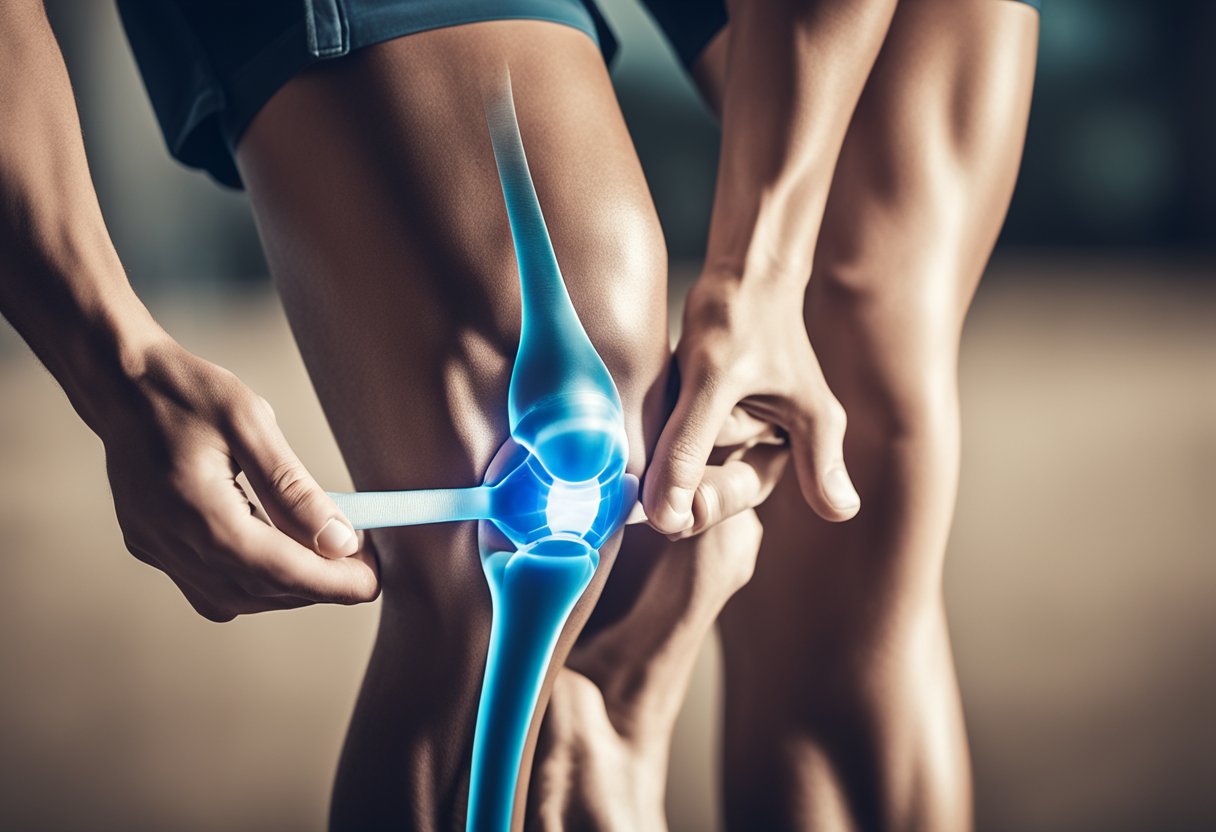
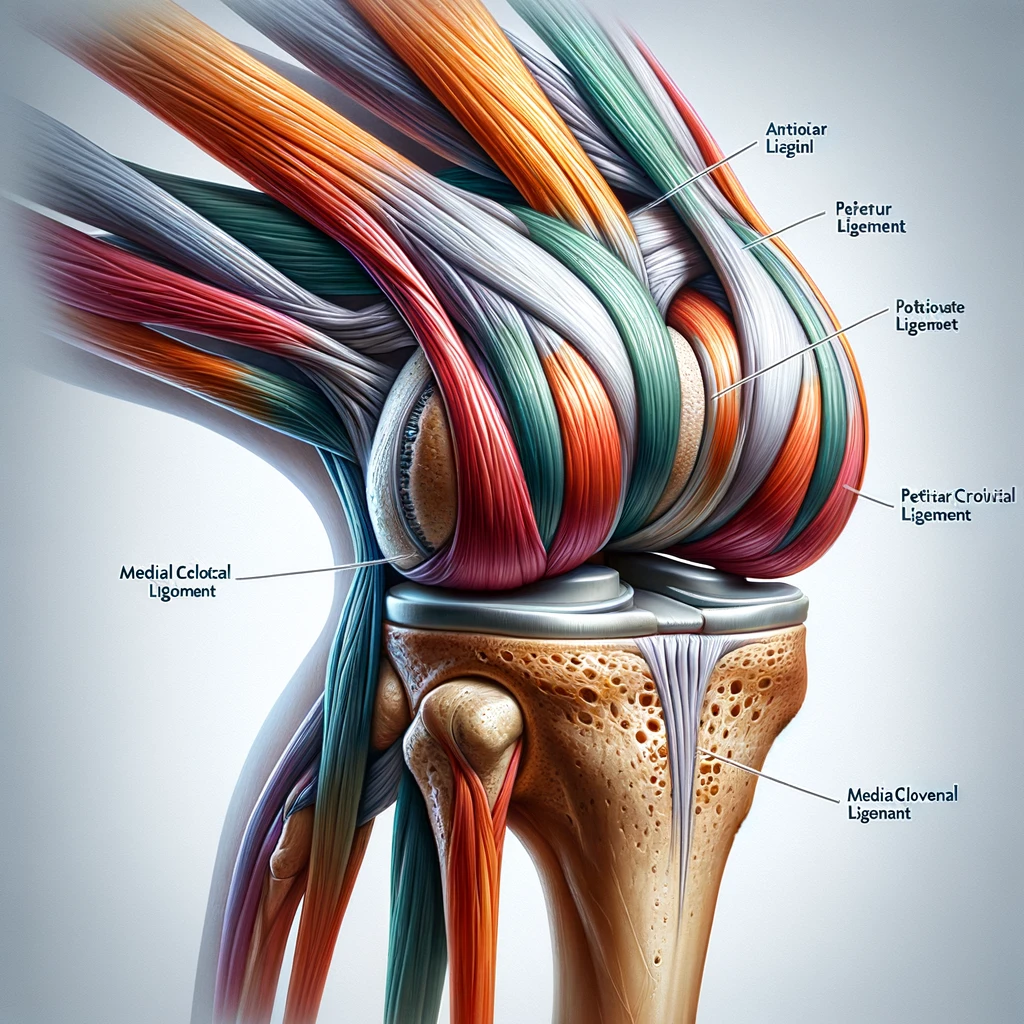
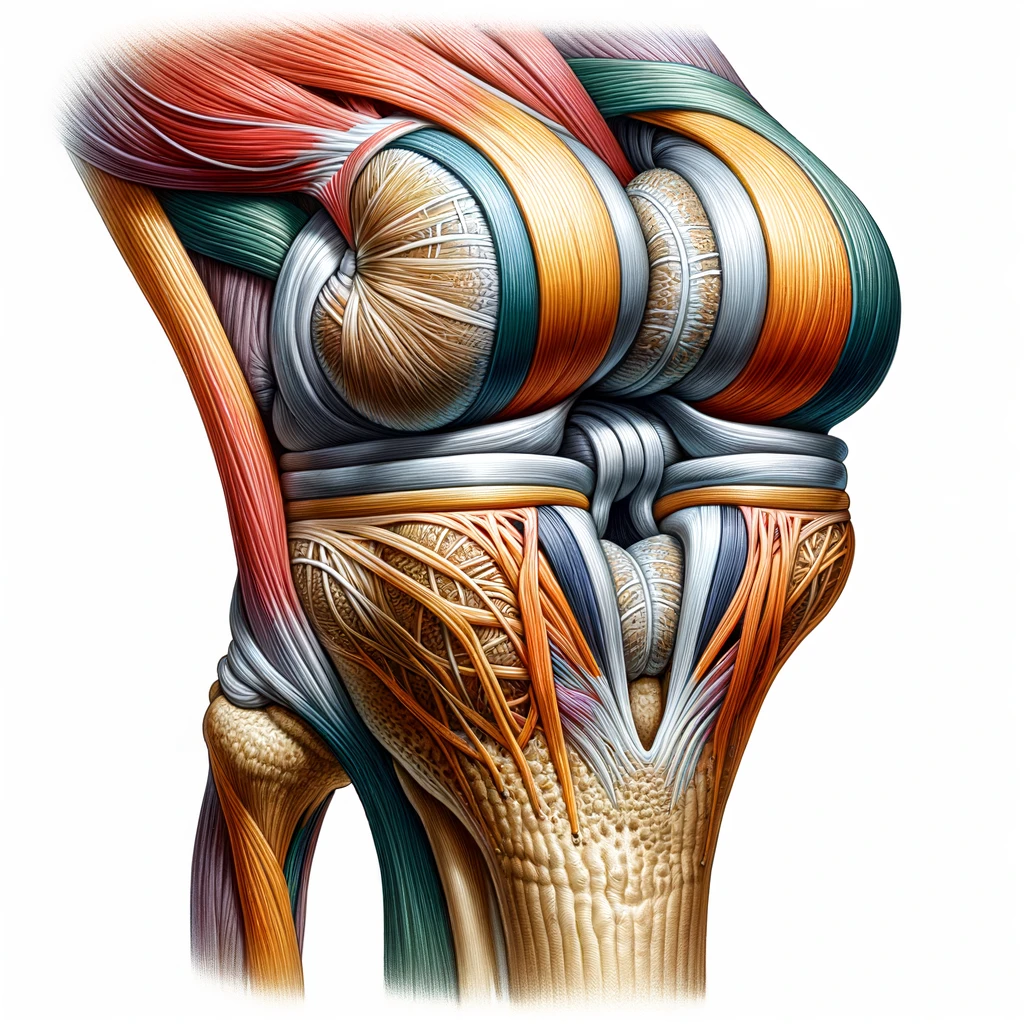
    Knee ligament injuries are common among athletes and can result in significant pain and discomfort. Understanding the different types of knee ligament injuries can help individuals recognize the symptoms and seek appropriate treatment. Knee ligaments are strong, fibrous bands that connect the thigh bone to the lower leg bones, providing stability and support to the knee joint.
    v2 3297l oz8ee

    There are four primary ligaments in the knee: the anterior cruciate ligament (ACL), the posterior cruciate ligament (PCL), the medial collateral ligament (MCL), and the lateral collateral ligament (LCL). Each of these ligaments plays a critical role in the function of the knee joint and can be injured in a variety of ways. For example, ACL injuries are common among athletes who engage in high-impact sports like football and basketball, while MCL injuries are more frequently seen in skiing and other winter sports.

    Listing some common knee ligament injuries:

    LigamentInjurySymptoms
    Anterior cruciate ligament (ACL)Tear or ruptureInstability, knee giving out, swelling, difficulty walking
    Posterior cruciate ligament (PCL)Tear or ruptureInstability, swelling, knee pain
    Medial collateral ligament (MCL)Sprain or tearPain and swelling along inner knee, instability
    Lateral collateral ligament (LCL)Sprain or tearPain and swelling along outer knee, instability
    Patellar tendonStrain, inflammation, partial tearPain below kneecap, difficulty straightening knee
    MeniscusTearCatching, locking, swelling, knee pain

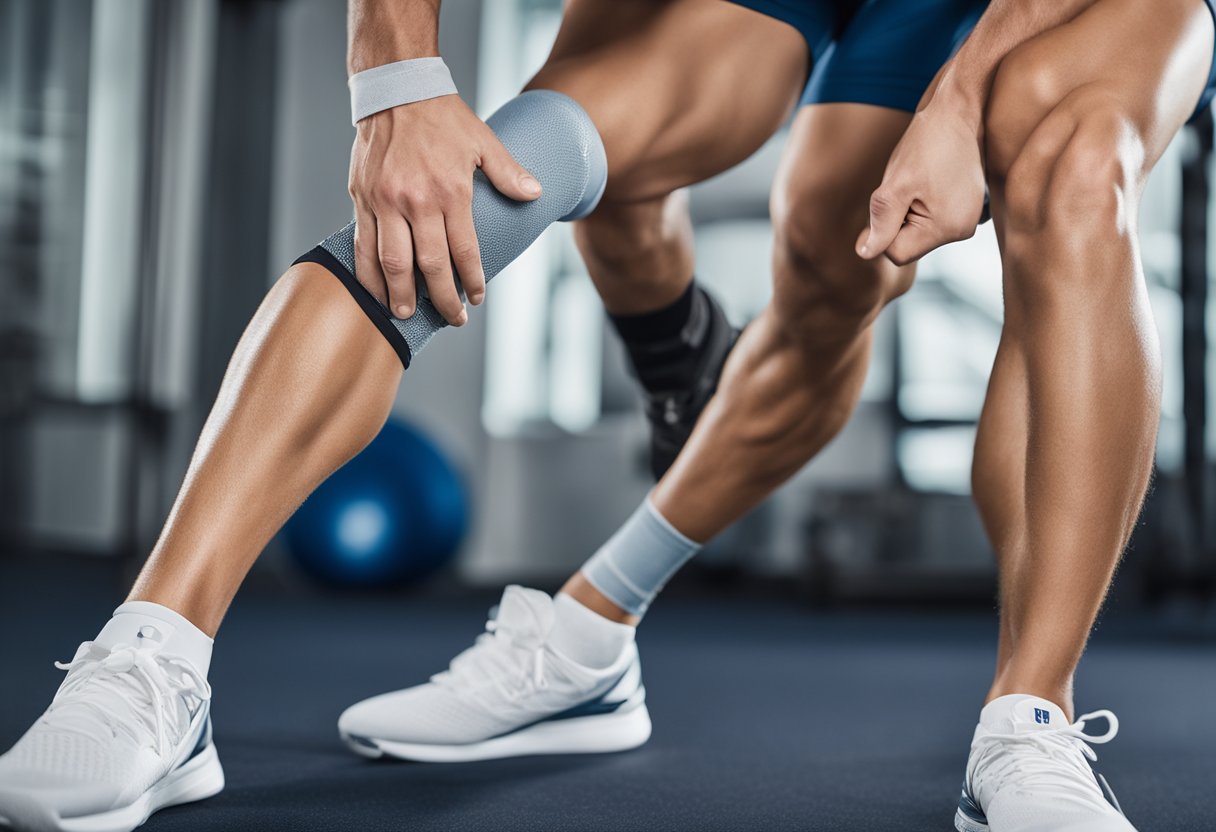
    Some common causes of these knee ligament and tendon injuries are sudden stops/twists, blows to the knee, hyperextension, and frequent overuse in sports. Treatment varies depending on severity but may involve RICE (rest, ice, compression, elevation), immobilization brace, physical therapy, medications, or surgery.
    1ee09c58 6f54 4668 9440 c8383d6987b4

    details on a few common knee ligament injuries and their typical treatments:

    ACL Tear:

    • Most commonly caused by sudden stops/change in direction, hyperextension, or direct blow
    • Can be partial or complete tears
    • Nonsurgical treatment may be used for partial tears or non-athletes: rehab to strengthen muscles around knee, bracing
    • But most ACL tears, especially complete tears or athletes, require reconstructive surgery using a tissue graft

    MCL Sprain:

    • Caused by direct blow or valgus stress (knee pushed inwards)
    • Minor sprains can heal with RICE, bracing, rehab
    • More severe Grade 3 sprains may require surgery to repair or reconstruct ligament

    Meniscus Tear:

    • Often caused by sudden twisting motion
    • Partial tears may heal with conservative treatment – physical therapy, brace, injections
    • Surgery usually required for complex, unstable tears or tears with mechanical symptoms (locking, catching, etc.)
    • Surgery removes damaged meniscus or repairs tears through suturing

    PCL Tear:

    • Most result from direct blow/force to flexed knee (dashboard injuries)
    • Nonsurgical treatment can be tried especially partial tears – rehab, bracing
    • Surgical options are PCL repair, reconstruction with tissue graft

    The specifics of treatment really depend on factors like location/severity of injury, patient age and activity level. But in general, mild sprains do well with conservative care, while severe ligament tears often require surgery. Let me know if you have any other questions!Copy

    knee ligament injuries and their treatments :

    InjuryCauseSymptomsNonsurgical TreatmentSurgical Treatment
    ACL TearSudden stops/change of direction, hyperextension, direct blowsInstability, knee giving out, swelling, difficulty walkingRehab, bracing (for partial tears or non-athletes)ACL reconstruction with tissue graft
    MCL SprainDirect blow, valgus stress (pushing knee inwards)Pain and swelling along inner knee, instabilityRICE, bracing, rehab (for minor sprains)Surgery to repair or reconstruct ligament (severe Grade 3 sprains)
    Meniscus TearTwisting motionCatching, locking, swelling, knee painPhysical therapy, brace, injections (partial tears)Removing or suturing damaged meniscus tissue
    PCL TearDirect blow or force to flexed kneeInstability, swelling, knee painRehab, bracing (partial tears or non-athletes)PCL repair or reconstruction with tissue graft

    Key Takeaways

    • Knee ligaments are strong, fibrous bands that connect the thigh bone to the lower leg bones, providing stability and support to the knee joint.
    • The four primary ligaments in the knee are the anterior cruciate ligament (ACL), the posterior cruciate ligament (PCL), the medial collateral ligament (MCL), and the lateral collateral ligament (LCL).
    • ACL injuries are common among athletes who engage in high-impact sports like football and basketball, while MCL injuries are more frequently seen in skiing and other winter sports.

    Understanding Knee Ligament Injuries

    As orthopedic specialists, we understand that knee injuries can be debilitating and painful. Knee ligament injuries are a common type of knee injury that can cause knee pain and limit passive range of motion. In this section, we will discuss two of the most common types of knee ligament injuries: Anterior Cruciate Ligament (ACL) Injuries and Meniscal Injuries.

    Anterior Cruciate Ligament Injuries

    The ACL is one of the four main ligaments in the knee that connects the femur to the tibia. It is responsible for controlling rotation and forward movement of the tibia. ACL injuries are a common type of knee injury, especially among athletes who engage in high-impact sports such as football, soccer, and basketball.

    An ACL tear can occur due to a traumatic injury, such as a sudden stop or change in direction, or due to degenerative changes in the knee over time. Symptoms of an ACL tear include knee pain, swelling, and instability. An ACL tear is typically diagnosed through a physical exam, imaging tests such as an MRI, and arthroscopy.

    Treatment for an ACL tear may involve nonsurgical options such as physical therapy and bracing, or surgical options such as ACL reconstruction. ACL reconstruction involves replacing the torn ACL with a graft, typically from the patellar tendon or hamstring tendon.

    Meniscal Injuries

    The menisci are two crescent-shaped pieces of cartilage in the knee that act as shock absorbers and help to distribute weight evenly across the knee joint. Meniscal injuries are a common type of knee injury, especially among athletes who engage in high-impact sports.

    Meniscal tears can occur due to a traumatic injury or due to degenerative changes in the knee over time. Symptoms of a meniscal tear include knee pain, swelling, and clicking or locking of the knee joint. A meniscal tear is typically diagnosed through a physical exam, imaging tests such as an MRI, and arthroscopy.

    Treatment for a meniscal tear may involve nonsurgical options such as physical therapy and bracing, or surgical options such as meniscal repair or meniscectomy. Meniscal repair involves suturing the torn meniscus back together, while meniscectomy involves removing the torn portion of the meniscus.

    In conclusion, knee ligament injuries such as ACL injuries and meniscal injuries can cause knee pain and limit passive range of motion. It is important to seek medical attention if you suspect you have a knee injury. Treatment options vary depending on the severity of the injury and may involve nonsurgical or surgical options.

    Treatment and Rehabilitation

    When it comes to treating knee ligament injuries, there are a few different options available. Depending on the severity of the injury, surgical procedures may be necessary. In less severe cases, non-surgical treatments such as physical therapy and rehabilitation exercises may be recommended.

    Surgical Procedures

    Surgical procedures for knee ligament injuries can include knee surgery or knee replacement. Knee surgery may involve arthroscopic lavage or debridement, which is the removal of damaged tissue from the knee joint. In more severe cases, surgical procedures may be necessary to repair or replace damaged ligaments or cartilage.

    Cartilage Regeneration Techniques

    Cartilage regeneration techniques are used to repair damaged cartilage in the knee joint. Techniques such as marrow stimulation and autologous chondrocyte implantation can be used to regenerate cartilage and promote healing. These techniques involve the use of chondrocytes, which are cells that produce and maintain cartilage tissue.

    It is important to note that post-traumatic osteoarthritis can develop after knee ligament injuries, especially if they are not treated properly. To prevent this, it is important to follow a rehabilitation program that includes exercises to strengthen the muscles around the knee joint and improve knee kinematics. Additionally, large animal models such as rabbits, sheep, goats, pigs, and dogs have been used for translational work in this field.

    In conclusion, there are various treatments available for knee ligament injuries, ranging from non-surgical options such as physical therapy to surgical procedures such as knee replacement. Cartilage regeneration techniques can also be used to promote healing and prevent post-traumatic osteoarthritis. It is important to follow a rehabilitation program to prevent further damage and promote healing.
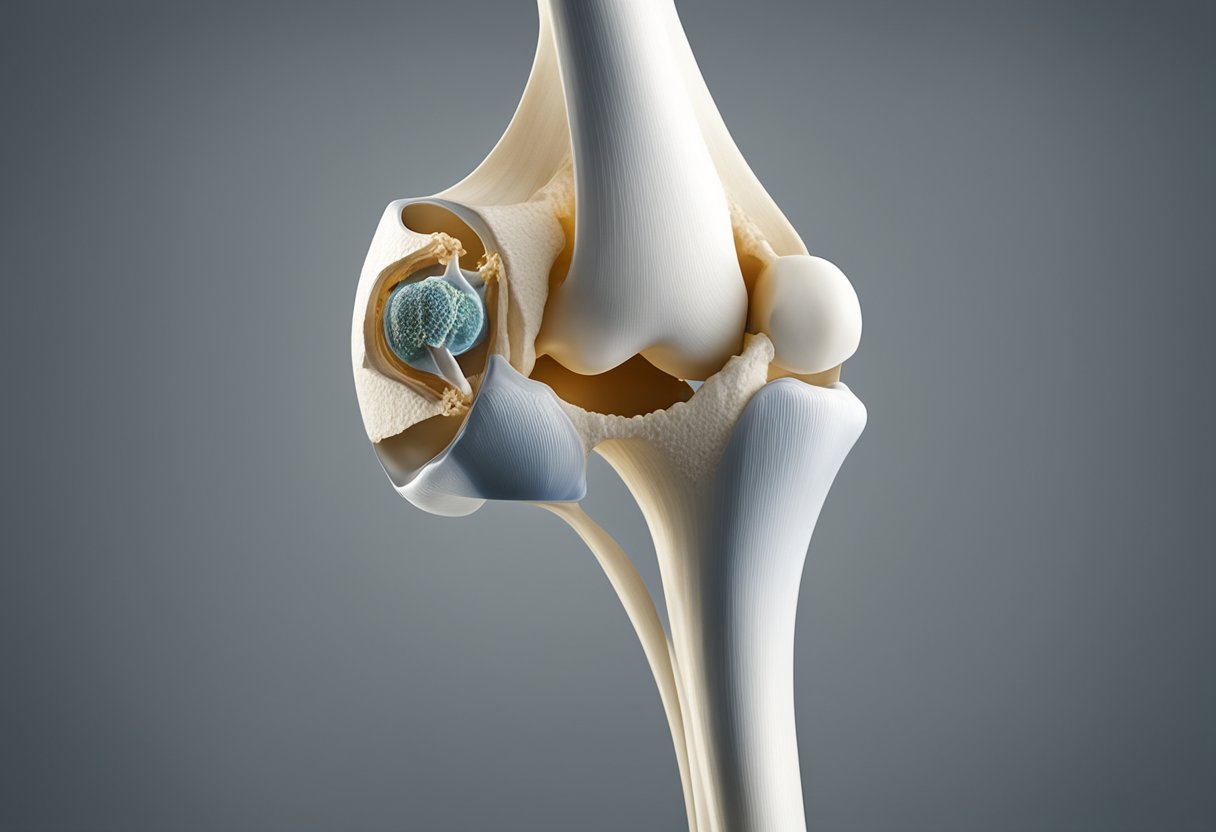
  • Knee Joint Damage

    Knee Joint Damage

    Knee Joint Damage: Causes, Symptoms, and Treatment Options

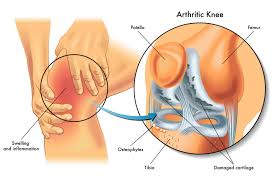
    Knee joint damage is a common condition that can affect anyone, regardless of age or activity level. It can be caused by a variety of factors, including injury, overuse, and degenerative conditions like arthritis. Knee joint damage can cause pain, swelling, and stiffness, and can make it difficult to perform everyday activities like walking, climbing stairs, or even standing up.

    v2 2idrl 2by2r

    Common Causes of Knee Joint Damage include injury, overuse, and degenerative conditions like arthritis. Symptoms and Diagnosis of knee joint damage can vary depending on the severity of the condition, but may include pain, swelling, stiffness, and difficulty moving the knee joint. Treatment and Prevention options for knee joint damage may include rest, physical therapy, medication, and surgery, depending on the cause and severity of the condition. With proper care and treatment, many people are able to manage their knee joint damage and maintain an active lifestyle.

    Key Takeaways

    • Knee joint damage is a common condition that can be caused by injury, overuse, or degenerative conditions like arthritis.
    • Symptoms of knee joint damage can include pain, swelling, stiffness, and difficulty moving the knee joint.
    • Treatment options for knee joint damage may include rest, physical therapy, medication, and surgery, depending on the cause and severity of the condition.

    Common Causes of Knee Joint Damage

    Knee joint damage is a common problem that affects many people, especially as they get older. In this section, we will discuss some of the most common causes of knee joint damage.

    Aging and Degeneration

    As we age, the cartilage in our knee joint can wear down, leading to osteoarthritis. This is a degenerative condition that can cause pain, stiffness, and swelling in the knee joint.

    Injury and Trauma

    Injuries and trauma can also cause knee joint damage. Falls, tears, fractures, and dislocations can all lead to knee pain and instability. ACL injuries, tendon tears, and meniscus tears are also common knee injuries.

    Sports and Exercise

    Certain sports and exercises can put a lot of stress on the knee joint, leading to damage. Activities like running, soccer, basketball, and skiing can all cause knee injuries. Patellar tendinitis and iliotibial band syndrome are also common sports-related knee injuries.

    Health Conditions

    Some health conditions can also contribute to knee joint damage. Rheumatoid arthritis is an autoimmune condition that can cause inflammation and damage to the knee joint. Gout and septic arthritis are other health conditions that can affect the knee joint.

    Obesity and Overuse

    Being overweight or obese can put extra stress on the knee joint, leading to damage. Overuse can also cause knee joint damage, especially if you participate in activities that involve repetitive motions.

    Other Causes

    Other causes of knee joint damage include osteoporosis, obvious deformity, weakness, and instability. These factors can all contribute to knee pain and discomfort.

    In summary, knee joint damage can be caused by a variety of factors, including aging, injury, sports and exercise, health conditions, obesity, and overuse. Understanding these common causes can help you take steps to prevent knee joint damage and protect your knee health.

    Symptoms and Diagnosis

    Recognizing Symptoms

    If you have knee joint damage, you may experience symptoms such as pain, swelling, inflammation, stiffness, and limited range of motion. In some cases, you may also notice redness around the affected area. If you experience any of these symptoms, it is important to seek medical attention.

    Medical Diagnosis

    When you visit your doctor, they will conduct a physical exam and ask you questions about your symptoms. They may also recommend imaging tests such as X-rays or an MRI to get a better look at the affected area.

    X-rays can help identify any bone damage, while an MRI can provide more detailed information about the soft tissues in your knee joint. Your doctor may also order blood tests to check for signs of infection or inflammation.

    Once your doctor has evaluated your symptoms and test results, they can make a diagnosis and recommend a treatment plan. It is important to follow your doctor’s recommendations closely to ensure the best possible outcome.

    Treatment and Prevention

    v2 2idrx hg5wo

    When it comes to knee joint damage, there are various treatment and prevention strategies that can be employed to alleviate symptoms and prevent further injury. In this section, we will discuss some of the most effective approaches to treating and preventing knee joint damage.

    Conservative Treatments

    Conservative treatments are non-invasive interventions that aim to reduce pain and swelling, and promote healing. These treatments may include:

    • Rest: Avoiding activities that aggravate the knee joint can help reduce pain and promote healing.
    • Ice: Applying ice to the affected area can help reduce swelling and pain.
    • Compression: Wrapping the knee joint with an elastic bandage can help reduce swelling and provide support.
    • Elevation: Elevating the affected leg can help reduce swelling and improve blood flow.
    • Physical therapy: A physical therapist can help develop a customized exercise program to improve strength and flexibility in the affected knee joint.
    • Medication: Over-the-counter pain relievers such as nonsteroidal anti-inflammatory drugs (NSAIDs) can help reduce pain and inflammation.

    Surgical Interventions

    In some cases, conservative treatments may not be enough to alleviate symptoms of knee joint damage. In these instances, surgical interventions may be necessary. Some common surgical interventions for knee joint damage include:

    • Arthroscopy: A minimally invasive procedure that involves inserting a small camera into the knee joint to diagnose and treat the problem.
    • Knee replacement: A surgical procedure that involves replacing the damaged knee joint with an artificial joint.

    Prevention Strategies

    Prevention is key when it comes to knee joint damage. Some effective prevention strategies include:

    • Exercise: Regular exercise can help improve strength and flexibility in the knee joint, reducing the risk of injury.
    • Stretching: Stretching before and after exercise can help improve flexibility and reduce the risk of injury.
    • Use of knee braces: Wearing a knee brace during physical activity can help provide support and prevent injury.
    • Avoiding high-impact activities: Activities such as running and jumping can put excessive stress on the knee joint, increasing the risk of injury.

    Role of Healthcare Providers

    Healthcare providers play a critical role in the treatment and prevention of knee joint damage. They can provide guidance on effective treatment strategies, monitor progress, and make recommendations for further interventions if necessary. If you are experiencing symptoms of knee joint damage, it is important to consult with a healthcare provider to develop an effective treatment plan.

    Frequently Asked Questions

    v2 2ids2 jqohb

    What are some common causes of knee joint damage?

    There are several common causes of knee joint damage, including injuries from sports or physical activities, repetitive strain on the knee joint, and aging. Other factors that can contribute to knee joint damage include obesity, arthritis, and genetic predisposition.

    What are the symptoms of a meniscus tear in the knee?

    Some common symptoms of a meniscus tear in the knee include pain, swelling, stiffness, and difficulty moving the knee. Other symptoms may include a popping or clicking sensation in the knee, or the feeling that the knee is giving way or locking up.

    How can knee joint damage be treated?

    Treatment for knee joint damage depends on the severity of the injury and the underlying cause. Some common treatments include rest, ice, compression, and elevation (RICE), physical therapy, medications, and in some cases, surgery.

    What are some exercises to help alleviate knee pain?

    Low-impact exercises such as swimming, cycling, and yoga can help alleviate knee pain by strengthening the muscles that support the knee joint. Other exercises that can help alleviate knee pain include leg lifts, hamstring curls, and squats.

    What are the effects of permanent knee damage?

    Permanent knee damage can have a significant impact on a person’s mobility and quality of life. Depending on the severity of the damage, it may be difficult to walk or engage in physical activities, and chronic pain and stiffness may be a constant issue.

    What are some home remedies for knee pain relief?

    Some home remedies for knee pain relief include applying ice or heat to the affected area, taking over-the-counter pain medications, and using topical creams or ointments. Other remedies may include rest, gentle stretching and exercise, and maintaining a healthy weight to reduce pressure on the knee joint.

  • Knee Decreased Range of Motion

    Knee Decreased Range of Motion

    Knee Decreased Range of Motion: Causes and Treatment Options

    As we age, our bodies undergo various changes, including a decrease in joint mobility. Knee joint mobility, in particular, is crucial for performing daily activities such as walking, running, and climbing stairs. A decrease in knee range of motion can significantly impact our quality of life, making it difficult to perform even the simplest of tasks.

    image 114

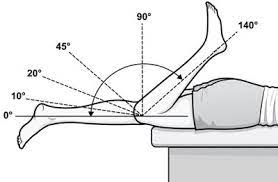
    Understanding the knee joint and its range of motion is essential to identify the cause of decreased mobility. The knee joint is a complex hinge joint that connects the femur (thigh bone) to the tibia (shin bone). It is made up of bones, cartilage, ligaments, and tendons that work together to provide stability and mobility. The normal range of motion for the knee joint is between 0-140 degrees, allowing for flexion and extension of the leg.

    Common conditions leading to decreased knee range of motion include arthritis, injury, and surgery. Arthritis is a degenerative joint disease that causes inflammation and pain in the knee joint, leading to decreased range of motion. Injury or trauma to the knee, such as a fracture or ligament tear, can also result in decreased mobility. Surgery, such as knee replacement or reconstruction, may cause temporary or permanent loss of knee range of motion.

    Understanding Knee Joint and Its Range of Motion

    The knee joint is a complex joint that connects the thigh bone (femur) to the shinbone (tibia). It is a hinge joint that allows for movement in two directions: flexion (bending) and extension (straightening). The knee joint also has a small amount of rotation, which allows for twisting movements of the leg.

    Normal Range of Motion

    The normal range of motion (ROM) for the knee joint is between 0 and 135 degrees. This means that the knee can fully extend (straighten) to 0 degrees and can flex (bend) up to 135 degrees. The normal ROM of the knee joint is essential for daily activities such as walking, running, and climbing stairs.

    download 2023 11 12T213856.418

    Factors Affecting Range of Motion

    Several factors can affect the ROM of the knee joint. These include:

    • Age: As we age, the knee joint can become stiffer, reducing the ROM.
    • Injury: An injury to the knee joint, such as a ligament tear, can limit the ROM.
    • Surgery: Knee surgery can also limit the ROM of the joint.
    • Arthritis: Arthritis can cause inflammation and damage to the knee joint, which can limit the ROM.

    Maintaining good knee health is essential to ensure proper knee ROM. Regular exercise, stretching, and maintaining a healthy weight can help improve knee ROM.

    In conclusion, understanding the knee joint and its ROM is crucial in maintaining good knee health. Knowing the normal ROM of the knee joint and the factors that can affect it can help individuals take steps to improve their knee health and prevent knee-related issues.

    Common Conditions Leading to Decreased Knee Range of Motion

    image 115

    Decreased knee range of motion can be caused by a variety of conditions, including injuries and diseases, as well as degenerative conditions. In this section, we will discuss some of the most common conditions that can lead to decreased knee range of motion.

    Injuries and Diseases

    Injuries and diseases are some of the most common causes of decreased knee range of motion. Knee injuries, such as meniscus tears, anterior cruciate ligament (ACL) injuries, and posterior cruciate ligament (PCL) injuries, can cause pain, stiffness, and swelling, which can limit your range of motion. Infections, inflammation, and autoimmune conditions can also cause knee swelling and stiffness, leading to decreased range of motion.

    Degenerative Conditions

    Degenerative conditions, such as osteoarthritis and rheumatoid arthritis, can cause joint pain, inflammation, and stiffness, which can limit your range of motion. Arthrofibrosis, a condition where scar tissue forms in the knee joint, can also cause decreased range of motion. Bone spurs and osteophytes, which are bony growths that can develop in the knee joint, can also limit your range of motion.

    Overall, there are many conditions that can cause decreased knee range of motion. If you are experiencing knee pain, stiffness, or swelling, it is important to see a healthcare provider to determine the underlying cause and develop an appropriate treatment plan.

    Diagnosis and Treatment of Decreased Knee Range of Motion

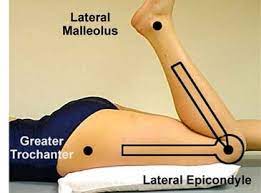
    When a patient presents with decreased knee range of motion, we must first diagnose the underlying cause before selecting an appropriate treatment plan. Diagnosis methods typically involve a physical examination, X-rays, and the use of a goniometer to measure the degree of motion.

    Diagnosis Methods

    During a physical examination, we assess the patient’s knee for any visible deformities, swelling, or misalignment. We also check for signs of muscle weakness or tearing, strain, sprain, or rupture. X-rays are used to visualize any fractures or dislocations, while a goniometer is used to measure the degree of motion in the knee joint.

    Treatment Options

    Once the underlying cause has been identified, we can select an appropriate treatment plan. Treatment options may include physical therapy, surgery, or medication. Physical therapy is often used to strengthen the muscles around the knee joint, improve alignment, and increase range of motion. Strengthening exercises can be used to improve muscle strength, while shock absorbers can be used to reduce impact on the knee joint during physical activity.

    In more severe cases, knee surgeries such as knee replacement may be necessary. Medication may also be prescribed to manage pain and inflammation. Rehabilitation is often required after surgery to aid in the healing process and restore full range of motion.

    In conclusion, decreased knee range of motion can be caused by a variety of factors, from muscle weakness to fractures or dislocations. Proper diagnosis and treatment are essential for restoring full function to the knee joint. By utilizing a combination of physical therapy, surgery, and medication, we can effectively manage this condition and help patients regain their mobility.

    Prevention and Rehabilitation

    image 114

    To prevent decreased range of motion in the knee, we recommend taking proactive steps to maintain knee health. This includes maintaining a healthy weight to reduce stress on the knee joint and ensuring proper movement and alignment during physical activities.

    Regular stretching and exercises to improve knee flexion and strengthen the muscles and tendons around the knee can also help prevent knee injuries and reduce the risk of decreased range of motion.

    If you are experiencing reduced range of motion or knee instability, rehabilitation exercises can help improve knee stability and flexibility. This may include exercises to strengthen the thigh and shin muscles, improve muscle stiffness, and reduce restriction and wear and tear on the knee joint.

    In addition to exercises, we may recommend the use of braces or other supportive devices to provide additional stability during physical activities. It is also important to avoid activities that exacerbate knee pain or instability, such as excessive bending or climbing stairs.

    Overall, taking proactive steps to maintain knee health and seeking rehabilitation when necessary can help prevent and treat decreased range of motion in the knee.

    Frequently Asked Questions

    image 116

    What limits the range of motion around a joint such that damage to the area is prevented?

    The range of motion around a joint is limited by the surrounding ligaments, tendons, and muscles. These soft tissues provide stability to the joint and prevent damage to the area.

    What are some of the most common causes of reduced range of motion?

    Reduced range of motion can be caused by injury, inflammation, or degeneration of the joint. Other factors that can contribute to reduced range of motion include muscle weakness or stiffness, poor posture, and lack of physical activity.

    How do I restore the range of motion in my knee?

    Restoring range of motion in the knee can be achieved through a combination of stretching and strengthening exercises. Physical therapy can also be helpful in restoring range of motion.

    What causes decreased knee flexion?

    Decreased knee flexion can be caused by a variety of factors, including injury, arthritis, or muscle weakness. In some cases, surgery may be necessary to restore knee flexion.

    What are the best exercises for knee range of motion?

    Some of the best exercises for knee range of motion include heel slides, knee extensions, and hamstring stretches. It is important to work with a physical therapist to develop an exercise program that is tailored to your specific needs.

    How to increase range of motion in knee after surgery?

    After knee surgery, it is important to follow a rehabilitation program that includes both stretching and strengthening exercises. Your physical therapist will work with you to develop a program that is appropriate for your specific needs and goals.