Tag: Knee Pain

  • Conquering Knee Pain: Unraveling Symptoms, Diagnosis, and Treatment Options

    Conquering Knee Pain: Unraveling Symptoms, Diagnosis, and Treatment Options

    Experiencing knee pain? Don’t struggle in silence! In this comprehensive guide, we’ll decode your symptoms, understand diagnosis, and explore treatment options for a pain-free journey.

    Introduction

    Knee pain is an exceedingly common complaint, affecting nearly 1 in 4 adults in America every year. Its prevalence spans all ages – from young athletes to the elderly. Persistent knee discomfort can severely impact our mobility and quality of life.

    Understanding the source and nature of knee pain provides a pathway to effective diagnosis and treatment. This guide offers clarity by unraveling the location, sensation, severity and associated symptoms that characterize knee pain. We demystify complex diagnostic techniques, illuminate common and uncommon culprits, and chart a course towards evidence-based treatment options for lasting relief.

    Bolstered with tips for daily management and resources to empower your health journey, we hope to bring you one step closer to conquering knee pain. You don’t have to struggle alone – knowledge is power, and relief is possible.

    1. Demystifying Knee Pain: A Symphony of Symptoms

    Knee pain manifests as an intricate web of symptoms, with helpful clues embedded within its location, duration, intensity, triggers and associated manifestations. Let’s decode what your knee is trying to tell you.

    a. Recognizing Acute vs Chronic Knee Pain

    Acute knee pain is sudden in onset, often from injury or overuse. It usually subsides with rest and basic treatment within days or weeks. Chronic knee discomfort persists for over 3-6 months despite treatment. Understanding duration and precipitating events provides insight.

    For example, acute pain after hyper-extending the knee likely indicates a ligament sprain. Conversely, chronic morning knee stiffness hints at inflammatory arthritis. Recognizing acute versus chronic is key for diagnosis.

    b. Location Matters: Pinpointing Pain Regions

    4fd17db3 5931 4be0 b057 f9ff4a62b163

    Knee anatomy is complex – several structures like cartilage, ligaments, tendons and bones comprise the joint. Pinpointing precise regions of knee pain helps diagnose affected structures.

    Front of knee pain often indicates patellofemoral syndrome (kneecap issues) or patellar tendonitis (inflammation of the tendon connecting kneecap to shinbone).

    Back of knee discomfort could signal injuries in ligaments, cartilage or the popliteal tendon. Cysts or tissue masses can also irritate this region.

    Experiencing generalized sides or center knee pain? Consider joint diseases like arthritis or bursitis. Identifying regional pain is Step 1 for your doctor.
    fe9c72e7 bca6 4d79 8a63 597128c9b6db

    c. Intensity & Frequency: A Tale of Throbbing, Aching & Discomfort

    Characterizing knee pain sensation and frequency provides more insights. Here are common descriptions:

    • Throbbing pain often results from inflammation or injury.
    • dull ache may indicate arthritis or chronic bursitis.
    • Sharp, stabbing pain could signal tears, cysts or loose bodies within joint.
    • Occasional or frequent pain? Note pain-inducing positions or activities too.

    Does pain wake you from sleep? Weightbearing activities like walking or climbing stairs can also aggravate certain knee conditions. Clearly communicating pain quality, severity and persistence guides accurate diagnoses.

    d. Associated Symptoms: Swelling, Stiffness, Instability & Beyond

    Knee pain seldom occurs in isolation – watch for associated red flags:

    • Joint swelling and warmth indicates inflammation or fluid buildup.
    • Stiffness upon waking up or sitting hints at arthritis.
    • Weakness or instability may accompany ligament tears or cartilage loss.
    • Limping, muscle atrophy and leg numbness warrants evaluation too.

    Additionally, pay attention to fevers or unintentional weight loss alongside knee pain – this may indicate infections, autoimmune disease or rarely, bone tumors.

    Knee Pain Symptoms

    SymptomDescriptionPossible Causes
    Location:
    Front of kneeAching, popping, grindingPatellofemoral pain syndrome, tendonitis, bursitis
    Back of kneeStiffness, tightness, poppingBaker’s cyst, hamstring tightness, meniscus tear
    Inner kneeAching, instabilityMedial collateral ligament (MCL) sprain, meniscus tear
    Outer kneeAching, weaknessLateral collateral ligament (LCL) sprain, iliotibial band syndrome
    Intensity and Frequency:
    Sharp, sudden painInjury, ligament tear, fracture
    Dull, aching painArthritis, overuse, tendonitis
    Pain worsens with activityArthritis, tendinitis, bursitis
    Night painOsteoarthritis, inflammatory arthritis
    Associated Symptoms:
    SwellingInflammation, fluid buildup, injury
    StiffnessDifficulty bending or straightening the knee
    WeaknessFeeling unstable or giving way
    Clicking or popping soundsMeniscus tear, loose cartilage
    Redness and warmthInfection, gout

    e. When to Seek Immediate Medical Care

    While most knee pain responds well to conservative care, prompt medical assessment is key for:

    • Sudden, severe knee injuries causing immobility
    • Signs of infection like fever with joint swelling/redness
    • Unexplained knee pain with trauma indicators like falls
    • Difficulty bearing weight on leg or knee buckling
    • Numbness/weakness in leg
    • Pain unresponsive to home treatment beyond 48-72 hours

    Seeking timely care prevents complications like permanent joint damage requiring extensive repair later. Don’t delay if red flags arise!

    2. Unmasking the Culprit: Diagnosing the Root Cause

    With a myriad potential causes for knee pain, an accurate diagnosis is crucial for effective treatment. A physician deploys an array of tools to unravel root causes, from medical history to advanced imaging. Let’s demystify this complex process.

    Knee Pain Diagnoses

    DiagnosisDescriptionSymptomsTreatment
    Osteoarthritis: Most common type of arthritis, wearing away of cartilageDull aching pain, stiffness, worse with activityNonsteroidal anti-inflammatory drugs (NSAIDs), physical therapy, weight management, surgery
    Meniscus tear: Tear in the cartilage padsSharp pain, swelling, locking or catching of the kneeRICE (Rest, Ice, Compression, Elevation), physical therapy, surgery
    Ligament sprain: Stretching or tearing of ligamentsSharp pain, swelling, instabilityRICE, bracing, physical therapy, surgery
    Tendonitis: Inflammation of the tendonsAching pain, redness, warmth, worse with activityRICE, stretching, NSAIDs, bracing, physical therapy
    Bursitis: Inflammation of the fluid-filled sacs around the jointPain, swelling, tenderness, rednessRICE, NSAIDs, corticosteroid injections, drainage
    Patellofemoral pain syndrome (PFPS): Pain behind the kneecapDull aching pain, popping or grinding sounds, worse with squatting or climbing stairsPhysical therapy, strengthening exercises, bracing, NSAIDs

    a. Medical History & Physical Examination: Uncovering Clues

    A detailed medical history unravels duration, location and nature of knee symptoms alongside health conditions, injuries, lifestyle factors and occupational hazards.

    For example, an elderly patient with chronic, progressive knee pain that worsens on activity likely has degenerative arthritis. Conversely, acute knee swelling after sports hints at traumatic injuries.

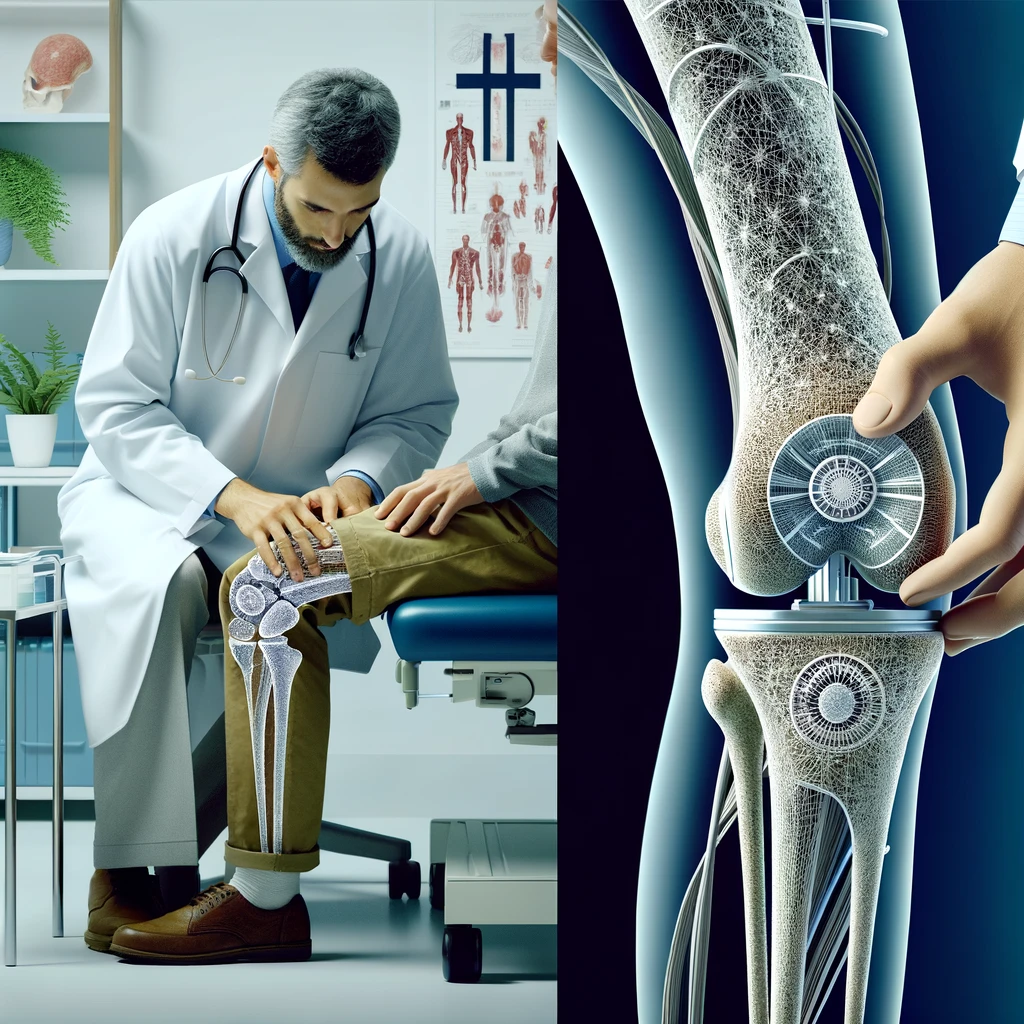
    The physical exam assesses injury through range of motion tests, palpation for joint line tenderness, swelling and instability. Gait evaluation and alignment studies are conducted. Preliminary diagnoses take shape through pattern recognition.

    2453c394 d943 4100 b000 14e043d70bac

    Treatment Options for Knee Pain

    TreatmentDescriptionSuitable for
    Non-surgical:
    RICE: Rest, Ice, Compression, ElevationReduces inflammation, swelling, and painMost types of knee pain
    Pain medication: NSAIDs, acetaminophenRelieves pain and inflammationMild to moderate pain
    Physical therapy: Stretches, strengthening exercises, gait trainingImproves flexibility, strength, and range of motionMost types of knee pain
    Bracing: Provides support and stabilityLigament sprains, patellofemoral pain syndrome
    Injections: Corticosteroids, hyaluronic acidReduce inflammation and painTendinitis, bursitis, osteoarthritis
    Weight management: Reduces pressure on the jointOverweight or obese individuals with knee pain
    Alternative therapies: Acupuncture, massage, yogaMay provide pain relief and improve mobilitySome types of knee pain
    Surgical:
    Arthroscopy: Minimally invasive surgery for repairing meniscus tears, cartilage damage, and ligament tearsMeniscus tears, cartilage damage, ligament tears
    Joint replacement: Replacing a damaged joint with a prosthetic oneSevere osteoarthritis, severe injuries

    b. Imaging Techniques: X-Rays, MRIs & Beyond

    Imaging allows visual confirmation of potential problems spotted on exam.

    X-rays: Bones and joints. Can detect fractures, arthritis, tumors.

    MRI scans: Complex structures like ligaments, cartilage, tendons. Ideal for injury without bone involvement.

    CT scans: Detailed bone imaging for injuries, lesions and arthritis.

    Ultrasound: Assesses soft tissue inflammation, swelling, masses. Faster, cheaper than MRI.

    Diagnostic injections: Contrast dye injection highlights cartilage damage, inflammation and osteoarthritis.

    Imaging pinpoints structural origins driving knee troubles – from meniscal tears to cartilage breakdown in arthritis.

    01c72230 1c94 476c a909 891236fff833

    c. Lab Tests: Markers of Inflammation & Infection

    Beyond imaging, laboratory tests aid diagnosis by detecting inflammatory processes. These include:

    • **CBC (complete blood count) – **elevated white blood cells indicates infections.
    • **ESR/CRP – **rising inflammatory markers suggests inflammatory arthritis.
    • **Arthrocentesis – **removing fluid for direct analysis, helpful in unexplained knee swelling.
    • **Synovial biopsy – **extracting tissue for microscopic studies to confirm joint infections, gout, autoimmune disease.

    Though secondary to imaging, lab work facilitates analysis of joint fluid and tissues and guides management.

    d. Common Diagnoses: Arthritis, Tendinitis & Sports Injuries

    Now we integrate clinical findings into a unified diagnosis. Common knee pain culprits include:

    • **Osteoarthritis: **Cartilage breakdown causing bone-on-bone knee rubbing. Gradual onset, worse with activity.
    • Rheumatoid/inflammatory arthritis: Autoimmune joint inflammation. Bilateral pain, associated fatigue and rashes.
    • Tendinitis: Swelling in tendons like patellar/quadriceps due to overuse. Local pain on movement.
    • Bursitis: Inflamed fluid sacs (bursae) around kneecap/joints from injury/overuse. Restricted mobility.
    • Meniscal tears: Shock-absorbing cartilage tears causing catching/locking. Sudden onset, often with pivoting motions.

    Sports injuries like anterior cruciate ligament (ACL) sprains also manifest with acute trauma. Understanding common knee troubles shapes further evaluation.

    e. Less Common Causes: Cysts, Loose Bodies & Tumors

    While most causes are chronic wear-and-tear or trauma, we occasionally encounter obscure diagnoses:

    • Intra-articular cysts/ganglions: fluid-filled masses causing stiffness.
    • Plica syndrome: Irritated synovial folds in the knee joint, eliciting pain.
    • Loose bodies: Bone or cartilage fragments floating within joint space.
    • Bone infarcts: Tiny stress fractures with insidious knee discomfort, often in over 50s.

    Rarely, infections, jointcrystal deposits or tumors manifest knee troubles without classical triggers. Maintaining an open yet focused diagnostic lens is key.

    3. Charting the Path to Recovery: Treatment Options

    Once diagnosis crystalizes treatment, we progress to evidence-based modalities spanning rest, physical therapy, injections, medications through surgery when necessary – with prevention always in focus. Let’s explore options.

    a. Rest, Ice, Compression & Elevation (RICE)

    The venerable RICE protocol alleviates acute sports injuries, sprains or activity-related pain. It halts further damage in the initial inflammatory phase.

    Rest: Avoid reinjury from sports, pivoting or straining motions. Use crutches if critical.

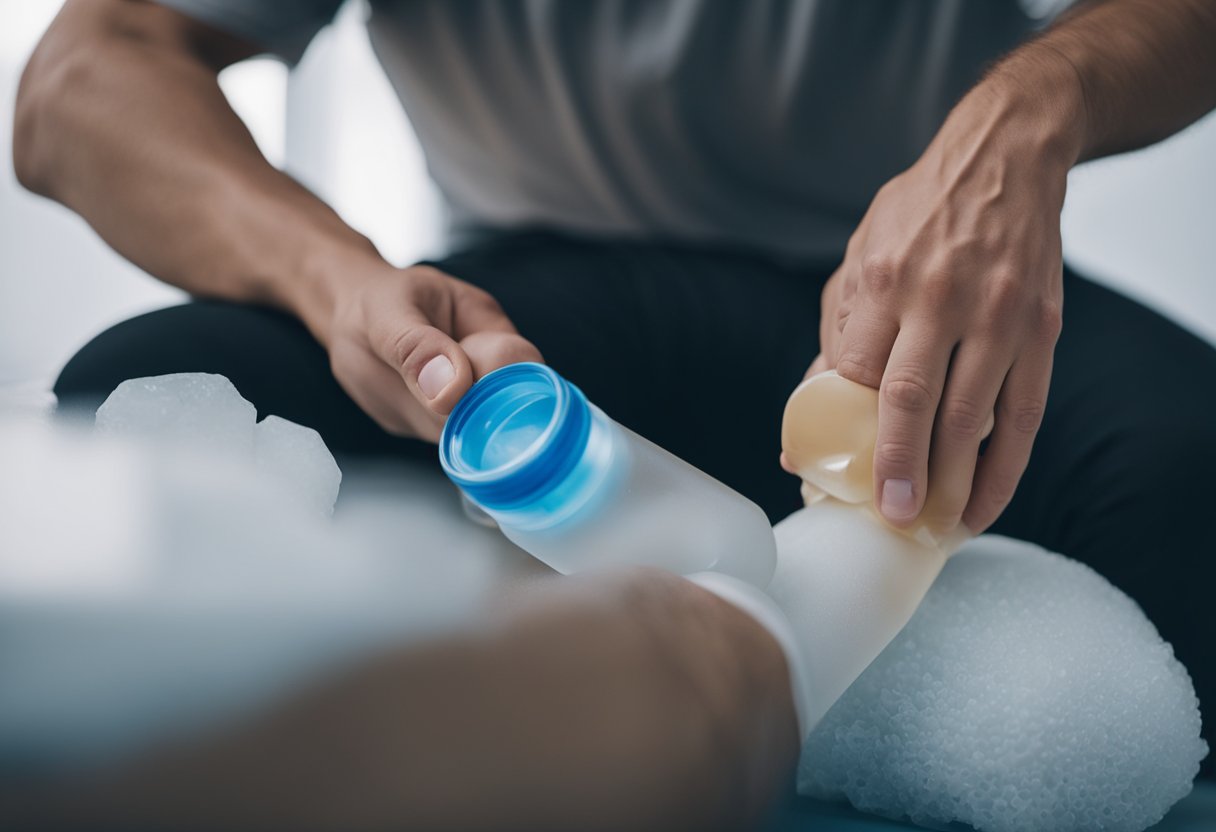
    Ice: Applying ice packs arrests swelling and relieves throbbing pain via vasoconstriction.

    Compression: Wraps, braces or bandages compress the knee, reducing inflammation.

    Elevation: Maintains blood flow away from the knee to ease swelling and discomfort.

    RICE sets the stage for natural healing while allowing ramp up of mobility via therapy. Potent medicine without pills!

    Show Image

    b. Medication Management: Over-the-Counter & Prescription Options

    Oral medication in tandem with RICE relieves knee troubles. Analgesics like acetaminophen or NSAIDs (ibuprofen, naproxen) alleviate acute pain, swelling and stiffness.

    Seeking stronger options for chronic inflammatory arthritis? Disease-modifying antirheumatic drugs (DMARDs) like methotrexate help minimize joint destruction over time.

    For osteoarthritis, supplements like glucosamine/chondroitin provide building blocks to shore up thinning cartilage and lubricate stiff knees.

    Topical anti-inflammatories, capsaicin creams or lidocaine patches offer localized relief too. Judicious medication bridges the gap during early rehab.

    c. Physical Therapy: Strengthening, Stretching & Regaining Mobility

    Physical therapy empowers sustainable healing via targeted exercises. It aims to:

    • Improve flexibility and range of motion.
    • Build strength and stability around joints.
    • Retrain proper gait and movement patterns.
    • Progress endurance for activities and sports.

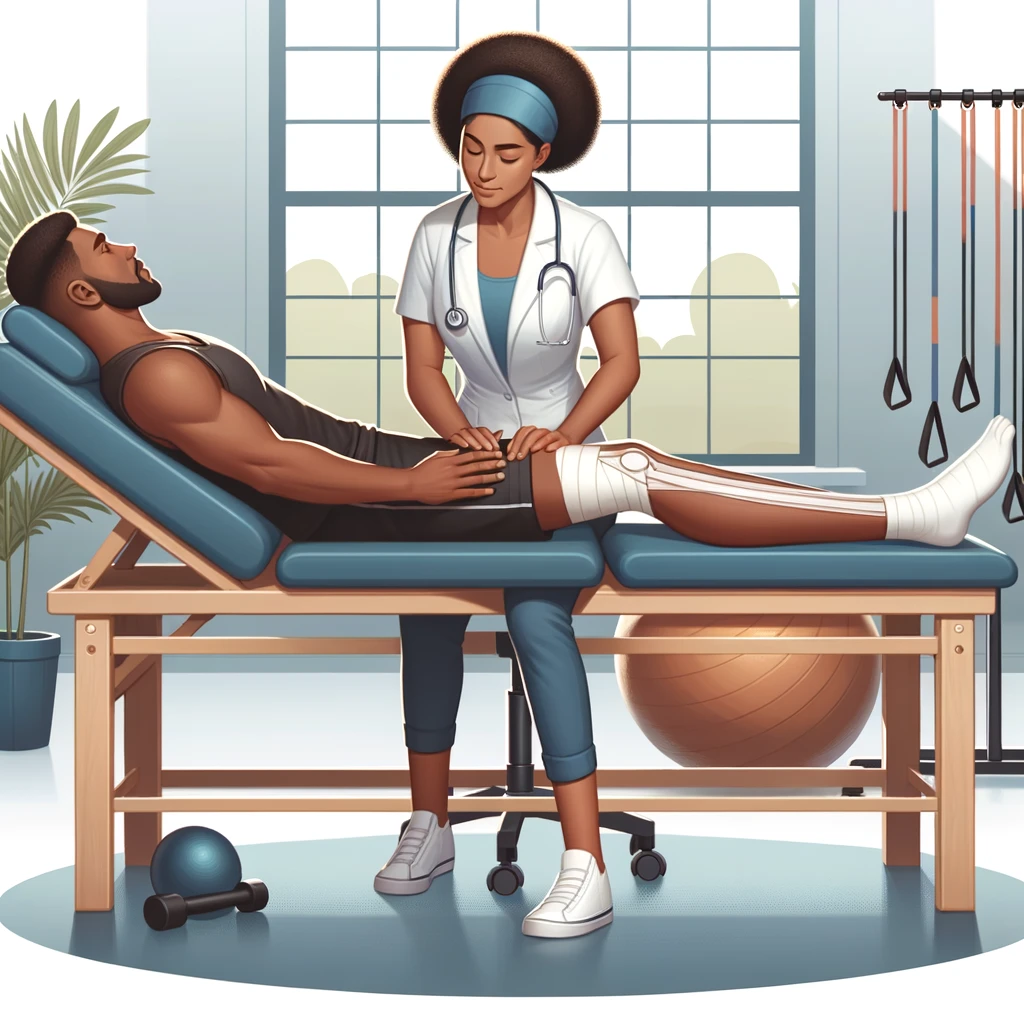
    Physiotherapy alleviates many knee troubles like osteoarthritis, injuries after ligament tears or surgery and tendinitis. It also prevents future damage through conditioning. Customized exercise is potent medicine!

    d. Braces, Tapes and Assistive Devices: Focused Support

    Specialized knee braces and supports aid recovery by:

    • Compressing and stabilizing injury sites.
    • Offloading pressure on damaged surfaces.
    • Improving joint alignment and mechanics.
    • Enhancing proprioception (body awareness).

    Medial/lateral supports for arthritis and ACL/PCL braces for ligament tears offer structural assistance. Crutches and canes also temporarily redistribute weight from the knee. Targeted tools supplement therapy.

    e. When Conservative Treatment Fails: Surgical Options

    Most early knee troubles respond to conservative measures involving RICE, medications, injections or physiotherapy. But when relentless pain or loss of function persists, surgery opens doors to definitive repair.

    Key indications for surgery:

    • Persistent instability from ligament/meniscal tears
    • Locking/catching with cartilage flaps, loose bodies
    • Significantly reduced mobility from arthritis or trauma
    • Failure to improve knee function through nonsurgical options

    Advances in arthroscopy and fast-track surgical protocols allow low risk and minimally invasive procedures for commonly torn ACLs or meniscus injuries with faster recovery. Knee replacement surgeries reliably relieve arthritis failing other modalities too. Going under the knife is no longer the end of the road.

    4. Living Well with Knee Pain: Practical Tips & Life Hacks

    Alongside clinical management, self-care fosters living better with chronic knee troubles through activity modifications, strength and weight optimization. Let’s explore practical coping strategies.

    a. Modifying Activity: Finding New Joy In Movement

    For knees plagued by osteoarthritis, autoimmune disease or old injuries, some motions spell disaster while others offer comfort. Identifying and avoiding problematic activities allows better daily function.

    Pivoting, high impact motions and excessive stair use are notorious knee offenders. Find substitutes – trade basketball for swimming or cycling, or replace stairs with ramps and grab bars through deliberate home adaptations. It’s about rediscovering movement avenues.

    b. Losing Weight: Reducing Joint Load

    The knee is subjected to almost 3-6 times our body weight with daily activities! Losing even 10-15 pounds makes a tangible difference through reducing force on the knees – easing the burden on joints.

    Aim for gradual weight loss through calorie reduction and gentle cardio instead of crash diets and high impact exercising. Aquatic workouts and cycling are gentler complements to walking. Good nutrition and rest keeps energy levels up despite limitations!

    c. Muscle Strengthening & Stretching: Building Surrounding Support

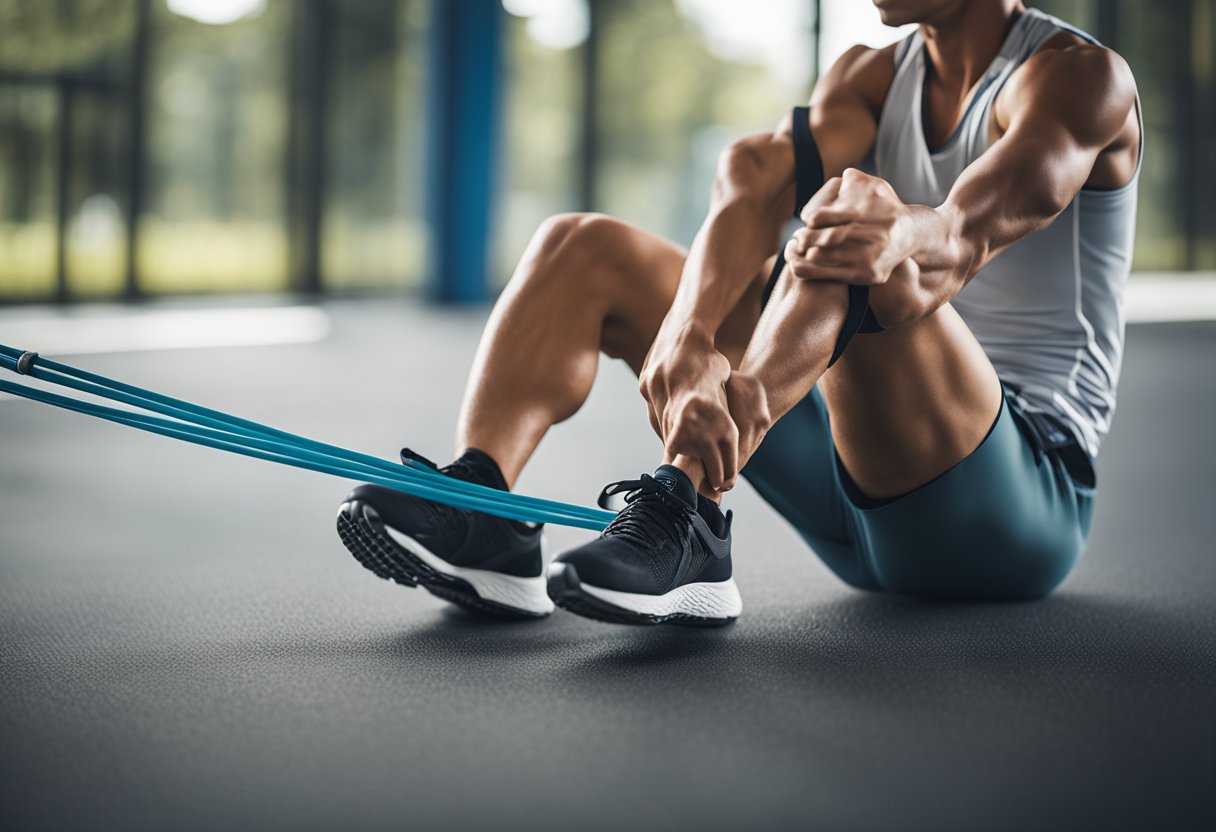
    Targeted strengthening fosters stability and optimal joint mechanics. Pilates, resistance band workouts and yoga builds hip, core and quadricep control to support knees.

    Daily stretching maintains flexibility and limbers up stiff, creaky joints. Gentle warm ups prevent overexertion. When pain flares, ice, rest and over-the-counter anti-inflammatories help recoup. Guided routines prevent future wear and tear.

    d. Footwear & Assistive Devices: Offloading Pressure

    Cushioned walking shoes with good arch support and shock absorbing soles take literal pressure off knees. Lateral wedging in shoes can stabilize varus arthritic knees.

    For severe osteoarthritis, offloader knee braces redistribute up to 30% pressure from diseased cartilage preventing rapid breakdown. Canes and walkers also share the load, assisting stability. Targeted tools offer cheap mobility solutions!

    e. Alternative Therapies: Finding Your Comfort Strategy

    When all else fails, outside-the-box modalities sometimes deliver – scientifically or via placebo. Many patients benefit from acupuncture, massage, cryotherapy, yoga or tai chi in relieving persistent muscle tightness and knee troubles.

    Topical capsaicin creams, menthol gels or CBD balms provide temporary analgesia for some as well. What works for another may fail you – but remain open to potential relief avenues before considering invasive options.

    5. Empowering Your Recovery: Resources and Community Support

    Despite exhaustive treatment options, living with stubborn knee troubles can feel lonely and frustrating. Connecting with others also seeking diagnosis or struggling with relentless pain provides validation, ideas and hope. Let people give you a leg up!.

    a. Patient Advocacy Groups and Online Support Communities

    Arthritis support groups and sports injury forums allow sharing challenges and solutions among empathetic ears. Facebook groups like “Knee Pain” or “Arthritis Warriors” connects over 15,000 members in communal griping and laughter – the sense of camaraderie uplifts many.

    b. Educational Tools and Medical Apps

    Reputable online resources like Arthritis Foundation, AAOS and medical center blogs provide easily digestible education on disease basics, self-care and latest treatment insights without overwhelming medical jargon.

    Medical apps like KneeCare facilitate activity logging and appointments alongside providing exercise pointers – portable, searchable knowledge with personalization!

    c. Finding the Right Healthcare Provider

    Having a caring medical professional in your corner through diagnosis and treatment pitfalls works wonders for motivation and hope.

    Seeking a “good match” patient-doctor relationship via referrals and consultations is worth the effort. Once secured, share records freely between interdisciplinary teams – from physiotherapists to rheumatologists and surgeons – to base decisions on collective wisdom.

    d. Maintaining Hope and Setting Achievable Goals

    Cultivating optimism is crucial when dealing with chronic pain. Set small milestones like swimming five laps or walking for five minutes daily instead of big feats that induce disappointment and despair when missed.

    Focusing on things within your control prevents spiraling frustration. Pat yourself on the back for small acts of self care consistency instead of cursing worsening diagnosis or pain that ebbs and flows. Reset goals to what your body currently allows – as abilities evolve, so will your targets.

    e. Final Words: You Are Not Alone in this Journey

    Through this comprehensive guide on knee troubles, we hope to educate, reassure and empower you, dear reader. Arm yourself with knowledge on symptoms, gear up to navigate precise diagnosis, and judiciously explore treatment modalities catered to your unique needs – while drawing strength from communities should challenges feel overwhelming at any stage.

    Relief takes immense patience, but persistence pays off. Stay vigilant, yet gentle with mind and body. We promise there is light at the end of even the darkest pain tunnel. You’ve got this!

  • Iliotibial Syndrome: Causes and Treatment

    Iliotibial syndrome, also known as IT band syndrome, is a common overuse injury that affects the iliotibial band, a thick band of fascia running along the outside of the thigh. This article explores the anatomy and function of the iliotibial band, the causes of iliotibial syndrome, diagnosis methods, and treatment options.

    Key Takeaways

    • Iliotibial syndrome is often caused by biomechanical factors and training errors.
    • Clinical evaluation is an important diagnostic tool for identifying iliotibial syndrome.
    • Conservative management, including rest, stretching, and physical therapy, is the primary treatment approach for iliotibial syndrome.
    • Surgical interventions may be considered for severe or persistent cases of iliotibial syndrome.
    • Prevention strategies, such as proper warm-up, cross-training, and gradual progression of activity, can help reduce the risk of developing iliotibial syndrome.

    Anatomy and Function of the Iliotibial Band

    thumbnail

    Structure of the Iliotibial Band

    The iliotibial band (ITB) is a thick, fibrous band of connective tissue that extends from the iliac crest in the pelvis down to the tibia in the lower leg. Its primary composition is fascial tissue, which is dense and fibrous, providing both flexibility and tensile strength. The ITB plays a crucial role in the stabilization of the knee, especially during activities that involve running or cycling.

    Anatomically, the ITB is not a discrete structure but rather a thickening of the tensor fasciae latae muscle’s fascia. This integration with muscle tissue is what allows the ITB to assist in hip abduction, flexion, and rotation. The distal portion of the ITB also contributes to lateral knee stabilization by attaching to the Gerdy’s tubercle on the tibia.

    • The ITB originates from the iliac crest.
    • It is comprised of fascial tissue.
    • It attaches to the Gerdy’s tubercle on the tibia.

    Tip: A well-balanced strength and flexibility training program can help maintain the proper function of the ITB and prevent overuse injuries.

    Function of the Iliotibial Band

    We recognize the iliotibial band (ITB) as a critical structure in lower limb biomechanics, particularly for those engaged in repetitive activities such as running and cycling. Its primary function is to stabilize the knee during gait, working in concert with other muscles around the hip and thigh.

    Stabilization is not the ITB’s only role; it also assists in the abduction of the hip, which is essential for maintaining pelvic balance during single-leg support phases of walking or running. This secondary function underscores the ITB’s importance in coordinated movement and injury prevention.

    • The ITB contributes to lateral knee stabilization.
    • It aids in hip abduction.
    • The band plays a role in shock absorption, reducing the impact on the knee joint.

    Tip: A well-conditioned ITB is less susceptible to overuse injuries, emphasizing the need for targeted strength and flexibility exercises in preventative care.

    Causes of Iliotibial Syndrome

    thumbnail

    Biomechanical Factors

    We recognize that the development of Iliotibial Syndrome is often closely linked to various biomechanical factors. These factors can include abnormalities in leg length, muscle imbalances, and foot structure, which may contribute to the stress on the iliotibial band during activity. For instance, a discrepancy in leg length can lead to an uneven gait, placing more strain on one side of the body.

    • Overpronation of the foot, where the foot rolls inward excessively when walking or running, can also increase tension in the iliotibial band. Similarly, weak hip abductor muscles may fail to stabilize the pelvis, resulting in increased movement and stress on the IT band. It’s essential to identify and address these biomechanical issues to prevent or alleviate symptoms.

    Here is a list of common biomechanical factors that may lead to Iliotibial Syndrome:

    • Leg length discrepancy
    • Muscle imbalances
    • Overpronation of the foot
    • Weak hip abductor muscles

    Tip: Regular strength training and stretching exercises targeting the hip abductors can help in correcting muscle imbalances and reducing the risk of Iliotibial Syndrome.

    Training Errors

    Training errors, such as overtraining or sudden increases in training intensity, can contribute to the development of iliotibial syndrome. It is important to gradually increase training volume and intensity to prevent overuse injuries. Additionally, improper footwear and running on uneven surfaces can also exacerbate the condition. Here’s a list of common training errors that may lead to iliotibial syndrome:

    1. Overtraining
    2. Sudden increases in training intensity
    3. Improper footwear
    4. Running on uneven surfaces

    It is crucial to address these training errors to reduce the risk of developing iliotibial syndrome. As a reminder, proper training techniques and gradual progression are key to preventing this condition.

    Diagnosis of Iliotibial Syndrome

    thumbnail

    Clinical Evaluation

    Following the initial consultation, we conduct a thorough clinical evaluation to diagnose Iliotibial Syndrome. This involves a detailed history taking to understand the onset and progression of symptoms. We pay close attention to the patient’s activity level and any recent changes in training routines or equipment.

    Physical examination is pivotal. We assess for tenderness along the iliotibial band, especially at its insertion on the lateral epicondyle of the knee. The Ober test, which evaluates the tightness of the iliotibial band, is a key component of our assessment. Additionally, we may perform the Noble compression test to provoke symptoms and confirm the diagnosis.

    It’s essential to rule out other conditions that can mimic Iliotibial Syndrome. Therefore, we consider the differential diagnosis carefully. Here’s a simplified list of conditions we consider:

    • Lateral meniscus tear
    • Lateral collateral ligament injury
    • Popliteal tendonitis
    • Bursitis

    Tip: A comprehensive clinical evaluation is crucial for an accurate diagnosis. It’s important not to rush this process and to consider all potential contributing factors.

    Imaging Studies

    Following a thorough clinical evaluation, we often turn to imaging studies to confirm the diagnosis of iliotibial syndrome. While MRI scans are not routinely used, they can be particularly helpful in visualizing the soft tissue structures and any associated inflammation of the iliotibial band. Ultrasound imaging is another tool at our disposal, offering the advantage of dynamic assessment while the joint is in motion.

    Typically, imaging is reserved for cases where the diagnosis is uncertain or if there is a lack of response to conservative treatment. In such scenarios, imaging can provide valuable insights into the extent of the injury and rule out other potential causes of lateral knee pain.

    Remember, imaging should complement, not replace, a comprehensive clinical evaluation.

    When interpreting imaging results, it’s crucial to correlate findings with the patient’s symptoms and physical exam results. This ensures a holistic approach to diagnosis and subsequent treatment planning.

    Treatment Options for Iliotibial Syndrome

    thumbnail

    Conservative Management

    After exploring various conservative management techniques, we have found that rest and stretching are crucial components of recovery. Additionally, we recommend incorporating strength training exercises to address muscle imbalances. Below is a table summarizing the recommended exercises and their frequency:

    Exercise Frequency
    Stretching Daily
    Strength Training 3 times a week

    We advise patients to gradually increase activity levels and to avoid overtraining, as this can exacerbate symptoms. It is important to monitor progress and adjust the treatment plan accordingly. We emphasize the significance of a comprehensive approach that addresses both the symptoms and underlying causes of the syndrome.

    Surgical Interventions

    After considering the various conservative management approaches, surgical interventions may be recommended for individuals with severe and persistent symptoms. These interventions typically involve the release or lengthening of the iliotibial band to alleviate tension and reduce friction. In some cases, a table summarizing the success rates and potential risks of surgical procedures may aid in decision-making. It’s important to note that surgical interventions should be considered as a last resort and only after thorough evaluation and discussion with a healthcare professional. Post-surgery, a comprehensive rehabilitation program is essential for optimal recovery and long-term success.

    Conclusion

    In conclusion, Iliotibial Syndrome is a complex condition that can be caused by a variety of factors, including overuse and biomechanical issues. Treatment typically involves a combination of physical therapy, rest, and targeted exercises to address muscle imbalances. It is important for individuals suffering from this syndrome to seek professional medical advice and adhere to a comprehensive treatment plan in order to achieve long-term relief and prevent recurrence.

    Frequently Asked Questions

    What are the common symptoms of Iliotibial Syndrome?

    Common symptoms include pain on the outside of the knee, swelling, and a clicking sensation during movement.

    Can Iliotibial Syndrome be prevented?

    Yes, it can be prevented by avoiding sudden increases in physical activity, maintaining proper running form, and using proper footwear.

    Is stretching helpful for Iliotibial Syndrome?

    Yes, stretching the iliotibial band and surrounding muscles can help reduce tension and alleviate symptoms.

    What are the risk factors for developing Iliotibial Syndrome?

    Risk factors include overuse, excessive running or cycling, improper footwear, and muscle imbalances.

    Can I continue physical activity if I have Iliotibial Syndrome?

    It is recommended to modify physical activity to avoid exacerbating symptoms, and to consult with a healthcare professional for personalized recommendations.

    How long does it take to recover from Iliotibial Syndrome?

    Recovery time varies depending on the severity of the condition and individual factors, but with proper treatment, most individuals can recover within a few weeks to a few months.

  • Knee Replacement Surgery Cost: What You Need to Know

    Knee Replacement Surgery Cost: What You Need to Know

    Knee replacement surgery can be a life-changing procedure for those who suffer from chronic knee pain and mobility issues. However, the cost of the surgery can be a significant concern for many patients. In this article, we will explore the cost of knee replacement surgery, including the different factors that can affect the overall cost.

    v2 3n7p7 s5maf

    The cost of knee replacement surgery can vary widely depending on several factors. These factors include the type of surgery, the location of the surgery, and the patient’s insurance coverage. According to a recent estimate by Blue Cross Blue Shield, the average cost of an inpatient knee replacement procedure was $30,249, compared with $19,002 as an outpatient. However, these costs can vary significantly depending on the location and other factors.

    437535ab 6b11 40b1 b845 53b98ce05850

    If you are considering knee replacement surgery, it is essential to understand the cost of the procedure and how it will be covered by your insurance. We will explore the different insurance options available to patients, including Medicare and out-of-pocket costs. By understanding the different factors that can affect the cost of knee replacement surgery, you can make an informed decision about your healthcare and ensure that you receive the best possible care without breaking the bank.

    Understanding Knee Replacement Surgery

    At some point in our lives, we may experience knee pain due to injury, arthritis, or other medical conditions. When knee pain becomes unbearable and interferes with our daily activities, knee replacement surgery may be the solution. In this section, we will discuss the types of knee replacement, the benefits and risks, and pre-surgical considerations.

    Types of Knee Replacement

    There are two types of knee replacement surgery: total knee replacement and partial knee replacement. Total knee replacement involves replacing the entire knee joint, including the damaged cartilage, bones, and ligaments, with an implant or an artificial knee. On the other hand, partial knee replacement involves replacing only the damaged part of the knee joint. A partial knee replacement is less invasive and has a shorter recovery time than a total knee replacement.

    Benefits and Risks

    The benefits of knee replacement surgery include reduced knee pain, improved knee function, and an overall improvement in the quality of life. However, like any surgery, knee replacement surgery has risks and potential complications. These include infection, blood clots, nerve damage, implant failure, and stiffness.

    Pre-Surgical Considerations

    Before undergoing knee replacement surgery, there are several pre-surgical considerations that you should take into account. These include your weight, medical history, and overall health. Your doctor may also recommend that you lose weight before surgery to reduce the risk of complications. Additionally, you may need to use medical equipment, such as crutches or a walker, during your recovery period.

    In conclusion, knee replacement surgery is an effective solution for those suffering from knee pain. By understanding the types of knee replacement, the benefits and risks, and pre-surgical considerations, you can make an informed decision about whether knee replacement surgery is right for you.

    Cost Factors and Insurance

    When considering knee replacement surgery, cost is an important factor to consider. There are several cost factors to keep in mind, including the surgery and hospital expenses, insurance and coverage, and additional out-of-pocket costs.

    Surgery and Hospital Expenses

    The cost of knee replacement surgery can vary depending on a number of factors, including the location of the hospital, the type of anesthesia used, and whether the surgery is performed in an operating room or in a surgery center. According to Healthgrades, the national average cost of knee replacement surgery in 2020 was about $37,300, including pre-surgery appointments and postoperative rehabilitation. However, this cost can vary widely depending on the location and hospital where the surgery is performed.

    Insurance and Coverage

    Health insurance can play a significant role in covering the cost of knee replacement surgery. Most insurance plans, including Medicaid, cover knee replacement surgery, but it’s important to check with your insurance provider to understand your specific coverage. Deductibles, copays, and coinsurance can all impact the out-of-pocket cost of the surgery. Some insurers, like HealthPartners, bundle costs for surgery and post-operative rehab, which can help reduce overall costs.

    Additional Out-of-Pocket Costs

    In addition to surgery and hospital expenses, there may be additional out-of-pocket costs associated with knee replacement surgery. These can include rehabilitation, physical therapy, office visits, and medication. It’s important to understand your insurance coverage for these additional costs and to budget accordingly.

    Overall, the cost of knee replacement surgery can vary widely depending on a number of factors. Understanding your insurance coverage and budgeting for additional out-of-pocket costs can help make the process more manageable.

    Frequently Asked Questions

    v2 3n7pq nqvu8

    What is the average cost of a total knee replacement in the USA?

    The average cost of total knee replacement surgery in the USA is around $50,000, according to a 2013 article in AARP. However, the cost of the surgery can vary depending on several factors, including the location, the type of hospital, and the surgeon’s experience.

    How much does a partial knee replacement procedure typically cost?

    According to the same AARP article, a partial knee replacement procedure typically costs around 10 to 20 percent less than a total knee replacement surgery. However, the exact cost can vary depending on the same factors as mentioned above.

    Are knee replacement surgeries covered by most health insurance plans?

    Most health insurance plans cover knee replacement surgeries, but it is important to check with your insurance provider to confirm the coverage. Today reports that the average cost of knee replacement surgery with insurance in the USA will depend on your coverage, copays, and deductible. A Blue Cross Blue Shield study found claims of just over $11,000 to $20,000 for knee replacement surgery.

    What is the cost difference between inpatient and outpatient knee replacement surgeries?

    According to GoodRx, after knee replacement surgery, patients may leave the hospital the same day. However, they may recover in the hospital for one to three days. Moving the joint soon after surgery shortens the length of the hospital stay and overall costs of surgery. Some people are able to stand or walk the same day of surgery with the help of physical therapy. Outpatient knee replacement surgery can be less expensive than inpatient surgery.

    Does Medicare cover the expenses for knee replacement surgery?

    Medicare covers knee replacement surgery, but the amount that Medicare pays can vary depending on the type of Medicare coverage that you have. AARP reports that Medicare pays about $13,000 for the surgery, but additional costs such as anesthesia, hospitalization, and physical therapy may not be covered.

    What is the cost range for a titanium knee replacement?

    According to Exac, the cost range for a titanium knee replacement can vary depending on the hospital, the surgeon, and the location. However, the cost can range from $11,000 to $60,000.

  • Knee Pain in Athletes: Causes and Treatment Options

    Knee Pain in Athletes: Causes and Treatment Options

    Knee pain is a common complaint among athletes, both amateur and professional. In fact, knee injuries are one of the most common reasons for athletes to seek medical attention. Knee pain can be caused by a variety of factors, including overuse, trauma, and degenerative conditions. Regardless of the cause, knee pain can be a significant obstacle for athletes, preventing them from participating in their chosen sport and impacting their overall quality of life.

    v2 3n7ya

    At its most basic level, knee pain in athletes is caused by wear and tear on the knee joint. This wear and tear can be the result of repetitive motions, such as running or jumping, or it can be caused by a single traumatic event, such as a fall or collision. In some cases, knee pain may be the result of an underlying medical condition, such as arthritis or a ligament tear. Regardless of the cause, knee pain can be debilitating and impact an athlete’s ability to perform at their best.

    At WebMD, they note that knee pain is particularly common among runners and other athletes who engage in activities that involve a lot of jumping, twisting, or pivoting. These activities can put a lot of stress on the knee joint, leading to pain, inflammation, and other symptoms. Additionally, athletes who are overweight or who have poor conditioning may be at a higher risk for knee injuries, as their joints are not able to withstand the same level of stress as those who are in better shape.

    Understanding Knee Pain in Athletes

    As athletes, we are always pushing our bodies to the limit. However, with this comes the risk of injury, particularly to the knee joint. Knee pain is a common complaint among athletes of all ages and can be caused by a variety of factors. In this section, we will explore the anatomy of the knee, common causes and types of knee injuries, as well as risk factors and prevention.

    Anatomy of the Knee

    To understand knee pain, it is essential to have a basic understanding of the knee’s anatomy. The knee joint is made up of three bones: the femur, tibia, and patella. These bones are connected by ligaments, tendons, and cartilage. The quadriceps muscles are located on the front of the thigh and attach to the patella via the quadriceps tendon. The hamstrings are located on the back of the thigh and attach to the tibia and fibula bones.

    Common Causes and Types of Knee Injuries

    There are several common causes of knee pain in athletes. Overuse and stress on the knee joint are common culprits. Injuries to the knee can also be caused by a traumatic event, such as a fall or collision. Common types of knee injuries include:

    • Osgood-Schlatter Disease: A condition that causes pain and swelling below the knee.
    • Patellofemoral Pain Syndrome: A condition that causes pain in the front of the knee.
    • Chondromalacia Patella: A condition that causes the cartilage on the underside of the patella to soften and break down.
    • Tendinitis: Inflammation of a tendon, often caused by overuse.
    • Anterior Knee Pain Syndrome: A condition that causes pain in the front of the knee, often due to overuse.
    • Juvenile Osteochondritis Dissecans (JOCD): A condition that causes a piece of cartilage and bone to separate from the end of a bone within the knee joint.
    • Bipartite Patella: A condition where the patella bone is made up of two separate bones that fail to fuse together.
    • Plica Syndrome: A condition where the plica, a fold in the synovial membrane of the knee joint, becomes inflamed and irritated.
    • Patellar Tendinitis: Inflammation of the patellar tendon, often caused by overuse.
    • Jumper’s Knee: A condition that causes pain and tenderness at the bottom of the kneecap, often due to repetitive jumping or running.

    Risk Factors and Prevention

    Several risk factors can increase an athlete’s risk of developing knee pain or injury. Biomechanical factors, such as poor alignment or technique, can put added stress on the knee joint. Tight Achilles tendons and hamstrings can also contribute to knee pain. Training techniques can also play a role, with overtraining or improper rest leading to overuse injuries.

    Preventing knee pain and injury is essential for athletes of all levels. Proper stretching and warm-up before physical activity can help prevent knee pain. Maintaining proper technique and alignment during exercise can also help prevent injury. Adequate rest and recovery time are also essential for preventing overuse injuries.

    In conclusion, knee pain is a common complaint among athletes of all ages. Understanding the anatomy of the knee, common causes and types of knee injuries, as well as risk factors and prevention, can help athletes prevent and manage knee pain.

    Diagnosis and Treatment Options

    At the onset of knee pain, it is important to seek medical attention from a doctor or physical therapist who specializes in orthopedic injuries. The diagnosis of a knee injury typically begins with a clinical assessment, which includes a physical examination to assess the severity of the injury and identify any swelling, tenderness, or tightness in the muscles or tendons surrounding the knee joint.

    Clinical Assessment and Imaging

    In addition to a physical examination, imaging tests such as X-rays or MRIs may be performed to help diagnose the underlying cause of the knee pain. X-rays can help identify any fractures or bone abnormalities, while MRIs are particularly useful in revealing injuries to soft tissues such as ligaments, tendons, cartilage, and muscles [1].

    Conservative and Surgical Treatments

    Conservative treatments for knee pain may include rest, ice, compression, and elevation (RICE), as well as nonsteroidal anti-inflammatory drugs (NSAIDs) such as ibuprofen or naproxen to help reduce pain and swelling [2]. Physical therapy and rehabilitation exercises may also be recommended to help strengthen the muscles and improve flexibility around the knee joint.

    If conservative treatments are not effective, surgical options may be considered. Orthopedic surgeons may perform arthroscopic surgery to repair or remove damaged tissue, or a knee replacement surgery may be necessary for more severe cases [1].

    Rehabilitation and Return to Activity

    Rehabilitation and physical therapy are crucial components of recovery for athletes with knee injuries. Strengthening exercises, such as those targeting the hamstring muscles, can help improve knee stability and reduce the risk of future injuries [3]. Orthotics and knee braces may also be recommended to provide additional support during physical activity.

    It is important to note that complications can arise during the recovery process, including swelling, tenderness, and limited range of motion. It is important to work closely with a physical therapist or orthopedic surgeon to ensure a safe and successful return to physical activity.

    In summary, a clinical assessment and imaging tests are important tools in diagnosing knee injuries. Conservative treatments such as RICE, NSAIDs, and physical therapy may be effective in treating mild to moderate knee pain, while surgical options may be necessary for more severe cases. Rehabilitation and physical therapy are crucial components of recovery for athletes with knee injuries, and it is important to work closely with a medical professional to ensure a safe and successful return to physical activity.

    [1] Mayo Clinic. Knee pain – Diagnosis and treatment. Retrieved from https://www.mayoclinic.org/diseases-conditions/knee-pain/diagnosis-treatment/drc-20350855

    [2] Healthline. Knee Joint Pain: Causes, Treatments, and When to Get Help. Retrieved from https://www.healthline.com/health/knee-pain/knee-joint-pain

    [3] Johns Hopkins Medicine. Knee Pain and Problems. Retrieved from https://www.hopkinsmedicine.org/health/conditions-and-diseases/knee-pain-and-problems

    Frequently Asked Questions

    v2 3n7yz un5et

    What are common causes of knee pain in young athletes?

    Knee pain is a common complaint among young athletes. The most common cause of knee pain is overuse injuries, which occur when athletes engage in repetitive activities that put stress on their knees. Other common causes of knee pain include ligament sprains, meniscus tears, patellofemoral pain syndrome, and Osgood-Schlatter disease. WebMD provides a detailed explanation of the causes of knee pain in young athletes.

    How is patellofemoral pain syndrome treated in athletes?

    Patellofemoral pain syndrome (PFPS) is a common cause of knee pain in athletes. Treatment for PFPS typically involves rest, ice, compression, and elevation of the affected knee. Physical therapy exercises that focus on strengthening the quadriceps muscle group can also be helpful. WebMD provides more information on the treatment of PFPS in athletes.

    What is the typical location of pain in runner’s knee?

    Runner’s knee is a common condition that causes pain around the kneecap. The pain is typically located at the front of the knee and may be accompanied by a popping or grinding sensation. WebMD provides more information on the symptoms and treatment of runner’s knee.

    What are the differential diagnoses for knee pain in adolescents?

    Knee pain in adolescents can be caused by a variety of conditions, including Osgood-Schlatter disease, patellofemoral pain syndrome, meniscus tears, and ligament sprains. It is important to accurately diagnose the cause of knee pain in adolescents in order to provide appropriate treatment. PubMed Central provides a detailed discussion of the differential diagnosis for knee pain in adolescents.

    What are effective pain relief methods for athletic knee pain?

    Effective pain relief methods for athletic knee pain include rest, ice, compression, and elevation of the affected knee. Nonsteroidal anti-inflammatory drugs (NSAIDs) can also be helpful in reducing pain and inflammation. Healthline provides more information on effective pain relief methods for athletic knee pain.

    Are there specific treatments recommended for sports-related knee injuries?

    The treatment for sports-related knee injuries depends on the type and severity of the injury. Treatment options may include rest, ice, compression, and elevation of the affected knee, physical therapy, and surgery in some cases. OrthoGeorgia provides more information on the treatment of sports-related knee injuries.

  • How to Stop Knee Pain: Tips from a Professional

    How to Stop Knee Pain: Tips from a Professional

    As we age, it’s common to experience knee pain. Knee pain can be caused by a variety of factors, including injury, overuse, and arthritis. Knee pain can be debilitating and interfere with daily activities. Fortunately, there are ways to manage and prevent knee pain.

    v2 3lbr9

    Understanding Knee Pain and Its Causes is the first step in effectively managing knee pain. Knee pain can be caused by overuse, injury, and arthritis. Overuse injuries are common in athletes and individuals who perform repetitive motions. Injury to the knee can cause pain, swelling, and stiffness. Arthritis is a common cause of knee pain in older adults. Osteoarthritis is the most common type of arthritis that affects the knee joint.

    Effective Management and Treatment Strategies are essential in managing knee pain. Rest and ice can help reduce swelling and pain. Physical therapy can help strengthen the muscles around the knee joint, improving stability and reducing pain. Weight loss can also help reduce the pressure on the knee joint. In some cases, surgery may be necessary to repair or replace the knee joint.

    Key Takeaways

    • Knee pain can be caused by a variety of factors, including overuse, injury, and arthritis.
    • Effective management and treatment strategies include rest, ice, physical therapy, weight loss, and surgery.
    • Understanding the causes of knee pain is the first step in effectively managing and preventing knee pain.

    Understanding Knee Pain and Its Causes

    Knee pain is a common complaint that affects people of all ages. It can be caused by a variety of factors, including injury, overuse, and wear and tear. In this section, we will discuss the different types of knee pain and their common causes.

    Types of Knee Pain

    There are many different types of knee pain, each with its own set of symptoms and causes. Some of the most common types of knee pain include:

    • Arthritis: Arthritis is a condition that causes inflammation in the joints. There are many different types of arthritis that can affect the knee, including osteoarthritis and rheumatoid arthritis.
    • Injury: Knee injuries are a common cause of knee pain. They can be caused by a variety of factors, including sports, falls, and accidents.
    • Overweight: Being overweight can put extra stress on the knee joint, which can lead to pain and discomfort.
    • Gout: Gout is a type of arthritis that is caused by a buildup of uric acid in the joints. It can cause sudden, severe pain in the knee.
    • Tendinitis: Tendinitis is a condition that occurs when the tendons that attach muscle to bone become inflamed. It can cause pain and stiffness in the knee.
    • Wear and Tear: As we age, the cartilage in our joints can start to wear down, which can lead to pain and discomfort in the knee. This is known as degenerative joint disease.

    Common Causes of Knee Pain

    In addition to the types of knee pain listed above, there are many common causes of knee pain. Some of the most common causes include:

    • Ligament Injuries: Ligament injuries are a common cause of knee pain. They can be caused by a variety of factors, including sports, falls, and accidents.
    • Cartilage Tears: Tears in the cartilage of the knee can cause pain and discomfort. This is a common injury in athletes and active individuals.
    • Meniscus Injuries: The meniscus is a piece of cartilage that acts as a shock absorber in the knee. Injuries to the meniscus can cause pain and discomfort.
    • Tendinitis: Tendinitis is a common cause of knee pain, especially in athletes and active individuals. It can be caused by overuse or repetitive movements.
    • Osteoarthritis: Osteoarthritis is a type of arthritis that is caused by wear and tear on the joints. It is a common cause of knee pain, especially in older adults.

    In conclusion, knee pain can be caused by a variety of factors, including injury, overuse, and wear and tear. It is important to identify the cause of your knee pain in order to determine the best course of treatment.

    Effective Management and Treatment Strategies

    When it comes to managing and treating knee pain, there are a variety of options available. In this section, we will discuss some of the most effective strategies for addressing knee pain and improving knee health.

    Medical Interventions

    If you are experiencing severe or chronic knee pain, it is important to seek medical attention. Your doctor may recommend a variety of medical interventions, including medication, physical therapy, or even surgery.

    Medications such as ibuprofen, naproxen, and other nonsteroidal anti-inflammatory drugs (NSAIDs) can help to reduce pain and inflammation in the knee. In some cases, corticosteroid injections or hyaluronic acid injections may be recommended to help reduce inflammation and improve knee function.

    Exercise and Physical Therapy

    Exercise and physical therapy can also be effective for managing knee pain. Strengthening exercises can help to improve the form and function of the muscles surrounding the knee joint, which can help to reduce pain and improve mobility.

    Physical therapy can also help to improve range of motion and flexibility in the knee joint, which can help to reduce stiffness and improve overall knee health. A physical therapist can work with you to develop a safe and effective exercise program that is tailored to your specific needs.

    Home Remedies and Lifestyle Changes

    In addition to medical interventions and physical therapy, there are also a number of home remedies and lifestyle changes that can help to manage knee pain. Rest and elevation can help to reduce swelling and inflammation in the knee, while ice and compression can help to reduce pain and discomfort.

    Maintaining a healthy weight can also help to reduce stress on the knee joint, while wearing supportive shoes and using a cane or other walking aid can help to improve balance and reduce the risk of falls. Acupuncture, massage, and traditional Chinese medicine may also be effective for managing knee pain and improving knee health.

    In conclusion, there are a variety of effective strategies for managing knee pain and improving knee health. By working with your doctor, physical therapist, and other healthcare providers, you can develop a comprehensive treatment plan that is tailored to your specific needs and goals.

    Frequently Asked Questions

    v2 3lbru

    What exercises can alleviate knee pain?

    Exercises that can help alleviate knee pain include low-impact exercises such as swimming, cycling, and walking. These exercises can help strengthen the muscles around the knee and improve flexibility. Additionally, exercises that focus on stretching and range of motion can help reduce stiffness and pain in the knee joint. It is important to consult with a doctor or physical therapist before beginning any exercise program.

    What are the effective treatments for knee pain without surgery?

    There are various treatments for knee pain that do not require surgery. These include physical therapy, bracing, and the use of nonsteroidal anti-inflammatory drugs (NSAIDs) such as ibuprofen or naproxen. Additionally, corticosteroid injections can help reduce inflammation and pain in the knee joint. It is important to consult with a doctor to determine the best treatment plan for your individual needs.

    Which medications are recommended for elderly patients with knee pain?

    For elderly patients with knee pain, acetaminophen is often recommended as a first-line treatment. This medication is generally considered safe for elderly patients and can help reduce pain and inflammation in the knee joint. However, it is important to consult with a doctor before taking any medication, as some medications can interact with other medications or medical conditions.

    What lifestyle changes can help manage knee pain?

    Lifestyle changes that can help manage knee pain include maintaining a healthy weight, avoiding high-impact activities, and wearing supportive shoes. Additionally, incorporating low-impact exercises such as swimming or cycling into your routine can help strengthen the muscles around the knee joint and improve flexibility. It is important to consult with a doctor or physical therapist before beginning any exercise program.

    What are common causes of knee pain?

    Common causes of knee pain include overuse injuries, such as runner’s knee or patellar tendinitis, as well as osteoarthritis, rheumatoid arthritis, and gout. Additionally, knee pain can be caused by injuries, such as ligament tears or fractures. It is important to consult with a doctor to determine the underlying cause of knee pain.

    How can one reduce knee pain during the night?

    To reduce knee pain during the night, it can be helpful to elevate the affected knee with a pillow or cushion while sleeping. Additionally, applying heat or cold to the knee joint before bed can help reduce inflammation and pain. It is important to consult with a doctor to determine the best treatment plan for your individual needs.

  • Knee Pain Causes and Treatments

    Knee Pain Causes and Treatments

    Common Causes of Knee Pain

    Osteoarthritis

    Osteoarthritis involves the breakdown of cartilage that normally provides a cushion between the bones in the knee joint. As this cartilage cushion wears down, the bones begin to rub together, causing pain, swelling, and stiffness. Bony spurs may also form around the joint. Osteoarthritis progresses gradually over years and often affects both knees. Factors that increase risk for knee osteoarthritis include aging, obesity, prior knee injury, overuse, and genetic predisposition. Osteoarthritis cannot be reversed, but symptoms can be effectively managed with a combination of lifestyle changes, medication, injections, physical therapy, assistive devices, and possibly surgery in advanced cases.

    ACL Tears

    The anterior cruciate ligament (ACL) is one of the key ligaments providing internal stability to the knee joint. ACL tears are a very common athletic knee injury, especially in sports that involve sudden stops, changes in direction, landing from jumps, and pivoting motions. Symptoms of an ACL tear may include hearing a “pop” at the time of injury, knee instability, buckling of the knee, and swelling over the first 24 hours. ACL tears are often caused by an abrupt change in speed or direction combined with deceleration, pivoting with a fixed foot, or landing awkwardly from a jump. Outward forces on the knee can also cause ACL tears. Treatment depends on the patient’s activity level, with options ranging from bracing and physical therapy to surgical ACL reconstruction.

    ec87af1c 5616 4ec3 bb61 d4f908563c19

    Patellofemoral Pain Syndrome

    Patellofemoral pain syndrome (PFPS) is characterized by pain around or behind the kneecap (patella). It results from irritation of the soft tissues of the knee between the patella and the femur. Symptoms include pain and tenderness when bending the knee, using stairs, squatting down, or sitting with knees bent for prolonged periods. PFPS is often caused by repetitive overuse activities that stress the knee joint, such as running. Muscle imbalances of the thigh can also contribute by pulling the kneecap out of alignment. Treatment involves rest and activity modification, physical therapy to strengthen muscles and improve tracking of the kneecap, knee bracing, anti-inflammatory medications, and sometimes surgery.

    Treatment Options

    Physical Therapy

    Physical therapy is often a key part of knee pain treatment, especially during recovery from injuries. A physical therapist will evaluate areas of muscle weakness or imbalance and design a customized program of flexibility, strengthening, and neuromuscular control exercises. Other physical therapy treatments that may provide relief include manual therapy techniques, ultrasound, ice, heat, electrical stimulation, and compression. For knee osteoarthritis, low-impact exercises to improve mobility and strengthen muscles around the joint are particularly helpful.

    Medications

    Medications used for knee pain include oral non-steroidal anti-inflammatories (NSAIDs) such as ibuprofen, topical NSAIDs, and analgesics like acetaminophen. These help control pain and swelling. For additional relief, corticosteroid injections can reduce inflammation, while hyaluronic acid injections act as a lubricant and shock absorber. Some supplements like glucosamine may also benefit knee arthritis symptoms. Medications carry potential side effects, so discuss options with your doctor.

    Surgery

    Surgery may be considered for severe knee ligament and meniscus tears, joint damage from arthritis, or painful misalignment. Common surgeries include arthroscopic debridement/repair, osteotomy realignment, and total knee replacement. Partial knee replacement is also an option for arthritis limited to just one area of the joint. Surgery can relieve pain and improve function, but recovery time and rehabilitation is extensive. Nonsurgical options are usually tried first. Discuss the pros and cons of surgery with your orthopedic specialist.

  • Knee Pain After ACL Surgery

    Knee Pain After ACL Surgery

    Managing Knee Pain After ACL Surgery

    Anterior cruciate ligament (ACL) reconstruction is a common surgical procedure for individuals who have suffered a torn ACL. While outcomes have improved dramatically, knee pain and re-injury continue to be concerns during the recovery process. Recent advances in rehabilitation protocols and biomechanical research are shedding light on optimal recovery strategies.

    9566c6af 8e44 4b28 9740 7d191e646e96

    Understanding Knee Pain After ACL Surgery

    Understanding Knee Pain after ACL Surgery

    Knee pain following ACL reconstruction arises due to multiple interrelated biomechanical and physiological factors. The initial trauma of surgery triggers an inflammatory response which can lead to fluid buildup, swelling, and stiffness, resulting in pain with movement. This acute inflammatory phase usually lasts 6-8 weeks. Concurrently, muscular imbalances around the knee joint develop, most notably quadriceps inhibition and weakness. The quadriceps muscles play a crucial role in stabilizing the knee joint. When weakened and inhibited after surgery, abnormal forces are transmitted through the joint, exacerbating pain and dysfunction. Finally, biomechanical alterations including asymmetric gait patterns and improper landing mechanics cause further pain. A careful evaluation of all these contributing trigger points through a full physical therapy examination is key to pinpointing the optimal treatment approach.

    Causes of Knee Pain

    Knee pain following ACL reconstruction arises due to multiple interrelated biomechanical and physiological factors. The initial trauma of surgery triggers an inflammatory response which can lead to fluid buildup, swelling, and stiffness, resulting in pain with movement.

    Inflammation

    This acute inflammatory phase usually lasts 6-8 weeks.

    A 2022 study found that altered walking biomechanics were present even 2 years after surgery, especially in females (Smith et al). These persistent abnormalities highlight the need for rehabilitation focused on normalizing movement patterns.

    1: Common Causes of Knee Pain after ACL Surgery

    CauseContributing Factors
    Inflammation– Surgical trauma<br>- Swelling<br>- Fluid buildup
    Muscle imbalances– Quadriceps inhibition<br>- Hamstring dominance<br>- Calcium deposits
    Biomechanical abnormalities– Gait asymmetries<br>- Improper landing mechanics<br>- Overpronation

    Managing Knee Pain

    Effective knee pain management requires a multifaceted rehabilitation program tailored to the individual’s specific deficits and dysfunctions. The priority initially is controlling inflammation through ice, compression, medication, and activity modification. Once pain and swelling have been reined in, restoring full knee mobility is essential for reducing stiffness and dysfunction. Gentle manual therapy techniques and range of motion exercises facilitate this process. As mobility improves, muscular imbalances must be addressed through targeted stretching and progressive strength training, focused especially on reactivating the quadriceps. Finally, movement pattern retraining helps ingrain proper mechanics. Areas to emphasize include squatting, lunging, walking gait, running, jumping and landing. The goal is to eliminate any asymmetries or compensations that could lead to abnormal forces through the joint. Throughout this process, communication with the care team is key to calibrate the program to avoid flare-ups while still stimulating progress.

    • Anti-inflammatory medications
    • Ice, compression, elevation
    • Restoring range of motion
    • Eliminating muscle imbalances
    • Normalizing movement patterns

    2: Rehabilitation Phases and Focus Areas

    PhaseTimingGoals
    Inflammation & Early ROM0-2 weeks– Manage swelling/pain<br>- Regain mobility
    Intermediate ROM & Early Strengthening3-6 weeks– Improve quad strength<br>- Single leg stability
    Advanced Strengthening & Neuromuscular Control6-12 weeks– Running mechanics<br>- Multi-plane agility
    Return to Sport4+ months– Sport-specific training<br>- Confidence in knee function

    Muscular Imbalances

    Concurrently, muscular imbalances around the knee joint develop, most notably quadriceps inhibition and weakness. The quadriceps muscles play a crucial role in stabilizing the knee joint. When weakened and inhibited after surgery, abnormal forces are transmitted through the joint, exacerbating pain and dysfunction.

    Biomechanical Changes

    Finally, biomechanical alterations including asymmetric gait patterns and improper landing mechanics cause further pain. A careful evaluation of all these contributing trigger points through a full physical therapy examination is key to pinpointing the optimal treatment approach.

    Managing Knee Pain

    Rehabilitation Program

    Effective knee pain management requires a multifaceted rehabilitation program tailored to the individual’s specific deficits and dysfunctions.

    Early Phase

    The priority initially is controlling inflammation through ice, compression, medication, and activity modification. Once pain and swelling have been reined in, restoring full knee mobility is essential for reducing stiffness and dysfunction. Gentle manual therapy techniques and range of motion exercises facilitate this process.

    Later Phase

    As mobility improves, muscular imbalances must be addressed through targeted stretching and progressive strength training, focused especially on reactivating the quadriceps.

    Movement Retraining

    Finally, movement pattern retraining helps ingrain proper mechanics. Areas to emphasize include squatting, lunging, walking gait, running, jumping and landing. The goal is to eliminate any asymmetries or compensations that could lead to abnormal forces through the joint. Throughout this process, communication with the care team is key to calibrate the program to avoid flare-ups while still stimulating progress.

    Optimizing Long-Term Outcomes

    Preventing Re-Injury

    Due to the high risk of retear after ACL reconstruction, prevention of re-injury is paramount during recovery. Gradually building up strength and then progressing activity in a controlled manner based on specific objective criteria allows tissues to heal while regaining function.

    Maintaining Stability

    Furthermore, consistently practicing ideal movement patterns and positioning trains the neuromuscular system to maintain knee stability. For example, focusing on knee alignment over toes during squats and engaging core muscles protects the ACL graft.

    Return to Sports

    As the graft incorporation stretches beyond 6 months, impact activities can be cautiously integrated. However, pivoting sports may need to wait 9 months or more. Maintaining quadriceps and core strength and allowing the full return of power and agility prior to discharge from therapy ensures the knee can withstand demands of sport. Sticking to activity guidelines, along with smart training periodization can optimize recovery even years after ACL surgery.

    Conclusion

    Knee pain and dysfunction after ACL surgery remain ongoing challenges. However, recent research into biomechanics and rehabilitation is improving long-term outcomes. An individualized, progressive recovery program focused on resolving muscle imbalances and normalizing movement is essential to optimizing recovery.

  •  Knee Pain Causes

     Knee Pain Causes

    Unraveling the Mystery Behind Knee Discomfort: A Comprehensive Guide to Knee Pain Causes

    f997a0eb 9fa4 436c 9565 a1cdde4bf3ed

    Introduction

    Knee pain is a common ailment that can significantly impact mobility and quality of life. Understanding the underlying causes of knee pain is crucial for effective treatment and prevention.

    In this comprehensive guide, we will delve into the various causes of knee pain, exploring the biomechanics of the knee joint and the role of surrounding muscles and ligaments. We will discuss common knee pain conditions, diagnostic tests, and treatment options for specific knee pain causes.

    Biomechanics of the Knee Joint

    The knee joint is a complex structure that bears significant weight and facilitates movement. It consists of the thigh bone (femur), shinbone (tibia), kneecap (patella), and various ligaments, tendons, and cartilage.

    • Ligaments: Strong bands of connective tissue that connect bones and provide stability to the joint.
    • Tendons: Connect muscles to bones and transmit the force generated by muscle contraction.
    • Cartilage: Cushions the bones and prevents friction within the joint.

    Common Knee Pain Conditions

    • Patellofemoral pain syndrome (PFPS): Pain caused by misalignment of the kneecap in the groove of the thigh bone.
    • Anterior cruciate ligament (ACL) tear: Injury to the ACL, a key stabilizer of the knee joint.
    • Meniscal tear: Damage to the cartilage discs that cushion
    • Osteoarthritis: Degeneration of the cartilage in the knee joint, causing pain, stiffness, and reduced mobility.
    • Rheumatoid arthritis: An autoimmune disease that causes inflammation in the joints, including the knees.
    • Gout: A condition characterized by sudden and severe attacks of joint pain, often affecting the knees.

    Diagnostic Tests for Knee Pain

    • Physical examination: A doctor will examine your knee for tenderness, swelling, and range of motion.
    • X-rays: Can reveal bone abnormalities, fractures, or arthritis.
    • MRI: Detailed images of the soft tissues, including ligaments, tendons, and cartilage.

    Treatment Options for Specific Knee Pain Causes

    • Patellofemoral pain syndrome (PFPS): Rest, ice, compression, elevation (RICE), strengthening exercises, and physical therapy.
    • Anterior cruciate ligament (ACL) tear: Often requires surgical reconstruction of the ACL.
    • Meniscal tear: Treatment depends on the severity of the tear, ranging from rest and pain management to surgical repair.
    • Osteoarthritis: Weight management, exercise, pain relievers, and joint injections.
    • Rheumatoid arthritis: Medication to manage inflammation and slow joint damage.
    • Gout: Medication to reduce inflammation and prevent gout attacks.

    Conclusion

    Knee pain can arise from various causes, affecting individuals of all ages and activity levels. Understanding the underlying causes of knee pain is essential for proper diagnosis, treatment, and prevention. By consulting a healthcare professional and following their recommendations, you can effectively manage knee pain, improve mobility, and maintain overall joint health.

    Common Knee Pain Conditions and Treatment Options

    ConditionTreatment
    Patellofemoral pain syndrome (PFPS)Rest, ice, compression, elevation (RICE), strengthening exercises, and physical therapy.
    Anterior cruciate ligament (ACL) tearSurgical reconstruction of the ACL.
    Meniscal tearRest, pain management, or surgical repair, depending on severity.
    OsteoarthritisWeight management, exercise, pain relievers, and joint injections.
    Rheumatoid arthritisMedication to manage inflammation and slow joint damage.
    GoutMedication to reduce inflammation and prevent gout attacks.
  • Knee Inflammation

    Knee Inflammation

    Knee Inflammation: Causes, Symptoms, and Treatment

    Knee inflammation, also known as knee swelling, is a common condition that affects people of all ages. It is characterized by the accumulation of fluid in the knee joint, which can cause pain, stiffness, and limited range of motion. Knee inflammation can be caused by a variety of factors, including injury, overuse, or underlying medical conditions such as arthritis.

    image 117

    Understanding the causes and risk factors of knee inflammation is important for effective diagnosis and treatment. In some cases, knee inflammation may be a symptom of a more serious underlying condition, such as rheumatoid arthritis or gout. Other risk factors for knee inflammation include obesity, repetitive stress on the knee joint, and a history of knee injuries.

    If you are experiencing knee inflammation, it is important to seek medical attention to determine the underlying cause and develop an appropriate treatment plan. In some cases, self-care measures such as rest, ice, compression, and elevation may be effective in reducing inflammation and relieving pain. In more severe cases, medical treatment such as medication or physical therapy may be necessary to manage symptoms and prevent further damage to the knee joint.

    Key Takeaways

    • Knee inflammation can be caused by a variety of factors, including injury, overuse, or underlying medical conditions such as arthritis.
    • Understanding the causes and risk factors of knee inflammation is important for effective diagnosis and treatment.
    • Seeking medical attention and following a treatment plan is important for managing symptoms and preventing further damage to the knee joint.

    Understanding Knee Inflammation

    Knee inflammation is a common problem that affects people of all ages. It occurs when the knee joint becomes inflamed, resulting in swelling, pain, and stiffness. Inflammation can be caused by a variety of factors, including injury, infection, or an underlying medical condition.

    One common cause of knee inflammation is bursitis, which occurs when the bursae, small fluid-filled sacs that cushion the knee joint, become inflamed. This can result in pain, swelling, and limited range of motion. Another potential cause is gout, a type of arthritis that occurs when uric acid crystals build up in the joints, causing inflammation and pain.

    Osteoarthritis and rheumatoid arthritis are also common causes of knee inflammation. Osteoarthritis occurs when the protective cartilage in the knee joint begins to wear down, resulting in pain and stiffness. Rheumatoid arthritis, on the other hand, is an autoimmune disorder that causes the body to attack its own joints, resulting in inflammation and pain.

    Pseudogout is another potential cause of knee inflammation. This condition occurs when calcium crystals build up in the joints, causing inflammation and pain. It is often mistaken for gout, as the symptoms are similar.

    In order to properly treat knee inflammation, it is important to identify the underlying cause. Treatment options may include rest, ice, compression, and elevation (RICE), as well as anti-inflammatory medications or physical therapy. In some cases, surgery may be necessary to repair damaged tissue or correct underlying structural issues.

    Overall, knee inflammation can be a frustrating and painful condition, but with proper diagnosis and treatment, it is often possible to manage symptoms and improve quality of life.

    Causes and Risk Factors

    Knee inflammation, also known as knee swelling, can be caused by various factors. Some of the most common causes of knee inflammation include arthritis, age, injury, sports, overuse, trauma, torn ligament, meniscus, and tendinitis.

    Arthritis is a medical condition that can cause knee inflammation. It is a joint disorder that causes inflammation in one or more joints. There are several types of arthritis, including osteoarthritis, rheumatoid arthritis, and psoriatic arthritis.

    Age is also a factor that can cause knee inflammation. As we age, our joints and bones become weaker, making them more prone to inflammation and injury.

    Injury, sports, and overuse are other factors that can cause knee inflammation. Athletes who participate in high-impact sports such as basketball, football, and soccer are at a higher risk of knee injuries. Overuse of the knee joint can also cause inflammation.

    Trauma, such as a car accident or a fall, can cause knee inflammation. A torn ligament or meniscus can also cause knee inflammation.

    Tendinitis is another medical condition that can cause knee inflammation. It is the inflammation of a tendon, which is a thick cord that connects muscles to bones.

    Some risk factors that can increase the likelihood of knee inflammation include obesity, lack of exercise, and poor diet. Medical conditions such as diabetes, gout, and lupus can also increase the risk of knee inflammation.

    In conclusion, knee inflammation can be caused by various factors, including arthritis, age, injury, sports, overuse, trauma, torn ligament, meniscus, tendinitis, and risk factors such as medical conditions and lifestyle choices.

    Diagnosis and Treatment

    image 118

    When a patient presents with symptoms of knee inflammation, we first conduct a physical examination. We ask about the patient’s medical history and any previous injuries or surgeries. We also look for signs of swelling, redness, and warmth in the knee joint.

    To confirm a diagnosis, we may order imaging tests such as X-rays, CT scans, MRIs, or ultrasounds. These tests can help us detect any structural abnormalities in the knee joint, such as fractures, dislocations, or tears in the ligaments or menisci.

    If we suspect that the inflammation is caused by an underlying condition such as rheumatoid arthritis or gout, we may order blood tests to check for markers of these conditions.

    Once we have confirmed a diagnosis of knee inflammation, we develop a treatment plan tailored to the patient’s specific needs. In most cases, we recommend a combination of rest, ice, compression, and elevation to reduce pain and swelling in the knee joint.

    We may also prescribe medications such as nonsteroidal anti-inflammatory drugs (NSAIDs) like ibuprofen or corticosteroids to help manage pain and inflammation. Physical therapy can also be an effective treatment option to help strengthen the muscles around the knee joint and improve mobility.

    In some cases, surgery may be necessary to repair or replace damaged tissues in the knee joint. Arthroscopy is a minimally invasive surgical procedure that can be used to diagnose and treat a variety of knee problems. Knee replacement surgery may be recommended for patients with severe knee damage or arthritis.

    Overall, the key to successful treatment of knee inflammation is early diagnosis and a comprehensive treatment plan tailored to the patient’s specific needs.

    Self-Care and Prevention

    image 117

    When it comes to knee inflammation, there are several self-care measures and prevention techniques that we can implement to alleviate pain and reduce the risk of future injuries.

    Rest is crucial for allowing the knee to heal. It is important to avoid any activities that may aggravate the inflammation, such as running or jumping. Ice can also help reduce swelling and pain. Applying a cold compress to the affected area for 15-20 minutes at a time, several times a day, can be effective.

    Compression and elevation can also help reduce swelling. Wearing a knee brace or wrap can provide additional support and compression. Elevating the affected knee above the heart can also help reduce swelling.

    Physical therapy and exercises can help improve knee strength and flexibility. A physical therapist can create a customized exercise plan to address specific needs and goals. Exercises that focus on strengthening the quadriceps, hamstrings, and calf muscles can be particularly effective.

    In addition to these measures, maintaining a healthy weight can also help reduce the risk of knee inflammation. Excess weight puts added stress on the knee joint, which can lead to inflammation and pain. Stretching and improving range of motion can also help prevent knee injuries.

    Overall, by implementing these self-care measures and prevention techniques, we can reduce the risk of knee inflammation and improve overall knee health.

    Frequently Asked Questions

    image 119

    How can I reduce swelling in my knee quickly?

    There are several ways to reduce swelling in your knee quickly. You can use ice packs, compression bandages, and elevate your leg. Applying ice to your knee for 15-20 minutes at a time, several times a day can help reduce swelling. Compression bandages can help reduce swelling and provide support to your knee. Elevating your leg can also help reduce swelling by allowing fluid to drain away from your knee.

    What are some effective treatments for knee inflammation?

    There are several effective treatments for knee inflammation, including rest, ice, compression, and elevation. You can also take over-the-counter pain medications such as ibuprofen or acetaminophen to help relieve pain and reduce inflammation. Physical therapy and exercises can also help strengthen the muscles around your knee and reduce inflammation.

    What are common causes of knee pain without injury?

    Knee pain without injury can be caused by a variety of factors, including osteoarthritis, rheumatoid arthritis, gout, and bursitis. Other causes may include infections, tumors, and nerve damage.

    How long does it take for knee inflammation to subside?

    The length of time it takes for knee inflammation to subside depends on the cause of the inflammation and the severity of the condition. Mild inflammation can subside within a few days to a week with rest, ice, and elevation. More severe cases may take several weeks or months to fully heal.

    Are there any natural remedies for inflamed knees?

    Some natural remedies for inflamed knees include applying heat or ice, taking supplements such as omega-3 fatty acids and turmeric, and using essential oils such as peppermint or eucalyptus. However, it is important to consult with a healthcare professional before trying any natural remedies.

    What is the main cause of knee inflammation?

    The main cause of knee inflammation is usually due to an injury or overuse of the knee joint. Other causes may include arthritis, infections, and autoimmune disorders.

  • Knee Pain

    Knee Pain

    Knee Pain: Causes, Symptoms, and Treatment Options

    Knee pain is a common condition that affects millions of people worldwide. It can be caused by a variety of factors, including injury, overuse, and arthritis. Knee pain can range from mild discomfort to severe pain that can limit your mobility and affect your quality of life. In this article, we will explore the causes of knee pain, common knee injuries and conditions, diagnosis and treatment options, as well as prevention and management strategies.

    image 108

    Understanding knee pain is essential to effectively manage and treat the condition. The knee joint is one of the largest and most complex joints in the body, consisting of bones, cartilage, ligaments, and tendons. Any damage or injury to these structures can cause knee pain. Knee pain can also be a symptom of an underlying medical condition such as osteoarthritis or rheumatoid arthritis. It’s important to seek medical attention if you experience persistent knee pain or if your knee pain is accompanied by other symptoms such as swelling, redness, or fever.

    If you are experiencing knee pain, it’s important to seek a proper diagnosis and treatment plan to alleviate your symptoms and prevent further damage. Treatment options may include rest, physical therapy, medication, or surgery. In addition, there are several preventative measures you can take to reduce your risk of knee injury and pain. In the following sections, we will discuss these topics in more detail and provide key takeaways to help you better understand and manage knee pain.

    Key Takeaways

    • Knee pain can be caused by a variety of factors and can range from mild discomfort to severe pain.
    • Understanding the knee joint and common injuries and conditions is essential to effectively manage and treat knee pain.
    • Treatment options for knee pain may include rest, physical therapy, medication, or surgery, and preventative measures can help reduce your risk of knee injury and pain.

    Understanding Knee Pain

    Knee pain is a common issue that affects many of us at some point in our lives. It can be caused by a variety of factors, including injury, overuse, and age-related wear and tear. In this section, we will explore the various causes of knee pain and discuss some of the ways in which it can be treated.

    One of the most common causes of knee pain is inflammation. This can occur as a result of injury, infection, or chronic conditions such as arthritis or bursitis. Inflammation can cause swelling, stiffness, and pain in the knee joint, making it difficult to move or put weight on the affected leg.

    Age is another factor that can contribute to knee pain. As we get older, the cartilage in our joints can begin to wear down, leading to conditions such as osteoarthritis. This can cause pain and stiffness in the knee joint, as well as a decreased range of motion.

    Chronic knee pain can also be caused by being overweight or obese. The extra weight puts added pressure on the knee joint, which can lead to inflammation and pain. Losing weight can help to alleviate these symptoms and improve overall knee health.

    Treatment for knee pain will depend on the underlying cause of the issue. In some cases, rest and ice may be enough to reduce inflammation and alleviate pain. Other treatments may include physical therapy, medication, or surgery.

    In conclusion, knee pain can be caused by a variety of factors, including inflammation, age-related wear and tear, and being overweight. Understanding the underlying cause of the issue is key to finding an effective treatment.

    Common Knee Injuries and Conditions

    Knee pain can be caused by a variety of injuries and conditions. Here are some of the most common ones:

    Ligament Injuries

    The knee has four main ligaments that connect the bones and provide stability. The anterior cruciate ligament (ACL) and the medial collateral ligament (MCL) are most commonly injured. ACL injuries can occur during sports or other physical activities that involve sudden stops or changes in direction. MCL injuries are often caused by a direct blow to the knee.

    Tendinitis

    Tendinitis is inflammation of a tendon. The patellar tendon, which connects the kneecap to the shinbone, is often affected. This condition is common in athletes who jump frequently, such as basketball players.

    Bursitis

    Bursae are small sacs of fluid that cushion the knee joint. When these sacs become inflamed, it is called bursitis. Prepatellar bursitis, which affects the bursa in front of the kneecap, is a common type of knee bursitis.

    Patellofemoral Syndrome

    Patellofemoral syndrome is a condition in which the kneecap does not move properly. This can cause pain and discomfort, especially when going up or down stairs.

    Osgood-Schlatter Disease

    Osgood-Schlatter disease is a condition that affects young athletes. It occurs when the tendon that attaches the kneecap to the shinbone becomes inflamed. This can cause pain and swelling below the kneecap.

    Meniscus Tears

    The meniscus is a piece of cartilage that cushions the knee joint. Tears in this cartilage can occur during physical activity or as a result of aging.

    Gout

    Gout is a type of arthritis that can cause sudden and severe pain in the knee. It occurs when uric acid crystals build up in the joint.

    Fractures and Dislocations

    Fractures and dislocations can occur as a result of trauma or injury to the knee. These injuries can cause severe pain and may require surgery to repair.

    Overall, knee pain can be caused by a variety of injuries and conditions. If you are experiencing knee pain, it is important to see a doctor for an accurate diagnosis and appropriate treatment.

    Diagnosis and Treatment of Knee Pain

    When patients come to us with knee pain, we begin by conducting a thorough physical exam and taking a detailed medical history. We may also order diagnostic tests such as X-rays, MRIs, or CT scans to help us diagnose the underlying cause of the pain.

    Once we have made a diagnosis, we will begin treatment. In many cases, knee pain can be managed with rest, ice, compression, and elevation (RICE). We may also recommend over-the-counter pain medications such as acetaminophen or nonsteroidal anti-inflammatory drugs (NSAIDs) like ibuprofen or naproxen.

    For more severe cases, we may recommend prescription medications or injections to manage pain and inflammation. In some cases, surgery may be necessary, such as knee replacement surgery or arthroscopy.

    In addition to medical treatments, we may also recommend physical therapy to help patients regain strength and mobility in their knees. This can be an important part of the recovery process and can help prevent future knee injuries.

    Overall, our goal is to provide patients with an accurate diagnosis and effective treatment plan for their knee pain. We are confident in our ability to help patients manage their pain and regain their mobility.

    Prevention and Management of Knee Pain

    image 109

    When it comes to knee pain, prevention is key. There are several steps we can take to reduce the risk of developing knee pain, especially if we engage in sports or activities that involve running, jumping, or stress on the knees.

    One effective way to prevent knee pain is to engage in stretching and strengthening exercises. This can help to improve flexibility and reduce the risk of injury. Additionally, wearing knee braces or using an elastic bandage can help to provide support and reduce stress on the knees.

    If you do experience knee pain, there are several management techniques that can help to alleviate symptoms. Swimming is a low-impact activity that can help to reduce stress on the knees while still providing a great workout. Additionally, over-the-counter pain relievers can help to reduce pain and inflammation.

    It’s important to keep in mind that knee pain can be caused by wear and tear over time, so it’s important to take care of our knees as we age. This includes avoiding activities that put excessive stress on the knees and maintaining a healthy weight.

    Overall, by taking steps to prevent knee pain and managing symptoms when they do occur, we can help to keep our knees healthy and pain-free.

    Frequently Asked Questions

    image 110

    What are common causes of knee pain in young adults?

    Young adults may experience knee pain due to a variety of reasons, including injury, overuse, or underlying medical conditions. Some common causes of knee pain in young adults include ligament sprains, meniscal tears, patellar tendinitis, and osteochondritis dissecans.

    What are some effective treatments for knee pain in women?

    Effective treatments for knee pain in women may vary depending on the underlying cause of the pain. Some common treatments include rest, ice, compression, and elevation (RICE), physical therapy, nonsteroidal anti-inflammatory drugs (NSAIDs), and corticosteroid injections.

    What are some natural ways to relieve knee pain?

    Some natural ways to relieve knee pain include maintaining a healthy weight, practicing low-impact exercises such as swimming or cycling, stretching regularly, using heat or cold therapy, and taking supplements such as glucosamine and chondroitin.

    What are some types of knee pain and their symptoms?

    There are many types of knee pain, each with their own unique symptoms. Some common types of knee pain include anterior knee pain, patellar tendinitis, iliotibial band syndrome, and osteoarthritis. Symptoms may include swelling, stiffness, clicking or popping sounds, and difficulty walking or standing.

    What are some things to avoid if experiencing knee pain?

    If experiencing knee pain, it is important to avoid high-impact activities such as running or jumping, wearing high-heeled shoes, and sitting or standing for long periods of time. It is also important to avoid activities that cause pain or discomfort in the knee.

    When should I seek medical attention for knee pain?

    It is important to seek medical attention for knee pain if the pain is severe, if there is swelling or redness around the knee, if there is difficulty moving the knee, or if the pain persists for more than a few days. A medical professional can help diagnose the underlying cause of the pain and recommend appropriate treatment options.