Tag: Knee Pain

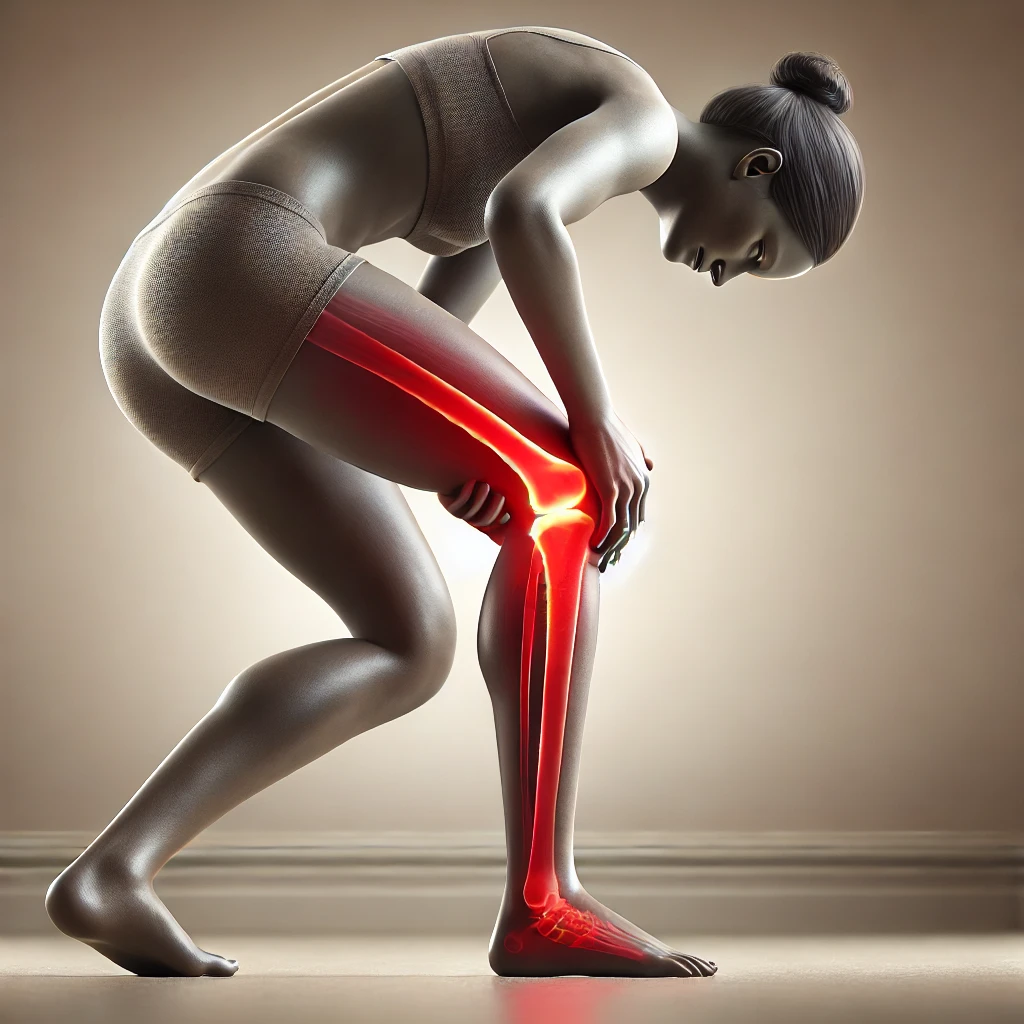
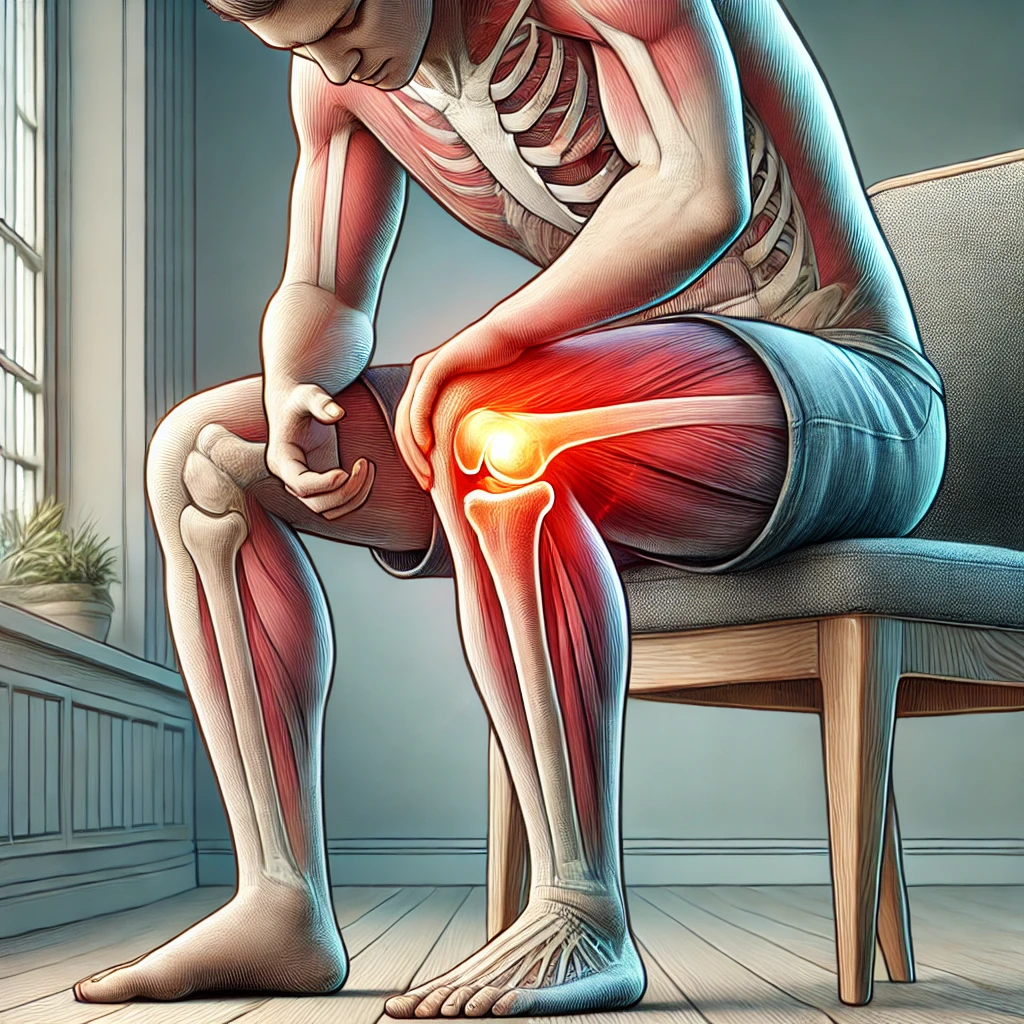
  • Knee pain after walking long distance

    Knee pain after walking long distance

    Many assume regular strolls are universally beneficial, but what if your favorite activity secretly strains your joints? Discomfort during extended movement often signals deeper issues requiring attention. Let’s explore why your body might protest despite good intentions.

    Sudden spikes in physical effort can overwhelm even healthy joints. Cartilage and ligaments need gradual adaptation to handle increased demands. Without proper pacing, repetitive stress creates micro-injuries that escalate into persistent soreness.

    Yet when managed wisely, movement remains vital. Controlled activity nourishes joint tissues and strengthens supporting muscles. Our guide examines biomechanical factors, prevention strategies, and recovery techniques to keep you moving confidently.

    Key Takeaways

    • Sudden activity increases strain joints more than gradual progression
    • Biomechanical imbalances often worsen during prolonged exertion
    • Proper footwear reduces impact forces by up to 30% during strides
    • Muscle conditioning protects vulnerable joint structures
    • Early intervention prevents minor irritation from becoming chronic

    Understanding the Causes of Knee Pain after Walking Long Distance

    While movement is essential for health, pushing your limits without preparation can trigger unexpected joint protests. Our bodies respond to strain through complex interactions between muscles, tendons, and cartilage. When these systems face demands exceeding their capacity, discomfort emerges as a warning signal.

    When Activity Overpowers Recovery

    Sudden increases in activity duration create cumulative stress on load-bearing structures. Cartilage lacks direct blood supply, relying on gradual compression during movement for nutrient absorption. Repetitive impact without adequate rest periods prevents proper tissue repair, leading to irritation in sensitive areas.

    Hidden Vulnerabilities Surface

    Past traumas often leave lasting weaknesses in joint mechanics. A 2023 biomechanics study revealed that participants with prior ligament injuries showed 40% greater lateral knee pressure during prolonged movement. Conditions like osteoarthritis amplify this effect, as worn cartilage struggles to absorb shock effectively.

    Proper conditioning helps bridge these gaps. Strengthening surrounding muscles redistributes forces away from vulnerable areas. Nutrition and hydration also play critical roles in maintaining joint resilience against repetitive stressors.

    How Overuse and Injury Impact Our Knees

    Repeated strain during extended activity reveals hidden vulnerabilities in joint structures. Unlike sudden accidents, these issues develop silently through cycles of stress without sufficient recovery. Our connective tissues need balance between use and repair to maintain optimal function.

    Common Overuse Injuries from Extended Activity

    Patellar tendonitis and iliotibial band syndrome frequently emerge when repetitive motion outpaces tissue adaptation. A 2023 sports medicine report found 73% of recreational walkers experienced at least one overuse condition annually. Acute injuries involve sudden trauma, while chronic issues stem from accumulated micro-damage.

    Early signs like localized tenderness or swelling often get dismissed as temporary discomfort. Muscle fatigue accelerates wear tear by shifting loads to less resilient structures. Without intervention, this pattern can degrade cartilage and inflame bursae.

    Three critical distinctions between injury types:

    • Acute: Immediate sharp pain from specific incidents
    • Chronic: Dull ache persisting hours after activity
    • Overuse: Progressive stiffness worsening with continued use

    We must honor early warnings – persistent symptoms lasting over 48 hours warrant activity modification. Conditioning programs that strengthen quadriceps and hip stabilizers prove particularly effective for injury prevention according to recent biomechanical studies.

    Recognizing Symptoms and Warning Signs

    Our bodies communicate through physical signals that demand attention. Subtle changes in joint behavior often reveal emerging issues before they escalate. Learning to interpret these markers helps maintain mobility and prevent long-term damage.

    Identifying Pain Patterns and Swelling

    Localized tenderness around the kneecap or inner joint line frequently signals tissue irritation. Sharp twinges during bending motions may indicate cartilage stress, while dull throbbing after activity suggests inflammation. Swelling that persists beyond 24 hours often points to excessive strain.

    Recent studies show 68% of recreational athletes ignore early puffiness near joints. “Ignoring minor swelling is like dismissing smoke before flames appear,” notes sports therapist Dr. Elena Morris. Track symptom duration – discomfort resolving with rest differs from persistent aches worsening with movement.

    When Discomfort Becomes a Concern

    Seek evaluation if you experience locking sensations or sudden instability during routine steps. These could suggest meniscus tears or ligament damage requiring professional assessment. Progressive stiffness that limits leg mobility also warrants attention.

    Watch for these red flags:

    • Pain intensifying despite reduced activity
    • Visible deformity around joint structures
    • Clicking sounds paired with sharp jolts

    Early intervention transforms outcomes. Schedule consultation when symptoms disrupt sleep or daily tasks – your movement patterns deserve protection.

    Proper Preparation and Conditioning

    Proper preparation transforms routine movement into joint-friendly activities. We’ll explore how gradual progression and targeted routines build resilience against strain. Strategic conditioning helps your body adapt to increased demands safely.

    Building Up Activity Gradually

    Start with 20-minute walks three times weekly, adding 5 minutes every seven days. This 10% weekly increase lets tissues adapt without overload. Research shows this method reduces injury risk by 47% compared to sudden jumps in effort.

    proper preparation conditioning

    Combine movement with strength exercises twice weekly. Focus on these key areas:

    • Quadriceps: Wall sits (hold 30 seconds, 3 sets)
    • Calves: Single-leg raises (15 reps per side)
    • Hips: Lateral band walks (10 steps each direction)
    Week Daily Walk Time Strength Sessions
    1 20 minutes 2
    2 25 minutes 2
    3 30 minutes 3

    Warm-Up and Cool-Down Techniques

    Begin with dynamic stretches like leg swings and torso twists for 5-7 minutes. These movements increase blood flow to muscles and improve joint lubrication. Post-activity, perform static stretches holding each position 20-30 seconds.

    Try this recovery sequence:

    1. Standing hamstring stretch (both legs)
    2. Calf stretch against a wall
    3. Figure-four hip opener

    Consistency matters most. Pair these tips with proper hydration and rest days for optimal adaptation. Your legs will thank you during extended activity.

    Choosing the Right Footwear for Knee Health

    Footwear acts as the foundation for joint protection during activity. The right pair absorbs shock while guiding natural movement patterns. Research shows properly designed shoes reduce joint stress by 30% compared to unsupportive options.

    Supportive Running Shoes and Insoles

    Modern athletic footwear combines cushioning with anatomical precision. A study in the Journal of Sports Engineering found shoes with responsive midsoles decrease foot strike impact by 22%. Flexible toe boxes allow natural splay, while structured arches prevent excessive inward rolling.

    Replace shoes every 300-500 miles – worn treads lose shock absorption capacity. Biomechanical specialists recommend rotating between two pairs to vary pressure points. For those needing extra support, custom orthotics improve alignment and redistribute weight effectively.

    Key features to prioritize:

    • Heel counters that stabilize without restricting motion
    • Breathable materials preventing moisture-related instability
    • Rockered soles promoting smooth transitions between steps

    Investing in quality footwear pays dividends for long-term health. As one podiatrist notes: “Your shoes should work with your feet, not against them.” Combine this advice with regular gait assessments to optimize protection against wear tear.

    Effective Knee Strengthening Exercises and Stretches

    Building resilient joints requires more than occasional effort—it demands strategic movement patterns. Targeted routines enhance stability while addressing muscular imbalances that contribute to strain. Let’s explore methods that fortify your foundation through controlled progression.
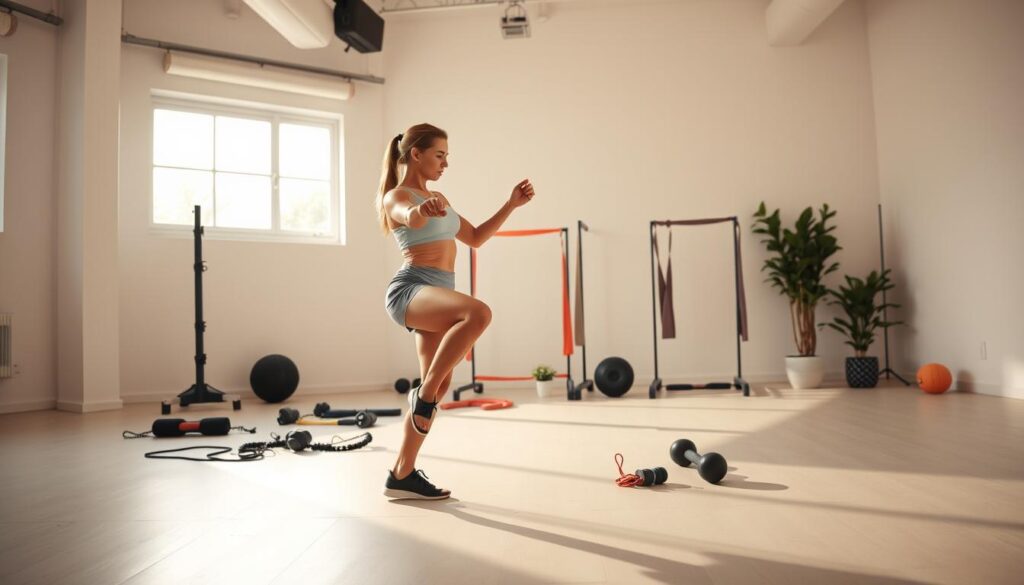
    knee strengthening exercises

    Power Up Your Foundation

    Strengthening quadriceps and hamstrings creates natural shock absorption. Bodyweight squats (3 sets of 12 reps) build functional strength without equipment. For advanced conditioning, step-ups onto a sturdy platform engage multiple leg muscles simultaneously. The Hospital for Special Surgery recommends lateral lunges to activate hip stabilizers and improve lateral stability.

    Release and Restore

    Post-activity stretching maintains tissue elasticity. Try these essential moves:

    • Standing hamstring stretch: Hold 30 seconds per leg
    • Calf stretch with bent knee: Targets deeper lower-leg muscles
    • Figure-four stretch: Relieves hip and glute tension

    Master Your Movement

    Balance drills train your body to handle uneven surfaces. Single-leg stands (eyes closed for progression) build proprioception. A 2024 study showed participants using wobble boards reduced reinjury risk by 52% compared to standard routines. “Consistent balance work rewires neural pathways,” explains physical therapist Dr. Rachel Torres. Start with 2-minute daily sessions and gradually increase difficulty.

    Combine these strategies 3-4 times weekly for optimal results. Track progress through improved endurance and reduced stiffness during daily tasks. Your body adapts best when challenged progressively—listen to its feedback and adjust intensity accordingly.

    Managing Acute Knee Pain and Swelling

    Swift action during flare-ups can mean the difference between quick recovery and prolonged discomfort. Immediate intervention helps control tissue stress before it escalates, preserving mobility and comfort.

    Home Remedies and the RICE Method

    The RICE protocol remains the gold standard for acute care. Begin with rest – avoid weight-bearing activities for 48 hours. Apply cold packs wrapped in cloth for 20-minute intervals, repeating every 3-4 hours during waking periods.

    Compression sleeves or elastic bandages help reduce fluid accumulation. Ensure snugness without restricting circulation – fingers and toes should stay warm. Elevate legs above heart level using pillows, particularly during sleep.

    Short-Term Strategies for Pain Relief

    Modify activity patterns immediately when symptoms appear. Take 5-minute seated breaks hourly during prolonged movement. Reduce pace by 25% to decrease ground impact forces.

    Consider these timelines for recovery:

    • Mild stiffness: 1-2 days modified activity
    • Moderate swelling: 3 days complete rest
    • Persistent pressure sensations: 5-day recovery window

    Over-the-counter anti-inflammatories can supplement these measures when used as directed. For additional recovery strategies, focus on maintaining joint mobility through gentle range-of-motion exercises during healing phases.

    When to Seek Professional Advice

    Timely consultation bridges the gap between self-care and medical intervention. While minor stiffness often resolves with rest, certain patterns demand expert evaluation. We must recognize when our bodies signal deeper issues needing specialized attention.

    Persistent symptoms lasting over 72 hours warrant immediate assessment. This includes swelling that limits movement or warmth around specific areas. Difficulty bearing weight or sudden instability during routine steps often indicates structural concerns rather than simple fatigue.

    Previous injuries create vulnerability in supporting muscles and connective tissues. A 2023 orthopedic study found 62% of recurrent joint issues stemmed from inadequately healed damage. Worsening discomfort despite reduced activity suggests developing conditions requiring diagnostic imaging.

    Follow these guidelines for action:

    • Consult providers if pain disrupts sleep patterns
    • Seek urgent care for visible deformities
    • Schedule evaluations when symptoms last 5+ days

    Ignoring grinding sensations or locking joints risks permanent damage. As sports physician Dr. Alicia Moreno advises: “Pain that alters your gait pattern becomes a safety hazard.” Prioritize professional advice before attempting intensive rehabilitation protocols.

    Preventative Measures for Long-Term Knee Health

    Sustaining mobility requires proactive strategies that extend beyond immediate symptom relief. Combining smart habits with consistent movement patterns creates lasting protection for weight-bearing structures. Let’s explore daily practices that support resilience against wear and tear.

    Building Sustainable Defense Systems

    Maintaining healthy body weight reduces pressure on joints by up to 30% per pound lost. Focus on nutrient-dense meals rich in omega-3s and vitamin D to support bone density and cartilage repair. Studies show diets emphasizing leafy greens and fatty fish decrease arthritis progression rates by 22%.

    Incorporate these three pillars into weekly routines:

    • Movement Variety: Alternate walking with swimming or cycling to distribute impact forces
    • Strength Foundations: Perform bodyweight squats and bridges twice weekly
    • Recovery Focus: Prioritize 7-8 hours of sleep for tissue regeneration

    Low-impact exercises like tai chi improve balance while protecting vulnerable areas. Recent trials demonstrate participants following knee preservation strategies maintained 89% more cartilage volume over five years compared to inactive peers.

    Practical daily adjustments matter most. Take standing breaks every 45 minutes during sedentary work. Choose stairs over elevators when possible – gradual challenges build adaptive capacity. Remember: Consistency trumps intensity when safeguarding your body’s structural integrity.

    Conclusion

    Maintaining mobility requires informed choices that balance activity with joint protection. Our exploration revealed how early symptom recognition and strategic conditioning prevent minor strains from evolving into chronic conditions. From footwear selection to targeted exercises, each decision impacts long-term resilience.

    Practical solutions like the RICE method address inflammation swiftly, while strength-building routines fortify vulnerable areas. Research confirms that managing body weight reduces pressure on cartilage by up to 30%, slowing arthritis progression. Those experiencing persistent discomfort should consult specialists before bone structures face irreversible stress.

    Remember: Joint health thrives on consistency. Pair daily movement with recovery periods, adjusting intensity over weeks rather than days. When challenges arise, professional guidance ensures safe adaptation. By prioritizing these principles, we safeguard our body’s foundation – empowering active lifestyles without compromising comfort during running, hiking, or everyday adventures.

    FAQ

    What common issues lead to discomfort during extended activity?

    Overuse strains, cartilage wear, arthritis, or muscle imbalances often contribute. Repetitive stress without proper conditioning can inflame joints or strain ligaments, especially if underlying conditions like osteoarthritis exist.

    How do past injuries affect joint resilience?

    Prior ligament tears, fractures, or meniscus damage weaken structural integrity. Scar tissue or misalignment from untreated injuries increases vulnerability to flare-ups during prolonged movement.

    What footwear features support joint health?

    Cushioned soles (like Brooks Ghost or ASICS Gel-Nimbus), arch support, and motion-control designs reduce impact. Custom orthotics from brands like Superfeet can address gait irregularities linked to strain.

    When should swelling or stiffness prompt medical evaluation?

    Persistent inflammation lasting over 48 hours, limited mobility, or sharp “locking” sensations warrant assessment. These may signal meniscus tears, bursitis, or cartilage deterioration needing imaging.

    How can we prepare muscles before long walks?

    Gradually increase distance weekly by 10%. Warm-ups like leg swings and calf raises boost circulation, while post-activity stretches (hamstrings, quads) prevent stiffness. Foam rolling aids recovery.

    Which exercises strengthen stabilizing muscles?

    Step-ups, wall sits, and resistance band drills target quads and glutes. Balance exercises—single-leg stands or Bosu ball work—improve proprioception to reduce misstep-related strains.

    What immediate steps ease acute flare-ups?

    Apply ice packs for 15-minute intervals, elevate legs, and use compression sleeves. NSAIDs like ibuprofen reduce inflammation short-term, but avoid over-reliance without professional guidance.

    Can lifestyle changes prevent chronic issues?

    Yes. Maintaining healthy weight lowers joint pressure. Low-impact cross-training (cycling, swimming) builds endurance without excessive wear. Annual gait analyses ensure footwear stays effective.
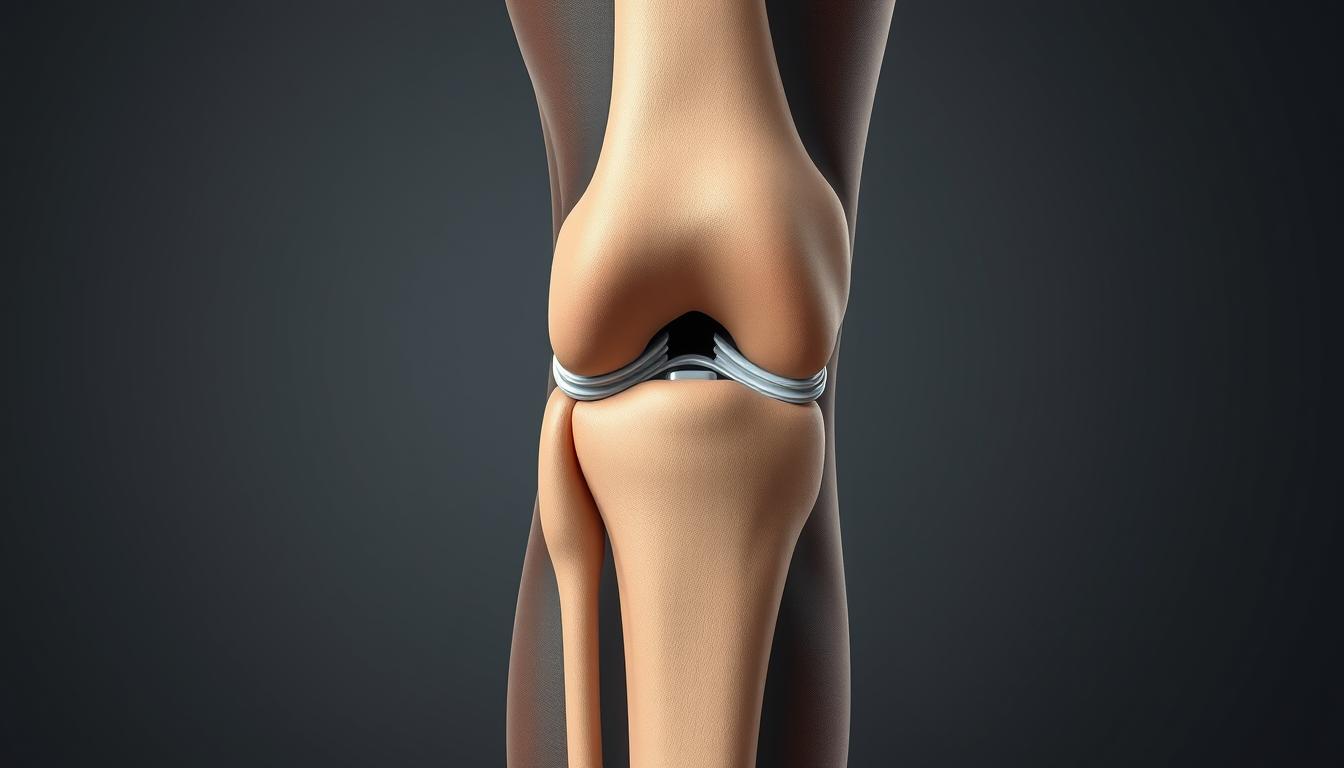
  • Dancer’s Knee: Understanding Patellofemoral Stress Syndrome

    Dancer’s Knee: Understanding Patellofemoral Stress Syndrome

    Are you a dancer experiencing persistent knee pain that hinders your performance? You’re not alone. Many dancers suffer from a condition known as patellofemoral stress syndrome, or more colloquially, “Dancer’s knee.”

    This condition is characterized by pain in the front of the knee, often around or behind the patella. Activities that stress the knee, such as jumping or quick changes in direction, can exacerbate the issue. Understanding the causes and symptoms is crucial for effective management. For insights into managing similar issues related to overuse, consider exploring relief tips for sore knees from running.

    Key Takeaways

    • Patellofemoral stress syndrome is a common issue among dancers.
    • Pain is typically felt in the front of the knee.
    • Activities like jumping can exacerbate the condition.
    • Understanding causes and symptoms is key to management.
    • Relief and prevention strategies can be applied to similar overuse injuries.

    What is Dancer’s Knee?

    The condition known as dancer’s knee is a significant concern for dancers due to its impact on performance. Dancer’s knee, medically referred to as patellofemoral stress syndrome, is a condition characterized by pain around or behind the patella (kneecap).

    Definition of Patellofemoral Stress Syndrome

    Patellofemoral stress syndrome occurs due to the irritation of the cartilage on the back of the patella. This irritation can result from overuse, typically associated with high-impact activities that involve running and jumping, common in various dance styles.

    The repetitive stress and strain on the knee joint lead to inflammation and pain, making it challenging for dancers to perform. Activities such as ballet, contemporary, and hip-hop, which involve significant jumping and landing, increase the risk of developing this condition.

    Common Symptoms

    The most common symptom of dancer’s knee is a dull aching sensation under and around the kneecap. This pain can be particularly noticeable after long periods of sitting, squatting, or walking down stairs. Some dancers may also experience pain when jumping or landing from jumps.

    In addition to pain, some individuals might feel a grinding or clicking sensation when they move their knee. This sensation is often associated with the irregular movement of the patella within the femoral groove.

    Who Is at Risk?

    Dancers who participate in high-impact dance styles are particularly at risk of developing dancer’s knee. The condition is not limited to professional dancers; anyone engaging in regular dance activities that involve jumping and repetitive knee stress can be affected.

    Factors such as improper dance technique, inadequate footwear, and muscle imbalances around the knee can also contribute to the risk of developing patellofemoral stress syndrome. Understanding these risk factors is crucial for prevention and early intervention.

    Causes of Dancer’s Knee

    The etiology of dancer’s knee involves a complex interplay of factors including overuse, alignment issues, and muscle imbalances. Understanding these causes is crucial for both prevention and treatment.

    Overuse and Repetitive Motion

    Dancer’s knee often results from overuse and repetitive motion, leading to irritation and inflammation of the cartilage. Activities that involve frequent jumping, running, or quick changes of direction can exacerbate the condition. For instance, dancers who perform repetitive movements are more likely to experience knee pain due to the constant stress on the knee joint.

    Alignment Issues

    Alignment issues, such as the way the patella tracks in its groove, can also contribute to the development of dancer’s knee. When the patella does not track properly, it can cause friction and lead to pain. Factors such as foot pronation or supination can affect knee alignment and contribute to the syndrome.

    Muscle Imbalances

    Muscle imbalances, particularly in the quadriceps and hamstrings, play a significant role in the development of dancer’s knee. Weakness or tightness in these muscles can affect the tracking of the patella and put additional stress on the knee joint. Strengthening and stretching exercises can help mitigate these imbalances.

    For more information on the common causes of knee pain in dancers, you can visit this resource that provides detailed insights into the condition.

    Cause Description Impact on Dancers
    Overuse and Repetitive Motion Irritation and inflammation due to repetitive stress Increased risk of knee pain
    Alignment Issues Improper tracking of the patella Friction and pain
    Muscle Imbalances Weakness or tightness in quadriceps and hamstrings Additional stress on the knee joint

    Identifying Dancer’s Knee

    Diagnosing dancer’s knee requires a comprehensive approach that includes both clinical evaluation and sometimes additional diagnostic tests. This condition, also known as patellofemoral stress syndrome, presents with symptoms that can be similar to other knee disorders, making a thorough diagnostic process crucial.

    Diagnostic Procedures

    The diagnosis of dancer’s knee typically begins with a detailed medical history and a description of the symptoms experienced by the patient. Healthcare professionals may use several diagnostic procedures to assess the condition of the knee.

    Common diagnostic steps include:

    • A thorough physical examination to assess knee alignment, mobility, and pain triggers.
    • Imaging tests such as X-rays or MRI to evaluate the condition of the cartilage and rule out other potential causes of knee pain.

    Physical Examination

    A physical examination is a critical component of diagnosing dancer’s knee. During this examination, a healthcare professional will assess the knee’s alignment, check for tenderness, and evaluate the range of motion. Specific tests may be performed to identify the source of pain and assess the function of the surrounding muscles.

    Imaging Techniques

    While a physical examination provides valuable information, imaging techniques are often necessary to confirm the diagnosis and rule out other conditions. The most commonly used imaging techniques for diagnosing dancer’s knee include:

    Imaging Technique Purpose Benefits
    X-ray To assess bone alignment and detect any fractures or degenerative changes. Quick and widely available, providing immediate results.
    MRI (Magnetic Resonance Imaging) To evaluate the condition of the cartilage, tendons, and ligaments. Provides detailed images of soft tissues, helping to identify inflammation or damage.

    Treatment Options for Dancer’s Knee

    Treatment options for dancer’s knee are varied and depend on the condition’s severity. The goal is to alleviate pain, restore function, and prevent future occurrences.

    Rest and Activity Modification

    The initial step in treating dancer’s knee often involves rest and modifying activities to reduce stress on the knee. This may mean taking a break from dancing or adjusting dance techniques to minimize the strain on the knee joint.

    Physical Therapy

    Physical therapy plays a crucial role in the rehabilitation of dancer’s knee. A physical therapist can design a program to strengthen the muscles around the knee, improve flexibility, and enhance patellar tracking. Exercises may include:

    • Straight leg raises to strengthen the quadriceps
    • Wall squats to improve strength and flexibility
    • Step-ups to enhance knee function and strength

    A well-structured physical therapy program can significantly improve symptoms and help dancers return to their activities.

    Medications and Injections

    In some cases, medications and injections may be used to manage pain and inflammation associated with dancer’s knee. Over-the-counter pain relievers, such as NSAIDs, can help reduce pain and swelling. In more severe cases, corticosteroid injections may be considered.

    A comparison of treatment options is provided in the table below:

    Treatment Option Description Benefits
    Rest and Activity Modification Reducing stress on the knee by resting and adjusting activities Reduces pain and inflammation
    Physical Therapy Strengthening muscles around the knee and improving flexibility Improves knee function and reduces risk of future injury
    Medications and Injections Managing pain and inflammation with medication or injections Provides relief from pain and inflammation

    dancer's knee treatment options

    Preventing Dancer’s Knee

    Preventing Dancer’s Knee requires a multi-faceted approach that includes proper warm-up routines, targeted strengthening exercises, and adjustments to dance techniques. By incorporating these elements, dancers can significantly reduce their risk of developing Patellofemoral Stress Syndrome.

    Proper Warm-Up and Stretching

    A thorough warm-up and stretching routine is essential for preparing the muscles and joints for dance activities. Dynamic stretching, which involves moving the joints through a range of motion while keeping the muscles active, is particularly effective. This type of stretching can help improve flexibility and reduce muscle stiffness, thereby decreasing the risk of knee injuries.

    Examples of dynamic stretches include leg swings, lunges, and calf raises. It’s also beneficial to incorporate myofascial release techniques to release tension in the muscles and improve circulation.

    Strengthening Exercises

    Strengthening the muscles around the knee, particularly the quadriceps and hip muscles, is crucial for preventing Dancer’s Knee. Quadriceps strengthening exercises such as squats, lunges, and leg press can help stabilize the patella and improve tracking. Additionally, exercises that target the hip muscles, such as clamshell exercises and side-lying leg lifts, can help address muscle imbalances that may contribute to Patellofemoral Stress Syndrome.

    A well-structured strengthening program should be progressive, meaning that the intensity and difficulty of the exercises should increase over time to continue challenging the muscles and promoting strength gains.

    Technique Adjustments

    Making adjustments to dance techniques can also play a significant role in preventing Dancer’s Knee. Dancers should be mindful of their alignment and movement patterns, avoiding actions that put excessive stress on the knee joint. For example, ensuring proper turnout and avoiding over-crossing or over-rotating can help reduce the risk of injury.

    Working with a qualified dance instructor or physical therapist can help identify and correct technique issues that may be contributing to knee stress.

    The Role of Ice and Heat Therapy

    Ice and heat therapy are two common methods used to manage the pain and discomfort of dancer’s knee. These therapies are valuable tools in a dancer’s recovery arsenal, helping to alleviate pain and reduce inflammation.

    When to Use Ice

    Ice therapy, or cryotherapy, is typically used immediately after injury or during the acute phase of dancer’s knee. It helps reduce inflammation and numbs the pain. Applying ice for 15-20 minutes, several times a day, can be beneficial.

    When to Use Heat

    Heat therapy, on the other hand, is used to promote relaxation and reduce stiffness. It’s particularly useful after the initial inflammatory phase has passed. Heat therapy increases blood flow to the area, helping to repair damaged tissues.

    Both Therapies Combined

    Some dancers find that alternating between ice and heat therapy provides optimal relief. This contrast therapy can help reduce pain and inflammation while also promoting healing and relaxation.

    Therapy Type Primary Use Benefits
    Ice Therapy Acute injury, inflammation Reduces pain, inflammation
    Heat Therapy Relaxation, stiffness Increases blood flow, promotes healing
    Combined Therapy Alternating between acute and chronic phases Offers both pain relief and promotes healing

    ice and heat therapy for dancer's knee

    The Importance of Footwear

    Footwear plays a pivotal role in managing and preventing dancer’s knee, a condition affecting many dancers. The right footwear can help reduce the stress on the knee joint, thereby alleviating some of the pressures that contribute to patellofemoral stress syndrome.

    Choosing the Right Dance Shoes

    Selecting dance shoes that provide adequate support and cushioning is crucial. Proper footwear can help mitigate the impact on the knee during dance movements. Dancers should look for shoes that are designed for their specific dance style, as different styles have unique demands.

    • For ballet, shoes should provide support without restricting movement.
    • For contemporary or modern dance, shoes may need to offer more cushioning to absorb impact.
    • For styles like tap or jazz, the shoe’s design should support the specific footwork involved.

    The Impact of Shoe Wear

    The wear and tear on dance shoes can significantly affect a dancer’s performance and comfort. Worn-out shoes can alter the foot’s alignment, potentially leading to issues such as knee pain. Regularly inspecting and replacing dance shoes is essential to prevent such problems.

    Dancers should be aware of the signs of worn-out shoes, including:

    • Sole wear that affects the shoe’s cushioning ability.
    • Upper material degradation that compromises support.
    • Any changes in the shoe’s fit or feel.

    Custom Orthotics

    For dancers with specific foot or ankle issues, custom orthotics may be recommended. These are tailored to the individual’s foot shape and dance style, providing additional support and alignment correction. Custom orthotics can be particularly beneficial for dancers experiencing knee pain due to foot or ankle misalignment.

    By understanding the importance of footwear and taking steps to choose the right shoes and maintain them properly, dancers can reduce their risk of knee pain and injuries. Whether through proper shoe selection or the use of custom orthotics, dancers have several options to support their knee health.

    Nutrition and Recovery

    Proper nutrition is essential for dancers to recover from knee injuries and maintain overall health. Adequate nutrition and hydration play a crucial role in managing inflammation and facilitating the recovery process.

    nutrition for dancer's knee recovery

    Role of Hydration

    Staying hydrated is vital for maintaining healthy joints. Water helps in keeping the cartilage healthy and facilitates the lubrication of joints. Aim to drink at least eight glasses of water a day, and adjust your intake based on your activity level and climate.

    Anti-Inflammatory Foods

    Incorporating anti-inflammatory foods into your diet can help reduce inflammation associated with dancer’s knee. Foods rich in omega-3 fatty acids, such as salmon and walnuts, are known for their anti-inflammatory properties. Turmeric and ginger also have natural anti-inflammatory effects that can aid in recovery.

    Supplements for Joint Health

    Certain supplements like glucosamine and chondroitin are often recommended for joint health. While their effectiveness can vary, some dancers find them beneficial in managing knee pain. It’s essential to consult with a healthcare professional before adding any supplements to your regimen.

    In conclusion, a well-balanced diet that includes proper hydration, anti-inflammatory foods, and potentially supplements can significantly impact the recovery and management of dancer’s knee. By making informed nutritional choices, dancers can better manage their condition and improve their overall health.

    Coping with Pain

    Dealing with the discomfort of dancer’s knee requires a comprehensive approach to pain management. Chronic pain management often involves a multidisciplinary approach, incorporating various strategies to alleviate pain and improve quality of life.

    Mindfulness and Relaxation Techniques

    Mindfulness practices, such as meditation and deep breathing, can significantly reduce stress and pain perception. These techniques help dancers develop a greater awareness of their body and manage pain more effectively.

    Regular mindfulness practice can lead to improved pain tolerance and enhanced overall well-being. It is essential to start with short sessions and gradually increase the duration as one becomes more comfortable with the practice.

    Pain Management Strategies

    Effective pain management for dancer’s knee may involve a combination of medication, physical therapy, and alternative therapies like acupuncture. Each of these strategies plays a crucial role in addressing pain from different angles.

    A comprehensive pain management plan should be tailored to the individual’s specific needs and circumstances. This may involve working closely with healthcare professionals to determine the most appropriate treatment options.

    Pain Management Strategy Description Benefits
    Medication Use of pain-relieving drugs Quick pain relief, reduced inflammation
    Physical Therapy Exercises and stretches to improve knee function Strengthens muscles, improves flexibility
    Acupuncture Insertion of fine needles into specific body points Stimulates healing, reduces pain perception

    When to Seek Help

    It is crucial to recognize when pain is not manageable through self-care and routine practices. If pain persists or worsens, seeking professional help is essential to prevent the condition from deteriorating further.

    Dancers should be aware of their body’s signals and not hesitate to consult healthcare professionals if they experience persistent or severe pain. Early intervention can significantly impact the effectiveness of treatment.

    Returning to Dance after Injury

    Gradually reintegrating dance activities is crucial for dancers recovering from Dancer’s Knee. This process involves a careful and well-planned approach to prevent re-injury and ensure a successful return to dance.

    Gradual Reintegration

    A gradual return to dance is essential to allow the knee to adjust to the demands of dancing. This involves starting with low-intensity activities and progressively increasing the intensity and duration. It’s crucial to listen to your body and not rush the process, as this can lead to re-injury.

    Monitoring Symptoms

    Monitoring symptoms during the return to dance is vital. Dancers should be aware of any pain or discomfort in the knee and adjust their activities accordingly. If symptoms persist or worsen, it may be necessary to reassess the rehabilitation plan and make adjustments as needed.

    Building Confidence

    Building confidence in the knee is a critical aspect of returning to dance. This can be achieved through strengthening exercises and proper technique adjustments. As dancers regain strength and confidence, they can gradually increase their dance activities, ensuring a successful return to dance.

    It’s also important to focus on proper technique to avoid putting unnecessary stress on the knee. Working with a dance instructor or physical therapist can help dancers identify and correct any technique issues.

    Real-Life Stories and Experiences

    Real-life stories from dancers who have experienced dancer’s knee offer valuable insights into managing the condition. These personal accounts not only provide emotional support but also practical advice on how to navigate the challenges of dancer’s knee.

    Dancer Testimonials

    Many dancers have shared their journeys with dancer’s knee, highlighting the struggles and triumphs they experienced. For instance, a professional ballet dancer recounted how she had to modify her technique to alleviate the stress on her knee.

    “I had to relearn how to dance, focusing on proper alignment and engaging my core to reduce the strain on my knee. It was a challenging process, but it made a significant difference.” – Emily, Ballet Dancer

    Another dancer shared the importance of seeking professional help early on. “I initially tried to ignore the pain, but it only got worse. Once I consulted a specialist, I was able to get the right treatment and return to dancing much sooner.”

    Professional Advice

    Healthcare professionals and dance experts emphasize the importance of prevention and proper management of dancer’s knee. According to a sports medicine specialist, “Early intervention is key. Dancers should be aware of the early signs of dancer’s knee and take proactive steps to address it.”

    Prevention Strategies Benefits
    Proper Warm-Up and Stretching Reduces muscle tension and improves flexibility
    Strengthening Exercises Enhances knee stability and support
    Technique Adjustments Minimizes unnecessary stress on the knee

    Experts also recommend a gradual return to dance after injury, monitoring symptoms closely to avoid re-injury. “It’s crucial to listen to your body and not rush back into full activity too quickly,” advises a dance physiotherapist.

    By combining real-life stories with professional advice, dancers can gain a comprehensive understanding of dancer’s knee and how to manage it effectively. This holistic approach empowers dancers to take control of their condition and continue pursuing their passion with confidence.

    Latest Research and Developments

    The field of dance medicine is rapidly evolving, driven by ongoing research into dancer’s knee and related conditions. Studies continue to uncover new treatment options and prevention strategies, enhancing the care available to dancers.

    Advancements in Treatment

    Emerging treatment techniques, such as regenerative medicine and advanced physical therapy methods, are being explored to address dancer’s knee. For instance, a study published on the National Institutes of Health’s database highlighted the effectiveness of strength and neuromuscular training in rehabilitation programs.

    Prevention Strategies

    Advances in injury prevention, including better equipment and training methods, are also being developed. Understanding these future directions can help dancers and healthcare providers stay ahead in managing and preventing dancer’s knee, ultimately enhancing performance and reducing downtime due to injury.

    Future Directions

    As research progresses, future directions in dance medicine are likely to focus on personalized treatment plans and innovative prevention strategies. By staying informed about the latest research and emerging treatment techniques, dancers can optimize their training and performance.

    FAQ

    What is dancer’s knee, and how does it affect dancers?

    Dancer’s knee, also known as patellofemoral stress syndrome, is a condition characterized by pain in the front of the knee, usually around or behind the patella. It affects dancers due to repetitive stress and strain on the knee joint from activities like jumping and landing.

    What are the common symptoms of dancer’s knee?

    Symptoms include pain under and around the kneecap, especially after long periods of sitting, squatting, or walking down stairs. Dancers may experience pain when jumping, landing, or changing direction quickly.

    What causes dancer’s knee?

    The causes are multifactorial, including overuse and repetitive motion, alignment issues such as the way the patella tracks in its groove, and muscle imbalances, particularly in the quadriceps and hamstrings.

    How is dancer’s knee diagnosed?

    Diagnosis involves a combination of clinical evaluation and sometimes additional tests, including a physical examination to assess the knee’s alignment, mobility, and pain triggers, and diagnostic procedures like X-rays or MRI.

    What are the treatment options for dancer’s knee?

    Treatment is multifaceted and depends on the severity of the condition, involving rest and modifying activities, physical therapy to strengthen the muscles around the knee, and medications and injections to manage pain and inflammation.

    How can dancer’s knee be prevented?

    Prevention involves a proactive approach, including proper warm-up and stretching, strengthening exercises for the quadriceps and hip muscles, and adjusting dance techniques to avoid excessive stress on the knee.

    What is the role of ice and heat therapy in managing dancer’s knee?

    Ice is used acutely to reduce inflammation and pain, while heat is used to promote relaxation and reduce stiffness. Sometimes, a combination of both therapies may be used.

    How does footwear impact dancer’s knee?

    Choosing the right dance shoes that provide adequate support and cushioning can help reduce the impact on the knee. Custom orthotics may be recommended for dancers with specific foot or ankle issues.

    What is the importance of nutrition in managing dancer’s knee?

    Staying hydrated is essential for maintaining healthy joints, and incorporating anti-inflammatory foods into the diet can help reduce inflammation. Supplements like glucosamine and chondroitin may be beneficial for joint health.

    How can dancers cope with the pain associated with dancer’s knee?

    Coping strategies include mindfulness and relaxation techniques, pain management strategies like medication and physical therapy, and knowing when to seek professional help.

    How can dancers return to dance after an injury?

    Returning to dance requires a gradual and careful approach, involving gradual reintegration of dance activities, monitoring symptoms, and building confidence in the knee through strengthening exercises and proper technique.

    What are the future directions in managing and preventing dancer’s knee?

    Emerging treatment techniques, such as regenerative medicine and advanced physical therapy methods, and advances in injury prevention, including better equipment and training methods, are being explored to manage and prevent dancer’s knee.

  • right side knee pain when bending

    right side knee pain when bending

    Knee pain when bending is a common issue that many people face. This discomfort can be mild or severe and can affect daily activities. Understanding the causes and treatments for this type of pain is important to find relief and improve quality of life. In this article, we’ll explore the various reasons behind knee pain when bending and discuss ways to manage and prevent it.

    Common Causes of Right Side Knee Pain When Bending

    right knee pain illustration

    Knee pain when bending is a common problem for many people and can have numerous underlying causes. Osteoarthritis, meniscus tears, bursitis, ligament strain, and tendonitis are some of the most common causes. Bone fractures or infections in the joint may also cause knee pain. Often, knee pain can occur due to overuse or an unexpected increase in physical activity. Additionally, obesity or misalignment of the hips (such as hip aberration) can lead to increased pressure and tension on the knees that can cause pain.

    Sharp Pain in the Knee When Bending

    knee pain illustration

    Torn Ligament or Meniscus

    A torn ligament or meniscus can cause sharp pain when bending the knee. This injury often happens during sports or physical activities. You might also notice swelling and difficulty moving your knee.

    Knee or Patellar Fracture

    A fracture in the knee or patella can lead to severe pain when bending. This type of injury usually results from a direct blow or fall. Symptoms include intense pain, swelling, and an inability to straighten the leg.

    Osteoarthritis

    Osteoarthritis is a common cause of knee pain, especially in older adults. This condition occurs when the cartilage in the knee joint wears down over time. Symptoms include pain, stiffness, and swelling, which can worsen when bending the knee.

    If you experience sharp pain in your knee when bending, it’s important to consult a healthcare professional for a proper diagnosis and treatment plan.

    Pain at the Top of the Kneecap When Bending

    Knee Bursitis

    Knee bursitis happens when the small fluid-filled sacs, called bursae, become inflamed. These sacs help reduce friction and cushion pressure points between your bones and the tendons, muscles, and skin near your joints. When they get irritated, you might feel pain at the top of your kneecap, especially when bending your knee.

    Quadriceps Tendonitis

    Quadriceps tendonitis is an inflammation of the tendon that connects your quadriceps muscles to your kneecap. This condition often results from overuse, especially in activities that involve a lot of jumping or running. Pain at the top of the kneecap is a common symptom, and it can worsen when you bend your knee.

    Osteoarthritis

    Osteoarthritis is a type of arthritis that occurs when the cartilage that cushions the ends of your bones wears down over time. This can lead to pain and stiffness in the knee, particularly at the top of the kneecap. Bending the knee can become especially painful as the condition progresses.

    If you experience persistent pain at the top of your kneecap when bending, it’s important to consult a healthcare professional for a proper diagnosis and treatment plan.

    Diagnosing Knee Pain When Bending

    Medical History and Symptoms

    When diagnosing knee pain, doctors first look at your medical history and symptoms. They ask about when the pain started, what makes it worse, and if you have any other health issues. This helps them understand the possible causes of your pain.

    Physical Examination

    Next, the doctor will do a physical exam. They will check your knee for swelling, tenderness, and range of motion. They might also move your knee in different ways to see what hurts. This can help them find out if you have a specific injury or condition.

    Imaging Tests

    Sometimes, doctors need more information to diagnose your knee pain. They might order imaging tests like X-rays, MRIs, or CT scans. These tests can show details inside your knee, like bones, cartilage, and ligaments. This helps doctors see if there is any damage or other issues causing your pain.

    If you are experiencing knee pain, especially when you bend it to walk, kneel, sit, squat, and more, it is likely that you have a condition or injury that needs treatment. It is incredibly difficult to self-diagnose correctly, so seeing an orthopedic specialist is critical.

    Treatment Options for Knee Pain When Bending

    knee pain illustration

    Medications

    For knee pain, doctors often suggest medications to help manage discomfort and reduce inflammation. Over-the-counter pain relievers like ibuprofen or acetaminophen can be effective. In some cases, a doctor might prescribe stronger medications or injections to provide relief.

    Physical Therapy

    Physical therapy is a common treatment for knee pain. A physical therapist can guide you through exercises that improve strength, flexibility, and mobility in your knee. These exercises are tailored to your specific condition and can help you recover faster.

    Surgical Interventions

    When other treatments don’t work, surgery might be necessary. Procedures can range from minimally invasive arthroscopy to more complex operations like knee replacement. The type of surgery depends on the cause and severity of your knee pain.

    It’s important to consult with a healthcare provider to determine the best treatment plan for your knee pain. They can help you weigh the benefits and risks of each option.

    Preventing Knee Pain When Bending

    Proper Warm-Up and Stretching

    Warming up and stretching before any physical activity is crucial. Always stretch your legs before and after exercising. This helps to prepare your muscles and joints for the activity, reducing the risk of injury. Avoid sudden increases in the intensity of your exercise routine; instead, gradually work your way up.

    Strengthening Exercises

    Practicing regular strengthening exercises that target the muscles supporting your knees can significantly reduce the risk of injury. Focus on exercises that strengthen your quadriceps, hamstrings, and calves. These muscles help stabilize your knee joint.

    Maintaining a Healthy Weight

    Maintaining a healthy weight is essential for reducing the strain on your knees. If you are overweight, losing excess weight can make a big difference. This reduces the pressure on your knee joints, making injuries less likely.

    Consistent exercise and a balanced diet are key to keeping your knees healthy and pain-free.

    When to See a Doctor for Knee Pain

    Persistent Pain

    If your knee pain doesn’t go away after a few days, it’s time to see a doctor. Chronic pain that lasts for weeks or even months needs medical attention to find out what’s wrong and how to fix it.

    Swelling and Instability

    If your knee is swollen or feels like it might give out, you should get it checked. Swelling can mean there’s something serious going on inside your knee, and instability can make it hard to walk or do everyday things.

    Limited Range of Motion

    When you can’t bend or straighten your knee like you used to, it’s a sign you need to see a doctor. Limited movement can be a sign of a bigger problem that needs treatment.

    Don’t ignore knee pain. Seeing a doctor early can help you get the right treatment and avoid more problems later.

    Conclusion

    Knee pain when bending can be a real hassle, affecting your daily activities and overall quality of life. It’s important to remember that there are many possible causes, from minor injuries to more serious conditions like osteoarthritis or torn ligaments. If you’re experiencing this kind of pain, it’s best to consult a doctor for a proper diagnosis and treatment plan. In the meantime, simple measures like rest, ice, and over-the-counter pain relievers can help manage the discomfort. Stay proactive about your knee health, and don’t ignore persistent pain. Taking early action can make a big difference in your recovery and long-term well-being.

    Key Takeaways

    • Knee pain when bending can be caused by different factors like injuries, arthritis, and tendonitis.
    • Sharp knee pain might indicate a serious issue like a torn ligament or fracture.
    • Pain at the top of the kneecap could be due to bursitis or tendonitis.
    • Proper diagnosis often requires a combination of medical history, physical exams, and imaging tests.
    • Treatment options range from medications and physical therapy to surgical interventions.

    Frequently Asked Questions

    Why does my knee hurt when I bend it?

    Knee pain when bending can be caused by various conditions such as Baker’s cyst, hamstring tendonitis, or a knee injury. Sharp pain might indicate a torn ligament or meniscus, a knee fracture, or osteoarthritis.

    What should I do if I have sharp knee pain when bending?

    If you experience sharp knee pain when bending, it’s important to see a doctor. They can diagnose the issue, which could be a torn ligament, meniscus, or a fracture. Avoid putting weight on the knee until you get a diagnosis.

    Can I treat knee pain at home?

    Some mild knee pain can be managed at home with rest, ice, compression, and elevation (RICE). Over-the-counter pain relievers may also help. However, if the pain is severe or persists, you should see a doctor.

    How can I prevent knee pain when bending?

    To prevent knee pain, make sure to warm up and stretch before activities, strengthen your leg muscles, and maintain a healthy weight. Wearing proper footwear and avoiding sudden increases in physical activity can also help.

    When should I see a doctor for knee pain?

    You should see a doctor if your knee pain is persistent, causes swelling or instability, or limits your range of motion. These could be signs of a more serious condition that needs medical attention.

    What are the treatment options for knee pain?

    Treatment options vary depending on the cause and severity of the pain. They can include medications, physical therapy, and in some cases, surgical interventions. Your doctor will recommend the best course of action for your specific situation.

  • knee pain when sitting

    knee pain when sitting

    Knee pain while sitting is a common issue that many people face. It can be caused by various factors, including poor posture, sitting for too long, or underlying health problems. Addressing this pain often involves making changes to how you sit and seeking advice from a healthcare provider.

    Common Causes of Knee Pain When Sitting

    Knee pain from sitting is a common issue with several potential causes. Poor posture and positioning can put extra stress on your knees. Sitting with your legs crossed or in an awkward position can lead to discomfort. Additionally, the chair or surface you sit on might not provide the proper support your legs and knees need.

    Poor Posture and Positioning

    Sitting in a way that strains your knees can cause pain. For example, crossing your legs or sitting with your knees bent for too long can lead to discomfort. It’s important to maintain a good posture to avoid putting extra stress on your knees.

    Underlying Health Conditions

    Certain health conditions, like arthritis or patellofemoral pain syndrome, can make your knees hurt when you sit. These conditions can cause inflammation and pain, especially if you sit for long periods.

    Prolonged Sitting

    Sitting for too long without moving can also cause knee pain. When you stay in one position for a long time, your muscles can get stiff and sore. It’s important to take breaks and move around to keep your knees healthy.

    The johns hopkins medicine website offers medical research, patient care, and education. Highlighted by new dean appointment and pediatric care advancements.

    Symptoms Associated with Knee Pain from Sitting

    Knee pain from sitting can be quite uncomfortable and may interfere with daily activities. Recognizing the symptoms can help in addressing the issue effectively.

    Treatment Options for Knee Pain When Sitting

    Home Remedies and Lifestyle Changes

    For many, knee pain from sitting can be managed with simple home remedies and lifestyle adjustments. Regular movement is key; try to stand up and stretch every 30 to 60 minutes. Applying ice packs can help reduce swelling and discomfort. Over-the-counter pain relievers like ibuprofen can also be effective.

    Medical Treatments

    If home remedies don’t provide relief, it might be time to consult a healthcare professional. They may recommend physical therapy to strengthen the muscles around the knee. In some cases, corticosteroid injections can help reduce inflammation. For more severe conditions, surgical options might be considered.

    When to See a Doctor

    It’s important to know when to seek professional help. If your knee pain is severe, persistent, or accompanied by other symptoms like swelling or redness, it’s time to see a doctor. They can perform diagnostic tests to determine the underlying cause and develop a tailored treatment plan.

    Don’t ignore persistent knee pain. Early intervention can prevent more serious issues down the line.

    Preventive Measures to Avoid Knee Pain While Sitting

    To keep knee pain at bay while sitting, it’s important to take some preventive steps. Mindfulness of your sitting posture can make a big difference. Regularly check how you’re sitting and make adjustments to avoid discomfort.

    Ergonomic Sitting Solutions

    Using ergonomic furniture can help a lot. Chairs with proper support for your back and knees can reduce strain. Make sure your feet are flat on the ground and your knees are at a right angle.

    Regular Movement and Stretching

    Taking breaks to move around is crucial. Stand up and walk for a few minutes every hour. Stretching your legs can also help keep your knees flexible and pain-free.

    Strengthening Exercises

    Doing exercises to strengthen the muscles around your knees can provide better support. Simple exercises like leg lifts and squats can be very effective.

    Remember, staying active and mindful of your posture can go a long way in preventing knee pain.

    When to Seek Professional Help for Knee Pain

    Signs of Serious Conditions

    If your knee pain is stopping you from doing daily activities or exercise, it’s time to see a healthcare provider. Persistent knee problems should be evaluated, especially if you have new pain, worsening pain, or pain that has lasted for several days. If you have an injury or are unsure of the cause, it’s best to get it checked out.

    Diagnostic Procedures

    When you have sharp or recurring knee pain, it’s important to get a professional diagnosis. This usually involves looking at your medical history and doing a physical exam. Doctors might also do some physical tests to see how well you can move your knee and how much it hurts.

    Treatment Plans

    Depending on how bad your knee pain is, a doctor might suggest different treatments. They could recommend home remedies, lifestyle changes, or medical treatments. If your pain is severe or chronic, your primary care provider might send you to a specialist.

    If your knee pain is severe, doesn’t get better in a few weeks, or comes with swelling, locking, or clicking, you should see a doctor right away.

    Impact of Furniture on Knee Pain

    Choosing the Right Chair

    The chair you use can greatly affect your knee pain. A supportive chair can do wonders to reduce discomfort, especially if you sit for long periods. Make sure your chair is not too low, as this can cause your knees to bend too much, leading to pain. It’s also important to position your chair correctly at your desk to avoid straining your knees and back.

    Importance of Proper Support

    The surface you sit on plays a big role in whether you feel knee pain. If your seat is too low, your knees will be in a more strenuous bent position, which can cause pain. Look for seats with an ergonomic design that provides good support, especially if you will be sitting for four or more hours at a time.

    Adjusting Your Workspace

    Your workspace setup can also impact your knee health. If your desk and chair are not at the right height and distance, you might end up in an awkward position that can lead to knee pain over time. Make sure your workspace is ergonomically arranged to keep your knees and back comfortable.

    If you have knee pain while sitting, consider using a standing desk or taking breaks to stretch and move every 30 to 60 minutes.

    Conclusion

    Knee pain when sitting is a common issue that many people face. It can be caused by poor posture, sitting for too long, or even underlying health conditions. To prevent and treat this pain, it’s important to practice good sitting habits and consult a healthcare professional if the pain persists. Simple changes like adjusting your sitting position, taking breaks to move around, and using supportive furniture can make a big difference. Remember, if your knee pain is frequent or severe, it’s best to seek medical advice to rule out any serious conditions. Taking these steps can help you stay comfortable and pain-free while sitting.

    Key Takeaways

    • Knee pain from sitting can stem from poor posture, prolonged sitting, or health issues.
    • Common symptoms include pain when bending the knee, discomfort in certain positions, and pain during transitions.
    • Home remedies and lifestyle changes can help alleviate knee pain, but medical treatment may be necessary for severe cases.
    • Preventive measures like ergonomic seating, regular movement, and exercises can reduce the risk of knee pain.
    • It’s important to consult a doctor if knee pain persists or worsens, as it may indicate a serious condition.

    Frequently Asked Questions

    Why does my knee hurt when I sit for a long time?

    Knee pain from sitting for long periods can be caused by poor posture, improper leg positioning, or even the type of chair you’re using. Sometimes, underlying health conditions like arthritis can also cause knee pain.

    Is knee pain when sitting normal?

    Yes, knee pain when sitting is fairly common. It can happen due to sitting in an uncomfortable position or for too long. However, if the pain is frequent and severe, you should consult a doctor.

    What can I do to relieve knee pain when sitting?

    To relieve knee pain when sitting, try adjusting your sitting position, using a chair with proper support, and taking frequent breaks to move around and stretch. If the pain persists, consider seeing a healthcare professional.

    When should I see a doctor for knee pain when sitting?

    You should see a doctor if your knee pain is severe, frequent, or accompanied by swelling, redness, or difficulty moving the knee. These could be signs of a more serious condition that needs medical attention.

    Can the type of chair I use affect my knee pain?

    Yes, the type of chair you use can significantly impact your knee pain. Chairs that lack proper support or are not ergonomically designed can contribute to knee discomfort. Choosing a chair with good support can help alleviate pain.

    Are there exercises to prevent knee pain when sitting?

    Yes, regular movement and stretching exercises can help prevent knee pain when sitting. Strengthening exercises for the muscles around the knee can also provide better support and reduce pain.

  • When Should You See a Doctor for Knee Pain When Bending?

    When Should You See a Doctor for Knee Pain When Bending?

    Knee pain affects around 25% of adults. Experiencing knee pain when bending can disrupt daily activities and reduce quality of life. Understanding when to seek medical advice is crucial for effective management. Common causes include overuse injuries, traumatic injuries, and degenerative conditions.

    Common Causes of Knee Pain When Bending

    Common Causes of Knee Pain When Bending

    Overuse Injuries

    Tendonitis

    Tendonitis occurs when tendons around the knee become inflamed. Repetitive movements often cause this condition. Athletes frequently experience knee pain when bending due to tendonitis. Symptoms include pain and swelling around the knee joint.

    Bursitis

    Bursitis involves inflammation of the bursae, small fluid-filled sacs that cushion the knee joint. Overuse or repetitive stress can lead to bursitis. This condition results in knee pain when bending and noticeable swelling. Rest and ice can help manage symptoms.

    Traumatic Injuries

    Ligament Tears

    Ligament tears, such as ACL or MCL injuries, often result from sudden twists or impacts. These injuries cause severe knee pain when bending and instability. Immediate medical attention is necessary for proper diagnosis and treatment.

    Meniscus Tears

    Meniscus tears occur when the cartilage in the knee joint gets damaged. This injury often happens during sports activities. Symptoms include knee pain when bending, swelling, and difficulty moving the knee. A healthcare provider can recommend appropriate treatment options.

    Degenerative Conditions

    Osteoarthritis

    Osteoarthritis is a common degenerative condition affecting the knee joint. The cartilage wears down over time, leading to knee pain when bending. This condition affects many adults, especially those over 50. Treatment focuses on managing pain and improving joint function.

    Rheumatoid Arthritis

    Rheumatoid arthritis is an autoimmune disease that causes inflammation in the knee joint. This condition leads to knee pain when bending, swelling, and stiffness. Early diagnosis and treatment are crucial for managing symptoms and preventing joint damage.

    Symptoms Indicating the Need for Medical Attention

    Severe Pain

    Pain that limits daily activities

    Severe knee pain when bending can disrupt daily routines. Pain that makes walking, climbing stairs, or standing difficult needs medical evaluation. Persistent pain can indicate an underlying issue that requires professional attention.

    Pain that persists despite rest

    Rest usually helps alleviate minor injuries. However, knee pain when bending that continues even after resting suggests a more serious problem. Consult a healthcare provider to identify the cause and receive appropriate treatment.

    Swelling and Redness

    Swelling that doesn’t subside

    Swelling often accompanies knee pain when bending. If swelling does not reduce with rest and ice, seek medical advice. Persistent swelling can signal inflammation or injury that needs further investigation.

    Redness and warmth around the knee

    Redness and warmth around the knee joint are signs of inflammation. Knee pain when bending combined with these symptoms may indicate an infection or other serious condition. Immediate medical attention ensures proper diagnosis and treatment.

    Limited Range of Motion

    Difficulty bending or straightening the knee

    Limited range of motion affects daily activities. Difficulty bending or straightening the knee can result from various conditions. Knee pain when bending that restricts movement warrants a visit to a healthcare provider. Early intervention can prevent further complications.

    Stiffness that worsens over time

    Stiffness in the knee that progressively worsens is a concern. Knee pain when bending accompanied by increasing stiffness may indicate degenerative conditions like arthritis. Consulting a healthcare professional can help manage symptoms and improve joint function.

    Diagnostic Procedures

    Physical Examination

    Doctors use physical examinations to assess knee pain when bending. These exams help identify the cause of the pain.

    Range of Motion Tests

    Doctors perform range of motion tests to check how well the knee moves. These tests involve bending and straightening the knee. Limited movement can indicate issues like arthritis or ligament injuries.

    Palpation for Tenderness

    Palpation involves pressing on different parts of the knee. This helps locate areas of tenderness or swelling. Doctors use palpation to detect conditions like bursitis or tendonitis.

    Imaging Tests

    Imaging tests provide detailed pictures of the knee’s internal structures. These tests help diagnose the cause of knee pain when bending.

    X-rays

    X-rays are often the first imaging test used. They show the bones and can reveal fractures or arthritis. According to the Journal of the American Academy of Orthopaedic Surgeons, X-rays are effective for diagnosing knee pain in older patients.

    MRI Scans

    MRI scans use radio waves and a magnetic field to create detailed images of soft tissues. These scans can detect ligament tears, meniscus injuries, and other soft tissue problems. Although MRI scans are more expensive than X-rays, they provide more detailed information.

    Laboratory Tests

    Laboratory tests can help identify underlying conditions causing knee pain when bending.

    Blood Tests for Inflammation Markers

    Blood tests can detect markers of inflammation. Elevated levels may indicate rheumatoid arthritis or an infection. Doctors use these tests to guide treatment decisions.

    Joint Fluid Analysis

    Joint fluid analysis involves extracting fluid from the knee joint. This test can identify infections or gout. Analyzing the fluid helps doctors determine the appropriate treatment for knee pain when bending.

    Treatment Options

    Treatment Options

    Non-Surgical Treatments

    Physical Therapy

    Physical therapy can help manage knee pain when bending. Therapists design exercises to strengthen muscles around the knee. Stronger muscles support the joint and reduce pain. Regular sessions improve flexibility and range of motion. According to the American Family Physician, nonsurgical management is effective for conditions like osteoarthritis and ligament injuries.

    Medications

    Medications provide relief from knee pain. Over-the-counter pain relievers like ibuprofen reduce inflammation. Doctors may prescribe stronger medications for severe pain. Topical creams and gels also help alleviate discomfort. Consistent use of medications can improve daily function and quality of life.

    Surgical Treatments

    Arthroscopy

    Arthroscopy is a minimally invasive surgery. Surgeons insert a small camera into the knee joint. This procedure allows doctors to diagnose and treat problems inside the knee. Arthroscopy can repair torn ligaments or remove damaged cartilage. Recovery time is shorter compared to traditional surgery.

    Knee Replacement

    Knee replacement involves replacing damaged parts of the knee with artificial components. This surgery is recommended for severe arthritis or extensive joint damage. Patients experience significant pain relief and improved mobility after recovery. Knee replacement can restore the ability to perform daily activities without pain.


    Knee pain when bending can stem from various causes, including overuse injuries, traumatic injuries, and degenerative conditions. Severe or persistent knee pain requires professional medical evaluation. Early diagnosis and treatment can prevent further complications. Consult a healthcare provider for personalized advice. A doctor can determine the cause of your symptoms and recommend appropriate treatments. Always prioritize your health and seek medical attention when necessary.

  • Effective Treatment for Sore Knees

    Effective Treatment for Sore Knees

    Sore knees can significantly impact daily activities and quality of life. Understanding the anatomy of the knee joint, diagnosing the root cause of knee pain, and exploring treatment options are essential for effective management. This article covers non-surgical and surgical interventions, along with key takeaways to help individuals make informed decisions about their knee health.

    Key Takeaways

    • Regular exercise and physical therapy can help strengthen the muscles around the knee joint, providing support and reducing pain.
    • Effective pain management strategies, such as ice therapy and over-the-counter medications, can provide relief from sore knees.
    • Assistive devices, such as knee braces or orthotic inserts, can help alleviate pressure on the knee joint and improve mobility.
    • Surgical interventions, such as arthroscopic surgery and knee replacement, may be necessary for severe cases of knee pain.
    • Rehabilitation and physical therapy are crucial for recovery after knee surgery, helping to restore functionality and mobility.

    Understanding the Anatomy of the Knee Joint

    thumbnail

    Structure and Function of the Knee Joint

    We often take for granted the intricate structure of the knee joint, which is pivotal for our mobility. The knee is a complex hinge joint that connects the thigh bone (femur) to the shin bone (tibia). This connection is cushioned by two crescent-shaped cartilage pieces known as the menisci, which absorb shock and reduce friction during movement.

    The knee joint is stabilized by a network of ligaments and tendons. Ligaments connect bone to bone and provide stability, while tendons connect muscle to bone, facilitating movement. The primary ligaments in the knee are the Anterior Cruciate Ligament (ACL), Posterior Cruciate Ligament (PCL), Medial Collateral Ligament (MCL), and Lateral Collateral Ligament (LCL).

    • The ACL prevents the femur from sliding backward on the tibia.
    • The PCL prevents the femur from sliding forward.
    • The MCL resists widening of the inside of the joint.
    • The LCL resists widening of the outside of the joint.

    Tip: Maintaining strong and flexible muscles around the knee joint is crucial for its stability and function. Regular exercise and stretching can help prevent injuries and alleviate minor knee pain.

    Common Causes of Knee Pain

    We often encounter patients who are uncertain about the origins of their knee discomfort. The causes of knee pain are varied and can range from acute injuries to complications of medical conditions. Osteoarthritis is a common culprit, particularly in older adults, as the cartilage within the knee joint wears down over time. Other prevalent causes include ligament injuries, such as an ACL tear, meniscus tears, and tendonitis.

    Inflammatory conditions like rheumatoid arthritis or gout can also lead to knee pain, as can infections within the joint. It’s crucial to recognize that knee pain is not just a symptom; it can be a sign of underlying issues that require attention. For instance, repetitive motion injuries are common among athletes and those with certain occupations.

    Tip: Maintaining a healthy weight and regular exercise can help prevent knee pain by reducing stress on the joint.

    Understanding the specific cause of knee pain is essential for effective treatment. Here is a list of common causes:

    • Trauma (e.g., fractures, dislocations)
    • Degenerative tissue disorders (e.g., osteoarthritis)
    • Inflammatory diseases (e.g., rheumatoid arthritis)
    • Infections (e.g., septic arthritis)
    • Overuse injuries (e.g., runner’s knee)

    Each of these conditions requires a tailored approach to treatment, which is why a thorough diagnosis is imperative.

    Impact of Knee Pain on Daily Activities

    We often underestimate the extent to which knee pain can disrupt our daily lives. From the moment we wake up, activities that were once performed with ease can become challenging. Simple tasks such as walking, climbing stairs, or even sitting for prolonged periods can be affected, leading to a decrease in overall quality of life.

    • Mobility and independence* are crucial for maintaining a healthy lifestyle, yet knee pain can significantly impair these aspects. It can lead to a reliance on others for help with basic needs and reduce the ability to participate in enjoyable activities.

    Here are some common daily activities affected by knee pain:

    • Walking and ambulation
    • Climbing stairs
    • Sitting and standing
    • Engaging in exercise or sports
    • Performing household chores

    Tip: To manage knee pain, consider incorporating gentle exercises and over-the-counter solutions into your routine. If pain persists, it is important to seek medical help.

    Understanding the impact of knee pain is essential for recognizing the need for effective treatment. By addressing knee pain promptly, we can improve our daily function and regain the quality of life we deserve.

    Diagnosing Sore Knees

    thumbnail

    Physical Examination and Medical History

    Upon completion of the physical examination and medical history, we carefully analyze the gathered information to form a comprehensive understanding of the patient’s condition. This analysis guides our selection of appropriate diagnostic tests, which may include imaging studies such as X-rays and MRI scans, as well as joint fluid analysis and arthroscopy. The results of these tests enable us to accurately identify the underlying knee conditions and tailor the treatment plan to address the specific needs of each patient. Our approach emphasizes the integration of clinical expertise with advanced diagnostic tools to ensure precise and effective diagnosis.

    Diagnostic Tests for Identifying Knee Conditions

    Once we have conducted a thorough physical examination and reviewed the medical history, we often turn to diagnostic tests to pinpoint the exact cause of knee pain. These tests can range from simple X-rays to more advanced imaging techniques like MRI or CT scans. Imaging tests help us visualize the internal structure of the knee, revealing issues such as arthritis, fractures, or soft tissue damage.

    In some cases, we may also recommend a joint aspiration, which involves removing fluid from the knee joint for analysis. This can help identify infections or gout. Additionally, blood tests might be conducted to rule out systemic conditions that could be contributing to knee pain.

    Remember: The choice of diagnostic test will depend on the suspected condition and the individual’s specific symptoms.

    Here is a list of common diagnostic tests used for knee conditions:

    • X-ray
    • MRI (Magnetic Resonance Imaging)
    • CT (Computed Tomography) Scan
    • Ultrasound
    • Joint Aspiration (Arthrocentesis)
    • Blood Tests

    Non-Surgical Treatment Options

    thumbnail

    Physical Therapy and Exercise Programs

    After discussing the benefits of physical therapy and exercise programs, we can see that these non-surgical approaches play a crucial role in the management of knee pain. Strengthening the muscles around the knee joint and improving flexibility are key components of these programs. Additionally, low-impact exercises such as swimming and cycling can help reduce pain and improve mobility. It’s important to note that these programs are tailored to each individual’s specific condition and may involve a combination of exercises, stretches, and manual therapy techniques. Here’s a brief overview of the components of an effective physical therapy and exercise program:

    1. Strengthening Exercises: Targeting the quadriceps, hamstrings, and calf muscles.
    2. Flexibility Training: Including stretches for the quadriceps, hamstrings, and IT band.
    3. Low-Impact Cardio: Incorporating activities like swimming, cycling, and elliptical training.

    In addition to these components, it’s essential to maintain consistency and follow the guidance of a qualified physical therapist to achieve optimal results. As a tip, individuals should communicate any discomfort or concerns during the program to ensure adjustments can be made for their comfort and progress.

    Pain Management Strategies

    In our pursuit of alleviating knee pain, we recognize the importance of effective pain management strategies. These strategies are crucial in improving the quality of life for individuals suffering from sore knees. We advocate for a multimodal approach to pain management, which includes a combination of medication, lifestyle modifications, and alternative therapies.

    Medications play a pivotal role in managing knee pain. Over-the-counter (OTC) pain relievers, such as acetaminophen and nonsteroidal anti-inflammatory drugs (NSAIDs), are commonly used. For more severe pain, prescription medications may be necessary. It is essential to use these medications judiciously to avoid potential side effects.

    Lifestyle modifications can also significantly impact pain levels. Maintaining a healthy weight reduces the stress on knee joints, and avoiding activities that exacerbate pain is key. Incorporating low-impact exercises can help maintain joint mobility and strength without causing further injury.

    Alternative therapies, such as acupuncture or massage, may provide additional relief. While the efficacy of these treatments can vary from person to person, they offer a non-pharmacological option that many find beneficial.

    Tip: Always consult with a healthcare professional before starting any new pain management regimen to ensure it is safe and appropriate for your specific condition.

    Use of Assistive Devices for Knee Support

    When considering the use of assistive devices for knee support, it is important to carefully assess the specific needs of the individual. Custom-fit braces can provide targeted support and stability, while compression sleeves may offer more general support. It’s crucial to consult with a qualified healthcare professional to determine the most suitable device for your unique condition and lifestyle.

    Additionally, a structured exercise program tailored to your needs can complement the use of assistive devices. This may include exercises to improve strength, flexibility, and balance, all of which contribute to better knee function and reduced discomfort. Remember, the combination of assistive devices and targeted exercise can significantly enhance your overall knee health and mobility.

    For a quick reference, here’s a table summarizing the key features of custom-fit braces and compression sleeves:

    Device Type Targeted Support General Support
    Custom-fit Braces Yes No
    Compression Sleeves No Yes

    Lastly, it’s important to note that while assistive devices can provide valuable support, they should be used in conjunction with professional guidance and a comprehensive treatment plan. As always, seek advice from a healthcare provider for personalized recommendations and ongoing care.

    Surgical Interventions for Severe Knee Pain

    thumbnail

    Types of Knee Surgery

    When we consider surgical interventions for severe knee pain, we must understand the various types of knee surgery available. These procedures range from minimally invasive arthroscopic surgeries to more complex total knee replacements.

    • Arthroscopic surgery* involves small incisions and the use of a camera to diagnose and repair knee damage. It’s often used for meniscal tears or ligament repairs. Total knee replacement, on the other hand, involves replacing the knee joint with artificial components and is typically reserved for severe osteoarthritis or damage.

    Partial knee replacement is another option, which replaces only the damaged part of the knee, preserving as much of the natural joint as possible. This can be beneficial for patients with damage confined to a single area of the knee.

    Tip: Always discuss the potential risks and benefits of each surgical option with your surgeon to determine the best course of action for your specific condition.

    The decision for surgery should be made after careful consideration of all non-surgical treatments and the impact of knee pain on one’s quality of life. We strive to ensure that patients are well-informed and comfortable with their treatment plan.

    Rehabilitation and Recovery Process

    After undergoing knee surgery, rehabilitation and recovery are crucial for restoring strength and mobility. Our physical therapy program focuses on improving range of motion, muscle strength, and flexibility. Additionally, we follow a personalized exercise regimen to enhance stability and balance. Our rehabilitation process involves a combination of exercises, including:

    1. Quadriceps strengthening
    2. Hamstring stretching
    3. Balance and proprioception training

    It is important to adhere to the prescribed rehabilitation plan and attend all scheduled therapy sessions to achieve optimal outcomes. Consistent effort and dedication to the rehabilitation process are key to successful recovery.

    Conclusion

    In conclusion, the effective treatment for sore knees is a multifaceted approach that combines physical therapy, exercise, and proper nutrition. By addressing the underlying causes of knee pain and implementing a comprehensive treatment plan, individuals can experience significant improvement in their knee health and overall quality of life.

    Frequently Asked Questions

    What are the common causes of knee pain?

    Common causes of knee pain include osteoarthritis, ligament injuries, meniscus tears, and overuse injuries.

    How does knee pain affect daily activities?

    Knee pain can limit mobility, make it difficult to climb stairs, and interfere with activities such as walking, running, and sports.

    What are the benefits of physical therapy for knee pain?

    Physical therapy can improve strength, flexibility, and range of motion in the knee, as well as reduce pain and promote healing.

    What types of knee surgery are available for severe knee pain?

    Common types of knee surgery include arthroscopic surgery, partial knee replacement, and total knee replacement.

    What is the recovery process after knee surgery?

    Rehabilitation after knee surgery involves physical therapy, exercises, and gradual return to normal activities, with a focus on regaining strength and mobility.

    How can assistive devices help with knee support?

    Assistive devices such as knee braces and crutches provide stability and support to the knee, helping to reduce pain and prevent further injury.

  • Managing Torn Meniscus Over 50: What You Need to Know

    Managing Torn Meniscus Over 50: What You Need to Know

    Torn meniscus is a common injury, especially among individuals over the age of 50. Understanding the causes, symptoms, diagnosis, and treatment options is crucial for managing this condition effectively. In this article, we will explore the key aspects of torn meniscus and provide valuable insights into recovery and prevention strategies.

    Key Takeaways

    • Torn meniscus is often caused by degenerative changes in the knee, as well as sudden twisting or pivoting movements.
    • Symptoms of a torn meniscus may include pain, swelling, stiffness, and difficulty fully extending the knee.
    • Diagnostic tests such as MRI and physical examination are used to confirm a torn meniscus.
    • Non-surgical treatment options for torn meniscus include rest, ice, compression, and elevation (RICE therapy), as well as physical therapy.
    • Rehabilitation after surgical treatment involves a structured timeline, including physical therapy exercises to restore strength and flexibility in the knee.

    Understanding Torn Meniscus

    thumbnail

    Anatomy of the Meniscus

    In our exploration of knee injuries, we must first understand the meniscus, a crucial component of knee stability and function. Composed of two C-shaped pieces of cartilage, the menisci (plural) sit between the femur (thigh bone) and the tibia (shin bone).

    Each knee has a lateral meniscus on the outer side and a medial meniscus on the inner side. These structures act as shock absorbers, distributing the weight of the body across the knee joint. They also aid in the smooth movement of the joint, providing a gliding surface for the femur.

    Tip: Maintaining strong and flexible leg muscles can help support the menisci and reduce the risk of injury.

    The health of our menisci is vital, especially as we age. Over time, the meniscus can become more susceptible to injury due to degeneration and decreased elasticity. It’s important for us to recognize the signs of a torn meniscus and seek appropriate treatment to prevent further damage and maintain mobility.

    Causes of Torn Meniscus

    In our exploration of meniscal injuries, we recognize that the causes of a torn meniscus can be multifaceted, particularly in individuals over 50. As we age, the meniscus becomes more brittle and less elastic, making it more susceptible to tears even with minor twisting movements or squatting. This degenerative process is often exacerbated by osteoarthritis, which can further compromise the integrity of the meniscal tissue.

    Degenerative meniscal tears are common in the older population and differ from the acute tears seen in younger individuals, which are usually the result of a specific traumatic event. In contrast, older adults may experience a meniscal tear as a part of the natural aging process, without a notable injury.

    • Trauma: Sudden twists or turns, especially with the foot planted and the knee bent.
    • Degeneration: Natural wear and tear over time, often associated with aging.
    • Overuse: Repetitive activities that strain the knee joint.

    Tip: Maintaining a healthy weight and regular exercise can help reduce the risk of degenerative meniscal tears by alleviating pressure on the knee joints and preserving muscle strength.

    Symptoms of Torn Meniscus

    Anatomy of the Meniscus, Causes of Torn Meniscus, and Symptoms of Torn Meniscus are crucial aspects of understanding this injury. We must pay close attention to the symptoms, as they often indicate the severity of the tear. In some cases, a torn meniscus may cause the knee to lock, making it difficult to fully straighten the leg. This can be a sign of a more serious tear.

    • It’s important to note that not all torn menisci require surgery. In fact, studies have shown that 70% of people over 50 with a torn meniscus can successfully manage the injury with non-surgical treatment.
    • However, for those who do require surgery, the recovery timeline and physical therapy are essential components of the treatment plan.

    Tip: If you experience persistent knee pain or difficulty moving your knee, it’s important to seek medical attention promptly.

    Diagnosis and Treatment Options

    thumbnail

    Diagnostic Tests for Torn Meniscus

    When we suspect a torn meniscus in patients over 50, a thorough diagnostic process is crucial to determine the appropriate treatment plan. The first step typically involves a detailed medical history and physical examination, where we assess the knee’s range of motion and look for signs of meniscal injury.

    Following the initial assessment, we often recommend imaging tests to visualize the extent of the damage. The most common diagnostic tools include:

    • Magnetic Resonance Imaging (MRI): This is the most sensitive test for meniscus tears, providing clear images of both hard and soft tissues within the knee joint.
    • X-rays: Although X-rays do not show soft tissue like the meniscus, they can help rule out other causes of knee pain, such as fractures or osteoarthritis.
    • Ultrasound: A less common test, but useful in some cases to evaluate soft tissue structures around the knee.

    Tip: Early diagnosis and treatment are key to managing symptoms and preventing further joint damage.

    In some cases, diagnostic arthroscopy, a minimally invasive surgical procedure, may be used when imaging results are inconclusive. This allows direct visualization of the internal structures of the knee. However, we strive to reserve this option for when non-invasive tests are insufficient.

    Non-Surgical Treatment

    When we manage a torn meniscus in individuals over 50, we often prioritize non-surgical treatment options. These methods focus on alleviating pain and swelling while promoting healing and mobility. The cornerstone of non-surgical treatment is physical therapy, which is tailored to each patient’s needs and abilities. Physical therapists may employ a variety of techniques, including exercises to strengthen the muscles around the knee, improve flexibility, and increase range of motion.

    In addition to physical therapy, we recommend the following regimen to support recovery:

    • Rest and avoidance of activities that exacerbate knee pain
    • Application of ice to reduce swelling
    • Compression with a knee brace or wrap to provide support
    • Elevation of the leg to decrease swelling

    Tip: It’s crucial to follow the guidance of your healthcare provider to ensure that activities are resumed gradually to prevent further injury.

    For pain management, over-the-counter anti-inflammatory medications, such as ibuprofen or naproxen, can be effective. In some cases, corticosteroid injections may be considered to provide temporary relief. It is important to note that while these treatments can help manage symptoms, they do not repair the torn meniscus itself.

    Surgical Treatment

    After considering the options for surgical treatment, recovery and rehabilitation become crucial for our overall well-being. It’s important to understand the recovery timeline and the role of physical therapy in regaining strength and mobility. Additionally, preventing future injuries is a key aspect of our long-term health. Here’s a brief overview of the recovery timeline:

    Recovery and Rehabilitation

    thumbnail

    Recovery Timeline

    After undergoing treatment for a torn meniscus, we understand that patients are eager to know how long it will take to return to their normal activities. The recovery timeline can vary significantly depending on the severity of the tear and the type of treatment received. Generally, patients can expect a basic framework for recovery, which we outline below.

    • Immediate postoperative period (0-2 weeks): Pain management and reduction of swelling are the primary goals. Use of crutches and a knee brace may be necessary.
    • Early rehabilitation phase (2-6 weeks): Gradual increase in knee mobility and introduction of light exercises.
    • Mid-rehabilitation phase (6-12 weeks): Continued strengthening exercises and progressive weight-bearing activities.
    • Late rehabilitation phase (12 weeks and beyond): Return to more strenuous activities and sport-specific training.

    It’s important to note that these timeframes are approximate and individual recovery may differ. Patients should always follow their healthcare provider’s guidance and listen to their own body’s signals during the recovery process.

    Tip: Consistency in following the prescribed rehabilitation protocol is crucial for a successful recovery. Avoid overexerting the knee too early to prevent setbacks.

    Physical Therapy

    In our journey to recovery from a torn meniscus, we recognize the pivotal role of physical therapy. It’s not just about healing; it’s about regaining strength and mobility while ensuring the knee can handle daily activities without further injury.

    Our regimen typically includes a variety of exercises tailored to individual needs. These exercises focus on improving flexibility, building strength, and enhancing coordination. For instance:

    • Range-of-motion exercises to increase flexibility
    • Strengthening exercises targeting the quadriceps and hamstrings
    • Balance and agility drills to improve knee stability

    Tip: Consistency is key in physical therapy. Adhering to the prescribed exercise routine maximizes the benefits and accelerates recovery.

    We also emphasize the importance of home exercise programs. These are crucial for continued progress outside of therapy sessions. Our therapists provide guidance on how to safely perform exercises at home, ensuring that recovery continues unabated.

    Preventing Future Injuries

    After successfully navigating the recovery and rehabilitation process, we must focus on preventing future injuries to the meniscus. It’s crucial to maintain the strength and flexibility of the knee joint to minimize the risk of re-injury. We recommend incorporating a balanced routine that includes both aerobic exercises and strength training.

    • Aerobic exercises such as swimming or cycling can improve cardiovascular health without placing excessive strain on the knees.
    • Strength training should target the muscles around the knee, particularly the quadriceps and hamstrings, to provide better support to the joint.

    Proper footwear is also essential in preventing meniscus injuries. Shoes that provide good support can help in maintaining proper knee alignment during physical activities.

    Tip: Always warm up before engaging in any physical activity to prepare your muscles and joints, reducing the likelihood of injury.

    Lastly, it’s important to listen to your body. If you experience pain or discomfort in the knee, it’s advisable to rest and consult a healthcare professional if the symptoms persist. By staying vigilant and adopting these preventive measures, we can help ensure the long-term health of our knees.

    Conclusion

    In conclusion, the management of torn meniscus in individuals over the age of 50 requires careful consideration of both surgical and non-surgical treatment options. It is imperative for patients to consult with a qualified orthopedic specialist to determine the most suitable course of action. With advancements in medical technology and rehabilitation techniques, the prognosis for individuals with torn meniscus remains promising, offering the potential for improved mobility and quality of life.

    Frequently Asked Questions

    What is a torn meniscus?

    A torn meniscus is a common knee injury that involves the tearing of the cartilage in the knee joint, known as the meniscus.

    How is a torn meniscus diagnosed?

    A torn meniscus is usually diagnosed through a physical examination, imaging tests such as MRI, and sometimes arthroscopic surgery.

    What are the non-surgical treatment options for a torn meniscus?

    Non-surgical treatment options for a torn meniscus may include rest, ice, compression, elevation (RICE), physical therapy, and anti-inflammatory medications.

    What is the recovery timeline for a torn meniscus?

    The recovery timeline for a torn meniscus varies depending on the severity of the injury and the chosen treatment option. It can range from a few weeks to several months.

    Can a torn meniscus lead to future knee injuries?

    While a torn meniscus itself does not directly cause future knee injuries, it can increase the risk of developing osteoarthritis in the affected knee over time.

    What can be done to prevent future knee injuries after a torn meniscus?

    To prevent future knee injuries after a torn meniscus, it is important to maintain a healthy weight, engage in regular low-impact exercise, and avoid activities that put excessive strain on the knees.

  • Eco-Friendly Life Hacks for Knee Pain Sufferers

    Eco-Friendly Life Hacks for Knee Pain Sufferers

    Living with knee pain can be challenging and often affects daily activities. However, making eco-friendly choices can contribute to better joint health and overall wellness. In this article, we will explore various sustainable strategies and natural remedies that individuals with knee pain can incorporate into their daily lives. These green living tips are designed to help minimize environmental impact while providing relief and support for those experiencing knee discomfort. Let’s dive into eco-friendly solutions for knee pain relief.

    Key Takeaways:

    • Make your home more joint-friendly by identifying potential roadblocks and practicing safety measures in the kitchen, bathroom, and other areas.
    • Incorporate low-impact exercises like cycling, swimming, yoga, and tai chi to strengthen muscles and improve flexibility.
    • Maintain a healthy weight through sustainable lifestyle changes such as balanced diet and regular exercise to reduce strain on your knees.
    • Use eco-friendly heat wraps and ice packs for heat and cold therapy to manage knee pain.
    • Plan travels with a focus on accessibility and consider carrying assistive devices to ensure comfort during trips.

    Creating a Joint-Friendly Home Environment

    Modifying your living space can significantly improve your daily activities and reduce pain associated with knee issues. Occupational therapists specializing in home adaptations suggest several strategies for making your home more accessible and joint-friendly.

    1. Identify potential roadblocks: Take a walk around your home and identify areas that may pose challenges for your knee health. Look out for uneven flooring, loose carpets, or cluttered spaces that can increase the risk of slips and falls.
    2. Conserve energy in the kitchen and bathroom: Opt for energy-efficient appliances and fixtures that require less bending or crouching. Consider installing lever-style faucets, lower countertops, and pull-out shelves to minimize strain on your knees.
    3. Avoid slips and falls: Use non-slip mats or rugs in areas prone to moisture, such as the bathroom or kitchen. Install handrails in stairwells and consider adding grab bars in the bathroom to provide additional support.
    4. Practice stair and hallway safety: Ensure proper lighting in stairwells and hallways to prevent accidents. Install handrails on both sides of the staircase for better stability and ease of movement.
    5. Make adjustments to your kitchen habits: Avoid prolonged standing by using chairs or stools while cooking or preparing meals. Utilize reachers or grabbers to access items on high shelves without straining your knees.

    By implementing these eco-friendly strategies, you can enhance your living environment and promote better knee health.

    “Creating a joint-friendly home environment is crucial for individuals with knee pain. By identifying potential roadblocks, conserving energy, practicing safety measures, and making adjustments, we can improve our daily activities while minimizing discomfort.”

    Exercise and Physical Activity for Joint Wellness

    Physical activity plays a vital role in managing knee pain and promoting joint wellness. Engaging in regular exercise helps strengthen muscles, improve flexibility, and support overall knee health. It’s important to find activities that are gentle on the knees while still providing effective results.

    Natural Remedies for Knee Pain Management

    When it comes to managing knee pain, natural remedies can be highly beneficial. They offer a holistic approach that focuses on addressing the root causes of the pain rather than just temporarily alleviating symptoms. Incorporating natural remedies into your routine can help reduce inflammation, relieve pain, and improve mobility.

    • Cycling: Cycling is a low-impact exercise that can be easily incorporated into your daily routine. It helps strengthen the muscles around the knee joint while minimizing stress on the joints themselves. Consider cycling outdoors or using a stationary bike for a convenient and knee-friendly workout.
    • Swimming: Swimming is another excellent low-impact activity that provides a full-body workout without putting excessive strain on the knees. The buoyancy of water reduces the impact on joints, making it an ideal choice for individuals with knee pain. Consider joining a water aerobics class or simply swimming laps to improve overall knee health.
    • Yoga: Yoga is a mind-body exercise that combines gentle movements, stretching, and deep breathing. It can help improve flexibility, strengthen the muscles surrounding the knees, and promote overall joint wellness. Look for yoga classes or online tutorials specifically designed for individuals with knee pain to ensure proper form and modifications.
    • Tai Chi: Tai chi is an ancient Chinese martial art that focuses on slow, flowing movements and deep breathing. It has been found to be particularly beneficial for people with osteoarthritis, a common cause of knee pain. Tai chi helps improve balance, flexibility, and joint stability. Consider joining a tai chi class or following online videos to reap its benefits.

    Holistic Approaches to Manage Knee Pain

    Managing knee pain goes beyond just exercise. Adopting holistic approaches can provide comprehensive care and long-term relief. Sustainable living habits can further enhance the effectiveness of natural remedies.

    “By incorporating these natural remedies and holistic approaches into your lifestyle, you can effectively manage knee pain in a sustainable and eco-friendly manner.”

    To complement your physical activity routine, consider integrating the following sustainable living habits into your daily life:

    1. Eating a Balanced Diet: A well-balanced diet rich in nutrients can help reduce inflammation and support overall joint health. Incorporate anti-inflammatory foods such as fatty fish, berries, leafy greens, nuts, and seeds into your meals. Avoid processed foods and excessive sugar, as they can contribute to inflammation.
    2. Practicing Stress Management: Stress can worsen pain perception and hinder the body’s healing process. Engage in stress-reducing activities such as meditation, deep breathing exercises, and mindfulness to promote holistic well-being.
    3. Avoiding Toxins and Chemicals: Environmental toxins and chemicals can contribute to inflammation and joint pain. Opt for natural and eco-friendly cleaning products, avoid exposure to harmful substances, and choose organic produce whenever possible.
    4. Getting Adequate Rest: Rest is crucial for allowing your body to heal and recover. Ensure you get enough sleep each night and incorporate relaxation techniques into your daily routine.

    By embracing these natural remedies and sustainable living habits, you can effectively manage knee pain while promoting overall well-being. These holistic approaches not only provide relief but also allow you to lead a more eco-conscious and fulfilling life.

    Maintaining a Healthy Weight for Knee Health

    Maintaining a healthy weight is crucial for knee health and managing knee pain. Excess weight puts added pressure on the knee joints, leading to increased discomfort and potential damage. By adopting sustainable lifestyle changes such as maintaining a balanced diet and regular exercise, you can achieve and sustain a healthy weight, reducing the strain on your knees. These eco-friendly solutions not only benefit your knee health but also contribute to a more sustainable and eco-conscious lifestyle.

    The Impact of Excess Weight on Knee Health

    Carrying excess weight can be detrimental to your knee health. Every extra pound puts approximately four times the amount of stress on your knees. Over time, this can lead to wear and tear of the joint cartilage, increasing the risk of osteoarthritis and chronic knee pain.

    “Losing weight is one of the most effective ways to alleviate knee pain. By achieving and maintaining a healthy weight, you can relieve pressure on the knee joint and reduce the risk of further damage.”

    Sustainable Lifestyle Changes for Knee Health

    To promote knee health and mitigate knee pain, consider integrating the following sustainable living habits into your daily routine:

    • Adopt a balanced diet: Emphasize whole, unprocessed foods rich in nutrients and antioxidants. Include a variety of fruits, vegetables, lean proteins, whole grains, and healthy fats. Avoid excessive consumption of sugary foods, processed snacks, and saturated fats.
    • Practice portion control: Be mindful of your portion sizes to prevent overeating. Use smaller plates and bowls to help control portion sizes and avoid unnecessary calorie intake.
    • Engage in regular exercise: Incorporate low-impact exercises into your routine, such as walking, swimming, or cycling. These activities help strengthen muscles surrounding the knee joints and improve joint stability.
    • Focus on strength training: Include strength training exercises that target the muscles supporting the knees, such as squats, lunges, and leg presses. This helps build strength and stability in the knee region.
    • Maintain an active lifestyle: Incorporate physical activity into your everyday life. Take the stairs instead of the elevator, walk or bike for short distances, and engage in activities that keep you moving throughout the day.

    Achieving Long-term Success

    Creating sustainable lifestyle changes takes time and dedication. It’s important to approach weight management and knee health as a long-term journey rather than a short-term fix. Set realistic goals, celebrate small victories, and seek support from healthcare professionals or wellness coaches who can provide guidance and encouragement along the way.

    Remember, the path to knee health starts with sustainable living habits. By making eco-friendly choices and maintaining a healthy weight, you not only improve your knee health but also contribute to a more sustainable and environmentally conscious lifestyle.

    sustainable lifestyle changes for knee health

    Sustainable Lifestyle Changes for Knee Health
    Incorporate a balanced diet rich in nutrients and antioxidants, emphasizing whole foods.
    Practice portion control to prevent overeating and manage calorie intake.
    Engage in regular low-impact exercises to strengthen knee-supporting muscles.
    Include strength training exercises to improve knee stability and joint strength.
    Maintain an active lifestyle with regular physical activity throughout the day.

    Heat and Cold Therapy for Pain Relief

    Heat and cold therapy are proven natural remedies for effectively managing knee pain. They provide relief from discomfort, reduce inflammation, and alleviate stiffness. Incorporating eco-friendly solutions into your pain relief routine not only benefits your knee health but also minimizes environmental impact. Here are some environmentally friendly tips for utilizing heat and cold therapy:

    Heat Therapy

    1. Apply a heating pad or use heat wraps on your knees to increase blood flow, relax muscles, and provide soothing warmth.
    2. Choose reusable and eco-friendly heat wraps made from sustainable materials to minimize waste.
    3. Ensure the heat source is safe and follows eco-conscious design principles.

    Image:

    eco-friendly heat therapy for knee pain relief

    “Heat therapy is fantastic for easing knee pain. I find that using a heat wrap allows me to maintain an active lifestyle while taking care of the environment.”
    – Amelia, a knee pain sufferer

    Cold Therapy

    1. Apply ice packs or cold compression wraps to reduce inflammation, numb pain, and lessen swelling in your knees.
    2. Opt for reusable ice packs made from eco-friendly materials to minimize waste and reduce reliance on single-use products.
    3. Ensure the cold therapy products you choose adhere to sustainable production practices.

    By incorporating these natural remedies and eco-friendly solutions into your knee pain management routine, you can find relief from discomfort while striving for a more environmentally conscious lifestyle.

    Travel Tips for Individuals with Knee Pain

    Traveling can be challenging for individuals with knee pain. However, with proper planning and consideration, you can make your trips more comfortable and eco-friendly.

    • Seek advice from occupational therapists or driver rehabilitation specialists to prepare your car or choose a rental car tailored to your needs.
    • Book accommodations that prioritize accessibility, ensuring you can move around easily and minimize strain on your knees.
    • Consider carrying assistive devices such as canes or walkers to provide support and stability during your travels.
    • Stay consistent with your pain management routine while traveling by ensuring you have your medications, heat wraps, and cold packs readily available.

    By following these eco-conscious actions and sustainable living habits, you can minimize your environmental impact while maximizing your comfort during travels.

    Traveling can be a rewarding experience, even for individuals with knee pain. By taking proactive steps to care for your joints and making environmentally-friendly choices, you can enjoy your journey while promoting both personal wellness and a sustainable future.

    Conclusion

    Living a sustainable lifestyle and incorporating eco-friendly strategies into our daily lives can have a significant impact on our overall health and well-being, especially when it comes to managing knee pain. By implementing the green living tips shared in this article, we can not only promote joint wellness but also reduce our carbon footprint and contribute to a healthier planet.

    Remember, making small changes in our daily routines can make a big difference in our knee health and the health of our environment. Whether it’s adopting sustainable habits like using reusable heat wraps and ice packs or incorporating low-impact exercises into our lifestyle, every eco-friendly decision we make adds up to achieving a more sustainable and pain-free life.

    Start incorporating these sustainable strategies today for a brighter and healthier future. By taking care of our knees and the planet, we can enjoy improved well-being and contribute to a more sustainable world for generations to come.

    FAQ

    What are some eco-friendly tips for individuals with knee pain?

    Some eco-friendly tips for individuals with knee pain include modifying your living space for better accessibility, engaging in low-impact exercises like cycling and swimming, maintaining a healthy weight through sustainable lifestyle changes, using reusable and eco-friendly heat wraps and ice packs for pain management, and planning eco-conscious travel accommodations and options.

    How can I create a joint-friendly home environment?

    To create a joint-friendly home environment, you can identify potential roadblocks, conserve energy in the kitchen and bathroom, avoid slips and falls, practice stair and hallway safety, and make adjustments to your kitchen habits.

    What types of exercise are recommended for individuals with knee pain?

    Low-impact activities like cycling, swimming, and yoga are recommended for individuals with knee pain. Tai chi, a mind-body exercise, is also beneficial for people with osteoarthritis.

    How does maintaining a healthy weight help with knee pain?

    Excess weight puts added pressure on the knee joints, leading to increased discomfort and potential damage. By adopting sustainable lifestyle changes such as maintaining a balanced diet and regular exercise, you can achieve and sustain a healthy weight, reducing the strain on your knees.

    What are some natural remedies for managing knee pain?

    Heat and cold therapy are effective natural remedies for managing knee pain. Applying a heating pad or using heat wraps can help relieve pain and stiffness, while cold therapy with ice packs can reduce inflammation. Opt for reusable and eco-friendly heat wraps and ice packs to minimize environmental impact.

    How can I make my travels more comfortable and eco-friendly with knee pain?

    To make your travels more comfortable and eco-friendly with knee pain, seek advice from occupational therapists or driver rehabilitation specialists for car adaptations, choose accessibility-focused accommodations, carry assistive devices like canes or walkers, and ensure you have your pain management essentials like medications, heat wraps, and cold packs readily available.

    How can incorporating eco-friendly strategies help manage knee pain?

    By incorporating eco-friendly strategies into your daily life, you can promote joint wellness, reduce your carbon footprint, and embrace a more eco-conscious approach to managing knee discomfort. Making sustainable lifestyle changes not only benefits your knee health but also supports a healthier planet.

  • Eco-Friendly Knee Braces: Sustainable Options

    Eco-Friendly Knee Braces: Sustainable Options

    At [Company Name], we believe in the importance of embracing eco-friendly practices to protect our planet and meet the growing demand for sustainable products. One area where sustainability is often overlooked is in knee brace production. Traditional knee braces are typically made from non-renewable materials and can contribute to waste and pollution. It’s time to explore sustainable alternatives that offer the same level of support while being environmentally friendly.

    When it comes to eco-friendly knee support options, there are a variety of natural and organic solutions available. These environmentally friendly knee brace alternatives incorporate sustainable materials like organic cotton, recycled rubber, and bamboo fibers. By utilizing these sustainable materials, we can reduce our reliance on non-renewable resources, minimize waste, and minimize our carbon footprint.

    In addition to using sustainable materials, advancements in eco-friendly production techniques have further enhanced the sustainability of knee brace manufacturing. Water-based adhesives have replaced traditional chemical-based adhesives, reducing harmful emissions. Energy-efficient manufacturing processes have also been implemented to minimize energy consumption. By incorporating circular economy principles and utilizing recycled materials, we can further reduce waste and conserve valuable resources.

    The global demand for eco-friendly knee braces is on the rise as consumers become more environmentally conscious. People are actively seeking out sustainable alternatives to traditional knee braces and are willing to support brands that align with their values. Manufacturers have an opportunity to meet this growing demand by developing innovative and sustainable knee brace substitutes.

    Key Takeaways:

    • There is a growing demand for sustainable alternatives to traditional knee braces.
    • Eco-friendly knee support options incorporate sustainable materials like organic cotton, recycled rubber, and bamboo fibers.
    • Advancements in eco-friendly production techniques, such as water-based adhesives and energy-efficient manufacturing processes, contribute to sustainability.
    • Choosing eco-friendly knee braces reduces carbon footprint, minimizes resource depletion, and decreases pollution.
    • By selecting sustainable options, consumers can make environmentally responsible choices that contribute to a more sustainable future.

    Utilizing Sustainable Materials in Knee Pad Production

    Utilizing sustainable materials in knee pad production offers numerous benefits to both the environment and consumers. By opting for organic cotton, recycled rubber, and bamboo fibers, we can reduce our reliance on non-renewable resources and contribute to waste reduction.

    Organic cotton serves as an excellent alternative to conventional cotton, which is heavily reliant on pesticides and synthetic fertilizers. Growing organic cotton reduces environmental pollution and promotes biodiversity while ensuring a safer work environment for farmers.

    Recycled rubber, derived from discarded tires, is an eco-friendly choice for knee pad production. By repurposing this material, we prevent it from ending up in landfills and emitting harmful chemicals. Moreover, recycled rubber offers durability and cushioning properties comparable to traditional materials.

    Bamboo fibers, known for their sustainability and versatility, have gained popularity in various industries, including textile and construction. Bamboo grows quickly and requires minimal water and pesticides, making it a renewable and low-impact material. Its natural antibacterial properties also make it a hygienic choice for knee pad production.

    Water-Based Adhesives and Energy-Efficient Manufacturing Processes

    In addition to utilizing sustainable materials, the use of water-based adhesives and energy-efficient manufacturing processes further enhances the sustainability of knee pad production. Water-based adhesives, unlike solvent-based ones, have lower VOC emissions, reducing harmful air pollution. These adhesives provide strong bonding while minimizing the environmental impact.

    Energy-efficient manufacturing processes, such as optimizing machinery and equipment, help minimize energy consumption and reduce greenhouse gas emissions. By implementing energy-saving techniques, we can lower our carbon footprint and contribute to a more sustainable future.

    By utilizing sustainable materials and adopting eco-friendly production techniques, we can create knee pads that not only provide support and protection but also minimize our impact on the environment.

    Advancements in Eco-Friendly Production Techniques

    Advancements in eco-friendly production techniques have transformed the way knee pads are manufactured, with a strong focus on sustainability and reducing environmental impact. These advancements encompass various aspects, such as the use of water-based adhesives, energy-efficient manufacturing processes, and embracing the principles of the circular economy. Incorporating recycled materials into knee pad production also plays a crucial role in waste reduction and resource conservation.

    The shift towards utilizing water-based adhesives instead of traditional chemical-based adhesives is a significant step in reducing harmful emissions. Water-based adhesives are environmentally friendly and minimize the release of volatile organic compounds (VOCs) that contribute to air pollution. With this innovative approach, knee pad manufacturers can prioritize both product quality and environmental sustainability.

    Energy-efficient manufacturing processes have also played a vital role in improving the eco-friendliness of knee pad production. By optimizing machinery and equipment, manufacturers can minimize energy consumption and reduce their carbon footprint. This approach not only benefits the environment but also contributes to cost savings, making it a win-win solution for both businesses and the planet.

    Adopting the principles of the circular economy is another significant advancement in eco-friendly production techniques. The circular economy aims to create a system where resources are utilized efficiently, waste is minimized, and products are designed for easy recycling. By implementing circular economy strategies, knee pad manufacturers can ensure that their products have a minimal environmental impact throughout their entire life cycle. This includes using materials that can be easily recycled or repurposed, as well as designing knee pads with disassembly or recycling in mind.

    Incorporating recycled materials into knee pad production helps to decrease waste and conserve raw materials. This practice aligns with the circular economy concept of reusing resources and preventing unnecessary extraction of finite resources. By utilizing recycled materials, knee pad manufacturers can reduce their reliance on virgin materials and contribute to a more sustainable future.

    Overall, advancements in eco-friendly production techniques have had a significant impact on knee pad manufacturing. These techniques, such as using water-based adhesives, implementing energy-efficient processes, embracing circular economy principles, and incorporating recycled materials, not only reduce environmental impact but also fulfill the increasing demand for sustainable products. As the industry continues to innovate, the integration of these techniques will become the norm, creating a more eco-conscious and sustainable landscape for knee pad production.

    Growing Demand for Eco-Friendly Knee Pads

    The global demand for eco-friendly knee pads is experiencing a significant upturn as consumers increasingly prioritize environmental responsibility. Today, there is a growing consumer preference for products that align with sustainability and contribute to a greener future. As a result, brands that offer eco-friendly knee pad alternatives have gained a competitive edge in the market.

    Manufacturers, recognizing the rising consumer demand for sustainable products, are investing in extensive research and development efforts. They are relentlessly exploring innovative knee pad designs that incorporate sustainable materials. By incorporating materials like organic cotton, recycled rubber, and bamboo fibers, manufacturers are not only meeting the growing demand, but also positioning themselves as leaders in the industry.

    growing demand for eco-friendly knee pads

    The shift towards sustainability is driven by the understanding that eco-friendly knee pads offer consumers the perfect combination of performance and environmental responsibility. These knee pads not only provide the necessary support and protection but also ensure minimal adverse impact on the planet. Consumers who prioritize sustainability are enthusiastic about supporting brands that share their values and make conscious efforts to reduce their environmental footprint.

    As the market for eco-friendly knee pads continues to grow, manufacturers have the opportunity to set themselves apart by offering sustainable alternatives. By staying at the forefront of research and development, they can constantly improve the quality, durability, and overall performance of knee pads while also addressing consumer concerns about the environment.

    “The growing demand for eco-friendly knee pads showcases the increasing consciousness and responsibility consumers have towards the environment. Brands that embrace sustainability gain a competitive edge and position themselves as leaders in the industry.”

    As consumer awareness and environmental consciousness rise, the demand for sustainable knee pad alternatives will continue to surge. Manufacturers, therefore, must continue to focus on research and development to ensure they meet the diverse needs of eco-conscious consumers. By offering high-quality and sustainable knee pad options, manufacturers not only contribute to a healthier planet but also attract a loyal customer base that values both performance and environmental responsibility.

    Benefits of Eco-Friendly Knee Pads

    Eco-friendly knee pads offer numerous benefits that contribute to both personal well-being and environmental sustainability. By choosing eco-friendly options, individuals can enjoy the following advantages:

    1. Health Benefits: Eco-friendly knee pads are made from materials that reduce exposure to harmful chemicals commonly found in traditional knee pads. This helps protect users from potential health risks and promotes overall well-being.
    2. Reduced Carbon Footprint: The production of eco-friendly knee pads involves sustainable materials and manufacturing processes, resulting in a reduced carbon footprint. By choosing eco-friendly knee pads, individuals can actively contribute to a healthier environment with lower greenhouse gas emissions.
    3. Resource Conservation: Eco-friendly knee pads promote resource conservation by utilizing sustainable materials like organic cotton, recycled rubber, and bamboo fibers. This helps reduce the depletion of non-renewable resources and minimizes waste generation.
    4. Durability: Eco-friendly knee pads are designed to be durable, offering long-lasting support and protection. They are made to withstand rigorous activities, ensuring that users can rely on them for extended periods without compromising performance.
    5. Comfort: Eco-friendly knee pads prioritize user comfort by incorporating ergonomic designs and materials that offer a snug fit and enhanced cushioning. This allows individuals to perform tasks or engage in physical activities comfortably and with reduced strain on their knees.
    6. Performance: Despite their sustainability focus, eco-friendly knee pads deliver exceptional performance comparable to traditional knee pads. They are engineered to provide reliable support, stability, and impact resistance, ensuring optimal performance during various activities.

    Overall, eco-friendly knee pads offer a holistic solution that combines health benefits, reduced environmental impact, durability, comfort, and performance. By choosing eco-friendly options, individuals can enjoy the advantages of knee pads while making a positive contribution to a sustainable future.

    benefits of eco-friendly knee pads

    Benefits Description
    Health Benefits Reduces exposure to harmful chemicals
    Reduced Carbon Footprint Manufactured using sustainable materials and processes
    Resource Conservation Conserves non-renewable resources and minimizes waste
    Durability Provides long-lasting support and protection
    Comfort Ergonomic designs and cushioning for a comfortable fit
    Performance Delivers reliable support, stability, and impact resistance

    Conclusion

    The adoption of eco-friendly knee braces is crucial for a sustainable future. By choosing sustainable options, consumers can make environmentally responsible choices that align with their values. The demand for eco-friendly knee braces is growing, providing manufacturers with opportunities to meet this need. As the industry continues to innovate and develop sustainable alternatives, consumers have the power to contribute to a more sustainable future through their purchasing decisions.

    FAQ

    What are the benefits of using eco-friendly knee braces?

    Eco-friendly knee braces contribute to better overall health by reducing exposure to harmful chemicals found in traditional knee braces. They also help reduce carbon footprint and conserve resources, contributing to a healthier environment. Eco-friendly knee braces are durable, providing long-lasting support and protection, while offering comfort and performance without compromising on sustainability.

    What materials are commonly used in eco-friendly knee braces?

    Eco-friendly knee braces often utilize sustainable materials such as organic cotton, recycled rubber, and bamboo fibers. These materials are renewable and have a lower environmental impact compared to traditional materials. By reducing reliance on non-renewable resources and contributing to waste reduction, these materials help create a more sustainable knee brace option.

    How do advancements in eco-friendly production techniques contribute to sustainability?

    Advancements in eco-friendly production techniques, such as the use of water-based adhesives and energy-efficient manufacturing processes, enhance the overall sustainability of knee brace production. Water-based adhesives reduce harmful emissions, while energy-efficient manufacturing processes minimize energy consumption. Additionally, implementing circular economy principles, like reusing materials and ensuring products are easily recyclable at the end of their life cycle, further reduces environmental impact.

    Is there a growing demand for eco-friendly knee braces?

    Yes, there is a growing demand for eco-friendly knee braces as consumers become more environmentally conscious. There is a preference for products that align with environmental responsibility. Brands that offer eco-friendly knee brace alternatives gain a competitive edge in the market. Manufacturers are investing in research and development to create innovative designs using sustainable materials to meet this rising consumer demand.

    What are the benefits of choosing eco-friendly knee braces over traditional ones?

    Choosing eco-friendly knee braces offers numerous benefits. Firstly, they contribute to a sustainable future by reducing the environmental impact of manufacturing processes. Secondly, eco-friendly knee braces often use sustainable materials, which are renewable and have a lower environmental footprint. Additionally, they are durable, offering long-lasting support and protection, while providing comfort and performance. Overall, eco-friendly knee braces allow individuals to make environmentally responsible choices that align with their values.

  • Natural Pain Relief with Eco-Friendly Products

    Natural Pain Relief with Eco-Friendly Products

    Welcome to our article on natural pain relief with eco-friendly products. In today’s world, where sustainability and eco-consciousness are becoming increasingly important, finding alternative ways to manage pain without relying on traditional medication is a priority for many individuals. Fortunately, there are numerous eco-friendly pain management products that offer natural relief, without compromising the health of our planet.

    When it comes to natural pain relief, there are various options available, including essential oils, herbal remedies, and complementary therapies. These eco-friendly alternatives provide sustainable and environmentally-friendly methods to alleviate pain and improve overall well-being. By incorporating these products into your regimen, you can experience the benefits of natural pain relief while making a positive impact on the environment.

    In the sections that follow, we will explore the different types of eco-friendly pain management products, including essential oils, herbal remedies, and complementary therapies. We will delve into their benefits, usage, and precautions to help you make informed choices in your pain management journey.

    Key Takeaways:

    • There are eco-friendly pain management products that provide natural relief.
    • Essential oils, herbal remedies, and complementary therapies offer sustainable alternatives to traditional pain medication.
    • By incorporating eco-friendly products into your routine, you can relieve pain while being kind to the environment.
    • Ensure to use essential oils and herbal remedies safely and consult with a healthcare professional if needed.
    • Complementary therapies like acupuncture, yoga, and mindfulness meditation can help with pain relief and relaxation.

    Essential Oils for Natural Pain Relief

    When it comes to finding natural pain relief, essential oils have been used for centuries as effective remedies. Essential oils such as lavender oil, rosemary oil, peppermint oil, and eucalyptus oil offer a range of benefits, including analgesic, anti-inflammatory, and antioxidant properties that can help reduce pain and inflammation.

    Using essential oils safely is crucial for optimal results. It is recommended to consult with a healthcare professional before incorporating essential oils into your pain management routine. Diluting essential oils in a carrier oil and conducting a spot test before applying topically is also advised to ensure skin compatibility.

    Explore the following table for a brief overview of popular essential oils and their potential pain-relieving properties:

    Essential Oil Potential Benefits
    Lavender oil Relieves tension headaches, muscle pain, and menstrual cramps
    Rosemary oil Alleviates joint and muscle pain
    Peppermint oil Reduces migraines and tension headaches
    Eucalyptus oil Calms inflammation and eases respiratory conditions

    Remember that natural remedies may have varying effects on different individuals. Each person’s response to essential oils can differ, so it’s essential to find what works best for you. Incorporating eco-friendly pain management products, such as essential oils, into your routine is a sustainable and environmentally-conscious choice.

    Using essential oils can provide natural pain relief without relying on over-the-counter medications, offering a holistic approach to managing discomfort.

    The Importance of Safety

    While essential oils are generally safe, it is crucial to use them responsibly. Before using any essential oil, be sure to:

    1. Research potential contraindications and precautions
    2. Consult with a healthcare professional, especially if you have any underlying health conditions or are pregnant or breastfeeding
    3. Dilute essential oils properly in a carrier oil to avoid skin irritation
    4. Perform a patch test to check for any allergic reactions before applying topically

    With proper care and guidance, essential oils can be a valuable addition to your natural pain relief toolkit.

    Herbal Remedies for Natural Pain Relief

    Herbal remedies have been a popular choice for centuries when it comes to natural pain relief. Certain herbs, such as cloves, capsaicin, ginger, feverfew, and curcuma, possess powerful properties that can help alleviate pain and reduce inflammation in the body. These herbs contain natural compounds with anti-inflammatory, analgesic, and antioxidant effects, making them effective for managing a wide range of pain conditions.

    Let’s take a closer look at the herbal remedies for natural pain relief:

    Cloves

    Cloves are aromatic flower buds that have long been used in traditional medicine for their pain-relieving properties. Cloves contain eugenol, a natural compound with analgesic and anti-inflammatory effects. It can be applied topically as a clove oil to relieve toothaches and sore gums.

    Capsaicin

    Capsaicin, found in chili peppers, is known for its heat-producing properties. When applied topically, capsaicin creams or ointments can help relieve pain by blocking the neurotransmitter substance P, which transmits pain signals to the brain. It is commonly used for arthritis, muscle soreness, and neuropathic pain.

    Ginger

    Ginger is well-known for its anti-inflammatory and analgesic properties. It contains gingerol, a bioactive compound that can help reduce pain and inflammation in conditions like osteoarthritis and muscle pain. Ginger can be consumed as a tea or added to meals for its pain-relieving benefits.

    Feverfew

    Feverfew is a medicinal plant that has been used for centuries to alleviate migraines and headaches. It contains parthenolide, a compound that helps reduce the release of inflammatory substances in the body. Feverfew can be consumed as a tea or taken in supplement form for its pain-relieving effects.

    Curcuma

    Curcuma, commonly known as turmeric, is a spice widely used in Indian cuisine. It contains curcumin, a compound with powerful anti-inflammatory effects. Curcumin has been shown to reduce pain and inflammation in conditions such as arthritis and joint pain. Consuming turmeric in cooking or taking curcumin supplements can provide natural pain relief.

    While herbal remedies offer natural pain relief, it is essential to use them safely and consult with a healthcare professional before incorporating them into your pain management routine. Some herbs may interact with existing medications or cause side effects.

    For those seeking an eco-friendly approach to pain management, herbal remedies provide a sustainable and natural alternative. By harnessing the power of these natural ingredients, you can find relief from pain and inflammation while minimizing your environmental impact.

    Complementary Therapies for Natural Pain Relief

    When it comes to natural pain relief, complementary therapies offer a holistic approach that can effectively alleviate pain and promote overall well-being. These therapies, which include acupuncture, yoga, and mindfulness meditation, have been proven to be beneficial in managing pain and enhancing relaxation. By incorporating these eco-friendly pain management practices into your routine, you can find relief from pain in a natural and sustainable way.

    The Power of Acupuncture

    Acupuncture is an ancient Chinese practice that involves the insertion of thin, sterile needles into specific points on the body. This therapy has been found to be effective in treating various types of pain, including musculoskeletal pain, tension headaches, and migraine headaches. By stimulating specific points on the body, acupuncture helps to release natural pain-relieving chemicals, promote blood flow, and restore balance in the body.

    acupuncture

    Yoga for Pain Management

    Yoga is not only a physical exercise but also a mind-body practice that can greatly contribute to pain relief. Through a combination of postures, breathing techniques, and mindfulness, yoga can help alleviate lower back pain and neck pain, which are common sources of discomfort for many individuals. By strengthening the muscles, improving flexibility, and promoting proper alignment, yoga provides a natural and sustainable approach to managing pain.

    Mindfulness Meditation for Pain Relief

    Mindfulness meditation is a practice that involves focusing one’s attention on the present moment without judgment. This technique has been shown to be effective in reducing pain symptoms, managing depression, and enhancing overall quality of life. By cultivating a non-reactive and accepting attitude towards pain, mindfulness meditation helps individuals cope with discomfort and develop a sense of inner calm and well-being.

    By embracing complementary therapies such as acupuncture, yoga, and mindfulness meditation, individuals can experience natural pain relief and enhance their overall well-being. These eco-friendly pain management practices provide sustainable alternatives to traditional medication and promote a harmonious connection between the body and mind.

    Eco-Friendly Pain Management Products for Back Pain

    When it comes to managing back pain, opting for eco-friendly pain management products can provide natural relief while also being kind to the environment. Incorporating sustainable alternatives into your pain management routine not only helps alleviate back pain but also contributes to a greener lifestyle.

    Two natural remedies that have shown promise in reducing back pain are turmeric and Boswellia. These herbs possess anti-inflammatory properties that can help ease inflammation and discomfort in the back. Turmeric, a vibrant yellow spice commonly used in Indian cuisine, contains a compound called curcumin that has been found to have analgesic effects. Boswellia, derived from the resin of the Boswellia serrata tree, contains compounds that can help reduce inflammation and relieve pain.

    eco-friendly pain management products

    Heat therapy is another eco-friendly option for managing back pain. By using a heating pad or taking a warm bath, you can apply heat to the affected area, which helps relax sore muscles and joints. Heat therapy improves blood circulation and delivers oxygen and nutrients to the area, promoting healing and pain relief.

    Exercise is a crucial component of back pain management. Engaging in regular physical activity, particularly exercises that strengthen the core muscles and improve flexibility, can provide better support to the spine and help reduce back pain. It is essential to choose exercises that are low-impact and suitable for your specific condition. Working with a professional such as a physical therapist can help create an exercise plan tailored to your needs.

    By utilizing eco-friendly pain management products such as turmeric, Boswellia, heat therapy, and exercise, you can take a natural and sustainable approach to managing back pain. These alternatives offer a holistic way to alleviate discomfort while minimizing your impact on the environment.

    Conclusion

    Natural pain relief with eco-friendly products offers a sustainable and environmentally-friendly approach to managing pain. Instead of relying on over-the-counter medications, which can have negative impacts on our health and the environment, we can turn to alternative solutions that are kind to both our bodies and the Earth.

    Essential oils, such as lavender, rosemary, peppermint, and eucalyptus oil, have analgesic, anti-inflammatory, and antioxidant properties that can help reduce pain and inflammation. These natural remedies can be safely used, but it’s essential to consult with a healthcare professional before incorporating them into your routine.

    In addition to essential oils, herbal remedies like cloves, capsaicin, ginger, feverfew, and curcuma offer effective pain relief. These herbs have long been used for their anti-inflammatory and analgesic properties, providing a natural and sustainable alternative to traditional pain medications.

    Complementary therapies, including acupuncture, yoga, and mindfulness meditation, can also play a crucial role in managing pain. These practices not only provide relief but also promote relaxation and overall well-being. By adopting an eco-conscious approach to pain management, we can prioritize the health of our bodies and the planet, making sustainable choices that benefit us all.

    FAQ

    Are essential oils effective for natural pain relief?

    Yes, essential oils like lavender oil, rosemary oil, peppermint oil, and eucalyptus oil have analgesic and anti-inflammatory properties that can help reduce pain and inflammation naturally.

    What are some herbal remedies for natural pain relief?

    Herbal remedies such as cloves, capsaicin, ginger, feverfew, and curcuma have been traditionally used to relieve pain and inflammation in the body.

    Can complementary therapies help with pain relief?

    Yes, therapies like acupuncture, yoga, and mindfulness meditation have been found to be effective in relieving pain and promoting relaxation.

    Are there eco-friendly pain management products specifically for back pain?

    Yes, turmeric, Boswellia, heat therapy, and exercise are all eco-friendly pain management options that can provide natural relief for back pain.