Tag: Medicine and Rehabilitation

  • Contribution quality evaluation of table tennis match by using TOPSIS-RSR method – an empirical study | BMC Sports Science, Medicine and Rehabilitation

    Contribution quality evaluation of table tennis match by using TOPSIS-RSR method – an empirical study | BMC Sports Science, Medicine and Rehabilitation

    Results of the comprehensive strength ranking and grading

    According to the ranking and grading results of 38 matches that H participated in from 2018 to 2020 in Table 10, there were only three matches between him and the player with the strongest comprehensive strength, which was consistent with the results of matches won by a large score. However, based on the Ci value analysis of the serve round and the receive round, the match (X3) is in the grade with the strongest comprehensive strength, and the first rank has the highest value in the serve round, consistent with the comprehensive strength ranking. The Ci value ranking of the receive round was 21st, which was at the lower average grade, and quite different from the ranking result of the comprehensive strength in the match. At the technical level, in the X3, H had excellent techniques and tactics in the serve round, especially the high contribution quality of attack after serve. Meanwhile, H could maintain a high-pressure situation and active attack with fewer mistakes from the attack after serving to stalemate phases. However, his techniques and tactics of the receive round were average. As a result, the contribution quality of serve rounds and receive rounds in this match showed a bipolar trend. This phenomenon illustrated that his superior techniques could make up for the mediocre or weak techniques in the match, so the overall strength of X3 was better than that of other matches. In previous studies, Chen [37] and Yin [38] have clearly pointed out that Chinese table tennis players Liu Shiwen and Ding Ning have experienced the phenomenon of unbalanced competitive strength with too obvious good and poor techniques in their matches, which is similar to the view that exists in this study. In terms of evaluation methods, the combination of TOPSIS and RSR contributes to the objectivity and accuracy of the comprehensive strength in each match so that the comprehensive strength of X3 could clearly distinguish the gap with other matches. Otherwise, researchers further analyzed the ranking and grade of the following groups, including X36 (3:4) and X30 (3:4) in the second grade as well as X7 (4:3), X19 (4:1) and X5 (4:2) in the third grade. Theoretically, the overall strength of the winning rounds in the third grade should be in a higher grade, especially since H won by a large score in X19. By contrast, the overall strength of the losing matches in the second grade should have been lowered, but the overall strength of the winning race in the third grade was higher than the winning race, which was quite different from the expectation of the theoretical and actual results. However, researchers had new findings through game videos and the above analysis. The chance of winning or losing a table tennis match has increased since the development of the 11-point system in table tennis and the implementation of the new material table tennis. In the meantime, winning or losing at a high level is decided by the most critical points. The imbalance of the winning and losing relationship in the above matches in this study is consistent with the problems raised by Huang [39] and Cui [40] in their research results. There is a 5% probability of total score-loss imbalance (i.e., a player wins the match but scores less than his opponent) occurred in international male table tennis match. Therefore, the individual technical and tactical indicators of table tennis players can be applied to objectively reflect the effect of technical and tactical play in each stage by selecting the contribution quality of individual technical and tactical indicators and using the comprehensive evaluation combining TOPSIS and RSR. This method could conduct a more objective and comprehensive evaluation of the overall strength of a match. Prior to this, Yang et al. [27] conducted a comprehensive evaluation of the attack and defense ability of volleyball players in the competition by combining TOPSIS and RSR method, and believed that the combination of the two could comprehensively evaluate the attack and defense strength of each team, as well as the ranking of guard positions, which had certain reliability and rationality. In his study, Zhao and Tang [32] used TOPSIS alone to evaluate the competition quality of two high-level Chinese table tennis players, and the comprehensive ranking could also reflect the competitive status of the players to a certain extent. It shows that the combined application of the two comprehensive evaluation methods is feasible to diagnose the contribution efficiency of table tennis matches. In this regard, athletes can understand their technical and tactical deficiencies through comprehensive evaluation and analysis. Meanwhile, the analysis of their advantages and disadvantages in techniques and tactics when competing with strong and weak players could help athletes carry out targeted training for athletes to strengthen their weak techniques in future training. In this way, their techniques can provide stable and changeable intentions for implementing tactics in field competitions. Furthermore, coaches can help athletes to formulate corresponding tactical training based on analytical results. Afterwards, athletes could further understand their shortcomings in field competitions to strengthen the connection and conversion of techniques and tactics in the future and avoid polarized performances (the technical and tactical play is volatile) [37,38,39,40].

    The selection of various evaluation indicators

    Table tennis matches have diverse evaluation indexes, such as the initial three-phase index, ten-phase index, and more widely used four-phase index. All of these methods aim to conduct statistics on the score and loss of each technique and tactic. However, some scholars analyzed the use of the active attack, spin serve, control, defence, position, hit placement and other indexes to study the technique and tactics of table tennis. Some scholars directly analyzed the scoring effect or losing effect of technique and tactic in each stroke. For example, unilateral evaluation of the scoring rate of various indicators in table tennis could not objectively evaluate the comprehensive competitive strength of athletes because the loss of points in the competition was ignored, leading to different evaluation results. Moreover, the evaluation composed of technical and tactical indicators such as an attack, defence, control, and position involves too many technical and tactical indicators (e.g.: according to the characteristics of the athlete’s position, there are short court attack after receive, middle court or back court counterattack, rally or defense, etc.). In the meantime, it was difficult to collect technical and tactical data. The implementation effect of technical and tactical could only be obtained from the unilateral score or loss, so it was laborious to highlight the contribution quality of table tennis matches. According to the previous table tennis technical phase can be divided into attack after serve phase, attack after receive phase and rally phase.With the reform of table tennis rules and equipment, the past Three-phase table tennis technology has been unable to meet the needs of current table tennis technology statistics, and there is also the problem of table tennis competition data statistics not corresponding [8]. Therefore, in terms of the selection of technical indicators in table tennis matches, Zhao and Tang used TOPSIS to evaluate the scoring rate of six indicators, including serve, attack after serve or control (the third stroke), receive, continuous attack after receive or control (the fourth stroke) and rally technique [32]. When Wang used RSR to analyze the offensive techniques of women’s table tennis matches, he selected the hit rate and scoring rate of serve, attack after serve, attack on the fifth stroke and attack after the seventh stroke as indicators to evaluate the offensive techniques of athletes [41]. These studies are sub-indicators selected on the basis of Three-phase technical indicators, which fail to consider the problems corresponding to the competition data and the utilization rate of athletes. In the match, the athletic performance of athletes cannot be reflected only by the scoring rate, which is not comprehensive enough. Each point scored or lost in the match needs to be converted into a scoring rate and utilization rate to determine the effect of the athlete’s technical efficiency output. High scoring rate and low utilization rate or high utilization rate and low scoring rate reflect the technique level of athletes. The contribution rate includes the effect of scoring rate and utilization rate, and the contribution rate of athletes in the corresponding phase can directly reflect the quality of athletes’ contribution per stroke. Therefore, based on previous studies, this study selects the four-phase index (Purpose: the four-phase index effectively solves the problem that the data of the fifth stroke was not corresponding), including the serve round——the attack after serve (the first stroke, the third stroke, the loss of the fifth stroke) and the stalemate I phase (the score of the fifth stroke, the seventh stroke and later), the receive round——the attack after receive (the first stroke, the third stroke, the loss of the fifth stroke) and the stalemate II phase (the sixth stroke, the eighth stroke and later) and the score and loss of the last stroke as statistical points. The scoring rate and utilization rate were calculated by the score and loss in each stroke. Through this way, researchers could obtain the contribution quality of each stroke. This index makes up for the shortcoming that some scholars only analyze the competition quality from the score but ignore the utilization effect of techniques in matches. Meanwhile, as an easy and understandable evaluation method, the contribution quality of each stroke in the four-phase index can objectively and comprehensively reflect the actual differences between single or multiple matches, which makes the evaluation results more representative than other methods. It can also provide decision-making guidance for coaches to clearly understand the contribution effect of athletes in a certain technical phase or a certain stroke in the match. In addition, this study focused on applying TOPSIS and RSR in the comprehensive evaluation of the contribution quality of techniques and tactics in table tennis matches, aiming to provide a new method and idea for analyzing techniques and tactics. In evaluating technical and tactical indicators based on different evaluation purposes in the specific operation process, the evaluation indicators could be adjusted according to the corresponding evaluation purposes. In the meantime, the evaluation could be added when athletes could implement other corresponding technical and tactical indicators in the competition, which was more representative of evaluating the comprehensive competitive strength of athletes.

    The application of the evaluation method

    TOPSIS and RSR are two frequently-used comprehensive evaluation methods without special requirements for the data used. Currently, the relatively widely applied fields of TOPSIS mainly focus on enterprise performance management, health decision-making and public health management, etc. [41, 42]. In sports, they were also applied to evaluate the competition performance of basketball, football and volleyball [27, 34, 36]. RSR is more used in basketball. The main advantages of the two comprehensive evaluation methods are simple operation, flexible application, objective and accurate measurement of the evaluated objects, and there are no special requirements on the size of the sample, the number of evaluation objects and the distribution of index data. For example, the same trend transformation and normalization of the raw data by TOPSIS can eliminate the influence of different index levels, and the ranking results make full use of the raw data information, which can quantitatively reflect the degree of superiority and inferiority of different evaluation stages, and have certain practical value in the evaluation of contribution quality indexes of table tennis tournaments. Moreover, the resulting data processing results are easy to understand and more in line with the actual situation of table tennis match. However, when a particular index has a significant degree of dispersion, the results calculated by TOPSIS may not be stable, and the advantages and disadvantages of evaluation objects cannot be classified [41]. Due to this, RSR can cover the shortcomings of TOPSIS and broaden the application range of TOPSIS. On the other hand, TOPSIS can fill the fault of RSR, which is resulted from excessive information loss due to non-parametric transformation. The combined application of both methods can carry out reasonable evaluation and classification, which improves the statistical efficiency and makes the evaluation results more objective by complementing both advantages [43], avoiding the limitations of a single evaluation method. According to the previous literature, in the field of sports, whether it is Chinese literature or foreign literature, it is common to use a single method (TOPSIS or RSR) for quality evaluation, and to some extent there is unreasonable index evaluation phenomenon. However, in the field of public health, there are many literatures that use TOPSIS combined with RSR for comprehensive evaluation. For example, TOPSIS is used for comprehensive evaluation of hospital medical quality, while RSR is used for more reasonable classification evaluation based on TOPSIS analysis. Therefore, the combination of the two can achieve complementary advantages and avoid unreasonable single evaluation [32]. In addition, by comparing the comprehensive evaluation of the four-phase indicators on the competitive performance of each match, it is found that the four-phase indicator evaluation can separately assess the competitive strength of each phase of each game. For example, according to Yang and Zhang’s “four-phase index evaluation method” and “four-phase index strength difference method”, the scoring rate, utilization rate and strength difference of four-phase indexes are divided into different evaluation levels based on the scoring rate and utilization rate [8, 9]. In terms of the contribution rate of four-phase indexes, the diagnostic formula of four-phase indexes’ contribution rate extended by Yin et al. [44]. can effectively diagnose the magnitude and advantages and disadvantages of the contribution rate of each phase index in each match. However, the four-phase indicator evaluation method mentioned above only evaluates the competitive performance of each phase of each match, and cannot assess, rank and archive the comprehensive strength of each match. Therefore, TOPSIS combined with RSR method for table tennis competitive strength evaluation can effectively optimize the above existing defects. Based on this consideration, this study combines two methods. This combination changed the traditional evaluation methods adopted in previous studies of table tennis techniques and tactics to avoid the shortcomings such as complicated index selection, sophisticated calculation, and dispersed evaluation. Meanwhile, it could enhance objectivity, rationality and accuracy in the comprehensive strength evaluation in table tennis matches. So it can provide scientific evidence for the training of athletes and the decisions of coaches. Meanwhile, this method is also worthy of further promotion and application in net games.

    The limitations of this study

    There were still some limitations in this study. First, this study was only evaluated unilaterally from the match data of H, a International Excellent table tennis player. It was impossible to directly and objectively infer the competitive state of the other player in the match. So, data from both athletes could be included for comparative evaluation and analysis in future studies. Second, due to the impact of the epidemic, many important international table tennis matches were suspended, which led to the imbalance between the selection of different matches and the designated time period, failing to achieve real-time tracking and statistics. In addition, the grib method and technical characteristics of the opponent are not specifically described in the paper, which leads to the limited application value of this study to a certain extent. It is hoped that relevant scholars can further improve the design and analysis of the comprehensive evaluation of competitive strength in table tennis match in the future. Finally, this study only quantified the game data from videos and ignored the psychological changes of the athletes in the game. In some critical games, the loss or win was not a technical or tactical problem but a psychological problem. For example, an athlete usually showed more flexible and steady techniques and tactics when he was ahead by a large margin. Due to this variable, future studies should pay attention to the combination of quantitative research on the technical and tactical index data of athletes and qualitative research on clinical performances to analyze techniques and tactics.

    Source link

  • Longitudinal changes in youth baseball batting based on body rotation and separation |  BMC Sports sciences, medicine and rehabilitation

    Longitudinal changes in youth baseball batting based on body rotation and separation | BMC Sports sciences, medicine and rehabilitation


    Attendees

    We initially recruited 230 junior baseball players from six teams in Tokyo, Japan in April 2018. The inclusion criteria were males between 6 and 12 years old. The exclusion criteria were injury and illness that prevented the participant from taking measurements. Participants were divided into age groups during the baseball season according to little league eligibility rules – players were classified by age as of July 31 of a given year. Subsequently, the period up to and including July 31 of the second year of primary school was defined as Under 8 (U8), and then the period was divided by year up to and including U13. They played and practiced baseball at least twice a week (Saturday and Sunday) for 3 to 6 hours. Before the study, all participants completed a data questionnaire that asked for the following information: birth, age when they first started playing baseball, and the side they hit. In addition, all participants and their guardians were given a detailed explanation of the experimental procedures and risks of the study before any measurements were taken. In addition, written informed consent was obtained from all participants and their guardians who agreed to the study. This study was approved by the Ethics Committee of Waseda University (No. 2018 − 208).

    Batting procedure

    Testing was conducted between 9:00 AM and 4:00 PM on an outdoor baseball field maintained under standard environmental conditions. In addition, testing took place between January and March, spread over 4 to 6 days per season. First, we measured the participant’s height and weight while wearing clothes. Then, without shoes on, height was measured to the nearest 0.1 cm without shoes on using a stadiometer (YG200DN, Yagami Co., Nagoya, Japan); and weight was measured to the nearest 0.1 kg using a digital scale (BC622, TANITA Co., Tokyo, Japan). The hitting test was then performed after simple warm-up exercises including dynamic stretching, jogging, light throwing and swinging for approximately 20 minutes. Each participant received unreflected white markers on the top of the head, both lateral acromion points, and the anterior and superior iliac spines. The trial involved toss batting with an automatic toss machine (FTM-240; Field Force Company, China). The toss machine was placed 0.7 m from the center of home plate on the opposite side of the batter and 1.1 m toward the pitcher; it was positioned to launch diagonally in front of the batter. The height of the throwing machine was adjusted to the participant’s height as follows: 45% of the height minus 52.5 cm. Then, after one practice trial, actual testing was performed twice and the hitting motion was recorded at 240 Hz with three high-speed cameras (Ex-100PRO, Casio Co., Tokyo Japan) placed on the side, back, and front of the hitter (oblique). The environment of the impact test environment was shown in Figure 1.

    figure 1
    Figure 1

    Environment of batting test (in case of left-handed batsman)

    In addition, swing speed, a component of hitting performance, was measured using a Zepp sensor (ZEP-BT-000002; Zepp Company, Cupertino, California, USA), which has been shown to have high reliability (ICC, 0. 88). [13]and indicated that it correlates moderately to strongly with data analyzed by 3D motion tracking [14]. Participants were allowed to retry the hitting test if they missed the ball while swinging or made timing errors. During the batting test, participants used the bat they would normally use in baseball practice and games, and consistently used the same bat throughout their trials. Data were collected from the highest swing speed test.

    Variables

    The rotation angles of the head, trunk, pelvis and arm direction in the horizontal plane during the stroke movement and the separation angle between each segment, the amount of head movement and the step width were analyzed by manual digitizing using a motion analysis. system (Frame-Dias V; DKH, Tokyo, Japan). In addition, we visualized the body markers attached to the head, both the lateral acromion points, the anterior and superior iliac spines, the nose, the toes and the midpoint between both hands on the screen using a digital format. Then, three-dimensional coordinates were obtained using the direct linear transformation method [15], and the right orthogonal reference frame was defined as the X-axis, Y-axis, and Z-axis. The Y axis was directed from the pitcher’s mound to home plate, and the Z axis indicated a vertical direction (bottom to top). Furthermore, the X-axis was defined as the cross product of the Y-axis and the Z-axis. For calibration, posts with nine markers (from 0 to 2.0 m at 25 cm intervals) were placed vertically in a 4 x 4 grid at 40 cm intervals (the standard errors were as follows: x = 0.22 cm; y = 0.28 cm; z = 0.34 centimeter). From the beginning to the end of the at bat, a recording of the calibration points was performed using the three high-speed cameras. The analysis data was collected at five points: stance, load, foot contact, front swing and ball contact. Stance and foot contact were defined as the point of the toe of the stepping leg on the Z axis at which the Z axis value began to increase in a positive direction. In addition, load and foreswing were defined as the midpoints between stance and foot contact and between foot contact and ball contact, respectively.

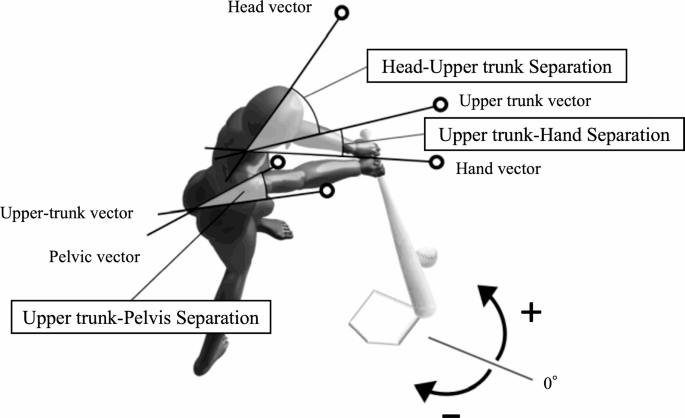
    All rotation angles were calculated using values ​​corresponding to spaces in global coordinates, because batting is an operation initiated by responding to a thrown ball and is defined as the projected angle on the horizontal plane relative to the X axis ( Fig. 2). Additionally, the rotation angles were set as positive/negative relative to the pitcher/catcher.

    Fig. 2
    Figure 2

    Definitions of rotation and separation variables

    The variables analyzed in this study and their definitions are as follows:

    • Head rotation: the angle between the head vector (top of the head to the nose) and the X-axis.
    • Upper torso rotation: the angles between the upper torso vector (through the center of both acromions and perpendicular to the line joining both points) and the X-axis.
    • Arm direction: the angle between the hand vector (center of both acromions to a point between both hands) and the X-axis.

    In addition, the separation angle was expressed as the difference between each rotation angle, and the separation between head and upper trunk was calculated by subtracting the head rotation from the upper trunk rotation. In addition, the separation between the torso and arms was calculated by subtracting the rotation of the upper torso from the arm direction. The upper to pelvic separation was calculated by subtracting the rotation of the upper torso from the rotation of the pelvis. The linear head movement distance (head movement) from stance to foot contact and foot contact to ball contact was calculated as the resulting displacement of the top of the head. Finally, stance widths during stance and foot contact were calculated as the distance between the toes.

    static analysis

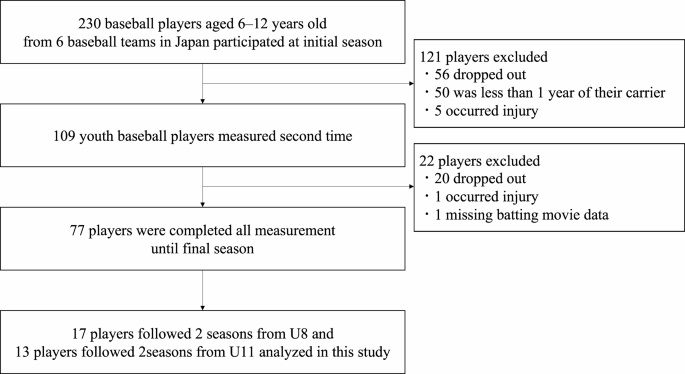
    Statistical power analysis was performed to estimate the sample size. For this study, we needed more than twelve players to perform a comparison between the three groups with 80% power, an alpha of 0.05. and a partial η of 0.14. Seventy-seven baseball players who met inclusion criteria completed three measurements over three seasons. Of these, 17 players formed group 1 (U8 to U10) and 13 players formed group 2 (U11 to U13) (Fig. 3).

    Fig. 3
    figure 3

    Flowchart of exclusion criteria and final participants

    Descriptive statistics (mean ± standard deviation) were performed. After confirming that all data were normally distributed using the Kolmogorov-Smirnov test and confirming homoscedasticity using the Levene test, we performed a one-way analysis of variance (ANOVA) to determine chronological age, height, body weight, years of competition, rotation, and separation comparable. angles, swing speed, head movement and step width at stances, load, foot contact, pre-swing and ball contact between the initial, second and final measurements over three seasons. Additionally, we performed multiple comparisons of the means of the controlled variables using the Bonferroni test. Partial η2 was calculated for the effect size of the one-way ANOVA, with values ​​of ≥ 0.01 to < 0.06, ≥ 0.06 to < 0.14, and ≥ 0.14, indicating small, medium, and large effects, respectively [16]. Finally, the alpha level was set at 0.05 and all statistical analyzes were performed using SPSS Statistics 27.0 (IBM, Armonk, New York, USA).

    Source link

  • Effect of plyometric versus complex training on core, lower extremity and upper extremity strength in male cricketers: a randomized controlled trial  BMC Sports sciences, medicine and rehabilitation

    Effect of plyometric versus complex training on core, lower extremity and upper extremity strength in male cricketers: a randomized controlled trial BMC Sports sciences, medicine and rehabilitation


    • Scanlan AT, Berkelmans DM, Vickery WM, Kean CO. An overview of the internal and external physiological demands of batting in cricket. Int J Sports Physiol Perform. 2016;11(8):987–97.

      Article PubMed Google Scholar

    • Ali K, Khan MH. The effects of plyometric training on grass and clay on jumping, sprinting and agility in collegiate cricketers. Int J Biomed Adv Res. 2013;4(12):902–8.

      Article Google Scholar

    • Medicine ACoS. American College of Sports Medicine Position Standard. Progression models in resistance training for healthy adults. Med Sci Sports Exercise. 2009;41(3):687–708.

      Article Google Scholar

    • Grgic J, Schoenfeld BJ, Davies TB, Lazinica B, Krieger JW, Pedisic Z. Effect of resistance training frequency on gains in muscle strength: a systematic review and meta-analysis. Sports Med. 2018;48(5):1207–2020.

      Article PubMed Google Scholar

    • Chu DA, Panariello RA. Jumping plyometrics: Sport-specific plyometrics: Baseball pitching. Nat Strength Cond Assn J. 1989; 11:81–5.

      Article Google Scholar

    • Markovic G. Does plyometric training improve vertical jump height? A meta-analytic review. Br J Sports Med. 2007;41(6):349–55.

      Article PubMed PubMed Central Google Scholar

    • Baechle TR, Earle RW. Basics of strength training and conditioning. 3rd edition. Human kinetics; 2008. p. 417.

    • Luebbers PE, Potteiger JA, Hulver MW, Thyfault JP, Carper MJ, Lockwood RH. Effects of plyometric training and recovery on vertical jump performance and anaerobic strength. J Strength Cond Res. 2003;17(4):704–9.

      PubMed Google Scholar

    • MacDonald CJ, Lamont HS, Garner JC. A comparison of the effects of six weeks of traditional resistance training, plyometric training, and complex training on strength measurements and anthropometry. J Strength Cond Res. 2012;26(2):422–31.

      Article PubMed Google Scholar

    • Thapa RK, Lum D, Moran J, Ramirez-Campillo R. Effects of complex training on the sprinting, jumping and change of direction ability of football players: a systematic review and meta-analysis. Front Psychol. 2021;11:627869.

      Article PubMed PubMed Central Google Scholar

    • Baker D. Acute effect of alternating heavy and light resistance on power output during complex upper body strength training. J Strength Cond Res. 2003;17(3):493–7.

      PubMed Google Scholar

    • French DN, Kraemer WJ, Cooke CB. Changes in dynamic exercise performance after a series of preconditioning isometric muscle actions. J Strength Cond Res. 2003;17(4):678–85.

      PubMed Google Scholar

    • Fatouros IG, Jamurtas AZ, Leontsini D, Taxildaris K, Aggelousis N, Kostopoulos N, et al. Evaluation of plyometric exercise training, strength training and their combination on vertical jumping performance and leg strength. J Strength Cond Res. 2000;14(4):470–6.

      Google Scholar

    • Ingle L, Sleap M, Tolfrey K. The effect of a complex training and detraining program on selected strength and power variables in early pubertal boys. J Sports science. 2006;24(9):987–97.

      Article PubMed Google Scholar

    • Ebben WP, Jensen RL, Blackard DO. Electromyographic and kinetic analysis of complex training variables. J Strength Cond Res. 2000;14(4):451–6.

      Google Scholar

    • Anant S, Choudhary R, ​​Venugopal R. Effect of core training on anaerobic strength, explosiveness, repetitive strength and endurance of male players. Int Human Res J 2014;2(3):1–8.

    • Dallas GC, Pappas P, Ntallas CG, Paradisis GP, Exell TA. The effect of four weeks of plyometric training on the reactive strength index and leg stiffness is sport-dependent. J Sports Med Phys Fitness. 2020;60(7):979–84.

      Article PubMed Google Scholar

    • Anant SK, Venugopal R. Effect of eight-week Swiss ball training on the core muscles of male players. Int J Mov Educ Soc Sci. 2015;3(2):53–5.

    • Army LA, Lambert J. A 20 m maximum multi-stage shuttle run test to predict $$\dot V$$ O2 max. Eur J Appl Physiol. 1982;49(1):1–12.

      Article CAS Google Scholar

    • Lau C, Yu R, Woo J. Effects of a 12-week hatha yoga intervention on cardiorespiratory endurance, muscle strength and endurance and flexibility in Chinese adults in Hong Kong: a controlled clinical trial. Evid-based complement Alternat Med. 2015;2015:12. Article ID 958727. https://doi.org/10.1155/2015/958727.

    • Rahimi R, Behpur N. The effects of plyometric, weight and plyometric strength training on anaerobic strength and muscular strength Facta universitatis series. Physical Edu Sports. 2005;3(1):81–91.

      Google Scholar

    • Ali K, Verma S, Ahmad I, Singla D, Saleem M, Hussain ME. Comparison of complex versus contrast training on steroid hormones and sports performance in male football players. J Chiropr Med. 2019;18(2):131–8.

      Article PubMed PubMed Central Google Scholar

    • Gabriel DA, Kamen G, Frost G. Neural adaptations to resistance exercise. Sports Med. 2006;36(2):133–49.

      Article PubMed Google Scholar

    • Freitas TT, Martinez-Rodriguez A, Calleja-Gonzalez J, Alcaraz PE. Short-term adaptations after complex training in team sports: a meta-analysis. PLoS One. 2017;12(6): e0180223.

      Article PubMed PubMed Central Google Scholar

    • Hrysomallis C, Kidgell D. Effect of heavy dynamic resistance exercise on acute upper body strength. J Strength Cond Res. 2001;15(4):426–30.

      CAS PubMed Google Scholar

    • Holm L, Reitelseder S, Pedersen TG, Dossing S, Petersen SG, Flyvbjerg A, et al. Changes in muscle size and MHC composition in response to resistance exercise with heavy and light loading intensity. J Appl. Physiol. 2008;105(5):1454–61.

      Article CAS PubMed Google Scholar

    • Evans AK, Durham MP, Hodgkins TD, Sinclair DR, Adams KJ. Acute effects of bench press on power output during a subsequent ballistic bench throw. Med Sci Sports Exercise. 2001;33(5):S325.

      Article Google Scholar

    • Ritchie D, Keogh JWL, Reaburn P, Bartlett JD. The use of one and four minutes of recovery when using the contrast method of resistance training does not negatively impact subsequent jump performance when concurrent training is involved. PeerJ. 2020;13(8):e10031. https://doi.org/10.7717/peerj.10031.PMID:33083124;PMCID:PMC7566756.

      Article Google Scholar

    • McKendry J, Pérez-López A, McLeod M, Luo D, Dent JR, Smeuninx B, et al. Short rest between sets attenuates resistance exercise-induced increases in myofibrillar protein synthesis and intracellular signaling in young men. Exp Physiol. 2016;101(7):866–82.

      Article CAS PubMed Google Scholar

    • Jensen RL. Kinetic responses during landings of plyometric exercises. In Proceedings of the XXVI Congress of the International Society of Biomechanics in Sports (Kwon, YH, Shim, J, Shim, JK, and Shin, IS, editors). 2008; 393–6.

    • Adams K, O’Shea JP, O’Shea KL, Climstein M. The effect of six weeks of squat, plyometric, and squat-plyometric training on energy production. J Applied Sports Sci Res. 1992;6(1):36–41.

      CAS Google Scholar

    • Herrero J, Izquierdo M, Maffiuletti N, Garcia-Lopez J. Electromyostimulation and plyometric training effects on jumping and sprinting time. Int J Sport Med. 2006;27(07):533–9.

      Article CAS PubMed Google Scholar

    Source link

  • Efficacy of ultrasound versus shortwave diathermy in the treatment of chronic low back pain in patients with lumbar disc herniation: a prospective randomized control trial  BMC Sports sciences, medicine and rehabilitation

    Efficacy of ultrasound versus shortwave diathermy in the treatment of chronic low back pain in patients with lumbar disc herniation: a prospective randomized control trial BMC Sports sciences, medicine and rehabilitation


    • Meucci RD, Fassa AG, Faria NM. Prevalence of chronic low back pain: systematic review. Rev. Saude Publica. 2015;49:1. https://doi.org/10.1590/S0034-8910.2015049005874.

      Article PubMed PubMed Central Google Scholar

    • Ay S, Evcik D. Depression and quality of life in patients with chronic low back pain. Department of Physical Medicine and Rehabilitation. Ankara New Medical Journal. 2008; 25:228–31.

      Google Scholar

    • Bogduk N. On the definitions and physiology of back pain, referred pain and radicular pain. Pain. 2009;147(1–3):17–9. https://doi.org/10.1016/j.pain.2009.08.020.

      Article PubMed Google Scholar

    • van Tulder M, Becker A, Bekkering T, Breen A, del Real MTG, Hutchinson A, Bart Koes B, Laerum E, Malmivaara A. Chapter 3 European guidelines for the treatment of acute non-specific low back pain in primary care. Eur Spine J. 2006; 15:169–91. https://doi.org/10.1007/s00586-006-1071-2.

      Article Google Scholar

    • Hayden JA, Ellis J, Ogilvie R, Malmivaara A, van Tulder MW. Exercise therapy for chronic low back pain. Cochrane Database System Rev. 2021;28(9):CD009790. https://doi.org/10.1002/14651858.CD009790.pub2.

      Article Google Scholar

    • Allen RJ. Physical agents used by physiotherapists in the treatment of chronic pain. Phys Med Rehabil Clin N Am. 2006; 17:315–45. https://doi.org/10.1016/j.pmr.2005.12.007.

      Article PubMed Google Scholar

    • Qaseem A, Wilt TJ, McLean RM, Forciea MA, Clinical Guidelines Committee of the American College of Physicians, Denberg TD, Barry MJ, Boyd C, Chow RD, Fitterman N, Harris RP, Humphrey LL, Vijan S. Noninvasive treatments for Acute, Subacute, and Chronic Low Back Pain: A Clinical Practice Guideline from the American College of Physicians. Ann Intern Med. 2017;166(7):514–30. https://doi.org/10.7326/M16-2367.

      Article PubMed Google Scholar

    • KramerJF. Ultrasound: evaluation of its mechanical and thermal effects. Arch Phys Med Rehabilitation. 1984; 65:223–7.

      CAS PubMed Google Scholar

    • Maxwell L. Therapeutic ultrasound: its effects on the cellular and molecular mechanisms of inflammation and repair. Physiotherapy. 1992; 78:421–6. https://doi.org/10.1016/S0031-9406(10)61528-3.

      Article Google Scholar

    • Kitchen S, Partridge C. Review of continuous and pulsed shortwave diathermy patterns. Physiotherapy. 1992; 78:243–52. https://doi.org/10.1016/S0031-9406(10)61434-4.

      Article Google Scholar

    • Unlu Z, Tasci S, Tarhan S, Pabuscu Y, Islak S. Comparison of 3 physiotherapy modalities for acute pain in lumbar disc herniation measured by clinical evaluation and magnetic resonance imaging. J Manipulative physiotherapy. 2008;31(3):191–8. https://doi.org/10.1016/j.jmpt.2008.02.001.

      Article Google Scholar

    • Ebadi S, Henschke N, Forogh B, Nakhostin Ansari N, van Tulder MW, Babaei-Ghazani A, Fallah E. Therapeutic ultrasound for chronic low back pain. Cochrane Database System Rev. 2020;7(7):CD009169. https://doi.org/10.1002/14651858.CD009169.pub3.

      Article PubMed Google Scholar

    • Seco J, Kovacs FM, Urrutia G. The efficacy, safety, effectiveness and cost-effectiveness of ultrasound and shock wave therapies for low back pain: a systematic review. Rug J 2011;11:966–77. https://doi.org/10.1016/j.spinee.2011.02.002.

      Article PubMed Google Scholar

    • Kreiner DS, Hwang SW, Easa JE, Resnick DK, Baisden JL, Bess S, Cho CH, DePalma MJ, Dougherty P 2nd, Fernand R, et al. North American Spine Society. An evidence-based clinical guideline for the diagnosis and treatment of lumbar disc herniation with radiculopathy. Rug J 2014;14(1):180–91. https://doi.org/10.1016/j.jmpt.2008.02.001.

      Article PubMed Google Scholar

    • Chapman JR, Norvell DC, Hermsmeyer JT, Bransford RJ, DeVine J, McGirt MJ, Lee MJ. Evaluation of common outcomes for measuring treatment success for chronic low back pain. Spine. 2011;36:S54–68. https://doi.org/10.1097/BRS.0b013e31822ef74d.

      Article PubMed Google Scholar

    • Chiarotto A, Maxwell LJ, Terwee CB, Wells GA, Tugwell P, Ostelo RW. Roland-Morris Disability Questionnaire and Oswestry Disability Index: which has better measurement properties for measuring physical functioning in non-specific low back pain? Systematic review and meta-analysis. Phys Ther. 2016;96(10):1620–37. https://doi.org/10.2522/ptj.20150420.

      Article PubMed Google Scholar

    • Yakut E, Düger T, Oksüz C, Yörükan S, Ureten K, Turan D, Frat T, Kiraz S, Krd N, Kayhan H, Yakut Y, Güler C. Validation of the Turkish version of the Oswestry Disability Index for patients with low backache. Spine. 2004;29(5):581–5.

      Article PubMed Google Scholar

    • True JEJ, Sherbourne CD. The MOS 36-item short health survey (SF-36). I. Conceptual framework and item selection. Medical care. 1992;30:473–83.

      Article PubMed Google Scholar

    • Demiral Y, Ergor G, Unal B, Semin S, Akvardar Y, Kivircik B, Alptekin K. Normative data and distinctive properties of short form 36 (SF-36) in Turkish urban population. BMC Public Health. 2006;6:247.

      Article PubMed PubMed Central Google Scholar

    • Ansari NN, Ebadi S, Talebian S, Naghdi S, Mazaheri H, Olyaei G, Jalaie S. A randomized, single-blind, placebo-controlled clinical trial of the effect of continuous ultrasound on low back pain. Electromyogr Clin Neurophysiol. 2006;46(6):329–36.

      CAS PubMed Google Scholar

    • Saghaei M. Random assignment software for parallel-group randomized trials. BMC Med Res Method. 2004;4:26. https://doi.org/10.1186/1471-2288-4-26.

      Article PubMed PubMed Central Google Scholar

    • Schulz KF, Altman DG, Moher D, CONSORT group. CONSORT 2010 Statement: Updated Guidelines for Reporting Randomized Parallel Group Trials. BMJ. 2010;2010(340):332. https://doi.org/10.1136/bmj.c332.

      Article Google Scholar

    • Robertson VJ, Baker KG. A review of therapeutic ultrasound: effectiveness studies. Phys Ther. 2001;81(7):1339–50.

      Article CAS PubMed Google Scholar

    • Miller DL, Smith NB, Bailey MR, Czarnota GJ, Hynynen K, Makin IR. Bioeffects Committee of the American Institute of Ultrasound in Medicine. Overview of therapeutic ultrasound applications and safety considerations. J Echo Med. 2012;31(4):623–34. https://doi.org/10.7863/jum.2012.31.4.623.

      Article PubMed PubMed Central Google Scholar

    • Noori SA, Rasheed A, Aiyer R, Jung B, Bansal N, Chang KV, Ottestad E, Gulati A. Therapeutic ultrasound for pain management in chronic low back pain and chronic neck pain: a systematic review. Pain Med. 2020;7(21):1482–93. https://doi.org/10.1093/pm/pny287.

      Article Google Scholar

    • Haile G, Hailemariam TT, Haile TG. Effectiveness of ultrasound therapy in the treatment of chronic nonspecific low back pain: a systematic review. J Pain Res. 2021;14:1251–7. https://doi.org/10.2147/JPR.S277574.

      Article PubMed PubMed Central Google Scholar

    • Goats GC. Continuous shortwave diathermy (radio frequency). Br J Sports Med. 1989;23(2):123–7. https://doi.org/10.1136/bjsm.23.2.123.

      Article CAS PubMed PubMed Central Google Scholar

    • Benincá IL, de Estéfani D, Pereira de Souza S, Weisshahn NK, Haupenthal A. Tissue heating in different shortwave diathermy methods: a systematic review and narrative synthesis. J Bodyw Mov Ther. 2021;28:298–310. https://doi.org/10.1016/j.jbmt.2021.07.031.

      Article PubMed Google Scholar

    • Dos Reis do Nascimento DM, Raab FGC, Silva GLH, de Andrade AM, Ferreira PML, Silveira GAR, Brandt de Macedo AC. Immediate analgesic effect of two forms of short-wave diathermy in chronic low back pain: study protocol for a randomized controlled trial. Pain management. 2022;12(2):131–9. https://doi.org/10.2217/pmt-2021-0026.

      Article CAS PubMed Google Scholar

    • Abdulla FA, Alsaadi S, Sadat-Ali M, Alkhamis F, Alkawaja H, Lo S. Effects of pulsed low-frequency magnetic field therapy on pain intensity in patients with chronic low back musculoskeletal pain: study protocol for a randomized double-blind placebo-controlled trial. BMJ opened. 2019;9(6):e024650. https://doi.org/10.1136/bmjopen-2018-024650.

      Article PubMed PubMed Central Google Scholar

    • Shields N, Gormley J, O’Hare N. Shortwave diathermy: a review of existing clinical trials. Phys Ther Rev. 2001;6(2):101–18. https://doi.org/10.1002/pri.259.

      Article Google Scholar

    • Paladini LH, Almeida N, Korelo RIG, Michel de Macedo R, Guarita-Souza LC, Zotz TGG, Brandt de Macedo AC. Shortwave therapy in patients with chronic low back pain: a systematic review. Column/Column. 2020;19(3):218–22. https://doi.org/10.1590/S1808-185120201903219301.

      Article Google Scholar

    • Karasel S, Oncel S, Sonmez I. The effect of shortwave diathermy and exercise on depressive feelings in patients with chronic low back pain. Med Arch. 2021;75(3):216–20. https://doi.org/10.5455/medarh.2021.75.216-220.

      Article PubMed PubMed Central Google Scholar

    • Shakoor MA, Rahman MS, Moyeenuzzaman M. Effects of deep heat therapy on patients with chronic low back pain. Mymensingh Med J. 2008;17(2):32–8.

      Google Scholar

    Source link

  • The effectiveness of phase I cardiac rehabilitation training based on augmented reality on the self-efficacy of patients undergoing coronary artery bypass surgery: a randomized clinical trial |  BMC Sports sciences, medicine and rehabilitation

    The effectiveness of phase I cardiac rehabilitation training based on augmented reality on the self-efficacy of patients undergoing coronary artery bypass surgery: a randomized clinical trial | BMC Sports sciences, medicine and rehabilitation


    Trial design

    This controlled pilot clinical study involved 60 patients admitted to Ghaem Hospital of Mashhad, Iran. These patients were specifically from the cardiac surgery intensive care unit and were admitted between May 2020 and January 2021 (Figure 1).

    figure 1
    Figure 1

    CONSORT Flowchart of participants

    Attendees

    The study included patients who met specific inclusion criteria. These criteria required that patients be between 18 and 60 years old and willing to undergo non-emergency coronary transplant surgery. On the other hand, the exclusion criteria included patients who experienced loss of consciousness until the day after surgery, those who did not have a smartphone, individuals with severe postoperative arrhythmias and hemodynamic disorders, and patients who were prohibited by their physicians from participating in rehabilitation.

    Intervention

    Software production

    Prior to the design of the software, extensive research was done to prepare its contents. This involved reviewing various texts, including articles, reference works, and gathering insights from experienced nurses in specialist care units. The content was then submitted to a panel of ten specialists for validation, and their suggested revisions were incorporated.

    The software’s educational content covered a range of topics, including breathing and diaphragm exercises, instructions on physical exercises and their proper performance, discussions and interactions with patients, and encouragement for patients to participate in routine activities. These concepts were presented primarily through instructional videos and engaging animations.

    Once the content was ready, it was handed over to the software development and information technology team for creating the software. After the initial software was developed, a specialized validation process was carried out by ten IT experts to ensure its functionality and effectiveness.

    To validate the software, both white-box and black-box testing methods were used. In black-box testing, users without knowledge of the software’s internal structure enter the desired items and verify the recorded information. The purpose is to ensure accurate data recording. White-box testing, on the other hand, requires users to have knowledge of the software’s internal structure and is typically performed by designers or experts. For example, to assess the speed of the software, several items were selected at different speeds and the accuracy of the selections was examined.

    The next phase included compatibility testing and security testing. Compatibility testing involved installing the application on multiple Android smartphones and tablets to assess performance on each device. In the security testing, a double confirmation method was implemented to ensure accurate recording of each patient’s problems. This required the patient to confirm the selected item by clicking again, which reduced the chance of inadvertent data entry errors.

    The augmented reality software is registered and approved within the electronic services system of the Information Technology Organization of Iran.

    To evaluate patient satisfaction with the augmented reality software, the Mobile Application Rating Scale (MARS) was used.

    This scale evaluates the quality and performance of the application on four dimensions: attractiveness (5 questions), functionality (4 questions), aesthetics (3 questions), information (7 questions) and subjective quality (4 questions). Each item in the scale was rated on a five-point scale. The maximum achievable score was 115, while the minimum acceptable score was set at 23. For a detailed presentation of the results, please refer to (Table 1).

    Table 1 Mean and standard deviation of dimensions of MARS questionnaire

    Phase I cardiac rehabilitation training based on augmented reality

    After establishing the necessary agreements with officials at Ghaem Hospital in Mashhad, Iran, the first author of the study initiated the sampling process. In the intervention group, rehabilitation program training began upon patient entry into the cardiac surgery intensive care unit and continued until the patient’s discharge.

    During several sessions, augmented reality software was used to train patients in physical activities, such as walking around the hospital ward and climbing stairs. These exercises were performed under the direct supervision of the researcher and were taught individually to each patient using the augmented reality software. The duration of physical activity varied depending on the patient’s condition and the length of hospital stay, ranging from 5 to 10 minutes. During the rehabilitation sessions, the ECG and perceived exercise intensity were closely monitored and controlled.

    In the control group, the rehabilitation training program was implemented using a routine method based on the Ministry of Health protocol. The researcher provided face-to-face training within the unit. Both the intervention and control groups completed the cardiac self-efficacy questionnaire upon admission and discharge to the special care cardiac surgery department.

    Results

    The data collection process used two demographic information questionnaires and a cardiac self-efficacy questionnaire.

    The cardiac self-efficacy questionnaire used in this study was the Cardiovascular Management Self-Efficacy Questionnaire, which was developed by Estka of Italy in 2015. This questionnaire consists of 9 questions, each rated on a 5-point Likert scale, ranging from ‘completely confident’ to ‘not at all confident’. The questionnaire consists of three subscales.

    The first four questions assess a person’s belief in their ability to quit smoking, maintain good nutrition, exercise, and avoid stressful situations. This subscale is called cardiac risk factor self-efficacy. Questions 5 and 6 relate to a person’s confidence in remembering to take medications correctly, which reflects self-efficacy for medication adherence. Finally, questions 7 through 9 evaluate a person’s belief in their ability to identify symptoms and signs of disease worsening, indicating self-efficacy in recognizing symptoms.

    Each answer is assigned a score, with ‘not at all confident’ given a score of one, ‘somewhat confident’ given a score of two, ‘somewhat confident’ given a score of three, ‘fairly confident’ given a score of four, and “completely confident” with a score of five. Total scores range from 9 to 45, with higher scores indicating greater self-efficacy in cardiovascular management [21]. Borzou et al. (2017) evaluated the validity and reliability of this tool in Iran [33]. Patients completed the Cardiovascular Management Self-Efficacy Questionnaire both before and after the intervention.

    Sample size and randomization

    The study involved the continuous and purposeful selection of patients who were then randomly assigned to one of two groups. After confirming that they met the inclusion criteria, eligible individuals were divided into intervention and control groups using a random sequence generated by SPSS software. This series was kept in a sealed envelope to ensure confidentiality. Although it was challenging to blind the participants in this study, the outcome assessors and statisticians were unaware of the type of intervention, ensuring a level of objectivity.

    Because no comparable study was found examining the effectiveness of phase I cardiac rehabilitation training based on augmented reality on the self-efficacy of patients undergoing coronary artery bypass surgery, a sample size of 10 participants was determined for each group. The sample size was calculated using the mean comparison formula, with a 95% confidence interval and 80% test power for each group, resulting in a total of 20 participants. To account for the potential dropout rate, an additional 30 participants were added to each group, representing a 10% increase over the values ​​calculated in the formula.

    $$N = \text \left( Z1 – \alpha /2\text + \text Z1 – \beta \right)2\text \left ( S12\text + \text S22 \right)/\left( X1 – X2 \right)2$$

    $$Z_1 – \alpha /2 = \text 196$$

    $$Z_1 – \beta = \text 0.85$$

    $$X_2 = \text 8.3$$

    statistical methods

    After data collection and sampling, the collected data was analyzed using SPSS 21. Various statistical tests were used, including the independent t-test, the Mann-Whitney test, the paired t-test, and the chi-square test. These tests were performed at a 95% confidence level to ensure statistical significance. Descriptive indicators such as mean, standard deviation and frequency were also used to provide a comprehensive overview of the data. Cohen’s d was also used to evaluate the magnitude of the effect size, calculated by standardized mean difference, with g > 0.2 to 0.5 = small effect size, g > 0.5 to 0.8 = medium effect size, and g > 0 .8 = large effect size [38].

    Source link

  • Do cool shirts make a difference?  The effects of upper body clothing on health, fluid balance and performance during exercise in the heat |  BMC Sports sciences, medicine and rehabilitation

    Do cool shirts make a difference? The effects of upper body clothing on health, fluid balance and performance during exercise in the heat | BMC Sports sciences, medicine and rehabilitation


    This study was conducted as a randomized, controlled, parallel-group experiment. The local ethics committee declared that the trial was in accordance with the ethical standards laid down in the Declaration of Helsinki, including its amendments [20]. An informed consent was signed by each participant prior to enrollment in the study.

    Adult volunteers were recruited through public tenders in a university setting. All participants were healthy, not acclimated to heat and reported regular physical activity (>150 minutes per week). Exclusion criteria included functionally restrictive metabolic or acute diseases. Chronic diseases affecting the cardiopulmonary system, infections or drug abuse are also excluded from participation.

    A total of 34 participants were included (age = 25; 4 years, height = 1.73; 0.09 m, body weight = 70.3; 13.3 kg).

    The trial included a baseline examination on day 1, including documentation of medical history, questionnaire-based recording of participants’ health and fitness status, as well as anthropometric assessments and a cardiopulmonary exercise test to voluntary exhaustion.

    The main study on day 2 (2-7 day washout between days 1 and 2) was a fixed intensity endurance exercise test for a maximum period of 45 minutes. During both exams, participants trained on a bicycle ergometer (Excalibur-Sport, Lode, Groningen, The Netherlands). The workload measured in Watts was automatically recorded. Heart rate (HR) was measured continuously via the chest strap and recorded as a 5-second average value on a corresponding watch (RS800/CX, S810i, S610i, Polar Electro). Breathing gas parameters were recorded using a breath-by-breath analyzer (Oxycon Mobile, Viasys Healthcare GmbH, Würzburg, Germany). Again, the five-second average values ​​were analyzed. Patients wore a rubber face mask through which the inhaled air was transferred to a ventilation turbine and further directed to the portable device with O2 and co2 gas analyzers. Relative oxygen consumption (VO2) and carbon dioxide emissions (VCO2) data was sent telemetrically to a computer. Before each test, the mobile gas analyzer is calibrated with reference gases (ambient air, 5% CO216% O2) and automated standard volume. The breath-by-breath analyzer was successfully tested for reliability (coefficient of variation for VO2 = 3.4, and for VCO2= 4.3) and was compared to the gold standard method to assess validity (difference of -4.1, 3.1% and -2.8, 3.5% compared to the Douglas Bag method) [21]. According to Perret and Mueller’s recommendation, the same spirometry system was used in all studies [22]. In addition, in both studies the degree of perceived exertion was assessed using the Borg Scale (RPE; 6 [no exertion] up to 20 [maximal exertion]) [23].

    Two types of short-sleeved shirts and a cooling vest were chosen for the experiment. One of the short-sleeved shirts was made of 100% cotton, while the other was made of 100% polyester with moisture-wicking finish (Decathlon, France). Participants were instructed to wear a shirt with a close-fitting but comfortable cut and chose the shirt size ad libitum (ranging from XXS to XL).

    The third experimental garment was a sleeveless cooling vest (Idenixx, Germany) that provided a tight fit to the torso and integrated cooling elements at the front and back. The vest’s upper material was a polyester (83%) elastane (17%) blend and the cooling elements were made of a polyester fleece. Cooling elements were activated by immersion in water. The evaporation of the vest is intended to enhance the endogenous evaporative cooling of the body.

    Volunteers were required to undergo a spirometer-based cardiopulmonary exercise test on a cycle ergometer to determine individual performance. A ramp-shaped protocol, adapted to an individual’s fitness level, was applied to reach voluntary exhaustion within 10-12 minutes. The initial workload was set at 50 W and was individually increased by 10, 15, 20, or 25 W every minute based on participants’ questionnaire-based report of fitness status. The testing protocol was in line with ACSM guidelines for exercise testing and prescribing [24]. Participants were introduced to the bicycle ergometer and the test protocol.

    Criteria defining maximum exhaustion are: (1) Respiratory Exchange Ratio (RER) > 1.10, (2) Reaching an age-related maximum heart rate, (3) Rate of Perceived Exertion (RPE) via Borg scale ≥ 17 [17,18,19,20](4) maximum O2 respiratory equivalent (< 30) [25].

    Maximum oxygen uptake (VO2max) was determined by the software by identifying the highest thirty second floating average of oxygen uptake throughout the test [26]. Verification was done manually by the researcher. The parameter was used to ensure homogeneous assignment of test conditions. The participants were ranked based on their VO2maximum Groups of three are formed from above. These groups of three participants were used as stratification grouping for the subsequent block randomization in the three test conditions.

    The respiratory compensation point (RCP) was detected for each participant using the 9 Panels Board and identifying (1) non-linear increase in ventilation (VE ) compared to linearly increasing or non-increasing carbon dioxide emissions (VCO2); (2) non-linearly decreasing end-tidal CO2partial pressure (PANDCO2) as well as an increase in the respiratory equivalent for CO2 [27, 28]. Interpretation of graphics, as described above, is a well-established approach [27, 28] and was executed by two independent investigators.

    Before the main study, all participants were instructed to prepare for exercise in the heat by providing adequate hydration (minimum 1.5 L/day; pretest 0.5 L). During the test, volunteers were not allowed to drink water. After a 5-minute rest phase, Bioimpedance Analysis (BIA) was performed using a tetrapolar device (Nutriguard-MS, Data Input, Darmstadt, Germany) with single frequency (50 kHz). Resistance (R) and reactance (Xc) in Ohms (Ω) were processed by Nutriplus software (Data Input, Darmstadt, Germany). Body weight in kg was then determined using a conventional digital scale. Probands were weighed only while wearing underwear and socks. Sports shorts and the randomly assigned upper body clothing option were weighed separately.

    The endurance exercise test on day 2 was performed in an air-conditioned and humidified room. We applied standardized warm environmental conditions, defined by a temperature of 30.5 °C (acceptable range of 1 °C) and a relative humidity of 43% (acceptable range of 13%). Humidity and temperature were monitored using a thermometer and a hygrometer. During the endurance test, the upper body was covered by one of three experimental garments. Due to its decisive feel and weight, the test garment could not be blind to the participant and the experimenter. Participants performed on the same cycle ergometer as at the baseline study with identical bike settings as documented during the initial study. They attempted to complete a 45-minute ride with a workload of 80% of the RCP. Volunteers are instructed to keep the cadence above 60 rpm. If this limit was permanently undershot, the test had to be classified as terminated due to voluntary exhaustion. The corresponding termination time was recorded as the outcome (exercise performance in minutes). The time limit to a maximum of 45 minutes of practice was imposed for safety reasons.

    In addition to heart rate (beats per minute [bpm]) and oxygen uptake (milliliter per kg body weight per minute). [ml/kg/min]) Inner ear temperature was measured using a digital infrared ear thermometer (Braun ThermoScan, Mexico) to display the core temperature outcome (degrees Celsius) [°C]). All measurements at all time points were performed by the same researcher using the same thermometer. As self-reported data results, we recorded the level of perceived exertion via the Borg scale (6 [no exertion] up to 20 [maximal exertion]) [23] and feelings scale (+ 5 [very good] to -5 [very bad]). In addition, there are sensations related to temperature (0 [unbearably cold] to 8 [unbearably hot]), sweating (0 [not at all] to 3 [heavily sweating]), clothing moisture (0 [no sensation] to 3 [wet]) and skin moisture (0 [dry] to 3 [too wet]) [14] were assessed. All outcomes, except exercise performance, were documented at rest before testing, at 5-min intervals during cycling, and at trial termination. To create a realistic scenario (outdoor exercise simulating cycling speed), airflow was simulated using a fan, located 49 cm in front of the ergometer, which directed an airflow of 20 km/h to the upper body. [29]. The air flow was controlled using a wind sensor.

    Statistical analysis was performed using Prism (version 9.1.0, GraphPad Software, LLC) and Jamovi (version 1.6.23.0). A survival time analysis was implemented using a 3-group Kaplan-Meier estimator. A Log-Rank test was requested between the groups. For both analyses, the dependent variable was the duration of the individual test termination. Basic data (cardiopulmonary exercise test, anthropometric measurements), pre- and post-exercise data for objective variables (heart rate, inner ear temperature, VO2) as well as self-reported parameters (RPE, feeling scale, thermal, sweating, clothing wetness and skin wetness feeling) were analyzed using Kruskal Wallis tests (non-parametric analysis of variance due to non-normal distribution of residuals) and Dwass-Steel-Critchlow pairwise comparisons -Fligner (post hoc test). Time series analysis for objective and self-reported outcomes during exercise was performed based on 95% confidence interval comparisons for up to nine time points (5, 10, 15, 20, 25, 30, 35, 40, and 45 minutes). ) [30]. The differences in body and clothing weight before and after training were analyzed using Student’s t-test. A p-value cutoff of 0.05 was set for significance testing.

    Source link

  • Towards functionally individualised designed footwear recommendation for overuse injury prevention: a scoping review | BMC Sports Science, Medicine and Rehabilitation

    Towards functionally individualised designed footwear recommendation for overuse injury prevention: a scoping review | BMC Sports Science, Medicine and Rehabilitation


    Overview

    Running shoes are often characterised based on their cushioning and motion control functionality. Consequently, we have categorised the literature review results into these sections. We discuss additional FDF that did not fit into the first two sections in a subsequent part, followed by an upper construction segment. In each chapter, we introduce a brief description of the FDF. Next, we present the results of studies, taking covariates into account and analysing BRFs. We further discuss studies that investigated BRFs without considering covariates. Finally, we place our findings in the context of the FDF’s potential to minimise the development of running-related overuse injuries (RRI). We identified 107 articles that met our inclusion criteria (Fig. 4, Supplementary 3 Table 1-12). Most of these articles were published at the start of the twenty-first century and primarily featured data from male runners (Fig. 5). We acknowledge a data gap in running footwear research, which aligns with the female data gap in sport and exercise science [24].

    Fig. 4
    A Scatter plot of the included articles. Articles for each footwear design feature are separated by the number of articles considering covariates (y-axis) and running-related biomechanical risk factors (x-axis). If applicable, covariates for each footwear design feature are reported. According to a recent Delphi study, scatters are scaled to their importance [25]. Larger diameters represent a higher level of importance, and smaller diameters a lower level of importance. White scatters were not reported in the Delphi study and are not scaled
    Fig. 5
    The publication timeline of the included articles, separated by the different footwear design features. Each pie chart represents one study with the fraction of male (dark-grey) and female (light-grey) runners. Pie charts are scaled to the number of runners included in the study. Larger diameters indicate larger sample sizes, and smaller diameters indicate smaller sample sizes

    Cushioning systems

    Cushioned midsoles were one of the first FDF introduced to modern running shoes. They were developed to provide a protective layer, attenuate the shock caused by the collision of the foot with the ground, and reduce local plantar pressure peaks [26]. The cushioning characteristics are modified in the midsole through material and geometry changes.

    Midsole compression stiffness and hardness

    Midsole compression stiffness, also known as hardness, is a fundamental material property that measures the deformation caused by an area load. In the past, midsoles were constructed with uniformly distributed compression stiffness. However, they can now be tailored to individually cushioned midsoles with varying properties at different locations due to the viscoelastic properties of the material [27].

    Twelve of thirty-five articles identified through our literature search considered covariates when analysing the response to differently cushioned midsoles (Fig. 4, Supplementary Table 1). Malisoux et al. considered the runner’s body mass as a covariate [28]. Athletes reported fewer injuries when running in softer midsoles, and lighter runners in hard shoes showed a greater risk of developing an RRI than heavier runners. Three articles investigated the biomechanical response of midsoles with varying hardness during different running speeds. Nigg et al. found that the vertical GRF loading rate increases with speed independent of the cushioning variations, while another study showed unchanged GRF loading rates with footwear of varying cushioning at different speeds, and yet another study showed lower GRF loading rates in harder midsoles with no dependence on running speed [29,30,31]. Running distance or running duration has been considered by five studies [32,33,34,35,36]. None of the studies found significant footwear-by-time/distance interaction effects on vertical GRF loading rates, ground contact times, peak rearfoot eversion angles, and knee flexion angle at initial contact. One article considered the runner’s foot strike pattern as a covariate [37]. Rearfoot strikers reduced the vertical GRF loading rate in a neutrally cushioned shoe, and mid- and forefoot strikers reduced the vertical GRF loading rate in a minimal shoe [37]. We identified one study considering the stiffness of the running surface as a covariate [38]. However, no main and interaction effects were observed in ground contact time and knee flexion angle at touchdown. Another study analysed the effect of surface inclination and midsole cushioning [39]. The authors showed that vertical GRF loading rates are equal when running on different surfaces with either a neutral or a cushioned running shoe. Although studies have examined a variety of covariates, there is much conjecture in the literature regarding their influence on biomechanical measures related to RRI, and no conclusive evidence to suggest that any one covariate is more important than another.

    When considering the effects of midsole hardness on BRFs without considering covariates, five studies found reduced peak rearfoot eversion in harder midsoles than in softer midsoles [40,41,42,43,44]. However, four studies found unchanged peak rearfoot eversion angles when running in soft and hard midsoles [34, 45,46,47]. Four studies reported that different midsole hardness could not systematically affect the rearfoot eversion range of motion [40, 44, 45, 48]. In contrast, one study found a reduction in the rearfoot eversion range of motion in hard midsoles [47], and another study found that the range of motion of the rearfoot was lower when runners were running in softer midsoles [49]. Conflicting findings were also observed for the rearfoot inversion angle at initial ground contact. One study found a reduction in rearfoot inversion when running in soft midsoles [40], and others found reduced inversion angles when running in hard midsoles [40, 48]. Conflicting findings have also been reported for the vertical GRF loading rate. Some studies found an increased vertical GRF loading rate in more cushioned than less cushioned shoes [29, 34]. Other studies found no effects of cushioning [46, 50,51,52], while others found decreased vertical GRF loading rate in cushioned shoes [41]. Only a few studies were identified addressing the effects of different cushioning characteristics on BRFs at more proximal joints. One article’s qualitative data showed that the knee abduction angle during the stance phase was reduced when running in softer than harder midsoles [53]. In contrast, another study found lower peak knee abduction angles when the midsole was manufactured with harder material [47]. A study by Malisoux and colleagues found that both soft and hard midsoles did not change peak hip abduction angles and moments and peak hip internal rotation angles [45]. When considering ground contact time as BRF for PFPS, most studies found no effect of midsole cushioning [29, 36, 38, 45, 49, 51, 54,55,56]. Overall, studies analyzing BRFs without considering covariates, resulted in inconsistent and conflicting findings. Interestingly, the footwear comfort perception reported by participants tends to be higher in regions where softer material is allocated than in those with harder materials [42, 49, 57, 58].

    In summary, the current literature suggests that the midsole hardness can potentially reduce the overall injury risk when adjusted to the runner’s body mass. Reduction in vertical GRF loading rates and subsequent minimizing PF injury risk could be achieved by individualising midsole cushioning to the runner’s foot strike pattern. Specifically, rearfoot strikers might benefit from cushioned shoes, while fore- and midfoot strikers could find minimal shoes advantageous. The lower vertical GRF loading rates observed in neutral shoes compared to cushioned shoes when running downhill suggest that customised midsole cushioning tailored to a runner’s training terrain could benefit runners with a PF history. Based on the limited literature, surface stiffness, running distance, and fatigue might be less important when individualising midsole hardness. Harder midsoles can reduce BRFs associated with MTSS, TSF, AT (rearfoot eversion movement), and ITBS (ground contact times). Indications that different shoe cushioning may alter vertical GRF loading rates are contradictory, and BRFs at more proximal joints have not been well studied.

    Midsole geometry

    Running footwear is often designed with a height gradient from the heel to the forefoot. Running shoes are defined by their heel and forefoot heights, with the difference between the two known as the heel-toe drop. Unlike neutral or motion-control shoes, minimal footwear is typically designed with a lower heel-toe drop. An increase in footwear minimalism generally shifts the foot strike pattern of rearfoot strikers towards a mid- or forefoot strike pattern, and it is further assumed to reduce impact loading parameters [59, 60].

    We identified eighteen articles investigating the effects of geometrical midsole modifications matching our inclusion criteria (Fig. 4, Supplementary Table 2). Out of the eighteen articles, nine accounted for a covariate. The runner’s experience was considered in one article [61]. During a six-month follow-up, it was shown that occasional runners (< 6 months running experience) had reduced injury rates, and recreational runners (≥ 6 months running experience) had increased injury rates when running in footwear with lower heel-toe drop. A subset of this data demonstrated that midsoles with different heel-toe drops were not able to reduce peak rearfoot eversion angle and ground contact time [62]. However, runners who trained for six months in footwear with higher heel-toe drops increased the peak knee abduction angle. On the contrary, runners who trained for six months in footwear with lower heel-toe drops reduced the peak knee abduction angle. Running surface as a covariate was considered by one study [63]. The researchers found smaller knee flexion angles for larger heel-toe drops when running on a treadmill. However, when running overground, the knee flexion angle was not changed when running in shoes with different heel-toe drops. The authors found that increasing the heel-toe drop led to lower vertical GRF loading rates overground, but decreasing the heel-toe drop reduced vertical GRF loading rates during treadmill running. Different running speeds as a covariate were considered by four articles [64,65,66,67]. One study found no changes in the knee flexion angle at initial contact when running at different speeds in midsoles with different heel-toe drop designs [64]. Another study showed that while ground contact time decreased with increasing speed, increasing the heel-toe drop resulted in increased contact time [65]. Other researchers also showed similar results when systematically altering running speed and heel-toe drop [66]. Running speed did not influence the effects of heel-toe drop modifications on vertical GRF loading rates or time spent in rearfoot eversion [67]. The interaction effects of running time and geometrical midsole modifications were investigated in two studies using the same data set [68, 69]. However, neither of the studies reported interaction effects on included BRFs (rearfoot movement, contact time, and knee flexion angle at initial ground contact). Nevertheless, both studies reported longer ground contact times, lower rearfoot eversion range of motion, and greater knee flexion angles at initial contact in thicker than thinner midsoles.

    Concerning the general effects of midsole geometries on BRFs without considering covariates, most of the included studies have addressed the effect of midsole geometry on GRF parameters. An increase in heel-toe drop has been reported to reduce vertical GRF loading rates [70,71,72,73]. Diverse results have been reported for midsole thickness, for which one study found lower vertical GRF loading rates in thicker than thinner midsoles [74], whereas another study could not identify any differences [75]. Three studies showed that geometrical changes at the midsole do not affect rearfoot inversion at touchdown [68,69,70]. Three articles showed that the knee flexion angle at touchdown remains unchanged independent of geometrical midsole configurations [72, 75, 76]. Only one study collected comfort perception data from fifteen male runners [77]. However, no difference in comfort was observed when the heel-toe drop was systematically altered.

    Summarising the results, individualisation of heel-toe drop based on runner experience may reduce the risk of RRI. Although the underlying biomechanical mechanism remains unknown, a gradual transition from shoes with different heel-to-toe drops may allow adequate adaptation of the biological tissues. Running surfaces can affect the response to heel-toe drop alterations by influencing vertical GRF loading rates and knee flexion angles. Runners with a history of PF training on treadmills may benefit from shoes with a lower heel-toe drop, while those with a history of ITBS may benefit from a higher drop. During fatigue, geometric midsole modifications may not affect rearfoot eversion movement or ground contact times. Thinner midsoles with a lower heel-toe drop may reduce ground contact times, peak rearfoot eversion angle and rearfoot eversion duration. Hence, these modifications might be recommended for runners with a risk or a history of PFPS, TSF, or MTSS. Moreover, thicker midsoles with a higher heel-toe drop might shift BRFs related to AT and PF (rearfoot eversion range of motion and vertical GRF loading rate) to potentially less critical BRF magnitudes.

    Motion control features

    Motion control, also called stability, in footwear refers to how the shoe limits pronation (calcaneal eversion) or supination (calcaneal inversion) during the support phase. Much research has been devoted to FDF that purports to control pronation or eversion motion, motivated by the retrospective observations that increased pronation angle is associated with RRI [10, 78,79,80]. Over the initial period of footwear research, various midsole technologies were designed to increase rearfoot stability, including altering the midsole hardness, location of material inserts, flares, arch support systems, and postings. One of the few identified studies utilized a randomized controlled trial with a six-month follow-up. The findings revealed that recreational runners with a motion control shoe developed fewer RRI than runners receiving a standard running shoe [15]. Interestingly, motion-control shoes’ effectiveness in reducing RRI development was more pronounced for runners with pronated feet, indicating some potential for footwear individualisation.

    Postings

    Postings in athletic footwear incorporate elements with higher material densities in the medial rearfoot region and have been reported to limit rearfoot eversion [81]. Unlike wedges, postings are designed without gradual height differences [82].

    Three of seven articles identified through our literature search considered covariates in their analysis (Fig. 4, Supplementary Table 3). The runner’s age was considered by one article [83]. Medial posts effectively reduced the amount of rearfoot eversion in older compared to younger female runners, while vertical GRF loading rates, peak knee abduction moments, and peak knee internal rotation angles remained unchanged. When considering the runners’ fatigue as a covariate, two articles found that rearfoot eversion movement (peak and range of motion) was lower when running in a medially posted than in a neutral running shoe when the runner’s fatigue increased [84, 85].

    When not considering covariates or subgroups of runners, medial postings can reduce peak rearfoot eversion angles and eversion range of motion [86, 87]. Peak knee internal rotation angles are reported to be reduced when running in footwear with medial postings [83, 88]. However, footwear with postings might increase peak hip abduction moments [89]. Diverse results were found for vertical GRF loading rates. One study found lower vertical GRF loading rates in midsoles without medial posts [87], and another found unchanged vertical GRF loading rates in shoes with and without postings [83]. Some runners have perceived the harder posting material without transitions as uncomfortable, potentially resulting in unwanted changes in their biomechanics [88].

    In summary, older female runners with a history of TSF and MTSS might reduce rearfoot eversion in shoes with postings. However, medial posts do not seem to affect the risk of developing PF independent of the runners’ age since changes in vertical GRF loading rates were not observable. Based on the limited literature, posted midsoles may help minimise BRFs (rearfoot eversion movement) associated with AT, MTSS, or TSF as the runners’ fatigue state increases. The limited literature suggests that individualised postings can help runners with a history of AT, MTSS, TSF, or ITBS to reduce biomechanical risk factors. Since postings might increase vertical GRF loading rates, caution needs to be taken by runners with a history of PF.

    Wedges

    Wedges are sloped orthotic inserts, typically with mediolateral elevation, designed to increase foot stability. Mediolateral elevation under different loading conditions can be achieved by incorporating materials with different mechanical properties at distinguished locations of the wedge [90].

    Three out of the ten articles identified in the literature search included a covariate in their analysis (Fig. 4, Supplementary Table 4). One study considered running duration (0–30 min) as a covariate [91]. Independent of the running duration, medially wedged insoles produced lower knee abduction angular impulses than laterally wedged insoles. Another study considered different standing calcaneal angles and injury history as covariates [92]. However, wearing differently wedged insoles showed no effect on female runners’ 3D knee and hip kinematics. Anterior knee pain as a covariate and the response to differently wedged insoles were considered by one article [93]. Independent of knee pain, running in medially wedged insoles reduced maximal rearfoot eversion and range of motion compared to running in footwear without wedges. None of the studies personalised the wedges to the runner’s individual foot anatomy; instead, they used pre-fabricated wedges, which may have confounded these results.

    Seven articles were identified investigating the effect of wedged insoles on BRFs without considering covariates. In a study in which the wedges were customised to individual dynamic barefoot plantar pressure data, all but two subjects reduced peak rearfoot eversion angles compared to footwear without wedges [94]. This finding suggests that wedges bear high potential when individualised to foot pressure mapping. Pre-fabricated medial wedges have proven effective in decreasing maximal rearfoot eversion angles and eversion range of motion [94,95,96,97]. When comparing footwear with and without wedges, non-systematic changes in vertical GRF loading rates and knee abduction angular impulse have been reported [95, 96, 98, 94, 99, 100]. When the mediolateral elevation was systematically altered, no perceived comfort and stability changes were reported [95]. Moreover, neither medially nor laterally wedged insoles were able to relieve runners of patellofemoral pain [99]. One study introduced forefoot wedges with systematic changes in elevation; however, no changes in ground contact times were reported [101].

    In summary, the response to medially wedged insoles is independent for shorter running durations (< 30 min) but may help runners with a history of PFPS to minimise knee abduction angular impulses; however, the effect for longer running durations (> 30 min) remains unknown. The limited literature shows that joint alignments, injury history, and knee pain are less relevant covariates when individualising wedged insoles. Medially wedged insoles might sufficiently limit rearfoot eversion movement and support runners with a history of AT, TSF, and MTSS to reduce reinjury. To attenuate vertical GRF loading rates, runners with a history of PF might refer to other FDF modifications to reduce the overuse injury risk.

    Arch support systems

    Arch support systems help the foot by storing and releasing elastic energy and preventing arch collapse during high loading [102]. Foot arches can be classified as flat/low, normal, or high [103]. Within the three groups, low-arched runners may exhibit greater eversion movement and velocity than high-arched runners [104]. Arch support systems can be integrated into the midsole or achieved through custom-made insoles shaped into the foot arch [105].

    Our review found seven articles, four of which examined the effect of arch support systems on running biomechanics with a covariate (Fig. 4, Supplementary Table 5). Two studies used foot arch height as the covariate, and they found that high-arched runners reduced vertical GRF loading rates in a shoe without arch support, while low-arched runners reduced loading rates in a shoe with arch support. However, both foot arch types experienced reduced rearfoot eversion in a motion control shoe [106]. With a subset of this data, no changes in rearfoot eversion movements for runners with different foot arch types were observed when running in shoes with and without arch support systems during a prolonged run [107]. One article accounted for the runner’s foot strike pattern and found that rearfoot strikers decreased ground contact time in footwear without arch support [108]. In contrast, forefoot strikers reduced contact time in a shoe with arch support [108]. The same study found that forefoot strikers in minimal footwear reduced vertical GRF loading rates, but rearfoot strikers did not. Furthermore, training for three months in footwear with a custom-made arch support system reduced rearfoot eversion [105].

    We identified three articles investigating the effect of arch support systems on BRFs without considering covariates. A study involving female runners found no effect of arch support on vertical GRF loading rates, peak rearfoot eversion angles, and peak femur rotation angles [46]. Another study also found unchanged rearfoot eversion movements (peak eversion angle and rearfoot inversion at initial ground contact) and knee abduction angles when runners with AT symptoms ran in footwear with and without arch support [109]. Although BRFs were unchanged, a 92% relief of AT symptoms was reported when wearing an insole with custom-made arch support. Finally, one study found unchanged ground contact times when running in midsoles with 20 mm and 24 mm high arch support elevations [101].

    The limited literature suggests that arch support systems can potentially reduce BRFs for runners with different arch heights and a history of PF. Runner’s foot strike pattern might be considered when individualising arch support systems. When individualising arch support systems to minimise BRFs associated with PFPS (ground contact time) and PF (vertical GRF loading rate), forefoot strikers might benefit from less arch support than rearfoot strikers. Moreover, customised arch support systems enhance comfort perception without changes in peak knee abduction angles and vertical GRF loading rates. Arch support might reduce rearfoot eversion movements and thus have the potential for individualisation for runners with a history of AT, TSF, and MTSS. BRFs related to ITBS (peak femur rotation angle and peak knee abduction angles) seem to change marginally and unsystematically with arch support.

    Heel flares

    Flares can be described as a projection of the midsole and outsole extending beyond the upper [25]. Flares can be placed medially or laterally along the outline of the midsole and were introduced to alter the rearfoot eversion angle, thus increasing foot stability by changing the ankle joint moment arm [110,111,112].

    After examining all articles, we identified five matching our inclusion criteria (Fig. 4, Supplementary Table 6). None of these articles investigated the effect of a covariate.

    Concerning BRFs, one study altered the medial heel flare from 0° to 15°, and 30°. The 2D video-based analysis indicated higher rearfoot eversion movement in footwear without heel flares [81]. In the same study, runners running in shoes with the most extreme medial heel flare modification had, on average, lower rearfoot eversion range of motion than in shoes with less or without heel flares. These findings were supported by other research showing that footwear with heel flares can reduce the magnitude of rearfoot eversion across the entire stance phase but does not seem to reduce vertical GRF loading rates [110, 112, 113]. On the contrary, one study with only five runners did not show that rearfoot eversion movement (at initial ground contact, peak, and range of motion) changes when running in footwear with different heel flares [111]. From a perception perspective, heel flares can improve perceived foot stability [112].

    None of the articles considered covariates (e.g., foot strike pattern), highlighting future research potential. Although we found diverse results regarding rearfoot eversion movement, midsoles with heel flares might reduce BRFs linked to AT, TSF, or MTSS. Based on the very limited body of literature, midsoles with heel flares are insufficient for reducing vertical GRF loading rates, and individualised heel flares may not target runners with a history of PF.

    Crash pads

    Crash pads are elements incorporated into the posterior-lateral midsole using softer foams, segmented geometries, air pockets, or gel-filled patches. Crash pads in the rearfoot area aim to attenuate the GRF and reduce the GRF’s lever arm to the ankle joint [114].

    After assessing articles for their eligibility, we identified three articles matching our inclusion criteria (Fig. 4, Supplementary Table 7). Out of the three articles, one study considered the fatigue status of female runners as a covariate. As the runners’ fatigue increased, wearing footwear without crash pads increased vertical GRF loading rates compared to the non-fatigue state. However, running in footwear with crash pads maintained consistent vertical GRF loading rates, even as the runners’ fatigue increased. [115]. The same study found no effect of fatigue on the peak free moment amplitude.

    When not considering covariates, two studies found reduced rearfoot inversion angles at touchdown in footwear with smaller compared to larger crash pad dimensions. However, there were no differences in peak rearfoot eversion angles during the stance phase of running and unsystematic changes in vertical GRF loading rates [114, 116]. Crash pad modifications did not affect the peak free moment amplitude, ground contact time, and rearfoot eversion range of motion [114,115,116]. Changes in crash pad dimensions do not seem to influence the runner’s comfort perception [114]. However, they may provide an essential tool for individualisation to tune midsole cushioning properties without increasing stack height which has been shown to increase rearfoot eversion [81].

    Fatigue seems to be a relevant covariate when individualising crash pads to minimise vertical GRF loading rates, thus, might lower the risk of developing PF. However, runners with a history of TSF might need other individualised FDF to lower peak free moment amplitudes. Increasing crash pad height might help runners with plantar fascia complaints by lowering the vertical GRF loading rates. Runners with a history of AT, TSF, or MTSS might benefit from crash pads by reducing rearfoot eversion movement. Surprisingly, although the FDF aimed at attenuating the peak impulse, we have identified only two studies that have analysed vertical GRF loading rate as BRF.

    Other footwear design features

    Rocker

    Rockers in running shoes aim to reduce the strain on the toes, foot, and ankle by altering the midsole’s curvature in the anterior–posterior direction, positioning the apex near the metatarsal heads, and enhancing the midstance-to-push-off transition for a smoother heel-to-toe rolling motion [117].

    Each of the three identified articles considered a covariate in their analysis (Fig. 4, Supplementary Table 8). One study considered running speeds as a covariate. Although running at higher speeds increases the vertical GRF loading rate, no changes in GRF loading rates were observed between shoes with and without rocker [118]. Two studies considered the foot strike pattern and found that a toe spring starting closer to the midfoot reduced pressure in the forefoot compared to a standard rocker placed at 65% of the shoe length [119]. However, runners perceived the traditional rocker as more comfortable. When compared to shoes without rockers, one study found that a rocker shoe reduced ground contact time but did not affect knee flexion angles at initial ground contact [120].

    The number of studies addressing injury-specific BRFs and the effects of rocker designs is limited. Rockers involve different levels of FDF (stack height, cushioning), and therefore it is difficult to assign a specific feature to a specific BRF. More research is needed to understand if certain covariates can cause a specific change in BRFs and how different FDFs that combine a rocker design need to be tuned for individualisation.

    Outsole profile

    A shoe’s outsole interacts with the running surface and requires attributes like traction, waterproofness, durability, and puncture resistance [121]. Material robustness might be related to running shoe comfort, and high traction might increase free moment amplitudes associated with TSF [122].

    After assessing all articles for eligibility, we could not identify any articles matching our predefined inclusion criteria (Fig. 4). Future studies might use wearable sensors or markerless tracking systems to analyse runners wearing shoes with different outsole profiles on natural surfaces.

    Flex grooves

    Flex grooves and zones are included in outsoles and midsoles to enhance flexibility, facilitating metatarsophalangeal joint movement and shock absorption. Their placement is essential for the joint’s variable axis and should be individualised based on foot measurements. Recent 3D measurements indicate significant variation, underscoring the need for personalized flexible zones [123].

    Our literature search identified one article matching our predefined inclusion criteria (Fig. 4, Supplementary Table 9). This article considered running speed as a covariate. In this study, the midsole flexibility was altered by cuts with different orientations at the heel region. Although interaction effects were only marginal when jogging or running in footwear with different groove designs, a 10% lower vertical GRF loading rate was observed in the midsole with grooves compared to the midsoles without grooves at the rearfoot [124]. Interestingly, footwear with greater flexibility is perceived as more comfortable than midsoles with less flexibility [125, 126].

    While there is limited research on the impact of flex grooves on relevant BRFs for common RRI, one identified article found that they can reduce vertical GRF loading rates, suggesting that flex grooves may be customised for runners with PF.

    Longitudinal bending stiffness

    The longitudinal bending stiffness can impact the running economy by optimising energy return and kinematics of the metatarsal joint and force application [127,128,129,130,131]. The bending stiffness can be modified by adding reinforcement materials or changing the geometry of stiff midsole compounds. The optimal bending stiffness depends on factors such as running speed and body weight [128, 132].

    Our literature search identified eleven articles, of which four accounted for a covariate (Fig. 4, Supplementary Table 10). All four articles considered running speed as a covariate. None of these articles found a significant interaction effect on BRFs when running in footwear with different longitudinal bending stiffness at different running speeds [133,134,135,136]. Independent of running speed, studies reported reduced ground contact times when running in shoes with lower bending stiffness, while one article found unchanged ground contact times [136].

    When not considering covariates, three studies found no changes in the GRF braking impulse when running in shoes with different bending stiffness [135, 137, 138]. On the contrary, a reduction in GRF braking impulse in footwear with higher bending stiffness was found in one study [134]. Eight articles found a reduction in the ground contact time [130, 133,134,135, 137,138,139], and two found unchanged ground contact times [134, 140] when running in midsoles with lower bending stiffness. Although studies found lower vertical GRF loading rates [140] and increased comfort perception [135] when athletes ran in more flexible than stiffer midsoles, the relationship between BRFs and injury development when altering the longitudinal bending stiffness has not been sufficiently studied yet, but first studies have evolved showing that bones stress injuries might increase when switching to footwear with carbon fibre plates [18].

    The limited body of literature suggests that fitting longitudinal bending stiffness to the runner’s needs may help with treating PFPS. While reduced bending stiffness can reduce ground contact time, higher stiffness can reduce ground reaction force braking impulse. However, injury prevention and reinjury risk minimisation under the light of different longitudinal bending stiffness has been insufficiently investigated. Furthermore, flexible midsoles with lower longitudinal bending stiffness might reduce vertical GRF loading rates and potentially help runners with a history of PF.

    The upper

    The running shoe upper is comprised of a textile fabric and lacing system that couple the foot and shoe, with reinforcement materials used for stability and breathability. An optimal fit depends on individual foot morphology, while insufficient coupling can negate benefits from other design features. Moreover, excessive pressure can affect comfort by restricting blood supply, making individualisation important [141]. Since foot dimensions differ across sexes, ages, and ethnic origins, individualised upper bears great potential for individualisation [142].

    Upper fabric

    Our systematic literature search identified two articles investigating the effect of different upper modifications (Fig. 4, Supplementary Table 11). None of the articles considered covariates [53, 143].

    The data indicates that a soft-sewed structured fabric reduces knee abduction angles and vertical GRF loading rates compared to a minimalist heat fusion fabric. Furthermore, the ground contact time was reduced when running in minimalist heat fusion fabric.

    The current body of literature is insufficient to give recommendations for upper individualisation concerning the reduction of BRFs. Based on the limited results, upper materials might be individualised to the runner’s preference.

    Lacing

    Five articles have investigated the effect of lacing on the lower extremity joint biomechanics or subjective comfort perception (Fig. 4, Supplementary Table 12).

    One of five studies considered the runner’s experience as a covariate. The researchers found that low-level runners perceived an irregularly (skipping eyelets) laced running shoe as more stable and comfortable than high-level runners who preferred a regular high and tight lacing pattern [144].

    We identified four studies analysing BRFs without accounting for covariates. According to a study, running shoes with traditional lacing and elastic upper material were perceived as more comfortable than footwear without lacing [145]. When running in shoes with various lacings, two studies found no significant difference in the rearfoot eversion angle at initial contact [145, 146]. The same studies found a reduction in the peak rearfoot eversion angle when running in traditionally laced shoes compared to those without traditional lacing. However, another study systematically changed lacing patterns and could not find any differences in the peak rearfoot eversion angle [147]. Different types of lacing patterns, particularly high- and tightly-laced shoes, have been shown to reduce vertical GRF loading rate at the cost of comfort [144, 148].

    Studies analysing BRFs and considering relevant covariates, e.g., foot shape, are required in the future. Notably, no studies have measured the foot-shoe coupling or the relative movement of the foot within the shoe, highlighting the potential for future research to determine individualised fits and their interactions with other FDF. Since peak rearfoot eversion angles and vertical GRF loading rates are reported to be lower when running in tightly and high-laced shoes, runners with a history of MTSS and TSF might target individualised lacing systems.

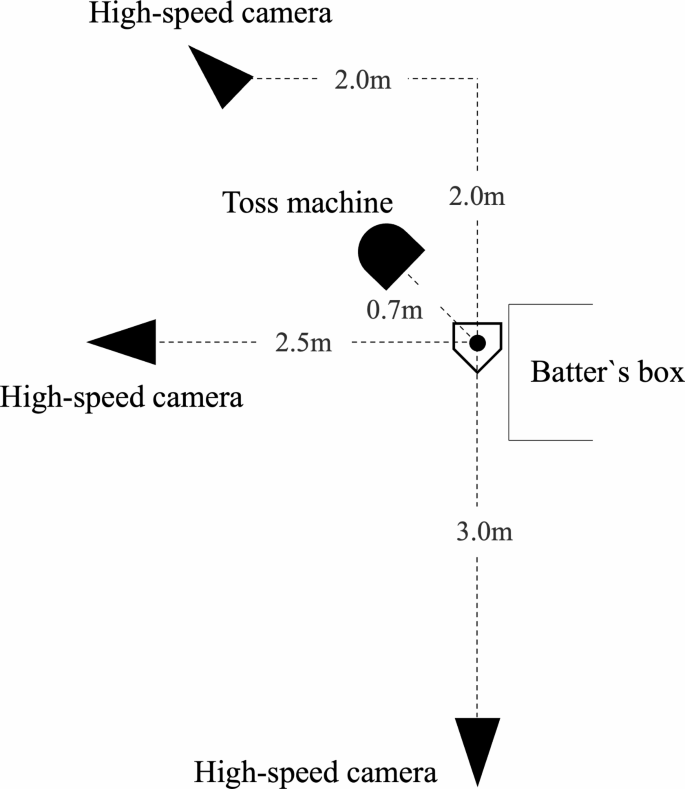
    Source link

  • Blood biomarkers for estimating energy intake in Japanese male collegiate athletes: a pilot study |  BMC Sports sciences, medicine and rehabilitation

    Blood biomarkers for estimating energy intake in Japanese male collegiate athletes: a pilot study | BMC Sports sciences, medicine and rehabilitation


    Study design and participants

    This observational cross-sectional study was approved by the Juntendo University Ethics Committee (approval no.: 29-82, date: September 11, 2017) and the Wayo Women’s University Ethics Committee for Biological and Epidemiological Studies directed at humans (approval no.: 1851 , date: April 5, 2019) and was conducted in accordance with the Declaration of Helsinki. All participants were informed about the benefits and risks of participating in the study before obtaining written informed consent. All participants signed an institutionally approved informed consent form.

    The minimum sample size was initially calculated at 25 participants, with an α level of 0.05 (two-sided), a power of 0.90, an effect size (f2) of 0.5 (large) [8]and 2–11 independent variables included in the multiple regression analysis [9]. Twenty-eight male athletes from the sports club of Juntendo University Faculty of Sports and Health Sciences participated in this study from July to August 2019. (a) Male students, (b) those who joined the club to improve competitiveness, and (c) those without a current serious clinical condition were included in the study. The athletes took part in athletics (throwing and decathlon), handball and basketball competitions. Participants were recruited through club announcements. The screening procedure included assessment of exercise history and self-reported medical history. In addition, height, weight, and body composition were assessed using dual-energy X-ray absorptiometry [DXA]), EI based on BMR, and blood components based on blood tests after a certain period of fasting. A two-week nutritional study was conducted. Two participants whose blood samples showed abnormal values ​​were excluded. Finally, data from 26 participants were analyzed.

    Anthropometry and DXA

    Total body mass was measured to the nearest 0.1 kg on a medical scale (HBF-212, TANITA Inc., Tokyo, Japan), while height was measured to the nearest 0.1 cm using a stadiometer (YG-200 , YAGAMI Inc., Nagoya, Japan). Body composition (body fat percentage and lean mass [FFM]) was measured by a trained radiologist using a Hologic QDR 4500 DXA scanner (Hologic, Inc., Bedford, MA). The intra- and inter-instrument reliability of the DXA method has been reported in previous studies [10, 11].

    The equipment was calibrated daily according to the manufacturer’s instructions. All scans were analyzed using Hologic QDR version 12.1 software (Hologic, Inc.). Based on the results of the DXA analyses, the head area was excluded and the FFM and body fat mass were determined. To determine the technician’s error in using the software to estimate body composition, the technician analyzed ten full-body scans twice using the same method. Based on the results of the measurement, the following were technical errors (absolute and relative errors): FFM (0.067 kg and 0.11%) and fat mass (0.070 kg and 0.76%).

    Three-day nutrition report

    Trained registered dietitians provided participants with written and verbal instructions on how to complete the 3-day nutrition record (DR) [12]. The analysis of nutritional intake was carried out by a certified sports dietitian, regardless of the participants’ sports club, and the results were not shared with the team leaders. The participants were asked to report their nutritional intake honestly.

    As part of the DR, participants were asked to record the meal, its location, and all food and drinks consumed (except water) for three consecutive days. To maximize feasibility, intake was recorded for 3 days, 2 days with training and 1 day without training, but not on days with special events (e.g. birthdays or championship match days). The DR form included meal time, meal location, name of the dish, ingredients in the dish, and total amount of food consumed. The participants were asked to keep track of the food and drinks they consumed from the time they got up to the time they went to bed, including supplements and drinks.

    In addition, detailed information was also recorded on associations (presence or absence of oil, etc.), dairy products (skimmed milk, etc.) and intake amounts. Participants were asked to record as much information as possible, including portion size consumed and details of any leftovers, using household measurements (e.g. cups, pieces, tablespoons and weight). At the same time, participants took photos of all food and drinks next to scale cards (length: 9 cm; width: 5.5 cm, with 1 cm graduations) using their smartphone cameras. For purchased food items, additional photos were requested with the product name and food label. The photos were sent immediately to the email addresses provided.

    Based on the DRs and meal photos, a registered dietitian (certified sports dietitian) analyzed energy and nutrient intake using nutritional analysis software (Calorie Make, version 1.0.10 and Nutrition Navigation, version 5.3.0; Toyo System Science Co., Ltd., Kanagawa, Japan).

    Determination of basal metabolism

    The FFM measured with DXA was considered as lean body mass (LBM). BMR was estimated from the calculated LBM, using the following formula from the Japan Institute of Sports Sciences (JISS): 28.5 kcal/kg LBM [13]. The EI/BMR ratio was set as the outcome variable.

    Blood samples

    Fasting blood samples were collected from the antecubital vein without stasis. The analyzed parameters included a total of 36 items related to the following: serum protein, amino acid and nitrogen compound, iron metabolism, serum enzyme, glucose metabolism, serum lipids, blood cells, pituitary hormone, thyroid hormone, adrenocortical hormone, gonadal hormones. hormone and other bioactivities. All tests were performed in a commercial laboratory (SRL Inc., Tokyo, Japan).

    static analysis

    SPSS Statistics version 26.0 (IBM Corp., Armonk, NY) was used for all statistical analyses. Descriptive statistics were calculated for each variable and indicated as the mean (standard deviation). [SD]) and the median values ​​(first and third quartiles, Q1 and Q3). The normality of the data distribution was verified using the Shapiro-Wilk test. Non-normally distributed variables were then log-transformed and used in subsequent analyses.

    Among the 36 selected blood biomarkers, we confirmed the pairwise correlation and excluded when the Pearson correlation coefficient between two independent variables was >0.6. As a result, 18 independent variables were pre-selected and dietary EI/BMR variables were included in the multiple regression analysis (the stepwise) analysis as predictive variables to obtain the best model for predicting EI/BMR based on the selected biomarkers.

    Before multiple regression, multicollinearity was assessed for each independent variable. Multicollinearity was evaluated using the variance inflation factor (VIF), which was defined as the inverse of tolerance. A VIF of > 5.0 indicates multicollinearity between two variables in a regression model [14]. The degree of agreement between the estimation formula and the nutritional assessment results was confirmed by performing a Bland-Altman analysis [15]. a Pvalue of <0.05 was considered significant. The data for regression analysis met the assumptions of homoscedasticity, independence, normality, and linearity.

    Source link

  • Influence of the 2000-meter ergometer test on indirect markers of intestinal injury in competitive elite rowers in different training phases  BMC Sports sciences, medicine and rehabilitation

    Influence of the 2000-meter ergometer test on indirect markers of intestinal injury in competitive elite rowers in different training phases BMC Sports sciences, medicine and rehabilitation


    Attendees

    Eighteen male members of the National Polish Rowing Team (heavyweight rowers) were recruited, but only 10 met the inclusion criteria and participated in the study; all participants completed the two ergometer tests of 2000 meters. Before each test, anthropometric parameters were assessed using an electronic scale to the nearest 0.05 kg (Tanita BC-980 MA, Tanita Corporation, Tokyo, Japan). The results are shown in Table 1. The study was conducted by following the Declaration of Helsinki. The study protocol was approved by the local ethics committee of Poznań University of Medical Sciences (decision No. 314/22 in 2022). All participants were informed of the study procedures and gave their written consent.

    Table 1 The anthropometric characteristics of the participants (in the morning after an overnight fast before tests I and II).

    Inclusion criteria

    The inclusion criteria were a minimum of 5 years of training, a minimum total training time of 240 minutes per week, membership of the Polish rowing team and completion of the 2000 meter ergometer test.

    Exclusion criteria

    The exclusion criteria were antibiotic therapy, probiotics, prebiotics, metformin, dietary regimen, and health problems in the past three months.

    Training program

    The exercise profile, including intensity, volume (in minutes), and type (specific, i.e., rowing: endurance, speed, technical; and nonspecific: strength, jogging), was recorded daily. In addition, the intensity of the training was classified based on the LA threshold (4 mmol/l): an extensive (below the LA threshold) or an intensive (above the LA threshold) workload (Table 2).

    Table 2 Pre-test training program

    Food intake

    Total food intake was analyzed by a dietitian before each test using the 24-hour dietary recall method. The dietitian carefully checked each questionnaire and was available to participants during all meals. Energy, carbohydrates, proteins and fats were then measured via the commercially available DietetykPro program (DietetykPro, Wrocław, Poland).

    figure 1
    Figure 1

    The research design and timeline

    Exercise test

    For tests I and II, the athletes performed a controlled test at a distance of 2000 m (Fig. 1). The break between tests was almost 10 weeks (68 days). Test I was conducted at the beginning of the preparatory phase, while Test II was conducted at the beginning of the competitive phase. The participants rowed a distance of 2000 m as quickly as possible on the ergometer (Concept II, USA), as the test results were taken into account when selecting for the champion team. The athletes were therefore highly motivated to perform both tests with maximum effort. The exercise test was performed every day at 10:00 am. Before the test, participants ate a small, light meal and were hydrated (Table 1). Before testing, each participant completed an individual 5-minute warm-up.

    Collect and research material

    Samples were collected at the same three time points: before (before training), after an overnight fast; Post (immediately after training) and recovery (after 1 hour of recovery) for tests I II.

    Blood samples were collected from the antecubital vein into 9 ml polyethylene tubes (to obtain serum) and centrifuged at 3000 rpm for 10 minutes. The serum was frozen and stored at −80°C until analysis. In addition, capillary blood samples were collected from the earlobe before and immediately after the exercise test to assess LA levels.

    Dimensions

    Serum zonulin, intestinal fatty acid binding protein (I-FABP), LPS, LBP, and interleukin 6 (IL-6) were measured using commercially available enzyme-linked immunosorbent assays (ELISAs; SunRed Biotechnology Company, Shanghai, China). The test range was 0.25–70 ng/ml for zonulin, 0.3–80 ng/ml for I-FABP, 12–4000 endotoxin units (EU)/l for LPS, 0.2–60 µg/ml for LBP and 1–300 ng/l for IL-6. In addition, LA in capillary blood was measured immediately after sampling using a commercially available kit (Diaglobal, Berlin, Germany). The LA concentrations are presented as mmol/l.

    static analysis

    Statistical analysis was performed using GraphPad Prism 9 (GraphPad Software, USA). Descriptive statistics such as mean and standard deviation were used to identify patterns and trends. To investigate whether the variables had a normal distribution, the Shapiro-Wilk test was performed. To measure the equality of variances, the Brown-Forsythe test was used. One-way repeated measures analysis of variance (ANOVA), with Tukey’s post hoc analysis, was used to assess differences in measured variables from the three assessment points (Pre, Post, and Recovery) for Tests I and II. A t test was used to compare food intake, anthropometric characteristics and 2000-m test results (power, time and LA) between tests I and II. Cohen’s d was calculated to determine effect size. It was interpreted as small (0.2), moderate (0.5), or large (0.8) (Cohen, 1988). For correlation analysis, Pearson linear correlation coefficients were calculated. Significance of all statistical analyzes was set at p ≤ 0.05. Based on a power analysis, all tests that produced significant results had a power above 0.9, as calculated by G Power 3.1(G Power, (13).

    Source link

  • Impact of different triathlon races on the systemic cytokine profile and metabolic parameters in healthy individuals: a systematic review |  BMC Sports sciences, medicine and rehabilitation

    Impact of different triathlon races on the systemic cytokine profile and metabolic parameters in healthy individuals: a systematic review | BMC Sports sciences, medicine and rehabilitation


    In the current systematic review, we aimed to evaluate the impact of different triathlon events on the profile of cytokines (pro- and anti-inflammatory) and metabolic markers in triathletes. First, we verified the increase in pro-inflammatory cytokines including IL-1, IL-2, IL-6, IL-8, IL-12p40, INF-γ, MCP-1, TNF-α in PBMC, serum and plasma levels after different triathlon competitions. Second, in most studies we observed an increase in the production of anti-inflammatory cytokines (IL-4 and IL-10) at serum and plasma levels after the sprint, long-distance and Ironman races. Third, among metabolic factors, we observed an increase in the concentration of blood and plasma markers of muscle damage (CK, LDH and Myostatin), muscle fatigue (FFA and lactate), physiological stress (Cortisol) and inflammatory phase. (CRP) in athletes from different triathlon events.

    Cytokines are signaling proteins produced by immune and non-immune cells that have cell signaling functions, positive and/or negative regulation of various genes and their transcription factors, and even stimulate or restrain inflammation promoted by various stimuli, including bacteria and viruses. [32, 33]. Alves et al. 2022, through a systematic review with meta-analysis, demonstrated that exposure to high running volume (exercise time, duration and distance covered) is associated with a higher concentration of pro-inflammatory cytokines, including IL-1β, IL-8 and TNF -α. Furthermore, serum levels of IL-1ra and IL-10 increased as a result of long-term aerobic exercise [6]. However, the authors only considered long-distance modalities (half marathon, marathon and ultramarathon), with the exception of triathlon. Similarly, from the data in the current systematic table it was concluded that several triathlon races promoted an increase in PMBC, serum or plasma concentration of pro-inflammatory cytokines. [6, 9].

    High concentrations of pro-inflammatory cytokines are observed at the end of triathlon races and can be explained by the volume of the race, including the intensity of the exercise. In contrast, they had no association with the triathlon distance. This result confirms studies on endurance athletes. Studies have observed leukocytosis and high serum levels of pro-inflammatory cytokines after marathon races [34,35,36]. The metabolic activity and damage observed in muscle cells as a result of long-distance races, such as triathlon, appear to serve as important catalysts for the migration of some leukocytes, along with the release of cytokines. In addition, there are neuroendocrinological and metabolic multifactorial mechanisms that involve extreme stimuli and underlying consequences. Strenuous physical exertion such as triathlon increases immunosuppression [9, 37, 38]. The possible relationship between exercise and UTRI can be explained and modeled by a “J” curve, which can occur during competitions as well as during training, usually caused by rhinovirus, adenovirus and parainfluenza virus [19, 39, 40]. Furthermore, this profile of disease involvement may affect health and performance-related physical fitness components such as maximum oxygen volume, respiratory coefficient, and lactate threshold. [35, 36].

    The anti-inflammatory response was assessed by serum levels of IL10 and IL4. Studies have shown that strenuous exercise can increase IL-10 levels, allowing it to return to basal levels during the rest period [41]. Furthermore, Santos et al. (2019) have shown that the magnitude of plasma IL-10 increases is related to the duration of exercise [42]. Furthermore, there is evidence that increases in serum levels of IL-10 are correlated with low levels of chronic, low-grade inflammation and tissue health. [7]. Huang et al. An increase in plasma IL-4 was found in 2019. Nevertheless, Suzuki et al., 2006 did not see any difference between serum levels before and after IL-4. According to our findings, there is no significant improvement in IL-4 due to the different aerobic exercise protocols [43]. Furthermore, the low serum IL-4 levels observed at the end of triathlon races can be explained by the strong inhibitory effects of IL-10 and IL-6 observed after long-distance triathlon races. These jointly contribute to the prevention of excessive systemic inflammation [44].

    Long-term training protocols such as triathlons are known to cause changes in other biomarkers (gene expression and protein levels) [40]. A significant expansion of EGF and VEGF levels in many hematopoietic, endothelial and smooth muscle cells of the vasculature towards epithelial cells was observed. [40]. Furthermore, evidence has shown that aerobic exercise should activate the production and release of EGF and VEGF due to physiological adaptation to exercise, such as angiogenesis, indicating that EGF and VEGF are important biomarkers of aerobic exercise. [45]. At the same time, the studies noted that plasma CK levels increased after the race. As observed in a randomized double-blind crossover study by Galan et al. In 2018, CK serum levels improved after treadmill running to exhaustion [46].

    Furthermore, Danielsson et al., 2017 reported an increase in CK levels after an Ironman distance triathlon, which is associated with masculinity [8]. Subsequently, it was known to improve FFA and LDH levels in sprint, Ironman and long-distance triathlons. Finally, cortisol levels were increased during triathlon protocols. It is known that the physiological demands of long-distance running such as triathlon should cause an increase in FFA, LDH, cortisol and lactate levels due to adaptation to the extensive energy expenditure of long-distance training protocols. [47,48,49]. Finally, according to previous evidence, an increased Myostatin level was reported in the aftermath of the Sprint and Iron Man Triathlon. Ben-Zaken et al., 2017 found that Myostatin expression was associated with a favorable outcome in long-distance running performance [50].

    Because chronic systemic inflammation can be considered a factor affecting the performance of triathlon athletes, recommendations for managing the pillars of improving physical capacity (nutrient availability, sleep behavior, strength training) are important to modulate the immune response. In addition, it reduces both physical and physiological problems and accelerates the recovery and rehabilitation process after injuries. In this regard, individuals who practice triathlon can benefit from the immunomodulatory effects of a strength training strategy in combination with training for the sport. [51, 52]. Furthermore, adequate nutrient availability is known to benefit immune function, including cell-mediated immunity and a balanced inflammatory response. Finally, studies have shown that good sleep behaviors could be a complementary approach to reducing chronic inflammation [53, 54].

    Strengths and limitations

    The current systematic review presents important limitations that should be taken into account when generalizing the findings. First, we considered different distances of the triathlon race, which means that the generalization of the findings must be specific. The limitations of this systematic review mainly related to the methods of the studies. For example, the lack of control over the covariates (such as age, nutritional status, sleep quality, etc.) may be an important source of bias among the included studies. Another important point is the characteristics of the recorded sample. Because we only described gender and distance of participation, additional information such as level of competition and training characteristics may be useful in future research.

    Therefore, the heterogeneity in the quality of reference sources is the strength of this review, as it observed efforts of serum levels of the inflammatory cytokine, as well as biomarkers associated with performance in different triathlon races. On the other hand, it must be emphasized that the studies did not randomize their populations, a procedure recognized by PRISMA. Some studies have not examined all outcomes considered relevant in this scenario. However, we find our work equally relevant because it systematically summarizes the available evidence for future research.

    Source link