Blog

  • Breakthrough for ‘neglected’ rheumatic disease

    Breakthrough for ‘neglected’ rheumatic disease

    Scientists have had success treating a ‘neglected’ inflammatory disease, polymyalgia rheumatica, with a drug that could offer patients an alternative to steroids.

    The study, conducted by Anglia Ruskin University (ARU) and published in the New England Journal of Medicine, describes a successful trial of sarilumab. The drug, approved in Britain to treat rheumatoid arthritis, blocked the protein interleukin-6, which can cause inflammation.

    Polymyalgia rheumatica (PMR) is characterized by pain and morning stiffness in the shoulder and hips and affects people over the age of 50. It can significantly affect quality of life and is currently mainly treated with the steroid glucocorticoids.

    Although glucocorticoids can control the condition, more than half of PMR patients experience a relapse of their condition when they reduce their steroid medication. Interleukin-6 has been implicated in the pathophysiology of PMR because circulating elevated levels and increased tissue expression of interleukin-6 have been found in PMR patients.

    During the year-long clinical trial conducted by researchers, 118 patients received either twice-monthly injections of sarilumab or a placebo. The sarilumab group received a tapering dose of glucocorticoid for 14 weeks in combination with bimonthly injections of sarilumab, while the placebo group received a tapering dose of glucocorticoid for 52 weeks.

    The primary outcome at the end of the study was sustained remission of the condition. This happened in 28% of people taking sarilumab, compared to 10% of people taking the placebo. After achieving remission at 12 weeks, there were more disease flares in the placebo group (57%) compared to those who received sarilumab (24%).

    Lead PMR expert and senior author of the study, Professor Bhaskar Dasgupta, from Anglia Ruskin University’s Medical Technology Research Center (ARU), said: “Polymyalgia rheumatica is a poorly managed and neglected condition for which current treatment is unsatisfactory and long time can take. Long-term side effects: Patients may experience relapses while tapering their medications, and very limited treatment options currently exist for these relapses.

    “Our findings show promise that sarilumab can be used to treat PMR and improve outcomes for people coming off steroid medications.

    “This is an exciting development that has the potential to improve treatment options for a condition common in older people. PMR is the most common reason for long-term steroid prescriptions. Any effective drug that can spare the use of steroids would be a should have a major impact.” on reducing the serious side effects of such steroids, including diabetes, osteoporotic fractures and infections.”

    The research was funded by Sanofi and Regeneron Pharmaceuticals.

    Source link

  • Antidepressants, osteoporosis and psychiatry: Dr.Aruna Tummala

    Antidepressants, osteoporosis and psychiatry: Dr.Aruna Tummala

    Can your antidepressants, especially SSRIsbe a hidden culprit behind it weakening of bones and osteoporosisespecially when you are navigating postmenopause?

    What is it exactly “holistic psychiatry”, and how could it revolutionize your understanding of mental health?

    Want to know which of your favorite foods are silent undermining your bones and mental clarity?

    Dive into this episode for answers!

    I had an eye-opening conversation with Dr. AS The words of the Tummala, a board-certified adult, geriatric and holistic psychiatrist. We’ve peeled back the layers on the rarely discussed connections between them diet, trauma, toxins, and their potential to impact both your mental health and your bone health.

    Episode timeline

    0:00 – Episode begins

    1:28 – Introduction to Dr. Aruna Tummala

    2:53 – The link between osteopenia, osteoporosis, bone loss and mood disorders in postmenopausal women. The risks of antidepressants, especially SSRIs, in increasing bone loss and fracture risk

    6:05 – Insight into holistic psychiatry and Dr.’s journey Tummala to become a holistic psychiatrist

    12:14 – Exploring common misconceptions and practices surrounding nutrition as a contributor to mental health

    18:12 – Exploring the profound effects of trauma on mental health

    24:55 – The role of family in healing trauma

    27:32 – Analysis of the role of environmental toxins in mental health problems

    32:22 – Dietary approaches and their effectiveness in treating various mental health conditions.

    34:57 – The importance of whole foods, consuming organ meats for better brain and bone health, and the shift in dietary habits across generations

    40:59 – Key insights for the audience

    42:47 – Introduction and brief overview of Dr.’s upcoming book. Tummala, “Psychiatry 2.0.”

    44:05 – Where to find Dr. The words of the Tummala

    Sources mentioned

    **Show notes @ https://bonecoach.com/aruna-tummala-psychiatry2-trinergyhealth-antidepressants-osteoporosis

    Below you will find resources from Dr. Aruna Tummala!

    >> Visit Dr.’s main website Aruna
    >> Read more about Dr.’s Psychiatry 2.0 program. Aruna
    >> Follow Dr. Aruna on Facebook
    >> Follow Dr. Aruna on Twitter
    >> Follow Dr. Aruna on Instagram
    >> Follow Dr. Aruna on Tiktok
    >> Connect with Dr. Aruna on Linkedin

    What can you do to support your bone health and this podcast?

    1. Press the “Subscribe” button on your respective podcast player (i.e. Apple, Google, Spotify, Stitcher, iHeart Radio and TuneIn). Never miss an episode that can help improve your bone health.

    2. Leave a review. The more positive ratings and reviews and the more subscribers we have, the more people can find us and get the answers to the questions they need. Thank you! 🙂

    3. Tell a friend about The Bone Coach Podcast or share via text, email or social. Do you know of a Facebook group where people can benefit from this information? Feel free to click any of the share buttons below.

    About Dr. Aruna Tummala, MD:

    Dr. Aruna Tummala is a certified adult, geriatric and holistic psychiatrist; and founder of Trinergy Health in Wisconsin, USA. Dr. Aruna provides evidence-based, holistic solutions for mental and whole-body wellness so you can achieve health, harmony and vitality… naturally!

    Considered a pioneer in the field of holistic psychiatry, Dr. Aruna’s signature program, Psychiatry 2.0 – a unique, root cause method to treat mental health issues by first healing the body, then healing the mind. Psychiatry 2.0 combines the age-old wisdom of Ayurveda with functional medicine to find and address the root causes of a patient’s psychophysiological symptoms. This program can be offered in person or online as mental health coaching, allowing Dr. Aruna can serve clients all over the US and the world!

    She offers a wide range of interventions including diet, exercise, meditation, yoga, nutritional supplements, Ayurvedic herbs, HBOT, psychotherapy, and so on. With this method, patients’ symptoms improve and their diseases are also eradicated from the root. Her approach reduces dependence on psychiatric medications, thereby reducing the severity and occurrence of side effects, while empowering her patients to take charge of their health!

    She is passionate about empowering you through education and self-awareness so you can achieve your best, healthiest, most vibrant, inspired self.

    Medical disclaimer

    The information shared above is for informational purposes only and is not intended as medical or nutritional therapy advice; it does not diagnose, treat or cure any disease or condition; it should not be used as a substitute or substitute for medical advice from physicians and trained medical professionals. If you are under the care of a healthcare professional or are currently taking prescription medications, you should discuss any changes in your diet and lifestyle or possible use of nutritional supplements with your doctor. You should not stop prescribed medications without first consulting your doctor.


    Source link

  • Ginger shows promise as a natural defense against autoimmune diseases

    Ginger shows promise as a natural defense against autoimmune diseases

    This is evident from a recent study published in the journal JCI Insight, the authors built on their previous work examining the anti-autoimmune disease effects of 6-gingerol, the most abundant phytochemical produced by the roots of the ginger herb. Because their previous work showed that this plant extract could reverse the effects of neutrophil hyperactivity in mouse model systems, the researchers herein evaluated whether oral consumption of whole ginger extracts could have similar effects both in mouse models and in human pilot trials. Their results show that ginger consumption for just seven days neutralizes hyperactivity in neutrophils in both in vivo systems. When taken by healthy individuals, it increases their resistance to developing conditions, including lupus and antiphospholipid syndrome (APS).
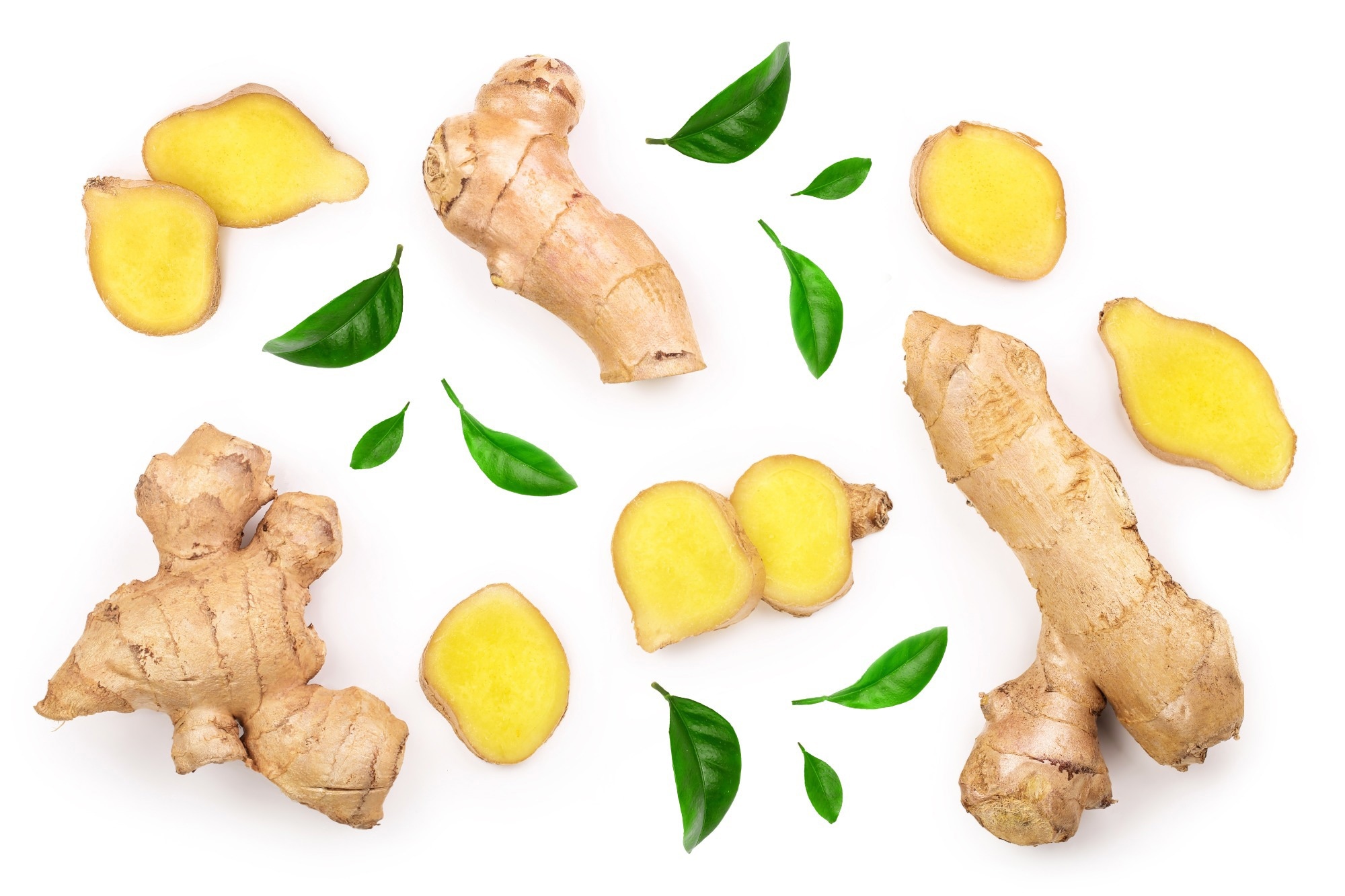
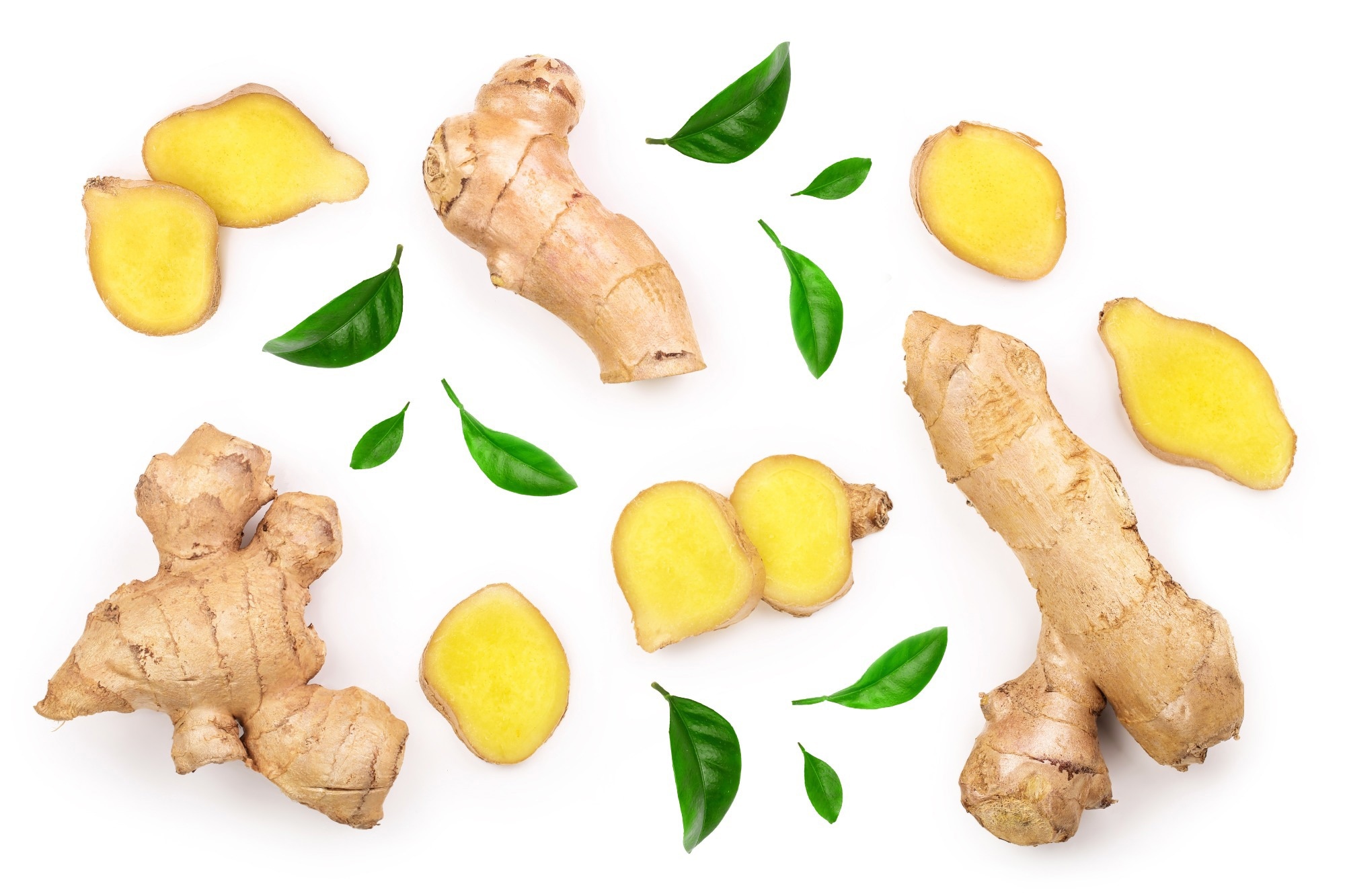
    Study: Ginger intake suppresses the formation of extracellular neutrophils in autoimmune mice and healthy humans.  Image credits: Nataly Studio / ShutterstockStudy: Ginger intake suppresses extracellular neutrophil formation in autoimmune mice and healthy humans. Image credits: Nataly Studio / Shutterstock

    Neutrophilic autoimmune diseases and the untapped potential of herbs

    Antiphospholipid antibody syndrome (APS) is an autoimmune disease that mainly affects women between the ages of 30 and 40. APS results in the formation of abnormal proteins that promote clot formation in veins and arteries and is especially harmful to both mother and her fetus during pregnancy. APS and lupus, a frequent comorbidity characterized by circulating immune complexes that damage organs after their deposition, are lifelong, incurable conditions resulting from genetics, environmental exposure, or a combination of these. Both diseases result in significant mortality, morbidity and healthcare costs.

    Previous research has shown that, despite having very different clinical profiles, both APS and lupus are pathologically caused by the exaggerated and abnormal formation of extracellular neutrophils, medically termed ‘NETosis’. During NETosis, neutrophils overexpress and secrete their nuclear chromatin in the form of web-like structures with pro-inflammatory properties and potentially harmful granule-derived proteins that, despite being localized in organs and the circulatory system, have serious consequences on the health.

    Recent studies have shown that excessive NETosis, in addition to its own negative consequences, can result in sustained formation of autoantibodies, resulting in other autoimmune diseases that would otherwise have been suppressed by the body’s adaptive immune tolerance. Considering that most of these autoimmune diseases are incurable, require constant and usually expensive medical interventions, and carry significant mortality costs, finding a low-cost therapy for NETosis is imperative.

    In recent years, scientific attention has shifted to the potential of herb-derived phytochemicals with anti-inflammatory properties as a wealth of safe and natural remedies against autoimmune diseases in general, and NETosis in particular. In a previous study, the authors of the current work showed that a purified ginger extract, 6-gingerol, shows promise in stimulating intracellular cyclic adenosine monophosphate (cAMP) and attenuating neutrophil phosphodiesterase (PDE) activity, both of which are important mechanistic results are from NETose.

    In particular, their research found that NETs and neutrophils in manifestations of thromboinflammatory diseases not only influence APS, lupus and similar autoimmune diseases, but also promote adverse outcomes in communicable diseases such as coronavirus disease 2019 (COVID-19).

    About the study

    The current study aimed to determine whether whole ginger extracts have similar NETosis-reversing effects as 6-gingerol and have beneficial effects on consumption even for healthy individuals who do not exhibit autoimmune symptoms. This study represents a pilot study that may form the basis for future clinical testing of ginger’s beneficial proteins in the treatment of a spectrum of NETosis-related autoimmune diseases, including APS, lupus, vasculitis, rheumatoid arthritis, and even COVID-19.

    Researchers began testing the efficacy of powdered whole ginger obtained from Aurea Biolabs (Kerala, India) in in vitro testing. Immunoglobulin G (IgG) was obtained from both APS and lupus patients (cases) and healthy controls and purified using the Protein G Agarose Kit (Pierce). The purity and concentration of IgG were estimated using Coomassie staining and BCA protein assay, respectively. For NETosis assays in human neutrophils, blood was collected from healthy human volunteers, purified via density gradient centrifugation, and neutrophils were isolated using dextran sedimentation and red blood cell (RBC) lysis. Flow cytometry and nuclear morphology microscopy were used to verify purity.

    For NETosis assays, the above purified neutrophils were mixed with neutrophils derived from APS and lupus patients (three volunteers, respectively). In vitro assays consisting of immunofluorescence microscopy, measurements of phosphodiesterase (PDE) activity, and calculations of intracellular cAMP levels.

    In vivo APS models included venous thrombosis experiments performed on male C57BL/6 mice (10-13 weeks). Female BALB/c mice (9 weeks old) were used for lupus testing. The venous thrombosis testing was performed using an electrolytic inferior vena cava (IVC) model. Circulating myeloperoxidase (MPO)-DNA complexes were then quantified and isolated thrombi were processed via thrombus section and immunohistochemistry.

    Finally, the pilot study was conducted in humans. Participants older than 18 years and without NETosis-associated autoimmune diseases were recruited. Female participants had to be fertile to allow the evaluation of ginger consumption in combination with contraception. Women who were pregnant, lactating, or suffering from cardiovascular disease, diabetes, or cancer were excluded to avoid confusion due to their illness or the medications they were taking. All statistics performed in this study were 1-way analysis of variance (ANOVA) corrections based on multiple corrections.

    Findings of the study

    The main findings of this study were that ginger consumption significantly inhibited NETosis in healthy study participants, even after stimulation (mixing) of neutrophils from APS or lupus patients. This was expected given that their previous research reported the same findings on the use of purified 6-gingerol supplementation, and whole ginger extracts contained approximately 20% 6-gingerol. Similarly, this study presents that consumption of whole ginger inhibited cAMP-specific PDE activity, confirming previous findings.

    In in vivo mouse models, consumption of whole ginger APS was shown to attenuate IgG-mediated venous thrombosis and NETosis. Remarkably, consumption of whole ginger attenuates lupus-relevant disease activity even in lupus-positive female BALB/c mice.

    Pilot human experiments confirm that ginger is an important focus in future clinical trials, as it was found to stimulate neutrophil cAMP and reduce NETosis in healthy human volunteers, even after just seven days of ginger diet supplementation. To verify these results and confirm that the findings were not a byproduct of the small sample size (N = 9; 3 men, 6 women), the study was repeated with an unrelated volunteer cohort (N = 8). findings consistent across replications. Furthermore, the second cohort study revealed a reduction in plasma NET levels (measured by the MPO-DNA complexes).

    Conclusion

    The current study highlights the potential of whole ginger consumption as a safe and natural intervention, both to treat existing cases of APS, lupus and other NETosis-associated diseases and to prevent the development of these conditions in previously healthy people . They combined in vitro testing with in vivo mouse and human models and found that consumption of whole ginger attenuates venous thrombosis (APS) and significantly reduces the clinical features of lupus in mouse models.

    In healthy human volunteers, ginger consumption for just seven days was associated with a notable reduction in NETosis and cAMP, confirming its potential against autoimmune diseases in future clinical trials.

    “…we found that the dissolved ginger extract counteracted the PDE activity of neutrophils. The result was increased neutrophil intracellular cAMP levels, which were associated with blunted NETosis by human neutrophils in vitro. Such data complement recent studies that have reported a role for ginger extracts, and in particular 6-gingerol, as inhibitors of cAMP-specific PDE activity. Importantly, the suppressive effects of ginger on NETosis can be attenuated by blocking PKA activity, a key downstream cAMP-dependent kinase. The fact that increasing neutrophil cAMP and activating PKA would be beneficial for disease activity in mice is in good agreement with our previous work demonstrating the potential therapeutic target of this pathway in APS and lupus models with synthetic PDE4 inhibitors. ”

    Magazine reference:

    • Ramadan A. Ali, Valerie C. Minarchick, Miela Zahavi, Christine E. Rysenga, Kristin A. Sturm, Claire K. Hoy, Cyrus Sarosh, Jason S. Knight, M. Kristen Demoruelle. Ginger intake suppresses extracellular neutrophil formation in autoimmune mice and healthy humans. JCI Insight. 2023;8(18):e172011, DOI – https://doi.org/10.1172/jci.insight.172011, https://insight.jci.org/articles/view/172011

    Source link

  • Best Bone Health Supplements with Cr.  McCormick

    Best Bone Health Supplements with Cr. McCormick

    Hello friends of bones:

    I am pleased to present my interview on bone supplements with Dr. McCormick. We discussed his full line of bone supplements that are a key ingredient for healthy bones and why calcium in lower doses is important.

    A number of attendees indicated that they could not participate in the zoom call.

    My 2022 gift to my community is the recording and transcript.

    Keep in mind that:

    I am not affiliated with Dr.’s supplements. McCormick. I find good bone loving products and bring them to my community. I broke the marketing hype. I’m currently taking his Mineral Whey and his Collagen. My bones are strong.

    Like Dr. McCormick said, supplements are just that; they supplement our food. They do not take the place of food. This is an important part of bone health; food. Calcium and mineral rich nutrition that I provide in my private sessions and my monthly membership Bones Tribe.

    Dr. McCormick is one of dozens of doctors to whom I refer my clients. I have a team. My work has grown significantly and I am able to help more clients understand their diagnosis, bone markers and blood work. And find the right bone doctor, functional colon doctor and serve as an advocate during private conversations with their doctors.

    A few of my referral physicians are: Dr. McCormick, D.C., Dr. Lani Simpson, DC, CCD Certified Densitomitrist, Dr. Paul Miller, Dr. Jessica Starr, HSS Dr. Aly Cohen, Integrative Rheumatologist, Dr. Lorraine Maita, Dr. Deva Boone, Parathyroid Surgeon, Dr. Kim Zamito, Orthopedic Surgeon offering Echolight and Functional and Integrative Physicians: Dr. Kristann Heinz, RD, Dr. Adi Benito.

    I have also found DXA/TBS facilities for my clients across the country.

    Highlights:

    **Dr. McCormick developed severe osteoporosis at the age of 45. He suffered 22 fractures during his 5-year bone journey. He was on bone medications (Forteo and Fosamax) for a few years. It is fracture free and continues to run long distances.

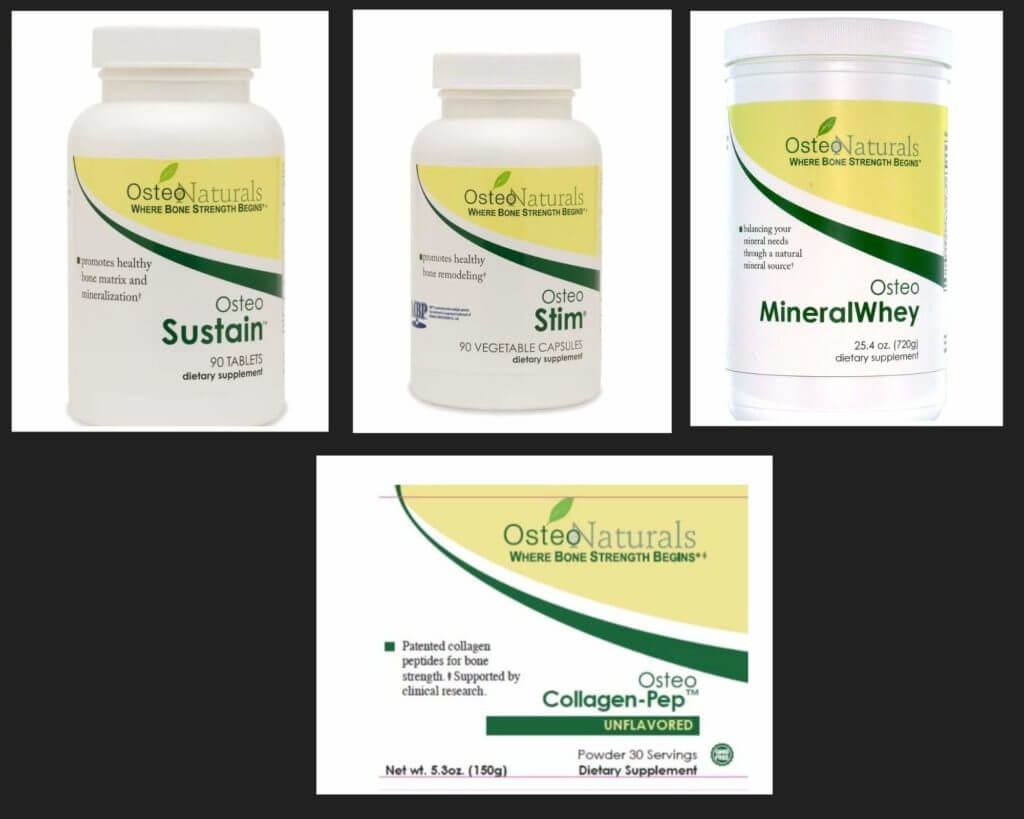
    **Dr.’s OsteoSustain supplement McCormick contains 500 mg of calcium. He uses 4 different types of calcium, dicalcium malate, calcium citrate nitrate, calcium bis-glycinate chelate, calcium ascorbate.

    **The rest must come from food

    **All of its supplements can be taken together:

    OsteoSustain, OsteoStim, Mineral Whey and Collagen

    OsteoNaturals products

    **His Mineral Whey comes from goats that have not been exposed to pesticides, herbicides, antibiotics or growth hormones. Often those who are bothered by dairy do not respond to goat’s milk.

    **Gluten intolerance/celiac disease plays a major role in bone health.

    **Dr. McCormick mentioned Echolight. This new procedure is making its way into the world of bone health.

    **Vitamin K2/MK-4 is important for bone health.

    ** 500-1000 micrograms K2/MK-4. OsteoStim has 700 micrograms and OsteoSustain has 100 micrograms, for a total of 800 micrograms.

    **K2/MK-7 has a longer half-life. Osteostim has 50 micrograms.

    **Those diagnosed with osteopenia should monitor your CTx

    **High CTx anything above 400 is high.

    **An osteoporosis patient reported that she significantly lowered her CTx using Dr. McCormick to use

    **Always test your vitamin D levels. Dr.’s reach McCormick is 30-50 ng/ml. I test my levels twice a year. At the end of summer and during the winter months.

    You can take supplements from Dr. Buy McCormick HERE

    Enjoy the recording below.

    Would you rather read the transcript? Scroll down past my signature.

    Do you already know you want to work with my team?

    It is best to start with a comprehensive private session where a plan is designed specifically for you and your bones. Private sessions cost $200, including full session notes.

    Let me support your bones

    Receive an in-depth, tailor-made private session

    Book a private coaching with Irma now


    Join our amazing Bone Tribe community

    Get the support and information you need to live fearlessly with your bone diagnosis

    From my bones to yours….welcoming 2022.

    Irma Jennings, INHC

    Your holistic bot coach

    [email protected]

    30 Essential Foods for Bone Health

    Source link

  • Bone stress injuries in cross-country running on athletic training services

    Bone stress injuries in cross-country running on athletic training services

    Epidemiology of bone stress injuries and health care utilization among PAC-12 athletes across the country

    [ PMC gratis artikel ][ PubMed ]Wayner RA, Brown CN, Bovbjerg VE, Fredericson M, Soucy MT, Choe S, Simon JE. J Athl train. 2023;10.4085/1062-6050-0089.23 [published online ahead of print, 2023 Jul 18].

    Full text freely available

    Take home message

    Bone stress injuries in cross-country athletes are most common in women, are excessively stressful, and require 10 to 11 shifts of athletic trainers.

    Background

    The injury rate in cross country running is approximately 4 per 1000 athletic exposures. Some authors have found that bone strain injuries account for ~20% of all injuries nationwide. Patients who sustain a bone strain injury may be at up to six times greater risk for subsequent bone strain injury. Unfortunately, we know little about how common bone stress injuries occur in male and female NCAA Division I cross country athletes and what health care services they receive.

    Study objectives

    The authors assessed health care utilization, injury rates, and injury characteristics of bone stress injuries in NCAA Division I cross country athletes.

    Methods

    The authors used deidentified data from the PAC-12 Health Analytics Program injury registry. The registry included data on injuries and health care services entered by athletic trainers from July 2018 to June 2022. The authors classified bone strain injuries as injuries in the lumbar spine, pelvis, or lower extremities. For this article, they excluded cases of medial tibial stress syndrome. The authors categorized injuries into acute or chronic onset and time-loss or non-time-loss injuries. They then calculated health care utilization by counting the number of encounters with a health care provider (athletic trainer or doctor), prescriptions, procedures, or tests. The authors also assessed the time of year the injury occurred: pre-season, during-season, post-season, and off-season.

    Results

    The number of bone stress injuries was 0.14 per athlete season. The rate of bone stress injury in women was 58% higher than in men. Overall, 92% of bone strain injuries occurred through an overuse mechanism. More specifically, 73% of all bone stress injuries had time loss and overuse classifications. On average, a patient received 10.5 athletic training services. Patients with an overuse and time-loss injury tended to receive slightly more athletic training services than patients with an overuse and non-time-loss injury (10.9 versus 12.2).

    Viewpoints

    Among Division I collegiate cross country runners, bone stress injuries are common and are usually caused by overuse mechanisms, leading to lost time. These injuries required significant athletic training services, but rarely other health care services (e.g., medications, tests, procedures, surgeries). It would be interesting to see if this pattern continues in other athletic conferences. The authors recognized that the use of athletic training services among these collegiate patients was more important than the use of athletic training services among high school cross country runners. Therefore, we need to carefully apply these results to different age groups.

    Clinical implications

    Clinicians should promote injury prevention programs for cross country athletes that target overuse injuries, including bone stress injuries. The high demand for athletic training services for this patient population highlights the need for adequate staffing to work with collegiate Division I cross-country skiers.

    Related posts

    Is lifestyle a factor for adolescents with bone stress injuries?
    Who Gets Stress Fractures in College?

    Written by Mitchell Barnhart
    Reviewed by Jeffrey Driban

    9 EBP CEU courses

    Source link

  • Dr.  Abbasi from Inspired Spine brings OLLIF’s expertise to Orlando, where he meets Dr.  Jose Jimenez-Almonte trains

    Dr. Abbasi from Inspired Spine brings OLLIF’s expertise to Orlando, where he meets Dr. Jose Jimenez-Almonte trains

    Inspired Spine CMO Dr. Hamid Abbasi performs one of more than 1,500 OLLIF procedures

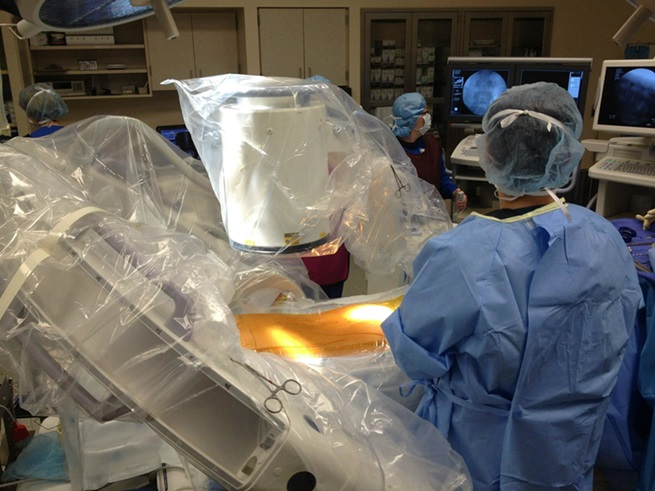
    BURNSVILLE, Minn., Oct. 25, 2023 /PRNewswire/ — Inspired Spine, a leader in innovative minimally invasive spine surgery, is pleased to announce that Dr. Abbasi, a renowned pioneer in the field of orthopedic and neurosurgery, will travel to Orlando, Florida to share his expertise in the revolutionary Oblique Lateral. Lumbar Interbody Fusion (OLLIF) Procedure for Dr. Jose Jimenez-Almonte.

    Dr. A leading figure in the world of minimally invasive spine surgery, Abbasi is known for his groundbreaking contributions in the field. His OLLIF procedure has not only improved patient outcomes, but also dramatically shortened recovery times, making it a preferred choice for patients seeking relief from debilitating back pain.

    The OLLIF procedure offers a minimally invasive alternative to traditional open spinal fusion, allowing patients to regain their quality of life faster with less pain and less scarring. Dr. Abbasi’s commitment to advancing this field has made him a sought-after teacher and mentor to many surgeons in the United States.

    Inspired Spine is pleased to facilitate this unique opportunity for Dr. Jose Jimenez-Almonte, an esteemed spine surgeon in Central Florida. The dedication of Dr. Jimenez-Almonte’s commitment to offering its patients advanced spine surgery options aligns perfectly with Inspired Spine’s mission to advance minimally invasive spine surgery techniques.

    The Proctorship offers Dr. Jimenez-Almonte an exclusive opportunity to hear directly from Dr. Abbasi, who will share his insights, techniques and 10 years of experience in the OLLIF procedure. The collaboration reflects Inspired Spine’s commitment to advancing excellence in minimally invasive spine surgery, further expanding access to innovative treatments for patients in Orlando and beyond.

    “We are thrilled to bring together two exceptional medical professionals for this event,” said Amanda Armagost, a representative of Inspired Spine. “Dr. Abbasi’s mastery of the OLLIF procedure, coupled with the expertise and dedication of Dr. Jimenez-Almonte, holds great promise for the advancement of minimally invasive spine surgery in the Orlando area.”

    This collaboration is an example of Inspired Spine’s commitment to advancing the field of minimally invasive spine surgery and making advanced treatment options more widely available, ultimately benefiting patients with debilitating spine conditions.

    For media inquiries or for more information about Inspired Spine and this exciting event, please contact Amanda Armagost at aarmagost@islife.us

    Inspired Spine is a leader in the development and promotion of minimally invasive techniques for spine surgery, with a strong focus on the OLLIF procedure. Their commitment to innovation and collaboration with leading surgeons such as Dr. Abbasi allows them to provide patients with advanced treatments that provide faster recovery and a better quality of life. Inspired Spine continues to lead the way in advancing minimally invasive spine surgery.

    SOURCE Inspired Spine

    rt

    Source link

  • Largest study ever further confirms the power of exercise to improve mental health

    Largest study ever further confirms the power of exercise to improve mental health

    A new meta-analysis has pooled results from 97 reviews and provides an in-depth perspective on the profound impact of physical activity on mental well-being.

    The study is considered the most comprehensive meta-analysis on the subject to date and underlines the undeniable benefits of exercise as a powerful remedy against psychological problems, surpassing the effects of traditional psychotherapy and pharmacotherapy in certain aspects.

    Let’s dig deeper into the specifics of this research so you can reap the dual benefits of better mental health and better bone health through physical activity.

    Deciphering the meta-review on exercise and mental health

    This meta-review, published in the British Journal of Sports Medicine, rigorously evaluated and ranked the outcomes of previously conducted systematic reviews. Each of these systematic reviews in turn integrated the results of numerous individual studies.

    In total, this meta-review includes 97 reviews, covering 1039 studies with no fewer than 128,119 participants. These participants ranged from healthy adults and individuals struggling with mental health issues, to those with various physical conditions.

    The studies in this meta-review used a variety of physical activity interventions and assessed their impact on depression, anxiety and psychological distress. The primary objective was to distinguish the effectiveness of these interventions in reducing mental health problems.1

    Short content

    The meta-review integrated findings from 1,039 studies involving 128,119 participants, focusing on the role of physical activity in addressing mental health issues.

    The healing power of physical activity

    This meta-review conclusively establishes that physical activity (PA) serves as a powerful antidote for relieving mild to moderate symptoms of depression, anxiety, and psychological distress. In fact, the reduction in symptoms of depression (-0.43) and anxiety (-0.42) resulting from physical activity was comparable to, or even slightly better than, the effects observed with psychotherapy and pharmacotherapy.

    Although previous research has shown that physical activity can rival the benefits of psychotherapy and medicinal treatments for depression, anxiety and mental health problems, its limited scope often leaves medical professionals skeptical.1 However, this comprehensive meta-review includes a diverse demographic and a spectrum of physical activities.

    Interestingly, the research revealed that all forms of physical activity were effective, whether aerobic, resistance-based, mixed or yoga, were beneficial. The study found that all forms of physical activity were beneficial, including aerobics, resistance exercises, mixed exercises and yoga. Resistance exercises in particular showed the most pronounced positive effects on depression, while yoga emerged as the most powerful anti-anxiety tool.1

    Incorporating a wide variety of exercises into your workout regimen can provide a plethora of health benefits. Surprisingly, shorter exercise sessions proved to be more effective than longer interventions, likely due to higher adherence, highlighting the importance of cultivating an enjoyable and sustainable exercise routine.

    Short content

    Physical activity has been validated as a valuable tool for improving mental health, with different exercises offering unique benefits. The effects on depression and anxiety are comparable to or even slightly better than those of traditional therapeutic methods.

    The symbiotic relationship between mental health and bone health

    Exercise is crucial for promoting robust bone health. The physical stress on the bones due to exercise stimulates the bone formation process, leading to the development of stronger, healthier and younger bones.

    This study highlights another dimension of exercise’s protective role: its ability to boost mental health.
    Increased stress levels, often due to anxiety and other mental health issues, lead to an increase in the stress hormone cortisol. Excessive cortisol can be harmful to bone health.

    Additionally, a healthy mental state facilitates the consistent pursuit of other health goals, such as maintaining a healthy diet and ensuring adequate sleep. This study highlights how exercise can help you maintain good mental health, which in turn supports your other healthy habits, including exercise!

    Short content

    Exercise not only strengthens bones directly, but also protects them indirectly by improving mental health, reducing stress-induced bone damage and promoting health habits.

    What this means for you

    The essence of this meta-analysis is clear: physical activity is a panacea for mental well-being. The key is to stay active without getting caught up in the intricacies of the ‘perfect’ workout.

    Building an enjoyable and sustainable exercise habit can be intimidating at first – that’s why the Save Institute created SaveTrainer. SaveTrainer offers you the most effective training.

    For those seeking guidance, SaveTrainer offers a curated collection of workouts tailored for every skill level, duration, body part and health goal. SaveTrainer has a wide range of classes for bone strength, joint health, balance, posture, flexibility, meditation, sleep improvement and yoga.

    SaveTrainer keeps you active, happy and healthy.

    References

    1 https://bjsm.bmj.com/content/early/2023/03/02/bjsports-2022-106195


    Source link

  • Tips for staying healthy during high school football season

    Tips for staying healthy during high school football season

    by Matt Midkiff PT, DPT,CSCS Gilbert Mesa Director of Sports Medicine Arizona Arsenal SC

    The transition from club to high school football and back to club is one of the most physically taxing times for our high school students. Staying healthy during high school football season is crucial to doing your best on the field and minimizing the risk of injury.

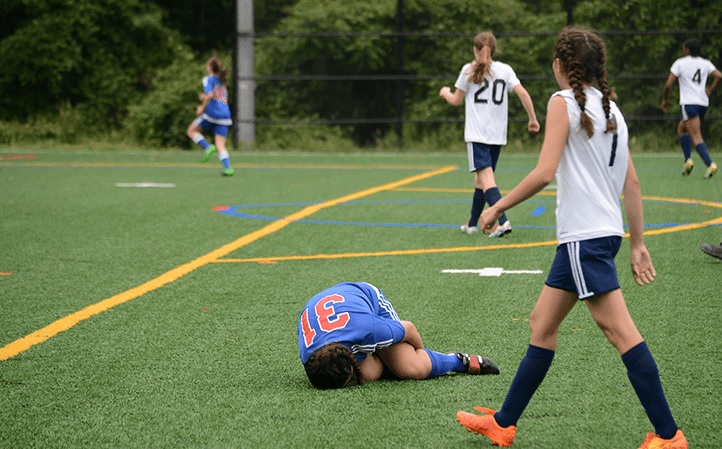
    soccer injury

    Year over year we see more injuries in this time frame due in large part to overuse with longer practice time in November and also a greater number of games in a shorter amount of time during the high school season.

    These injuries range from ACL injuries and ankle sprains to much less significant joint tendon pain.

    3 tips to minimize injuries

    There are several simple but important things players can do to minimize injuries and do their best to stay healthy during the high school football season.

    #1 Prioritize recovery. As practice times and game demands increase, it is so essential that our athletes get adequate sleep (at least 8 hours), eat regularly, meet their macronutrient needs, and continually hydrate. With less time for recovery, managing the recovery process is essential.

    FH BFR Recovery Blog 2

    #2 Work on mobility and flexibility. Overworked muscles become sore and tight, and muscles that maintain good flexibility and length are less likely to suffer from overuse injuries. It is essential to follow a mobility and flexibility program.

    0J1A8582

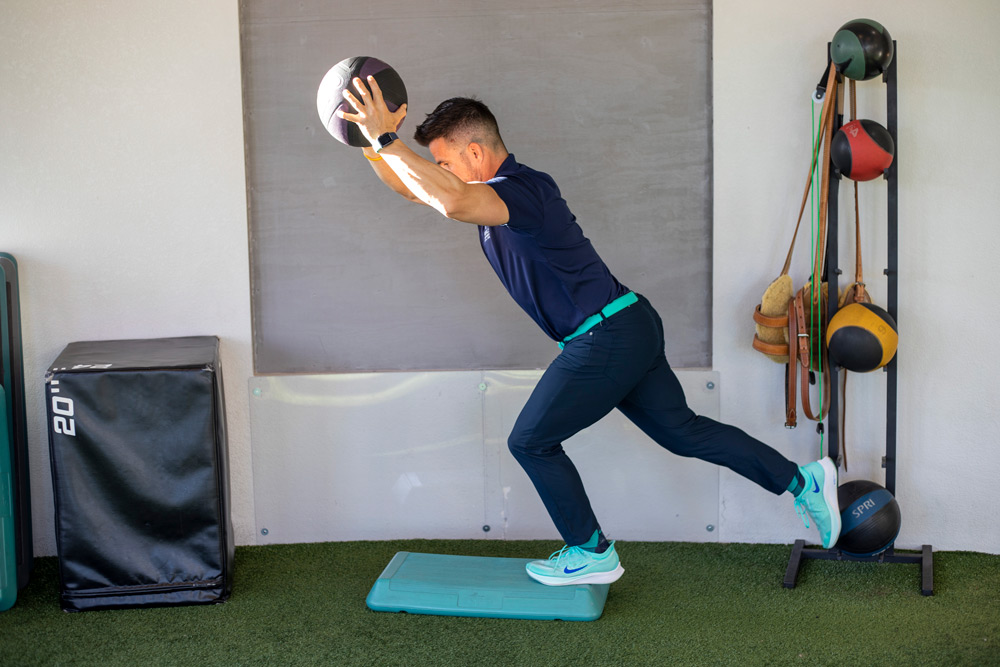
    #3 Work on functional strength. This is difficult due to the reduced time off, but maintaining lower body and core strength throughout the season is a win for injury prevention. Due to the reduced time and fatigue, muscle strengthening exercises are often neglected. Although maximum strengthening should not be performed during this time, it is incredibly important to take 20 minutes twice a week to do single leg strengthening and core exercises to reduce injuries.

    Stay tuned for more posts with a sample mobility program and a sample functional strengthening program that can easily be completed at home in 20 to 30 minutes during the high school season.

    Success equals staying on the field

    As always, athletes cannot be successful for their team if they are not available to be on the field. Injuries can deprive the athlete of time to do what they love, which can be extensive if the injury is severe. It is so important that our athletes take care of their bodies during the most stressful time of the year so that they have the best chance to stay healthy, perform for the high school team and come back even more vital for the second half of the club season . .

    Do you need physiotherapy due to a football injury? A licensed physical therapist from Foothills Sports Medicine can assess the problem with a free injury assessment and develop a treatment plan to prevent future serious damage. Request an appointment at one of our Valley-wide locations. We’re ready to get you back on the field and show you how to prevent future injuries.

    Source link

  • Patient-centered assessment of rheumatoid arthritis using a smartwatch and customized mobile app in a clinical setting

    Study design

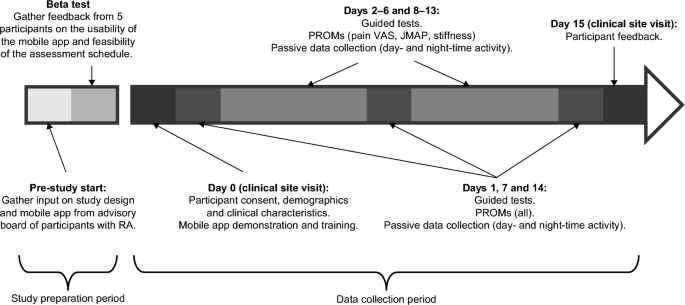
    This was a prospective study among participants with moderate to severe RA and 28 controls, matched for age (± 3 years), gender, and race. A sample size of 60 was chosen to facilitate one-on-one follow-ups. RA and control participants were recruited from the rheumatology clinic and general medical clinic of the Reliant Medical Group (Worcester, Massachusetts). All participants were provided with an Apple Watch Series 4 and an iPhone 7 with a pre-loaded, customized, study-specific mobile application. Personal training was provided by an on-site study coordinator on how to use the devices and application, perform the guided testing, and complete the PRO measures. Participants were required to complete PRO measurements weekly, daily, or twice daily, and guided testing twice daily for 14 days (Fig. 2; Supplementary Table S3). The data was transmitted in near real time to monitor compliance and to allow study coordinators to contact participants to encourage task completion if necessary.

    Figure 2
    Figure 2

    Study design. JMAP joint pain card, BALL patient reported outcome measure, RA Rheumatoid arthritis, VAS visual analogue scale.

    Prior to the start of the study, an advisory board of patients with RA (who did not participate in the study) provided input on the study design and mobile app; This was followed by a beta test over a period of five days, involving five participants with RA, to gather feedback on the usability of the app, the clarity of the instructions and the feasibility of the assessment scheme. Feedback from the beta test included issues remembering how to charge the devices, inconsistent syncing of data with the backend server, and limitations of the iPhone leg strap. In response to this feedback, the training was updated with more specific instructions on when to charge the devices, the software was updated to improve data synchronization, and the leg strap was redesigned, along with a detailed pictorial guide on how to attach it.

    Study objectives

    The following research objectives were investigated:

    1. 1.

      Construct validity: correlations between guided test performance and PRO measure severity.

    2. 2.

      Clinical utility: differences in guided test performance and PRO measure scores between RA and control cohorts.

    3. 3.

      Feasibility: Survey assessment completion rates and Apple Watch wear rates in RA and control cohorts.

    4. 4.

      Repeatability and reproducibility: Changes in guided test performance and PRO measures over time in RA and control cohorts.

    Ethics

    All documentation, including the study protocol, any amendments, and informed consent procedures, was reviewed and approved by the Reliant Medical Group Institutional Review Board. All participants provided written informed consent before any research procedures were undertaken. The study was conducted in accordance with the principles of Good Clinical Practice of the International Committee for Harmonization and the Declaration of Helsinki.

    Selection of participants

    The full list of inclusion and exclusion criteria for participants is included in Supplementary Table S4. Briefly, participants with RA were recruited by physicians from the Reliant Medical Group during a clinical visit if they had a clinically verified diagnosis of moderate to severe RA, with severity assessed using Routine Assessment of Patient Index Data 3 (RAPID- 3; score ≤ 12). : moderate RA; score > 12: severe RA). Controls were outpatients of the Reliant Medical Group and were excluded if they had a previous or current diagnosis of a rheumatologic disease, inflammatory disease, malignancy, or other relevant diseases.

    Study assessments

    The rating scheme and example screenshots of the custom mobile application used to collect the statistics of these ratings are provided in Supplementary Table S3 and Supplementary Figure S3, respectively.

    For the guided tests, the iPhone was used to collect accelerometer and gyroscope data while participants performed predefined guided tests of physical function. The guided exercises are designed using clinical and patient feedback to test aspects of participants’ functionality that are likely to be affected by the symptoms most important to patients with RA (i.e. joint pain, stiffness, fatigue and sleep ).2. Participants were instructed to perform each guided test daily, once in the morning (immediately after waking) and once in the afternoon, to assess change in stiffness throughout the day. The wrist ROM test is described in detail in the PARADE study5. Briefly, while holding the iPhone pointed upward over the edge of a table, participants flexed and extended their wrist joint to the maximum angle (without going outside the comfort zone), repeating the movement for 10 seconds. The test was performed once with both hands. For the sit-to-stand test, participants sat on a chair with the iPhone strapped to their right thigh and their arms crossed over their chest. Then they stood up and sat down five times at their own pace. The average time taken to go from sitting to standing and from standing to sitting was extracted from accelerometer and gyroscope data. For the lie-to-stand test, participants lay on a bed with their legs extended and the iPhone strapped to their right thigh, then stood up on the floor twice at their own pace. The average time taken to transition from lying down to standing and from standing to lying down was extracted from accelerometer and gyroscope data. Other guided tests included the walking test and the 9-hole peg test (ResearchKit; Apple Inc., CA, USA)5. In the walking test, participants were asked to attach the iPhone to their right thigh and walk in a straight line for 30 seconds. In the 9-hole peg test, which measures manual dexterity, participants are asked to use two fingers of their left hand to drag a circular “peg” on the iPhone screen to a “hole” elsewhere on the screen and then two Use fingers of their right hand to remove the pin from the hole. The Apple Watch was also used to continuously collect background accelerometer data to passively measure daily and nightly activity counts, the data of which are not reported in this article.

    PROs were assessed on days 1, 7, and 14 and included the following: Functional Assessment of Chronic Disease Therapy – Fatigue (FACIT Fatigue) to assess fatigue28; HAQ-DI and SF-3629 questionnaires to indicate the impact on the participant’s quality of life24,30,31; Patient-Reported Outcomes Measurement Information System (PROMIS) Pain Interference to assess how pain disrupts participants’ daily well-being, and PROMIS Sleep Disturbance to assess sleep quality32; RASIQ to quantify the severity of symptoms and their impact on the participant4. RA-specific assessments (RASIQ, PGA, stiffness) were not performed in controls.

    Short questionnaires were administered every day, except for morning stiffness, which was administered on days 2–6 and 8–13. Morning stiffness and stiffness severity were assessed based on responses to questions 11, 12, and 13 of RASIQ4. The JMAP recorded the number and severity of painful joints experienced at a given time, from 55 pre-specified joints, displayed on a body map; pain was scored as no pain, mild pain, moderate pain, or severe pain11. Pain VAS assessed the severity of pain on a scale ranging from 0 mm (no pain) to 100 mm (worst pain)33. PGA generally measures how RA affects participants and/or disease activity, using a single-item question and the VAS score34. A global assessment of fatigue over the past 24 hours was measured on a 10-point scale ranging from ‘no fatigue’ (0) to ‘as bad as you can imagine’ (10).

    Guided testing algorithms

    Details of the algorithms for the wrist ROM test, sit-to-stand test, and lie-to-stand test are given in Supplementary Methods S1. An illustrative flowchart of the algorithm for the lie-to-stand test is shown in Supplementary Figure S4 and has been previously reported for the wrist ROM test11.

    Data quality assessment

    Automated and manual data quality assessments were performed throughout the study to ensure that the data analyzed came only from properly conducted tests. The quality control of the wrist test was performed manually, and both manual and algorithmic quality controls were performed for the walking test, the sit-to-stand test, and the lie-to-stand test. Tests that were clearly performed incorrectly were removed from the sample.

    static analysis

    Descriptive statistics were used for demographic and clinical characteristics, PRO measures, and guided testing. Wilcoxon signed-rank tests were used for matched (i.e., participants with RA vs. controls and morning vs. afternoon) and rank-sum tests for unmatched (i.e., participants with moderate vs. severe RA) comparisons. Nonparametric tests were used because a normal distribution could not be assumed due to the small sample size. Trends over time were assessed using univariate mixed effects models, with study day as fixed effect and individual differences as random effects. ICCs were calculated to measure the consistency of guided testing over time for each participant using a two-way mixed effect, single rater, consistency convention; a higher ICC indicated more regular test performance over the study period than a lower ICC. Correlations between PROs and supervised tests were assessed using Pearson correlation coefficients, and one-way ANOVA was performed using the Kruskal-Wallis test by rank, with Mann-Whitney U tests for post-hoc pairwise comparisons. There was no adjustment for multiplicity in this study, and the study was not suitable for hypothesis testing; therefore, Pvalues ​​were used for quantification/descriptive purposes only.

    Source link

  • Fall 2022: MY Personal Rating Accounting

    Fall 2022: MY Personal Rating Accounting

    Here in the Northeastern US, fall is a time of harvest and abundance. A season in which we are naturally led to celebrate the generosity of Mother Earth and a time to collectively take a few deep breaths and give thanks for all that has enriched our lives over the past year.

    Gratitude lists are powerful health-promoting tools that many of us practice every day. However, I also like to do seasonal work “Accounting valuation” and would like to share my Valuation Accounting 2022 with you.

    This accountability is not about the deep appreciation I have for my friends, family, pets, and the entire living world around me. It’s about my appreciation for You, the many thousands in our Better Bones community who have encouraged and encouraged me over the decades to continue to rethink optimal bone health.

    In this modern world, there is so much fiction to be separated from fact, and so much encouragement and hope to be given. Each of you has helped me move forward in my life’s mission to empower women to take charge of their bone and total body health. My decades-long quest to learn more and share more is motivated by each of you, your stories, your successes and your challenges. I appreciate each and every one of you.

    And then there is my staff of brilliant, creative and generous individuals who make it their mission to help support my life’s work. Everything I have been able to accomplish at the Center for Better Bones is due to my dedication and creativity Internal power squad.

    I consider myself one of the luckiest people on earth, because I get to fulfill my life’s mission, motivated by all of you and assisted by a strong, smart, creative team. This Thanksgiving, I fully appreciate all that we – all of us together – have done to fulfill this mission of empowering women. For all of us at the Center for Better Bones, 2022 will go down as a year in which we were able to help more and more women worldwide from fear to empowerment– a year to appreciate indeed.

    So, here’s mine Accounting valuation for 2022:

    1. My team and I managed to deliver again two 4 days in person Better Bones Solution Retreats. One took place at the Art of Living Retreat Center in Boone, NC, and the other just took place at the Kripalu Center for Yoga & Health in Massachusetts. It’s been almost 3 years since we last met in person, so these were super satisfying experiences.
    2. This year we were able to participate in our virtual 4-day event with more than 300 people Better Bones Solution Retreats. Moving our retreats online came out of necessity during the pandemic, but this format has proven to be a blessing as we can help many more people around the world with our virtual retreats.
    3. We have built an extensive community (www.tribe.drsusanbrownphd.com). This tribe is a growing, sharing and learning community. It hosts 8 of my online courses, 4 of which are free. It also serves as a place where individuals can connect to share successes and help each other on their bone health journey.
    4. We are creating The local chapters of the Better Bones Builders. This is a wonderful new avenue for personal connection among our community members. We are now able to empower leaders within our organization Better bones community to organize local meetings where individually Better bones tribe members can talk and work on their bone health goals in person.
    5. I have released my latest book, Natural Bone Health: A Clinician’s Guide. This book is especially important because it responds to my clients and followers who have been asking for years for information to share with their doctors about how to build bone strength naturally.
    6. I joined TikTok and it exploded! We gained 82,000 new friends on TikTok and learned a new way to share health information “tricks” that are fun and innovative.
    7. We have also found a way to offer accurate at-home testing for Vitamin D and Omega-3 levels.
    8. Moreover, we have found a way to do that Better Bones Community Members have access, at their own expense, to the laboratory tests we recommend in our medical research for osteoporosis. This greatly reduces the barriers to understanding your own health information. https://www.betterbones.com/osteoporosis/wat-de-oorzaak-van-uw-osteoporose/.

    I look forward to all the blessings that 2023 brings and to continuing to serve our community as it strives for better bone and body health!

    Dr.  Susan BrownI am Dr. Susan E. Brown. I am a clinical nutritionist, medical anthropologist, writer and motivational coach speaker. Learn my proven 6-step natural approach to bone health in my online courses.


    Source link