Blog

  • Which sports have the most ACL tears?

    Which sports have the most ACL tears?


    Document

    Image by South_agency from Getty Images Signature from Canva Pro

    The greatest risk of anterior cruciate ligament injuries or ACL injuries is for people who participate in sports that involve a lot of changing direction, twisting and jumping.1 Females are 2-8 times more likely to injure their ACL compared to males. Read this blog to learn more about the issue that makes women more likely to tear their ACL. Most ACL injuries occur between the ages of 15 and 45.1

    In which sports do most ACL injuries occur?

    Studies consistently report basketball and football as sports that cause ACL injuries.1,2 However, it is possible to injure the ACL in other sports that require a lot of twisting, cutting (changing direction quickly), jumping and contact sports.1 Female athletes are generally more at risk for ACL injuries.1

    Using data from the National Collegiate Athletics Association (NCAA) Injury Surveillance System (ISS), 5,000 ACL injuries were recorded between 1988 and 2004. Based on this data, sports are ranked below based on the number of ACL injuries. The left side of this table shows the number of ACL injuries that have occurred as a percentage compared to all other injuries in a sport. On the right side of this table the number of ACL injuries registered per 1000 matches and training (also called exposures).

    ACL injuries as a percentage compared to all injuries3 Injury rate per 1000 exposures3
    1. Women’s Basketball (tie) 1. Men’s Spring Football (tie)
    1. Women’s gymnastics (tie) 1. Women’s gymnastics (tie)
    2. Women’s Lacrosse 2. Women’s football
    3. Women’s football 3. Women’s basketball
    4. Men’s Spring Football 4. Men’s football
    5. Men’s football 5. Men’s football
    6. Women’s Softball 6. Men’s wrestling
    7. Women’s volleyball 7. Men’s wrestling
    8. Women’s hockey 8. Men’s football
    9. Men’s wrestling 9. Women’s volleyball
    10. Men’s Basketball 10. Women’s Softball
    11. Men’s football 11. Women’s hockey
    12. Men’s Ice Hockey 12. Men’s Basketball
    13. Women’s Ice Hockey 13. Men’s Ice Hockey
    14. Men’s Baseball 14. Women’s Ice Hockey

    If you have suffered an ACL tear from playing any of the above sports, there is an app, Curovate, to help you with your daily recovery. Curovate offers recovery exercises for ACL injuries and ACL surgery to help you return to the sport you love. Curovate provides your daily physiotherapy exercises, tracks your daily training progress, has in-app chat with a physiotherapist to answer your questions and allows you to measure your knee range of motion with the app. Download Curovate via the links below.

    If you need more tailored help during your ACL injury or ACL surgery, check out our Virtual Physiotherapy page to book your 1-on-1 video session with a physiotherapist.

    acl knee physical therapy 1080x1080 2
    Download it on Google Play

    Other blogs related to ACL injuries:

    References


    Source link

  • You Don’t Look Sick – Living With Rheumatoid Arthritis: DAY 2 IN YOSEMITE

    Got ready early this morning to go to Yosemite Valley. I got in my car and drove for miles along route 140 which brought me to the entrance to Yosemite National Park. I was supposed to meet my guide Paola at 9am for a half day of walking. We started our day by visiting a beautiful riverbed and sitting down and meditating. It was wonderfully close to the water and looked out on granite mountains with trees. After our meditation we went for a walk (isn’t it just walking?) and I saw a waterfall, Half Dome, Sentinel, and walked through a meadow. The only animals I saw were a family of ducks swimming in the water. I tested the water and it was very cold. The meadow we walked through had grass as high as my hips with goldenrod and milkweed. It was a very beautiful day. Paula was very patient and took me to many places to get the best photo.

    AVvXsEgnU8t60DwkqSr2 hUklO pvdaVDW5Y2GGVf9icR8wT8LJRyqQQXgLiz2l9yb3YQhRoqabUKvC4ewyLmi1oxxcLaoOFf7zFJl uPQ7gt7a5p0pg Pq5Kbuz6ZNvGuGiGsXUaQXyNxnGnqKUwKKpItNjMu9H CSBQRX6gRKr145DQBr8NReEHQPJYsSbZ2E

    AVvXsEhiPnIX rpjrZvtOeFiTji DKa978EGbFH2G9156kUEMFctiheV6hn 6C0xhMDNzKcDJHaLm6ISG 8SFkiRuQZfU1 ki89VIlV8jP1RGPKLFXrhCnB0hhn6yREMx4zJ fX9jlDFgPWrNP85ektSHomT d5dqbFQ f6fIyc5NJrRvs9eJMfPF WGFetHwgs

    AVvXsEj3Zvq CJU6R Z sX WKh0yzN JQnHqm0T5kropuigGyamgjbdVQsYfseTDy HpqvnJivQeUB5wsmA8RSaDemVKjItNgRQYryqRQiV86Z MBRXzxn17ytFc8C12Q25MUNoox wbedjH ilt

    AVvXsEhfaqcccGx ReWnPLLWwB18IGfe3e6m4FVXnNV3xvy wunFZl4vGo7IxB4FOBwT h68 EqIL2Dgt aCwJoOeranWpgWWSfozXGS SCCdeeEyM4o61KkF39 0h1heDQYJh uEqgaIy7p38Z1u

    AVvXsEhbFhAK76JuFBVHJqqXATDp3uv08 eX4F1tIWGPSF NS dadS7oc35gpS9vpjKAEMLkFWUrEpN8ir SUlQD5jgMQiVza1uLwmB4tekA2IZMD9B7C EaO MWKBx5Ss9VX7G1K94 rJ2lf8BLYIVTLtNJRGQRGYyeBwL8PYMx

    After driving back to the hotel, I had an appointment for a bath. It was great for the first 15 minutes. Then I started getting a stabbing feeling in my lower back and my leg. I got out of the bath and the spots were red. Thinking I was being bitten by something, I came home and took a shower. Then I applied some antiseptic to the areas. Turns out it may have been a reaction to the eucalyptus in the tub. Three hours later and it’s gone.

    I met my meditation group online and did a healing meditation. Then I went to the restaurant for dinner. I’m so full.

    That was day 2. I contacted Lucky and she is starting to enjoy watching football on TV. Never too late to start a new hobby!

    See you tomorrow…

    Source link

  • Are you at risk of vulnerability?  New study offers hope for older adults

    Are you at risk of vulnerability? New study offers hope for older adults

    A meta-analysis published in 2021 provides compelling evidence that physical activity interventions positively impact the health and well-being of frail and pre-frail older adults.

    Frailty is a somewhat loosely defined condition, which complicates research into effective interventions. In general, it describes a state of increased fragility that can accompany aging.

    Today we delve into these complexities to better understand how we can prevent frailty and the associated negative health consequences of aging.

    Defining vulnerability and pre-vulnerability

    Frailty is a clinically diagnosable condition in which an older adult is at increased risk for poor health outcomes, including falls, hospitalization, and mortality. Although frailty is clinically recognized, there is no universally accepted measure for its diagnosis.

    In 2001, a group of researchers from the Center on Aging and Health at the John Hopkins Medical Institution proposed that to be considered frail, a patient must meet three of five diagnostic criteria: low grip strength, low energy, slowed walking speed, low physical condition. activity and/or unintentional weight loss.1

    Pre-frailty refers to a condition in which a person is at risk of developing frailty. An older adult who meets only one or two of the diagnostic criteria listed above may be considered pre-frail.

    A peer-reviewed scientific article published in the Cork Open Research Archive in 2021 provided a consensus statement from 23 experts on pre-frailty. These experts agreed that pre-frailty can be caused by physical, cognitive, nutritional, social and socio-economic factors.2

    They agreed that pre-frailty is both preventable and reversible, and emphasized the need for health professionals to monitor patients and recommend timely interventions.

    Short content

    Frailty is a condition in which older adults are at increased risk for poor health outcomes, including falls, hospitalizations, and mortality. Diagnostic criteria include low energy, slowed walking speed, low physical activity, and/or unintentional weight loss. Pre-frailty is a state in which one is at risk of developing frailty. Experts agree that pre-frailty is both preventable and reversible with timely interventions.

    How to prevent or reverse vulnerability

    A meta-analysis published in 2021 analyzed 26 studies involving 8,022 pre-frail and frail older adults. Each of the studies measured the impact of a physical activity intervention on participants’ health outcomes.3

    The reviewers included studies that measured different types of physical activities, including muscle strengthening, aerobics, mobilization and rehabilitation, and combinations of aerobic and strengthening exercises.

    The researchers noted that only a few studies used frailty as an outcome, and that the inconsistent application of these methods made the study results inconclusive. Despite that uncertainty, the study authors observed positive effects on participants’ health outcomes after physical activity interventions.

    The researchers included the following in the conclusion of their article:

    “Our study demonstrated a significant benefit of several types of physical activity interventions on selected outcomes, including mobility, ADLs, cognitive functioning, quality of life and frailty, compared to control groups in frail adults aged 65 years or older. Effect sizes ranged from small to large, with low to moderate certainty of evidence. When we looked at all physical activity interventions together, there was a large effect on frailty, a medium effect on quality of life, ADLs and mobility, and a small effect on cognitive functioning.”3

    The main conclusion is that interventions involving physical activity can positively influence several health outcomes, including frailty.

    Short content

    A meta-analysis of 26 studies found that physical activity had a positive impact on a variety of health outcomes among older frail and pre-frail research participants.

    Frailty, pre-fragility and bone health

    Frailty has a direct relationship with bone health. Outcomes of frailty, such as increased risk of falls, decreased physical function, and sarcopenia, threaten bone health. Sarcopenia is the loss of muscle mass. It harms the body’s ability to build new bone because bone adds mass in response to the tension exerted by the muscles.

    Pre-frailty may carry the same risks. Fortunately, prevention and reversal are possible, according to the 2021 consensus statement on pre-frailty. These experts stated:

    “Pre-frailty can be reversed or mitigated through targeted interventions, including physical activity, nutritional interventions, healthy lifestyle and social participation, tailored to the individual.”2

    These intervention strategies will sound familiar to Savers, as they form the pillars of the Osteoporosis Reversal Program. The overlap strengthens confidence in the Save Institute and illustrates the links between frailty, pre-frailty and bone health.

    It’s also great news for those already using the ORP to pursue healthier bones; The same interventions that the ORP uses to build strong bones will help prevent or reverse the components of frailty and pre-frailty.

    Short content

    The consequences of frailty threaten bone health, including the risk of falls, reduced physical function and muscle loss (sarcopenia). Pre-frailty is a predictor of the same risks, but experts agree it can be reversed and prevented through interventions such as physical activity, diet and lifestyle changes. These are the main strategies used by the Osteoporosis Reversal Program.

    What this means for you

    Regular physical activity is essential, both for preventing frailty and building strong and healthy bones.

    The Save Institute responded to the need for accessible, adaptable, and easy to maintain exercise programs by creating SaveTrainer. SaveTrainer is a digital platform for creating your ideal set of physical activities, guided by professional trainers and tailored to your exact needs and abilities.

    Whether you’re interested in yoga flows, strength training, guided meditations, aerobic workouts or a combination of these: SaveTrainer offers all this and more. Because it’s all online, it’s available to you anywhere, anytime, without restrictions.

    You have the power to adopt healthy activity habits that will keep your body, mind, and bones strong and long-lasting. Embrace your power and live your life to the fullest.

    References

    1 https://pubmed.ncbi.nlm.nih.gov/11253156/

    2 https://cora.ucc.ie/server/api/core/bitstreams/6dd8443a-1f49-4744-9727-04169dfd768b/content

    3 https://www.ncbi.nlm.nih.gov/pmc/articles/PMC8315283/


    Source link

  • Researchers suggest a new approach to testing treatments for osteoarthritis

    Researchers suggest a new approach to testing treatments for osteoarthritis

    Osteoarthritis (OA) is the most common form of arthritis and is one of the top 10 conditions that contribute to the number of years lived with a disability – a measure that reflects the impact a disease has on quality of life before it disappears or leads to death. To date, no treatments have been approved that slow the progression of the disease. The development of treatments has been frustrating in part because animal models of disease caused by joint trauma poorly reflect the human disease, which usually occurs over many years and without prior trauma.

    Researchers from Boston University Chobanian & Avedisian School of Medicine now propose to study individuals after they suffer knee trauma, such as anterior cruciate ligament (ACL) tears.

    “Given the repeated, expensive, and discouraging past failures in developing effective treatments for osteoarthritis, a new approach is needed that focuses research for effective treatments on people with early disease,” said corresponding author David T. Felson , MD, MPH, professor of medicine and epidemiology at the School of Medicine and Boston University School of Public Health.

    While most patients recover after sustaining a serious joint injury, such as an ACL tear, some experience persistent pain and develop osteoarthritis. Felson suggests that sufficient numbers of such patients exist and can be identified in advance to form a risk group in which treatments to prevent disease can be tested.

    Current treatment options that reduce joint pain, such as nonsteroidal anti-inflammatory drugs (NSAIDs), are successful in some patients, but their use is limited by their toxicity. Exercise or weight loss are effective, but long-term compliance is poor. The number of total knee replacement surgeries is rising rapidly, indicating that nonsurgical treatments have not successfully alleviated patients’ pain and disability.

    Researchers from BU and Cleveland Clinic reviewed data from the MOON (Multicenter Orthopedic Outcomes Network) cohort, a group of 2,340 individuals who underwent ACL reconstruction (ACLR) after traumatic tears. The MOON researchers reported that 26% of ACL reconstruction patients who responded had at least moderate knee pain with daily activities, especially climbing stairs and walking. They also found that 16.6% had a KOOS (Knee Injury and Osteoarthritis Outcome Score) pain score of less than 80 (scale 0-100 with 100 being no pain), indicating that mild to moderate pain is not rare after ACLR.

    By using the MOON risk factors – which include pain and structural changes in all joint tissues, especially cartilage loss – to select individuals at high risk for subsequent pain, they were able to create a cohort at high risk for substantial post-ACLR pain . “This approach offers the potential to prevent disease and is especially valuable in targeting young adults who, following a knee injury, may have significant joint pain and disability for years before they are considered for joint replacement,” he adds.

    These findings appear online in the Annals of the rheumatic diseases.

    Funding for this study was provided by the Arthritis Foundation and by the National Institutes of Health (NIH P30 AR072571).

    Source link

  • Turning the Page to Good Bone Health – Bone Talk

    Turning the Page to Good Bone Health – Bone Talk

    shutterstock 143247136 3

    October isn’t just the month of falling leaves and pumpkin-spiced lattes; it’s also National Book Month! Like a well-written novel, our bones have their own story, and it’s up to us to make sure it’s a story of strength and resilience.

    The prologue: family history

    Knowing whether there is a history of osteoporosis or fractures in your family can provide valuable insight your own risk factors. Genetics plays an important role, and a family history of these conditions can increase your susceptibility. By recognizing this family bond, you can take proactive steps to protect your bone health through lifestyle choices, regular checkups and early screenings. This knowledge will allow you to create a healthier story for yourself and potentially break the cycle of bone health problems, ensuring a stronger, more resilient future.

    Chapter 1: Building a solid foundation

    Every great book starts with a strong opening chapter, and your journey to bone health is no different. You need to lay the foundation for strong bones early in life. Childhood is the crucial period for bone building that is the cornerstone for lifelong skeletal health. This phase is crucial because our body builds up bone mass more quickly peak bone mass usually reached in the late teens or early twenties. It’s the time when the choices we make in diet, physical activity and overall lifestyle have a significant impact on our skeletal strength for years to come. Neglecting this critical period can lead to weaker bones, making people more susceptible to fractures and conditions such as osteoporosis as they get older. That’s why focusing on bone health during childhood is a long-term investment in a healthier and more active future.

    Chapter 2: The main characters

    In the literary world, characters drive the plot forward, and in the world of bone health calcium and vitamin D play leading roles. These essential nutrients help your bones stay strong and resilient. Just like finding the perfect cast for a movie adaptation, be sure to include dairy products, leafy greens, and fortified foods in your diet to get your daily dose of calcium and soak up the sun for vitamin D. Other nutrients such as vitamin C, vitamin K, potassium and magnesium also play an important role.

    Chapter 3: The Plot Twist

    Osteoporosis is a bone-weakening condition that can sneak up on you like an unexpected twist in a mystery novel. The disease causes a gradual weakening of bone density and quality, making them more vulnerable. Over time, this imbalance can lead to porous, brittle bones, increasing the risk of fractures, especially in the hip, spine and wrist. Osteoporosis often progresses without symptoms until a rupture occurs, earning it the nickname “the silent disease.” Talk to your healthcare provider about when to get a bone density test, especially if you’re at risk.

    Chapter 4: Making choices

    In literature, characters often face challenges and have to make life-changing decisions. Likewise, in the quest for good bone health, you have the power to make positive choices. Regular physical activity, including weight-bearing exercises and strength training, can help keep your bones strong and resilient. Also consider your lifestyle choices: avoid excessive caffeine and soft drink consumption, and don’t forget the importance of: good night.

    Chapter 5: Aging gracefully

    As we reach the final chapter of our bone health story, it’s essential to remember that aging is a natural part of life, like the closing words of a beloved book. With proper care and attention, you can age gracefully and maintain good bone health. Please note how menopause and hormonal changes can affect your bone density. Continue to eat well, stay active, and consult your doctor for advice on supplements or medications if necessary.

    Epilogue: The joy of reading

    Just as a well-written book can transport you to different worlds, a healthy body can take you on countless adventures. In the words of Louisa May Alcott, “She loves books too much, and it has changed her brain.” Well, you can never love good bone health more! And if you like books on cassette or podcasts, consider it to coordinate to develop health-related content that you can learn while reading or listening. As we celebrate National Book Month, remember that your bone health story is one you can influence, shape and improve. Let your journey be a page turner full of strength, resilience and a happy ending. After all, the story of your bones is a story worth telling and living to the fullest.

    Recommended reading list

    Source link

  • Find out how your ACL recovery is going

    Find out how your ACL recovery is going

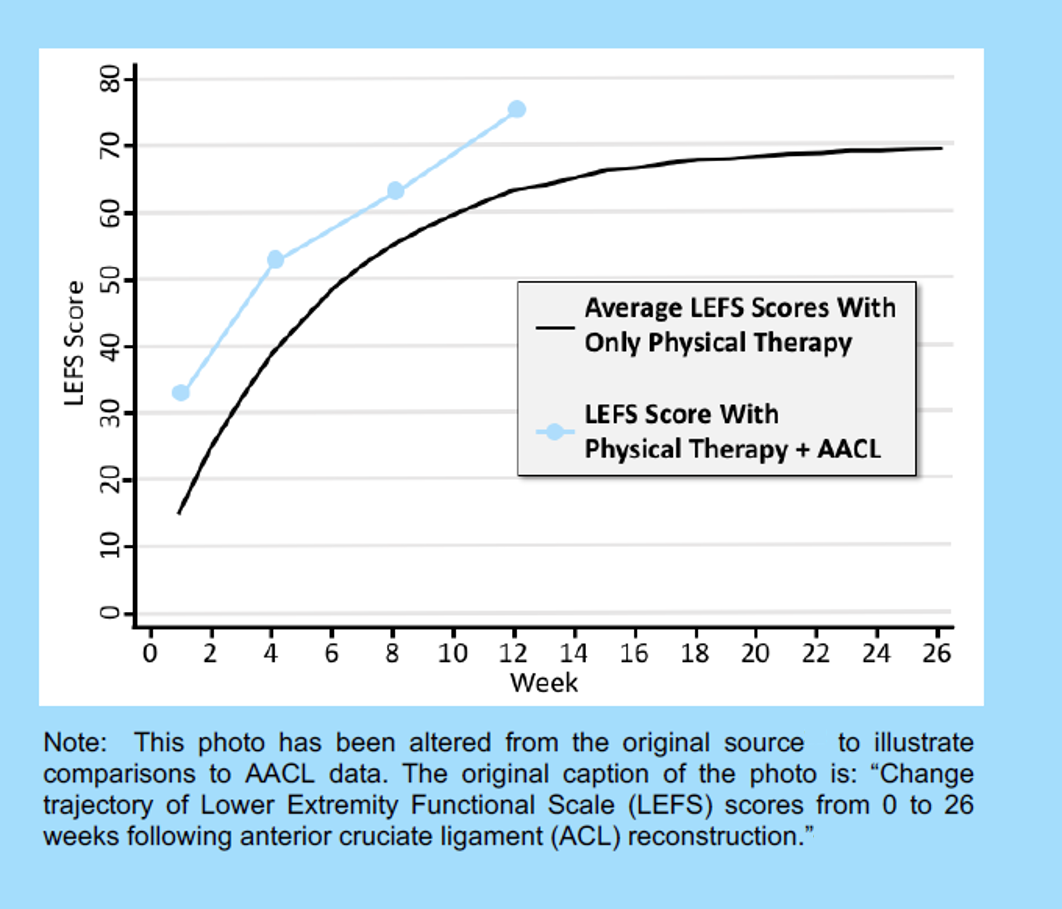
    For example, twelve weeks later one of our clients, a 39-year-old CrossFit athlete named Josh, scored a 75/80 on the LEFS. Comparing this result to the graph, he is almost 20% ahead of the average ACL recovery.

    His PT was extremely impressed with his progress and offered the following thoughts:

    By combining my physical therapy care with Accelerate ACL protocols at home, my patient experienced an increase in range of motion, increase in strength, and an overall decrease in pain. Three months postoperatively, his daily functional activity scores were 94%. He has set a new standard for our ACL recovery.”

    Remember, this is just one example. Other athletes may find that they fall a little below the curve. That’s okay – keep working at it and you’ll get there. Ultimately, we hope you can use this information to start a conversation with your doctor, PT, or trainer about where you are in the ACL recovery process. As is the case with most things in life, try not to be ‘too high’ or ‘too low’ about what the score is telling you.

    No matter what happens, your goal for tomorrow is the same. Be consistent, stay disciplined in your approach and work hard.


    Source link

  • CORRECTION: The Board of Directors of Bioretec Ltd has decided on a new option program 2023-1

    CORRECTION: The Board of Directors of Bioretec Ltd has decided on a new option program 2023-1

    TAMPERE, Finland, October 20, 2023 /PRNewswire/ — “CORRECTION: Bioretec Ltd is correcting the company announcement published today, October 20, 2023, at 1:00 PM. There was an error in the English version of the release. According to the English version of the press release, the subscription price for a share subscribed with one option right was EUR 2.48. The correct subscription price is 2.84 euros per share. This corrected subscription price has been updated to the announcement below and the attached option plan document 2023-1.

    The Board of Directors of Bioretec Ltd decided on October 20, 2023, based on the authorization received from the annual general meeting of the company on May 26, 2023, to introduce a new option program as an incentive scheme for the employees, consultants and members of Bioretec Ltd. the Key Opinion Leader group of the company and its subsidiaries. There is a compelling financial reason for issuing option rights, as the option program is part of the incentive and commitment program of the employees, consultants and members of the Key Opinion Leader group of the company and its subsidiaries.

    A total of up to 1,000,000 option rights will be issued, entitling their owners to subscribe to a total of up to 1,000,000 new shares of the company. The option rights are issued free of charge. Based on the option rights, shares can be subscribed as follows:

    • 25% of the option rights granted to the holder of the option right: The subscription period for shares starts on the first anniversary of the decision of the Board of Directors to grant the option rights to the holder of the option right;
    • the remaining 75% of the option rights given to the option right holder: The share subscription period begins monthly in installments of 1/36th per month on the last day of each month, such that the share subscription period for the first 1/3 The 36th installment commences on the last day of the month following the first anniversary of the decision of the Board of Directors to grant the option rights to the holder of the option right.

    The subscription period for the shares ends on December 31, 2029.

    After any subscriptions to shares, the shares subscribed for with option rights to be issued will amount to a maximum of approximately 4.9% of all shares and votes of the company. As a result of the subscriptions for shares with option rights, the number of shares in the company can increase by a total of up to 1,000,000 shares.

    The subscription price for a share subscribed with one option right is EUR 2.84, which is the trading volume weighted average quotation of the share on Nasdaq Helsinki Ltd, maintained Nasdaq First North Growth Market Finland marketplace from July 19, 2023 to 19 October 2023, increased by 10%.

    The subscription price for the shares will be added to the company’s reserve for invested unrestricted equity. The amount of dividends and distribution of assets per share paid will be deducted from the subscription price of the shares.

    The theoretical market value of one option right is approximately €1,283 and the theoretical market value of all option rights together is approximately €1,283,357. The theoretical market value of an option right has been calculated using the Black & Scholes valuation model for stock options with the following input factors: valuation date October 19, 2023, share price EUR 2.45, share subscription price EUR 2.84, risk-free interest rate 3.46%, term of option rights 6.21 years and volatility 55.17%.

    The target group of the stock option plan includes approximately 35 people. The terms and conditions of the option program are attached to this announcement.

    Other questions

    Timo Lehtonen, CEO, +358 50 433 8493
    Johanna Salko, CFO, +358 40 754 8172

    Certified advisor

    Nordic certified advisor AB, +46 70 551 67 29

    Information about Bioretec

    Bioretec is a global Finnish medical device company that continues to pioneer the use of biodegradable orthopedic implants. The company has built up unique competencies at the biological interface of active implants to improve bone growth and accelerate fracture healing after orthopedic surgery. The products developed and manufactured by Bioretec are used in approximately 40 countries worldwide.

    Bioretec is developing the new RemeOs™ product line based on magnesium alloy and hybrid composite, introducing a new generation of strong biodegradable materials for improved surgical results. The RemeOs™ implants are absorbed and replaced by bone, eliminating the need for removal surgery and facilitating fracture healing. The combination has the potential to eliminate the need for titanium implants and help clinics achieve their Value-Based Healthcare goals while focusing on value for patients through efficient healthcare delivery. The first market authorization for the RemeOs™ product was received in the US in March 2023, and in Europe the CE mark is expected to be received in the first quarter of 2024. Bioretec is positioning itself to enter the over $7 billion addressable global orthopedic trauma space. market and become a game changer in the surgical treatment of bone fractures.

    Better Healing – Better Living. www.bioretec.com

    The following files are available for download:

    SOURCE Bioretec

    Source link

  • Top health benefits of walking on earth

    Top health benefits of walking on earth

    “The foot feels the foot when it feels the ground.” – The Buddha

    Now that winter is finally over – after what seems like forever – more and more of us are going outside and being active. It is a time when I like to go for a walk and watch the world awaken from its long sleep.

    Walking is one of the most useful exercises we have because it offers us So many important health benefits, as listed by many, many studies:

    • Even one hour per week at an average pace reduces the risk of hip fracture by 6% in postmenopausal women, while at least four hours of walking per week is associated with a 41% lower risk of fracture (Feskanich et al., 2002).
    • Walking reduces the tendency for high blood pressure, the risk of blood clots and stroke, and multiple cardiovascular risk factors (Murtagh et al., 2015).
    • In older adults, more walking correlates with a lower risk of depression and a higher quality of life (Arrieta et al., 2018).
    • Brisk walking improves oxygen intake, cardiovascular fitness and muscle tone while alkalizing the body.

    But I would say that simply hopping on a treadmill for 10 to 15 minutes every other day, while providing all these benefits and more, somewhat misses the point. To walk outdoors gives us the chance to reconnect with the world around us – ideally in a soothing natural setting such as a park or trail, or at least a tree-lined sidewalk. Research shows that people who walk in parks tend to gain more benefits because they have fewer interruptions when walking due to traffic or other hazards to overcome [Sellers et al., 2012]).

    When we walk outside, we can enjoy the wind, the rain, the sun, the leaves – everything the world has to offer. And it reconnects us ourselves in a very useful way: walking upright on two legs is the trait that defines human ancestry. Although today we are more accustomed to sitting than standing, regular walking on two legs is considered a unique human trait. Taking the time to walk—to put our feet on the ground and feel them, as the Buddhist saying goes—can offer us a kind of inner realignment that few other methods of practice offer.

    As we approach summer, we have the opportunity to celebrate all the positive things that walking brings us. If you can, take that opportunity in a park or garden path; let your feet touch the ground, aware of all the good that walking in the open air can bring you.

    But if you can’t, don’t worry! It doesn’t matter how you want to do it – in groups, alone, fast or slow, listening to music or meditating – just walk. Do it on a regular basis. Do it 30 minutes a day, add some weight from a weighted vest or weighted belt for even more impact and your bones and entire body will thrive.

    References

    Arrieta H, Rezola-Pardo C, Echevarria I, et al. Physical activity and fitness are associated with verbal memory, quality of life, and depression among nursing home residents: preliminary data from a randomized controlled trial. BMC Geriatr. March 27, 2018;18(1):80. doi:10.1186/s12877-018-0770-y.

    Feskanich D1, Willett W, Colditz G. Walking and leisure activities and risk of hip fracture in postmenopausal women. JAMA. November 13, 2002; 288(18):2300-2306.

    Murtagh EM, Nichols L, Mohammed MA, et al. The effect of walking on cardiovascular disease risk factors: an updated systematic review and meta-analysis of randomized control trials. Previous Med. March 2015; 72:34-43.

    Sellers CE, Grant PM, Ryan CG, et al. Taking a walk in the park? A crossover pilot trial comparing brisk walking in two different environments: park and city. Previous Med. 2012 Nov;55(5):438-43.

    Dr.  Susan BrownI am Dr. Susan E. Brown. I am a clinical nutritionist, medical anthropologist, writer and motivational person speaker. Learn my proven 6-step natural approach to bone health in my online courses.


    Source link

  • The story of chronic traumatic encephalopathy is not as simple as it seems

    The story of chronic traumatic encephalopathy is not as simple as it seems

    Neuropathological and clinical findings in young contact athletes exposed to repetitive head impacts

    McKee AC, Mez J, Abdulmohammad B, et al. JAMA Neurology. Published online 2023. doi:10.1001/jamaneurol.2023.2907
    Full article available for free

    Take home message

    Less than half of young adults exposed to repetitive head impacts through sports and who suffered from mental health and cognitive disorders before death met clinical criteria for a diagnosis of chronic traumatic encephalopathy (CTE). Other factors may contribute to CTE-like symptoms in this group.

    Background

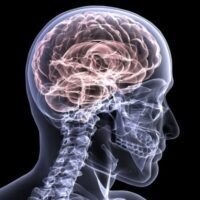
    The sports community is increasingly concerned about the long-term consequences of repetitive head impacts (e.g. CTE). CTE can cause cognitive impairment, mental health problems and mood disorders. Very few studies have examined the presence of CTE in a large group of young adults, which could provide insight into CTE in former youth athletes without other age-related brain changes.

    Study aim

    The authors sought to understand the pathological brain changes and symptoms of former contact athletes under the age of 30 at death.

    Methods

    The authors used donated brains from 152 young individuals (13 to 29 years) with a known history of repeated head impacts. These brains come from the Brain Bank Understanding Neurologic Injury and Traumatic Encephalopathy (UNITE). Researchers contacted next of kin to conduct cognitive and mental health assessments of the donor. A team of four neuropathologists diagnosed CTE or other neurodegenerative diseases based on established evaluation criteria.

    Results

    Overall, based on the 152 brain samples, 41% of donors had CTE. Of these, all but three brains had only mild CTE. Older donors and former American football athletes with a longer history of participation in contact sports were more likely to develop CTE. Clinical cognitive and mental health problems were common among participants regardless of CTE diagnosis.

    Viewpoints

    The authors found that ~41% of people under the age of 30 with a history of contact sports and cognitive and mental health problems have CTE. Thus, for individuals under age 30 at death, their cognitive and mental health problems may be caused by something other than CTE (e.g., life stressors, genetics, and other underlying mental health problems). It is important to avoid applying these findings to the broader athletic population because most, if not all, brains were donated due to observed pathology before death. Additionally, this study group was predominantly male (93%) and white (73%), further limiting interpretation.

    Clinical implications

    In practice, this research suggests that CTE may be just one of many causes of cognitive and mental health problems after exposure to repetitive head impacts through sports. As a result, physicians must be prepared to support patients with mental health needs and promote timely referral to mental health professionals for further care. We must also educate our patients that not all cognitive and mental health problems in athletes are due to CTE and that it remains unknown how many people have CTE among those with or without a history of sports participation.

    Questions for discussion

    What other factors may contribute to CTE-like symptoms in former contact athletes? What experiences have you had with former/current athletes suffering from CTE or CTE-like symptoms?

    related posts

    1. Few definitive CTE cases have been detected with and without history of brain injury and collision sports
    2. Most military service members don’t have to worry about CTE
    3. Treatable conditions should be explored in former athletes with CTE-like symptoms

    Written by Cade Watts
    Reviewed by Jeffrey Driban

    9 EBP CEU courses

    Source link

  • What causes carpal tunnel?  – Bone and joint specialists

    What causes carpal tunnel? – Bone and joint specialists

    Carpal tunnel treatment

    Carpal tunnel, also called carpal tunnel syndrome, is a condition that affects the connective tissue and joints of the wrist. It can cause tingling, numbness, weakness, pain and even swelling. You’ve probably heard of carpal tunnel syndrome and its connection to things like typing or using a computer for too long. However, carpal tunnel syndrome is much more complex than that. Let’s explore the common causes of carpal tunnel syndrome so you understand your carpal tunnel treatment options.

    What causes carpal tunnel?

    To understand why these different things cause carpal tunnel syndrome, it’s best to understand what causes the symptoms to occur. Carpal tunnel occurs when pressure is placed on the median nerve. Pinching or compressing these nerves leads to the symptoms people are familiar with. Irritating or inflaming the surrounding connective tissue causes the tissue to swell. This can compress the median nerve. Basically, the cause of carpal tunnel is anything that irritates the connective tissue surrounding the median nerve. Let’s look at the most common causes of that irritation.

    Sex

    As a woman, you are biologically susceptible to carpal tunnel syndrome. This is because the area through which the median nerve passes is much smaller compared to men. This allows irritated tissue to compress the nerve more easily.

    Injury

    Any type of injury, such as a wrist fracture, drastically increases your chance of experiencing carpal tunnel. This is because the connective tissue is probably already inflamed or swollen. You will likely experience carpal tunnel due to a wrist injury, especially if you further irritate the wrist.

    Repetitive wrist movements

    Repetitive wrist movements can place disproportionate pressure and strain on a particular ligament or tendon in your wrist. This leads to irritation for extended periods of time and can compress the median nerve. This is where the stereotype of typing or using a mouse causing carpal tunnel comes from. It is entirely possible to develop carpal tunnel from using a mouse and keyboard for extended periods of time.

    Seek treatment

    Carpal tunnel often goes away on its own over time. However, chronic carpal tunnel may be present if the irritation persists. Fortunately, our staff at the Bone and Joint Specialists can help you with carpal tunnel treatment. Our team of doctors consists of experts in their field who can help you determine the cause of your wrist irritation and treat it at the source. If you are suffering from carpal tunnel, contact Bone and Joint Specialists today at 219-795-3360.

    Source link