walking BB Blog 4 20
|

Top health benefits of walking on earth


“The foot feels the foot when it feels the ground.” – The Buddha

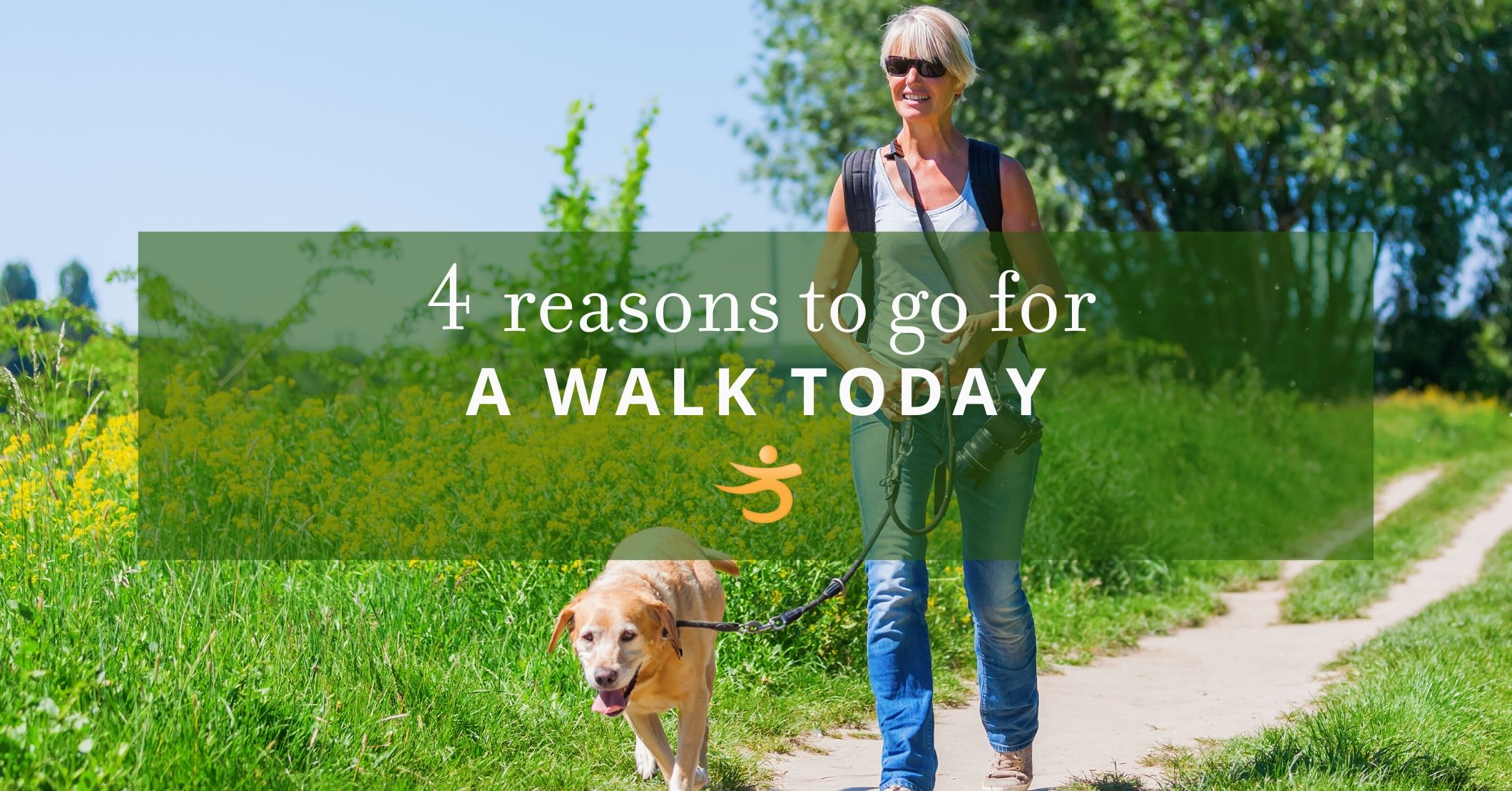
Now that winter is finally over – after what seems like forever – more and more of us are going outside and being active. It is a time when I like to go for a walk and watch the world awaken from its long sleep.

Walking is one of the most useful exercises we have because it offers us So many important health benefits, as listed by many, many studies:

  • Even one hour per week at an average pace reduces the risk of hip fracture by 6% in postmenopausal women, while at least four hours of walking per week is associated with a 41% lower risk of fracture (Feskanich et al., 2002).
  • Walking reduces the tendency for high blood pressure, the risk of blood clots and stroke, and multiple cardiovascular risk factors (Murtagh et al., 2015).
  • In older adults, more walking correlates with a lower risk of depression and a higher quality of life (Arrieta et al., 2018).
  • Brisk walking improves oxygen intake, cardiovascular fitness and muscle tone while alkalizing the body.

But I would say that simply hopping on a treadmill for 10 to 15 minutes every other day, while providing all these benefits and more, somewhat misses the point. To walk outdoors gives us the chance to reconnect with the world around us – ideally in a soothing natural setting such as a park or trail, or at least a tree-lined sidewalk. Research shows that people who walk in parks tend to gain more benefits because they have fewer interruptions when walking due to traffic or other hazards to overcome [Sellers et al., 2012]).

When we walk outside, we can enjoy the wind, the rain, the sun, the leaves – everything the world has to offer. And it reconnects us ourselves in a very useful way: walking upright on two legs is the trait that defines human ancestry. Although today we are more accustomed to sitting than standing, regular walking on two legs is considered a unique human trait. Taking the time to walk—to put our feet on the ground and feel them, as the Buddhist saying goes—can offer us a kind of inner realignment that few other methods of practice offer.

As we approach summer, we have the opportunity to celebrate all the positive things that walking brings us. If you can, take that opportunity in a park or garden path; let your feet touch the ground, aware of all the good that walking in the open air can bring you.

But if you can’t, don’t worry! It doesn’t matter how you want to do it – in groups, alone, fast or slow, listening to music or meditating – just walk. Do it on a regular basis. Do it 30 minutes a day, add some weight from a weighted vest or weighted belt for even more impact and your bones and entire body will thrive.

References

Arrieta H, Rezola-Pardo C, Echevarria I, et al. Physical activity and fitness are associated with verbal memory, quality of life, and depression among nursing home residents: preliminary data from a randomized controlled trial. BMC Geriatr. March 27, 2018;18(1):80. doi:10.1186/s12877-018-0770-y.

Feskanich D1, Willett W, Colditz G. Walking and leisure activities and risk of hip fracture in postmenopausal women. JAMA. November 13, 2002; 288(18):2300-2306.

Murtagh EM, Nichols L, Mohammed MA, et al. The effect of walking on cardiovascular disease risk factors: an updated systematic review and meta-analysis of randomized control trials. Previous Med. March 2015; 72:34-43.

Sellers CE, Grant PM, Ryan CG, et al. Taking a walk in the park? A crossover pilot trial comparing brisk walking in two different environments: park and city. Previous Med. 2012 Nov;55(5):438-43.

Dr. Susan BrownI am Dr. Susan E. Brown. I am a clinical nutritionist, medical anthropologist, writer and motivational person speaker. Learn my proven 6-step natural approach to bone health in my online courses.
Source link

Similar Posts

  • |

    Driving after knee surgery

    What’s the one thing nearly 1.5 million Americans who had a procedure in 2022 desperately want to know? For most, it’s about reclaiming their independence and getting back to their normal routine. We recognize that a total joint replacement is a major event. It significantly impacts your daily mobility and overall sense of freedom. It’s completely natural to look forward to resuming all your regular activities once the operation is complete. driving after knee surgery Our goal is to equip you with clear, reliable information to navigate your healing journey safely. Understanding your personal recovery timeline is not just about convenience—it’s crucial for ensuring the safety of everyone on the road. We will explore the critical physical and mental factors that determine true readiness. This knowledge helps you make informed decisions alongside your medical team. Key Takeaways Regaining the ability to operate a vehicle is a common and important milestone after a major orthopedic procedure. Safety for yourself and others is the paramount concern when considering a return to this activity. Your specific recovery timeline is unique and depends on multiple factors, including which leg was operated on. Medication use, muscle strength, and pain levels are all critical indicators of your readiness. Consulting with your surgeon for a personalized assessment is an essential step before you resume. Being patient with your body during the healing process leads to better long-term outcomes. Planning for assistance with transportation in the initial weeks post-procedure is highly recommended. Understanding Knee Replacement and Recovery Robotically assisted surgery is revolutionizing how patients recover from joint procedures. Specialists like Dr. Jacob in Oklahoma City utilize these minimally invasive, rapid recovery techniques. Their goal is to help individuals return to their daily activities with less discomfort. What Is a Knee Replacement? A total knee replacement, or arthroplasty, is a highly successful procedure. It involves removing damaged tissue and bone from the joint. Surgeons then replace them with durable artificial components. This replacement surgery is typically performed when arthritis or injury severely limits natural mobility. The artificial joint restores smooth movement and alleviates pain. For many, it’s a life-changing operation. knee replacement surgery Overview of the Recovery Process The rehabilitation phase after a knee replacement requires patience. Patients often experience temporary weakness and a limited range of motion initially. This is a normal part of healing from the invasive surgery. Most people find this replacement surgery significantly improves their function. It allows them to eventually return to the activities they enjoy. We emphasize that a personalized recovery plan is key. Recovery Phase Primary Focus Typical Timeline Early (Weeks 1-2) Pain management, basic mobility, wound healing 1-2 weeks post-op Middle (Weeks 3-6) Building strength, improving range of motion 3-6 weeks post-op Late (Months 2-6+) Returning to normal activities, endurance building 2 months and beyond Understanding these phases helps set realistic expectations. Modern techniques aim to accelerate this recovery timeline. Working closely with your care team ensures the best outcome from your knee replacement surgery. Driving after knee surgery: Key Considerations Resuming control behind the wheel is a major milestone that hinges on two critical factors: medication management and physical rehabilitation. Your personal safety and the safety of others depend on an honest evaluation of both. pain medication and physical therapy for driving readiness We cannot overstate the importance of this dual assessment. It forms the foundation for a confident and secure return to operating a vehicle. Impact of Pain Medication on Driving Narcotic pain medication is a standard part of post-operative care. However, these drugs significantly dull mental alertness and slow reaction times. It is both illegal and dangerous to get behind the wheel while under their influence. Your ability to focus on complex traffic situations is compromised. You must be completely off such pain medication before considering any trip. Even lingering pain can be a dangerous distraction if it’s severe….

  • |

    Good news for athletes who are slow to recover from a concussion

      A new study suggests that athletes who recover more slowly from a concussion may be able to return to play with an additional month of recovery beyond the usual recovery time, according to a new study published in the Jan. 18, 2023, online issue. Neurology®, the medical journal of the American Academy of Neurology….

  • Bone Turnover Markers with Dr. McCormick

      Hello friends of bones: I am pleased to present my Bone Turnover Marker PDF from my interview with Dr. McCormick. We discussed: What are bone markers? Why are they necessary? What’s the best way to get an effective test? My gift to my community is the easy-to-navigate, clickable transcript. Bone turnover markers: “Therapeutic targets…

  • Spineway- US 2023 NASS Conference: VEOS System

      VEOS system well received at the NASS 2023 conference in the United States Sales growth in France Ecully, November 2, 2023 – Spineway Group, specialist in innovative implants for the treatment of serious spinal pathologies, is pleased to announce that its VEOS posterior spinal fixation system received an excellent response from the spinal implant…

  • | |

    Save Our Bones Bulletin: Study Identifies Gene That Controls Bone Development; How thyroid-stimulating hormone affects the risk of osteoporosis; Meta-analysis concludes that walking can extend your life

    This month we explore studies on genes responsible for osteogenesis (bone development), the link between thyroid function and osteoporosis, and the life-saving benefits of walking. First, we will analyze new research that clarifies how certain bone cell precursors become bone-building cells. This discovery could point to new therapies for osteoporosis. Next, we’ll examine a review…

3 Comments

Leave a Reply

Your email address will not be published. Required fields are marked *