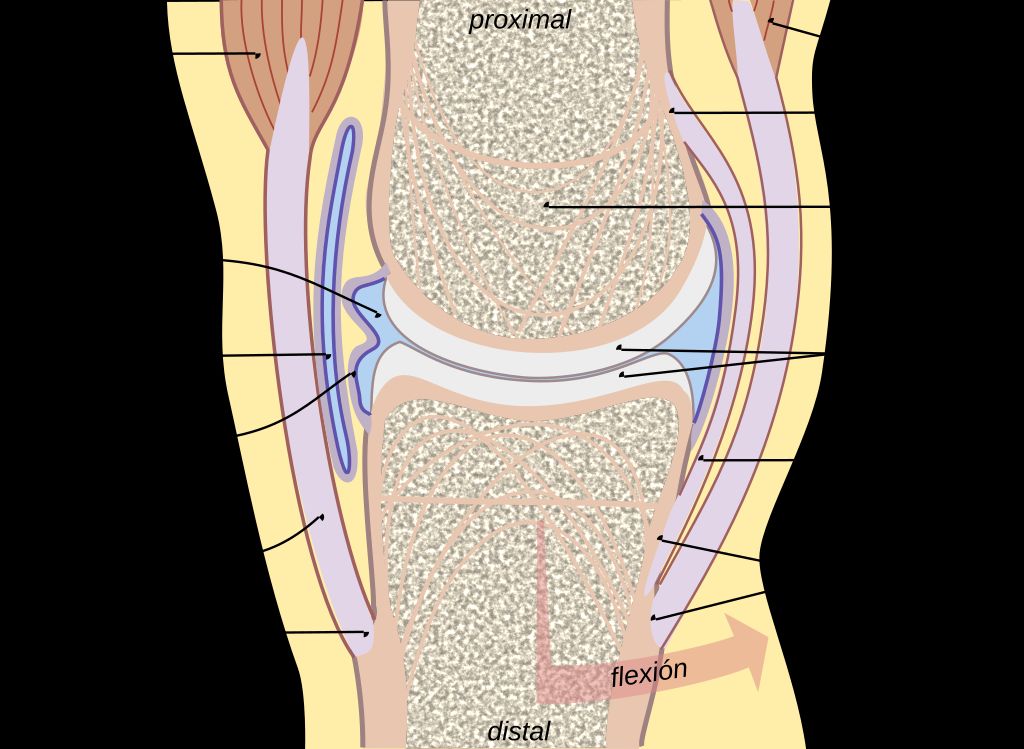
Physiotherapy is a crucial aspect of managing knee pain and promoting recovery. Understanding the anatomy of the knee joint, common causes of knee pain, and the role of physiotherapy in managing knee pain is essential for individuals seeking relief from knee discomfort. This article aims to provide insights into the role of physiotherapy in addressing knee pain and the rehabilitation exercises that can aid in recovery.
Key Takeaways
- Physiotherapy plays a vital role in managing knee pain and promoting recovery.
- Degenerative conditions and injuries are common causes of knee pain that can be addressed through physiotherapy.
- The benefits of physiotherapy for knee pain include pain relief, improved mobility, and enhanced strength.
- Physiotherapy treatment approaches may include manual therapy, exercise prescription, and education on injury prevention.
- Rehabilitation exercises such as strengthening and range of motion exercises are essential components of physiotherapy for knee pain.
The Anatomy of the Knee Joint
Structure of the Knee Joint
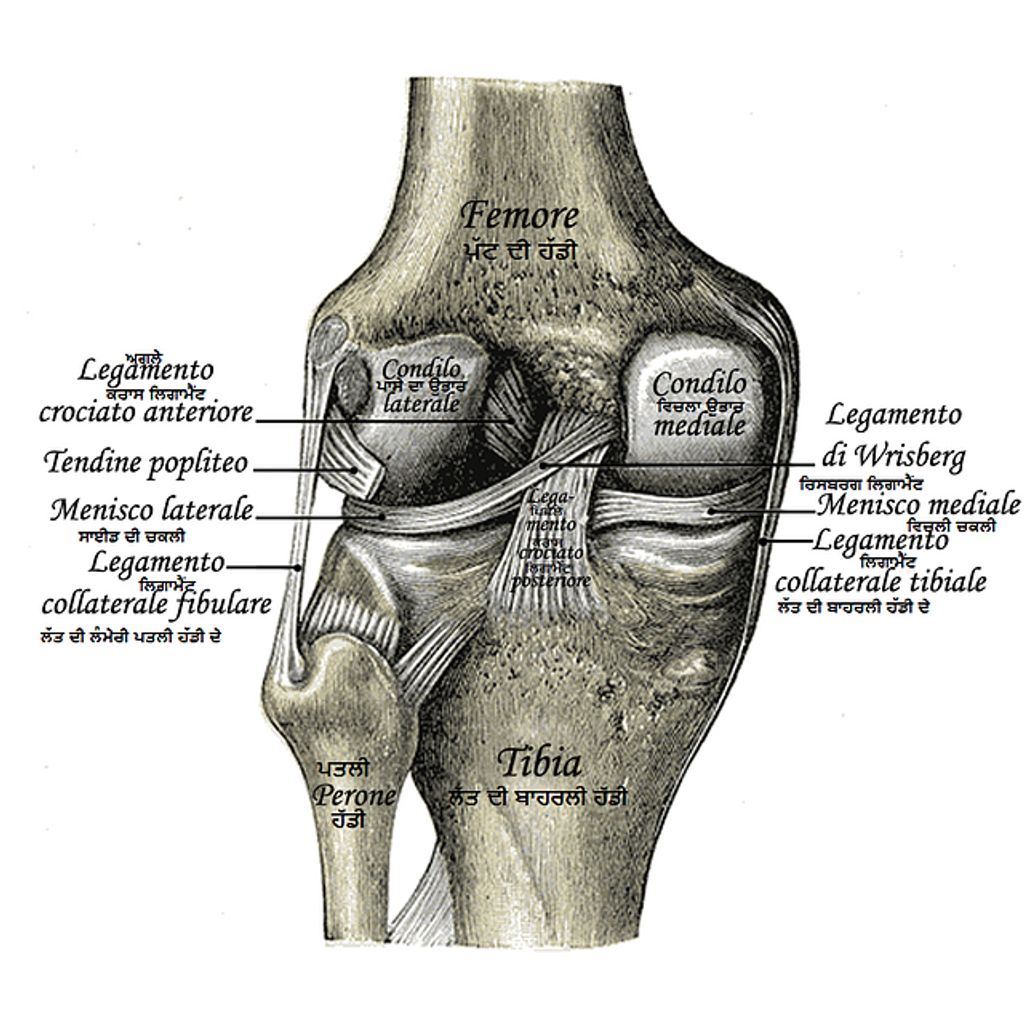
We often take for granted the intricate structure of the knee joint, which is pivotal for our mobility. The knee is a complex hinge joint that connects the thigh bone (femur) to the shin bone (tibia), with the kneecap (patella) sitting in front to provide protection and aid in movement.
The joint is stabilized by a network of ligaments and tendons, with the anterior cruciate ligament (ACL) and posterior cruciate ligament (PCL) being crucial for forward and backward stability. Menisci act as shock absorbers between the femur and tibia, while bursae reduce friction and cushion the joint.
Tip: Regularly stretching and strengthening the muscles around the knee can help maintain joint stability and prevent injury.
The synovial membrane is another key component, producing synovial fluid for lubrication. Here’s a simple breakdown of the knee’s structural elements:
- Bones: Femur, Tibia, Patella
- Ligaments: ACL, PCL, Medial collateral ligament (MCL), Lateral collateral ligament (LCL)
- Tendons: Quadriceps tendon, Patellar tendon
- Menisci: Medial meniscus, Lateral meniscus
- Bursae: Prepatellar, Infrapatellar, Suprapatellar
Understanding these components is essential for recognizing how knee pain can arise and the importance of physiotherapy in addressing it.
Function of the Knee Joint
The function of the knee joint is crucial for our mobility and stability. It allows us to perform activities such as walking, running, and jumping. The knee joint also plays a role in absorbing shock and supporting our body weight. Understanding the function of the knee joint is essential for developing effective physiotherapy interventions.
Physiotherapy interventions for knee pain often involve a combination of exercises, manual therapy, and education. These interventions aim to improve strength, flexibility, and function of the knee joint. Additionally, they help in reducing pain and restoring normal movement patterns.
Physiotherapy interventions for knee pain may include:
- Strengthening exercises
- Range of motion exercises
- Neuromuscular re-education
It is important to consult a qualified physiotherapist for personalized treatment plans and guidance on performing exercises safely and effectively.
Common Causes of Knee Pain
Degenerative Conditions
Degenerative conditions such as osteoarthritis can lead to chronic knee pain. Inflammation and cartilage degeneration are key factors in these conditions. Here’s a brief overview of the prevalence of osteoarthritis in the population:
| Age Group | Prevalence |
|---|---|
| 45-64 | 10% |
| 65-74 | 20% |
| 75+ | 30% |
It’s important to note that early intervention and lifestyle modifications can significantly impact the progression of degenerative knee conditions. Physiotherapy plays a crucial role in managing these conditions through targeted exercises and personalized treatment plans. A combination of strengthening exercises, range of motion exercises, and pain management techniques can improve mobility and reduce discomfort. As a result, individuals can experience a better quality of life and maintain functional independence. It’s essential to consult a physiotherapist for tailored guidance and support in managing degenerative knee conditions.
Injuries and Trauma
Injuries and trauma are significant contributors to knee pain. Injuries such as ligament tears and fractures can result in acute pain and limited mobility. Additionally, trauma from accidents or sports-related incidents can lead to long-term discomfort and instability in the knee joint. It’s important to seek professional assessment and treatment for any injury or trauma to the knee.
- Ligament tears
- Fractures
Seeking immediate medical attention and following a proper rehabilitation plan are crucial for recovery and preventing further complications.
Role of Physiotherapy in Managing Knee Pain

Benefits of Physiotherapy
Physiotherapy plays a crucial role in the management of knee pain. Through personalized exercise programs, we can improve muscle strength, flexibility, and joint stability. Additionally, pain management techniques such as manual therapy and modalities help alleviate discomfort and promote healing. Our approach focuses on empowering patients to take an active role in their recovery, leading to better long-term outcomes.
- Implementing a table for tracking progress and exercise frequency can provide valuable quantitative data for monitoring improvement.
- A bulleted list of home exercises and self-care strategies can support patients in maintaining their progress outside of therapy sessions.
It is important to maintain consistency in performing prescribed exercises and to communicate any concerns or challenges with your physiotherapist for optimal results.
Treatment Approaches
In our practice, we emphasize the importance of individualized treatment plans for knee pain, recognizing that each patient’s condition is unique. Physiotherapy encompasses a variety of treatment modalities, each tailored to address specific aspects of knee pain and dysfunction.
- Manual therapy techniques, such as massage and mobilization, aid in reducing pain and improving joint movement.
- Therapeutic exercises are prescribed to strengthen the muscles around the knee, enhancing stability and function.
- Modalities like ultrasound or electrical stimulation may be used to promote tissue healing and pain relief.
Remember: Consistency in performing prescribed exercises and attending therapy sessions is crucial for optimal recovery.
We also incorporate patient education into our treatment approach, ensuring that individuals understand their condition and the rationale behind each intervention. This empowers patients to take an active role in their recovery and helps prevent future episodes of knee pain.
Rehabilitation Exercises for Knee Pain
Strengthening Exercises
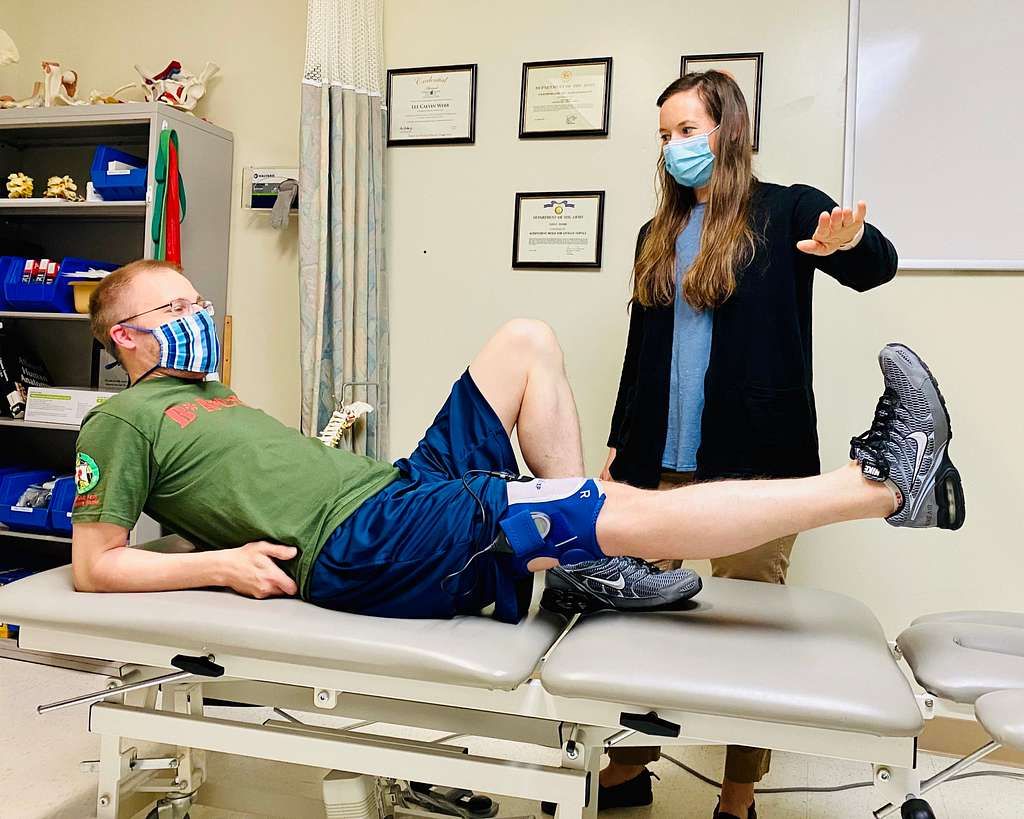
After completing the strengthening exercises, it is important to gradually progress to more advanced exercises to further improve knee function and stability. These exercises may include proprioception training, balance exercises, and functional movements that mimic daily activities. Additionally, incorporating low-impact cardiovascular exercises such as swimming or cycling can help maintain overall fitness without exacerbating knee pain. It’s crucial to consult a physiotherapist to ensure that the exercises are tailored to our specific needs and limitations. Furthermore, maintaining a healthy body weight can significantly reduce the load on the knee joint, thereby alleviating pain and promoting long-term joint health. It is essential to approach rehabilitation with patience and consistency, as progress may be gradual but ultimately rewarding.
Range of Motion Exercises
After completing the range of motion exercises, we focus on strengthening exercises to improve muscle support around the knee joint. These exercises help in stabilizing the joint and reducing the risk of further injury. Additionally, we emphasize the importance of gradual progression in these exercises to avoid overexertion and ensure safe rehabilitation.
Furthermore, a structured table is used to track the progress of range of motion and strength exercises. This table includes columns for exercise type, sets, repetitions, and any additional notes to monitor the patient’s improvement and adjust the exercise plan accordingly.
It is crucial to maintain consistency in performing these exercises and to follow the guidance of a physiotherapist to ensure proper form and technique. This approach maximizes the benefits of rehabilitation and promotes a safe and effective recovery.
Tip: Focus on quality over quantity when performing strengthening exercises. Gradually increase the intensity and avoid pushing beyond your limits to prevent strain or injury.
Conclusion
In conclusion, physiotherapy is a crucial and effective treatment option for managing knee pain. By addressing the underlying causes of pain and promoting optimal healing and recovery, physiotherapy plays a significant role in improving the quality of life for individuals with knee pain. With a focus on personalized care and evidence-based interventions, physiotherapists are well-equipped to provide comprehensive support and guidance for patients seeking relief from knee pain. As research and innovation continue to advance in the field of physiotherapy, the potential for improving outcomes and enhancing patient well-being remains promising.
Frequently Asked Questions
What are the common symptoms of knee pain?
Common symptoms of knee pain include swelling, stiffness, instability, and difficulty bearing weight on the affected knee.
How does physiotherapy help in managing knee pain?
Physiotherapy helps in managing knee pain by improving strength, flexibility, and stability of the knee joint through targeted exercises and manual therapy.
Are there specific exercises to avoid if I have knee pain?
Yes, high-impact activities such as running, jumping, and heavy weightlifting may exacerbate knee pain and should be avoided. It’s important to consult a physiotherapist for personalized exercise recommendations.
Can physiotherapy prevent the need for knee surgery?
In some cases, physiotherapy can effectively manage knee pain and improve function to the extent that surgery may not be necessary. However, the decision to undergo surgery is based on individual circumstances and should be discussed with a healthcare professional.
How long does it take to see improvement with physiotherapy for knee pain?
The timeline for improvement varies for each individual and depends on the severity of the knee condition. Consistent participation in physiotherapy sessions and adherence to home exercise programs are key factors in achieving positive outcomes.
What are the potential risks of not addressing knee pain with physiotherapy?
Neglecting knee pain without proper physiotherapy intervention can lead to chronic pain, joint instability, muscle weakness, and a higher risk of future injuries. It’s important to seek professional guidance for effective management of knee pain.
Leave a Reply