Hip Replacement Surgery in North Dakota

Reasons for hip replacement surgery

July 12, 2024

Hip replacement surgery, also known as hip arthroplasty, is a medical procedure that has changed the lives of millions of people worldwide. It involves replacing a damaged or diseased hip joint with an artificial one.

While the idea of ​​hip replacement surgery may seem daunting, understanding the reasons behind the need for hip replacement can help clarify the process and highlight its benefits.

Below is a simple explanation of why people may need this life-changing surgery.

Understanding Hip Replacement Surgery

A hip replacement, also called hip arthroplasty, is a medical procedure in which a damaged or worn hip joint is replaced with an artificial joint.

The artificial hip joint usually consists of a ball-shaped component (made of durable ceramic or metal) that fits into a socket (often made of metal, ceramic, or plastic), creating a smooth, gliding surface.

Hip replacements can be performed as total hip replacements, where both the head and socket of the hip joint are replaced, or as partial replacements, where only one part of the joint is replaced.

The surgery can be performed via traditional open surgery or via minimally invasive techniques, which involve smaller incisions and may have a shorter recovery time.

Top Reasons for Hip Replacement Surgery

Hip replacement surgery has offered countless people a chance at improved mobility and pain relief. But when do you become a good candidate for such a major medical procedure? It usually comes down to the point where hip symptoms seriously affect a person’s ability to participate in daily activities and where more conservative treatments don’t provide sufficient relief.

These are the main reasons for hip replacement surgery:

Arthritis of the hip joint

Arthritis is the most common reason for hip replacement surgery. There are several forms that affect the hip, including:

Arthrosis

Osteoarthritis, often referred to as “wear and tear” arthritis, is the most common reason people undergo hip replacement surgery. It results from the deterioration of joint cartilage.

Over time, this leads to pain and stiffness in the hip, making daily activities a challenge. Hip replacement surgery can provide relief by replacing worn joint surfaces with durable artificial components.

Rheumatoid arthritis

Unlike osteoarthritis, which is primarily caused by aging and wear and tear, rheumatoid arthritis is an autoimmune disease that causes inflammation of the joint lining. This inflammation can affect the cartilage and eventually damage the entire joint.

A hip replacement is a treatment for rheumatoid arthritis. The goal is to remove inflamed and damaged areas, relieve pain, and restore function.

Psoriatic arthritis

This is another form of arthritis that is related to the skin condition psoriasis. Psoriatic arthritis can affect the hips and other joints.

Osteonecrosis

Osteonecrosis of the hip occurs when there is a significant reduction in blood flow to the femoral head (the ball portion of the hip joint). This causes the bone tissue to die from lack of oxygen and nutrients, eventually leading to collapse of the femoral head.

The exact reasons for decreased blood flow can vary, including trauma, long-term use of high doses of steroids, excessive alcohol consumption, and certain medical conditions. Osteonecrosis often requires hip replacement surgery when there is significant collapse, as other treatments are unlikely to be effective in advanced stages.

Trauma

Traumatic injuries such as those from car accidents or serious falls can cause significant damage to the hip joint. Hip bone fractures or dislocations can damage the cartilage and bone, leading to instability, pain, and sometimes post-traumatic arthritis.

When the structural integrity of the hip is significantly compromised, a hip replacement may be the best option to restore function and relieve pain.

Femoroacetabular impingement (FAI)

Femoroacetabular impingement, or FAI, is a condition in which extra bone grows along one or both bones that form the hip joint – either on the femur (ball side) or the acetabulum (socket side). This extra bone gives the bones an irregular shape and they don’t fit together perfectly.

The irregularity leads to friction during hip movement, which over time can damage the joint, causing pain and limiting mobility. Treatment can range from physical therapy to surgery, with hip replacement considered in severe cases where other treatments have not provided relief.

Hip dysplasia

Hip dysplasia is a condition present from birth in which the hip socket does not completely cover the ball portion of the upper thigh bone. This partial coverage can lead to dislocation and other damage to the hip joint.

Over time, the abnormal fit can cause the cartilage to wear down, leading to pain and arthritis. In adults, hip replacement surgery may be recommended if the condition causes significant joint damage and pain.

Benign tumors and cancer

Benign tumors and cancers in the hip joint or surrounding tissue can directly affect the strength and function of the joint. Although benign tumors may not spread like cancer, they can disrupt joint movement and cause pain.

Depending on the location and size of the tumor or cancer, treatment may require removal of affected bone and tissue. Sometimes a hip replacement is needed to restore joint function.

Perthes disease

Perthes disease is a pediatric condition that affects the hip. It temporarily disrupts the blood supply to the round head of the femur, causing the bone to die in a process known as avascular necrosis.

Over time, the body will attempt to heal, which can lead to changes in the shape and structure of the hip joint, potentially causing pain and limited movement. While not all cases of Perthes disease will require hip replacement later in life, some individuals may require surgery as adults due to the lasting effects on the structure and function of the hip joint.

Hip Replacement Surgery in North Dakota

Are you experiencing hip pain or limited mobility? Don’t let discomfort rule your life. At The Bone & Joint Center, we specialize in transforming lives through advanced orthopedic care, including expert hip replacement surgery.

Our board-certified and fellowship-trained surgeons are at the forefront of treating complex hip conditions, utilizing advanced techniques focused on minimizing recovery time and maximizing your quality of life.

To learn more about us or to schedule a consultation, call us today at (701) 946-7400/(866) 900-8650 or visit our Request an Appointment page. We look forward to serving you!

Source link

Similar Posts

  • |

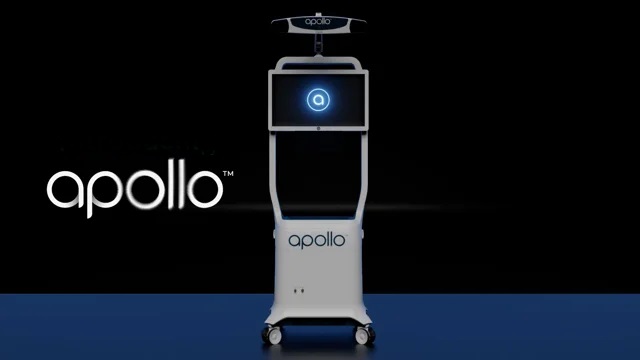
    Corin Group Achieves 510(k) Clearance for Apollo™ Platform: Revolutionary Robot-Assisted Total Knee Arthroplasty

    CIRENCESTER, UNITED KINGDOM, November 1, 2023 / EINPresswire.com / — Corin Group, an innovator in orthopedic procedures, is proud to announce 510(k) clearance for its Apollo™ Robotic-Assisted Surgical platform and ApolloKnee™ software application. This marks a major industry milestone in Corin’s continued commitment to helping surgeons increase satisfaction and successful outcomes for their patients when…

  • |

    American Joint Replacement Registry publishes 10th annual report

      The report provides a snapshot of the current state of hip and knee arthroplasty practices in the United States ROSEMONT, Ill., Nov. 3, 2023 /PRNewswire/ — The American Joint Replacement Registry (AJRR), the cornerstone of the American Academy of Orthopedic Surgeons (AAOS) Registry Program, has released its 2023 Annual Report on Procedural Trends in…

  • Psychological stress hinders performance, even for Olympic athletes

      The 2020 Tokyo Olympics were unique not only because they took place during the COVID-19 pandemic, but also because they were the first athletics event to measure and broadcast competitors’ heart rates as world-class archers made a bid for Olympic gold. Analysis of these biometric data by Yunfeng Lu (Nanjing University) and Songfa Zhong…

  • | |

    How to recover from your ACL injury like a professional athlete

    Last winter I connected with another NFL player who was going through an ACL recovery. Before meeting him, he had been working as hard as he could to recover efficiently from the ACL injury. But he had just been to his doctor, who had taken him through several to test to determine how well his…

  • |

    Failed knee replacement symptoms

    What if the relief you expected after your joint procedure never arrives? This unsettling question faces a small percentage of individuals each year. While statistics show that 85% to 90% of patients enjoy successful outcomes for 15 to 20 years after their initial knee replacement surgery, some do not. failed knee replacement symptoms We understand that persistent discomfort following this major operation can be a source of deep frustration. It can severely limit your mobility and daily life. Our guide is here to shed light on the various signs that may indicate your implant is not performing as designed. Identifying these indicators early is critically important. It ensures you get the right medical attention and potential intervention from a qualified specialist. If you experience persistent pain and stiffness, understanding the next steps is vital. We will walk you through common warning signs, the diagnostic process, and the treatment paths available to restore your comfort and movement. Key Takeaways Most knee replacement procedures are highly successful for many years. Recognizing early warning signs of a problem is crucial for your health. Specialized care models, like the one at University of Utah Hospital, combine expert teams for complex cases. Persistent pain, swelling, or instability after recovery should not be ignored. Several effective treatment options exist to address implant issues. Early consultation with an orthopedic surgeon can lead to better outcomes. Your long-term mobility and quality of life are the ultimate goals. Understanding Knee Replacement Surgery Modern orthopedic medicine offers a reliable solution for severe joint damage through artificial joint implantation. This procedure aims to restore comfortable movement when natural cartilage wears down. knee replacement surgery components How Knee Replacements Work During this operation, surgeons remove damaged joint surfaces. They replace them with precisely engineered metal and plastic components. These artificial parts are designed to glide smoothly. They mimic your joint’s natural motion, reducing discomfort. Fixation Method How It Works Key Consideration Cemented Fixation Special bone cement bonds the implant directly to your bone. Provides immediate, strong stability after the operation. Biologic Fixation The bone grows into a porous coating on the device over time. Creates a durable, long-term bond without cement. Surgeon’s Choice The method is selected based on your bone quality and age. Each technique has specific advantages for different situations. Long-Term Expectations and Implant Lifespan Most modern devices are engineered for durability. A typical lifespan ranges from 15 to 20 years. “The longevity of a joint implant depends on multiple factors, including the patient’s activity level and overall bone health.” We emphasize that these components are not indestructible. They experience natural wear from daily use over time. Regular monitoring helps ensure your artificial joint functions well for as long as possible. Your activity choices and general health play significant roles. Recognizing Failed Knee Replacement Symptoms When an artificial joint doesn’t function as intended, your body sends distinct signals that demand attention. Learning to identify these signs is crucial for your long-term health and mobility. Persistent Pain and Swelling Persistent pain in the knee joint that lingers long after the typical recovery period is a primary indicator. This pain isn’t normal soreness. It often presents as a deep, constant ache. Swelling around the knee joint that refuses to fade with rest is another red flag. Persistent pain and swelling are common companions. They can suggest underlying issues like inflammation or component loosening. Instability and Changes in Joint Function A feeling of instability, where your leg might buckle, is alarming. This instability often feels like the joint is giving way when you put weight on it. You might also notice a noticeable decline in how well it moves. Stiffness, developing a limp, or hearing odd popping noises are critical functional changes. We encourage you to monitor these signs closely. They are the primary indicators that your implant may require further clinical assessment. Common Causes of Knee Replacement Failure…

  • The effectiveness of phase I cardiac rehabilitation training based on augmented reality on the self-efficacy of patients undergoing coronary artery bypass surgery: a randomized clinical trial | BMC Sports sciences, medicine and rehabilitation

      Trial design This controlled pilot clinical study involved 60 patients admitted to Ghaem Hospital of Mashhad, Iran. These patients were specifically from the cardiac surgery intensive care unit and were admitted between May 2020 and January 2021 (Figure 1). figure 1 CONSORT Flowchart of participants Attendees The study included patients who met specific inclusion…

One Comment

Leave a Reply

Your email address will not be published. Required fields are marked *