
How to Straighten Your Leg Without Knee Pain
Knee pain can be a real problem, especially when you’re trying to straighten your leg. It can make simple activities like walking or bending over a chore. This article will help you understand why your knee might hurt and offer some tips to ease the pain. You’ll learn about stretches and exercises that can help, the importance of good shoes, and when to see a doctor.
Key Takeaways
- Knee pain when straightening your leg can come from many causes, like injuries or arthritis.
- Simple stretches and exercises can help you straighten your leg without pain.
- Wearing the right shoes can make a big difference in preventing knee pain.
- Warming up before and cooling down after exercise is important for keeping your knees healthy.
- If knee pain doesn’t go away, it’s important to see a doctor for help.
Understanding Knee Pain When Straightening Your Leg
Common Causes of Knee Pain
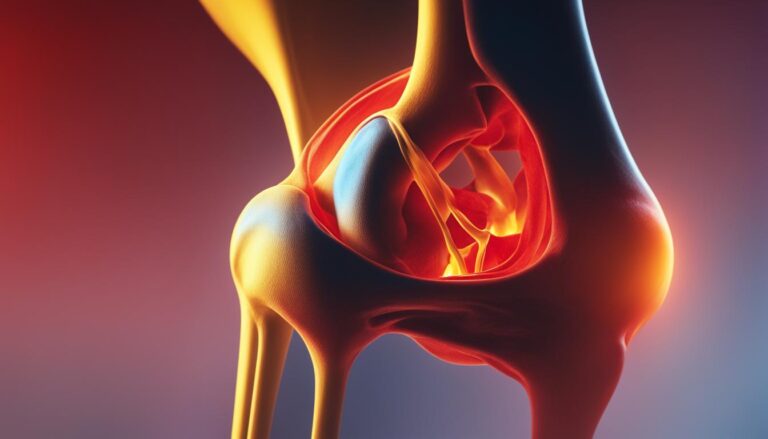
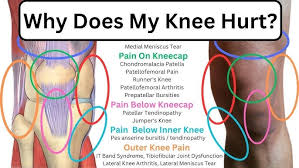
Knee pain when straightening your leg can stem from various sources. Injuries like ligament tears or meniscus damage are common culprits. Overuse from activities like running or jumping can also lead to pain. Sometimes, underlying conditions such as arthritis or bursitis might be the cause.
Symptoms to Watch For
It’s important to pay attention to symptoms that accompany knee pain. Swelling, redness, and warmth around the knee are signs of inflammation. If you hear a popping sound or feel your knee giving out, it could indicate a more serious injury. Persistent pain that doesn’t improve with rest should not be ignored.
When to Seek Medical Advice
Knowing when to seek medical advice is crucial. If your knee pain is severe, or if you can’t bear weight on your leg, it’s time to see a doctor. Also, if you experience significant swelling or if your knee looks deformed, seek help immediately. Early intervention can prevent further damage and aid in quicker recovery.
Effective Stretches to Straighten Your Leg Without Pain

Hamstring Stretches
Hamstring stretches are essential for keeping your legs flexible and reducing knee pain. One simple stretch is to sit on the floor with one leg extended and the other bent. Reach towards your toes and hold for 20-30 seconds. Repeat this stretch a few times for each leg.
Quadriceps Stretches
Stretching your quadriceps can help ease knee pain. Stand on one leg and pull your other foot towards your buttocks. Hold this position for 20-30 seconds. Make sure to keep your knees close together. Switch legs and repeat.
Calf Stretches
Calf stretches are also important. Stand facing a wall with one foot in front of the other. Keep your back leg straight and press your heel into the ground. Hold for 20-30 seconds and then switch legs. This stretch can help prevent knee pain when straightening your leg.
Regular stretching can make a big difference in how your knees feel. It helps keep your muscles flexible and strong, which can reduce pain and improve your overall leg health.
Strengthening Exercises for Pain-Free Leg Straightening
Low-Impact Strengthening Exercises
Low-impact exercises are great for building strength without putting too much stress on your knees. Swimming and cycling are excellent choices. These activities help you stay active while protecting your joints.
Using Resistance Bands
Resistance bands are a simple yet effective tool for strengthening your legs. You can use them to perform a variety of exercises that target different muscle groups. For example, leg presses and side-lying leg lifts can be done with resistance bands to improve muscle strength and stability.
Incorporating Balance Training
Balance training is crucial for overall leg strength and stability. Simple exercises like standing on one leg or using a balance board can make a big difference. These exercises not only strengthen your legs but also improve your coordination and prevent injuries.
Remember, consistency is key. Regular practice of these exercises can lead to significant improvements in your leg strength and reduce knee pain.
The Role of Proper Footwear in Preventing Knee Pain
Choosing the Right Shoes
Wearing the right shoes can make a big difference in keeping your knees pain-free. Shoes that fit well and offer good support help align your legs properly, reducing stress on your knees. Look for shoes with cushioned soles and good arch support.
The Impact of Insoles
Insoles can provide extra support and comfort. They help distribute your weight evenly, which can lessen knee pain. Custom insoles are especially helpful if you have specific foot issues.
When to Replace Your Footwear
Worn-out shoes can lead to knee pain. It’s important to replace your shoes regularly. A good rule of thumb is to get new shoes every 300-500 miles if you use them for running or walking.
Proper footwear is a simple yet effective way to prevent knee pain. Make sure to choose wisely and replace them when needed.
The Importance of Warm-Up and Cool-Down Routines
Warming up and cooling down are essential parts of any exercise routine. These practices help prevent injuries and improve your overall performance. A good warm-up increases blood flow to your muscles, making them more flexible and ready for action. On the other hand, cooling down helps your body transition back to a resting state, reducing soreness and stiffness.
Effective Warm-Up Techniques
- Start with light aerobic activity, like walking or jogging for 5-10 minutes.
- Follow with dynamic stretches, such as leg swings or arm circles, to loosen up your joints.
- Gradually increase the intensity of your movements to prepare your body for the workout ahead.
Cool-Down Strategies
- Slow down your activity gradually to bring your heart rate down.
- Perform static stretches, holding each stretch for 15-30 seconds to help relax your muscles.
- Focus on areas that were heavily used during your workout, like your legs and back.
Remember, taking time for warm-ups and cool-downs can make a big difference in how your body feels during and after exercise.
Incorporating these routines into your workouts can lead to better results and a lower risk of injury. Make sure to prioritize these steps to keep your knees healthy and pain-free!
Lifestyle Changes to Support Knee Health
Maintaining a Healthy Weight
Keeping a healthy weight is crucial for knee health. Extra pounds put more stress on your knees, which can lead to pain and injuries. Losing even a small amount of weight can make a big difference in reducing knee pain.
Staying Hydrated
Drinking enough water is important for your joints. Water helps keep the cartilage in your knees soft and smooth. Aim to drink at least 8 cups of water a day to keep your joints in good shape.
The Role of Nutrition in Joint Health
Eating the right foods can help your knees stay healthy. Foods rich in omega-3 fatty acids, like fish and walnuts, can reduce inflammation. Calcium and vitamin D are also important for strong bones. Make sure to include dairy products, leafy greens, and fortified foods in your diet.
Small changes in your daily habits can lead to big improvements in knee health. Start with one change at a time and build from there.
When to Consider Professional Help for Knee Pain
Physical Therapy Options
If your knee pain persists despite home remedies, it might be time to see a physical therapist. They can create a personalized exercise plan to help you strengthen the muscles around your knee. This can reduce pain and improve your ability to straighten your leg.
Consulting an Orthopedic Specialist
When knee pain becomes severe or doesn’t go away, consulting an orthopedic specialist is crucial. They can diagnose underlying issues like ligament tears or arthritis. Early diagnosis can prevent further damage and help you get the right treatment.
Exploring Alternative Therapies
Sometimes, traditional treatments don’t work. In such cases, exploring alternative therapies like acupuncture or chiropractic care can be beneficial. These methods can offer relief and improve your knee’s function without relying solely on medication.
If your knee pain is affecting your daily life, don’t hesitate to seek professional help. Early intervention can make a big difference in your recovery.
Conclusion
Straightening your leg without knee pain is possible with the right approach. By following the steps and tips shared in this article, you can improve your leg strength and flexibility while keeping your knees safe. Remember to always listen to your body and avoid pushing yourself too hard. If you experience any pain, it’s important to stop and consult a healthcare professional. With patience and consistency, you’ll be able to achieve your goal of pain-free leg straightening. Stay committed, and you’ll see positive results over time.
Frequently Asked Questions
Why do my knees hurt when I straighten my leg?
Knee pain when straightening your leg can be due to various reasons like muscle tightness, ligament issues, or arthritis. It’s important to identify the cause to treat it properly.
What stretches can help reduce knee pain?
Stretches like hamstring, quadriceps, and calf stretches can help. They make your muscles more flexible and reduce strain on your knees.
How can I strengthen my legs without hurting my knees?
You can do low-impact exercises, use resistance bands, and practice balance training. These exercises help build strength without putting too much stress on your knees.
Does wearing the right shoes help with knee pain?
Yes, wearing the right shoes can make a big difference. Good shoes provide support and cushion, which can help prevent knee pain.
Why is it important to warm up before exercising?
Warming up gets your muscles ready for exercise. It helps prevent injuries and makes your workout more effective.
When should I see a doctor for knee pain?
If your knee pain is severe, lasts a long time, or doesn’t get better with home treatments, you should see a doctor. They can help find out what’s wrong and suggest the best treatment.