

CBD oil dosage for knee inflammation
Are you tired of living with knee pain caused by inflammation? Many people are turning to alternative treatments to manage their symptoms. One potential solution gaining attention is CBD oil. We will explore how CBD oil has emerged as a potential treatment for knee inflammation and associated pain.
Finding the right dosage is crucial for experiencing the therapeutic effects of CBD oil on knee inflammation. We will discuss the science behind CBD’s anti-inflammatory properties and how they benefit knee joint issues.
Key Takeaways
- Understanding the appropriate CBD oil dosage for managing knee inflammation.
- The science behind CBD’s anti-inflammatory properties and their benefits for knee joint issues.
- Personalizing your approach to CBD dosing for knee inflammation.
- Common questions about safety, effectiveness, and proper administration methods for CBD oil.
- Practical guidance on determining your optimal CBD oil dosage based on personal factors.
Understanding CBD Oil for Inflammatory Conditions
Understanding the role of the endocannabinoid system is key to harnessing the anti-inflammatory effects of CBD oil for knee pain. The endocannabinoid system plays a crucial role in regulating various physiological processes, including pain and inflammation.
Preclinical studies have shown promising effects of cannabinoids for arthritic pain management, highlighting the potential of CBD oil in treating knee inflammation. We will delve into how CBD works to reduce inflammation and its interaction with the endocannabinoid system.
How CBD Works to Reduce Inflammation
CBD interacts with the body’s endocannabinoid system to produce its anti-inflammatory effects. This system is composed of cannabinoid receptors, including CB1 and CB2, which are found in various tissues throughout the body, including joint tissues. CBD influences these receptors to help reduce inflammation and alleviate pain.
The interaction between CBD and the CB2 receptors, in particular, is significant in reducing inflammation. By activating these receptors, CBD can help mitigate the inflammatory response, providing relief from knee pain.
The Endocannabinoid System and Knee Pain
The endocannabinoid system is vital in regulating pain and inflammation in the body, including in the knee joint. CB1 and CB2 receptors in joint tissues respond to both endogenous cannabinoids and plant-derived cannabinoids like CBD. An imbalance or deficiency in the endocannabinoid system has been linked to various chronic inflammatory conditions.
By understanding how CBD interacts with the endocannabinoid system, we can better appreciate its potential in managing knee inflammation. CBD may help restore balance to the endocannabinoid system, thereby reducing inflammation and associated pain.
This understanding provides a physiological basis for why CBD dosage is critical in effectively treating knee pain. The right dosage can ensure that the endocannabinoid system is adequately supported to manage inflammation and pain.
The Science Behind CBD for Knee Inflammation
Recent studies have shed light on the science behind using CBD for knee inflammation, offering new insights into its effectiveness. We will explore the current state of research and how CBD compares to traditional treatments.
Recent Clinical Studies and Findings
Clinical trials have investigated CBD’s efficacy in treating knee inflammation. A 12-week trial using a low dose of synthetic CBD (20-30 mg/day) in patients with hand osteoarthritis or psoriatic arthritis found no significant difference from placebo for pain, sleep quality, anxiety, or depression.
However, a more recent study using a higher CBD dose (600 mg/day) for knee osteoarthritis showed promising results, suggesting that dosage may play a critical role in CBD’s effectiveness. We will continue to see more research in this area as the interest in CBD’s therapeutic potential grows.
Comparing CBD to Traditional Anti-Inflammatory Medications
When comparing CBD to traditional anti-inflammatory medications like NSAIDs and corticosteroids, several factors come into play. CBD works differently, interacting with the body’s endocannabinoid system to potentially reduce inflammation.
Unlike traditional treatments that can have significant side effects with prolonged use, CBD may offer a safer alternative. However, its effects can vary based on the individual and the condition being treated. We examine the potential advantages and disadvantages of CBD compared to pharmaceutical options, including their side effect profiles.
This comparison helps readers understand where CBD fits within the broader context of inflammation management treatment strategies.
Factors That Influence Your CBD Oil Dosage for Knee Inflammation
When it comes to using CBD oil for knee inflammation, several individual factors play a crucial role in determining the optimal dosage. It’s not a one-size-fits-all solution; rather, it’s a personalized approach that considers various aspects of an individual’s health and physiology.
Body Weight and Metabolism
Body weight is a significant factor in determining CBD dosage. Generally, individuals with a higher body mass may require a higher dose to achieve the desired effects. Metabolism also plays a crucial role, as it affects how quickly CBD is processed in the body. A faster metabolism might necessitate more frequent dosing.
Severity of Inflammation
The severity of knee inflammation is another critical factor. Those with more severe inflammation may require higher doses of CBD to experience relief. Conversely, individuals with mild inflammation might find lower doses sufficient.
Previous Experience with Cannabis Products
Individuals who have previously used cannabis products may have developed a tolerance to CBD, potentially requiring higher doses to achieve the same effects as those who are new to CBD.
Individual Body Chemistry
It’s often observed that two people of the same sex and virtually the same height and weight can react completely differently to the same CBD dose. This variability is largely due to individual body chemistry, including genetic factors and variations in the endocannabinoid system. Other physiological factors, such as liver function, can also impact how CBD is metabolized and its overall effectiveness. This underscores the importance of personalized dosing based on individual response rather than adhering strictly to general guidelines.
Monitoring personal response to CBD is ultimately more important than following standardized dosing charts. By paying attention to how your body reacts, you can make informed adjustments to your dosage to achieve the best results.
Starting with the Right CBD Dosage Approach
To effectively manage knee inflammation with CBD oil, it’s essential to start with the right dosage approach. This involves understanding how to navigate the complex process of finding your optimal dose. We recommend a cautious and informed method to ensure you reap the benefits of CBD oil while minimizing potential side effects.
The “Start Low and Go Slow” Method
The “start low and go slow” method is a widely recommended strategy for initiating CBD treatment. This approach involves beginning with a low dose and gradually increasing it until you achieve the desired effects. By doing so, you can avoid unnecessary side effects and identify the minimum effective dose for your specific condition.
Starting with a low dose allows your body to adjust to the new substance, reducing the risk of adverse reactions. As you gradually increase your dosage, you’ll be able to monitor your body’s response and make informed decisions about further adjustments.
Tracking Your Results and Symptoms
Tracking your CBD dosage and its effects is crucial for determining the optimal dose for your knee inflammation. We suggest keeping a record of your dosage, timing, and the effects you experience. This can be done using a notebook or a notes app on your phone. By documenting your progress, you’ll be able to identify patterns and make data-driven decisions about your treatment.
Some key metrics to track include pain levels, mobility, swelling, and sleep quality. By monitoring these factors, you’ll gain valuable insights into how CBD is affecting your condition. A sample tracking template might include columns for date, time, dosage, and notes on your symptoms and overall well-being.
Calculating Your Initial CBD Oil Dosage for Knee Inflammation
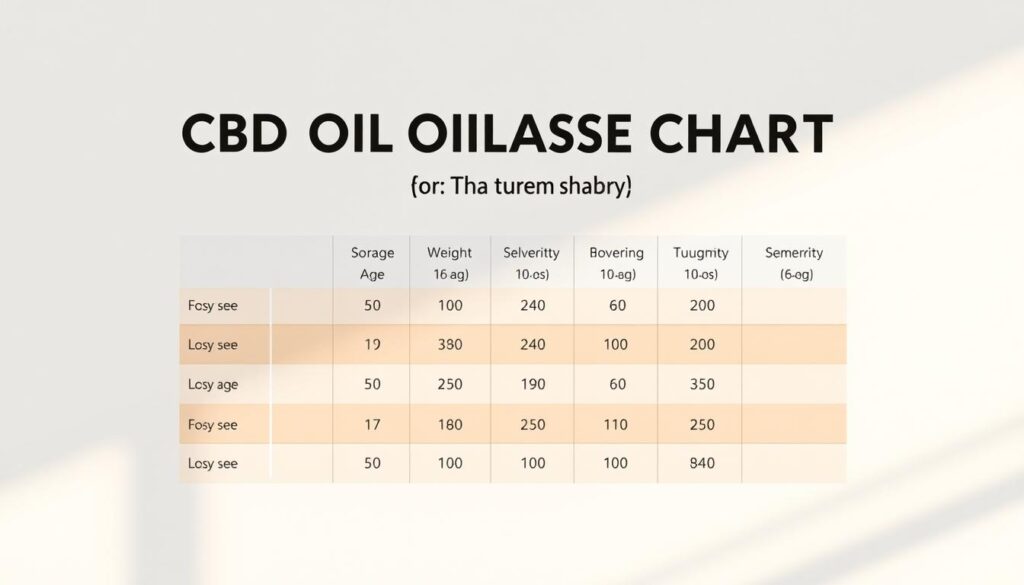
Calculating your initial CBD oil dosage is crucial for effectively managing knee inflammation. To start, it’s essential to understand that the ideal dosage varies based on several factors including body weight, the severity of inflammation, and individual tolerance to CBD.
Low-Strength Dosing Guidelines
For individuals with mild knee inflammation, low-strength dosing is often recommended. This typically involves starting with a dose as low as 2.5 mg of CBD per 10 kg of body weight. For example, a person weighing 60 kg might begin with around 15 mg of CBD. It’s crucial to monitor your body’s response and adjust accordingly.
Medium-Strength Dosing Guidelines
If low-strength dosing does not provide adequate relief, you may need to move to a medium-strength dose. This is generally considered to be around 5 mg of CBD per 10 kg of body weight. For a 60 kg individual, this would translate to about 30 mg of CBD. It’s essential to give your body time to adjust to the new dosage before making further adjustments.
High-Strength Dosing Guidelines
For severe or persistent knee inflammation, high-strength dosing may be necessary. High strength is typically defined as around 6 mg of CBD per 5 kg (or 1.2 mg/kg) of body weight. For instance, a person weighing 70 kg would take about 90 mg of CBD for a high-strength dose. Medical supervision is highly recommended when using high-strength doses, especially for first-time users. It’s also important to be aware of potential side effects that are more common at higher dosages, such as fatigue or changes in appetite, and to know how to mitigate them.
When considering high-strength dosing, it’s vital to gradually work up to this level rather than starting with it. This approach helps in minimizing potential side effects and allows you to find the minimum effective dose. Specific milligram recommendations based on different weight ranges for high-strength dosing should be followed carefully.
Step-by-Step Guide to Finding Your Optimal Dose
The journey to discovering your optimal CBD dosage involves understanding your body’s response and making informed adjustments. This process is crucial because individual factors such as body weight, metabolism, and the severity of inflammation can significantly influence how CBD affects you.
Step 1: Determining Your CBD Oil’s Concentration
To start, you need to know the concentration of CBD in your oil. This information is usually provided on the product label in milligrams (mg) per milliliter (ml) or as a percentage. Understanding the concentration helps you calculate the amount of CBD you’re consuming per dose. For instance, a 10ml bottle with 1000mg of CBD contains 100mg/ml.
Step 2: Measuring Accurate Doses
Accurate dosing is critical when using CBD oil. Most products come with a dropper that allows you to measure your dose. To measure accurately, fill the dropper to the desired level and count the drops. Some products also provide a dosage chart to help guide you. Consistency is key to evaluating the effects of CBD on your knee inflammation.
Step 3: Adjusting Based on Results
After starting with an initial dose, monitor your symptoms and results closely. If you don’t experience significant relief, you may need to adjust your dose. The data suggests that this process is ongoing, and you will always be evaluating the effects and adjusting the dosage with small changes. The key is to make gradual adjustments, allowing enough time between changes to fully assess the effects. A general guideline is to wait at least 3-5 days before making another adjustment.
- Increase your dose if you’re not experiencing sufficient relief from knee inflammation.
- Decrease your dose if you’re experiencing side effects or if the current dose is more than needed for relief.
- Maintain your current dose if you’re experiencing optimal relief without side effects.
By following these steps and being patient, you can find your optimal CBD dose for knee inflammation relief.
Different CBD Products and Their Dosing Considerations
Different CBD products offer unique benefits and dosing considerations for individuals dealing with knee inflammation. The variety of products available can make it challenging to determine the most effective option.
Full-Spectrum vs. CBD Isolate Dosing Differences
When choosing a CBD product, one of the key decisions is whether to opt for a full-spectrum or CBD isolate product. Full-spectrum CBD oil contains a range of cannabinoids and terpenes that work together to produce what is known as the entourage effect, potentially enhancing its therapeutic benefits. In contrast, CBD isolate is a purified form of CBD that contains no other cannabinoids or terpenes.
A full-spectrum CBD oil may provide more potent effects due to the synergistic collaboration of its various compounds. On the other hand, CBD isolate may require significantly higher doses to achieve the desired outcome, despite its high concentration of CBD.
Topical vs. Oral CBD for Knee Inflammation
The method of CBD administration is another critical factor to consider. Topical CBD applications are applied directly to the skin over the affected knee area, potentially offering localized relief from inflammation. In contrast, oral CBD products are ingested and absorbed systemically.
Topical CBD products can provide targeted relief and may have a faster onset of effects compared to oral CBD. However, oral CBD can offer more systemic benefits and may be more convenient for some users. The choice between topical and oral CBD depends on individual preferences and the specific nature of their knee inflammation.
When using CBD products for knee inflammation, it’s essential to consider the dosing guidelines specific to the chosen product and administration method. For topical applications, the concentration of CBD in the product and the amount applied can significantly impact its effectiveness.
Timing Your CBD Doses for Maximum Effectiveness
Optimizing the timing of your CBD doses can significantly enhance its effectiveness in managing knee inflammation. The key to maximizing the benefits of CBD oil lies in understanding how to integrate it into your daily routine and activity schedule.
Morning vs. Evening Dosing
When deciding whether to take CBD in the morning or evening, consider your symptoms and daily routine. Taking CBD in the morning may help manage pain and inflammation throughout the day, especially if you have a physically demanding schedule. On the other hand, taking it in the evening can aid in relaxation and potentially improve sleep quality, which is also crucial for recovery and pain management.
Some individuals find that splitting their dose between morning and evening provides the most benefit, maintaining a consistent level of CBD in their system throughout the day.
Dosing Around Physical Activity
For individuals who engage in regular physical activity or physical therapy, timing CBD doses around these events can be particularly beneficial. Taking CBD before physical activity may help reduce pain and inflammation during exercise, potentially improving performance and reducing the risk of injury.
Taking CBD after physical activity can aid in recovery by reducing post-exercise inflammation and pain. We recommend adjusting your CBD dosing schedule based on the intensity and frequency of your physical activities to maximize its benefits.
Potential Side Effects and Safety Considerations
When considering CBD oil for knee inflammation, it’s crucial to understand the potential side effects and safety considerations. While CBD is generally well-tolerated, there are several factors to be aware of to ensure safe and effective use.
Common Side Effects at Different Dosage Levels
CBD can cause side effects, although they are typically mild and temporary. Common side effects include fatigue, changes in appetite, and diarrhea. The severity and likelihood of these side effects can vary based on the dosage level. For instance, higher doses are more likely to cause adverse effects. It’s essential to start with a low dose and gradually increase it to minimize potential side effects.
Side Effects by Dosage Level:
| Dosage Level | Common Side Effects |
|---|---|
| Low (<5mg) | Mild fatigue, minimal changes in appetite |
| Medium (5-20mg) | Moderate fatigue, noticeable changes in appetite |
| High (>20mg) | Significant fatigue, pronounced changes in appetite, diarrhea |
When to Consult a Healthcare Professional
If you’re currently taking medication and would like to try CBD, it’s essential to discuss this with your doctor. Certain situations necessitate professional medical advice before starting or continuing CBD for knee inflammation. These include experiencing severe side effects, having a pre-existing medical condition, or being part of a special population such as pregnant women or individuals with liver conditions.
To have productive conversations with healthcare providers about CBD use, it’s helpful to be informed about the latest research and potential interactions with other medications. Finding a healthcare professional knowledgeable about cannabinoid therapies can provide guidance tailored to your specific needs.
CBD and Drug Interactions for Inflammation Patients
The growing use of CBD oil for inflammatory conditions raises important questions about its compatibility with other treatments. As we explore the potential benefits of CBD for knee inflammation, it’s essential to consider how it might interact with other medications.
Common Medications for Knee Inflammation
Patients with knee inflammation often take various medications to manage their condition, including nonsteroidal anti-inflammatory drugs (NSAIDs), corticosteroids, and in some cases, immunosuppressants. CBD may affect the metabolism of these medications, potentially altering their effectiveness or increasing the risk of side effects.
For instance, NSAIDs like ibuprofen are commonly used to reduce inflammation and pain. When combined with CBD, there’s a potential for enhanced anti-inflammatory effects, but also an increased risk of gastrointestinal side effects.
How CBD May Affect Other Treatments
CBD may influence the metabolism of other medications through its impact on liver enzymes, specifically the cytochrome P450 system. This can lead to either increased or decreased levels of these medications in the bloodstream, affecting their efficacy and safety.
“The interaction between CBD and other medications is a critical consideration for patients managing knee inflammation.” As Dr. [Last Name] notes, “CBD’s effect on the cytochrome P450 enzymes can significantly impact the metabolism of various drugs.”
To minimize risks, it’s crucial to monitor your body’s response when combining CBD with other treatments. Look out for signs such as unusual side effects or changes in the effectiveness of your medications. Adjusting your CBD dosage or consulting with a healthcare professional may be necessary to ensure safe and effective treatment.
By understanding the potential interactions between CBD and other medications, patients can make informed decisions about their treatment regimen, maximizing the benefits of CBD while minimizing risks.
Making Long-Term Adjustments to Your CBD Regimen
To maximize the benefits of CBD oil for knee inflammation, we must be prepared to make adjustments to our dosing strategy over time. As our knee condition changes or improves, our CBD regimen may need to evolve to continue providing optimal benefits. One key consideration is the potential development of tolerance, which may necessitate periodic dosage adjustments to maintain effectiveness.
Regular reassessment of our CBD regimen’s effectiveness is crucial, allowing us to make evidence-based adjustments as needed. By integrating CBD into a comprehensive long-term knee inflammation management plan, we can develop a sustainable approach to using CBD for chronic knee inflammation. This involves recognizing when our current regimen is no longer providing optimal benefits and making strategic changes to maintain the desired effects.
By adopting a flexible and informed approach to long-term CBD use, we can optimize our treatment outcomes and improve our overall quality of life.
FAQ
What is the recommended amount of CBD to take for knee pain?
How long does it take to feel the effects of CBD on knee inflammation?
Can I use CBD topically for knee inflammation, and if so, how often?
Are there any potential side effects of using CBD for knee inflammation?
Can CBD interact with other medications I’m taking for knee inflammation?
How do I determine the best CBD product for my knee inflammation?
Can I take CBD with other natural remedies for knee inflammation?


