Knee pain in teenagers: Causes, warning signs, and what helps in 2026
Knee pain in teenagers is more common than many families expect, and in 2026 we see plenty of teens reporting pain that affects sports, school PE, and everyday walking. One reason it can surprise people is that Osgood-Schlatter disease prevalence in adolescents aged 12–15 years is 9.8%, making “growing and active” a major theme behind front-of-knee and shin-tubercle pain.
Key Takeaways
Fast answers
|
Where to start with trusted guidance
|
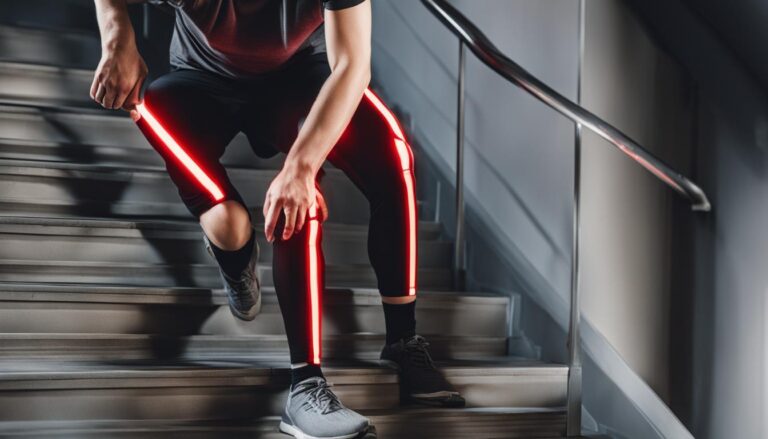
- Patellofemoral pain is very frequent in adolescents, often causing knee pain that worsens with stairs, squats, or prolonged sitting.
- Overuse patterns matter: pain that builds gradually after training spikes is different from sudden injury pain.
- Return to sport should be staged, using symptoms and function to guide progression.
- Medications and braces can be supportive, but movement quality and load management are usually the long-term solution.
Why knee pain in teenagers happens so often
In 2026, knee pain in teenagers still shows up most commonly when growing bodies meet high training demands. The knee is where multiple structures work together, and during adolescence the tissues can be more sensitive to sudden increases in load.
Families often describe knee hurt in different ways. Some teens feel a dull ache after practice, others point to pain “right under the kneecap,” and some feel sharp pain after twisting. These descriptions help us narrow the likely source, whether it is an overuse issue or a ligament or meniscus problem.
It also helps to know that front-of-knee pain is not rare. For many adolescents, patellofemoral pain is the culprit, and that can present as pain with stairs, jumping, or bending. For some teens, the pain relates to cartilage under the kneecap, which is why conditions like chondromalacia patella may come up in evaluation and education (see Chondromalacia patella knees).
Common causes of knee pain and knee hurt in teen athletes
When a teenager complains of knee pain, we encourage a “pattern-based” approach. The goal is to match symptoms to likely structures, then choose management that fits the cause.
Here are frequent categories we see in teen-focused care:
- Patellofemoral pain syndrome: pain around or behind the kneecap, often worsened by stairs, squats, and prolonged sitting.
- Osgood-Schlatter type overload: pain at the tibial tubercle area, often during growth spurts and high activity.
- Patellar tendon irritation: pain with jumping, sprinting, or repeated knee extension loading.
- Ligament injuries (like ACL or other ligament problems): may follow sudden twisting, collision, or a “give way” moment.
- Meniscus tears: often involve twisting pain, swelling, locking, or reduced motion.
- Cartilage irritation including chondromalacia: pain under the kneecap, sometimes triggered by training volume.
If the pain started after an acute event or includes instability, our discussion shifts toward structural injury. That is where resources such as Traumatic knee can help families think through mechanisms and next steps.
Front-of-knee pain vs injury pain: how to tell the difference
Not all knee pain in teenagers feels the same, and in 2026 we often find that what matters most is onset and behavior with activity. Gradual pain with training increases suggests overload, while sudden pain after a twist suggests a possible ligament or meniscus issue.
Use these “compare and contrast” clues:
| Symptom pattern | What it may suggest | What to do first |
|---|---|---|
| Pain under/around the kneecap with stairs or squats | Patellofemoral pain or kneecap cartilage irritation | Reduce triggering activities, focus on knee-alignment mechanics and rehab guidance |
| Tender bump near the shin-tubercle area | Growth-related overload such as Osgood-Schlatter pattern | Modify jumping/sprinting load and follow clinician-led progression |
| Twist or pop followed by swelling or instability | Possible ligament injury | Seek evaluation, consider brace support if recommended, avoid pushing through “giving way” |
| Locking or painful catching after a turn | Possible meniscus tear | Get assessed, plan rehab based on symptoms and exam findings |
When knee pain in teenagers needs urgent attention
We always tell families that “monitoring” has limits. If a teen has signs that the knee may be structurally compromised, we shift away from home treatment and toward timely clinical assessment.
Seek urgent evaluation (or same-day guidance) if knee pain in teenagers includes any of the following:
- Inability to bear weight for several steps
- A loud pop followed by rapid swelling
- True locking (can’t straighten or bend normally)
- The knee repeatedly giving out, especially with walking
- Severe bruising after trauma
- Fever, redness, or warmth that suggests infection or inflammatory flare
Even if the situation is not urgent, persistent knee pain lasting weeks, recurring swelling, or steadily worsening knee pain should still trigger a professional workup. For structured next steps, our guide at Understanding, Managing, and Overcoming Knee Pain is a helpful starting point.
How we manage knee pain in teenagers in 2026 (step-by-step)
In 2026, families want practical guidance that respects school schedules and sports seasons. We use a staged approach that starts with symptom control, then rebuilds strength, movement, and load tolerance.
Our typical plan looks like this:
- Clarify the source: describe onset (sudden vs gradual), location (front, inside, outside, behind), and triggers (stairs, running, jumping, sitting).
- Reduce aggravating load: temporarily adjust training volume, depth, speed, or jumping frequency to calm knee hurt.
- Restore safe motion: improve mobility and mechanics, especially around the hips and lower leg alignment.
- Strengthen progressively: focus on quadriceps control, hip stability, and tendon capacity depending on the diagnosis.
- Return to sport with criteria: gradual progression when function is improving and pain behavior is stable.
If the pain follows an injury and there is concern for ligament involvement, the management pathway often includes targeted support. For example, for ACL-related situations we provide dedicated resources, including Anterior cruciate ligament (ACL) injury knee brace.
Braces and supports: when a hinged knee brace makes sense
Many teens ask whether a brace will “fix” knee pain, but braces are tools, not cures. When used correctly, a brace can provide stability and confidence while the teen completes rehabilitation.
In sports-related ACL contexts, hinged braces are designed to offer controlled support for the knee during healing and activity progression. We explain this concept in our bracing guides, including Top 5 Hinged Knee Braces For ACL Support 2026 and Stop Your Knee From Giving Out: The 5 Best Hinged Knee Braces for ACL Support.
When thinking about a brace, we consider these questions:
- Is the knee giving way or is the concern mainly pain and overload?
- Does the teen need rigid stability, or would a lighter support be sufficient?
- Is the brace being used alongside strengthening and movement retraining?
Injury-specific paths: ACL, meniscus, tendons, and chondromalacia
Teen knee pain can be caused by many different structures, and that is why “one treatment for all knee pain” rarely works. We use injury-specific education so families understand the likely problem behind their symptoms.
ACL and knee stability: If there was a twisting event or repeated giving way, we explore ligament pathways and support options. See Ligament knee injury for a broader overview, and if the mechanism suggests a different ligament pattern, families may also find Posterior cruciate ligament (PCL) knee injury useful.
Meniscus tears: When catching, locking, or swelling follows a turn, meniscus injury becomes a key consideration. Our education hub is Torn meniscus.
Tendon problems: If jumping and sprinting trigger pain, patellar tendon irritation is a common possibility. Start with Patellar tendon injury to understand how the tendon works and why rehab loading is central.
Patellofemoral cartilage irritation: If pain is mainly under the kneecap and related to bending or stairs, we look at kneecap tracking and cartilage irritation. Our chondromalacia-focused guide is Chondromalacia patella knees.
Knee pain treatment options for teens, from conservative care to surgery
Even when we suspect a specific structure, we still start with safe, conservative options unless red flags appear. Knee pain in teenagers often responds well when load is managed and a structured rehab plan targets the underlying mechanics.
Our general knee pain treatment guidance covers conservative management versus surgical pathways. If you want a broader overview, see Knee Pain Treatment: Your Complete Guide to Relief, Recovery, and Getting Back to Life.
Here is a straightforward way to think about the spectrum:
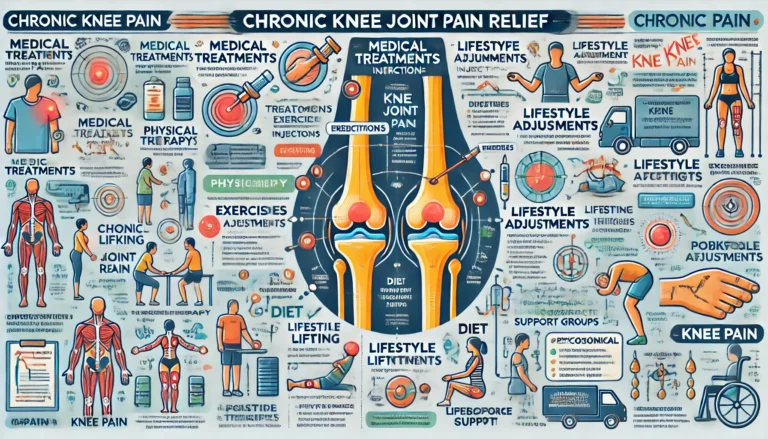
- Conservative care: activity modification, physical therapy, strengthening, and symptom-focused supports to reduce knee pain.
- Procedure-based care (when appropriate): clinicians may discuss injections or other options based on diagnosis.
- Surgical evaluation: considered when conservative care fails, instability persists, or structural damage warrants repair.
For families trying to understand which injuries can lead to surgery, we also cover common surgical-relevant conditions in What Are Some Common Knee Injuries That May Require Surgery?.
Prevention tips: reducing knee pain in teenagers during school sports
Prevention is not about eliminating activity, it is about managing training load and movement quality. When we help teens stay active without flare-ups, we focus on consistency and progressive loading.
Practical prevention steps we recommend in 2026:
- Warm up properly: raise tissue temperature and practice sport-specific movement patterns.
- Progress gradually: increase running, jumping, or conditioning volume in stages rather than sudden spikes.
- Strengthen the full leg chain: hip stability, core control, and knee control work together.
- Track symptoms: note when knee hurt appears and what activities trigger it.
- Use recovery seriously: sleep, hydration, and nutrition support tissue repair and training adaptation.
If your teen has already had an ACL surgery and is working through rehab progression, it can also help to prepare for setbacks and plan around them. We outline a framework in What To Do If You Have An ACL Setback.
Conclusion
Knee pain in teenagers is common in 2026, but it is not something we should ignore. By matching symptoms to likely causes such as patellofemoral pain, overuse patterns, and injury-related problems like ACL or meniscus tears, we can guide families toward the right knee pain treatment plan.
When knee hurt includes swelling, locking, or repeated giving way, we recommend professional evaluation promptly. With the right diagnosis, careful load management, and progressive rehab, many teens can return to sports while protecting the knee long term.
Frequently Asked Questions
Why does knee pain in teenagers get worse during sports?
Knee pain in teenagers often worsens during sports because training increases load on the kneecap, tendons, and supporting ligaments. In many cases, pain is related to patellofemoral mechanics or overuse, so knee pain and “knee hurt” flare-ups can track with activity volume.
Is patellofemoral pain common in teens in 2026?
Yes. Knee pain in teenagers can frequently come from patellofemoral pain syndrome, which is highly prevalent in adolescents, and it can cause discomfort with stairs, squats, and prolonged sitting.
Can Osgood-Schlatter cause knee pain and a painful bump?
Yes, Osgood-Schlatter is a common overuse injury in active adolescents and often appears during growth-spurt timing. It can cause localized knee pain near the tibial tubercle, and teens may describe it as a tender bump that hurts during jumping or sprinting.
How do I know if my teen’s knee pain is an ACL injury?
ACL-related knee pain in teenagers often follows a twisting event, may include swelling, and can feel like instability or the knee giving out. If the teen reports true “giving way,” we recommend getting evaluated rather than treating it like simple soreness.
What are the signs of a torn meniscus in a teenager?
Knee pain in teenagers from a torn meniscus can include locking, catching, pain after twisting, and swelling. If the knee feels stuck or repeatedly catches during movement, that pattern deserves prompt clinical assessment.
Are hinged knee braces worth it for teen athletes?
In 2026, hinged knee braces can be worth it for knee pain in teenagers when a clinician recommends support for ligament stability, especially in ACL-related contexts. Bracing tends to work best alongside rehabilitation rather than as a standalone solution.
When should we seek medical care for knee hurt?
We recommend medical care for knee pain in teenagers when symptoms include rapid swelling after injury, inability to bear weight, locking, fever, or repeated instability. Persistent knee pain that does not improve with activity changes should also be assessed.