

Smart Knee Implants with Sensors
Can advancements in knee implant technology significantly improve patient outcomes after surgery?
The field of Biomechanical Engineering has given rise to innovative solutions like smart knee implants, merging mechanical principles with biological systems to address medical challenges. These advancements are revolutionizing knee replacement surgery.
By integrating sensors into knee implants, surgeons can now monitor and adjust to the patient’s recovery more effectively. This technology is a significant leap forward in orthopedic care.
Key Takeaways
- Smart knee implants are revolutionizing orthopedic technology.
- Biomechanical Engineering plays a crucial role in developing these implants.
- The integration of sensors enhances patient recovery and outcomes.
- These implants offer a more personalized approach to knee replacement surgery.
- Advancements in knee implant technology are improving surgical success rates.
What Are Smart Knee Implants?
Sensor-equipped knee implants are changing the landscape of knee replacement surgery, providing real-time data and improved surgical precision. These advanced devices are designed to enhance patient outcomes by offering more accurate and responsive knee functionality.
Definition and Overview
Smart knee implants are sophisticated orthopedic devices that integrate sensor technology to monitor and improve knee function. They are designed for patients undergoing knee replacement surgery, providing surgeons with valuable data to optimize the surgical process.
The ROSA Knee System is an example of a smart knee implant technology that provides objective soft tissue feedback and accurate bone resections, enhancing the precision of knee replacement surgery.
Key Features
Smart knee implants come equipped with several key features that distinguish them from traditional knee replacement devices. These include:
- Real-time Monitoring: Sensors within the implant monitor knee function in real-time, providing valuable data on patient movement and joint stability.
- Enhanced Precision: Advanced technology enables more accurate bone resections and soft tissue balancing, leading to better surgical outcomes.
- Personalized Feedback: Data collected by the sensors can be used to tailor rehabilitation programs to individual patient needs.
Types of Smart Knee Implants
There are various types of smart knee implants available, each with unique features and benefits. The choice of implant depends on the patient’s specific needs and the surgeon’s professional judgment.
| Type of Implant | Key Features | Benefits |
|---|---|---|
| Sensor-Equipped Implants | Real-time monitoring, precise data collection | Enhanced surgical precision, personalized rehabilitation |
| Customizable Implants | Adjustable components, tailored to patient anatomy | Better fit, improved patient satisfaction |
| Advanced Material Implants | Durable materials, enhanced biocompatibility | Longer implant lifespan, reduced risk of complications |
The development and use of smart knee implants represent a significant step forward in orthopedic surgery, offering patients and surgeons advanced tools to improve outcomes and enhance the quality of life.
How Do Sensors Enhance Knee Implants?
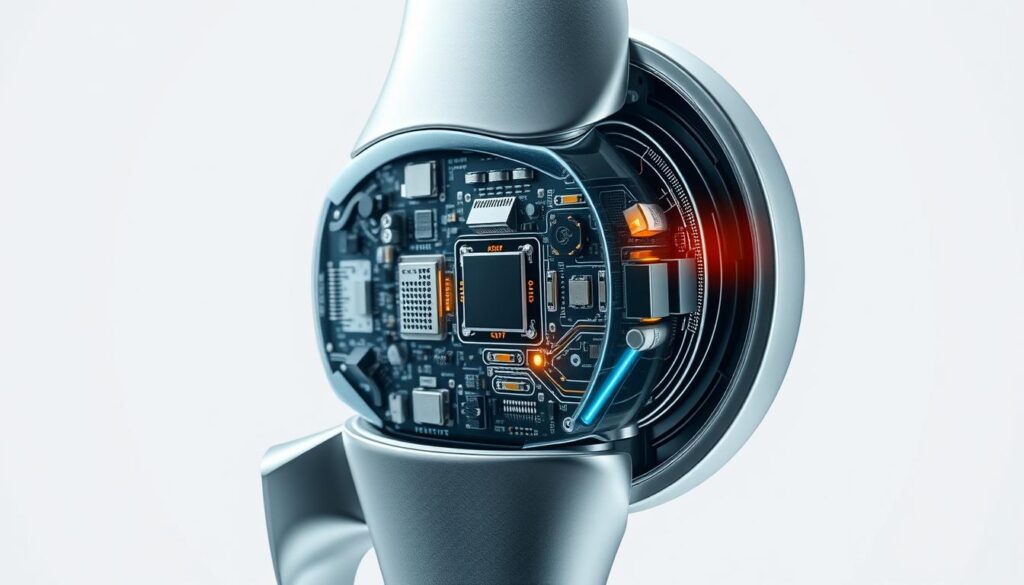
Cutting-edge knee implant sensors are revolutionizing the field of orthopedic surgery. These advanced sensors are integrated into knee implants to provide real-time data on the implant’s performance and the patient’s recovery progress.
Functionality of Sensors
The sensors embedded in knee implants are designed to monitor various parameters, including movement, load, and wear on the implant. This information is crucial for understanding how the implant is functioning and identifying any potential issues early on.
According to recent studies, sensor-based measurement can be used for advanced monitoring and early detection of polyethylene (PE) wear in total knee arthroplasties. This capability can significantly enhance patient care by allowing for timely interventions.
Types of Sensors Used
Various types of sensors are utilized in knee implants, including piezoelectric sensors, strain gauges, and accelerometers. Each type of sensor provides unique data that can be used to assess different aspects of the implant’s performance.
- Piezoelectric sensors measure the electrical charge generated by mechanical stress, providing insights into the load and stress on the implant.
- Strain gauges measure the deformation or strain on the implant, helping to understand its mechanical integrity.
- Accelerometers measure the acceleration or movement of the implant, offering data on the patient’s activity levels and movement patterns.
Benefits of Sensor Technology
The integration of sensor technology into knee implants offers numerous benefits, including improved patient outcomes and enhanced implant longevity. As noted by experts, “Sensor-enabled knee replacement devices are providing patients with improved outcomes and better quality of life.”
The use of sensors in knee implants enables healthcare providers to monitor patients remotely and make data-driven decisions regarding their care. This can lead to more effective rehabilitation protocols and better overall patient satisfaction.
Who Can Benefit from Smart Knee Implants?
Innovative knee surgery technology is changing the landscape of orthopedic care, providing benefits for a wide range of patients. Smart knee implants are designed to improve the quality of life for individuals with severe joint damage, offering enhanced mobility and reduced pain.
Candidates for the Technology
Smart orthopedic implants are particularly beneficial for individuals who require joint replacements due to severe joint damage. According to recent data, joint replacements restore mobility and reduce pain for patients with such conditions.
Patients with Active Lifestyles
For patients with active lifestyles, smart knee implants offer the advantage of being able to monitor and manage their recovery more effectively. For instance, WiFi-enabled smart knee implants can track recovery progress, providing valuable insights for both patients and healthcare providers.
The key benefits for active patients include:
- Enhanced monitoring of recovery progress
- Improved mobility and reduced pain
- Better management of post-surgery rehabilitation
Older Adults and Mobility Concerns
Older adults with mobility concerns also stand to benefit significantly from smart knee implants. These implants can help improve their quality of life by enhancing mobility and reducing the risk of complications associated with traditional knee replacement surgeries.
Some of the advantages for older adults include:
- Improved joint functionality
- Reduced risk of post-surgery complications
- Enhanced overall mobility
The Technology Behind Smart Knee Implants
The technology behind smart knee implants is revolutionizing the field of orthopedic surgery. These next-generation knee implants are designed to provide patients with a more natural and comfortable knee replacement experience.
One of the key factors contributing to the success of smart knee implants is the materials used in their construction. Advanced materials such as titanium and ceramic are commonly used due to their durability and compatibility with the human body.
Materials Used
The choice of materials for smart knee implants is critical to their performance and longevity. Manufacturers often use a combination of materials to achieve the desired balance between strength, durability, and wear resistance.
Some of the materials used include:
- Titanium alloys for their high strength-to-weight ratio and corrosion resistance
- Ceramic components for their wear resistance and ability to reduce friction
- Advanced polymers for their flexibility and compatibility with the body
Advanced Engineering Techniques
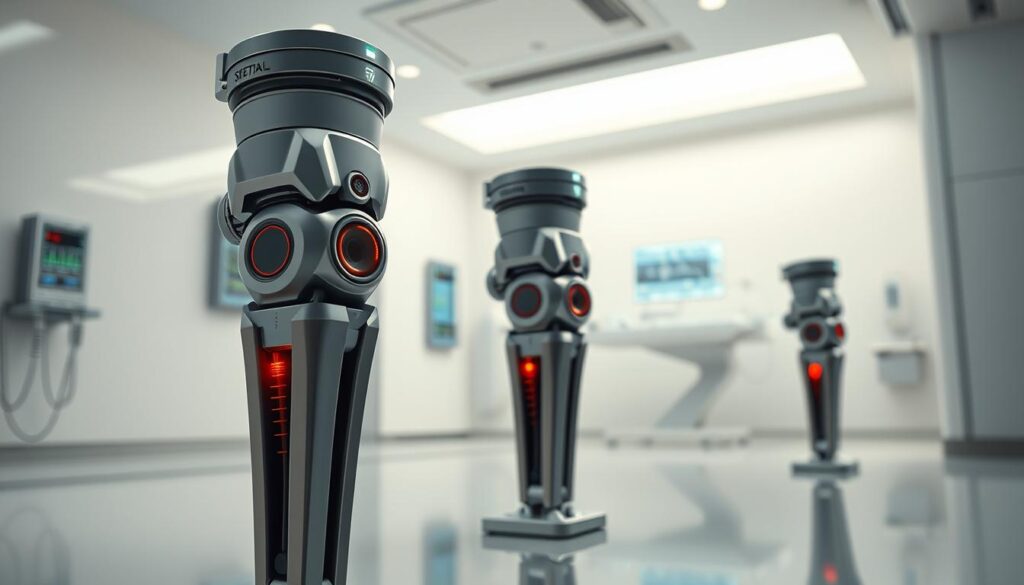
The development of smart knee implants also relies on advanced engineering techniques. Techniques such as 3D printing and computer-aided design (CAD) enable manufacturers to create complex geometries and customized implants that match the patient’s anatomy.
Technologies like ROSA Knee support leading knee brands and deliver highly accurate resections and limb alignment, further enhancing the performance of smart knee implants.
The combination of advanced materials and engineering techniques has enabled the creation of advanced knee replacement devices that are more durable, reliable, and effective.
Successful Case Studies
The integration of sensors into knee implants has marked a significant milestone in orthopedic technology, with compelling case studies highlighting their efficacy.
Real-Life Testimonials
Patients who have undergone knee replacement surgery using smart knee implants with sensors have reported significant improvements in their quality of life. For instance, a study published in a reputable medical journal highlighted the case of a 65-year-old patient who regained full mobility and experienced reduced pain after receiving a smart knee implant equipped with advanced sensors.
Such real-life testimonials underscore the potential of smart knee implants to transform the lives of individuals suffering from knee-related ailments. The ability of these implants to provide real-time feedback and monitor patient progress has been particularly beneficial.
Comparative Studies
Comparative studies have been conducted to evaluate the effectiveness of smart knee implants against traditional knee implants. A notable study compared the outcomes of patients who received smart knee implants with those who received conventional implants. The results showed that patients with smart knee implants experienced:
- Faster recovery times
- Improved range of motion
- Reduced complications
These findings suggest that smart knee implant technology offers substantial benefits over traditional methods, potentially revolutionizing the field of orthopedic surgery.
Further research and data analysis from such comparative studies will be crucial in fully understanding the advantages and potential limitations of smart knee implants with sensors.
Potential Challenges and Considerations
Sensor-equipped knee implants are transforming patient outcomes, but their success depends on overcoming specific obstacles. As with any advanced medical technology, there are several factors to consider when evaluating the viability and effectiveness of these innovative implants.
Risks and Limitations
One of the primary concerns with smart knee implants is ensuring their biocompatibility and durability. According to recent studies, challenges include preventing infection and managing mechanical stress on the implant (Source). The integration of sensors within the implant can potentially increase the risk of complications, making it crucial to carefully assess these risks.
Key risks associated with smart knee implants include:
- Infection
- Mechanical failure
- Adverse reactions to materials
- Sensor malfunction
Cost Factors
The cost of sensor-equipped knee implants can be significantly higher than traditional knee replacement options. This increased cost is due to the advanced technology and materials used in their manufacture. Patients and healthcare providers must weigh the benefits of these implants against the additional expense.

User Acceptance
User acceptance is another critical factor in the success of smart knee implants. Patients must be comfortable with the idea of having a device with sensors implanted in their body. Education and counseling can play a significant role in improving user acceptance by addressing concerns and highlighting the benefits of this innovative knee surgery technology.
Ultimately, the successful adoption of sensor-equipped knee implants depends on addressing these challenges and considerations. By understanding the potential risks, cost factors, and user concerns, healthcare providers can better support patients in making informed decisions about their treatment options.
The Future of Smart Knee Implants
The next generation of smart knee implants is on the horizon, promising to revolutionize the field of orthopedic surgery. This future lies in the integration of advanced materials, smart technologies, and personalized medicine, ultimately enhancing patient outcomes and improving quality of life.
Emerging Trends in Technology
Several emerging trends are expected to shape the future of smart knee implants. These include the development of cutting-edge knee implant sensors that can monitor a wider range of parameters, such as implant wear, joint pressure, and patient activity levels. Additionally, advancements in materials science are likely to introduce new implant materials that are more durable, compatible, and conducive to better integration with the body.
The integration of artificial intelligence (AI) and machine learning (ML) algorithms is another significant trend. These technologies can analyze data from sensors to predict potential complications, optimize implant performance, and provide personalized rehabilitation plans.
- Advanced sensor technologies for real-time monitoring
- Integration of AI and ML for predictive analytics
- Development of new materials for enhanced durability and compatibility
- Personalized medicine approaches tailored to individual patient needs
Predictions for Development
Looking ahead, the development of smart knee implants is expected to continue at a rapid pace. Future implants may incorporate even more sophisticated sensors, enabling real-time monitoring of a patient’s condition and immediate adjustments to treatment plans as needed.
Furthermore, the use of 3D printing technology is anticipated to become more prevalent, allowing for the creation of customized implants that perfectly match a patient’s anatomy. This could lead to better implant longevity and reduced recovery times.
As these technologies mature, we can expect to see significant improvements in patient outcomes, including reduced recovery times, improved joint function, and enhanced overall quality of life. The future of smart knee implants holds much promise, and ongoing research and development are likely to yield exciting breakthroughs in the years to come.
How to Choose the Right Smart Knee Implant
Selecting the appropriate smart knee implant is a crucial decision that requires careful consideration and professional guidance. With the advancements in smart orthopedic implants, patients have various options to consider for their knee replacement needs.
Consulting with Healthcare Providers
The first step in choosing the right advanced knee replacement devices is to consult with healthcare providers. They can offer insights into the most suitable options based on the patient’s medical history, lifestyle, and specific needs.
During the consultation, patients should discuss their expectations, concerns, and any questions they may have about the implants. This dialogue is crucial for determining the best course of action.
Factors to Consider
Several factors come into play when selecting a smart orthopedic implant. These include the material used, the device’s functionality, and its compatibility with the patient’s anatomy.
Additionally, the implant’s durability, the surgeon’s experience with the device, and the potential for future adjustments or repairs are important considerations.
| Factor | Description | Importance Level |
|---|---|---|
| Material Used | The type of material (e.g., metal, ceramic, plastic) used in the implant. | High |
| Device Functionality | How well the implant mimics the natural movement of the knee. | High |
| Surgeon’s Experience | The surgeon’s experience with the specific implant device. | Medium |
Questions to Ask
Patients should prepare a list of questions to ask their healthcare provider about advanced knee replacement devices. These questions may include inquiries about the benefits and risks associated with the implant, the surgical procedure, and post-operative care.
Understanding the potential outcomes and any necessary follow-up care is essential for making an informed decision.
The Role of Rehabilitation with Smart Knee Implants
Effective rehabilitation is crucial for maximizing the benefits of sensor-enabled knee replacement devices. Rehabilitation is a critical component of the recovery process, enabling patients to regain strength, mobility, and function after surgery. The integration of sensors in knee implants allows for real-time monitoring of the rehabilitation progress, facilitating a more personalized and effective recovery plan.
Importance of Physical Therapy
Physical therapy is a cornerstone of rehabilitation for patients with smart knee implants. It helps in restoring knee function, improving range of motion, and strengthening the surrounding muscles. A well-structured physical therapy program can significantly enhance the overall outcome of the surgery.
Monitoring Progress with Sensors
The sensors embedded in smart knee implants play a pivotal role in monitoring the patient’s progress during rehabilitation. These sensors can track various parameters such as knee flexion, extension, and weight-bearing activities, providing valuable data to healthcare providers. This information enables them to adjust the rehabilitation plan as needed, ensuring optimal recovery.
| Rehabilitation Outcome | With Sensor-Enabled Implants | Without Sensor-Enabled Implants |
|---|---|---|
| Average Recovery Time | 6 weeks | 8 weeks |
| Knee Flexion at 6 Weeks | 120 degrees | 90 degrees |
| Complication Rate | 5% | 10% |
In conclusion, rehabilitation plays a vital role in the success of smart knee implants. The combination of physical therapy and sensor technology enhances the recovery process, leading to better patient outcomes. By understanding the importance of rehabilitation and leveraging the data provided by sensor-enabled implants, healthcare providers can offer more effective and personalized care.
Conclusion: The Impact of Smart Knee Implants
Smart knee implants with sensors are transforming the landscape of knee replacement surgery, offering patients a more personalized and responsive recovery experience. By integrating advanced knee implant technology, these implants provide real-time data that can significantly improve patient outcomes and quality of life.
Revolutionizing Patient Care
The benefits of smart knee implants are multifaceted, ranging from enhanced functionality to improved patient satisfaction. Studies have shown that these implants can lead to better clinical outcomes, reduced complications, and increased patient mobility.
Embracing the Future
As knee implant technology continues to evolve, prospective users are encouraged to explore the possibilities that smart knee implants offer. By consulting with healthcare providers and understanding the available options, individuals can make informed decisions about their care. With the potential to significantly improve patient outcomes, smart knee implants are poised to revolutionize the field of orthopedic surgery.
FAQ
What are smart knee implants with sensors?
How do sensors in knee implants work?
What are the benefits of using sensor-equipped knee implants?
Who is a good candidate for smart knee implants?
What are the risks and limitations associated with smart knee implants?
How do I choose the right smart knee implant?
What is the role of rehabilitation with smart knee implants?
Are smart knee implants covered by insurance?
What is the future of smart knee implants?
Can smart knee implants be used in conjunction with other orthopedic devices?






One Comment