The Ultimate Guide to Women’s Knee High Compression Socks: Medical Benefits, Recovery Tips & Style Options
Finding the perfect balance between medical necessity and personal style can be challenging, especially when it comes to recovery garments like women’s knee high compression socks. Whether you’re preparing for surgery, managing circulation issues, or simply seeking better support during long days, the right compression socks can make all the difference in your comfort and recovery. As the saying goes, you might soon find yourself “knee deep in the water somewhere” of options—but this comprehensive guide will help you navigate the choices with confidence.
Understanding Women’s Knee High Compression Socks
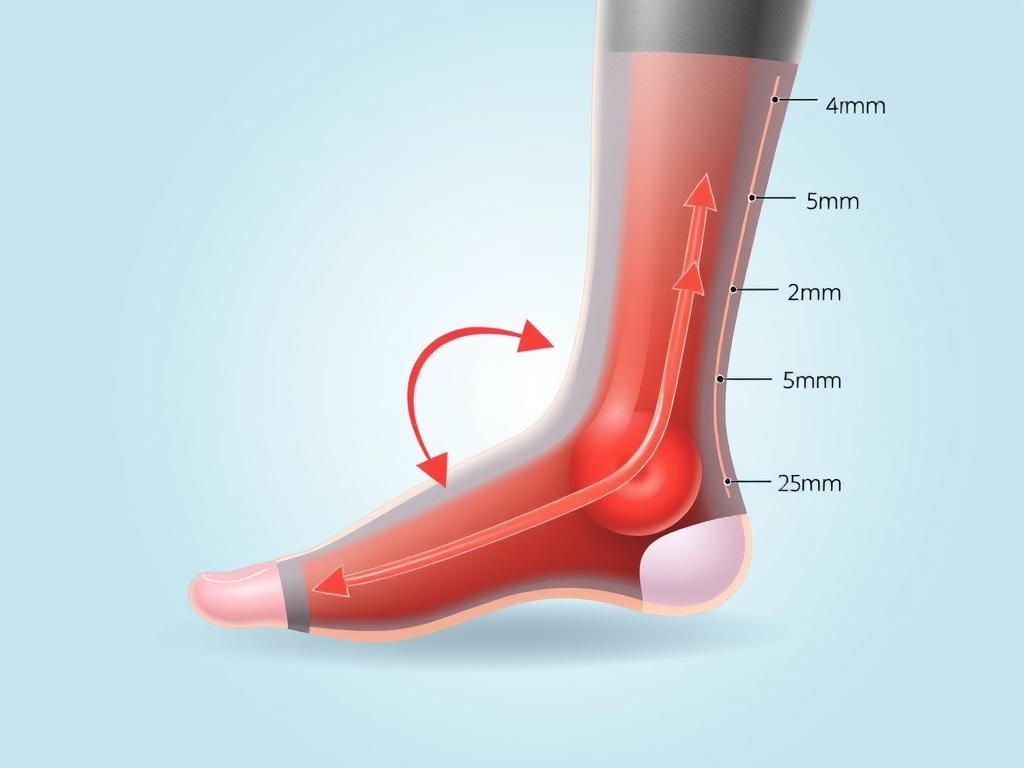
Compression socks are specialized garments designed to apply graduated pressure to your legs, with the greatest pressure at the ankle gradually decreasing up the leg. This pressure gradient helps improve blood circulation, reduce swelling, and provide support to muscles and veins.
How Compression Socks Work
The graduated compression in these socks works against gravity to help blood flow back to your heart more efficiently. This prevents blood from pooling in your lower legs, which can cause swelling, discomfort, and potentially serious conditions like deep vein thrombosis (DVT).
Compression Levels Explained
Compression levels are measured in millimeters of mercury (mmHg) and indicate the amount of pressure applied:
- 8-15 mmHg: Mild compression for everyday wear and minor swelling
- 15-20 mmHg: Moderate compression for travel, pregnancy, and standing occupations
- 20-30 mmHg: Firm compression for recovery, varicose veins, and post-surgery
- 30-40 mmHg: Extra firm compression for severe conditions (usually requires prescription)
Not Sure Which Compression Level You Need?
Consult our comprehensive compression guide to find the perfect level for your specific needs.
Compression Socks vs. Support Socks: Understanding the Difference
Many people confuse compression socks with support socks, but they serve different purposes and offer different benefits. Here’s a clear comparison to help you understand which option might be right for your needs:
- Graduated pressure (strongest at ankle, decreasing upward)
- Medically measured pressure levels (mmHg)
- Designed for specific medical conditions
- Can require professional fitting
- Available in various compression levels
- May require prescription for higher compression
- Proven medical benefits for circulation
Women’s Knee High Compression Socks
- Uniform pressure throughout
- No standardized pressure measurements
- Designed for general comfort and mild support
- Standard sizing (S, M, L)
- Limited support options
- Available without prescription
- Primarily for comfort and mild fatigue
Women’s Knee High Support Socks
While support socks can provide relief for minor discomfort, women’s knee high compression socks offer medical-grade benefits for specific conditions and recovery needs. Your choice should depend on your particular health requirements and the recommendation of your healthcare provider.

Medical Benefits of Women’s Knee High Compression Socks

Post-Surgery Recovery
Compression socks are often prescribed after surgeries, especially orthopedic procedures like total knee replacement. They help reduce swelling, prevent blood clots, and improve circulation during periods of reduced mobility.
Improved Circulation
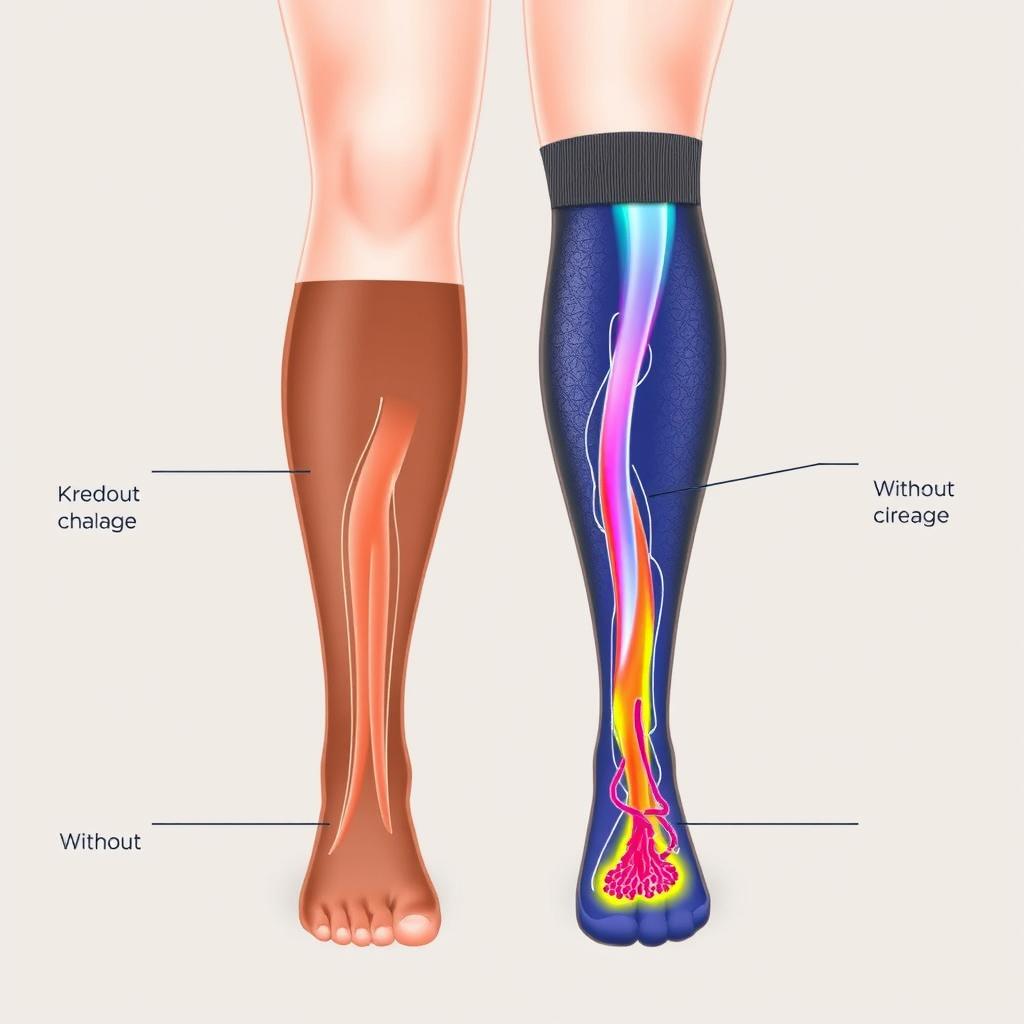
The graduated compression helps blood flow more efficiently back to the heart, reducing the risk of pooling and clotting. This is especially beneficial for those with circulation issues or who stand or sit for long periods.

Reduced Swelling
By applying pressure to the tissues under the skin, compression socks help prevent fluid buildup and reduce edema (swelling) in the ankles and calves, providing relief for many conditions.
Varicose Vein Management
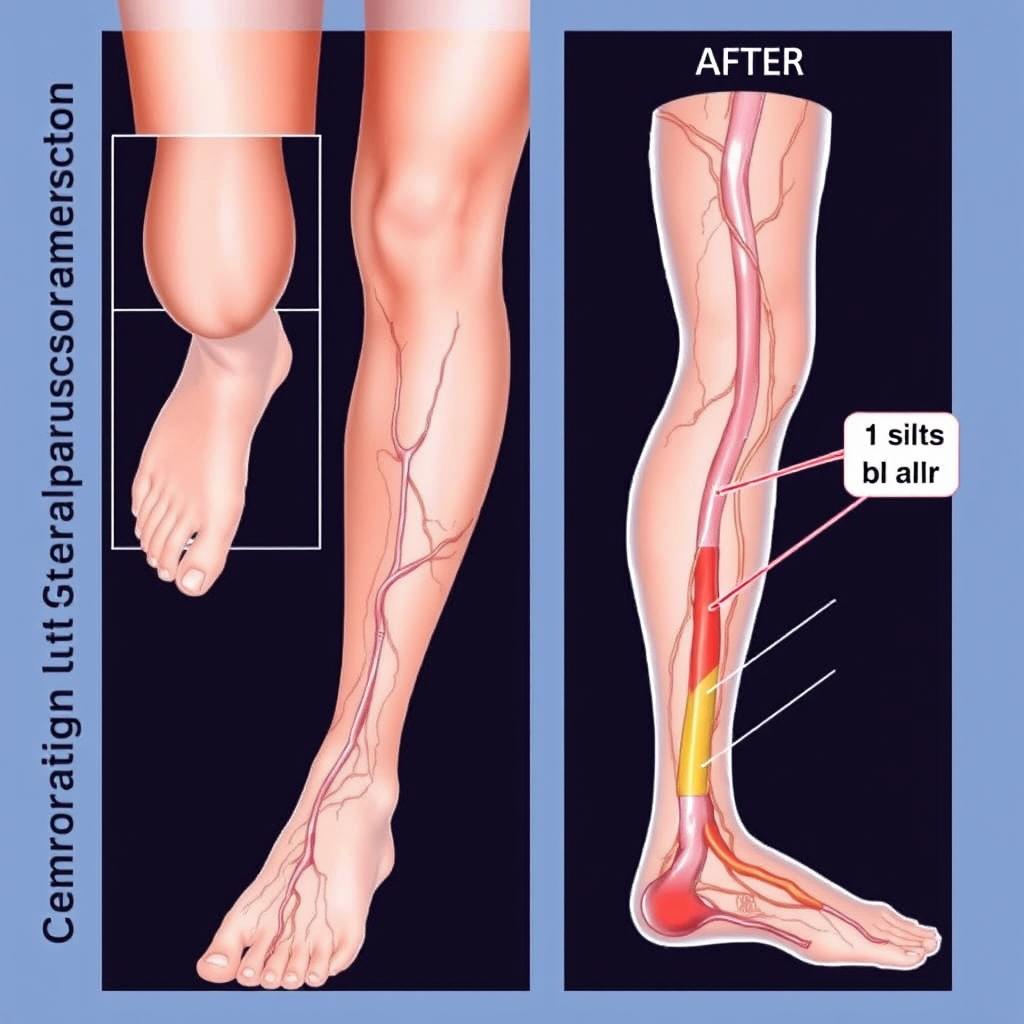
The external pressure from compression socks helps support vein walls and improves valve function, reducing the appearance and discomfort of varicose veins.
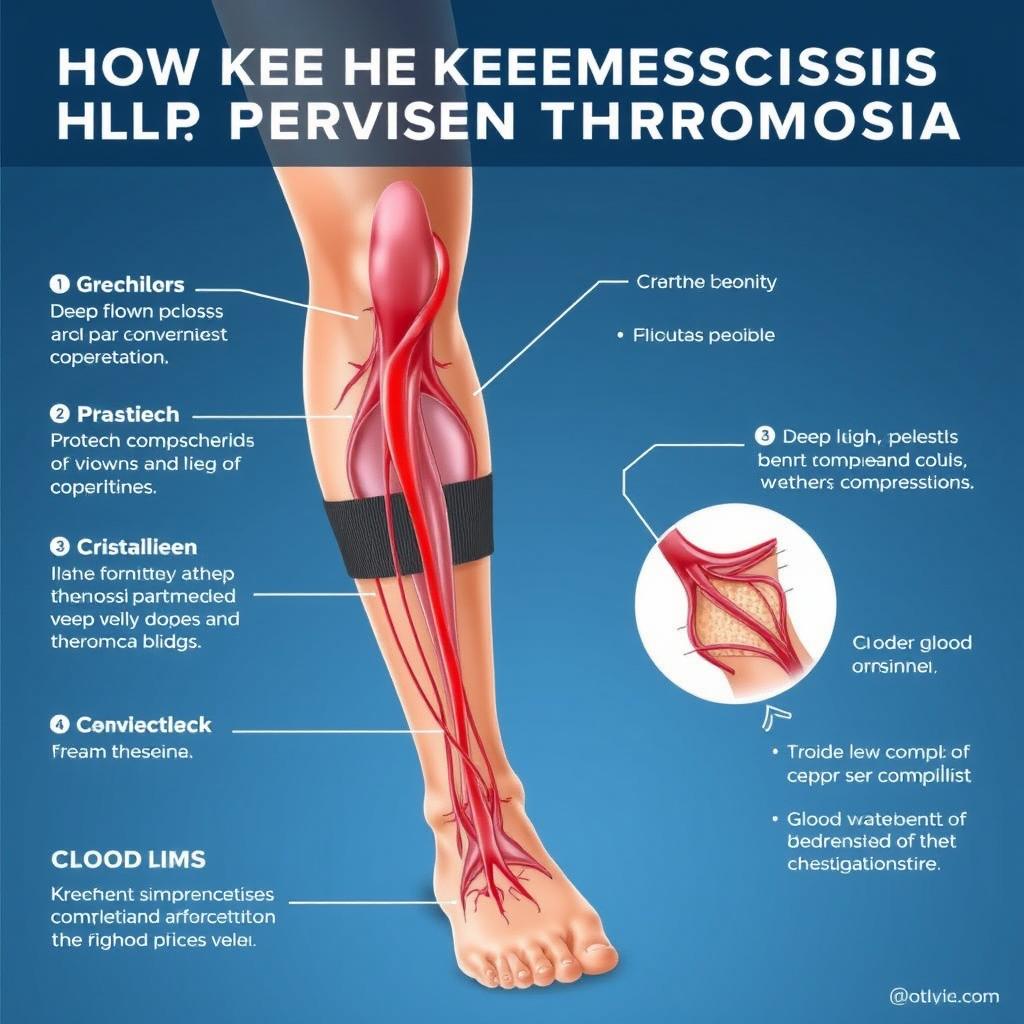
DVT Prevention
Deep vein thrombosis (blood clots) can be a serious risk after surgery or during long periods of inactivity. Compression socks are a proven method to reduce this risk.
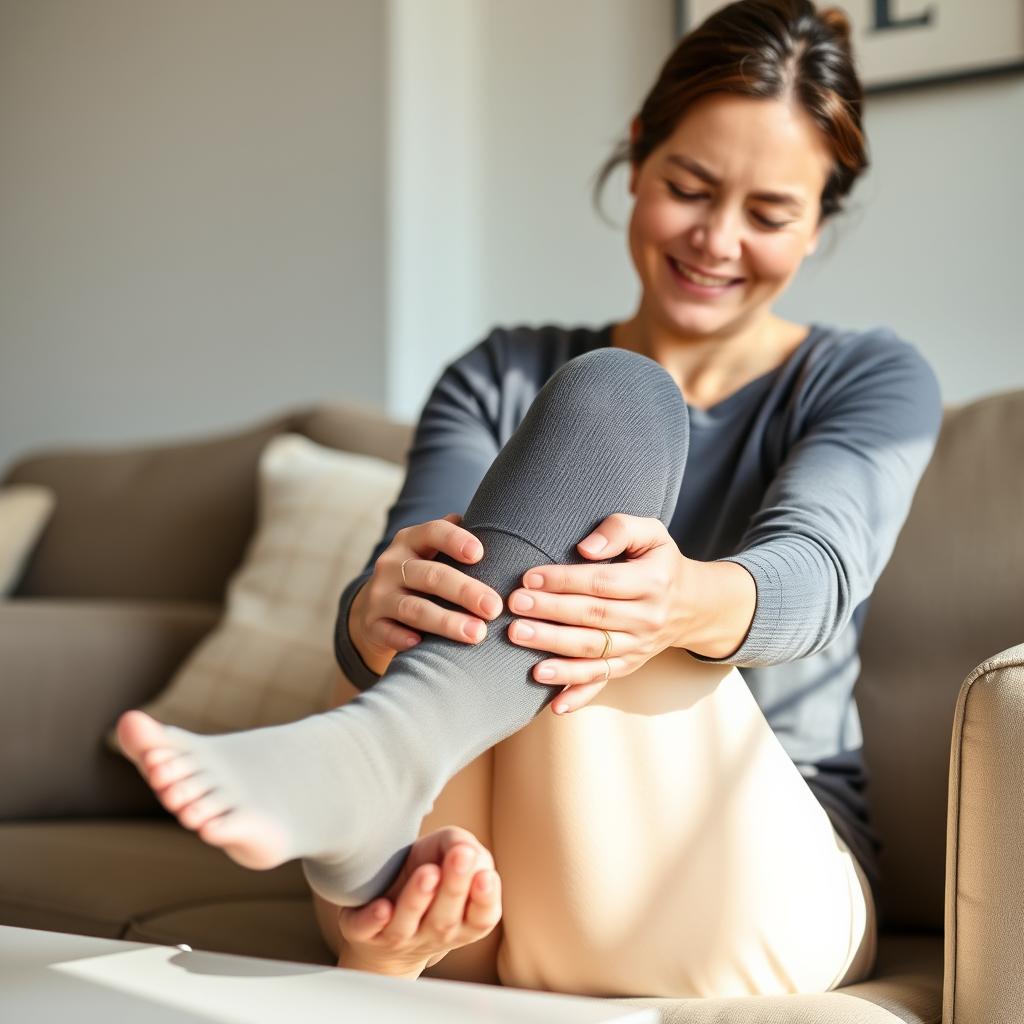
Pain Relief
Many users report significant pain relief from conditions like shin splints, plantar fasciitis, and general leg fatigue when wearing properly fitted compression socks.
Experiencing Post-Surgery Recovery?
Watch our comprehensive video guide on using compression socks for optimal knee replacement recovery.
Compression Socks for Total Knee Replacement Recovery
After knee replacement surgery, proper circulation is crucial for healing and preventing complications. Women’s knee high compression socks play a vital role in this recovery process.
Why Compression Matters After Surgery
Following total knee replacement, your mobility is limited, which can lead to blood pooling and swelling. Compression socks help:
- Reduce post-operative swelling in the surgical area
- Minimize the risk of blood clots during reduced mobility
- Improve circulation to promote healing
- Provide support to surrounding muscles and tissues
- Reduce pain and discomfort during recovery

Most orthopedic surgeons recommend 20-30 mmHg compression socks for the first 4-6 weeks after knee replacement surgery. Always follow your doctor’s specific recommendations for your situation.
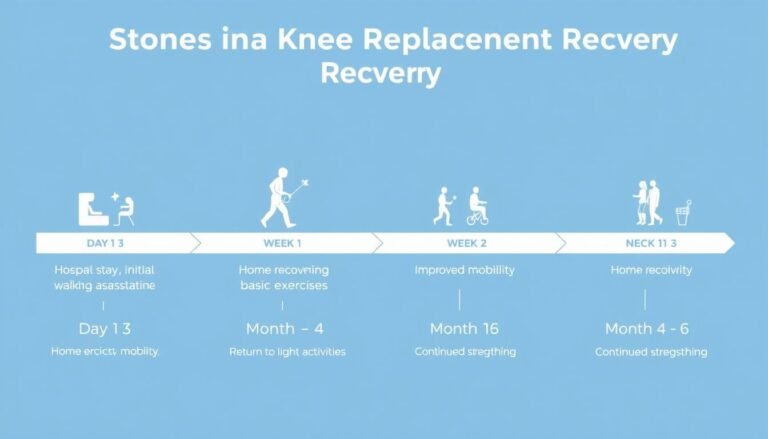
Recovery Timeline with Compression Therapy
| Recovery Phase | Recommended Compression | Wearing Schedule | Expected Benefits |
| Immediate Post-Op (0-2 weeks) | 20-30 mmHg | 20-22 hours daily | Significant swelling reduction, DVT prevention |
| Early Recovery (2-6 weeks) | 20-30 mmHg | During all waking hours | Continued swelling management, improved mobility |
| Mid Recovery (6-12 weeks) | 15-20 mmHg | During activity and therapy | Support during increased activity, comfort |
| Long-term Recovery (3+ months) | 15-20 mmHg or as needed | During extended activity | Ongoing support, fatigue reduction |
Planning for Knee Surgery?
Download our free comprehensive recovery guide with day-by-day instructions for optimal healing.
How to Choose the Right Women’s Knee High Compression Socks
Selecting the perfect compression socks involves considering several important factors to ensure both effectiveness and comfort.
Compression Level
Choose based on your specific needs:
- 8-15 mmHg: Daily wear, minor swelling
- 15-20 mmHg: Travel, pregnancy, standing jobs
- 20-30 mmHg: Recovery, varicose veins
- 30-40 mmHg: Severe conditions (prescription)
For post-surgery recovery, your doctor will typically recommend 20-30 mmHg.
Material & Construction
Consider these material options:
- Nylon/Spandex: Durable, thin, good for daily wear
- Cotton Blend: Breathable, comfortable, less moisture-wicking
- Microfiber: Soft, moisture-wicking, good for sensitive skin
- Merino Wool: Natural temperature regulation, odor-resistant
Look for reinforced toes and heels for durability.
Sizing & Fit
Proper sizing is crucial for effectiveness:
- Measure your calf and ankle circumference
- Measure leg length from floor to bend of knee
- Consider wide-calf options if needed
- Check manufacturer’s size charts (they vary)
- Socks should feel snug but not painful
Ill-fitting compression socks can cause discomfort or reduced effectiveness.
Open Toe vs. Closed Toe
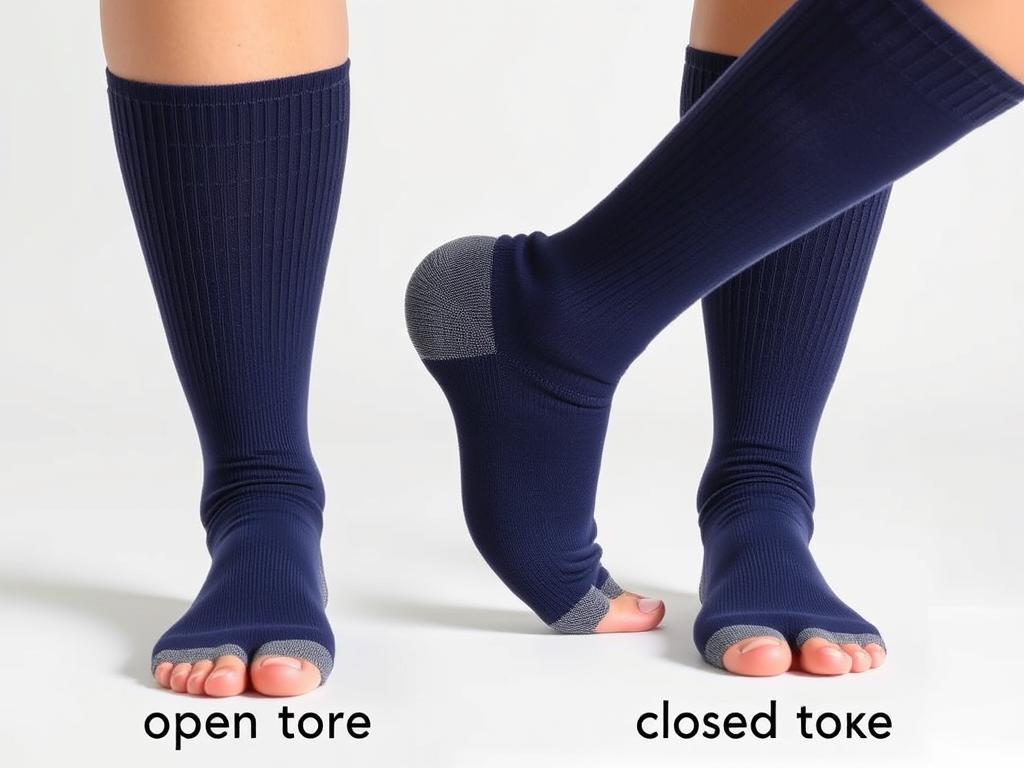
- Open Toe: Better for warm weather, allows toe freedom, works with sandals
- Closed Toe: Better warmth, complete coverage, traditional look
Style Considerations
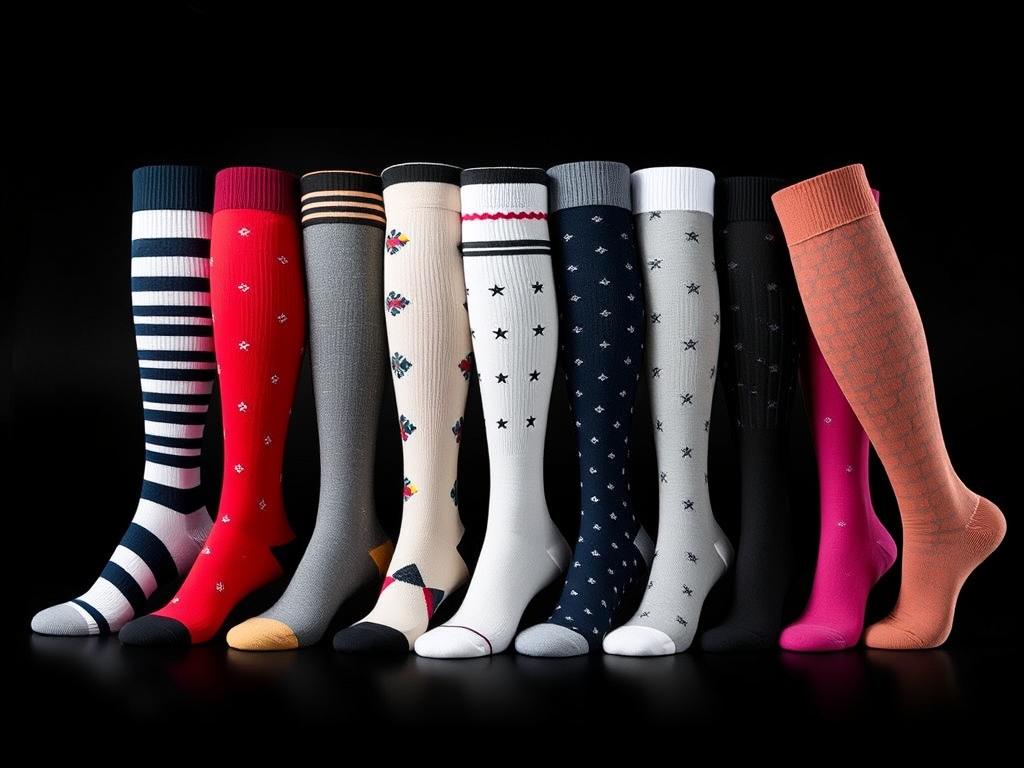
Modern compression socks come in various styles:
- Solid colors for professional settings
- Patterns and prints for personal expression
- Sheer options for formal occasions
- Athletic designs for active wear
Find Your Perfect Fit
Use our interactive sizing tool to determine the exact size and compression level for your needs.
Styling Women’s Knee High Compression Socks: Fashion Meets Function
Gone are the days when compression socks were purely medical and unstylish. Today’s options allow you to maintain your personal style while enjoying the benefits of compression therapy.
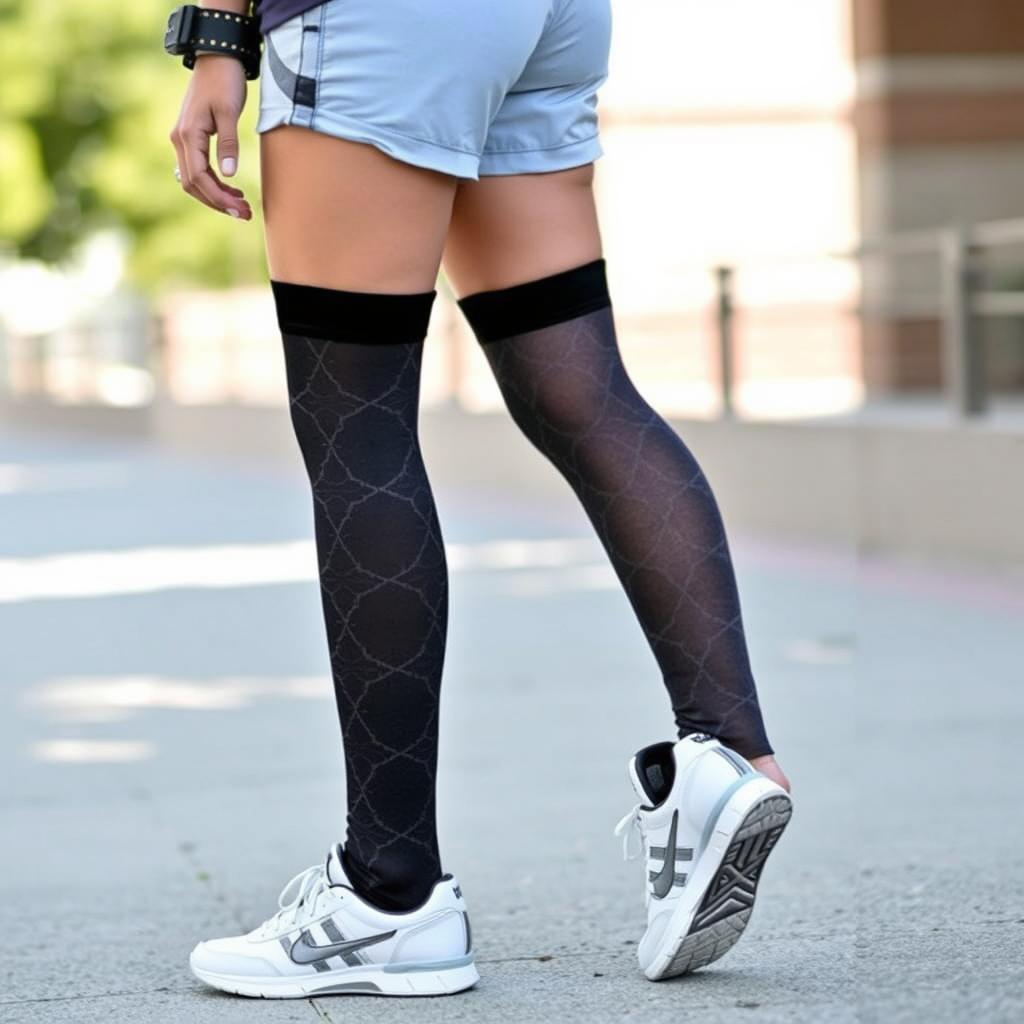
Casual Everyday Wear
Pair patterned compression socks with:
- Shorts or skirts for a preppy look
- Casual dresses for comfort with style
- Jeans rolled up to show a peek of pattern
- Athletic wear for an active aesthetic
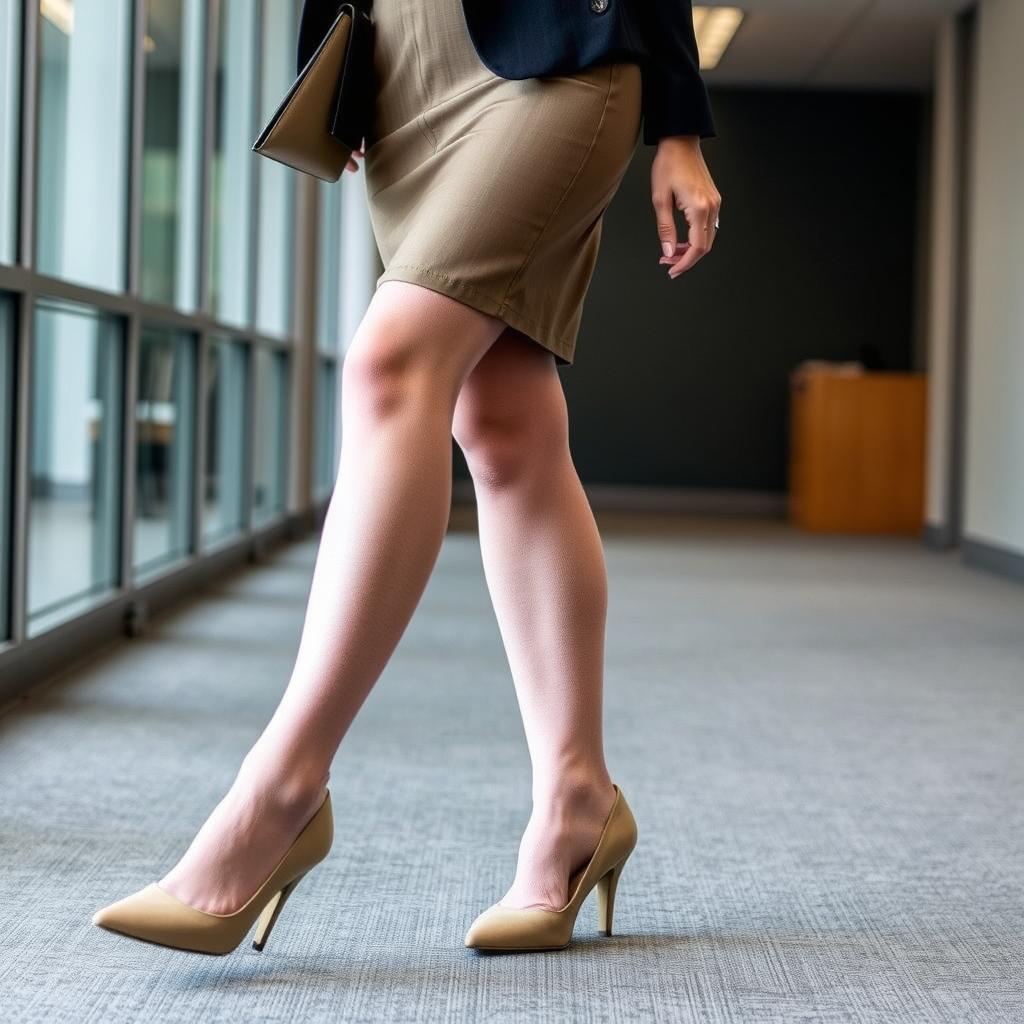
Professional Settings
For work environments, consider:
- Neutral colors that blend with your outfit
- Sheer options for formal business attire
- Subtle patterns for business casual
- Matching sock color to pants for a seamless look
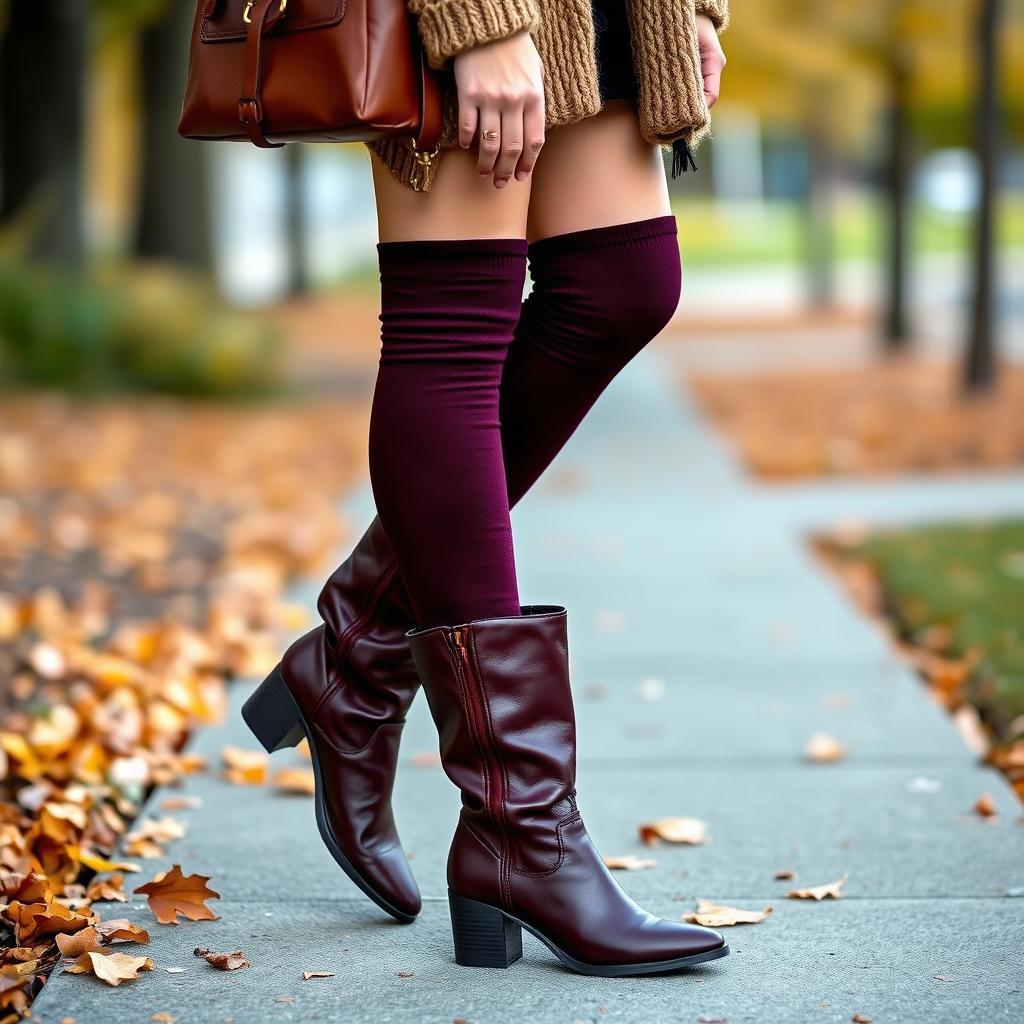
Boot Season Style
Compression socks work perfectly with boots:
- Pair with burgundy knee boots for a coordinated look
- Choose thin compression options for tight-fitting boots
- Select moisture-wicking materials for all-day comfort
- Match or contrast sock tops with boot color
“When I’m knee deep in the water somewhere, having that perfect balance of style and support makes all the difference. My compression socks keep me comfortable through long days without sacrificing my personal style.”
Seasonal Styling Tips
Spring/Summer
- Choose lighter colors and breathable fabrics
- Consider open-toe options for sandal season
- Look for moisture-wicking properties for hot weather
- Pair with shorts and skirts for a sporty look
Fall/Winter
- Layer under boots like burgundy knee boots for warmth
- Select darker colors and seasonal patterns
- Consider wool blends for natural temperature regulation
- Match with seasonal colors for a coordinated look
Elevate Your Compression Sock Style
Browse our collection of fashion-forward compression socks that don’t compromise on medical benefits.
Complementary Products for Enhanced Support
While women’s knee high compression socks provide excellent benefits on their own, pairing them with complementary products can enhance your comfort and recovery experience.

Copper Sleeves for Knees
Copper-infused knee sleeves can complement your compression socks by:
- Providing targeted knee joint support
- Offering potential anti-inflammatory benefits
- Adding warmth to the knee area
- Creating a comprehensive support system
Particularly beneficial for arthritis and knee recovery.
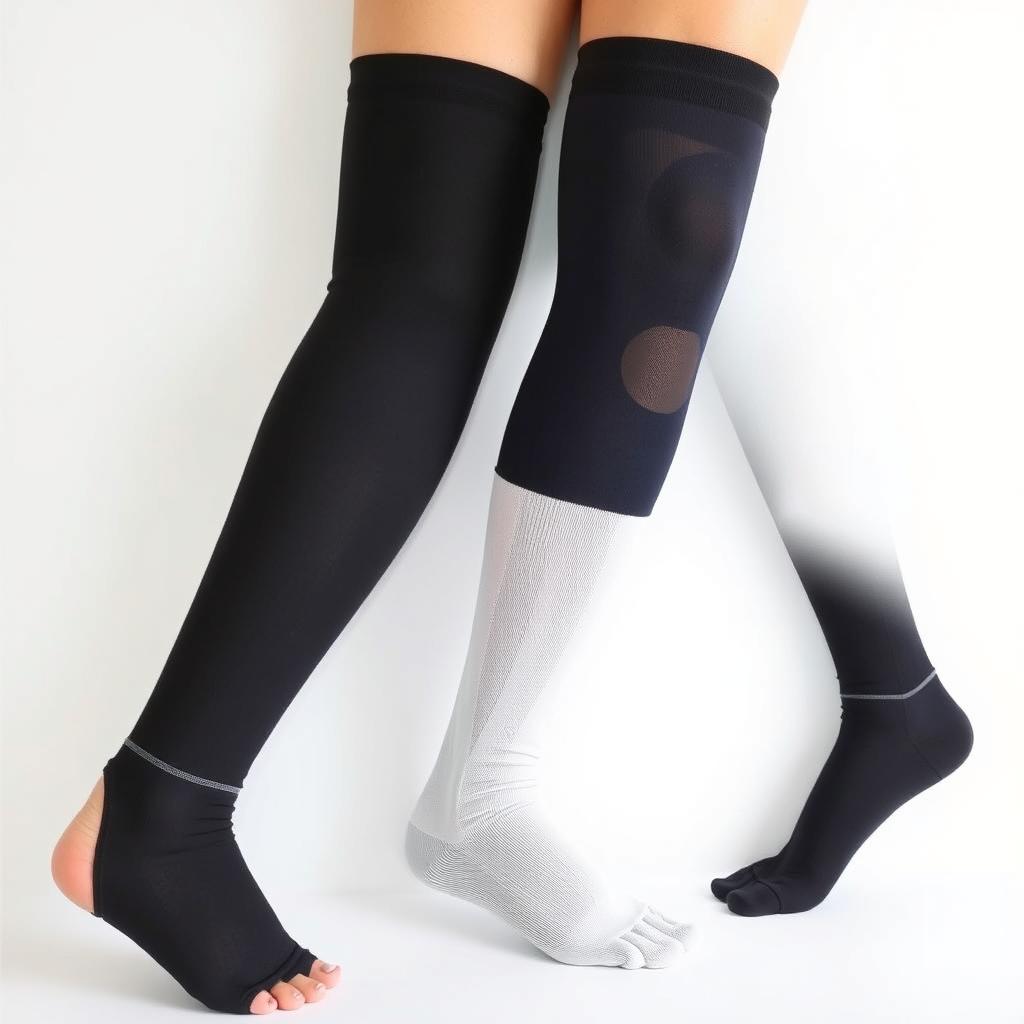
Compression Sleeves
Calf sleeves offer an alternative when full socks aren’t needed:
- Targeted calf muscle support
- Freedom for feet and ankles
- Easy to wear with regular socks
- Good option for athletic activities
Can be worn alternately with compression socks.
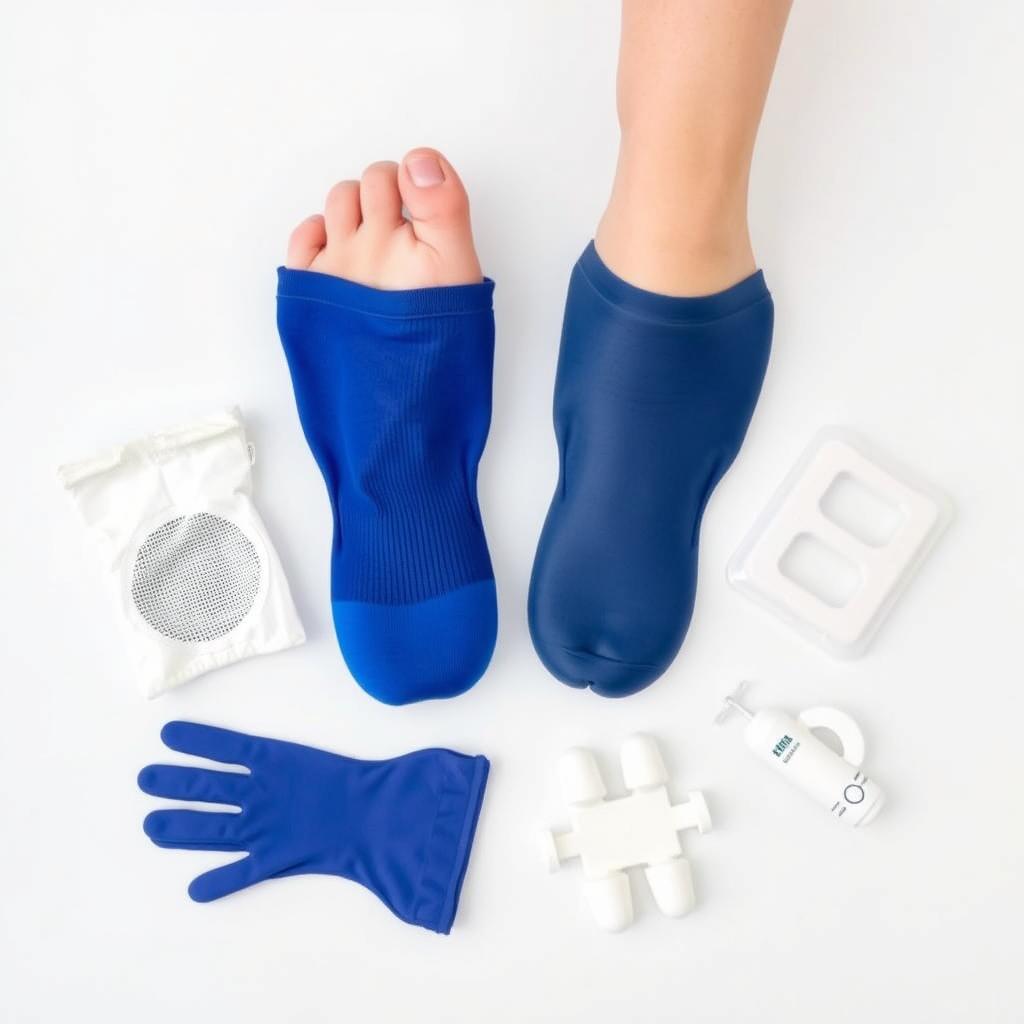
Donning Aids
These helpful tools make putting on compression socks easier:
- Donning gloves for better grip
- Silk foot slips to reduce friction
- Frames and funnels for assistance
- Extendable handles for limited mobility
Essential for those with arthritis or limited flexibility.
Pro Tip: Creating a Complete Recovery System
For comprehensive support after knee surgery or for ongoing leg health, consider creating a rotation of products:
- Women’s knee high compression socks for all-day wear and recovery
- Copper knee sleeve for targeted joint support during activity
- Compression leg sleeves for athletic activities
- Compression wraps for nighttime or at-home use
This approach provides targeted support while allowing you to wash and rotate your compression garments regularly.
Complete Your Recovery Kit
Explore our selection of complementary products designed to work with your compression socks.
Care and Maintenance of Compression Socks
Proper care extends the life and effectiveness of your women’s knee high compression socks. Follow these guidelines to maintain their compression and appearance.
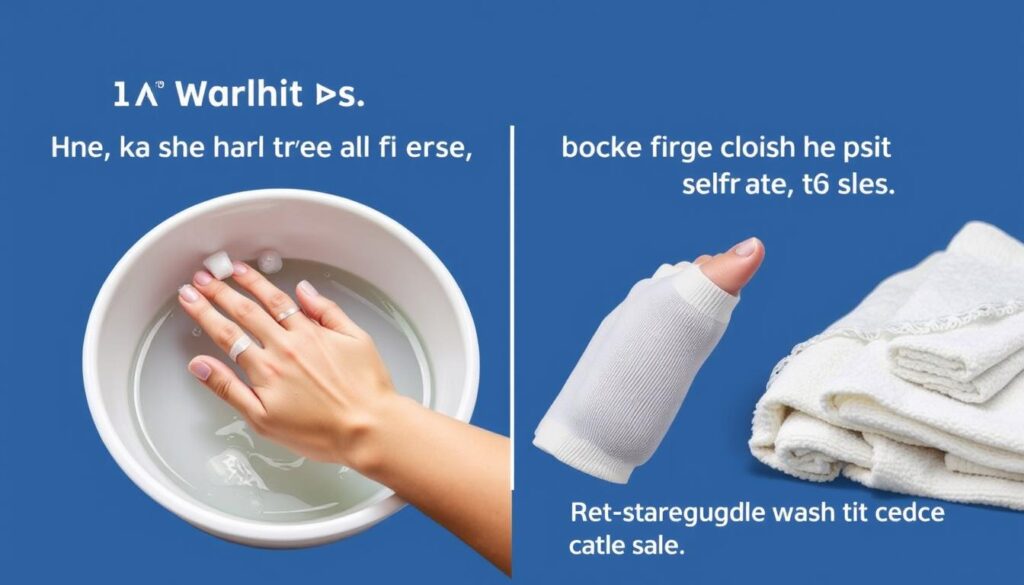
Washing Instructions
- Hand wash in lukewarm water with mild soap
- If machine washing, use gentle cycle in a mesh bag
- Avoid bleach, fabric softeners, and harsh detergents
- Rinse thoroughly to remove all soap residue
- Do not wring or twist the socks
Drying and Storage
- Air dry flat or hanging (away from direct heat/sun)
- Never use a dryer as heat damages elastic fibers
- Store flat or loosely rolled in a drawer
- Avoid folding or creating sharp creases
- Keep away from rough surfaces that could cause snags
When to Replace Your Compression Socks
Even with proper care, compression socks will eventually lose their elasticity and effectiveness. Look for these signs that it’s time for a replacement:
- Visible stretching or sagging
- Decreased compression feeling
- Bunching around ankles or knees
- Threads coming loose or holes forming
- Difficulty putting them on despite proper technique
- Discoloration that doesn’t wash out
- Band at top rolling down frequently
- Compression feels uneven
- Generally, replace every 3-6 months with regular use
Rotation System for Longer Life
For best results and hygiene, have at least 2-3 pairs of compression socks in rotation. This allows each pair to fully recover its shape between wearings and gives you time to properly wash and dry each pair.
Frequently Asked Questions About Women’s Knee High Compression Socks
How long should I wear compression socks each day?
For most medical purposes, compression socks should be worn during waking hours and removed before sleeping. Post-surgery, your doctor may recommend wearing them 20-22 hours per day initially. For general use, 8-12 hours is typical. Always follow your healthcare provider’s specific recommendations.
Can I sleep in my compression socks?
Generally, compression socks are not recommended for sleeping unless specifically prescribed by your doctor for post-surgery recovery or certain medical conditions. Most people should remove compression socks at night to give the skin a break and allow for normal circulation during rest.
How do I put on compression socks correctly?
Turn the sock inside out to the heel. Place your foot into the sock’s foot portion. Gradually roll and pull the sock up over your calf, ensuring it lies flat without wrinkles. For tight compression levels, donning aids or donning gloves can make application easier. Never bunch or fold the sock during application.
Do I need a prescription for compression socks?
Mild to moderate compression levels (8-15 mmHg and 15-20 mmHg) generally don’t require a prescription. Firm compression (20-30 mmHg) is available over-the-counter but may be prescribed. Extra firm and medical-grade compression (30-40 mmHg and higher) typically require a prescription from a healthcare provider.
Can I wear compression socks with burgundy knee boots or other footwear?
Yes! Compression socks can be worn with most footwear, including burgundy knee boots. For knee-high boots, choose thinner compression socks to ensure comfortable fit. The top of the sock should sit just below the boot top. For open shoes, consider open-toe compression options. Always ensure your footwear doesn’t create additional pressure points when worn with compression socks.
How do compression socks help after knee replacement surgery?
After knee replacement, compression socks help reduce swelling, improve circulation, prevent blood clots (DVT), and support surrounding tissues during healing. They’re particularly important during the reduced mobility phase of recovery. Your surgeon will typically recommend a specific compression level and wearing schedule based on your individual needs and recovery progress.
Have More Questions?
Our compression specialists are available to answer all your questions about finding the right compression socks for your needs.
Finding Your Perfect Women’s Knee High Compression Socks
Whether you’re recovering from surgery, managing a medical condition, or simply seeking better support for long days on your feet, the right women’s knee high compression socks can make a significant difference in your comfort and health. From medical benefits to style integration, today’s compression options offer something for everyone.
As you explore the world of compression therapy, remember that proper fit and appropriate compression levels are key to experiencing the full benefits. Don’t hesitate to consult with healthcare professionals for personalized recommendations, especially for post-surgery recovery or specific medical conditions.
And as the song lyrics remind us, when you find yourself “knee deep in the water somewhere” of life’s challenges, the right support can help you navigate with greater comfort and confidence. With the information in this guide, you’re well-equipped to find compression socks that meet both your medical needs and personal style preferences.
Ready to Experience the Benefits?
Explore our curated selection of premium women’s knee high compression socks designed for both effectiveness and style.