|

You Don’t Look Sick – Living with Rheumatoid Arthritis: HAWAII DAY 1


Well, my start to my trip to Hawaii definitely started with a bang. First I got up early and got to the airport well in time. I had a wonderful taxi driver who was very sweet and he took me and my luggage to the airport lobby and arranged a wheelchair for me. I was so early that I was ahead of the people pushing the wheelchairs to your gate. So I had to sit and wait for about half an hour for someone to push me to my gate.

Getting through TSA was a lesson in patience. Since I was in a wheelchair, I was wheeled to the front of the line, but then had to wait for a female TSA agent to check my trunk. My boot had to be taken off and put through the X-ray machine and then my sock had to be inspected. I offered to take off my sock and they can take it to the x-ray machine, but they refused and instead felt all over my foot. It seemed kind of stupid. That whole process took about another 45 minutes.

My flight was very nice. I sat next to two very nice women who both wore masks the entire time and we were super helpful when we landed. In Hawaii the plane lands right on the tarmac and you have to walk down a flight of stairs. The two women carried my backpack and medicine bag so I could hold on to the railing.

Once I had my luggage, I waited in a long line to get the shuttle to the rental car. When I got to the rental car, I went to the Fast Track thinking I would get my rental car, but unfortunately they claimed I didn’t have my fast track for this reservation. So I had to wait in a long line for him to pick up my rental car. Luckily there were some very nice people in line who held my seat while I sat down for a while. It was very hot and I stood for a long time.

Finally I get to the front of the line and pick up my rental car. I drove away happily and went to the supermarket to get food. I drove just 20 miles further and it was clear something was wrong with the car. Every time I drove over 60 miles per hour there was a chattering sound like someone was banging in the trunk. After stopping a few times to see if I could see what the problem was, I called roadside assistance. That was an incredibly useless call because the guy kept asking me where I was, but I just knew I was on a highway in the middle of nowhere in Hawaii. So I finally turned around and went back to the airport.

AVvXsEgRy9qBgcR6vJg4f6G3U3pVjAhTWaud7nZq mFSPBLXKiJlAPBJUS E

Once back at the car rental company at the airport, I saw the same service representative I had spoken to twice. I called him and told him what happened and he quickly brought my new car over.

When the car came by, I had some really nice people helping me with my bags and groceries. This time the car was great. I arrived at the hotel and the nice lady at the reception helped me with my bags and groceries.

To give you an idea, I landed at 11:30 AM and arrived at the hotel at 6:00 PM. It took 6.5 hours to get off the plane, pick up my luggage, go to the rental location, get car #1, then a grocery store and drive 20 miles and then drive back and get car #2 and then drive 2 hours to the hotel. It was a lot of standing. Let’s see how my feet feel tomorrow. Oh yeah, I was late for dinner, so I ate snacks.

See you tomorrow…

Source link

Similar Posts

  • |

    Knee replacement complications

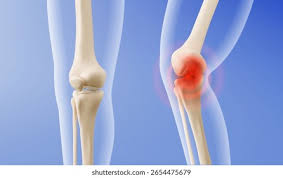
    What if the key to a successful recovery isn’t just about the surgery itself, but what you know beforehand? Every year, over 790,000 people in the United States choose this medical procedure to regain their mobility. It’s a major step toward a life with less pain. knee replacement complications We recognize that while this operation is common, understanding what can happen after is vital. This knowledge transforms a patient from a passive recipient into an active partner in their own care. Our goal is to provide clear, empowering information about the possible risks. This helps you approach your healing journey with eyes wide open and confidence high. Modern advancements have made this intervention safer and more effective than ever. Still, being informed allows you to spot any warning signs early and seek help promptly. This guide is your comprehensive resource. We aim to support you in taking charge of your long-term joint health and overall well-being. Key Takeaways Over three-quarters of a million knee replacement surgeries are performed annually in the U.S. Being informed about potential issues is a crucial part of patient preparation and empowerment. Knowledge of risks helps in early identification of any post-operative warning signs. Modern surgical techniques and care have significantly improved the safety profile of this procedure. An active understanding of your care plan contributes greatly to a successful long-term outcome. This information is designed to build confidence as you move forward with your medical decision. Understanding Knee Replacement Surgery Before diving into the details, let’s build a clear picture of what this surgical process entails. Over 790,000 of these operations happen each year in the United States alone. understanding knee replacement surgery What Is a Knee Replacement? This common operation replaces all three compartments of a damaged joint. Surgeons remove worn bone and cartilage. They then fit precise metal and plastic implants. This creates a new, smooth gliding surface. Aspect Detail Primary Goal Relieve chronic pain and restore joint function Artificial Components Metal and medical-grade plastic Typical Anesthesia General or spinal Average Hospital Stay 1 to 3 days Initial Recovery Period 6 to 12 weeks The Overall Procedure and Its Benefits This intervention is designed to help people regain independence. Most patients report a major improvement in their quality of life. The main benefit is lasting relief from persistent pain. Many return to daily activities and hobbies they love. Understanding the mechanics helps set realistic expectations for recovery and long-term performance. Key Knee Replacement Complications Statistics offer great comfort, but a complete picture includes understanding what could go wrong, even if it’s unlikely. Research confirms a very high success rate for this operation. Over 95% of people recover without any major issues. This statistic highlights the overall safety of the procedure. key knee replacement complications Overview of Common Risks Every medical intervention carries some inherent risks. These can include infection, blood clots, or stiffness. Your surgical team is trained to both prevent and manage these known challenges. They are a standard part of the pre-operative discussion. Why Awareness Matters We believe knowledge is power. Understanding potential warning signs allows you to partner with your care team. You can seek help promptly if something doesn’t feel right. This proactive approach helps prevent minor concerns from becoming serious problems. It’s crucial to discuss your personal health history with your doctor. This conversation helps assess your individual risk profile before surgery….

  • Low back pain and spinal stenosis

    Spinal stenosis is a narrowing of the spinal canal such that the nerve roots running through the spinal canal are compressed by a variety of different structures, such as bulging discs, bulges, ligaments, and/or arthritic enlarged facet joints. Joints. The area of ​​the lumbar spine that becomes narrowed often determines the type of symptoms patients…

  • |

    Plums for your bones – Food for healthy bones

    Eating plums for your bones can help prevent or slow bone loss by reducing inflammation and oxidative stress. There are two delicious recipes on my plum blog. Skelly and I spend a lot of time promoting strong bones and how to nourish them. But many women we meet don’t think about it – until it’s…

  • Knee Osteoarthritis: Surgery Consideration Time

    Knee osteoarthritis (OA) can greatly impact daily activities and diminish quality of life. When knee pain and limited mobility become persistently severe, it may be time to consider surgery as a treatment option for knee osteoarthritis. However, surgery should not be the first course of action. Non-surgical treatments should be explored and exhausted before opting…

Leave a Reply

Your email address will not be published. Required fields are marked *