
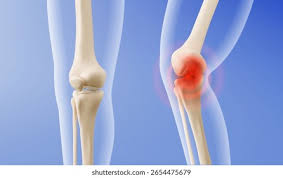
Healthy Knee Bone
Healthy Knee Bone And How maintaining Strong Resilient Joints
As we age, our bones become more prone to damage and injury. One of the most important joints in our body is the knee joint. The knee joint is made up of bones, cartilage, and ligaments that work together to provide stability and mobility. It is essential to take care of our knees to maintain their health and prevent injuries.

Understanding Knee Anatomy is crucial in maintaining healthy knees. The knee joint is made up of three bones: the femur, tibia, and patella. The femur is the thigh bone, the tibia is the shin bone, and the patella is the kneecap. These bones are connected by ligaments and surrounded by cartilage, which acts as a cushion and helps absorb shock. The muscles around the knee joint also play a crucial role in movement and stability. By understanding the anatomy of the knee, we can take better care of our knees and prevent injuries.
Key Takeaways:
- Understanding Knee Anatomy is essential for maintaining healthy knees.
- The knee joint is made up of bones, cartilage, and ligaments that work together to provide stability and mobility.
- The muscles around the knee joint also play a crucial role in movement and stability.
Understanding Knee Anatomy
The knee joint is a complex structure that connects the thigh bone (femur) to the shin bone (tibia) and is responsible for supporting the weight of our body and allowing us to move our legs. To understand how to maintain a healthy knee, it is essential to have a basic understanding of its anatomy.
Bones and Joints
The knee joint consists of three bones: the femur, tibia, and patella (kneecap). The femur and tibia meet at the knee joint and are held together by several ligaments, including the anterior cruciate ligament (ACL) and collateral ligaments. The patella sits in front of the knee joint and is connected to the femur by the patellar tendon.
Muscles and Ligaments
Several muscles surround the knee joint and are responsible for moving the leg. The quadriceps muscles are located at the front of the thigh and are responsible for extending the leg. The hamstrings are located at the back of the thigh and are responsible for flexing the leg. The calf muscles are located at the back of the leg and are responsible for pointing the foot downwards.
In addition to the ligaments that hold the bones together, there are also several ligaments that provide stability to the knee joint. The cruciate ligaments are located inside the knee joint and help to prevent the femur and tibia from sliding back and forth. The collateral ligaments are located on the sides of the knee and help to prevent the knee from moving too far from side to side.
Cartilage and Membranes
Articular cartilage is a smooth, shiny substance that covers the ends of the bones in the knee joint. It helps to reduce friction between the bones and allows them to move smoothly. The synovial membrane is a thin layer of tissue that lines the inside of the knee joint. It produces synovial fluid, which lubricates the joint and reduces friction.
Maintaining a healthy knee requires taking care of all the components that make up the knee joint. By understanding the anatomy of the knee, we can take steps to prevent injuries and keep our knees healthy and pain-free.
Common Knee Problems and Causes
As we age, our knee joints may experience wear and tear, leading to common knee problems. Knee pain is one of the most common knee problems that people experience, which can be caused by a variety of factors. Knee pain can be caused by an injury, such as a fracture, dislocation, or ligament tear, or by an underlying medical condition, such as arthritis or gout.
Osteoarthritis is a common type of arthritis that affects the knee joint, causing joint damage, inflammation, and stiffness. Rheumatoid arthritis is another type of arthritis that can affect the knee joint, leading to joint damage and weakness.
Injuries to the knee, such as a meniscus tear, can also cause knee problems. The meniscus is a piece of cartilage that acts as a cushion between the thigh bone and the shin bone. When the meniscus is torn, it can cause pain, swelling, and stiffness in the knee.
Excess weight can also be a risk factor for knee problems, as it can put extra pressure on the knee joint, leading to pain and disability. Infections can also cause knee problems, leading to swelling, pain, and stiffness in the knee.
Symptoms of knee problems can include pain, swelling, stiffness, weakness, popping, and difficulty walking. It is important to seek medical attention if you are experiencing any of these symptoms, as early intervention can help prevent further damage to the knee joint.
In summary, knee problems can be caused by a variety of factors, including injury, arthritis, excess weight, and infection. Symptoms can include pain, swelling, stiffness, weakness, popping, and difficulty walking. Seeking medical attention early can help prevent further damage to the knee joint.
Prevention and Care of Knee Health

Maintaining healthy knees is crucial for overall mobility and independence. Here are some tips to prevent and care for knee health:
Exercise and Physical Activity
Regular physical activity, including weight-bearing exercises such as walking, running, and cycling, can help keep our knees healthy. However, it is important to start slowly and gradually increase intensity to prevent injury. Swimming and yoga are also great low-impact exercises that can help strengthen the muscles around the knee joint.
Body Weight
Maintaining a healthy body weight is essential for knee health. Excess weight puts extra pressure on our knees, which can lead to wear and tear over time. Eating a balanced diet that includes fruits, vegetables, and whole grains, while avoiding processed foods, can help us maintain a healthy weight.
Good Posture
Good posture is important for knee health as it helps distribute weight evenly across our joints. It is important to stand and sit up straight, keeping our shoulders back and our hips aligned.
Knee Braces
Knee braces can be helpful in preventing knee injuries, especially during sports or other physical activities. They provide support and stability to the knee joint, reducing the risk of strain or sprain.
Care for Lower Leg and Hips
The health of our knees is closely linked to the health of our lower leg and hips. Regular stretching and strengthening exercises can help keep these areas healthy, reducing the risk of knee injury.
When to Seek Medical Attention
If we experience persistent knee pain or swelling, it is important to seek medical attention. This may be a sign of a more serious condition, such as arthritis or a ligament tear.
In summary, maintaining knee health requires a combination of regular exercise, a healthy diet, good posture, and care for the lower leg and hips. By following these tips, we can help prevent knee injuries and maintain our mobility and independence.
Medical Interventions and Treatments

When it comes to knee health, medical interventions and treatments can be helpful in managing pain and preventing further damage. Here are some common interventions and treatments:
- Medication: Over-the-counter medications such as ibuprofen and naproxen sodium can help ease knee pain caused by inflammation. Creams containing a numbing agent or capsaicin can also provide relief. Prescription medications, such as corticosteroids, can be used to reduce inflammation and pain.
- Physical Therapy: Physical therapy can help improve knee strength and flexibility, which can reduce pain and prevent future injuries. A physical therapist can also teach you exercises to do at home to improve knee health.
- Surgery: In some cases, surgery may be necessary to repair a knee injury or damage caused by arthritis. Common knee surgeries include arthroscopy, knee replacement, and osteotomy.
- Joint Injections: Injections of corticosteroids or hyaluronic acid can be used to reduce inflammation and pain in the knee joint.
- Lifestyle Changes: Maintaining a healthy weight, staying active, and avoiding activities that put excessive strain on the knee joint can help prevent knee pain and damage.
It is important to talk to a doctor if you are experiencing knee pain or stiffness, especially if it is affecting your daily activities. A doctor can diagnose the cause of your knee pain and recommend appropriate treatments.
Nutrition for Healthy Knee Bones

Maintaining healthy knee bones is essential for overall mobility and quality of life. While factors such as age, genetics, and physical activity levels can all play a role in bone health, nutrition is also a critical component. Here are some key dietary factors to consider for promoting healthy knee bones.
Calcium
Calcium is a mineral that is essential for building and maintaining strong bones. It is found in a variety of foods, including dairy products, leafy greens like kale and broccoli, and certain types of fish like salmon, trout, and sardines. However, it can be challenging to get enough calcium from diet alone, especially if you are lactose intolerant or do not consume dairy products. In such cases, calcium supplements may be recommended by a healthcare provider.
Vitamin D
Vitamin D is another important nutrient for bone health, as it helps the body absorb calcium. The best source of vitamin D is sunlight, but it can also be found in fatty fish like salmon and tuna, egg yolks, and fortified foods like milk and cereal.
Omega-3 Fatty Acids
Omega-3 fatty acids are a type of healthy fat that have been shown to support bone health and reduce inflammation. They are found in fatty fish like salmon and tuna, as well as in some nuts and seeds. Including these foods in your diet can help support knee bone health.
Avoid Processed Foods
Processed foods are often high in sodium and other additives that can be detrimental to bone health. Limiting your intake of processed foods and focusing on whole, nutrient-dense foods can help support healthy knee bones.
Connective Tissue
Connective tissue is the building block of bones and joints. Consuming foods rich in collagen, such as bone broth or gelatin, can help support connective tissue health and promote strong, healthy knee bones.
In summary, a diet rich in calcium, vitamin D, omega-3 fatty acids, and whole, nutrient-dense foods can help support healthy knee bones. Additionally, limiting processed foods and incorporating foods rich in collagen can also be beneficial.
02 Tables for Bone Density All Over the Body, the Best Vegetables for the Bone, and Vitamins and Sports

Maintaining healthy bones is essential for overall health and mobility. Bone density is a measure of how much bone mineral is present in a given volume of bone, and it is an important indicator of bone strength and fracture risk. Here are some tables that show the recommended bone density levels for different parts of the body:
| Bone Density Levels | T-score |
|---|---|
| Normal | -1.0 or higher |
| Low bone mass (osteopenia) | Between -1.0 and -2.5 |
| Osteoporosis | -2.5 or lower |
As we can see from the table, a T-score of -1.0 or higher is considered normal bone density. A T-score between -1.0 and -2.5 indicates low bone mass (osteopenia), while a T-score of -2.5 or lower indicates osteoporosis.
In addition to getting enough calcium and vitamin D, eating a diet rich in vegetables can also help promote healthy bones. Here are some of the best vegetables for bone health:
- Spinach
- Kale
- Broccoli
- Bok choy
- Collard greens
These vegetables are high in calcium, vitamin K, and other nutrients that are important for bone health. Consuming a variety of these vegetables can help ensure that we are getting the nutrients our bones need to stay strong.
In addition to eating a healthy diet, engaging in weight-bearing exercises and sports can also help promote bone health. Weight-bearing activities force our bones to work against gravity, which can help stimulate bone growth and improve bone density. Examples of weight-bearing activities include:
- Running
- Jumping rope
- Dancing
- Tennis
- Hiking
In conclusion, maintaining healthy bones is crucial for overall health and mobility. By following a healthy diet rich in vegetables and engaging in weight-bearing activities, we can help promote bone health and reduce the risk of fractures.
Frequently Asked Questions

What are the ligaments that support the knee joint?
The knee joint is supported by four main ligaments: the anterior cruciate ligament (ACL), posterior cruciate ligament (PCL), medial collateral ligament (MCL), and lateral collateral ligament (LCL). These ligaments connect the thigh bone (femur) to the shin bone (tibia) and help to stabilize the knee joint.
What is the name of the bone below the knee?
The bone below the knee is called the tibia. It is also known as the shinbone and is the second largest bone in the human body. The tibia plays an important role in supporting the weight of the body and connecting the knee joint to the ankle joint.
What are some ways to take care of your knees after 30?
After the age of 30, it is important to take care of your knees to prevent injuries and maintain their health. Some ways to take care of your knees include maintaining a healthy weight, staying active and engaging in regular exercise, wearing proper footwear, avoiding high-impact activities, and stretching before and after exercise.
Can exercises strengthen bones in a bone-on-bone knee?
While exercises cannot directly strengthen bones in a bone-on-bone knee, they can help to improve the strength and flexibility of the muscles that support the knee joint. This can help to reduce pain and improve mobility.
What is the protruding bone on the knee called?
The protruding bone on the knee is called the patella, or kneecap. It sits in front of the knee joint and helps to protect the joint and improve its mechanical advantage.
What does a healthy kneecap look like?
A healthy kneecap should be smooth and have a consistent thickness. It should also be centered in the groove of the thigh bone and move smoothly when the knee joint is flexed and extended. Any abnormalities or irregularities in the kneecap may indicate an underlying issue that requires medical attention.




2 Comments