download 2026 03 25T192838.519

Brain biometrics helps identify sports concussions

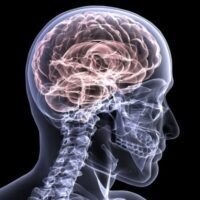
New brain biometrics could help determine whether an athlete is ready to return to play after a concussion, according to new research from the University of South Australia.

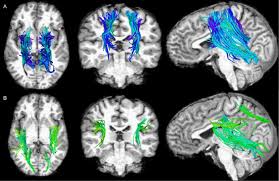
Conducted in collaboration with the University of California San Francisco (UCFC), researchers found that changes in brain micro-movements – called ‘head pulses’ – could detect the lasting effects of a concussion.

Using a custom-designed headset* to evaluate head pulse biometry among 101 amateur male and female Australian Rules Football players in South Australia, researchers identified brain abnormalities in 81% of concussed players, indicating persistent injury that lasts longer than the expected recovery times.

These head pulse changes lasted 14 days after concussion symptoms and were exacerbated by return to play or unsupervised physical activity.

UniSA professor of kinesiology Kevin Norton says headpulse measures could complement current return-to-play protocols.

Traumatic brain injuries affect more than 60 million people every year, a third of which are sports-related,” says Prof. Norton.

“While we know that the Australian sporting sector takes concussion seriously – through informed return-to-play protocols – we also know that objective measures of concussion recovery have not been fully established.

“In this study, we used head pulses – a normal measure of brain ‘wobble’, matched to each heartbeat – to assess any changes in frequency due to concussion.

“We found that almost all players who suffered a concussion had a ‘disconnect’ between their symptoms and the head pulse, so that even when the players said they felt fine, the head pulse still showed signs of brain injury.”

While most players felt like they had recovered 10 to 14 days after their injury, the study showed that some players took as long as four weeks to recover and return to normal head pulse patterns.

Concussion recovery protocols in Australian Football require 24 to 48 hours of strict physical and cognitive rest, followed by graded individual training and then team training, provided there is no worsening of symptoms; the earliest permitted return to play upon completion of protocol and medical clearance is 12 days post-concussion.

The Australian Senate Committee Report Concussion and repetitive head trauma in contact sports Published this month, it recommends that national sporting associations should explore further rule changes for sport to prevent and reduce the impact of concussions and repetitive head trauma.

This research adds to the growing body of knowledge underlying concussion protocols.

Comments

  • *The headset is patented by UCSF and licensed by medical technology company MindRhythm.
  • Data on sports-related concussions and repetitive head trauma are under-reported in Australia, but the latest AIHW data shows that 2305 sports-related concussions occurred between 2019 and 2020. Men suffered 70% of concussions and over a third of people hospitalized were young athletes aged 15 to 24.
  • About 730 of the concussions occurred while playing some form of football; and approximately 440 occurred while cycling
Source link

Similar Posts

  • |

    Best Bone Health Supplements with Cr. McCormick

      Hello friends of bones: I am pleased to present my interview on bone supplements with Dr. McCormick. We discussed his full line of bone supplements that are a key ingredient for healthy bones and why calcium in lower doses is important. A number of attendees indicated that they could not participate in the zoom…

  • Take a dunk if you want, but don’t expect more

      Effects of cold water immersion compared to other recovery modalities on athletic performance after acute strenuous exercise in physically active participants: a systematic review, meta-analysis and meta-regression. Moore E, Fuller JT, Bellenger CR, Saunders S, Halson SL, Broatch JR, Buckley JD. Sports Med. December 17, 2022. doi: 10.1007/s40279-022-01800-1. E-publishing prior to printing. PMID: 36527593….

  • We have to do better. Recognizing and treating anxiety among student-athletes

      Factors influencing anxiety-related symptoms, diagnosis, and treatment among college student-athletes in the National College Health Assessment. Edwards B and Froehle AW. J Athl training. 2023, [epub ahead of print]. doi: 10.4085/1062-6050-0334.22. Full text freely available Take home message Eight in 10 student-athletes report feeling overwhelmed, and nearly half report overwhelming anxiety. Yet fewer than…

  • |

    Hiring athletic trainers and strength and conditioning specialists can save you millions

      Financial impact of embedded injury prevention experts in US Army initial entry training Daniel R. Clifton, D. Alan Nelson, Y. Sammy Choi, Daniel Edgeworth, Donald Shell, Patricia A. Deuster. J Athl train 2022; doi: https://doi.org/10.4085/1062-6050-0353.22 Full text freely available Take home message By using athletic trainers and certified strength and conditioning specialists in initial…

  • |

    8 exercises in the Accelerate ACL Prehab protocol

      Previous posts have discussed the importance of ACL prehab, the goals you should aim for in prehab, and different types of exercises you can expect in a quality ACL prehab program. This message will dive one step further and reveal the exact exercises used in the Accelerate ACL prehab protocol. Please note that within…

  • |

    Best knee pillow for side sleepers

    What if one simple addition to your bedtime routine could dramatically improve how you feel every morning? Many people who rest on their side wake up with aches in their hips, back, or legs. This common discomfort often stems from poor spinal alignment during the night. Finding the right support can make all the difference. knee pillow for side sleepers We consulted with experts to understand this issue. Grace Wu, a textiles product review analyst at the Good Housekeeping Institute, has tested over 200 pillows in recent years. Dr. Jonathan S. Kirschner, a physiatrist at the Hospital for Special Surgery, often recommends specific support for hip issues. Choosing the Best knee pillow for side sleepers can significantly enhance your comfort and support while you rest. Our team evaluated numerous products designed for this purpose. We looked for items that promote a neutral position and offer lasting comfort. This guide is the result of our thorough analysis. We aim to help you navigate the options and make an informed choice for your bedroom. The right product can transform your nightly rest and support your joints properly. Key Takeaways Proper support is crucial for maintaining spinal alignment while sleeping on your side. Expert input from textile analysts and medical professionals informs our recommendations. Our selection is based on extensive evaluation of comfort, durability, and support. The correct product can alleviate common discomfort in the hips, back, and legs. This guide simplifies your search by highlighting top-performing options. Investing in quality support is an investment in better sleep and daily well-being. Introduction to Best Knee Pillow for Side Sleepers Have you ever considered how the position of your legs at night could influence your entire day? Proper support is not just about your head and neck. What Is a Knee Pillow? A knee pillow is a specialized cushion. It is designed to be placed between your legs while you are resting. Its primary job is to improve your sleeping posture and support your joints. Why Side Sleepers Benefit When you rest on your side, your top leg often drops forward. This can pull your spine out of its natural line. The result is unwanted pressure on your hips and lower back. Beth Terranova, a physical therapist, notes that knee position directly affects the hip, pelvis, and spine. Using a cushion here bridges the natural gap. It helps keep your hips properly stacked. This simple act prevents the spine from rotating during the night. You are less likely to wake up with morning aches. Understanding this mechanic is the first step toward a more restful night. How Knee Pillows Enhance Sleep Alignment Could a simple cushion between your legs be the key to unlocking deeper, more restorative sleep? It all comes down to alignment. Proper spinal and hip positioning is crucial for anyone resting on their side. Spine and Hip Alignment When your hips are not stacked correctly, your spine twists. This places stress on joints and muscles. Dr. Jonathan S. Kirschner recommends placing a pillow between the legs for hip bursitis patients. sleep…

4 Comments

Leave a Reply

Your email address will not be published. Required fields are marked *