soccer 1501521 1920

Tested positive for COVID? Be careful out there


Higher concussion rates following COVID-19 infection in high school athletes.

Bullock GS, Emery CA, Nelson VR, etc. al, Br J Sports Med2023; [epub ahead of print]. two: 10.1136/brjsports-2022-106436.

Full text freely available

Take home message

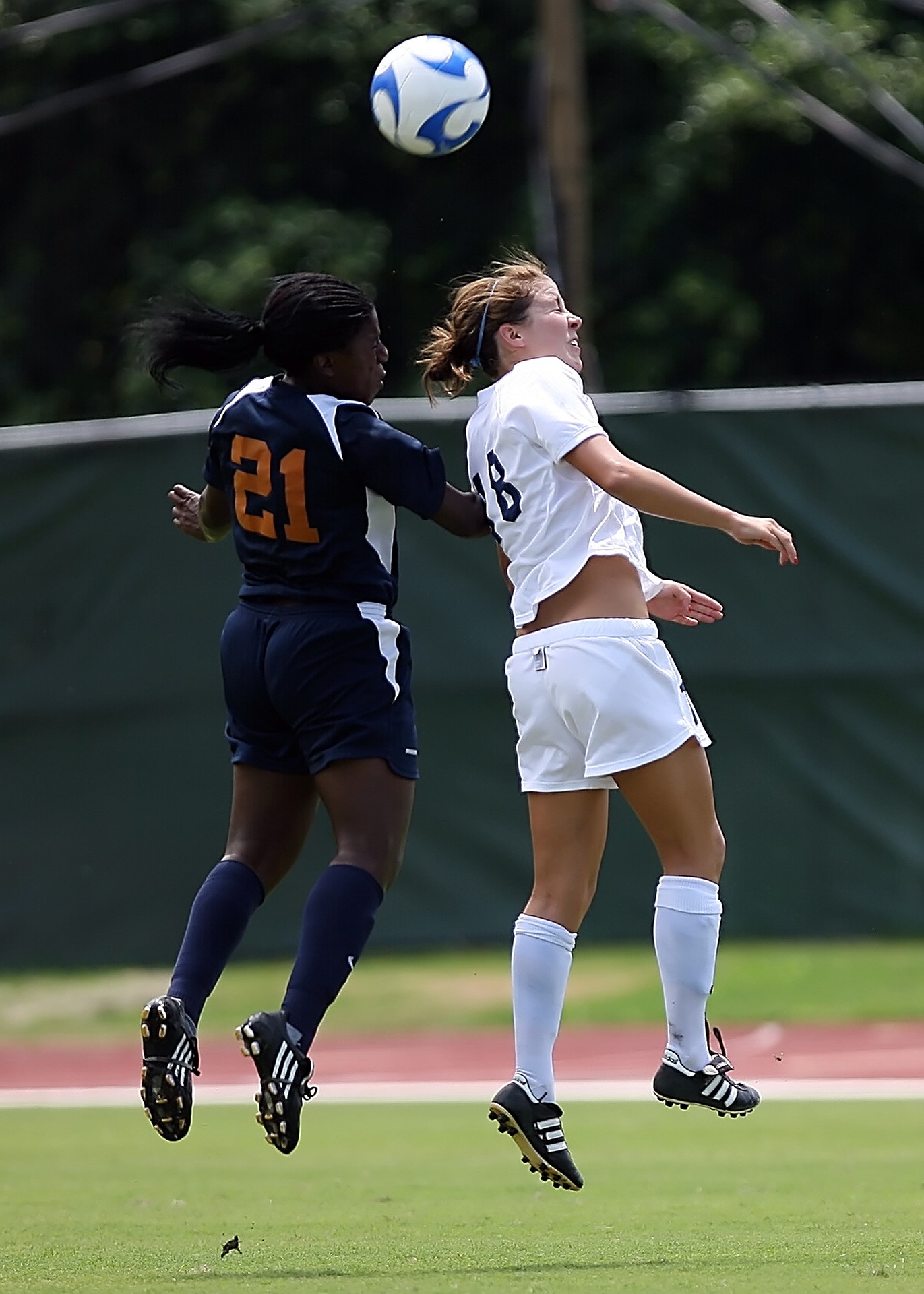
Athletes who tested positive for a COVID-19 infection were more likely to suffer a concussion within 60 days of recovering from the infection than athletes who did not contract COVID-19.

Background

COVID-19 affects the respiratory, cardiovascular and nervous systems. In some cases, COVID-19 can lead to long-term consequences (e.g. impaired cognition). It is currently unknown whether COVID-19 infection affects the risk of sports-related concussions.

Study aim

Bullock and colleagues completed a prospective cohort study to compare concussion rates between high school athletes who recently tested positive for COVID-19 and those who did not.

Methods

The authors recruited athletes from high schools in six states. A certified athletic trainer recorded all cases of COVID-19 infection or concussion. If an athlete reported COVID-like symptoms or had an elevated temperature during a daily screening, the athletic trainer administered a COVID test. The research team also recorded when an athlete participated in a training or competition. The authors focused on the number of concussions within 60 days after an athlete returned to play following a COVID-19 infection. All data was recorded in the Players Health Rehab system, including demographic information, sports and illness data for all athletes.

Results

A total of 72,522 athletes participated in high school sports at the affected school during the 2020-2021 school year. Of these athletes, 430 had COVID-19 infections. Of the athletes with a COVID-19 infection, 32 had a concussion, and 1,241 athletes without COVID-19 had a concussion. An athlete with a history of COVID-19 was approximately 3 times more likely to suffer a concussion within 60 days of returning to play than an athlete without COVID-19.

Viewpoints

Overall, the authors found that prior COVID-19 infection increased the risk of concussion during the first 60 days after recovery from COVID-19. Therefore, the effects of a COVID-19 infection may linger after returning to play. Knowing whether this applies to other sports-related injuries would be interesting. Additionally, learning why these athletes are at greater risk for concussion (e.g., deconditioning, persistent symptoms) can help us develop prevention strategies and make informed decisions about when and how to release an athlete to play following a COVID-19 infection.

Clinical implications

Doctors should explain to patients with COVID-19 that they may experience lingering effects that predispose them to concussion. We need to help the patient make an informed decision about when to return to play after COVID-19 infection. Once an athlete returns, doctors should monitor these patients for concussions.

Questions for discussion

What other measures have you implemented in your clinical practice to monitor athletes after COVID-19 infection? Is a COVID-19 infection something you are currently documenting?

Written by Kyle Harris
Reviewed by Jeffrey Driban

related posts

COVID recovery may require injury prevention training!
Use of cardiovascular magnetic resonance (CMR) imaging for return to athletic activities after COVID-19 infection: an expert consensus document on behalf of the American Heart Association Council on Cardiovascular Radiology and Intervention (CVRI) Leadership and endorsed by the Society for Cardiovascular Magnetic Resonance (SCMR)
Adapted physical activity in subjects and athletes recovering from Covid-19: a position statement of the Società Italiana Scienze Motorie e Sportive
Cardiopulmonary Considerations for High School Athletes During the COVID-19 Pandemic: Update to the NFHS-AMSSM Guidelines


Evidence-based assessment of concussion course - 5 EBP CEUs

Source link

Similar Posts

  • |

    You Don’t Look Sick – Living with Rheumatoid Arthritis: HAWAII DAY 3

      I woke up early this morning and headed to Rainbow Falls. I should have seen a rainbow, but I didn’t. I walked up the rock steps to get to the top and see the hot pools. (I think that’s what they’re called). Walking down was a bit slow. I returned to find that my…

  • | |

    Easy Fried Colossal Shrimp | GF | BoneCoach™ Recipes – BoneCoach™

      Looking for a flawless fish dish that anyone can make? This is it! Our Easy Baked Colossal Shrimp delivers effortless taste with just a short list of simple, everyday ingredients. Plus, it’s ready in just 10 minutes, making it perfect for a weeknight dinner or to impress party guests at a special occasion. Plus,…

  • August 2023 — Bone Talk

    As team captain of Be Bone Strong™, Barbara Hannah Grufferman, a nationally recognized positive living advocate, award-winning author and avid marathoner, will provide guidance and support to the team. To date, Barbara has run fourteen marathons and countless half marathons and other smaller races, all since she turned 50. She is passionate about motivating people…

  • Sports specialization in high schools may increase the risk of depression

      The Association of Sports Specialization and Concussion History on self-reported depressive symptoms and quality of life among high school athletes. Chou TY, Biese K, Leung W, Bell D, Kaminski T, McGuine T. [published online ahead of print, 2022 Nov 11]. Clin J Sport Med. 2022; doi:10.1097/JSM.0000000000001092 https://journals.lww.com/cjsportsmed/Abstract/9900/The_Association_of_Sport_Specialization_and.61.aspx Take home message Sports specialization in high…

  • The story of chronic traumatic encephalopathy is not as simple as it seems

    Neuropathological and clinical findings in young contact athletes exposed to repetitive head impacts McKee AC, Mez J, Abdulmohammad B, et al. JAMA Neurology. Published online 2023. doi:10.1001/jamaneurol.2023.2907 Full article available for free Take home message Less than half of young adults exposed to repetitive head impacts through sports and who suffered from mental health and…

  • |

    Sleeping after knee replacement

    What if the key to a faster recovery isn’t just what you do during the day, but how you rest at night? We understand that getting proper rest following an operation can be a major hurdle. In fact, research shows about half of all patients report significant discomfort when trying to find a comfortable position. sleeping after knee replacement This cycle of fatigue and increased sensitivity can slow down your progress. That’s why quality rest is not a luxury—it’s a critical part of the healing process, as emphasized by Christynne Helfrich, PT, DPT at Hinge Health. Our guide is designed to break this cycle. We provide expert-backed strategies for managing discomfort and improving your overall rest quality. This includes proven positions and techniques for the crucial first weeks. By addressing the root causes of post-operative disturbances, we aim to help you achieve the restorative rest your body needs. For a comprehensive plan, explore our detailed resource on how to sleep after knee replacement. Key Takeaways Quality rest is a powerful, non-negotiable part of the healing journey after surgery. Many individuals experience increased pain at night or struggle to find a comfortable sleep position. Targeted exercises and proper sleep hygiene can significantly improve your comfort and rest quality. Effective pain management, including techniques like icing, is crucial for uninterrupted sleep. Guidance from your physical therapist and surgical team is essential for a safe and effective recovery. Patience and consistency with your nightly routine are key to long-term success. Understanding Knee Replacement Recovery Your body begins a detailed repair process immediately after joint surgery. A nerve block often provides comfort for the first 18 to 30 hours post-procedure. This offers a valuable window before typical sensations begin. knee replacement recovery Post-Surgery Healing and Body Changes Significant changes occur as you heal from this operation. Natural inflammation and swelling around the new joint are common. Your system is working hard to integrate the artificial components. We note that many individuals report increased difficulty starting around day four. Challenges can persist for up to ten weeks in some cases. Discomfort may also travel to areas like the shin or hip at night. This is a normal part of the adjustment process. Your body is adapting to its new mechanics. How Sleep Supports Recovery Quality rest is vital for repair. Your body focuses on mending the joint and surrounding muscle tissue during deep rest. This is when the most intensive healing occurs. As healing progresses, your sleep quality should gradually improve. Research shows most people see significant progress by the three-month mark. The first month is often the most difficult. We encourage you to stay active during the day. Gentle movement promotes blood flow and prevents stiffness. This daily activity supports better rest at night. Understanding that your body is working hard post-operatively helps manage expectations. Consistency with your routine is key for long-term success. Common Sleep Challenges After Knee Replacement The quiet of the night often amplifies the physical sensations that accompany post-operative healing. We see that nearly half of all individuals report severe disturbances during this critical time. This makes addressing these hurdles a top priority. common sleep challenges after knee replacement Nighttime Pain and Discomfort Without daytime distractions, you may become more aware of persistent sensations. This heightened awareness can make falling asleep difficult. Anxiety about your new joint is also common. Worrying about movement can further disrupt your rest cycles. Dealing with Swelling and Stiffness Inflammation is a natural response to an operation. It often increases when you are lying down for extended periods. Limited mobility prevents natural position shifts. This lack of movement allows stiffness to set in by morning. Challenge Primary Cause Typical Effect Nighttime Pain Increased sensory awareness Difficulty initiating sleep Swelling Post-surgery inflammation Discomfort in bed Joint Stiffness Immobility during rest…

Leave a Reply

Your email address will not be published. Required fields are marked *