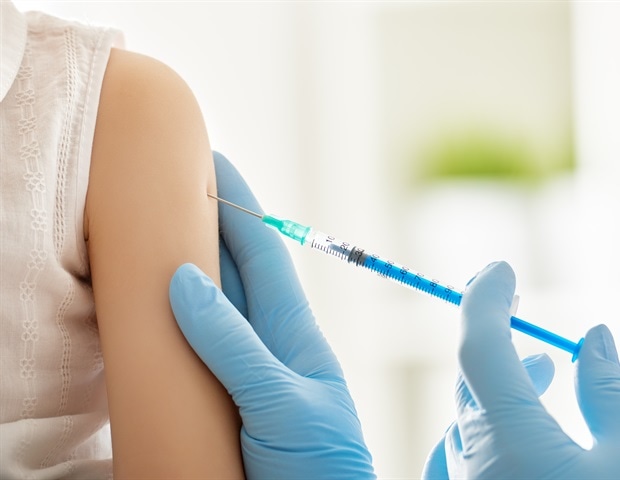
A doctor makes a vaccination to a child Yuganov Konstantin cdbf1b05417f45e89b8268af4858e1c9

Patients with autoimmune rheumatic diseases benefit significantly from the fourth dose of COVID-19 vaccine

A doctor makes a vaccination to a child Yuganov Konstantin cdbf1b05417f45e89b8268af4858e1c9

Patients with autoimmune rheumatic diseases, including rheumatoid arthritis and other chronic conditions that cause inflammation, are at increased risk for SARS-CoV-2 infection and death from severe COVID-19. Many patients receive disease-modifying antirheumatic drugs (DMARDs) to treat these conditions, but this treatment has been associated with a blunted response to COVID-19 vaccines. The U.S. Centers for Disease Control and Prevention recommends that patients receiving DMARDs receive a fourth dose of the mRNA vaccine in addition to the primary three-dose series to protect against COVID-19. A new study led by researchers at Mass General Brigham suggests that this recommendation saved lives and reduced hospitalizations among patients in this risk group. Results are published in The Lancet Rheumatology.

To conduct their study, the researchers used observational data from Mass General Brigham’s health care system to compare rheumatic patients who took DMARDs and received a fourth dose of the mRNA vaccine with those who did not. The study included data from 4,305 patients. They found that patients who received the fourth dose had a 41 percent reduction in risk of infection and a 65 percent reduction in admission/death compared to those who did not.


A fourth dose of COVID-19 mRNA vaccine provides significant protection against any SARS-CoV-2 infection and severe COVID-19 in patients with systemic autoimmune rheumatic diseases taking DMARDs. These patients should be encouraged to remain current on COVID-19 mRNA vaccines, including boosters after the primary vaccination series.”


Zachary Wallace, MD, MSc, co-corresponding author of the Division of Rheumatology, Immunology and Allergy at Massachusetts General Hospital (MGH), a founding member of the Mass General Brigham health care system


Since the start of the pandemic, researchers from across Brigham and Women’s Hospital (BWH) and MGH have been working together to pay special attention to this group of patients to uncover insights that can help inform their treatment and the care of broader patient populations. .

“At the very beginning of the pandemic, we joined forces to identify every rheumatic patient with COVID we see in our institutions so we could monitor their clinical course and collect examination and blood data,” said co-corresponding author Jeffrey Sparks, MD, MMSc, ​​of the Division of Rheumatology, Inflammation and Immunity at BWH. “Working together, we will find important clues that can help better protect patients against infections and serious diseases.”

Source:

Magazine reference:

Hanberg, J.S. et al. (2023) Effectiveness of a fourth dose of COVID-19 mRNA vaccine in patients with systemic autoimmune rheumatic diseases taking disease-modifying antirheumatic drugs: an emulated target study. The Lancet Rheumatology. doi.org/10.1016/S2665-9913(23)00272-2.

Source link

Similar Posts

  • |

    Tips to prevent falls

    Follow these steps to help keep falling! One in four elderly people fall every year, but only half tell their doctor. See how else you can get the most out of your conversations with your doctor. https://bit.ly/FPAW2023-Praat-met-uw-dokter Your vision and hearing play an important role in good balance, which is necessary for daily activities to…

  • |

    Spinal Elements® celebrates 20 years of inspired innovation

      The company’s advanced, minimally invasive surgical solutions transform treatment and improve patient outcomes CARLSBAD, CA, November 9, 2023–(BUSINESS WIRE)–Spinal Elements, a Carlsbad, CA-based spine technology company specializing in innovative solutions for spine surgery, is proud to announce its 20e birthday. For two decades, Spinal Elements has been at the forefront of developing advanced spine…

  • Substitute Surgical Reports Third Quarter 2023 Financial Results

      WALTHAM, Mass., November 13, 2023–(BUSINESS WIRE)–Vicarious Surgical Inc. (“Vicarious Surgical” or the “Company”) (NYSE: RBOT, RBOT WS), a next-generation robotics technology company committed to improving patient outcomes, as well as both the cost and efficiency of surgical procedures, today announced financial results for the quarter ended September 30, 2023. Management will host a corresponding…

  • Best ice machine for knee surgery (Game Ready, Polar Care)

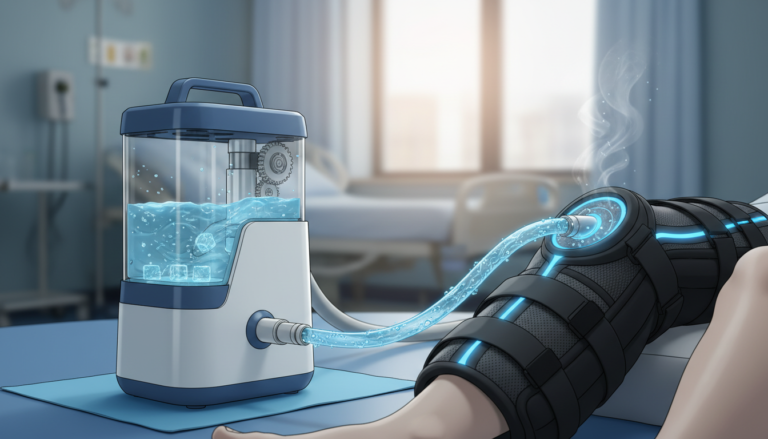
    What if you could recover from knee surgery with less pain and fewer medications? This question is at the heart of modern post-operative care. Managing discomfort and swelling is a major challenge after an orthopedic procedure. cold therapy system Cold therapy offers a powerful, drug-free solution. It is a non-invasive method to control inflammation and pain directly at the source. Specialized units deliver consistent cooling to the affected area. This can significantly reduce the need for strong painkillers during the critical healing phase. We have thoroughly examined the market of recovery tools. Our guide focuses on leading systems, including various Breg Polar Care models and the Game Ready unit. Our goal is to help you navigate your options. You can find a system that fits your needs and supports a smoother, more comfortable recovery at home. Key Takeaways Cold therapy is a proven, drug-free method to manage pain and swelling after surgery. Using a dedicated cooling unit can help reduce reliance on narcotic pain medication. Popular systems like the Breg Polar Care line come in several models, such as the Cube, Kodiak, Glacier, and Wave. Game Ready is a leading unit that combines cold therapy with adjustable compression. Always consult your healthcare provider to ensure this therapy is right for your specific procedure. Selecting the right device involves considering your budget and recovery goals. Effective, consistent cooling can greatly improve comfort and outcomes during the healing process. Introduction to Knee Surgery Recovery and Cold Therapy Successfully navigating the first weeks post-surgery hinges on a structured recovery strategy. This plan must prioritize managing two key issues: discomfort and inflammation. This is where cold therapy, also called cryotherapy, becomes essential. It involves applying controlled cooling to the surgical area to reduce inflammation. After a procedure, fluid often accumulates in the joint. This swelling, known as edema, increases pressure and causes significant pain. The therapy works by constricting blood vessels. This action helps limit the amount of fluid and blood pooling at the injury site. Many surgeons now recommend a dedicated cooling device. These units provide consistent, targeted cold therapy that is far more effective than basic ice packs. Reducing swelling early is crucial. It directly supports efforts to regain a full range of motion in the knee during rehabilitation. Healthcare providers often prescribe this therapy as a safe alternative to stronger pain medications. Patients should always combine its use with specific exercise advice from a physiotherapist. This promotes healthy blood flow and ensures optimal healing. How Cold Therapy Works in Reducing Swelling and Pain Cold therapy targets the root causes of post-operative discomfort through a simple yet powerful process. It directly addresses the inflammation and pain that hinder healing. Mechanism of Action in Cold Therapy The primary mechanism involves using cold water to constrict blood vessels. This reduces blood flow and inflammation in the affected area. A dedicated unit provides a continuous, even distribution of this chilled liquid. It maintains a steady cold temperature for many hours. cold therapy mechanism Advantages Over Traditional Ice Packs Basic ice packs warm up quickly due to body heat. Their effectiveness diminishes within minutes. In contrast, a motorized therapy system eliminates frequent trips to the freezer. Its large, insulated reservoir ensures prolonged cooling. Specialized pads are designed for specific body parts. They deliver targeted cold therapy exactly where needed. This approach prevents the condensation issues of melting ice packs. It keeps the surgical site clean and dry, enhancing comfort and hygiene. Overview of Cold Therapy Devices for Post-Surgical Recovery The market offers two primary types of cold therapy units, each with distinct mechanisms and benefits. Selecting the right one depends on your mobility, budget, and recovery goals. We categorize these devices into gravity-fed and motorized systems. This helps you understand which technology best suits your specific needs. Types of Devices: Motorized and Gravity-Fed Systems Gravity-fed devices, like the Aircast Cryo/Cuff, use elevation to circulate water without a motor. They are cost-effective and portable. The simple physics of elevation moves chilled liquid through the pad. Motorized systems provide constant recirculation of cold water between a cooler and the pad. This is ideal for patients with limited mobility after a procedure. Brands like Breg Polar Care circulate water directly for efficient cooling. The DonJoy IceMan series uses dual pump technology for a comfortable temperature. Some advanced therapy units, such as the Ossur Cold Rush, feature an adjustable flow dial. This allows patients to customize their experience. Understanding these mechanical differences is key before making a purchase. Both types deliver effective cold therapy, but their operation varies. Key Features to Consider When Purchasing an Ice Machine Several practical factors determine how well a cold therapy machine will serve you at home. The right features enhance both effectiveness and convenience during your healing period. Consistency, Coverage, and Temperature Control Look for a unit that maintains a steady cold temperature. Consistent cooling is vital for safe, prolonged sessions. Good coverage means the pad fits your joint properly. This ensures the therapy reaches all affected areas. Adjustable controls let you fine-tune the intensity. This prevents skin irritation while maximizing comfort. cold therapy…

  • |

    Influence of cuff stiffness on hemodynamics and perceived cuff pressure in the upper limbs in men and women: implications for practical training to limit blood flow restriction BMC Sports sciences, medicine and rehabilitation

      All participants (demographic and anthropometric data are shown in Table 1) successfully completed the experimental sessions without side effects, except for some cases of mild tingling in the fingers at the end of the measurements. Regarding RTD, three men had to be excluded from the data analyzes because the occlusion of arterial blood flow…

  • Knee Hurt from Biking

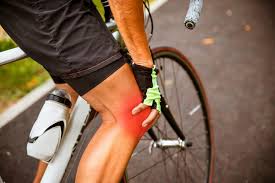
    Knee Hurt from Biking: Causes and Treatment If you’re an avid cyclist, you may have experienced knee pain at some point. Knee pain from cycling is a common problem that can be caused by a variety of factors, including incorrect bike fit, overuse, and medical conditions. In this article, we’ll explore the causes of cycling…

Leave a Reply

Your email address will not be published. Required fields are marked *