
Knee Pain Relief Exercises
Knee Anatomy
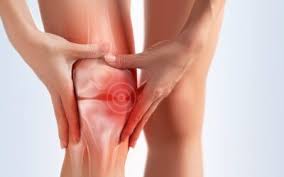
The knee joint contains bones including the femur, tibia, fibula, and patella. On the ends of these bones is articular cartilage that provides a smooth gliding surface and cushions impact. Meniscus cartilage between the femur and tibia acts as a shock absorber. Ligaments like the ACL and PCL stabilize the joint. Tendons attach muscles like the quadriceps and hamstrings to the bones, enabling motion. Any injury or deterioration of these structures can cause knee pain. Understanding basic knee anatomy helps guide appropriate rehabilitation exercises.
Exercises for Osteoarthritis
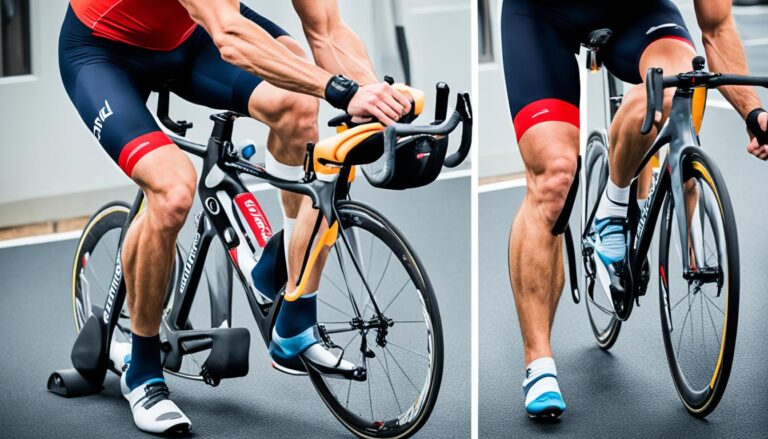
For knee osteoarthritis, low-impact cardio machine exercise improves overall fitness without overloading damaged joint surfaces. Stationary biking and swimming are ideal. Leg extension exercises target the quadriceps muscles on the front of the thighs to improve knee extension strength. Wall sits hold a partial squat position to strengthen the quadriceps in a limited range of motion. Heel slides on a flat surface help improve knee flexion mobility. Performing a variety of strengthening and range of motion exercises can significantly reduce osteoarthritis knee pain.
Exercises for ACL/Meniscus Injuries
Straight leg raises work the quadriceps while keeping resistance away from the knee joint. Towel crunches beneath the knees help strengthen muscles while limiting knee bending. Gently stretching the calf muscles and hamstrings prevents the knee from being pulled into greater extension. Bridges activate the hips and core while keeping the knee still in a protected range of motion. These exercises allow early rehab following knee ligament/cartilage surgery.
Prevention Exercises
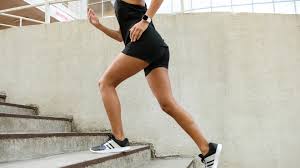
For knee pain prevention, key exercises include squats, lunges, and leg presses to strengthen quadriceps and glutes. Balance training like standing on one leg on an unstable surface improves proprioception. Plyometric jumps, hops, and bounds build power in the thigh and hip muscles while enhancing dynamic knee stability. Rotational movements strengthen supporting musculature. Agility drills teach proper biomechanics and control during direction changes.


One Comment