Effective Home Remedies for Knee Pain Relief
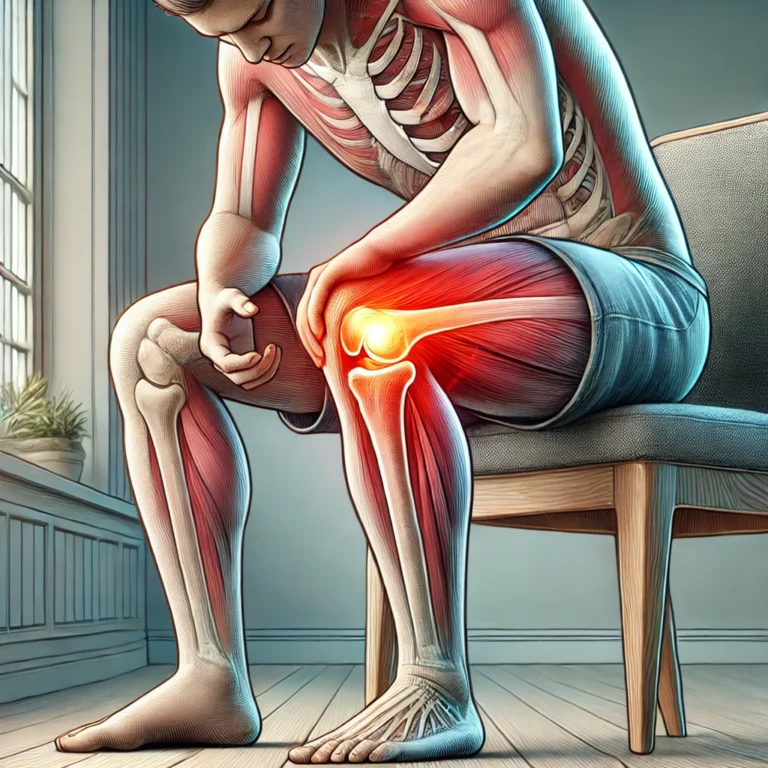
Knee pain can be a common and debilitating condition that affects people of all ages. Whether it is caused by injury, arthritis, or overuse, finding effective home remedies for knee pain relief is essential for improving quality of life. In this article, we will explore various natural remedies, lifestyle changes, and alternative therapies that can help alleviate knee pain and promote better joint health.
Key Takeaways
- Hot and cold therapy can help reduce inflammation and provide temporary pain relief.
- Regular exercise and stretching can strengthen the muscles around the knee and improve flexibility.
- Maintaining a healthy weight can reduce stress on the knee joints.
- Certain herbal supplements, such as turmeric and ginger, have anti-inflammatory properties that may help alleviate knee pain.
- Wearing proper footwear and avoiding high-impact activities can prevent further damage to the knee joints.Understanding Knee Pain
Common Causes of Knee Pain
Knee pain can be caused by a variety of factors, including injury, overuse, and medical conditions. Injuries such as sprains, strains, and tears in the ligaments or tendons surrounding the knee can lead to pain and discomfort. Overuse of the knee joint, often seen in athletes or individuals who engage in repetitive activities, can also result in knee pain. Additionally, certain medical conditions like arthritis, bursitis, and tendonitis can contribute to knee pain.
It is important to note that knee pain can also be a symptom of an underlying health issue, such as gout, infection, or nerve damage. If you are experiencing persistent or severe knee pain, it is recommended to seek medical attention to determine the underlying cause and receive appropriate treatment.
Here are some common causes of knee pain:
- Injuries: sprains, strains, tears
- Overuse of the knee joint
- Medical conditions: arthritis, bursitis, tendonitis
Tip: If you are unsure about the cause of your knee pain, consult a healthcare professional for an accurate diagnosis and personalized treatment plan.
Types of Knee Pain
Knee pain can manifest in various ways, depending on the underlying cause. Acute knee pain is sudden and often caused by an injury, such as a sprain or tear. Chronic knee pain, on the other hand, persists over a longer period and is usually associated with conditions like arthritis or overuse injuries.
It’s important to accurately identify the type of knee pain you’re experiencing to determine the most appropriate treatment approach. Here are some common types of knee pain:
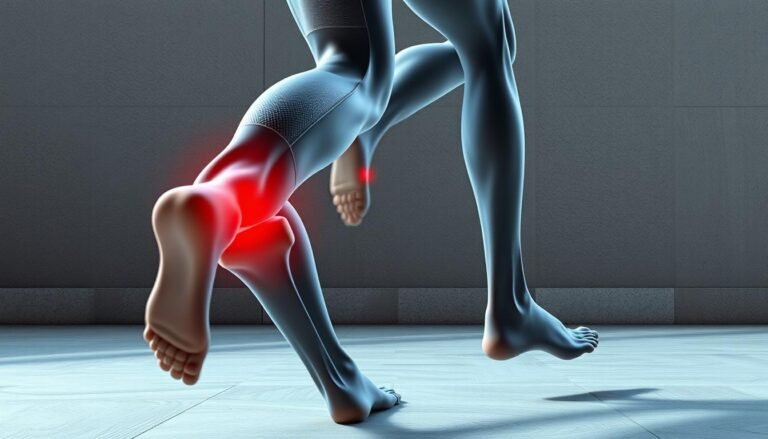
- Patellofemoral pain syndrome: This condition, also known as runner’s knee, causes pain around the kneecap and is often aggravated by activities like running or climbing stairs.
- Osteoarthritis: A degenerative joint disease that causes the cartilage in the knee to wear down, resulting in pain, stiffness, and swelling.
- Bursitis: Inflammation of the bursae, small fluid-filled sacs that cushion the knee joint, leading to pain and swelling.
While these are just a few examples, it’s important to consult with a healthcare professional for an accurate diagnosis and personalized treatment plan.
When to Seek Medical Help
If you are experiencing severe knee pain that is accompanied by swelling, redness, or difficulty in bearing weight on the affected knee, it is important to seek medical help immediately. These symptoms could indicate a more serious underlying condition such as a torn ligament, fracture, or infection. Additionally, if your knee pain persists for more than a few days despite home remedies and self-care measures, it is advisable to consult a healthcare professional for a proper diagnosis and treatment plan.
In some cases, knee pain may be a result of an acute injury or trauma, such as a fall or sports-related accident. If you have experienced a sudden and severe knee injury, it is crucial to seek immediate medical attention to prevent further damage and ensure proper healing. Delaying medical treatment in such cases can lead to complications and prolonged recovery time.
Remember, it is always better to err on the side of caution when it comes to your health. If you are unsure about the severity of your knee pain or if it is interfering with your daily activities, do not hesitate to consult a healthcare professional for an accurate diagnosis and appropriate treatment.
Natural Remedies for Knee Pain
Hot and Cold Therapy
Hot and cold therapy is a popular and effective natural remedy for knee pain relief. Applying heat to the affected area can help to relax muscles, increase blood flow, and reduce stiffness. This can be done using a heating pad, warm towel, or hot water bottle. On the other hand, applying cold to the knee can help to reduce inflammation, numb the area, and alleviate pain. Ice packs or cold compresses can be used for cold therapy.
Hot and cold therapy can be used in combination or alternated depending on the individual’s preference and the nature of the knee pain. It is important to follow proper guidelines when using hot and cold therapy to avoid burns or frostbite. Here are some tips to keep in mind:
- Limit the duration of each therapy session to 15-20 minutes.
- Use a barrier between the heat or cold source and the skin to prevent direct contact.
- Allow the skin to rest for at least 45 minutes between therapy sessions.
Remember, hot and cold therapy is just one of the many natural remedies available for knee pain relief. It is always advisable to consult with a healthcare professional for a proper diagnosis and personalized treatment plan.
Exercise and Stretching
Exercise and stretching are crucial for managing knee pain and improving joint flexibility. Regular physical activity helps strengthen the muscles around the knee, providing better support and stability. It also promotes blood circulation, which aids in reducing inflammation and promoting healing.
Here are some exercises and stretching techniques that can help alleviate knee pain:
- Quadriceps strengthening exercises: These exercises target the quadriceps muscles, which play a key role in knee stability. Examples include leg extensions, squats, and lunges.
- Hamstring stretches: Tight hamstrings can contribute to knee pain. Gentle stretching exercises like hamstring stretches can help improve flexibility and reduce discomfort.
- Calf stretches: Tight calf muscles can also put strain on the knee joint. Stretching exercises like calf raises and wall stretches can help relieve tension and improve mobility.
Tip: It’s important to start slowly and gradually increase the intensity and duration of exercises. If you experience any pain or discomfort, stop and consult a healthcare professional.
Weight Management
Maintaining a healthy weight is crucial for managing knee pain. Excess weight puts added stress on the knees, leading to increased pain and discomfort. Losing weight can help reduce the strain on the knee joints and improve overall mobility.
To achieve weight management, it is important to focus on a balanced diet that includes a variety of fruits, vegetables, lean proteins, and whole grains. Avoiding processed foods and sugary drinks can also contribute to weight loss.
In addition to a healthy diet, regular physical activity is essential for weight management and knee pain relief. Engaging in low-impact exercises such as swimming, cycling, or walking can help strengthen the muscles around the knees and improve joint stability.
Tip: Incorporating small changes into your daily routine, such as taking the stairs instead of the elevator or parking farther away from your destination, can add up to significant calorie burn and contribute to weight management.
Herbal Supplements
Herbal supplements are a popular choice for managing knee pain. Turmeric, ginger, and boswellia are some of the commonly used herbal supplements that have shown promising results in reducing inflammation and relieving pain. These supplements can be taken in capsule or powder form, or added to food and beverages.
When considering herbal supplements, it is important to consult with a healthcare professional or a qualified herbalist to ensure safety and proper dosage. Some herbal supplements may interact with medications or have potential side effects.
Here is a table summarizing the benefits of these herbal supplements:
| Supplement | Benefits |
|---|---|
| Turmeric | Reduces inflammation and pain |
| Ginger | Relieves joint stiffness and improves mobility |
| Boswellia | Decreases swelling and improves joint function |
It is important to note that while herbal supplements can provide relief, they may not be a standalone solution. It is recommended to incorporate them as part of a comprehensive approach to knee pain management, including exercise, weight management, and other lifestyle changes.
Tip: When using herbal supplements, start with a low dosage and gradually increase if needed. Monitor your body’s response and discontinue use if any adverse effects occur.
Lifestyle Changes for Knee Pain Relief
Proper Footwear
Choosing the right footwear is crucial for managing knee pain. Supportive shoes with cushioning can help absorb shock and reduce stress on the knees. Look for shoes that provide arch support and have a wide toe box to allow for proper alignment and movement. Avoid high heels and shoes with minimal padding, as they can exacerbate knee pain. Additionally, consider using orthotic inserts or custom-made shoe inserts to provide extra support and stability.
To ensure a proper fit, it’s recommended to get your feet measured by a professional. This will help you find the right shoe size and width for your feet. Remember to try on shoes later in the day when your feet are slightly swollen, as this is when they are at their largest.
Tips for choosing proper footwear:
- Opt for shoes with good shock absorption
- Look for shoes with arch support
- Choose shoes with a wide toe box
- Avoid high heels and minimal padding
- Consider using orthotic inserts or custom-made shoe inserts
By wearing the right footwear, you can provide better support and reduce the strain on your knees, ultimately helping to alleviate knee pain.
Avoiding High-Impact Activities
When experiencing knee pain, it is important to avoid high-impact activities that can exacerbate the pain and potentially cause further damage to the knee joint. High-impact activities include running, jumping, and activities that involve sudden stops or changes in direction. Instead, opt for low-impact exercises such as swimming, cycling, or using an elliptical machine. These exercises provide a cardiovascular workout without putting excessive stress on the knees.
In addition to avoiding high-impact activities, it is also beneficial to modify daily activities to reduce strain on the knees. This can include using proper body mechanics when lifting heavy objects, taking breaks during prolonged periods of standing or walking, and using assistive devices such as knee braces or walking aids when necessary.
Remember, it is important to listen to your body and not push through pain. If an activity causes increased pain or discomfort, it is best to modify or avoid it altogether. By making these lifestyle changes and being mindful of your knee health, you can help alleviate knee pain and promote overall knee health.
Maintaining a Healthy Diet
A healthy diet plays a crucial role in managing knee pain. Eating a balanced diet that includes a variety of fruits, vegetables, whole grains, lean proteins, and healthy fats can help reduce inflammation and promote joint health. Incorporating foods rich in omega-3 fatty acids such as salmon, walnuts, and flaxseeds can provide anti-inflammatory benefits. Additionally, limiting processed foods and added sugars can help maintain a healthy weight and reduce stress on the knees.
To ensure you’re getting all the necessary nutrients, consider supplementing your diet with vitamin D and calcium. These nutrients are essential for bone health and can support overall joint function. However, it’s important to consult with a healthcare professional before starting any new supplements.
In addition to a healthy diet, staying hydrated is also important for knee health. Drinking an adequate amount of water throughout the day can help keep the joints lubricated and prevent dehydration-related inflammation.
Stress Reduction Techniques
Stress can exacerbate knee pain and hinder the healing process. It is important to incorporate stress reduction techniques into your daily routine to promote overall well-being and alleviate knee pain. Here are some effective techniques to help reduce stress:
- Deep breathing: Practice deep breathing exercises to calm your mind and relax your body. Take slow, deep breaths in through your nose and exhale slowly through your mouth.
- Meditation: Set aside a few minutes each day to meditate. Find a quiet and comfortable space, close your eyes, and focus on your breath or a calming mantra.
- Yoga: Engaging in gentle yoga poses can help relieve stress and improve flexibility. Try incorporating poses such as child’s pose, cat-cow, and downward-facing dog into your routine.
- Journaling: Writing down your thoughts and feelings can be a therapeutic way to release stress. Consider keeping a journal to express yourself and reflect on your emotions.
Remember, finding healthy ways to manage stress is essential for both your mental and physical well-being.
Alternative Therapies for Knee Pain
Acupuncture
Acupuncture is a traditional Chinese medicine practice that involves inserting thin needles into specific points on the body to alleviate pain and promote healing. Research has shown that acupuncture can be an effective complementary therapy for knee pain relief. It works by stimulating the body’s natural healing response and promoting blood flow to the affected area.
One study conducted on patients with knee osteoarthritis found that acupuncture provided significant pain relief and improved physical function compared to a control group. Another study showed that acupuncture combined with exercise therapy was more effective in reducing knee pain and improving knee function than exercise therapy alone.
Benefits of acupuncture for knee pain relief:
- Reduces inflammation and swelling
- Relieves pain and stiffness
- Improves joint mobility
- Enhances overall well-being
It is important to note that acupuncture should be performed by a trained and licensed acupuncturist to ensure safety and effectiveness. If you are considering acupuncture as a treatment option for knee pain, consult with a healthcare professional to determine if it is suitable for you.
Massage Therapy
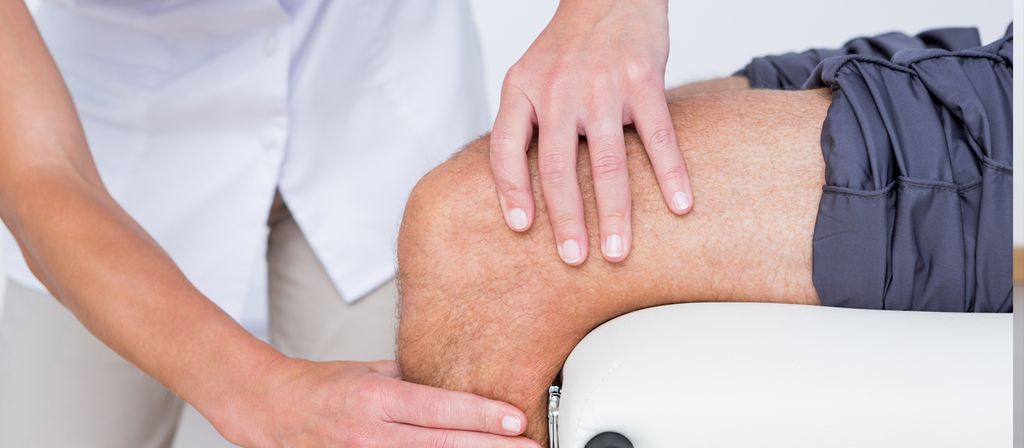
Massage therapy is a popular alternative therapy for knee pain relief. It involves the manipulation of soft tissues in the body to promote relaxation and reduce muscle tension. Deep tissue massage is often used to target specific areas of pain and inflammation in the knee. This type of massage applies firm pressure to release tight muscles and improve blood flow.
Massage therapy can provide several benefits for individuals with knee pain:
- Pain reduction: Massage helps to alleviate pain by reducing muscle tension and promoting the release of endorphins, which are natural painkillers.
- Improved flexibility: Regular massage can help to improve the flexibility and range of motion in the knee joint.
- Stress relief: Massage therapy can also help to reduce stress and promote overall relaxation, which can have a positive impact on knee pain.
It is important to consult with a qualified massage therapist who specializes in treating knee pain to ensure safe and effective treatment.
Chiropractic Care
Chiropractic care is a non-invasive treatment option that focuses on the musculoskeletal system, particularly the spine. Chiropractors use manual manipulation techniques to align the body’s structure, improve joint mobility, and reduce pain. This form of therapy can be beneficial for individuals experiencing knee pain due to misalignment or imbalances in the body.
One of the main benefits of chiropractic care is its holistic approach to treating knee pain. Rather than solely focusing on the affected area, chiropractors consider the entire body and how it functions as a whole. By addressing any underlying issues or imbalances, chiropractic care aims to provide long-term relief and improve overall well-being.
In addition to manual adjustments, chiropractors may also recommend exercises and stretches to strengthen the muscles surrounding the knee joint. These exercises can help improve stability, flexibility, and range of motion, ultimately reducing knee pain and preventing future injuries.
It’s important to note that chiropractic care may not be suitable for everyone. Individuals with certain medical conditions, such as osteoporosis or severe arthritis, should consult with their healthcare provider before seeking chiropractic treatment.
If you’re considering chiropractic care for knee pain relief, it’s essential to choose a licensed and experienced chiropractor. Research their credentials, read reviews, and ask for recommendations from trusted sources to ensure you receive safe and effective treatment.
Transcutaneous Electrical Nerve Stimulation (TENS)
Transcutaneous Electrical Nerve Stimulation (TENS) is a non-invasive treatment option for knee pain relief. It involves the use of a small device that delivers low-voltage electrical currents to the affected area. TENS works by stimulating the nerves and blocking pain signals from reaching the brain. This can help reduce pain and improve mobility in individuals with knee pain.
- TENS is considered safe and can be used at home with proper guidance.
- It is important to follow the instructions provided by a healthcare professional or the device manufacturer.
- TENS should not be used by individuals with certain medical conditions, such as pacemakers or epilepsy.
If you are considering using TENS for knee pain relief, it is recommended to consult with a healthcare professional to determine if it is suitable for your specific condition.
Conclusion
In conclusion, home remedies can be an effective and natural way to find relief from knee pain. By incorporating exercise, hot and cold therapy, natural supplements, and lifestyle changes, individuals can manage their knee pain and improve their overall quality of life. It is important to consult with a healthcare professional before trying any new remedies or treatments. Remember, prevention is key, so maintaining a healthy weight, staying active, and practicing good posture can help prevent knee pain in the first place.
Frequently Asked Questions
What are the common causes of knee pain?
Common causes of knee pain include injuries, overuse, arthritis, and obesity.
How can hot and cold therapy help with knee pain?
Hot and cold therapy can help reduce inflammation, alleviate pain, and promote healing in the knee joint.
What exercises and stretching can I do for knee pain relief?
Low-impact exercises and gentle stretching can help strengthen the muscles around the knee and improve flexibility.
Does weight management affect knee pain?
Yes, maintaining a healthy weight can reduce stress on the knee joint and alleviate knee pain.
Are there any herbal supplements that can help with knee pain relief?
Certain herbal supplements, such as turmeric and ginger, have anti-inflammatory properties that can help reduce knee pain.
How can acupuncture help with knee pain?
Acupuncture can stimulate the release of endorphins, which are natural pain-relieving chemicals in the body, to alleviate knee pain.